

Tested Applications
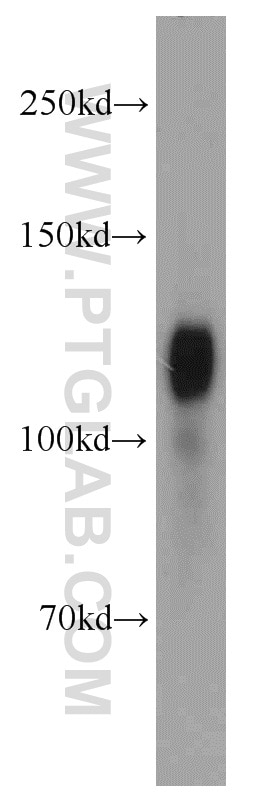
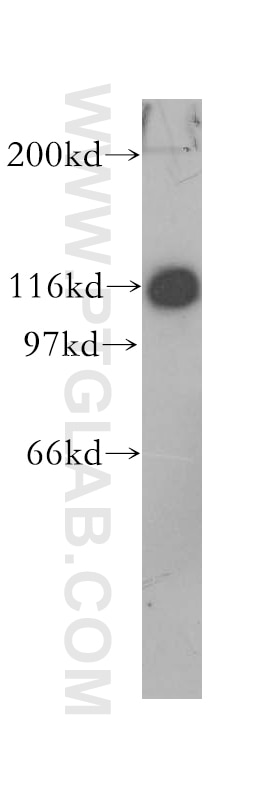
| Positive WB detected in | mouse brain tissue, mouse lung tissue |
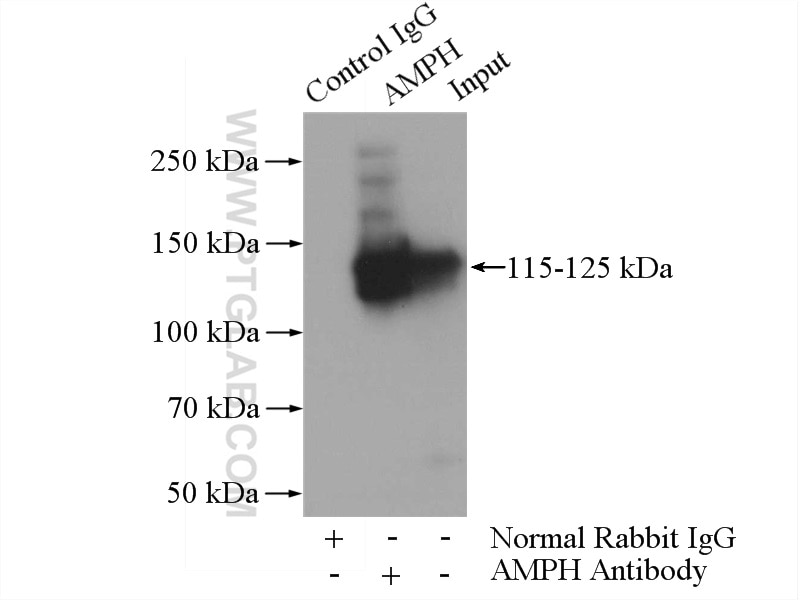
| Positive IP detected in | mouse brain tissue |
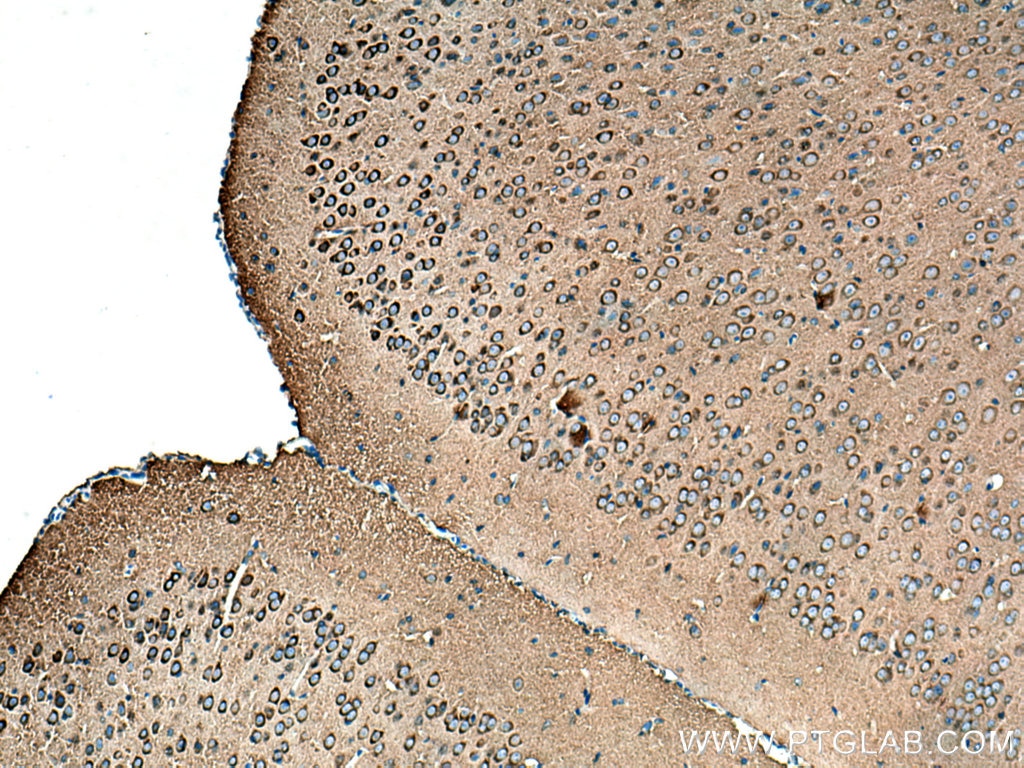
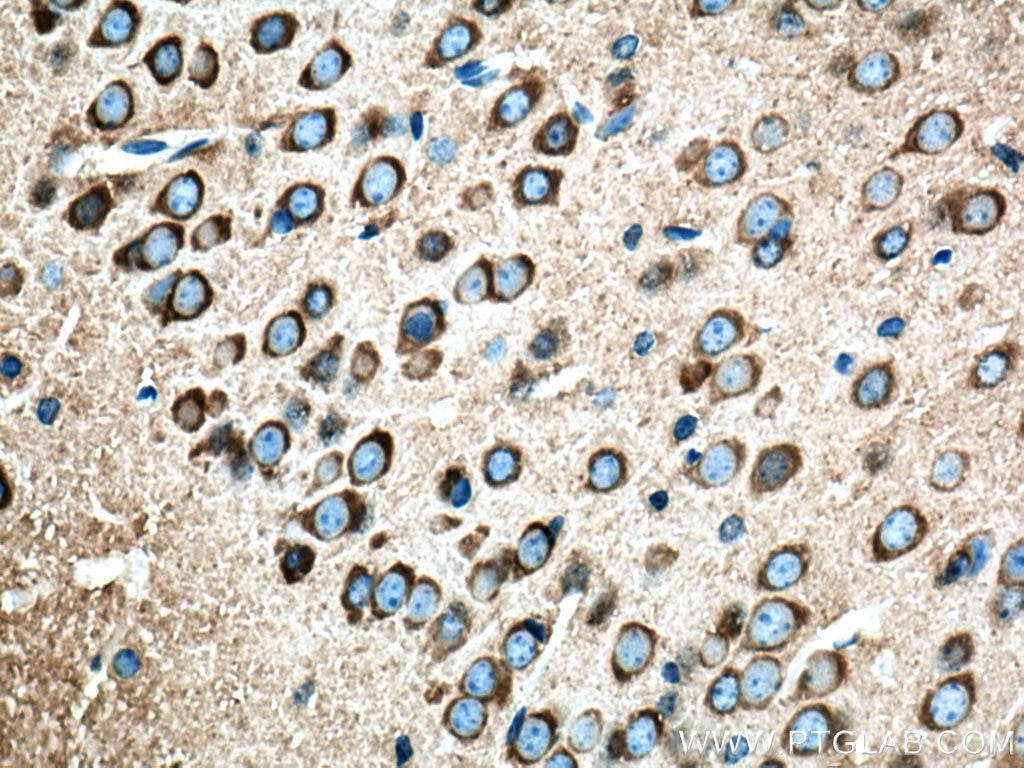
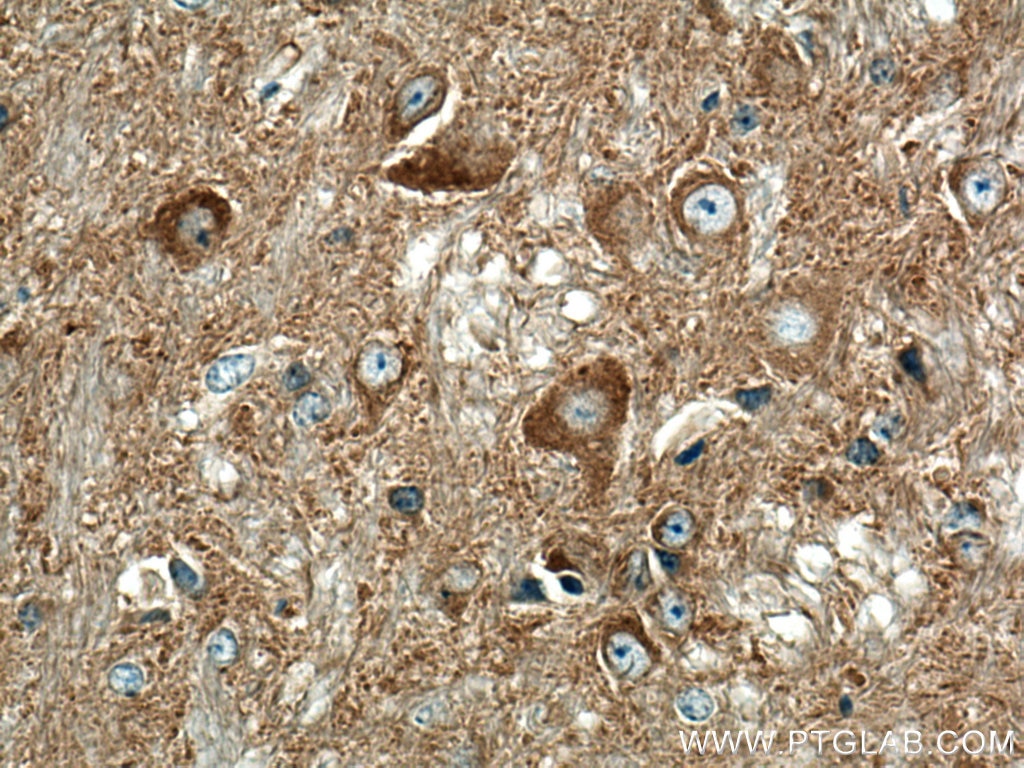
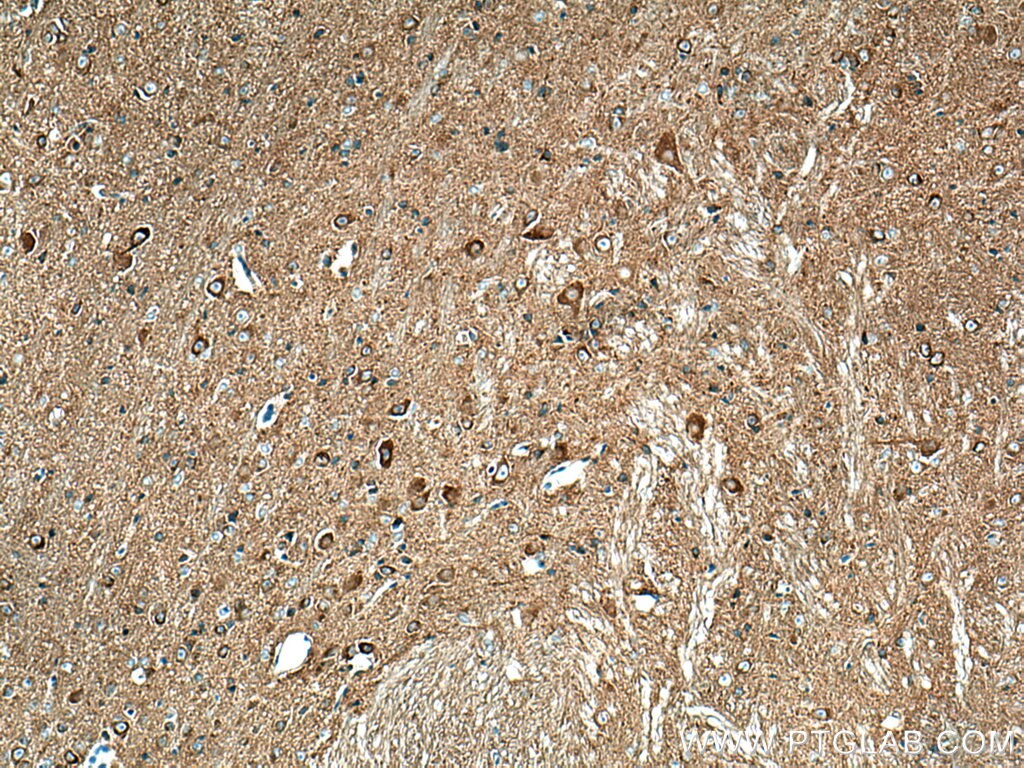
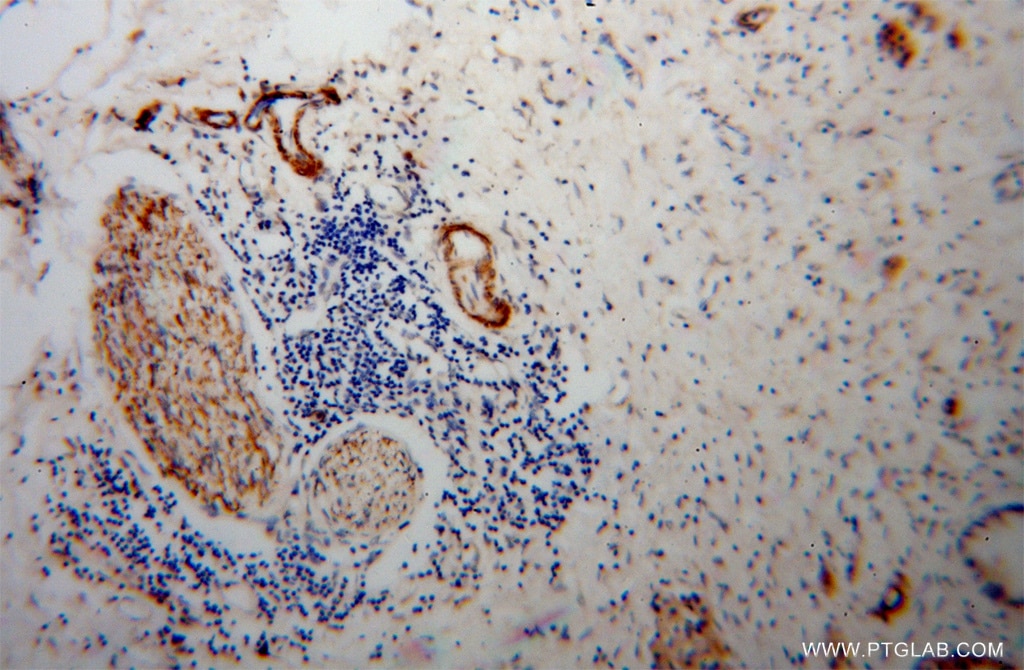
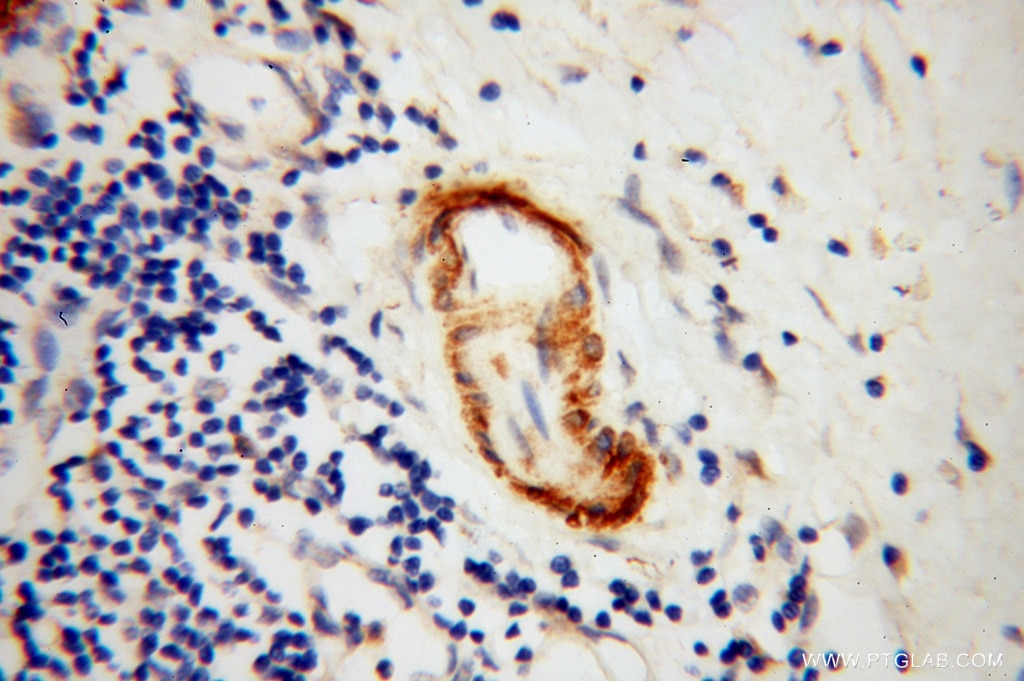
| Positive IHC detected in | mouse brain tissue, human pancreas cancer tissue, mouse cerebellum tissue Note: suggested antigen retrieval with TE buffer pH 9.0; (*) Alternatively, antigen retrieval may be performed with citrate buffer pH 6.0 |
Recommended dilution
| Application | Dilution |
|---|---|
| Western Blot (WB) | WB : 1:500-1:3000 |
| Immunoprecipitation (IP) | IP : 0.5-4.0 ug for 1.0-3.0 mg of total protein lysate |
| Immunohistochemistry (IHC) | IHC : 1:50-1:500 |
| It is recommended that this reagent should be titrated in each testing system to obtain optimal results. | |
| Sample-dependent, Check data in validation data gallery. | |
Product Information
13379-1-AP targets Amphiphysin in WB, IHC, IF, IP, ELISA applications and shows reactivity with human, mouse, rat samples.
| Tested Reactivity | human, mouse, rat |
| Cited Reactivity | human, mouse |
| Host / Isotype | Rabbit / IgG |
| Class | Polyclonal |
| Type | Antibody |
| Immunogen |
CatNo: Ag4204 Product name: Recombinant human AMPH protein Source: e coli.-derived, PGEX-4T Tag: GST Domain: 346-695 aa of BC034376 Sequence: KKEETLLDLDFDPFKPEVTPAGSAGVTHSPMSQTLPWDLWTTSTDLVQPASGGSFNGFTQPQDTSLFTMQTDQSMICNLAESEQAPPTEPKAEEPLAAVTPAVGLDLGMDTRAEEPVEEAVIIPGADADAAVGTLVSAAEGAPGEEAEAETATVPAGEGVSLEEAKIGTETTEGAESAQPEAEELEATVPQEKVIPSVVIEPASNHEEEGENEITIGAEPKETTEDAAPPGPTSETPELATEQKPIQDPQPTPSAPAMGAADQLASAREASQELPPGFLYKVETLHDFEAANSDELTLQRGDVVLVVPSDSEADQDAGWLVGVKESDWLQYRDLATYKGLFPENFTRRLD Predict reactive species |
| Full Name | amphiphysin |
| Calculated Molecular Weight | 695 aa, 76 kDa |
| Observed Molecular Weight | 115-125 kDa |
| GenBank Accession Number | BC034376 |
| Gene Symbol | AMPH |
| Gene ID (NCBI) | 273 |
| RRID | AB_2226789 |
| Conjugate | Unconjugated |
| Form | Liquid |
| Purification Method | Antigen affinity purification |
| UNIPROT ID | P49418 |
| Storage Buffer | PBS with 0.02% sodium azide and 50% glycerol, pH 7.3. |
| Storage Conditions | Store at -20°C. Stable for one year after shipment. Aliquoting is unnecessary for -20oC storage. 20ul sizes contain 0.1% BSA. |
Background Information
Amphiphysin (AMPH), a synaptic vesicle-associated protein that is highly concentrated in nerve terminal, is an autoantigen of Stiff-Man syndrome with breast cancer. Amphiphysin contains a N-terminal BAR (Bin1/Amphiphysin/Rv167) domain followed by an endocytosis domain, and a C-terminal SH3 domain. Amphiphysin has been proposed to function as a linker between the clathrin coat and dynamin in the endocytosis of synaptic vesicles. It may also participate in mechanisms of regulated exocytosis in synapses and certain endocrine cell types. (PMID: 8552632; 8245793; 10559861)
Protocols
| Product Specific Protocols | |
|---|---|
| IHC protocol for Amphiphysin antibody 13379-1-AP | Download protocol |
| IP protocol for Amphiphysin antibody 13379-1-AP | Download protocol |
| WB protocol for Amphiphysin antibody 13379-1-AP | Download protocol |
| Standard Protocols | |
|---|---|
| Click here to view our Standard Protocols |
Publications
What published studies show
The Amphiphysin Polyclonal antibody (catalog no. 13379-1-AP) has 17 citations. These appear in journals including Nature Cell Biology, Cell Death & Disease, Translational Psychiatry, JCI Insight, Aging, Journal of Cellular and Molecular Medicine, FASEB Journal, Development, American Journal of Physiology, PLoS One, Journal of Cancer, IUBMB Life, Lasers in Medical Science, Physiological Reports, and Developmental Biology. Research fields span kidney development, cancer (ovarian, breast, lung, gastric), gut-brain axis, and endocytosis.
| Species | Application | Title |
|---|---|---|
Nat Cell Biol Stromal-epithelial crosstalk regulates kidney progenitor cell differentiation. | ||
Cell Death Dis The kinase activity of integrin-linked kinase regulates cellular senescence in gastric cancer. | ||
Transl Psychiatry A diet high in sugar and fat influences neurotransmitter metabolism and then affects brain function by altering the gut microbiota. | ||
JCI Insight Single-nucleus RNA sequencing reveals transcriptional heterogeneity in the blastema of favorable-histology Wilms tumor. | ||
Aging (Albany NY) A five-m6A regulatory gene signature is a prognostic biomarker in lung adenocarcinoma patients. | ||
Aging (Albany NY) Maternal high sugar and fat diet benefits offspring brain function via targeting on the gut-brain axis. |
Reviews
What customers say
The single review for this product rates it 4 out of 5 stars. The reviewer used a 1:500 dilution on hippocampus homogenate and reported a strong band at approximately 100 kDa. The antibody was tested in Western Blot, Immunohistochemistry, and Immunofluorescence applications. Overall, the feedback indicates the antibody performs well, producing a clear and strong signal at the expected molecular weight.
The reviews below have been submitted by verified Proteintech customers who received an incentive for providing their feedback.
Kuldeep (Verified Customer) (12-01-2025) | A strong band at ~100KDa appears
 |










