

Tested Applications
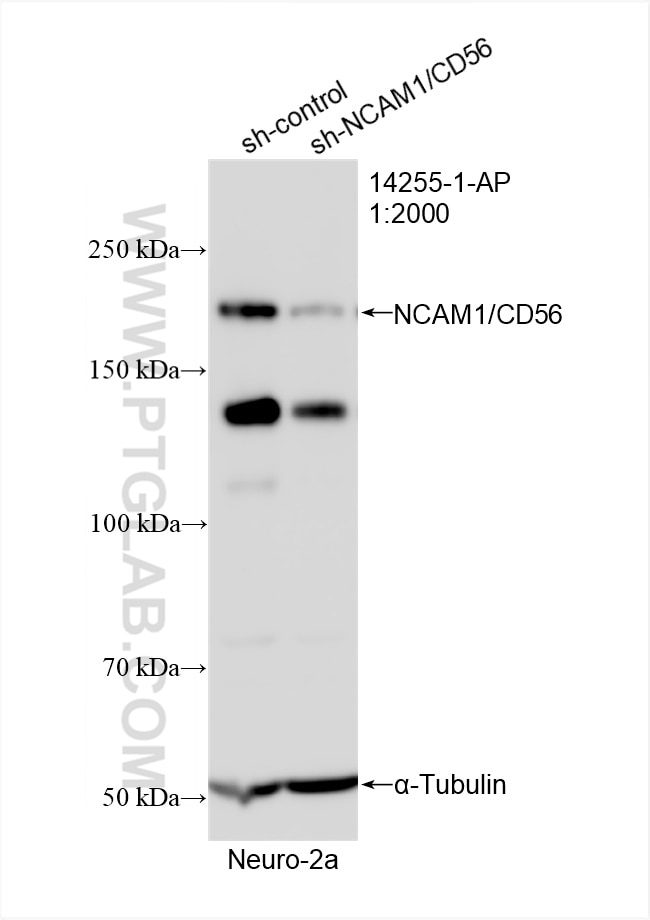
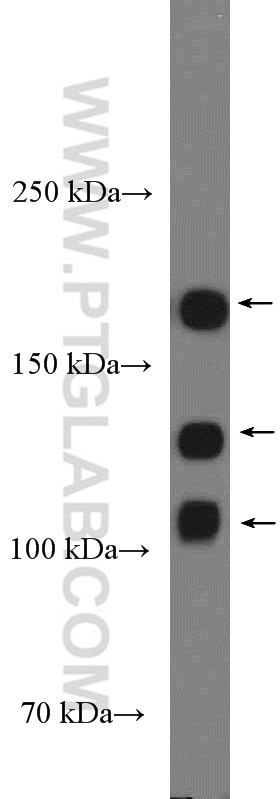
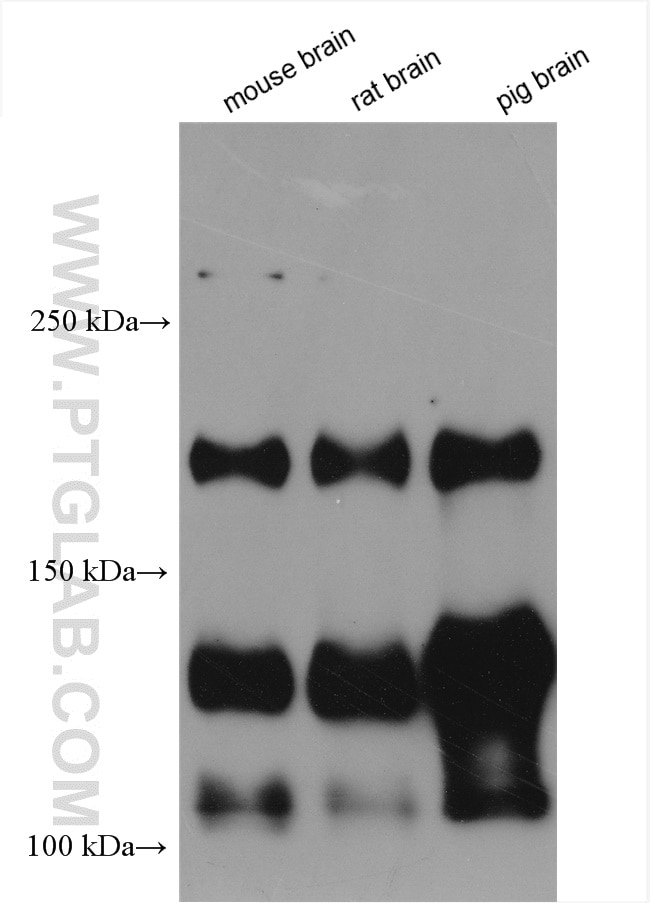
| Positive WB detected in | mouse brain tissue, Neuro-2a cells, rat brain tissue, pig brain tissue |
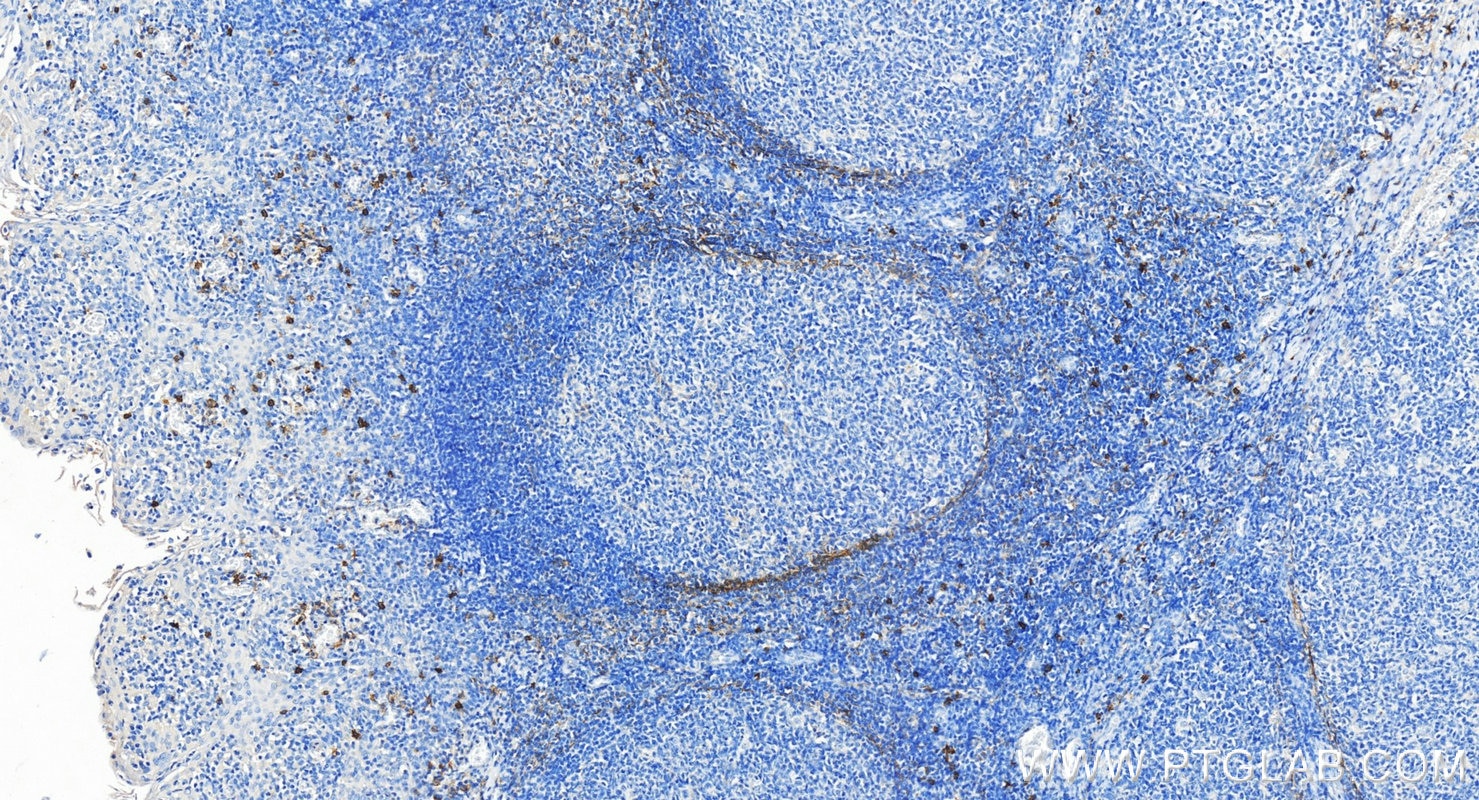
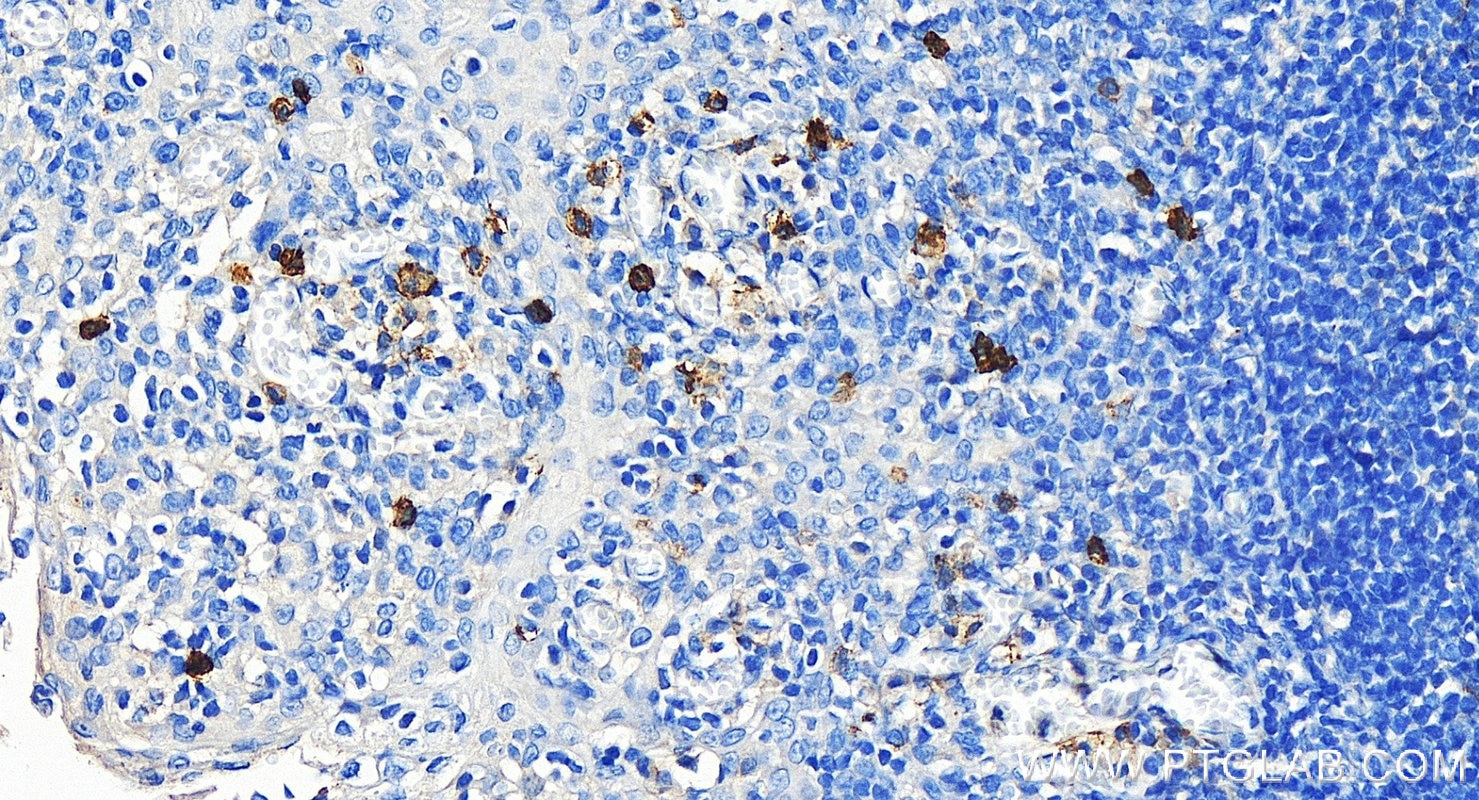
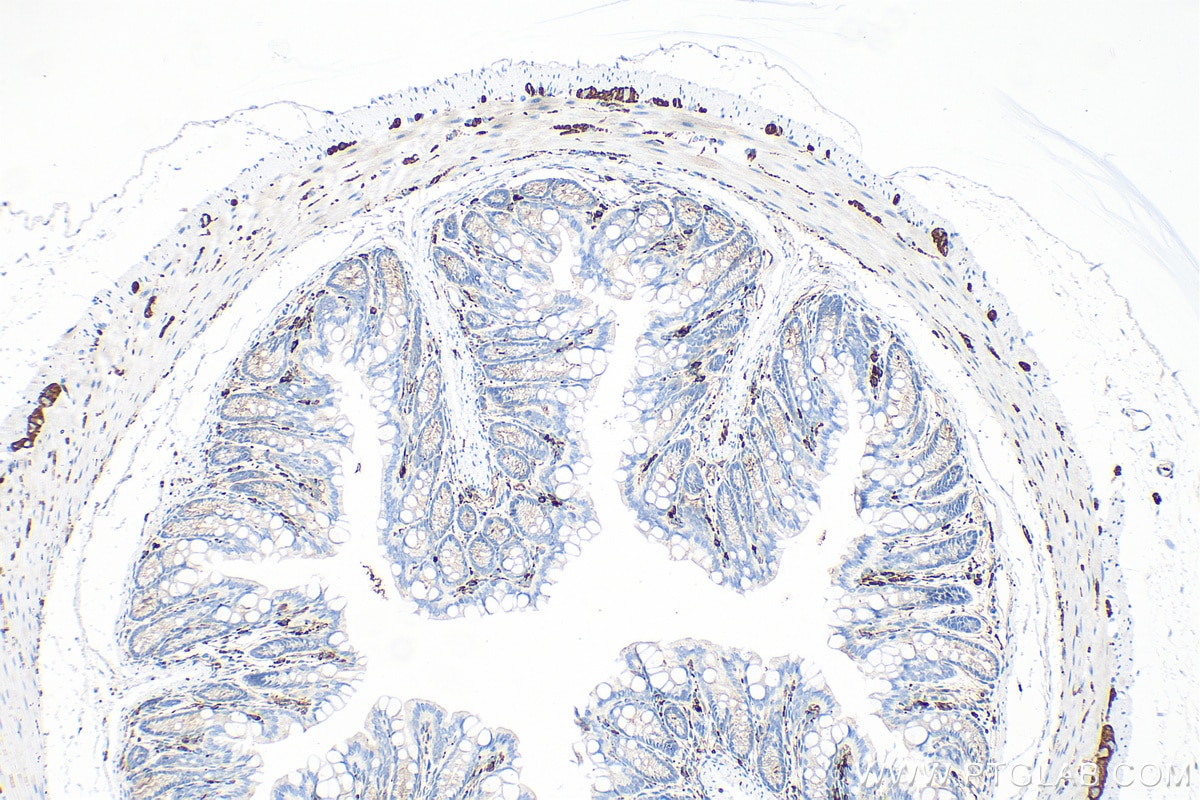
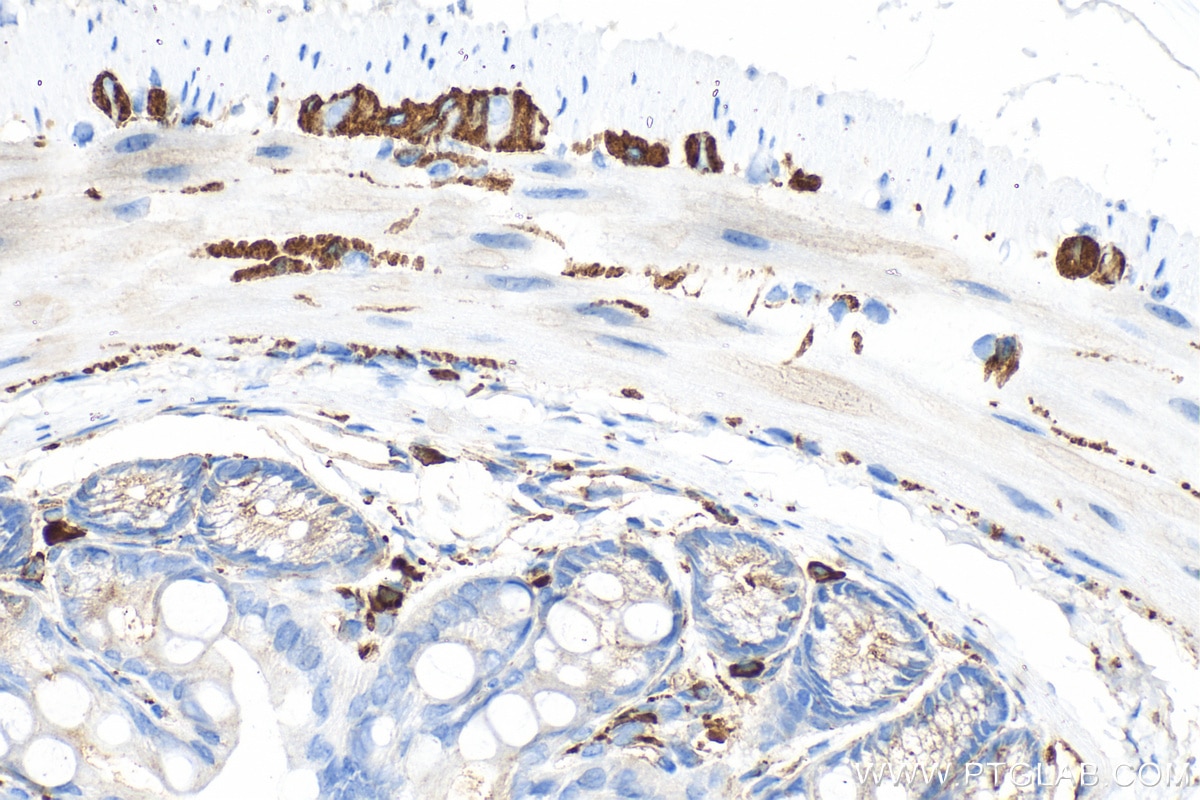
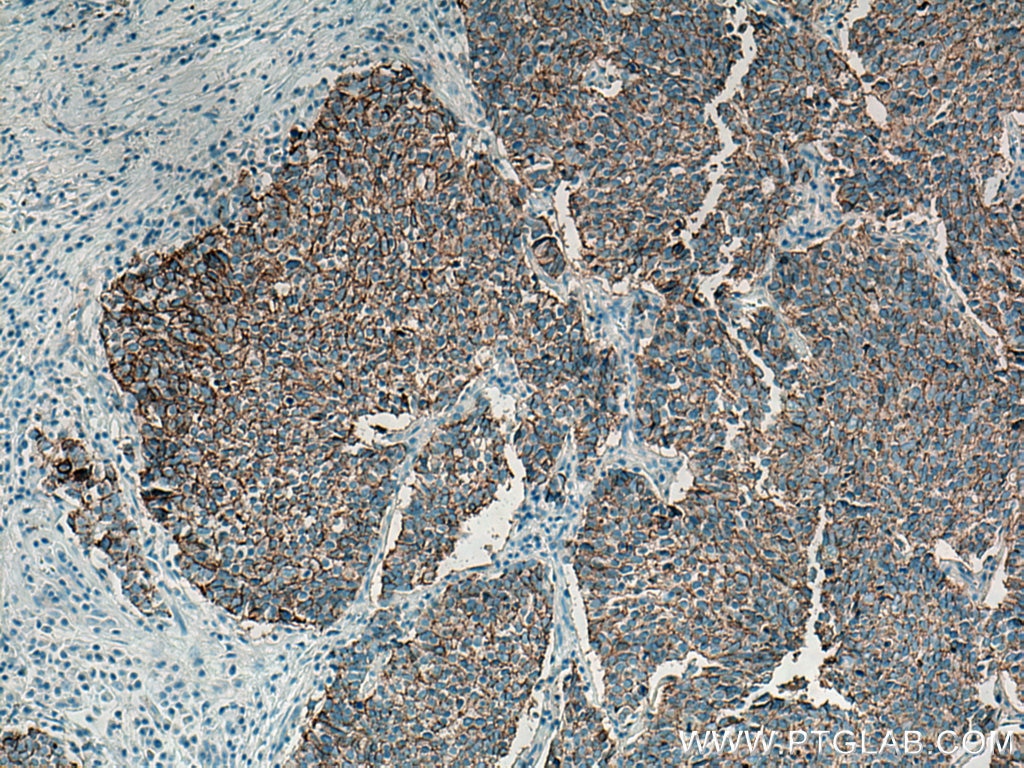
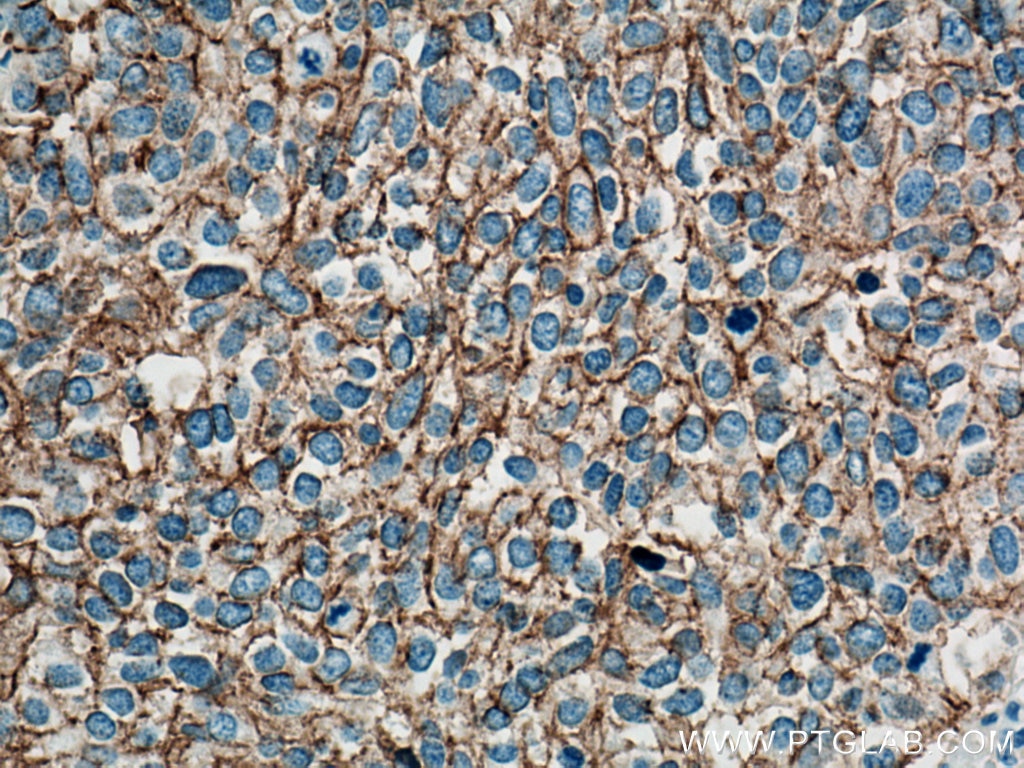
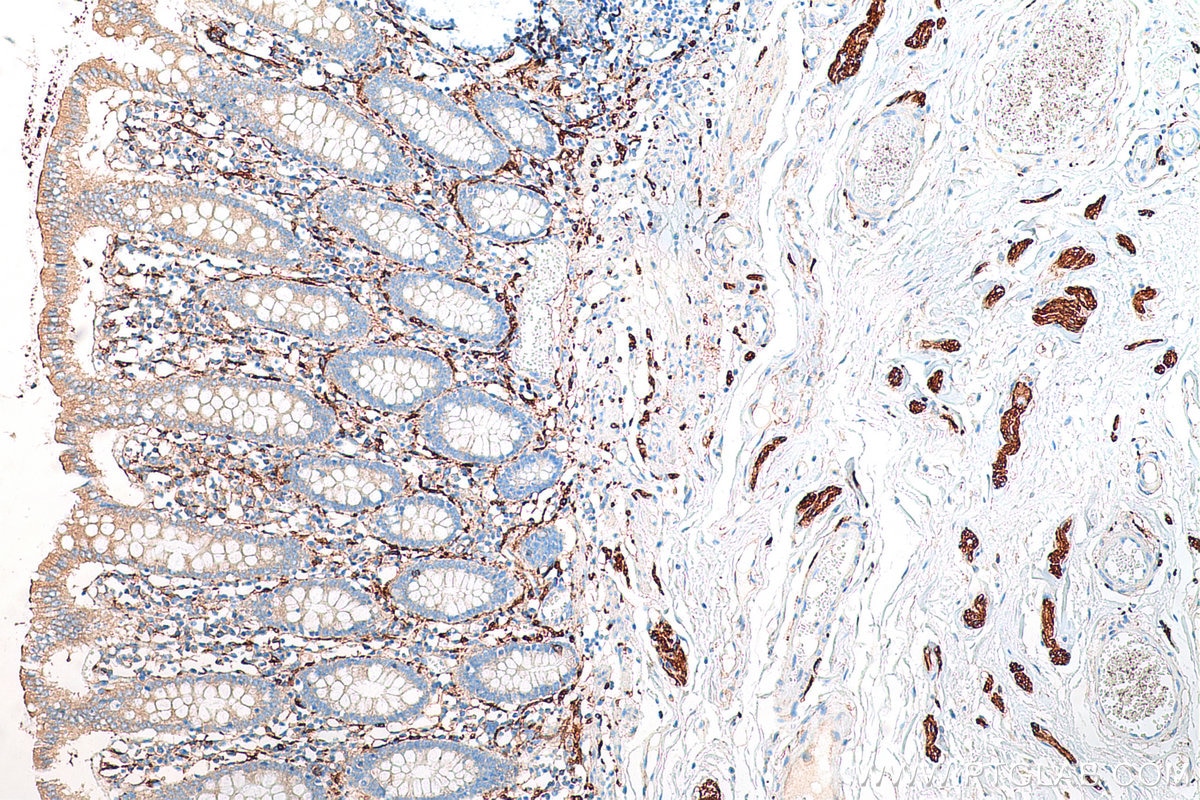
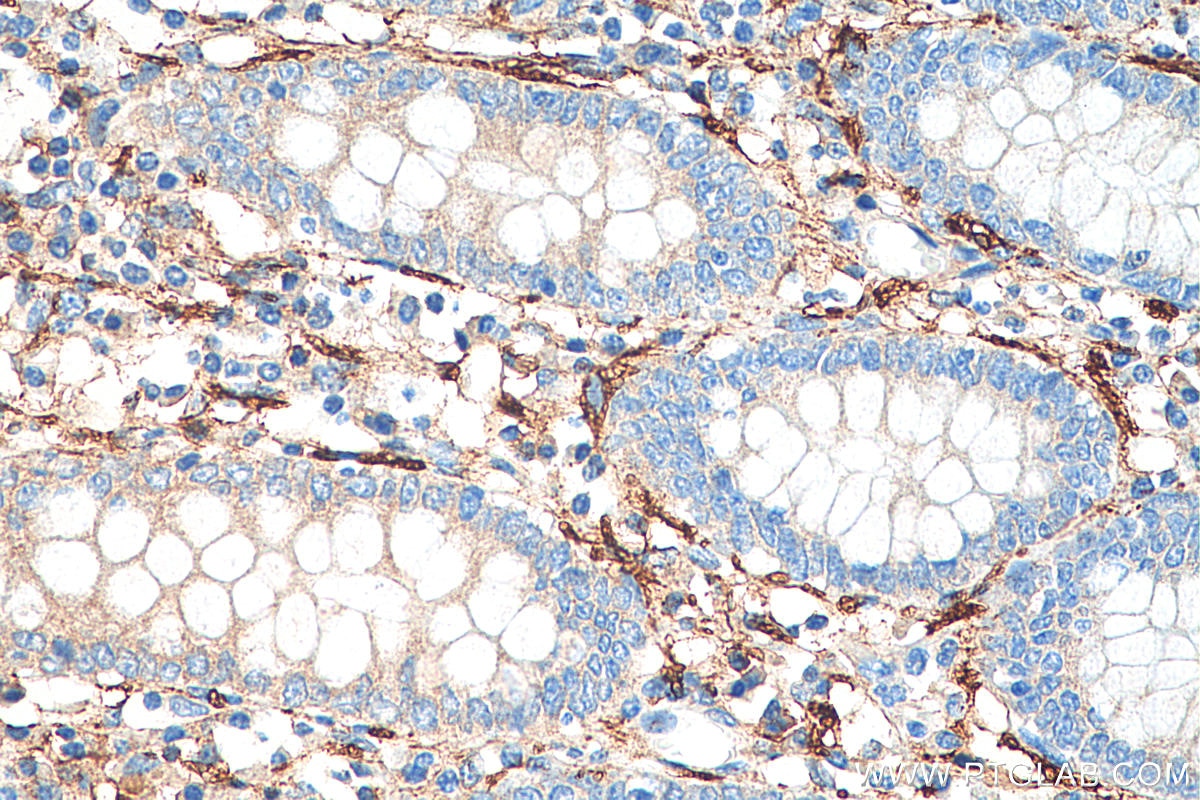
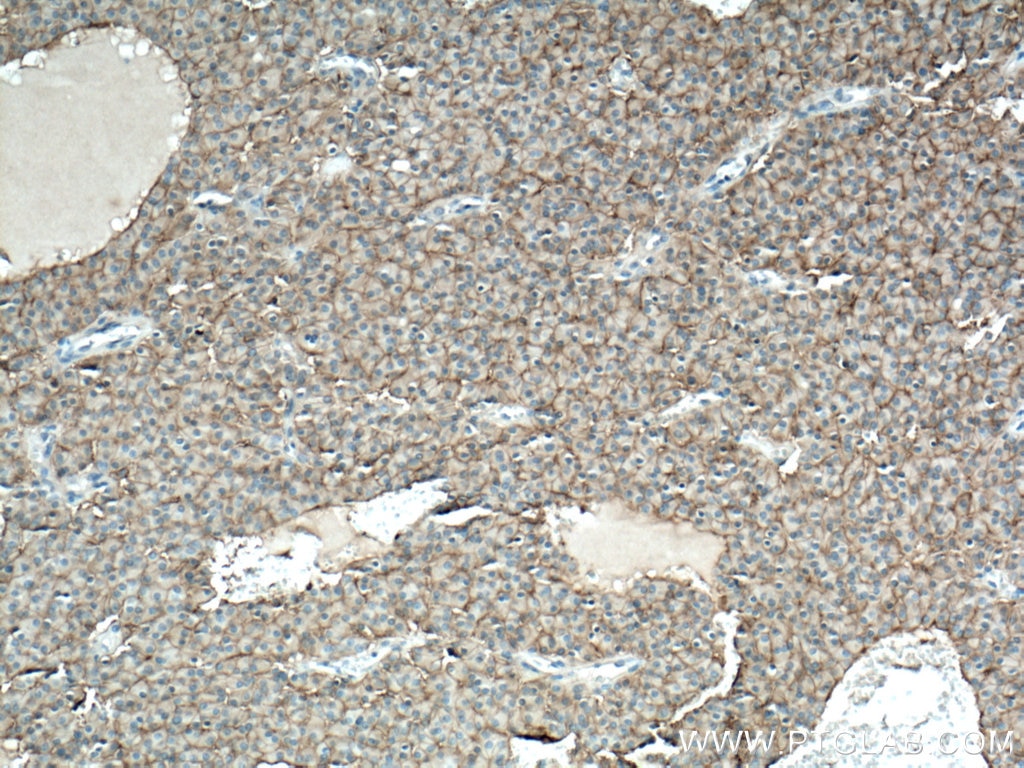
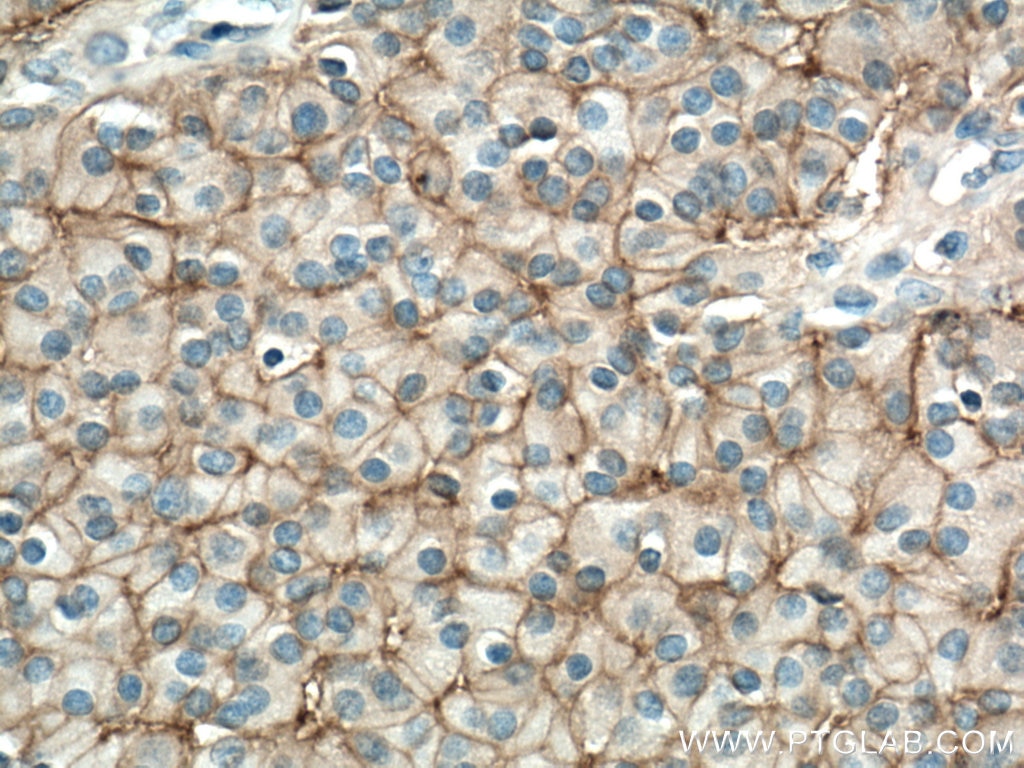
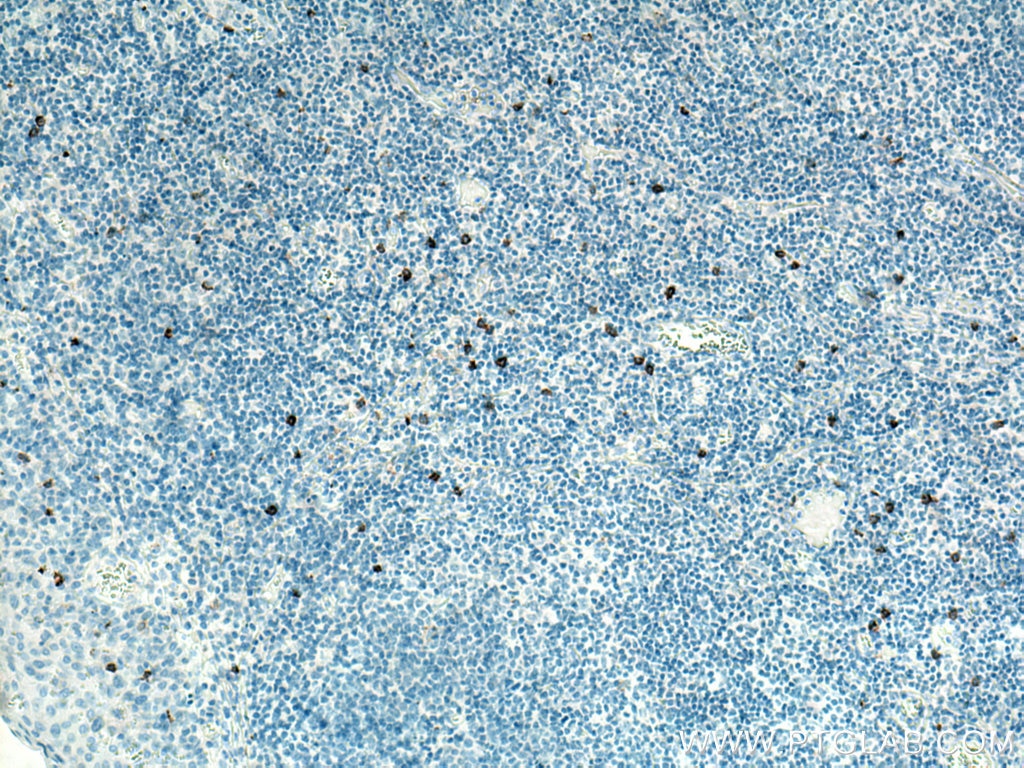
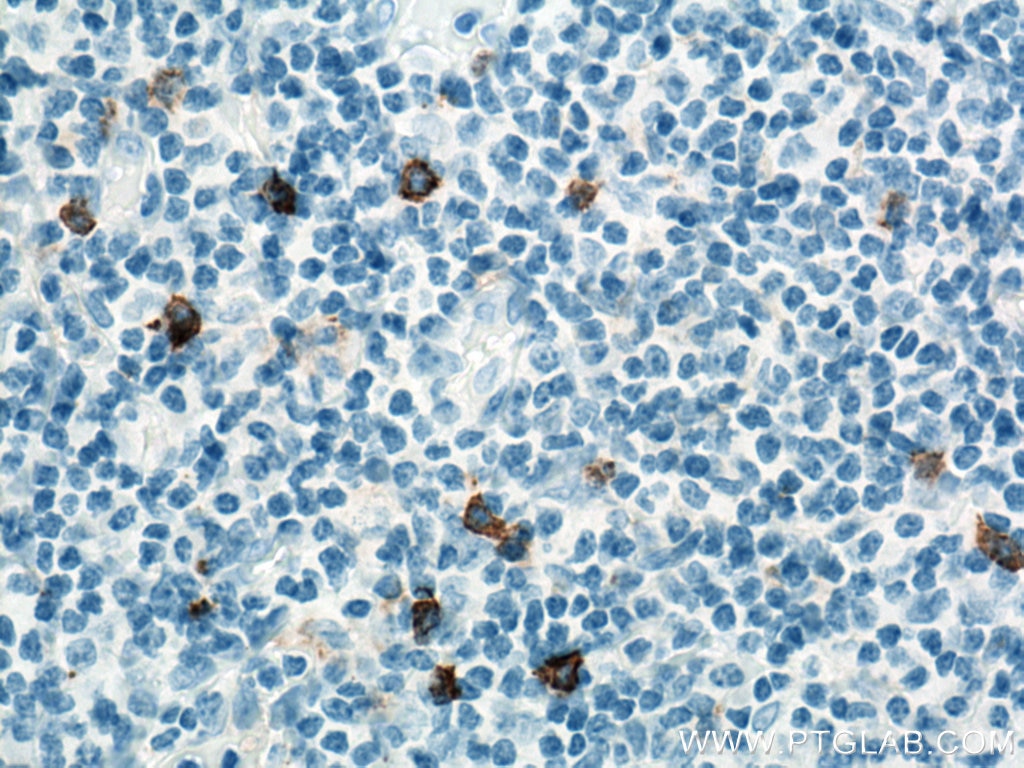
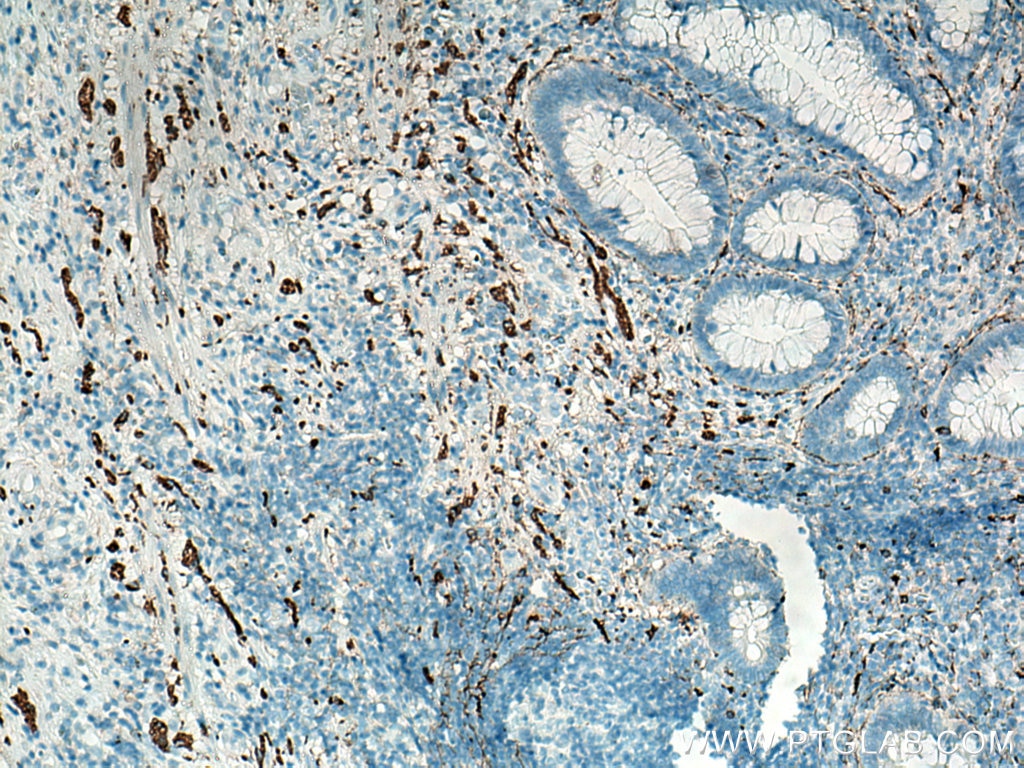
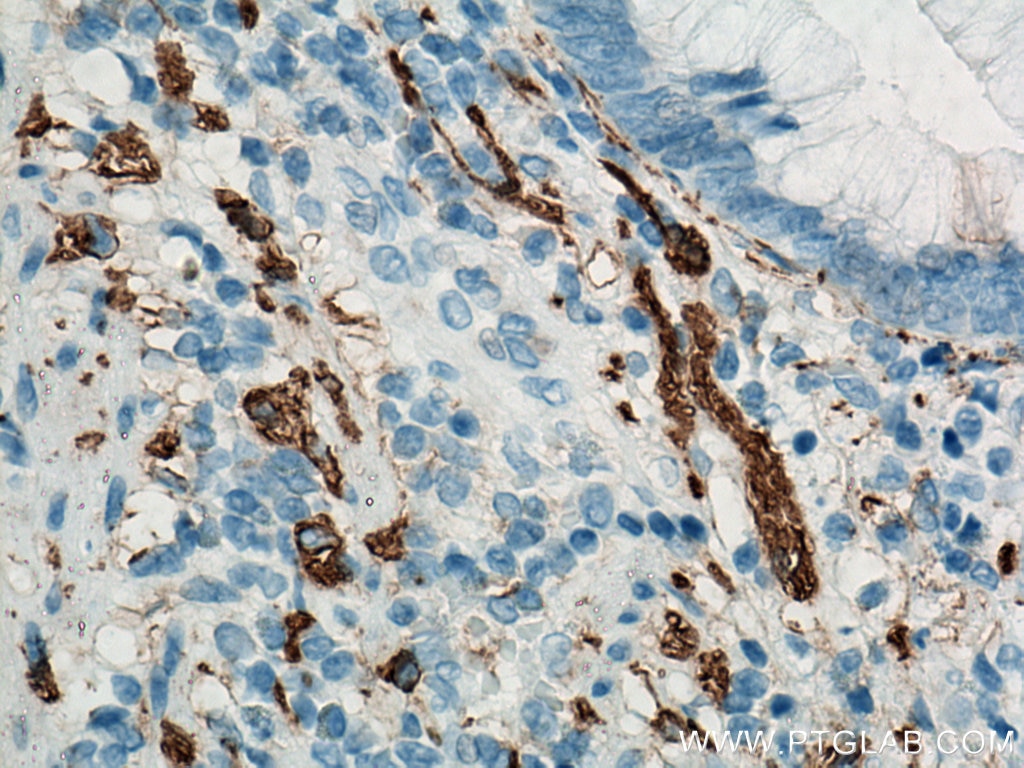
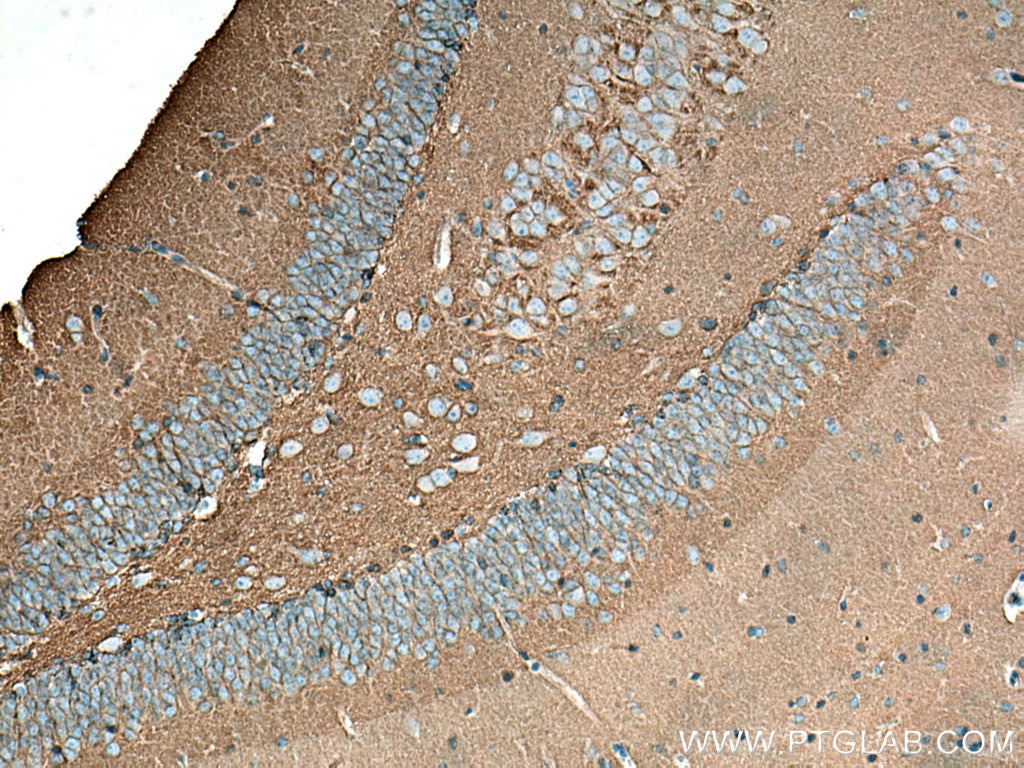
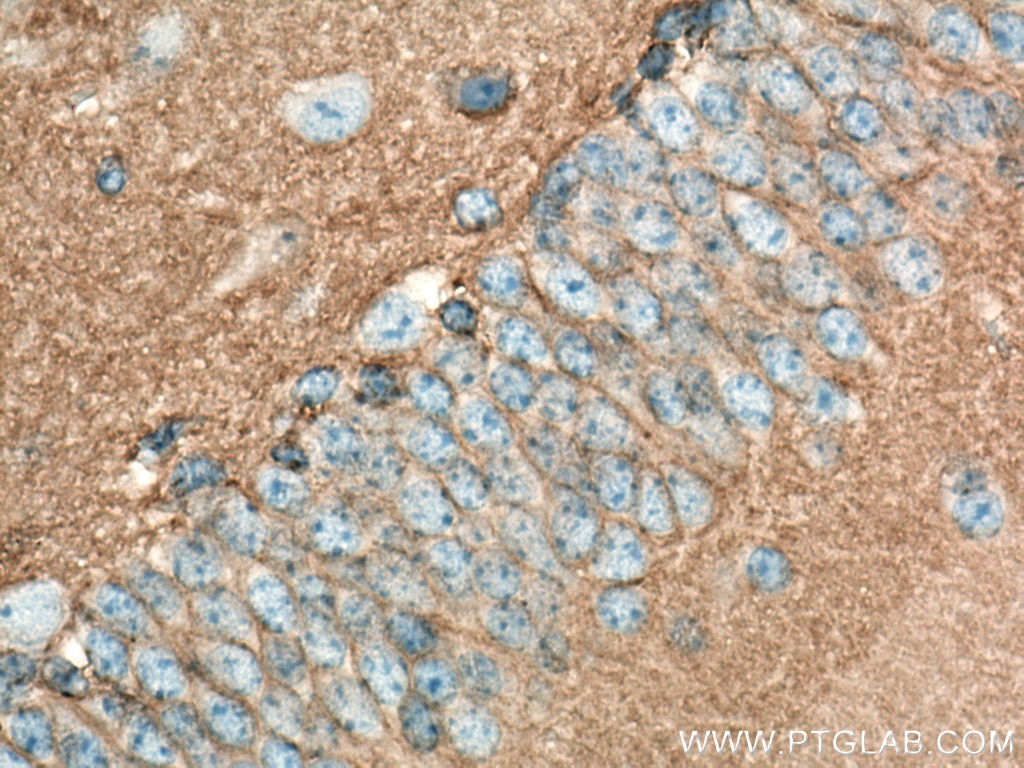
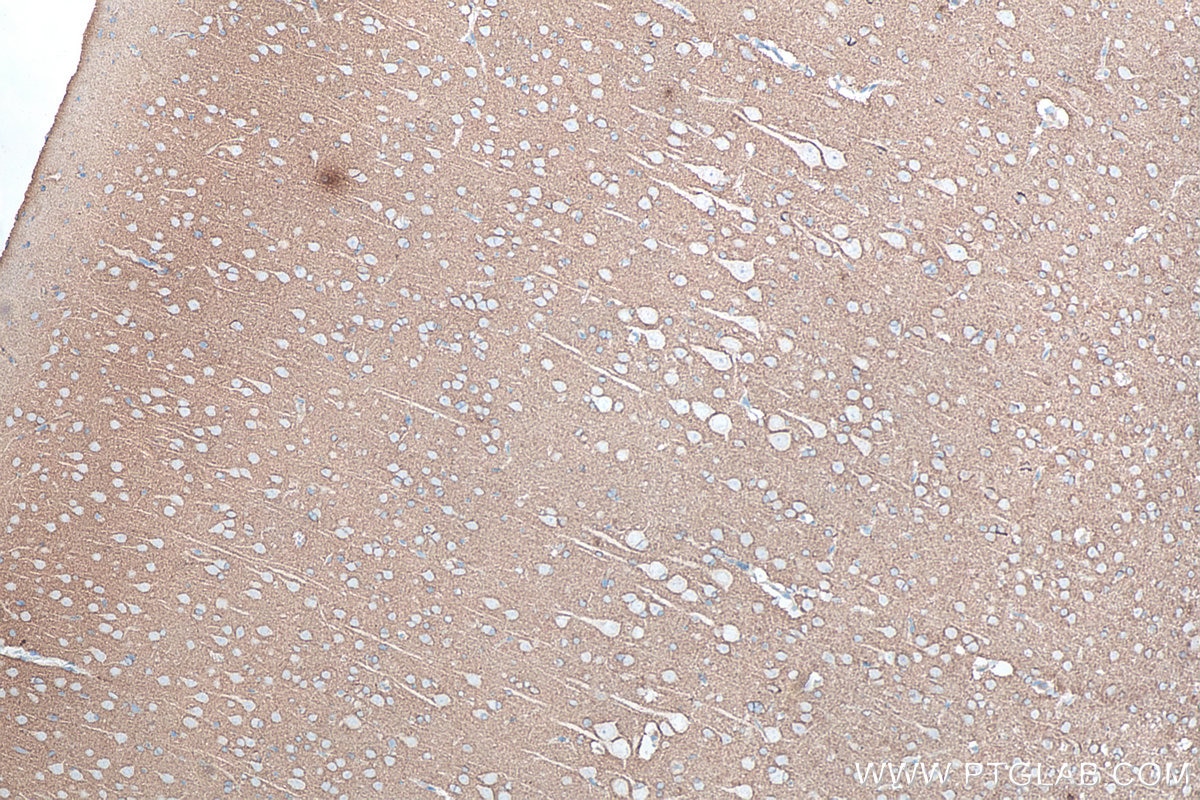
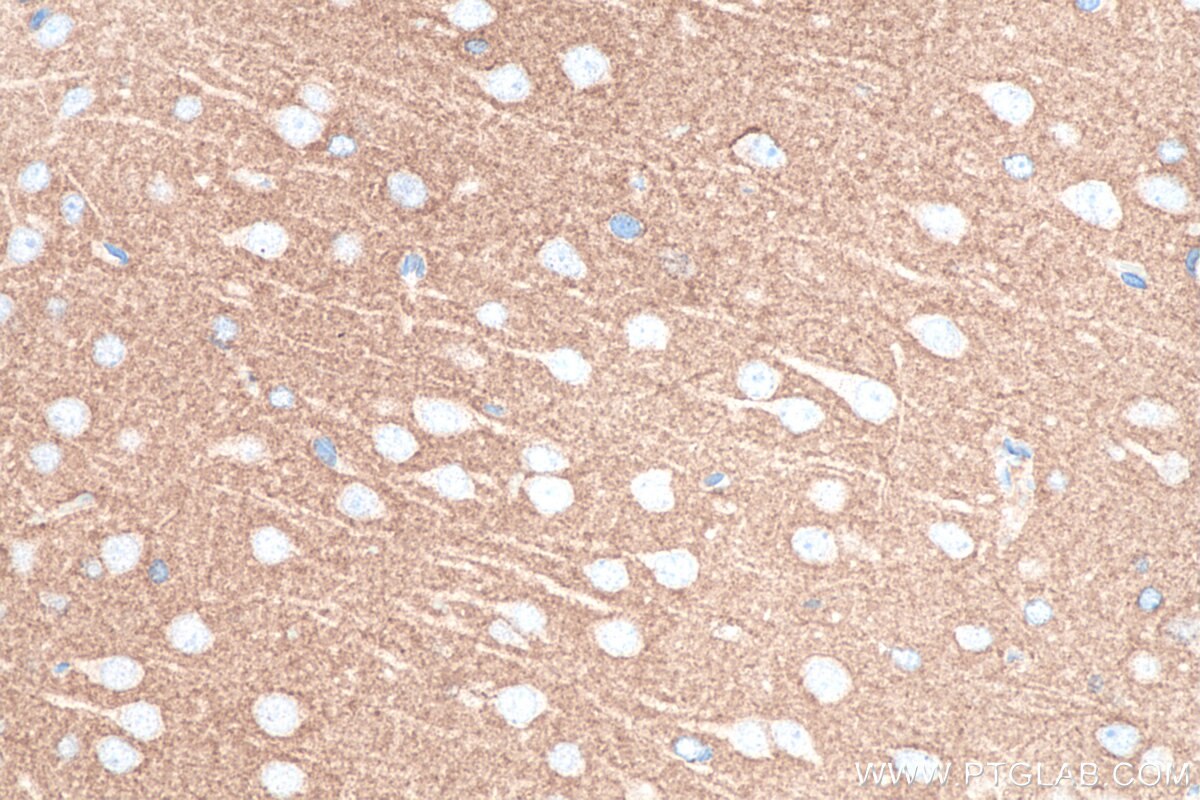
| Positive IHC detected in | human tonsillitis tissue, human appendicitis tissue, human colon tissue, human lung cancer tissue, Insulinoma tissue, mouse brain tissue, mouse colon tissue, rat brain tissue Note: suggested antigen retrieval with TE buffer pH 9.0; (*) Alternatively, antigen retrieval may be performed with citrate buffer pH 6.0 |
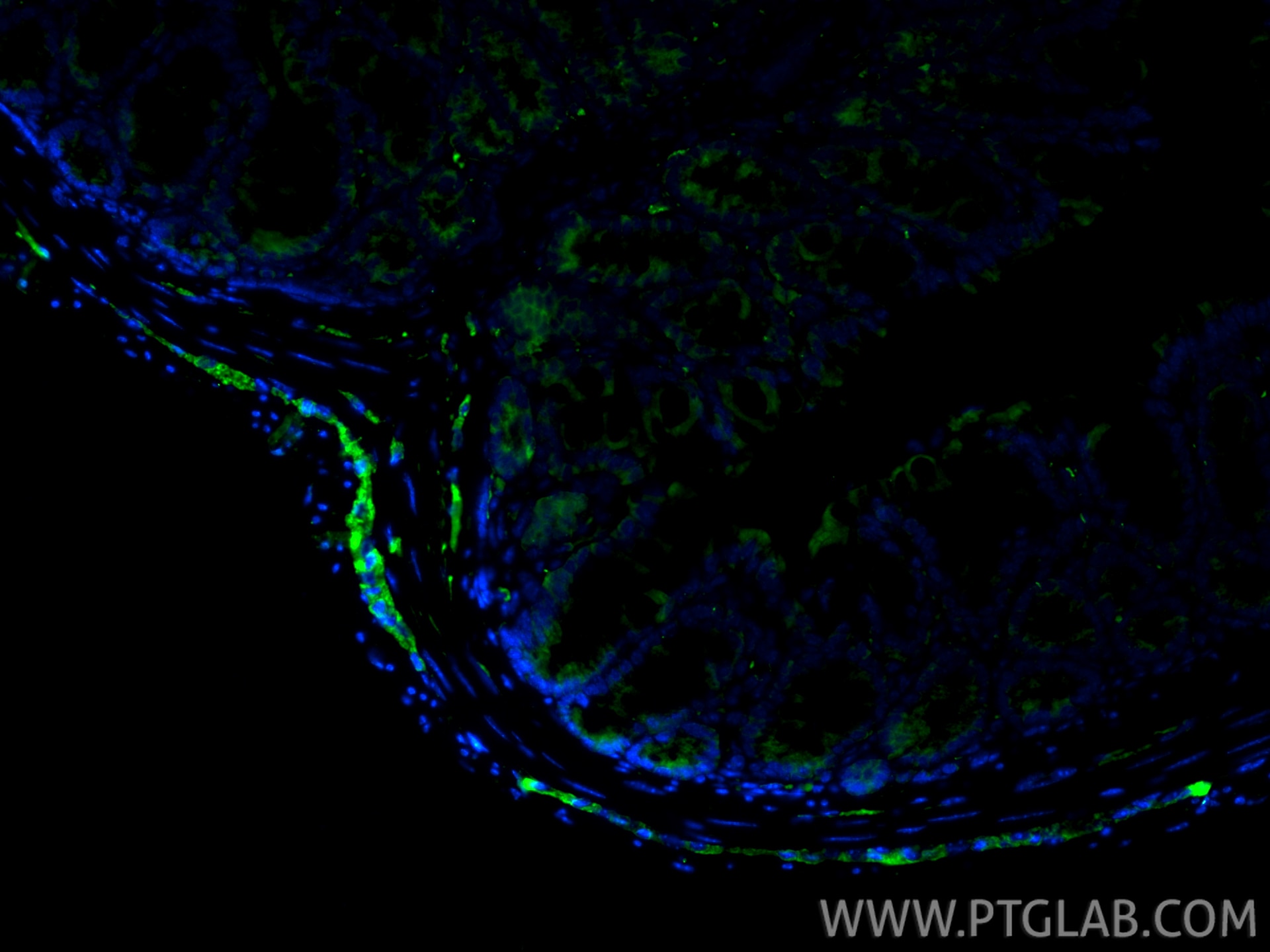
| Positive IF-P detected in | mouse colon tissue |
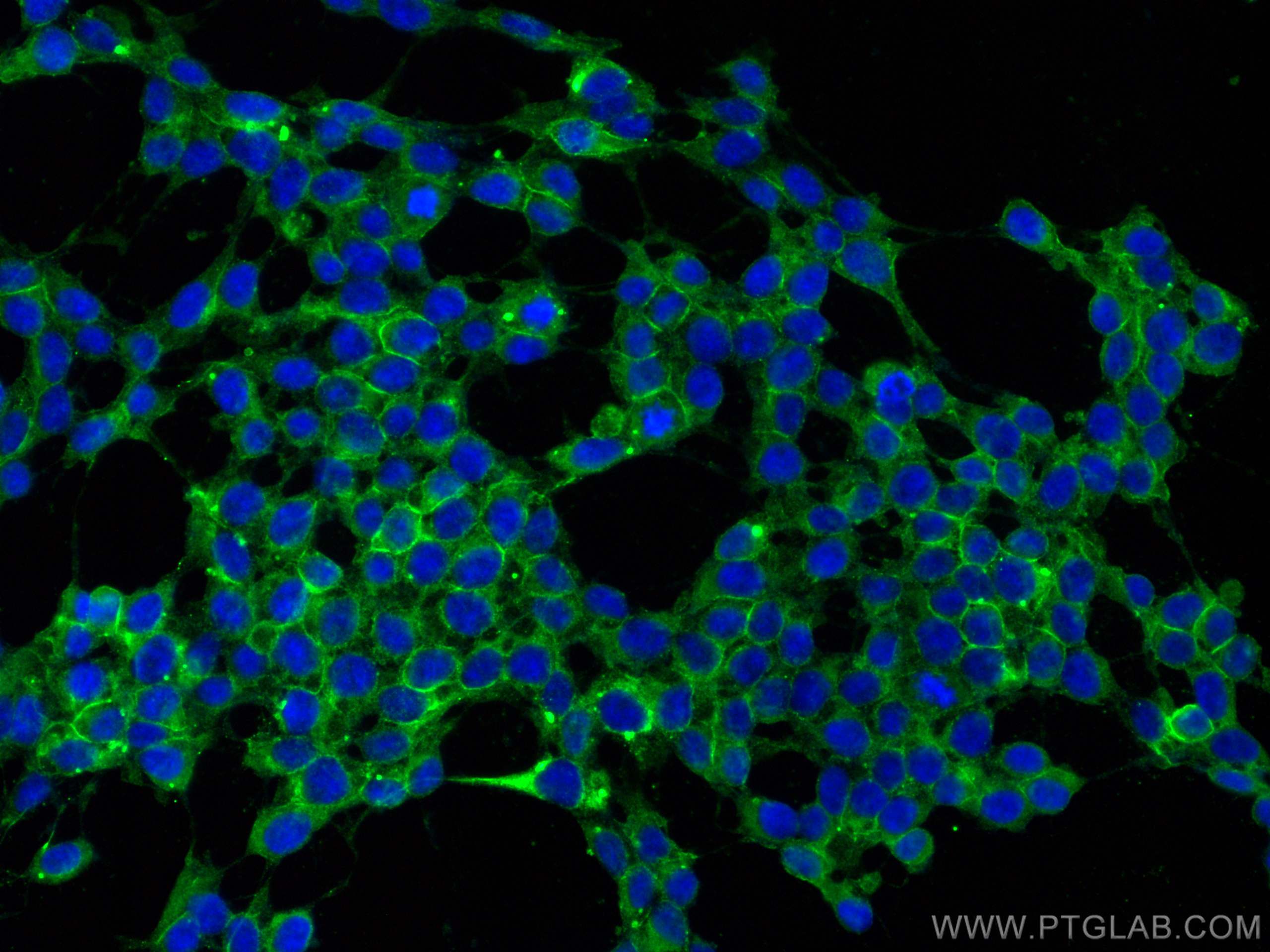
| Positive IF/ICC detected in | SH-SY5Y cells |
Recommended dilution
| Application | Dilution |
|---|---|
| Western Blot (WB) | WB : 1:5000-1:50000 |
| Immunohistochemistry (IHC) | IHC : 1:8000-1:32000 |
| Immunofluorescence (IF)-P | IF-P : 1:50-1:500 |
| Immunofluorescence (IF)/ICC | IF/ICC : 1:50-1:500 |
| It is recommended that this reagent should be titrated in each testing system to obtain optimal results. | |
| Sample-dependent, Check data in validation data gallery. | |
Product Information
14255-1-AP targets NCAM1/CD56 in WB, IHC, IF/ICC, IF-P, ELISA applications and shows reactivity with human, mouse, rat, pig samples.
| Tested Reactivity | human, mouse, rat, pig |
| Cited Reactivity | human, mouse, rat, pig |
| Host / Isotype | Rabbit / IgG |
| Class | Polyclonal |
| Type | Antibody |
| Immunogen |
CatNo: Ag5528 Product name: Recombinant human NCAM1/CD56 protein Source: e coli.-derived, PGEX-4T Tag: GST Domain: 30-352 aa of BC047244 Sequence: EISVGESKFFLCQVAGDAKDKDISWFSPNGEKLTPNQQRISVVWNDDSSSTLTIYNANIDDAGIYKCVVTGEDGSESEATVNVKIFQKLMFKNAPTPQEFREGEDAVIVCDVVSSLPPTIIWKHKGRDVILKKDVRFIVLSNNYLQIRGIKKTDEGTYRCEGRILARGEINFKDIQVIVNVPPTIQARQNIVNATANLGQSVTLVCDAEGFPEPTMSWTKDGEQIEQEEDDEKYIFSDDSSQLTIKKVDKNDEAEYICIAENKAGEQDATIHLKVFAKPKITYVENQTAMELEEQVTLTCEASGDPIPSITWRTSTRNISSEE Predict reactive species |
| Full Name | neural cell adhesion molecule 1 |
| Calculated Molecular Weight | 95 kDa |
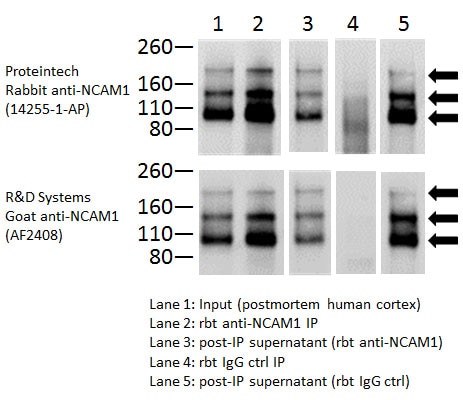
| Observed Molecular Weight | 120 kDa, 140 kDa, 180 kDa |
| GenBank Accession Number | BC047244 |
| Gene Symbol | NCAM1 |
| Gene ID (NCBI) | 4684 |
| ENSEMBL Gene ID | ENSG00000149294 |
| RRID | AB_2149421 |
| Conjugate | Unconjugated |
| Form | Liquid |
| Purification Method | Antigen affinity purification |
| UNIPROT ID | P13591 |
| Storage Buffer | PBS with 0.02% sodium azide and 50% glycerol, pH 7.3. |
| Storage Conditions | Store at -20°C. Stable for one year after shipment. Aliquoting is unnecessary for -20oC storage. 20ul sizes contain 0.1% BSA. |
Background Information
Neural cell adhesion molecule 1 (NCAM1, also known as CD56) is a cell adhesion glycoprotein of the immunoglobulin (Ig) superfamily. It is a multifunction protein involved in synaptic plasticity, neurodevelopment, and neurogenesis. NCAM1 is expressed on human neurons, glial cells, skeletal muscle cells, NK cells and a subset of T cells, and the expression is observed in a wide variety of human tumors, including myeloma, myeloid leukemia, neuroendocrine tumors, Wilms' tumor, neuroblastoma, and NK/T cell lymphomas. Three major isoforms of NCAM1, with molecular masses of 120, 140, and 180 kDa, are generated by alternative splicing of mRNA (PMID: 9696812). The glycosylphosphatidylinositol (GPI)-anchored NCAM120 and the transmembrane NCAM140 and NCAM180 consist of five Ig-like domains and two fibronection-type III repeats (FNIII). All three forms can be posttranslationally modified by addition of polysialic acid (PSA) (PMID: 14976519). Several other isofroms have also been described (PMID: 1856291).
Protocols
| Product Specific Protocols | |
|---|---|
| IF protocol for NCAM1/CD56 antibody 14255-1-AP | Download protocol |
| IHC protocol for NCAM1/CD56 antibody 14255-1-AP | Download protocol |
| WB protocol for NCAM1/CD56 antibody 14255-1-AP | Download protocol |
| Standard Protocols | |
|---|---|
| Click here to view our Standard Protocols |
Publications
What published studies show
NCAM1/CD56 Polyclonal Antibody (Cat# 14255-1-AP) has accumulated 105 citations published in journals including Cancer Cell, Nature Medicine, Cell, Nature Biotechnology, Cell Metabolism, Nature Cancer, Nature Immunology, Nature Communications, Hepatology, and Journal of Clinical Investigation. Associated research fields encompass oncology (prostate, liver, lung, pancreatic, breast, and bladder cancers), neuroscience (Alzheimer's and Parkinson's disease), immunology (NK cell biology, CAR-NK cell therapy), diabetes, and neurodegeneration.
| Species | Application | Title |
|---|---|---|
Cancer Cell Circular RMST cooperates with lineage-driving transcription factors to govern neuroendocrine transdifferentiation | ||
Nat Med Selective modulation of the androgen receptor AF2 domain rescues degeneration in spinal bulbar muscular atrophy. | ||
Nat Med Concurrent intrathecal and intravenous nivolumab in leptomeningeal disease: phase 1 trial interim results | ||
Cell Fibroblasts of disparate developmental origins harbor anatomically variant scarring potential. | ||
Nat Biotechnol A palmitoyl transferase chemical-genetic system to map ZDHHC-specific S-acylation | ||
Cell Metab Multiplexed In Situ Imaging Mass Cytometry Analysis of the Human Endocrine Pancreas and Immune System in Type 1 Diabetes. |
Reviews
What customers say
All three reviews are 5-star. Users report excellent performance across applications: immunofluorescence on mouse nerve tissue (1:10,000) showed staining consistent with published patterns; IF on FFPE prostate tissue (1:1000) worked well with Tris-EDTA retrieval; and Western blot/immunoprecipitation on postmortem human cortex (1:5,000) yielded clean results. Overall, reviewers consistently describe the antibody as reliable, specific, and easy to use across multiple tissue types and techniques.
The reviews below have been submitted by verified Proteintech customers who received an incentive for providing their feedback.
Kenzo (Verified Customer) (01-09-2023) | Worked great. The staining pattern was consistent with what has been reported.
|
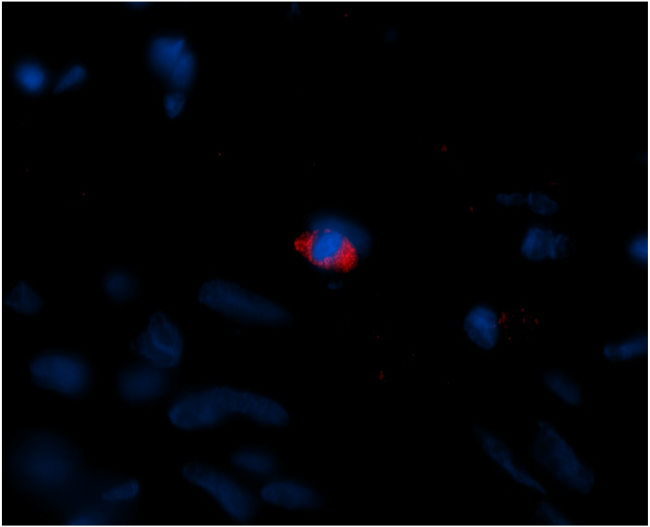
Emma (Verified Customer) (11-29-2021) | Works well by IF on FFPE tissue @ 1:1000. We used a Tris-EDTA antigen retrieval.
 |
Toni (Verified Customer) (02-28-2019) | IP conditions:1ug of rbt anti-NCAM1 was added to 100ug human cortex homogenate (0.5ug/ul) in Tris-sucrose buffer with 1% SDS and 1% Triton X100 thenincubated rotating ON at 4C. Sample was then added to 50ul TBST-washed sheep anti-rabbit magnetic beads and incubated rotating 3hr at 4C. Following 4 TBST washes, bound proteins were eluted with 30ul of elution buffer containing SDS and BME. WB conditions:Samples subjected to SDS-PAGE on 4-12% Bis-Tris gels followed by semi-dry transfer to nitrocellulose membranes using standard conditions. Membranes were blocked for 1hr at RT in 50% LiCor Odyssey blocking buffer (TBS) then probed with either 1:5000 (v/v) rabbit anti-NCAM1 (Proteintech) or 1:1000 (v/v) goat anti-NCAM1 (R&D Systems) in 50% LiCor Odyssey blocking buffer (TBS + 0.05% Tween-20) ON at 4C. Following TBS+ 0.1% Tween-20 washes, membranes were incubated with the appropriate IR-dye labeled secondary antibody for 1hr at RT, TBST washed, then scanned.*you have my permission to edit the comments above and crop, but not alter, the image provided if you wish to remove reference to an antibody from another company.
 |
























