

Tested Applications
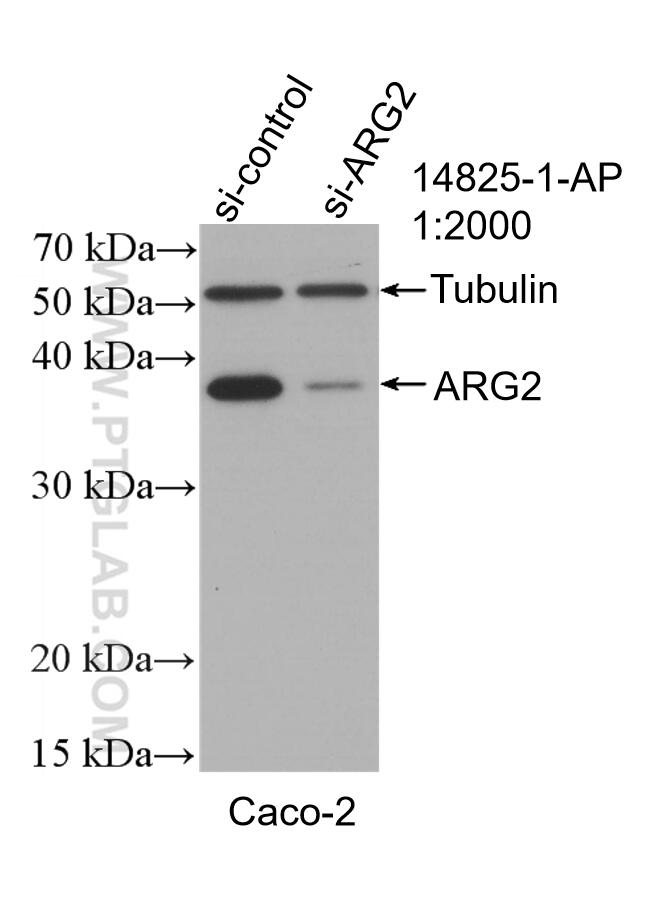
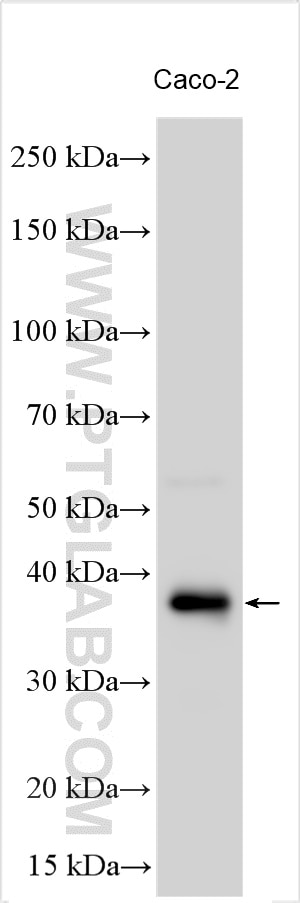
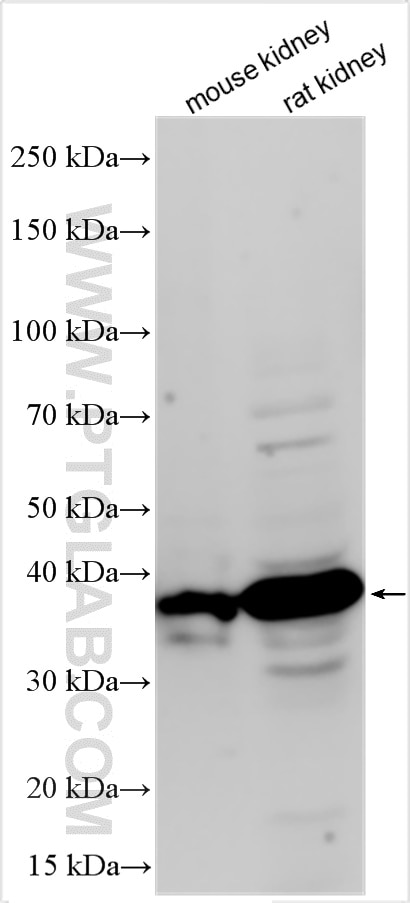
| Positive WB detected in | Caco-2 cells, mouse kidney tissue, rat kidney tissue |
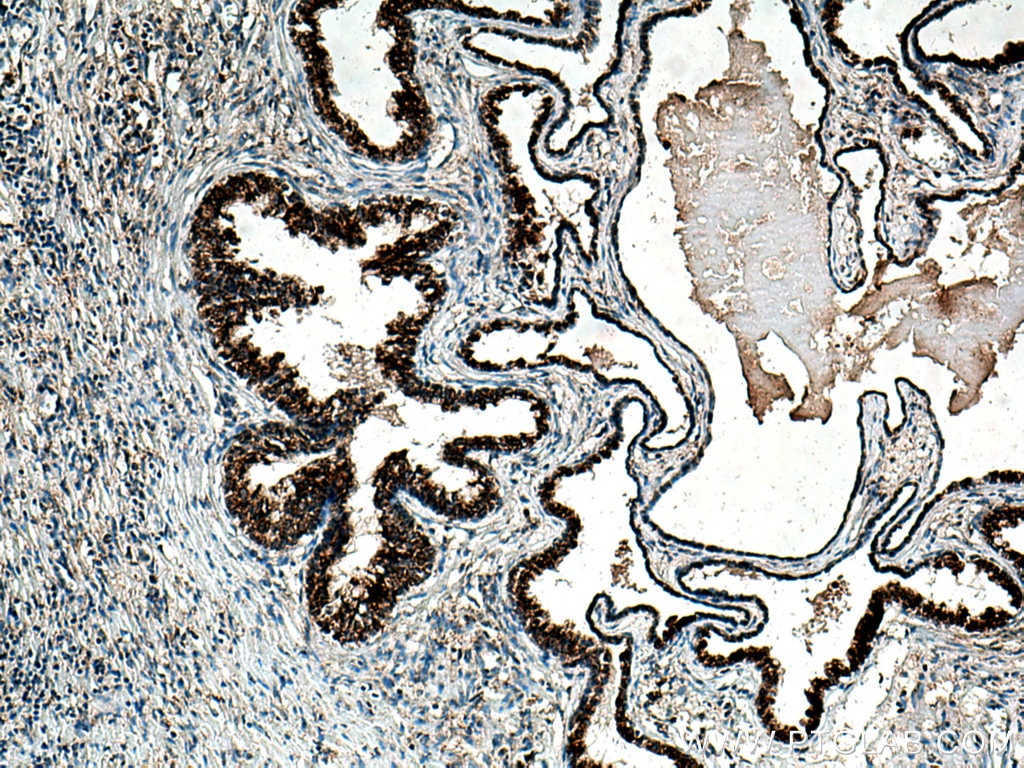
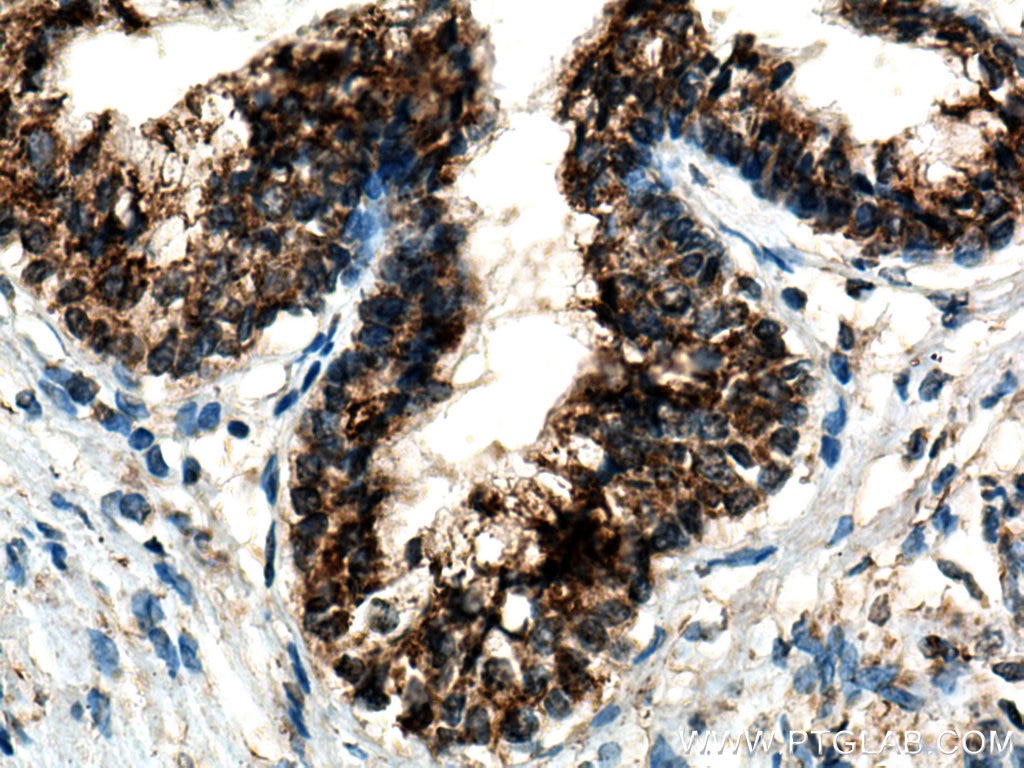
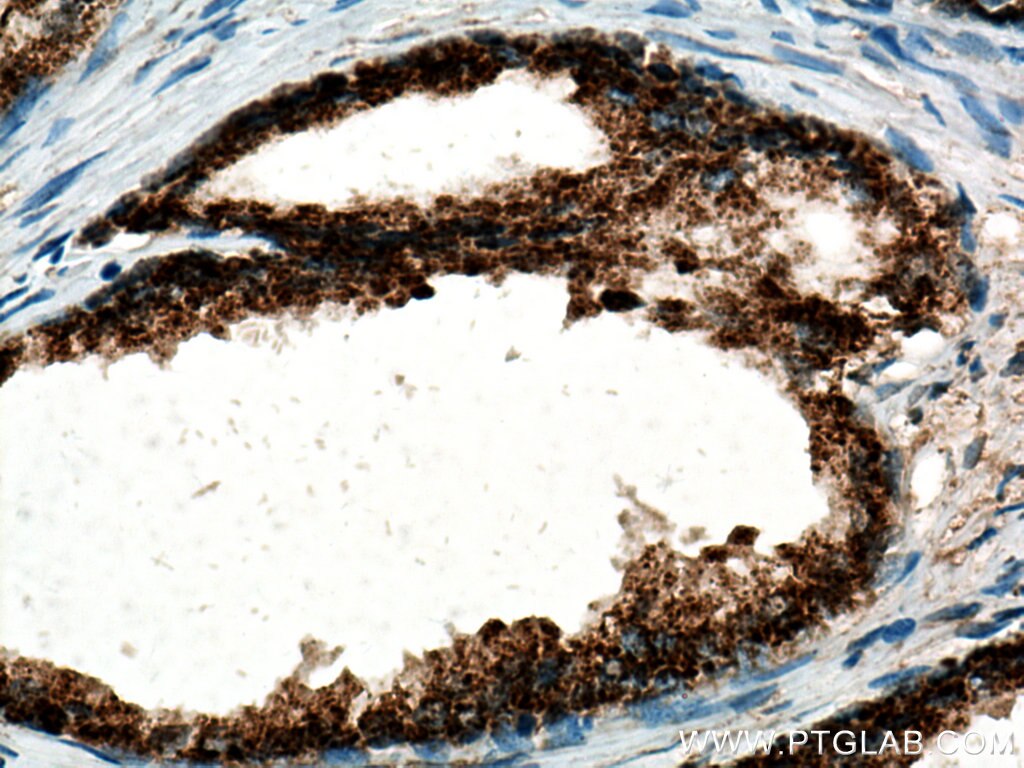
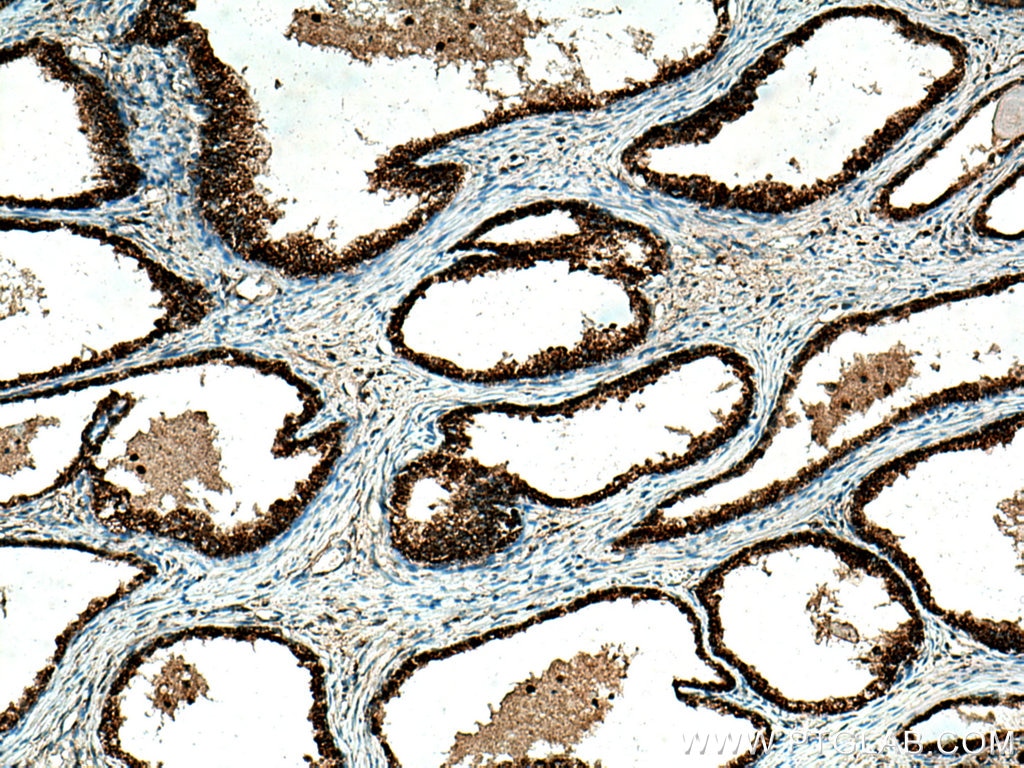
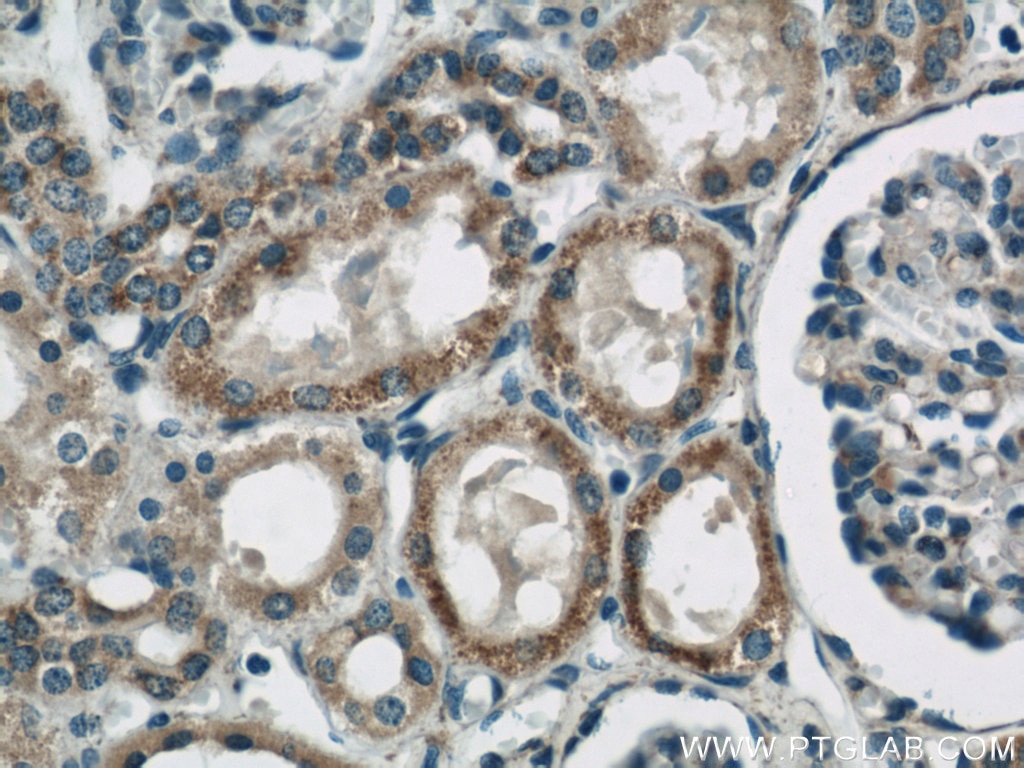
| Positive IHC detected in | human prostate cancer tissue, human kidney tissue Note: suggested antigen retrieval with TE buffer pH 9.0; (*) Alternatively, antigen retrieval may be performed with citrate buffer pH 6.0 |
Recommended dilution
| Application | Dilution |
|---|---|
| Western Blot (WB) | WB : 1:1000-1:4000 |
| Immunohistochemistry (IHC) | IHC : 1:50-1:500 |
| It is recommended that this reagent should be titrated in each testing system to obtain optimal results. | |
| Sample-dependent, Check data in validation data gallery. | |
Product Information
14825-1-AP targets Arginase-2 in WB, IHC, IF, ELISA applications and shows reactivity with human, mouse, rat samples.
| Tested Reactivity | human, mouse, rat |
| Cited Reactivity | human, mouse, rat |
| Host / Isotype | Rabbit / IgG |
| Class | Polyclonal |
| Type | Antibody |
| Immunogen |
CatNo: Ag6609 Product name: Recombinant human ARG2 protein Source: e coli.-derived, PET28a Tag: 6*His Domain: 1-354 aa of BC001350 Sequence: MSLRGSLSRLLQTRVHSILKKSVHSVAVIGAPFSQGQKRKGVEHGPAAIREAGLMKRLSSLGCHLKDFGDLSFTPVPKDDLYNNLIVNPRSVGLANQELAEVVSRAVSDGYSCVTLGGDHSLAIGTISGHARHCPDLCVVWVDAHADINTPLTTSSGNLHGQPVSFLLRELQDKVPQLPGFSWIKPCISSASIVYIGLRDVDPPEHFILKNYDIQYFSMRDIDRLGIQKVMERTFDLLIGKRQRPIHLSFDIDAFDPTLAPATGTPVVGGLTYREGMYIAEEIHNTGLLSALDLVEVNPQLATSEEEAKTTANLAVDVIASSFGQTREGGHIVYDQLPTPSSPDESENQARVRI Predict reactive species |
| Full Name | arginase, type II |
| Calculated Molecular Weight | 39 kDa |
| Observed Molecular Weight | 39-42 kDa |
| GenBank Accession Number | BC001350 |
| Gene Symbol | ARG2 |
| Gene ID (NCBI) | 384 |
| RRID | AB_2058977 |
| Conjugate | Unconjugated |
| Form | Liquid |
| Purification Method | Antigen affinity purification |
| UNIPROT ID | P78540 |
| Storage Buffer | PBS with 0.02% sodium azide and 50% glycerol, pH 7.3. |
| Storage Conditions | Store at -20°C. Stable for one year after shipment. Aliquoting is unnecessary for -20oC storage. 20ul sizes contain 0.1% BSA. |
Background Information
Arginase 2 is composed of 354 amino acid residues, including an NH2-terminal presequence for mitochondrial targeting and import. In the mitochondria, ornithine generated by Arginase 2 will give rise to glutamate via ornithine aminotransferase (OAT). Glutamate participates in several transamination reactions, including forming α-ketoglutarate (αKG) that may enter the TCA cycle and increase cycle intermediates and flux.Arginase 1 is mainly expressed in hepatocytes, and mice with a disruption of Arginase 1 gene die soon after birth. Arginase 2 is poorly expressed in hepatocytes, and most highly expressed in kidney, prostate, and immune cells such as monocyte/ macrophages. (PMID: 25234945,PMID: 27214549)
Protocols
| Product Specific Protocols | |
|---|---|
| IHC protocol for Arginase-2 antibody 14825-1-AP | Download protocol |
| WB protocol for Arginase-2 antibody 14825-1-AP | Download protocol |
| Standard Protocols | |
|---|---|
| Click here to view our Standard Protocols |
Publications
What published studies show
The anti-ARG2 antibody (Cat# 14825-1-AP) has 16 total citations spanning journals including Nature, Circulation, Theranostics, FASEB J, Int Immunopharmacol, Respir Res, J Adv Res, Life Sci, Biochim Biophys Acta, J Lipid Res, J Cell Mol Med, Biomed Pharmacother, Biol Reprod, Chin Med, and Mutat Res. Research fields cover ferroptosis, atherosclerosis, cancer (colorectal, prostate), immunosuppression in sepsis, osteoarthritis, diabetic nephropathy, Huntington's disease, pulmonary fibrosis, and reproductive biology.
| Species | Application | Title |
|---|---|---|
Circulation Deletion of Macrophage Low-Density Lipoprotein Receptor-Related Protein 1 (LRP1) Accelerates Atherosclerosis Regression and Increases C-C Chemokine Receptor Type 7 (CCR7) Expression in Plaque Macrophages. | ||
J Adv Res Rejuvenation of THY1(+) nucleus pulposus-derived stem cells promotes intervertebral disc regeneration through FGF10-FGFR1-CREB pathway and mitochondrial fission. | ||
Theranostics Pharmacological and genetic inhibition of ARG2 in CXCR2(Hi) myeloid-derived suppressor cells combats sepsis-induced lymphopenia.
| ||
Chin Med Licoisoflavone A potentiates oxaliplatin efficacy in colorectal cancer by dual targeting arginine metabolism of tumor microenvironment and cancer cells. | ||
Life Sci Ornithine is a key mediator in hyperphosphatemia-mediated human umbilical vein endothelial cell apoptosis: Insights gained from metabolomics. |









