
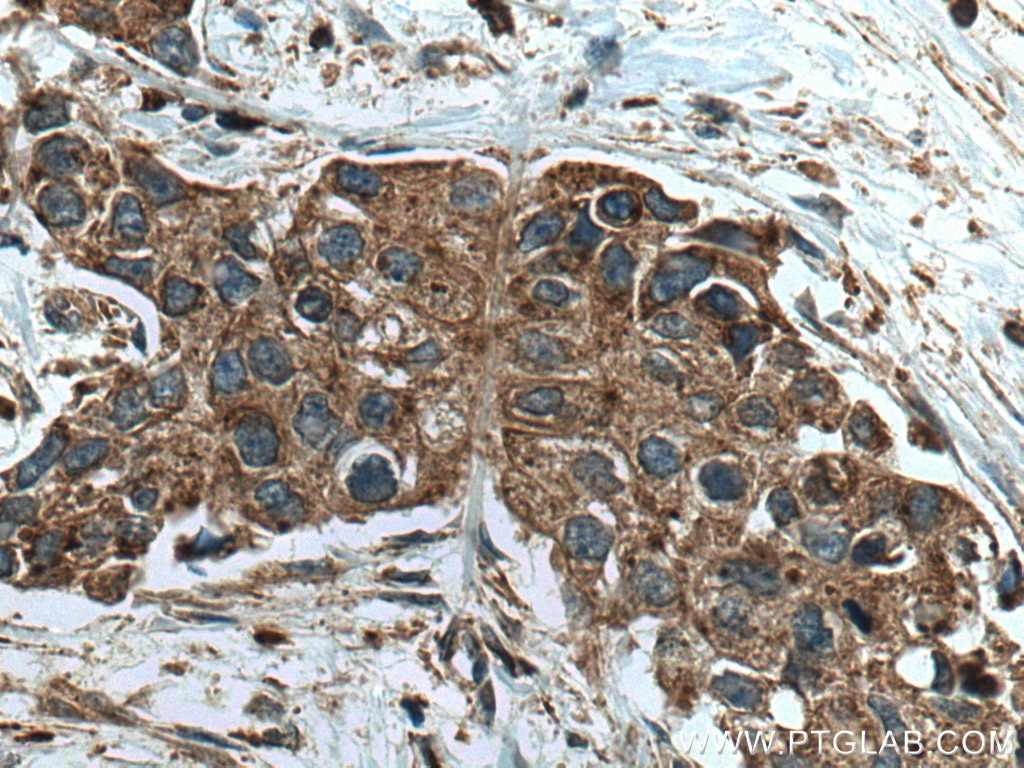
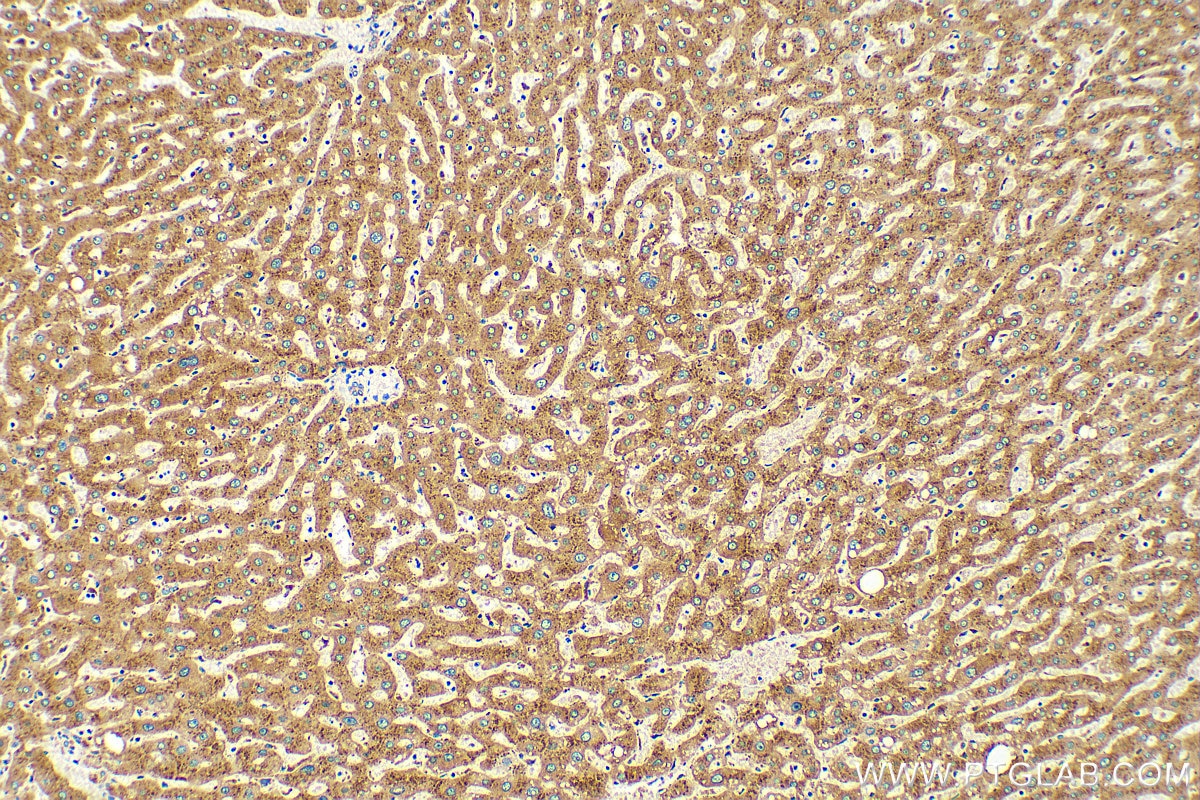
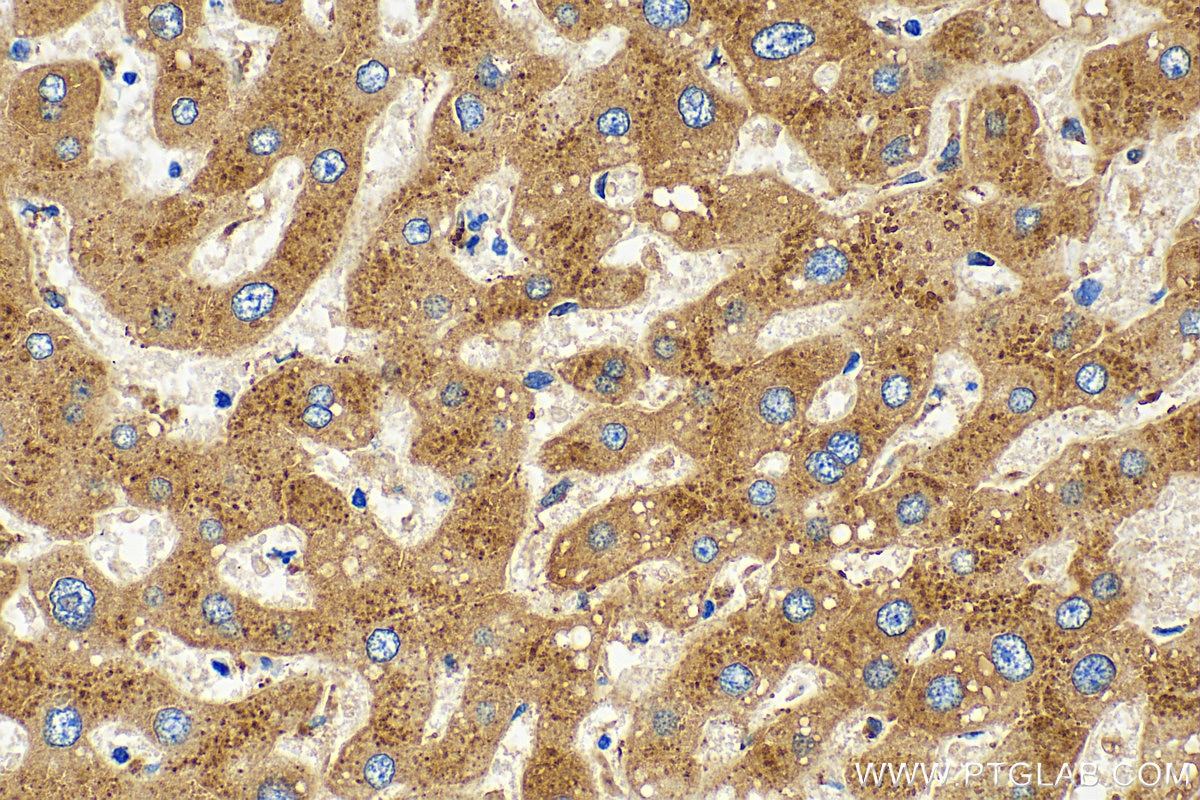
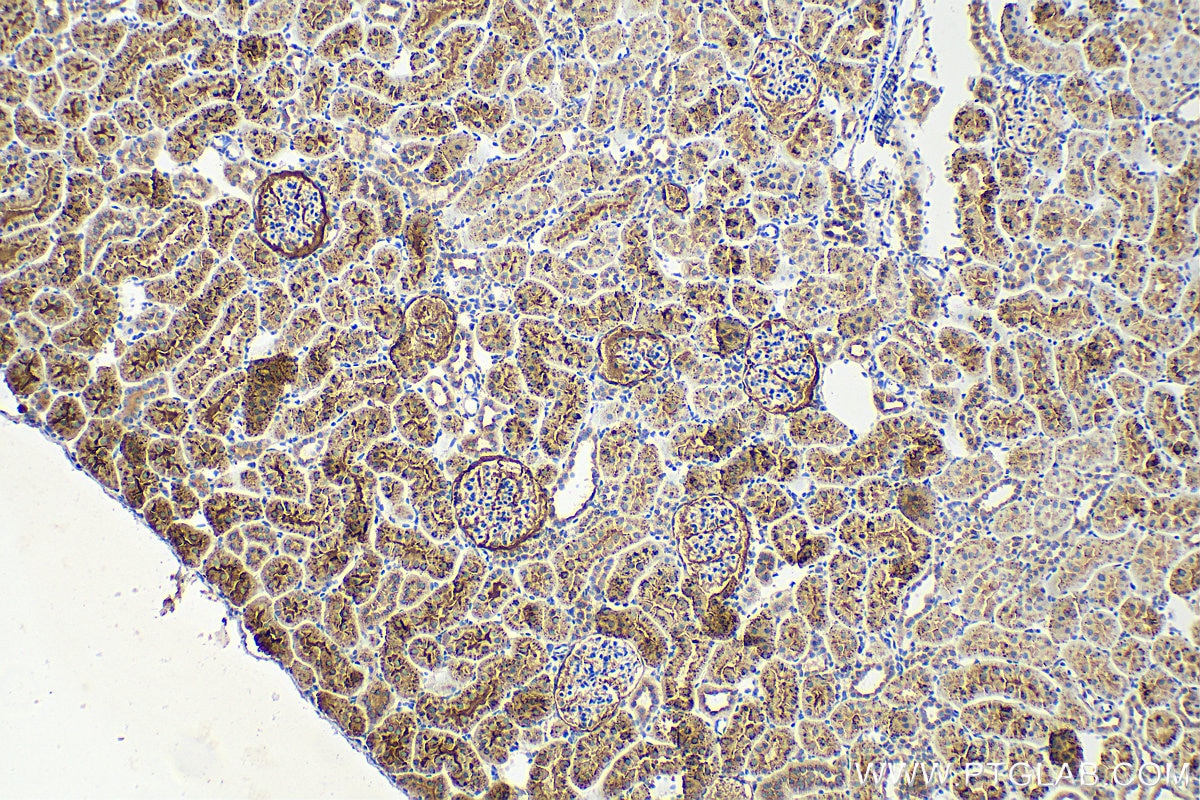
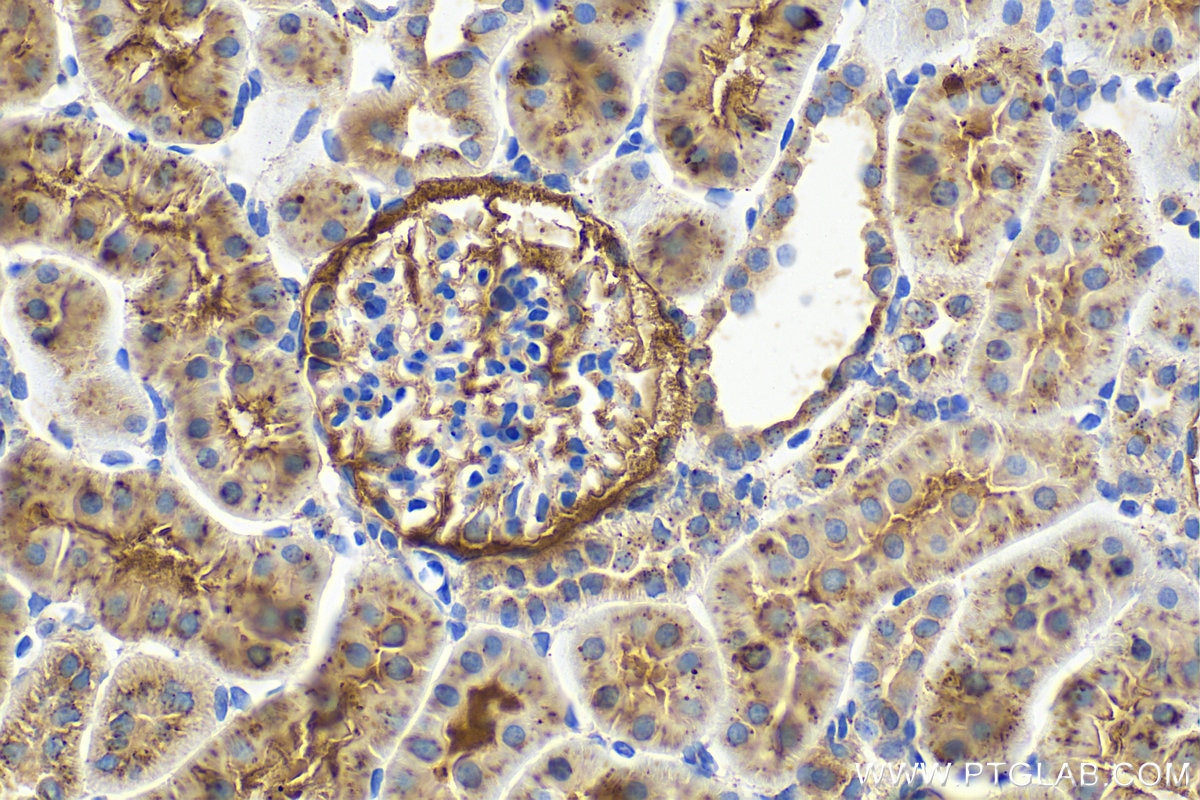

Tested Applications
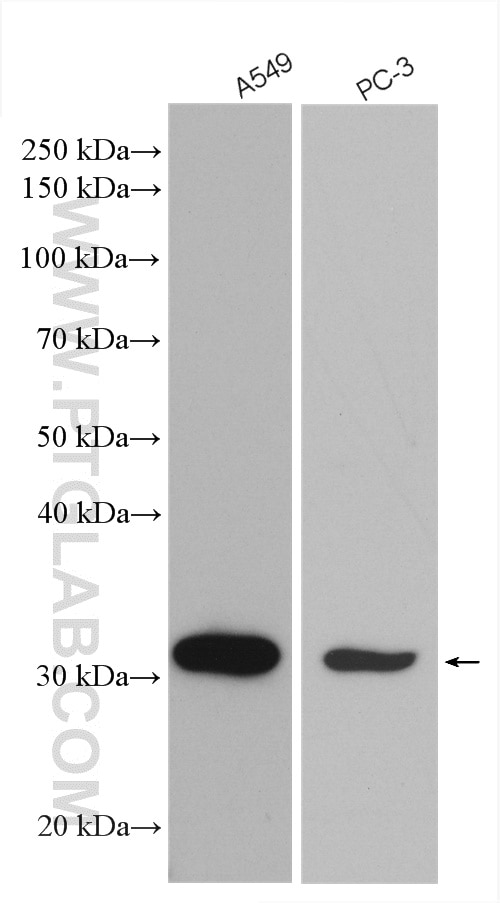
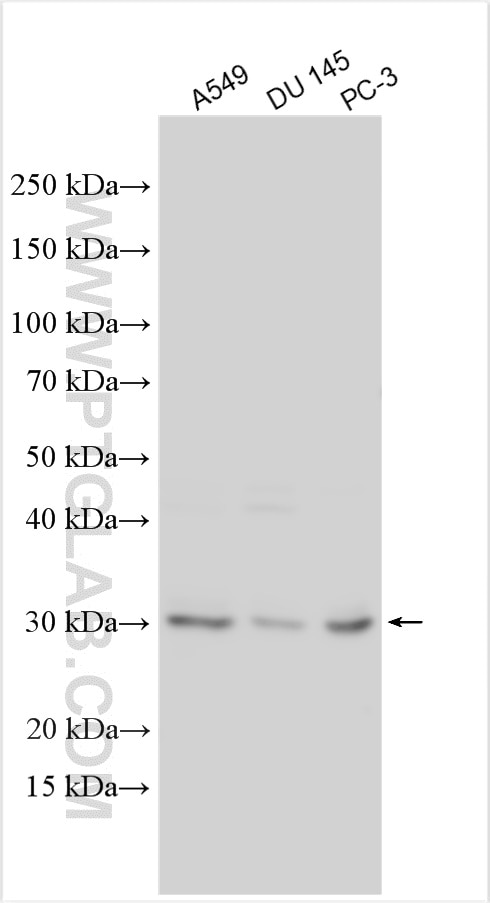
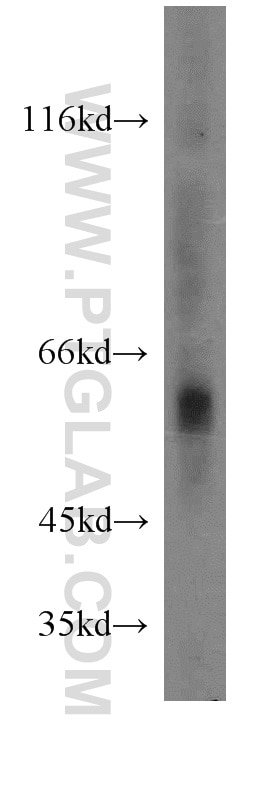
| Positive WB detected in | A549 cells, Sp2/0 cells, PC-3 cells, DU 145 cells |
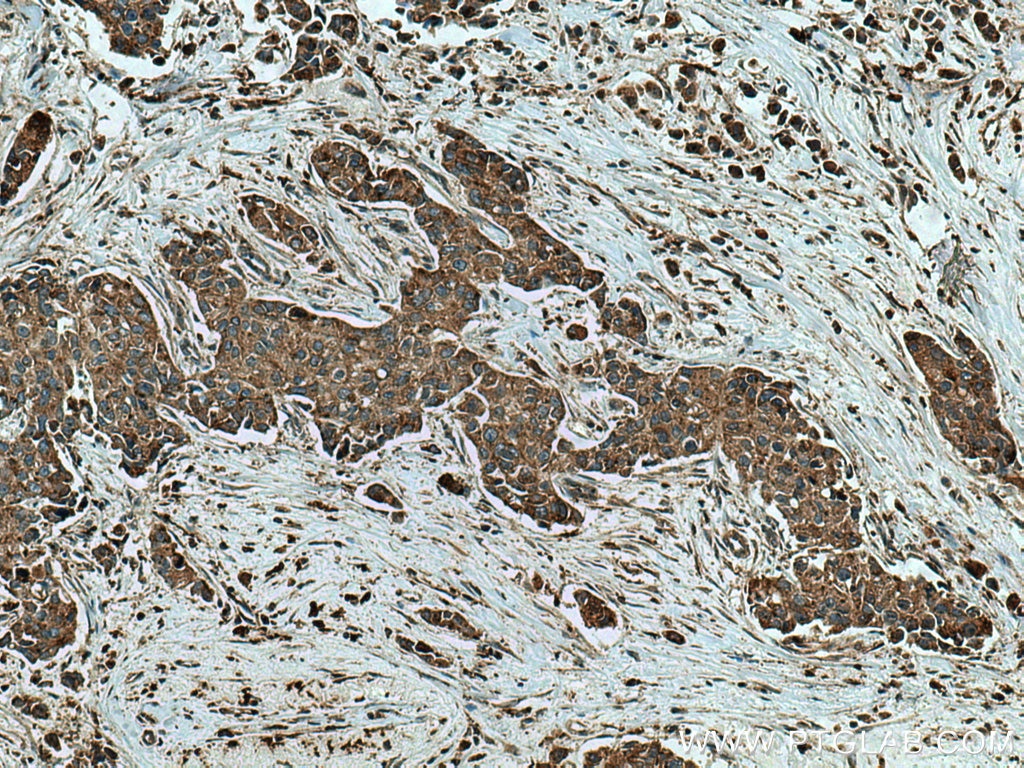
| Positive IHC detected in | human liver tissue, human breast cancer tissue, rat kidney tissue Note: suggested antigen retrieval with TE buffer pH 9.0; (*) Alternatively, antigen retrieval may be performed with citrate buffer pH 6.0 |
Recommended dilution
| Application | Dilution |
|---|---|
| Western Blot (WB) | WB : 1:500-1:3000 |
| Immunohistochemistry (IHC) | IHC : 1:750-1:3000 |
| It is recommended that this reagent should be titrated in each testing system to obtain optimal results. | |
| Sample-dependent, Check data in validation data gallery. | |
Product Information
15020-1-AP targets Cathepsin A in WB, IHC, ELISA applications and shows reactivity with human, mouse, rat samples.
| Tested Reactivity | human, mouse, rat |
| Cited Reactivity | human, mouse |
| Host / Isotype | Rabbit / IgG |
| Class | Polyclonal |
| Type | Antibody |
| Immunogen |
CatNo: Ag7073 Product name: Recombinant human CTSA protein Source: e coli.-derived, PGEX-4T Tag: GST Domain: 133-479 aa of BC000597 Sequence: FSYSDDKFYATNDTEVAQSNFEALQDFFRLFPEYKNNKLFLTGESYAGIYIPTLAVLVMQDPSMNLQGLAVGNGLSSYEQNDNSLVYFAYYHGLLGNRLWSSLQTHCCSQNKCNFYDNKDLECVTNLQEVARIVGNSGLNIYNLYAPCAGGVPSHFRYEKDTVVVQDLGNIFTRLPLKRMWHQALLRSGDKVRMDPPCTNTTAASTYLNNPYVRKALNIPEQLPQWDMCNFLVNLQYRRLYRSMNSQYLKLLSSQKYQILLYNGDVDMACNFMGDEWFVDSLNQKMEVQRRPWLVKYGDSGEQIAGFVKEFSHIAFLTIKGAGHMVPTDKPLAAFTMFSRFLNKQPY Predict reactive species |
| Full Name | cathepsin A |
| Calculated Molecular Weight | 54 kDa |
| Observed Molecular Weight | 54-60, 32, 20 kDa |
| GenBank Accession Number | BC000597 |
| Gene Symbol | Cathepsin A |
| Gene ID (NCBI) | 5476 |
| RRID | AB_10696309 |
| Conjugate | Unconjugated |
| Form | Liquid |
| Purification Method | Antigen affinity purification |
| UNIPROT ID | P10619 |
| Storage Buffer | PBS with 0.02% sodium azide and 50% glycerol, pH 7.3. |
| Storage Conditions | Store at -20°C. Stable for one year after shipment. Aliquoting is unnecessary for -20oC storage. 20ul sizes contain 0.1% BSA. |
Background Information
CTSA is also named as PPGB(protective protein for beta-galactosidase), PPCA(protective protein cathepsin A), cathepsin A, carboxypeptidase C, carboxypeptidase L and belongs to the peptidase S10 family. It is a ubiquitously expressed multifunctional enzyme, with deamidase, esterase, and carboxypeptidase activities and a preference for substrates with hydrophobic amino acid residues at the P1-prime position. It can be cleaved into the following 2 chains and defects in CTSA are the cause of galactosialidosis (GSL). This protein has 2 glycosylation sites. CTSA is synthesized as a 54-kDa precursor protein and composed of 32- and 20-kDa subunits linked together by disulfide bonds(PMID: 16461364,19574551).
Protocols
| Product Specific Protocols | |
|---|---|
| IHC protocol for Cathepsin A antibody 15020-1-AP | Download protocol |
| WB protocol for Cathepsin A antibody 15020-1-AP | Download protocol |
| Standard Protocols | |
|---|---|
| Click here to view our Standard Protocols |
Publications
What published studies show
The Cathepsin A Polyclonal antibody (Cat# 15020-1-AP) has 11 citations published in Nature, Journal of Hepatology, Journal of Clinical Investigation, Cell & Molecular Life Sciences, Chemical & Biological Interactions, Scientific Reports, Frontiers in Cellular Neuroscience, FASEB Journal, Molecular Carcinogenesis, and American Journal of Cancer Research. Associated research fields include lipid metabolism, anti-tumor immunity, liver disease, hepatocellular carcinoma, reproductive biology, neuroscience, hematology, and breast cancer.
| Species | Application | Title |
|---|---|---|
Nature Anti-tumour immunity controlled through mRNA m6A methylation and YTHDF1 in dendritic cells. | ||
J Hepatol SNX10 mediates alcohol-induced liver injury and steatosis via regulating chaperone-mediated autophagy activation. | ||
J Clin Invest YTHDF1 loss in dendritic cells potentiates radiation-induced antitumor immunity via STING-dependent type I IFN production | ||
Cell Mol Life Sci Epididymal epithelial cells facilitate NEU1 loading to modulate sperm α-2,6 sialylation, enhance maturation and motility. | ||
Chem Biol Interact Elaidic acid induces hepatic lipid accumulation by inhibiting chaperone-mediated autophagy via the GAS5/miR-27b-3p/SNX10 axis. |










