

Tested Applications
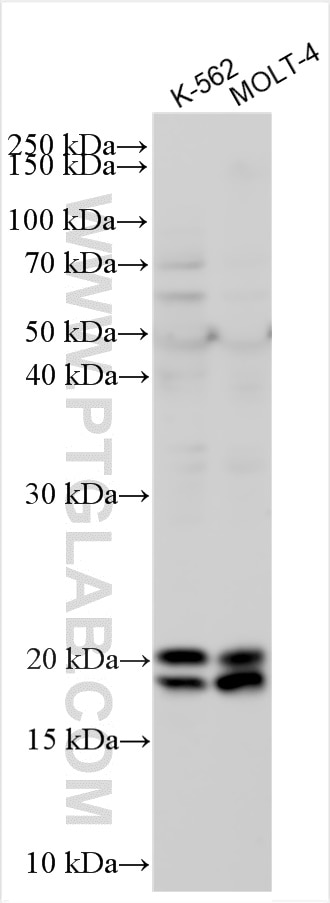
| Positive WB detected in | K-562 cells, A549 cells, PC-13 cells, MOLT-4 cells |
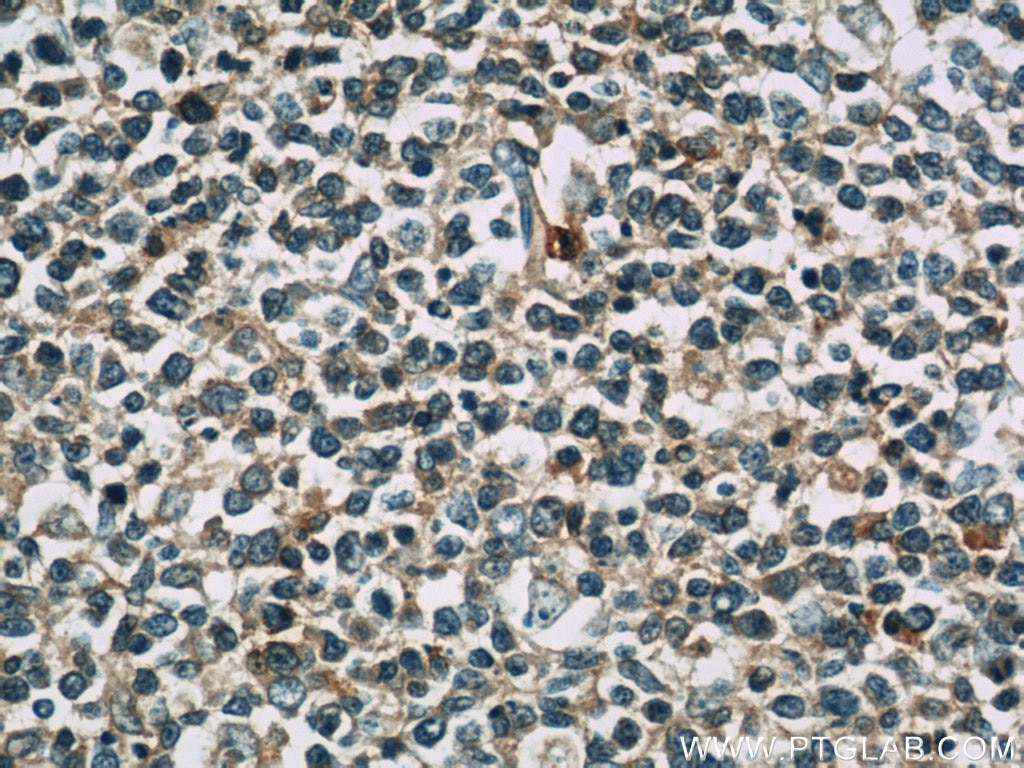
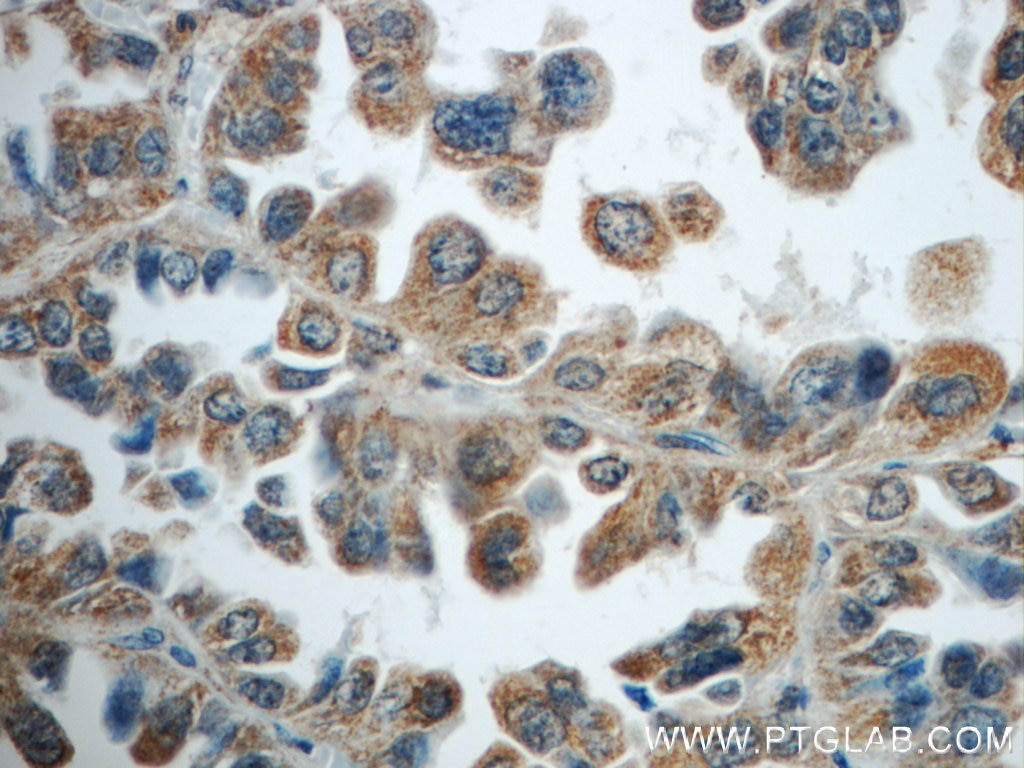
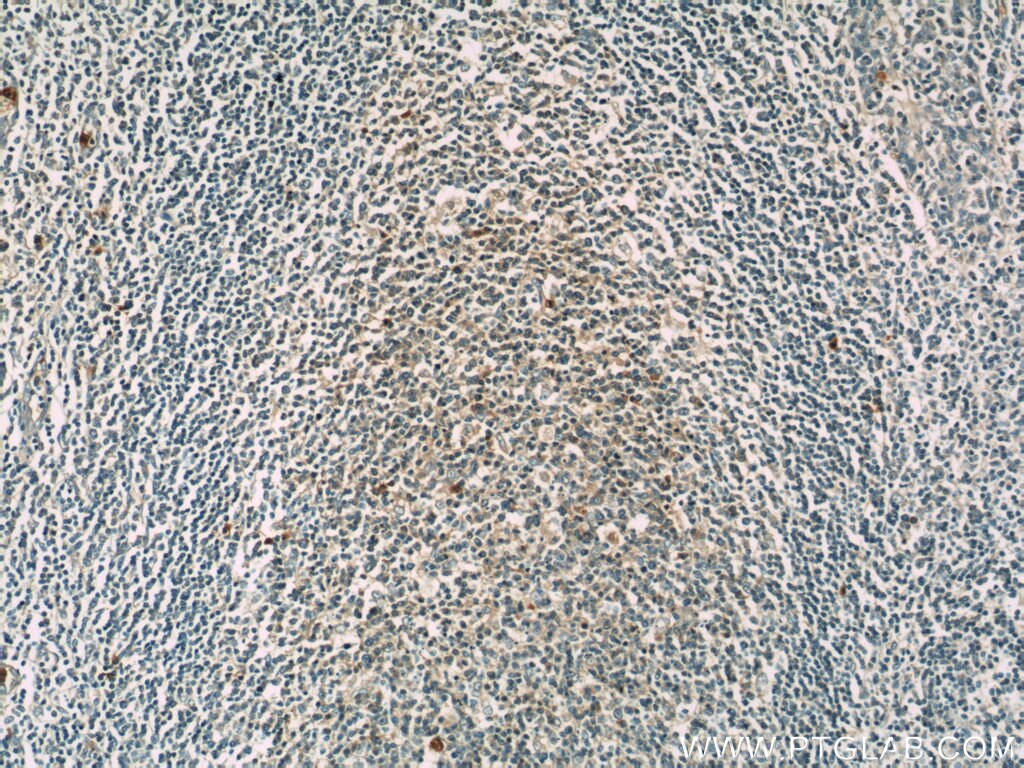
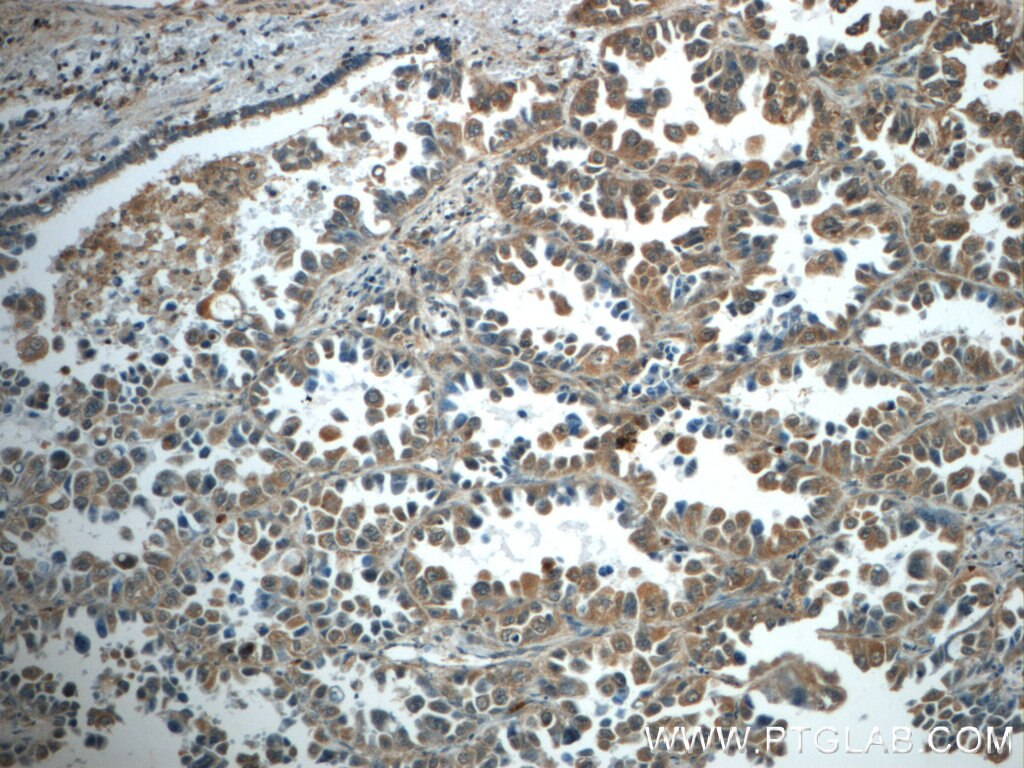
| Positive IHC detected in | human lung cancer tissue, human tonsillitis tissue Note: suggested antigen retrieval with TE buffer pH 9.0; (*) Alternatively, antigen retrieval may be performed with citrate buffer pH 6.0 |
Recommended dilution
| Application | Dilution |
|---|---|
| Western Blot (WB) | WB : 1:500-1:1000 |
| Immunohistochemistry (IHC) | IHC : 1:20-1:200 |
| It is recommended that this reagent should be titrated in each testing system to obtain optimal results. | |
| Sample-dependent, Check data in validation data gallery. | |
Product Information
15790-1-AP targets TNFAIP8 in WB, IHC, IF, ELISA applications and shows reactivity with human, mouse, rat samples.
| Tested Reactivity | human, mouse, rat |
| Cited Reactivity | human, mouse, rat |
| Host / Isotype | Rabbit / IgG |
| Class | Polyclonal |
| Type | Antibody |
| Immunogen |
CatNo: Ag8491 Product name: Recombinant human TNFAIP8 protein Source: e coli.-derived, PGEX-4T Tag: GST Domain: 1-198 aa of BC007014 Sequence: MHSEAEESKEVATDVFNSKNLAVQAQKKILGKMVSKSIATTLIDDTSSEVLDELYRVTREYTQNKKEAEKIIKNLIKTVIKLAILYRNNQFNQDELALMEKFKKKVHQLAMTVVSFHQVDYTFDRNVLSRLLNECREMLHQIIQRHLTAKSHGRVNNVFDHFSDCEFLAALYNPFGNFKPHLQKLCDGINKMLDEENI Predict reactive species |
| Full Name | tumor necrosis factor, alpha-induced protein 8 |
| Calculated Molecular Weight | 198 aa, 23 kDa |
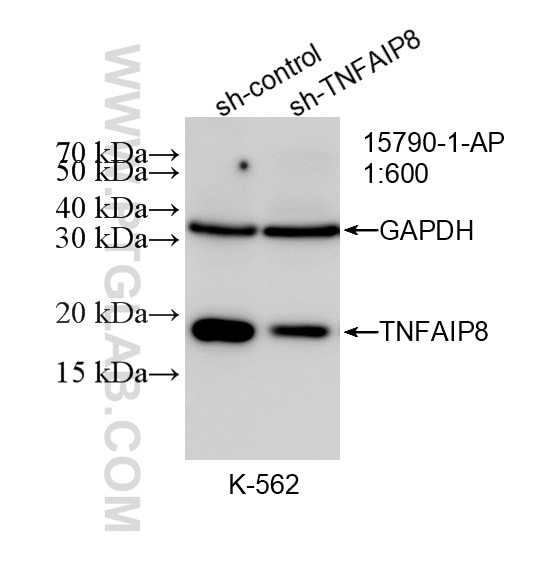
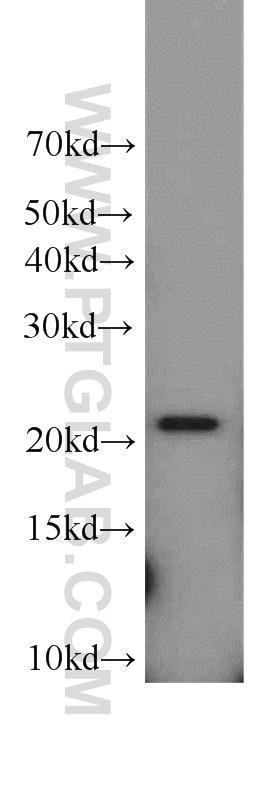
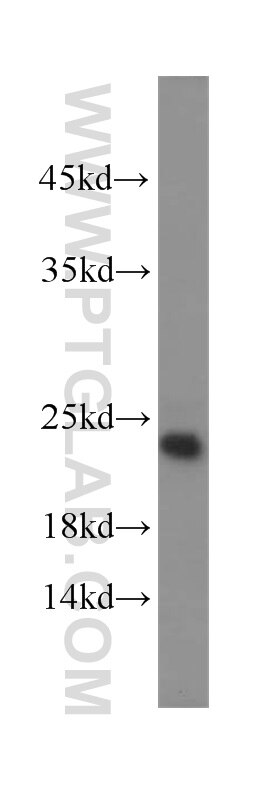
| Observed Molecular Weight | 19-23 kDa |
| GenBank Accession Number | BC007014 |
| Gene Symbol | TNFAIP8 |
| Gene ID (NCBI) | 25816 |
| RRID | AB_10792805 |
| Conjugate | Unconjugated |
| Form | Liquid |
| Purification Method | Antigen affinity purification |
| UNIPROT ID | O95379 |
| Storage Buffer | PBS with 0.02% sodium azide and 50% glycerol, pH 7.3. |
| Storage Conditions | Store at -20°C. Stable for one year after shipment. Aliquoting is unnecessary for -20oC storage. 20ul sizes contain 0.1% BSA. |
Background Information
TNFAIP8 (tumor necrosis factor, alpha-induced protein 8), also called SCC-S2/GG2-1/NDED, is associated with enhanced cell survival and inhibition of apoptosis. The induction of TNFAIP8 by TNF depends on the activation of NFκB. TNFAIP8 suppresses the TNF-mediated apoptosis by inhibiting caspase-8 activity but not the processing of procaspase-8, subsequently resulting in inhibition of BID cleavage and caspase-3 activation. TNFAIP8 is expressed in adult spleen, lymph node, thymus, thyroid, bone marrow, and placenta, and in fetal liver, lung, and kidney at high levels, also expressed in various tumor tissues and all cancer cell lines tested. There are four major isoforms of TNFAIP8.
Protocols
| Product Specific Protocols | |
|---|---|
| IHC protocol for TNFAIP8 antibody 15790-1-AP | Download protocol |
| WB protocol for TNFAIP8 antibody 15790-1-AP | Download protocol |
| Standard Protocols | |
|---|---|
| Click here to view our Standard Protocols |
Publications
What published studies show
The TNFAIP8 antibody (Cat# 15790-1-AP) has 17 total citations published across 14 journals including Cell Death & Disease, Journal of Experimental & Clinical Cancer Research, Cell Chemical Biology, Oncotarget, Scientific Reports, Cancers, Journal of Immunology, Toxins, Journal of Proteome Research, International Journal of Biochemistry & Cell Biology, Journal of Leukocyte Biology, Cardiovascular Toxicology, Experimental Eye Research, and BBA. Research fields span oncology (AML, HCC, colorectal, prostate, skin cancer), autophagy, inflammation, diabetes, NAFLD, immunology, and cardiotoxicity.
| Species | Application | Title |
|---|---|---|
J Exp Clin Cancer Res TNFAIP8 promotes AML chemoresistance by activating ERK signaling pathway through interaction with Rac1. | ||
Cell Death Dis TNFAIP8 protein functions as a tumor suppressor in inflammation-associated colorectal tumorigenesis. | ||
Cell Death Dis TNFAIP8 regulates autophagy, cell steatosis, and promotes hepatocellular carcinoma cell proliferation.
| ||
Cell Chem Biol Mechanistic insights into cancer drug resistance through optogenetic PI3K signaling hyperactivation | ||
Oncotarget TNFAIP8 promotes prostate cancer cell survival by inducing autophagy.
| ||
Sci Rep MicroRNA-205-5p inhibits skin cancer cell proliferation and increase drug sensitivity by targeting TNFAIP8.
|









