

Tested Applications
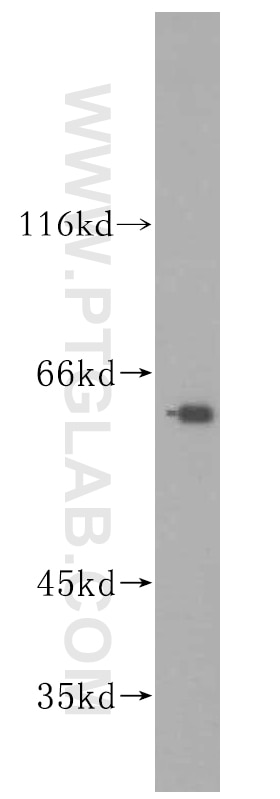
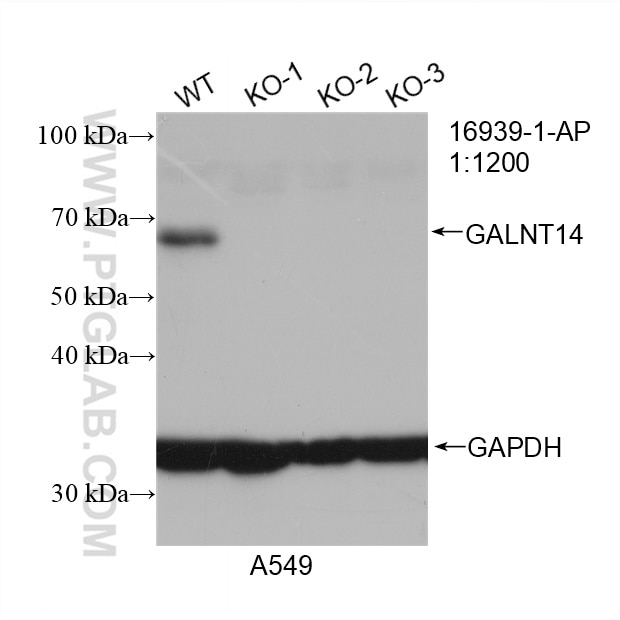
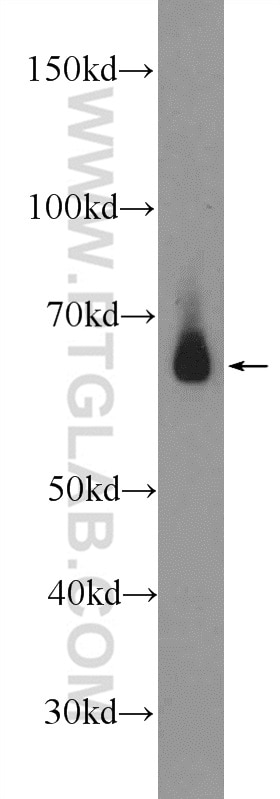
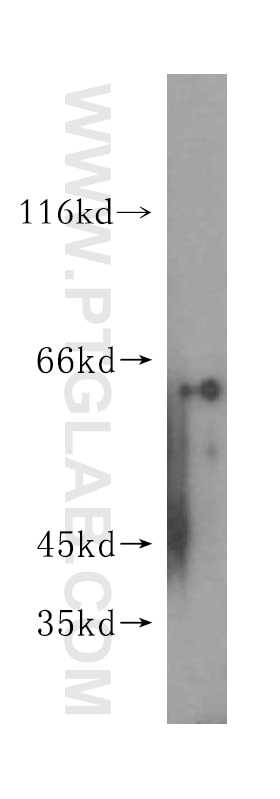
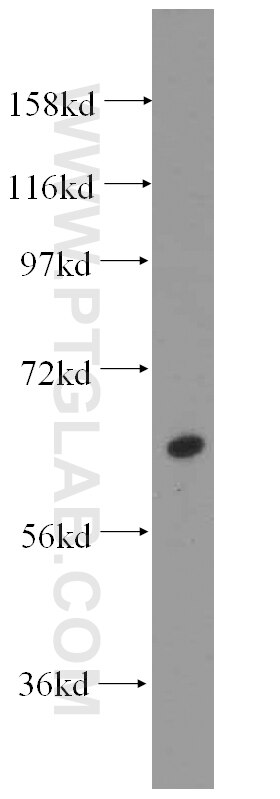
| Positive WB detected in | A549 cells, mouse testis tissue, mouse kidney tissue, mouse lung tissue, rat testis tissue |
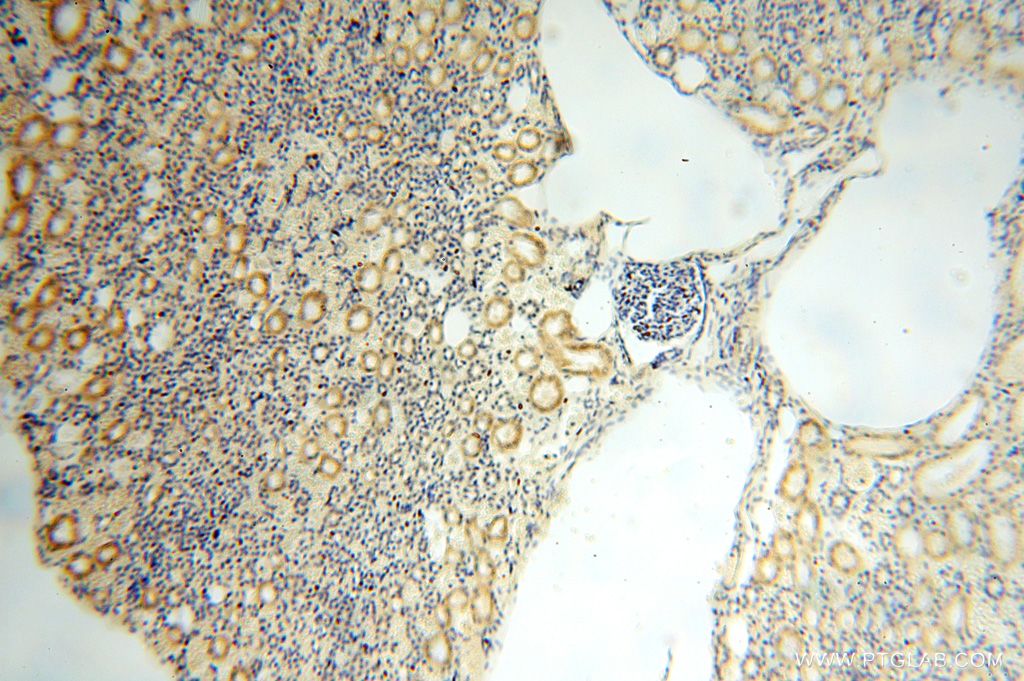
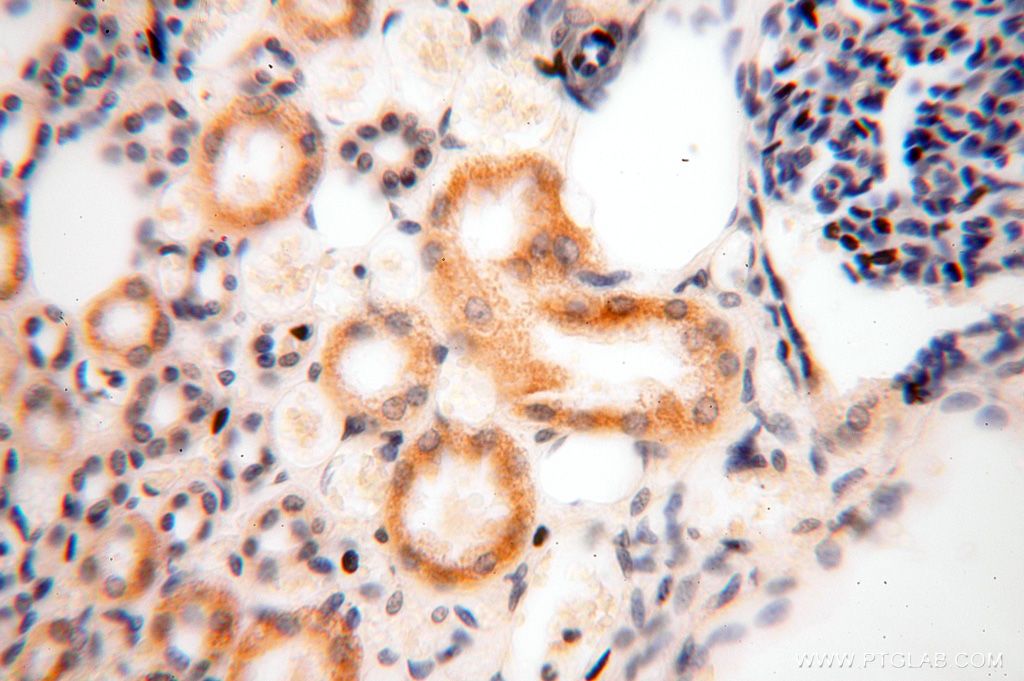
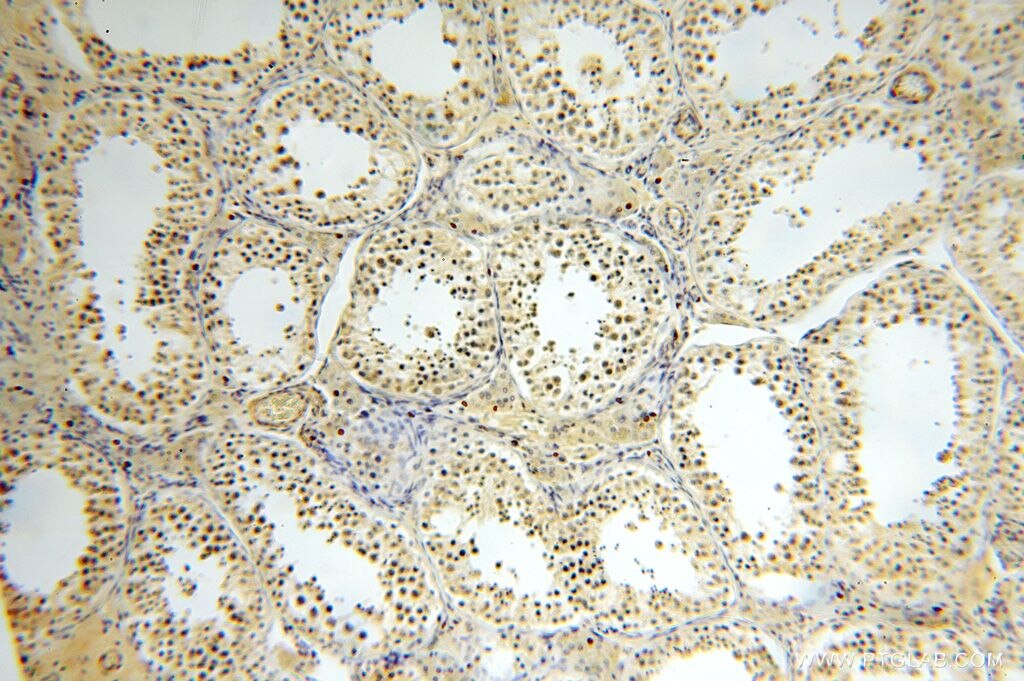
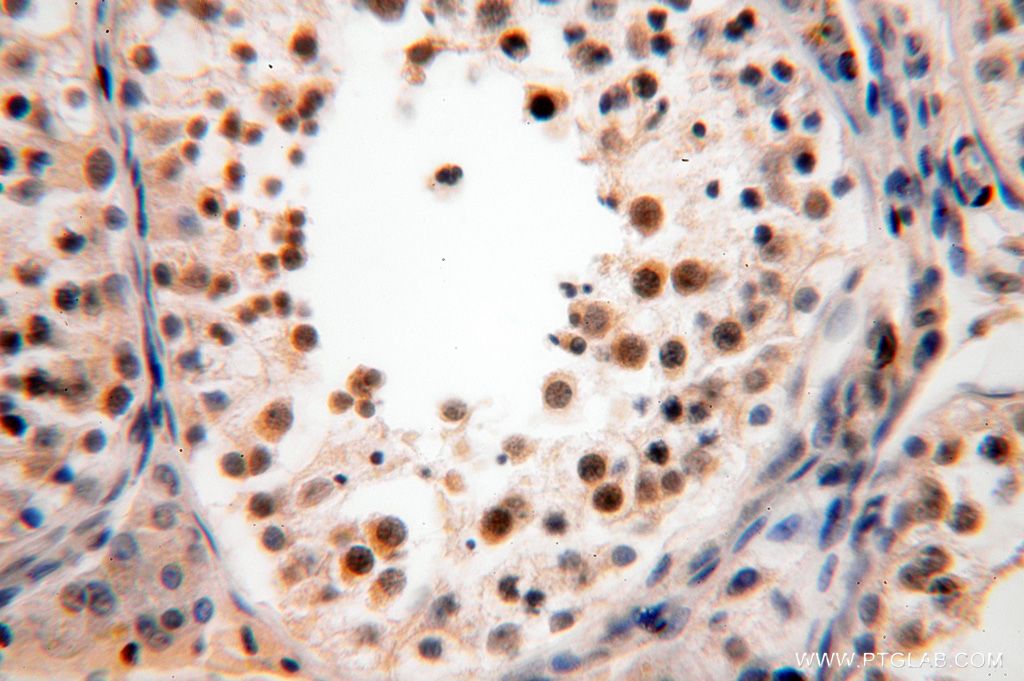
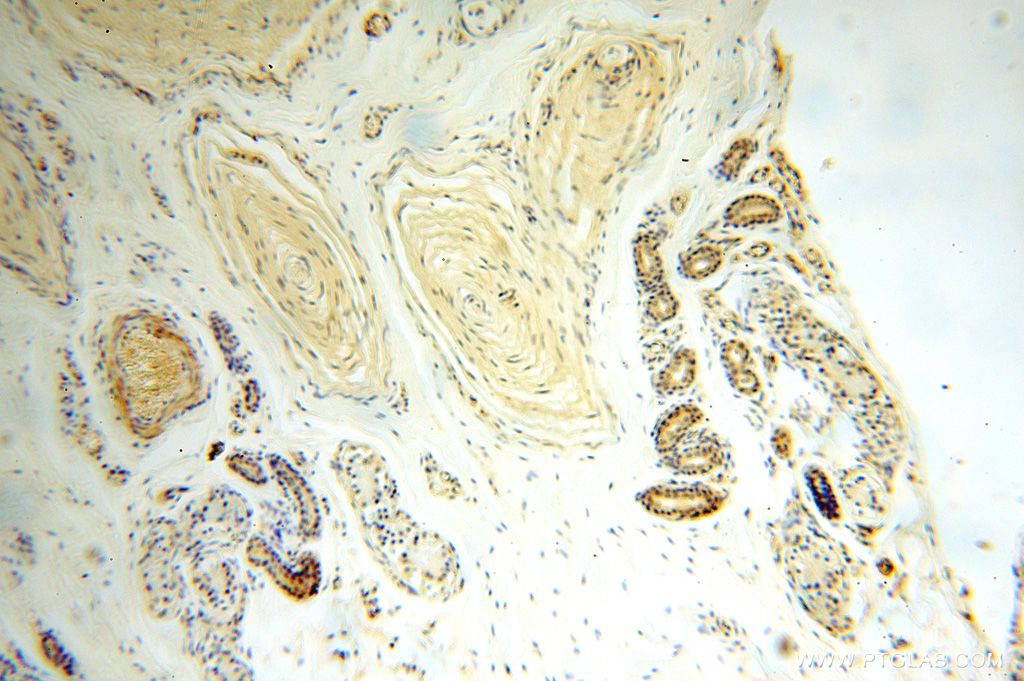
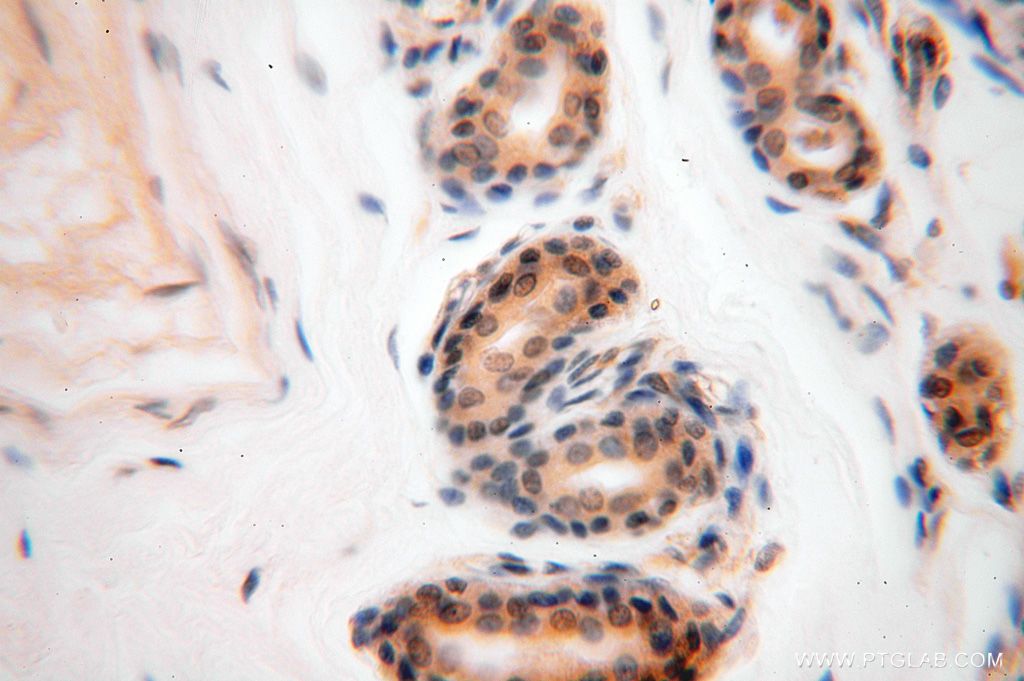
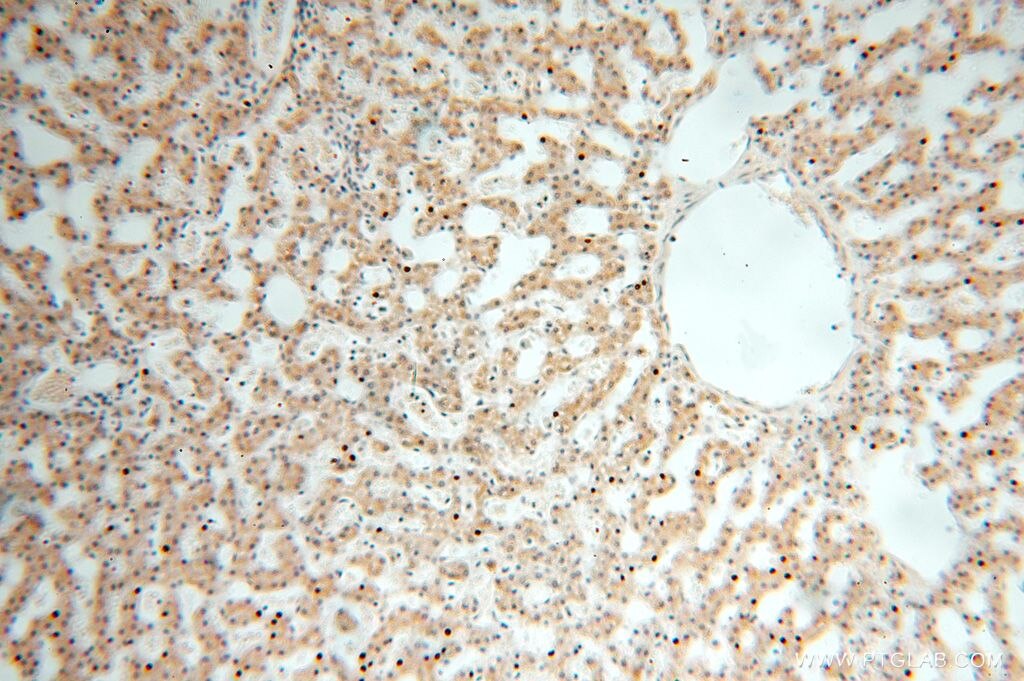
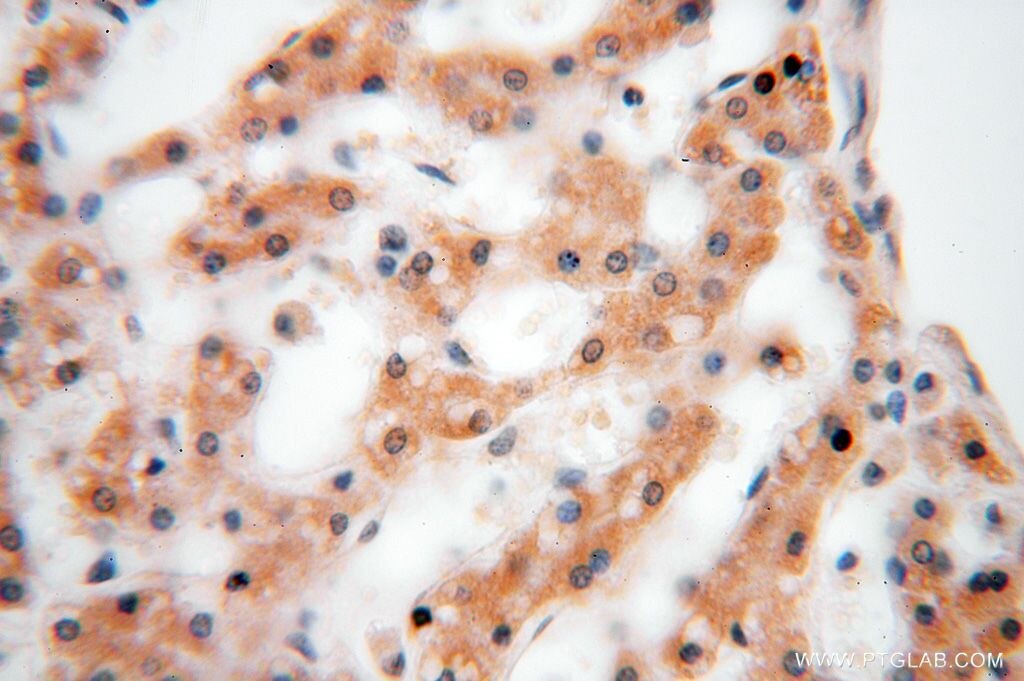
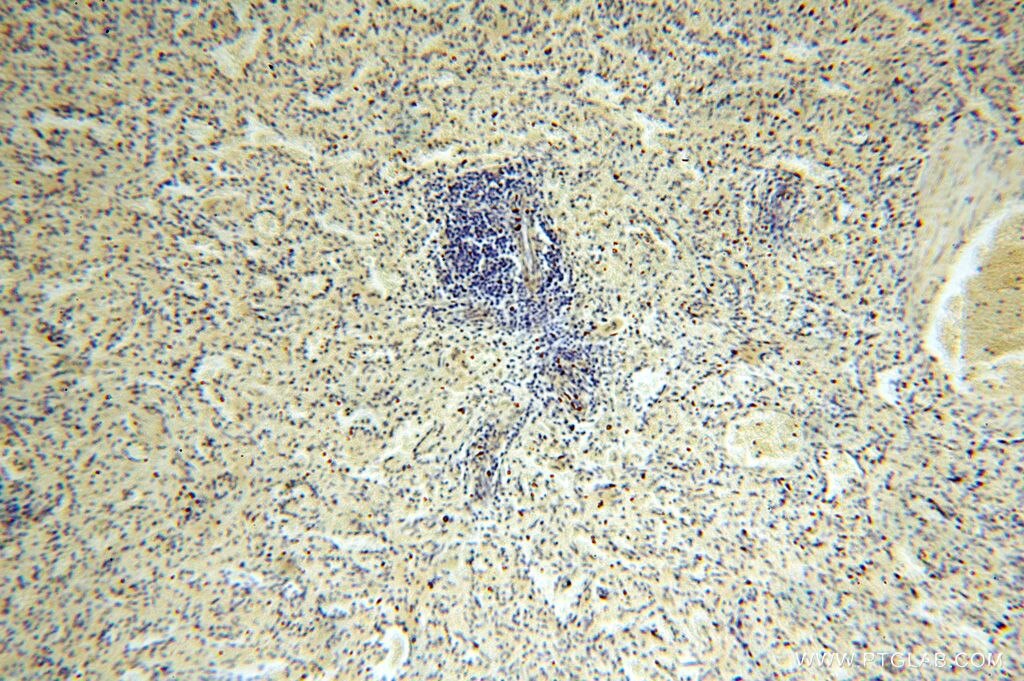
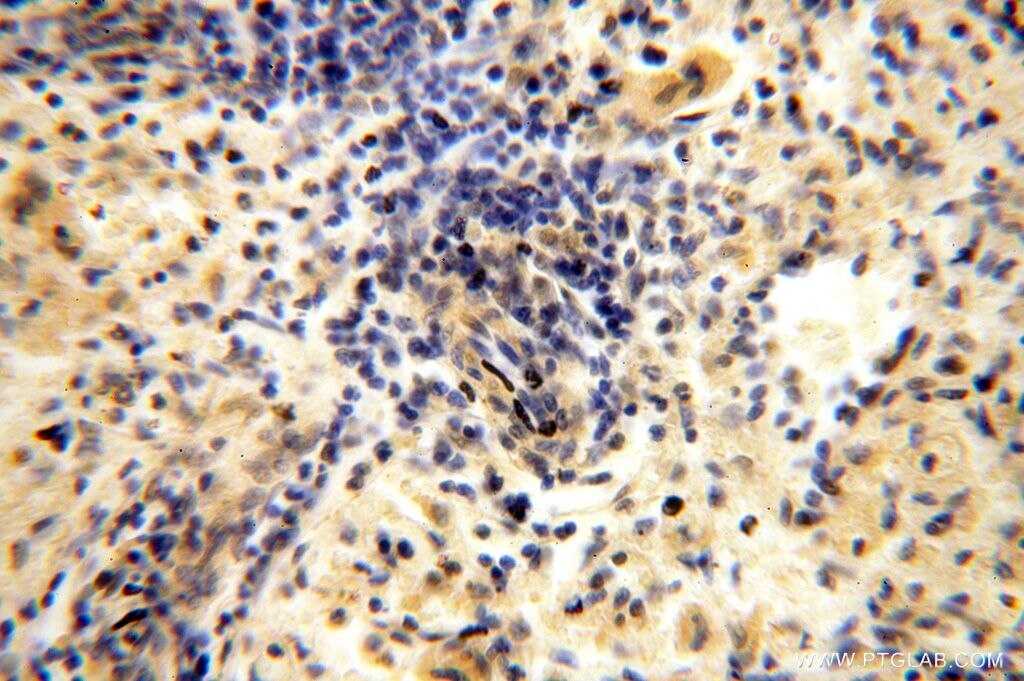
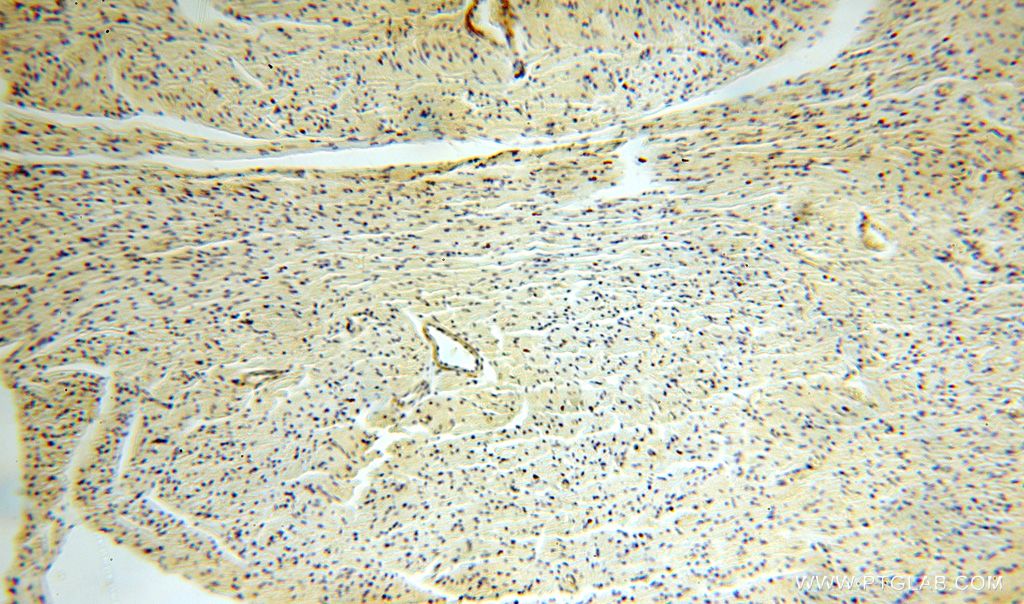
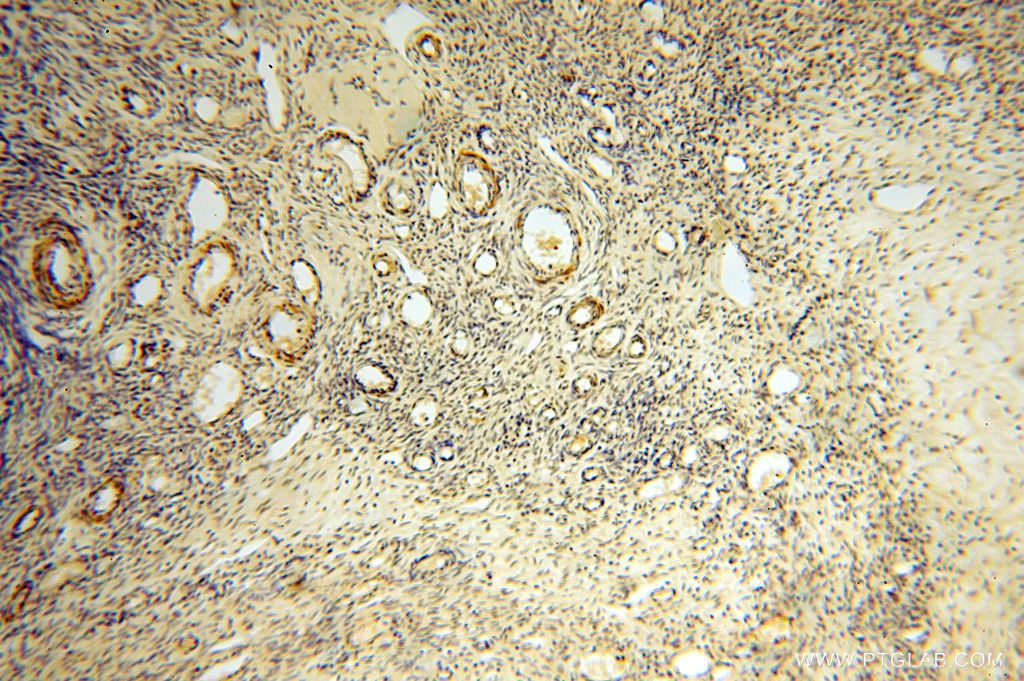
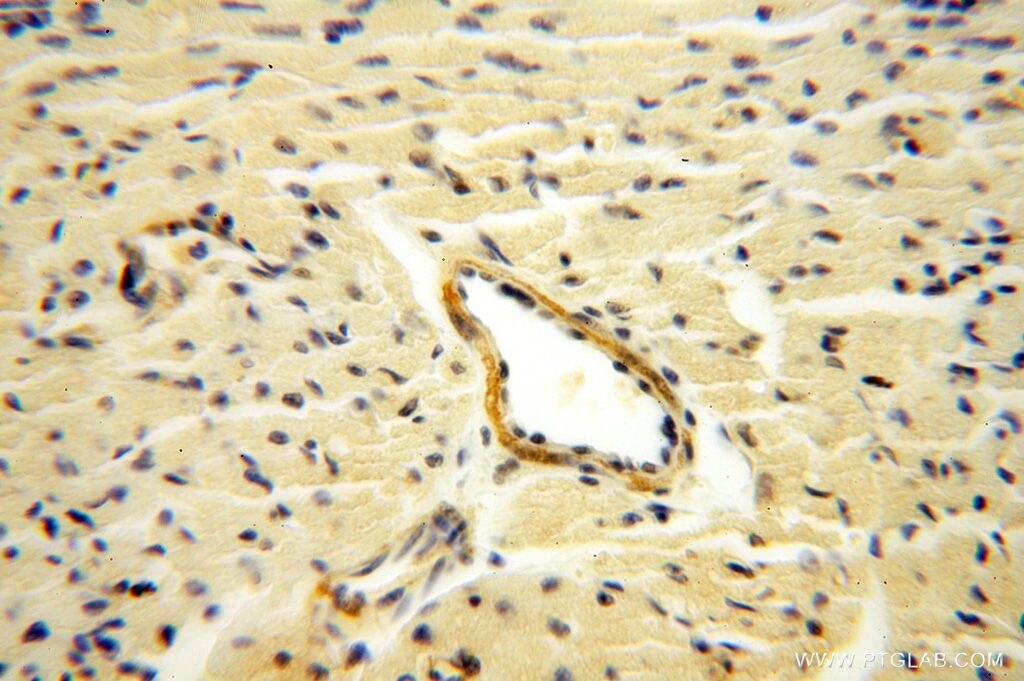
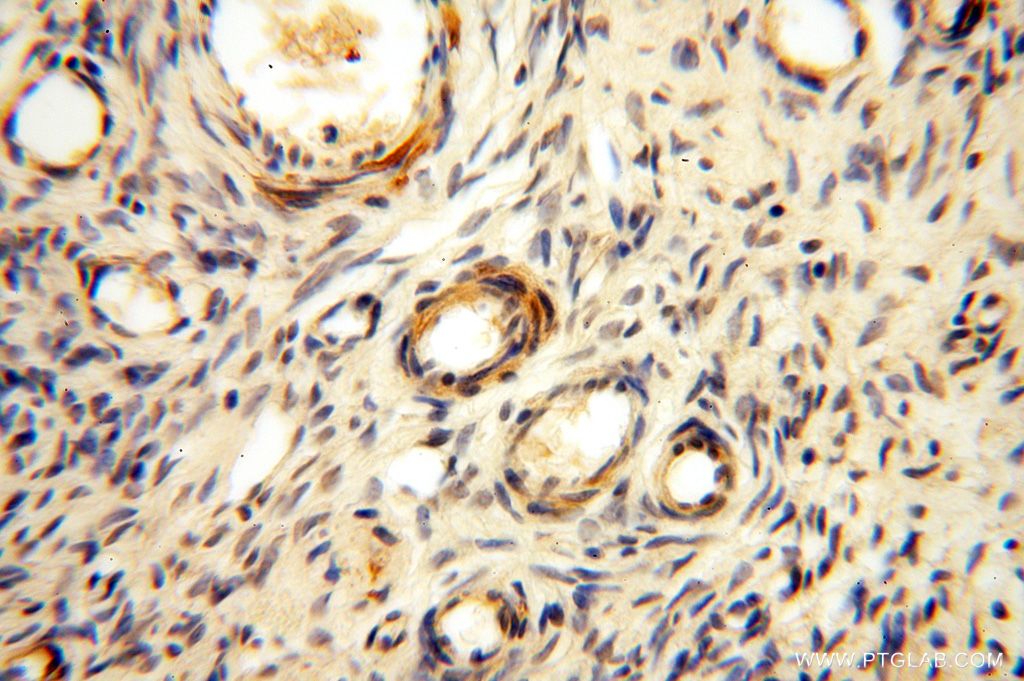
| Positive IHC detected in | human kidney tissue, human heart tissue, human liver tissue, human ovary tissue, human skin tissue, human spleen tissue, human testis tissue Note: suggested antigen retrieval with TE buffer pH 9.0; (*) Alternatively, antigen retrieval may be performed with citrate buffer pH 6.0 |
Recommended dilution
| Application | Dilution |
|---|---|
| Western Blot (WB) | WB : 1:500-1:2400 |
| Immunohistochemistry (IHC) | IHC : 1:20-1:200 |
| It is recommended that this reagent should be titrated in each testing system to obtain optimal results. | |
| Sample-dependent, Check data in validation data gallery. | |
Product Information
16939-1-AP targets GALNT14 in WB, IHC, ELISA applications and shows reactivity with human, mouse, rat samples.
| Tested Reactivity | human, mouse, rat |
| Cited Reactivity | human |
| Host / Isotype | Rabbit / IgG |
| Class | Polyclonal |
| Type | Antibody |
| Immunogen |
CatNo: Ag10470 Product name: Recombinant human GALNT14 protein Source: e coli.-derived, PET28a Tag: 6*His Domain: 203-552 aa of BC010659 Sequence: EVNRDWLQPLLHRVKEDYTRVVCPVIDIINLDTFTYIESASELRGGFDWSLHFQWEQLSPEQKARRLDPTEPIRTPIIAGGLFVIDKAWFDYLGKYDMDMDIWGGENFEISFRVWMCGGSLEIVPCSRVGHVFRKKHPYVFPDGNANTYIKNTKRTAEVWMDEYKQYYYAARPFALERPFGNVESRLDLRKNLRCQSFKWYLENIYPELSIPKESSIQKGNIRQRQKCLESQRQNNQETPNLKLSPCAKVKGEDAKSQVWAFTYTQQILQEELCLSVITLFPGAPVVLVLCKNGDDRQQWTKTGSHIEHIASHLCLDTDMFGDGTENGKEIVVNPCESSLMSQHWDMVSS Predict reactive species |
| Full Name | UDP-N-acetyl-alpha-D-galactosamine:polypeptide N-acetylgalactosaminyltransferase 14 (GalNAc-T14) |
| Calculated Molecular Weight | 552 aa, 64 kDa |
| Observed Molecular Weight | 64 kDa |
| GenBank Accession Number | BC010659 |
| Gene Symbol | GALNT14 |
| Gene ID (NCBI) | 79623 |
| RRID | AB_2232200 |
| Conjugate | Unconjugated |
| Form | Liquid |
| Purification Method | Antigen affinity purification |
| UNIPROT ID | Q96FL9 |
| Storage Buffer | PBS with 0.02% sodium azide and 50% glycerol, pH 7.3. |
| Storage Conditions | Store at -20°C. Stable for one year after shipment. Aliquoting is unnecessary for -20oC storage. 20ul sizes contain 0.1% BSA. |
Protocols
| Product Specific Protocols | |
|---|---|
| IHC protocol for GALNT14 antibody 16939-1-AP | Download protocol |
| WB protocol for GALNT14 antibody 16939-1-AP | Download protocol |
| Standard Protocols | |
|---|---|
| Click here to view our Standard Protocols |
Publications
What published studies show
The GALNT14 Polyclonal antibody (Cat# 16939-1-AP) has 7 citations across journals including Oncogene, Frontiers in Immunology, Oncotarget, Molecular Cancer Research, Cell Signaling, and Cancer Biomarkers. Research fields span cancer biology: colorectal cancer ferroptosis, osteosarcoma immunogenic cell death and angiogenesis, lung adenocarcinoma metastasis and progression, ovarian cancer invasiveness, and hepatocellular carcinoma prognosis. Applications cited include WB and IHC in human samples.
| Species | Application | Title |
|---|---|---|
Oncogene CAF-derived exosomes inhibit ferroptosis via GALNT14-mediated O-GalNAcylation of SLC7A11 in colorectal cancer. | ||
Front Immunol Vessel state and immune infiltration of the angiogenesis subgroup and construction of a prediction model in osteosarcoma | ||
Front Immunol Molecular characterization of immunogenic cell death indicates prognosis and tumor microenvironment infiltration in osteosarcoma
| ||
Oncotarget GalNAc-T14 promotes metastasis through Wnt dependent HOXB9 expression in lung adenocarcinoma.
| ||
Mol Cancer Res BORIS expression in ovarian cancer precursor cells alters the CTCF cistrome and enhances invasiveness through GALNT14. | ||
Cell Signal GALNT14-mediated O-glycosylation drives lung adenocarcinoma progression by reducing endogenous reactive oxygen species generation |
Reviews
What customers say
The single review for this product is highly positive, rated 5 stars. The reviewer used the antibody for immunohistochemistry on human cancer tissue and reported that it works well for IHC. Overall, the feedback indicates reliable performance in IHC applications.
The reviews below have been submitted by verified Proteintech customers who received an incentive for providing their feedback.
Jennifer (Verified Customer) (04-24-2026) | Works well for IHC
|




















