
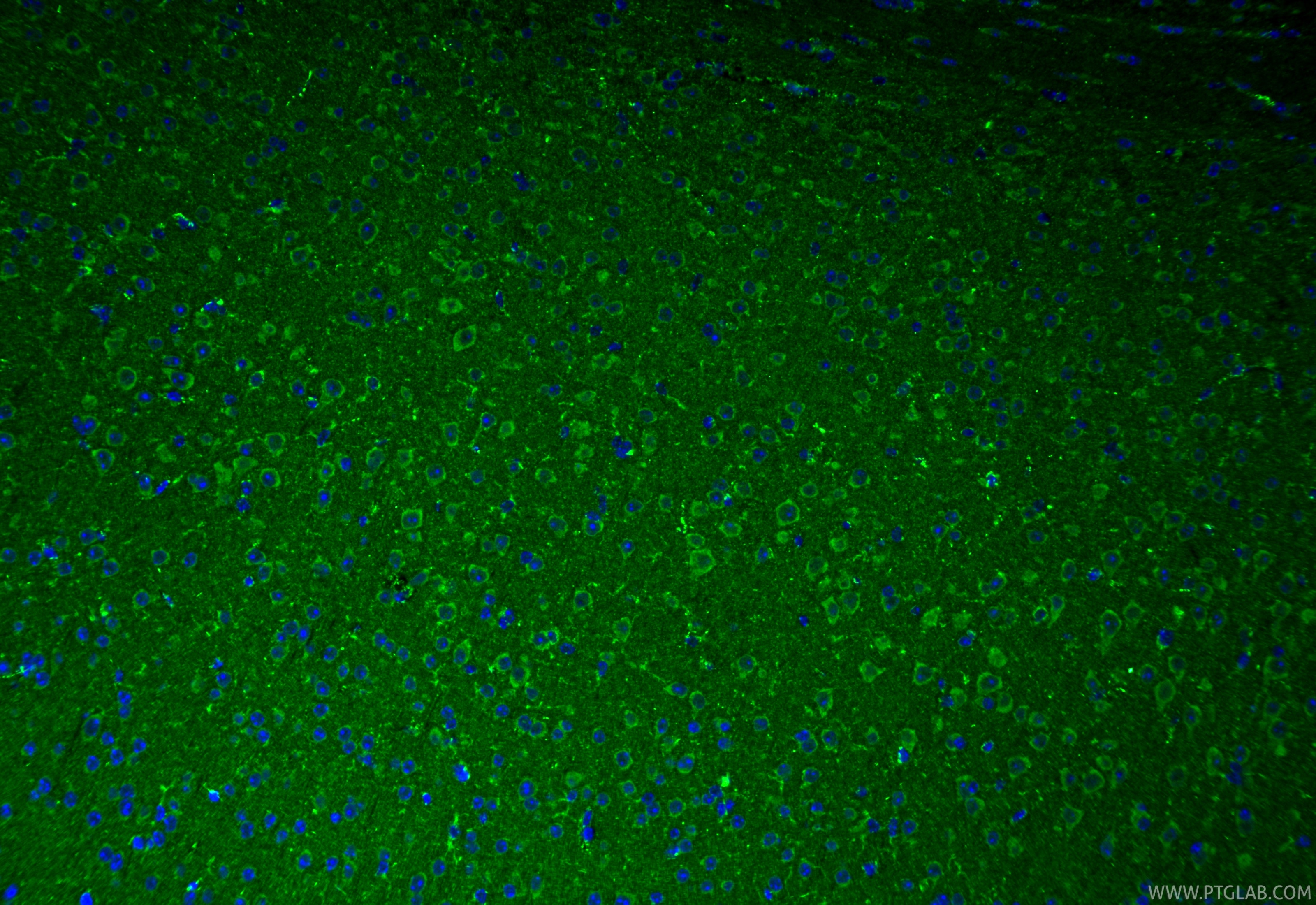
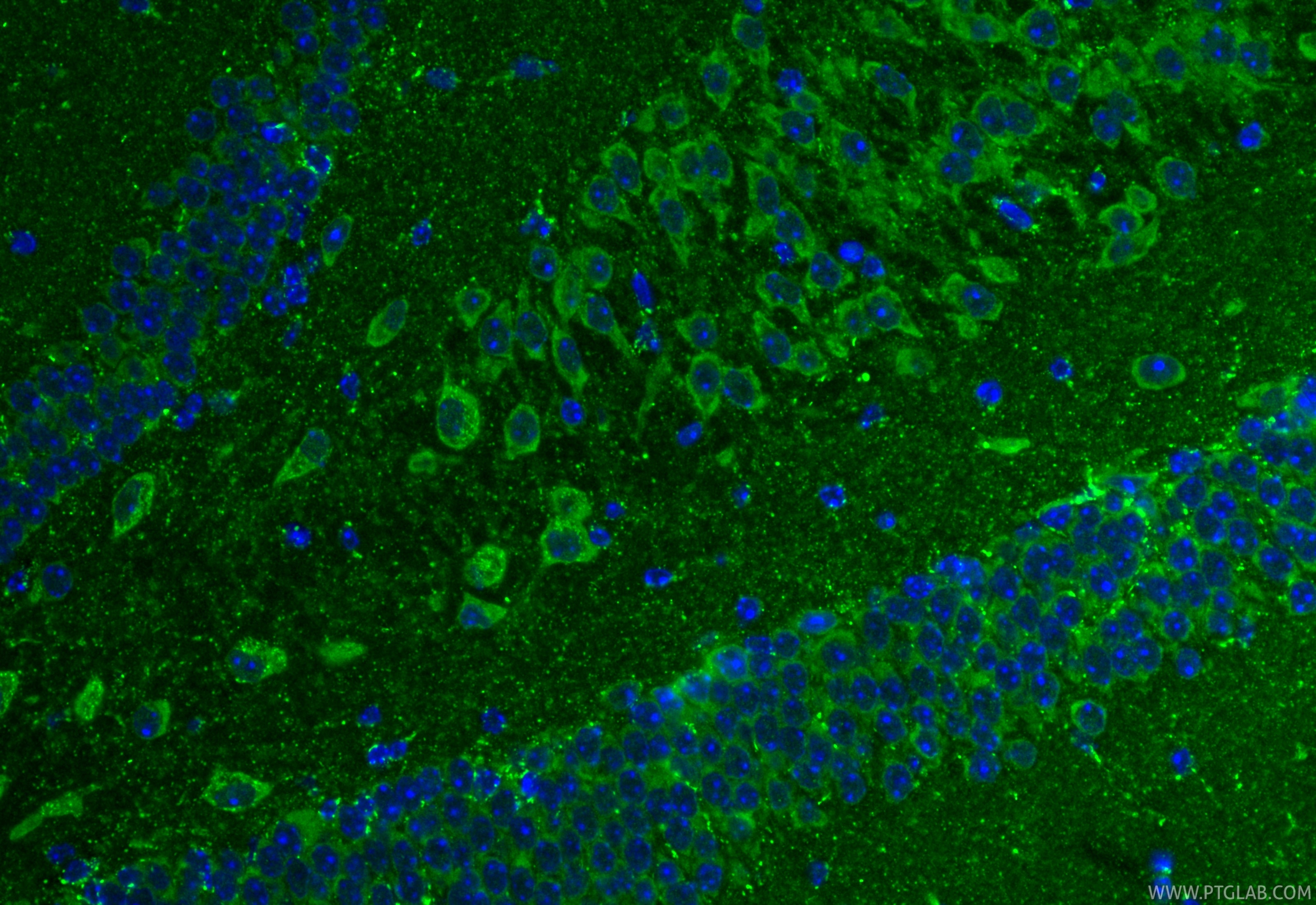

Tested Applications
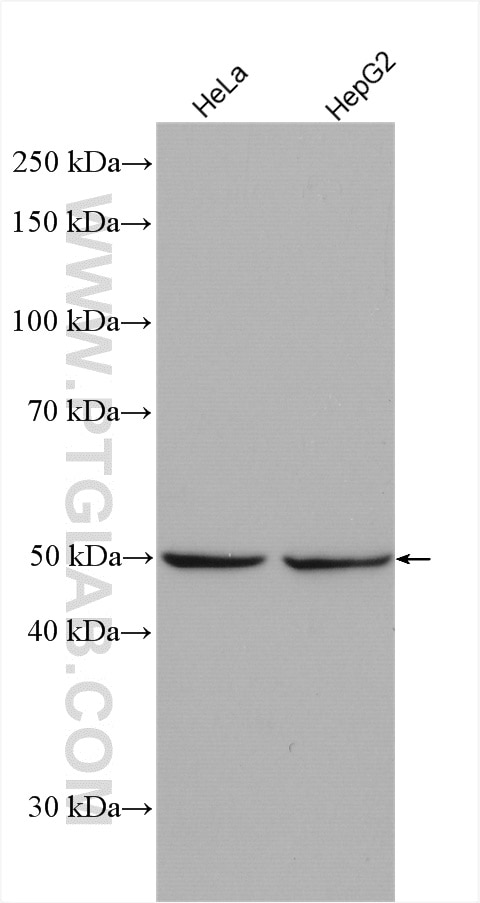
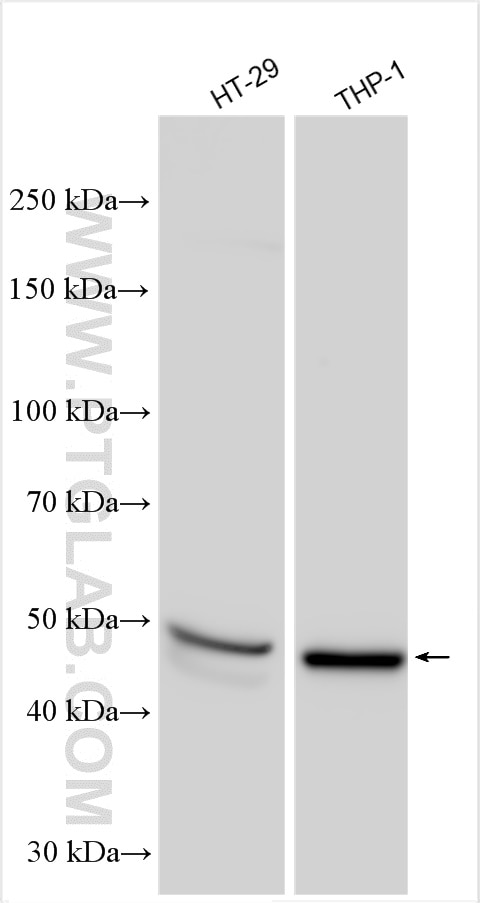
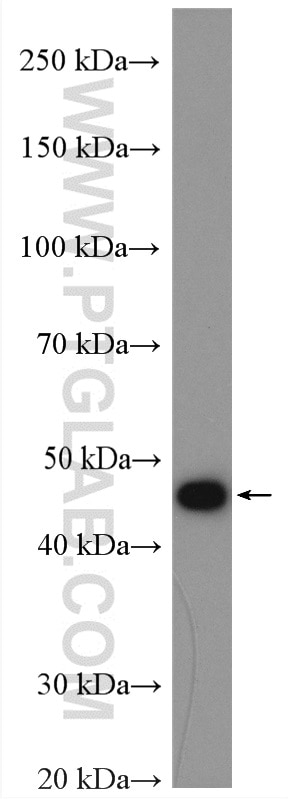
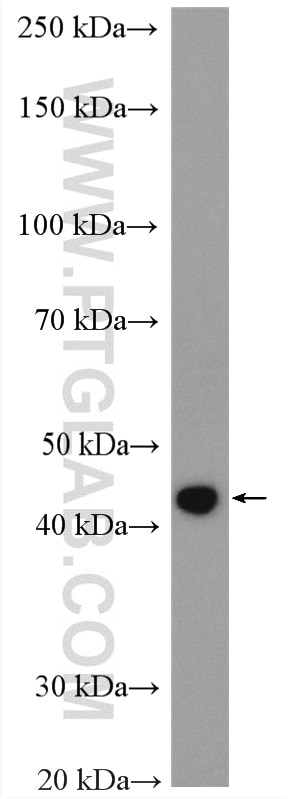
| Positive WB detected in | HeLa cells, HepG2 cells, HT-29 cells, HepG cells, THP-1 cells |
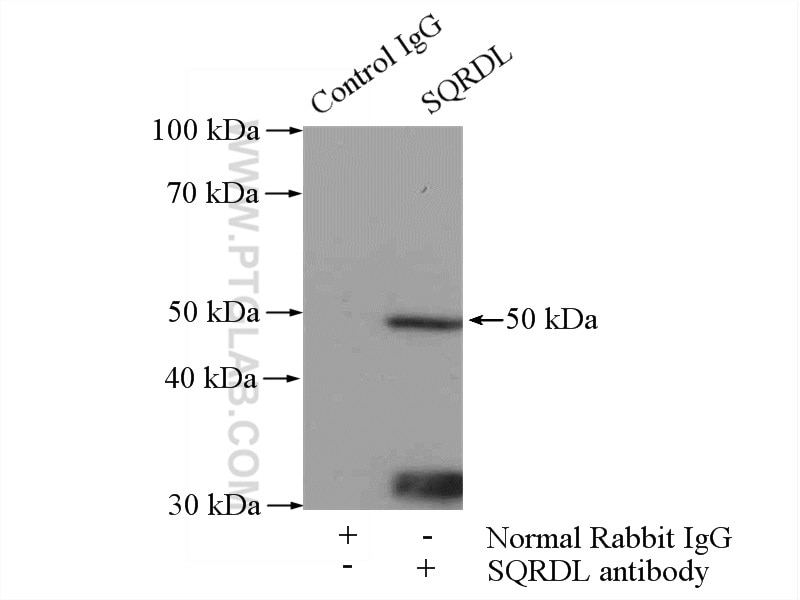
| Positive IP detected in | HeLa cells |
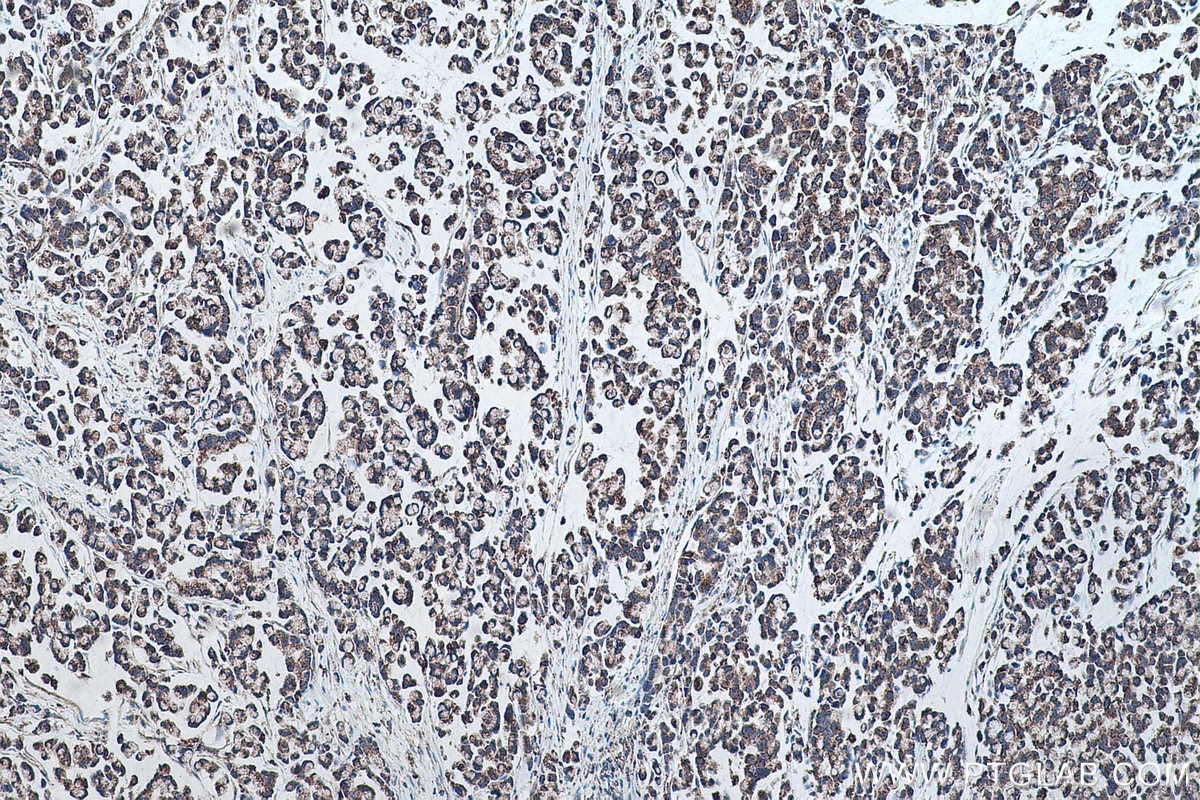
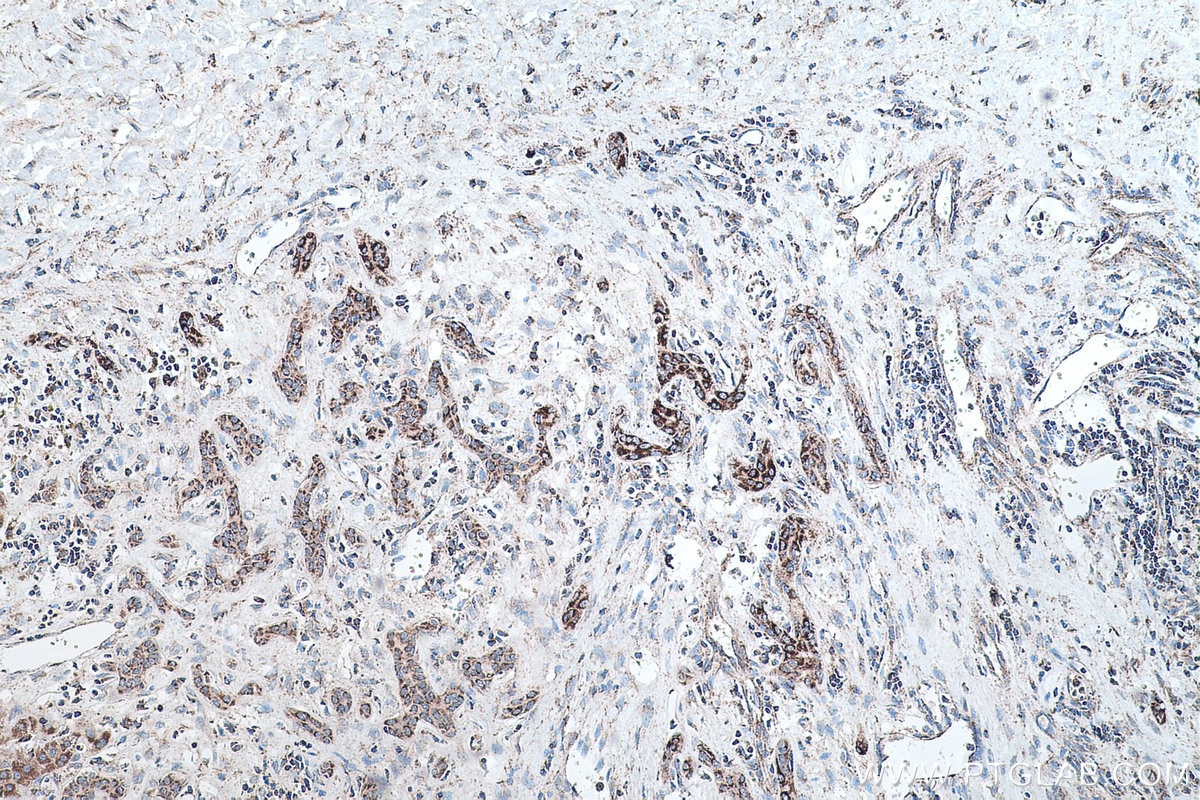
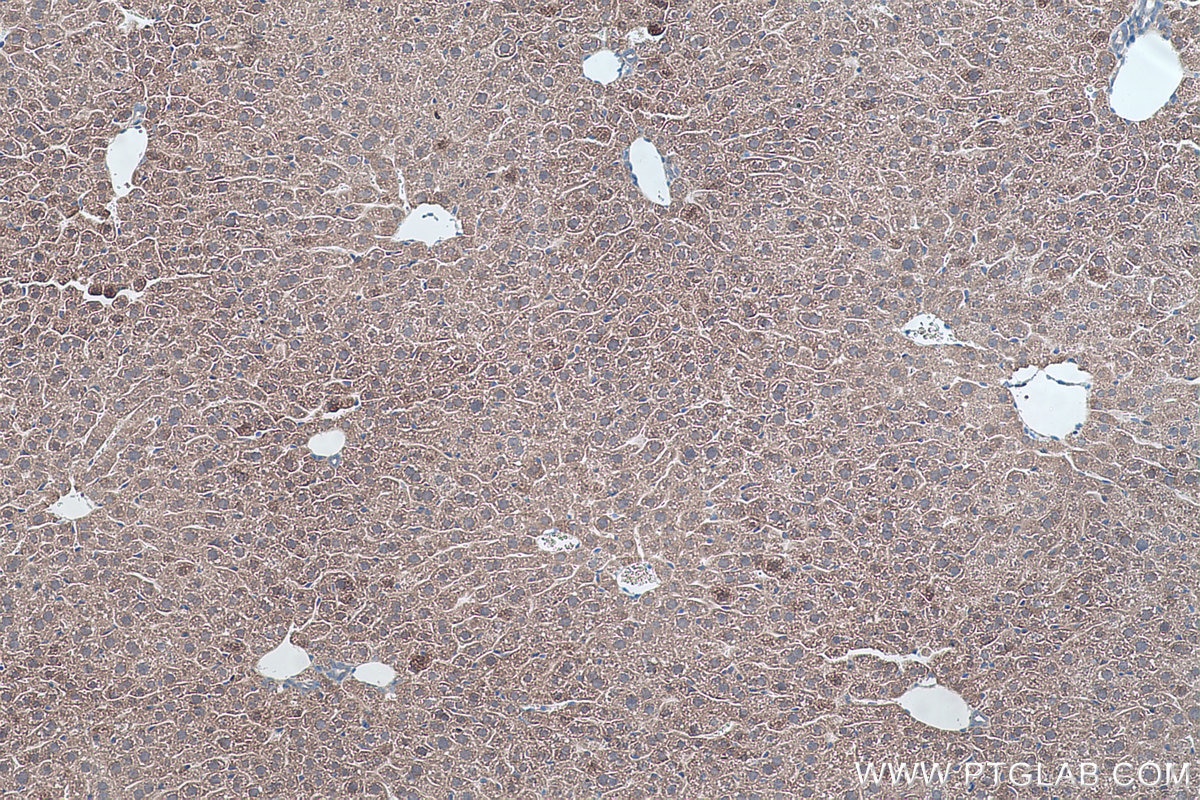
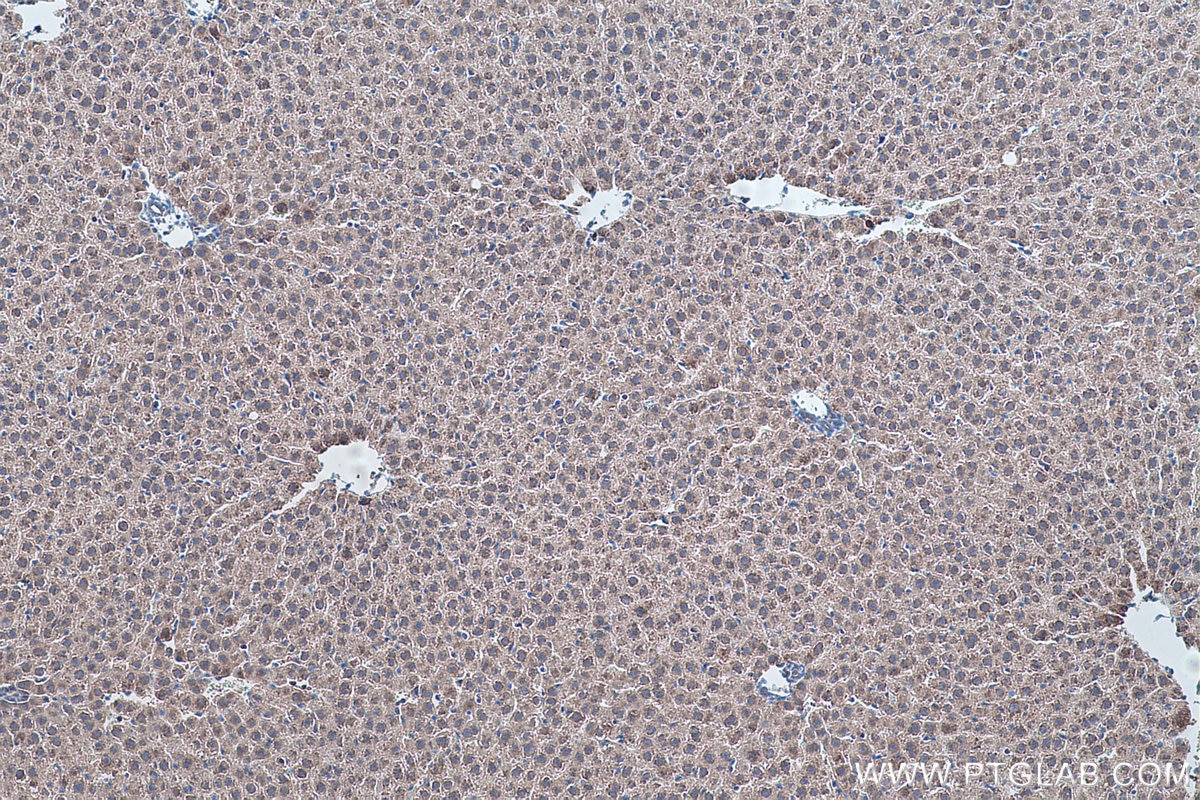
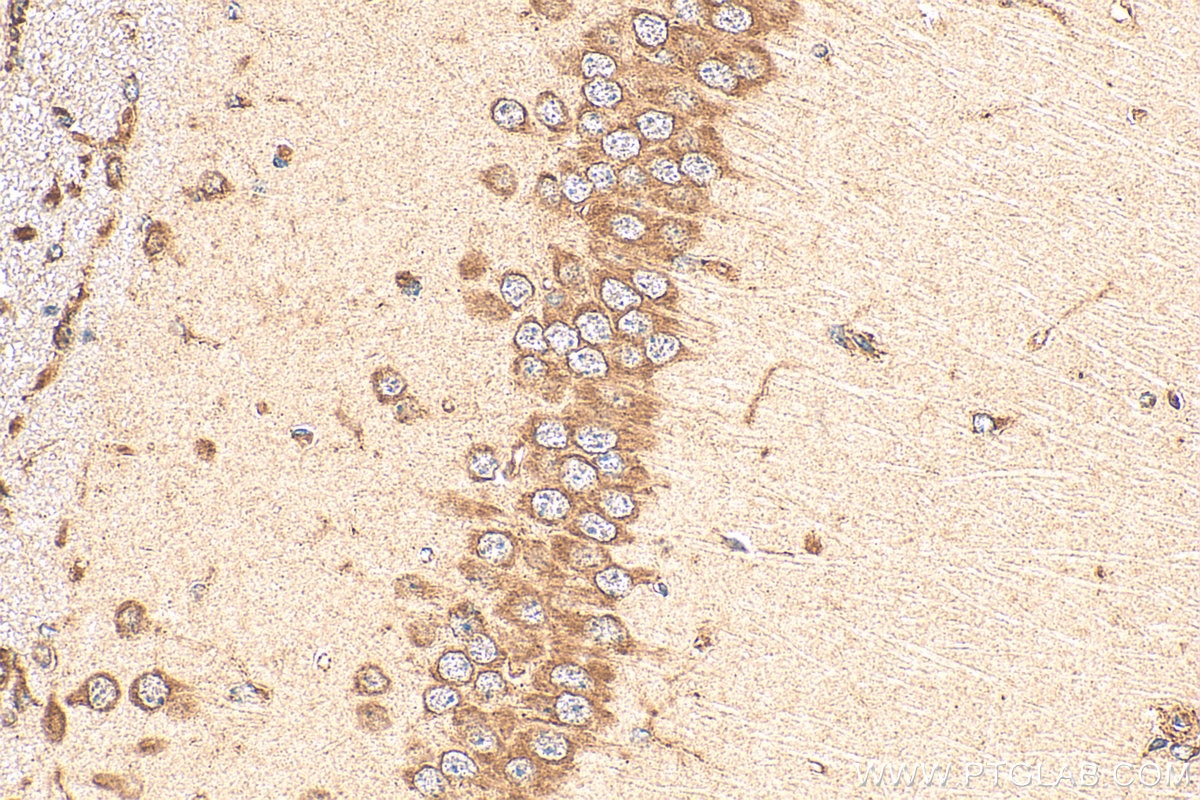
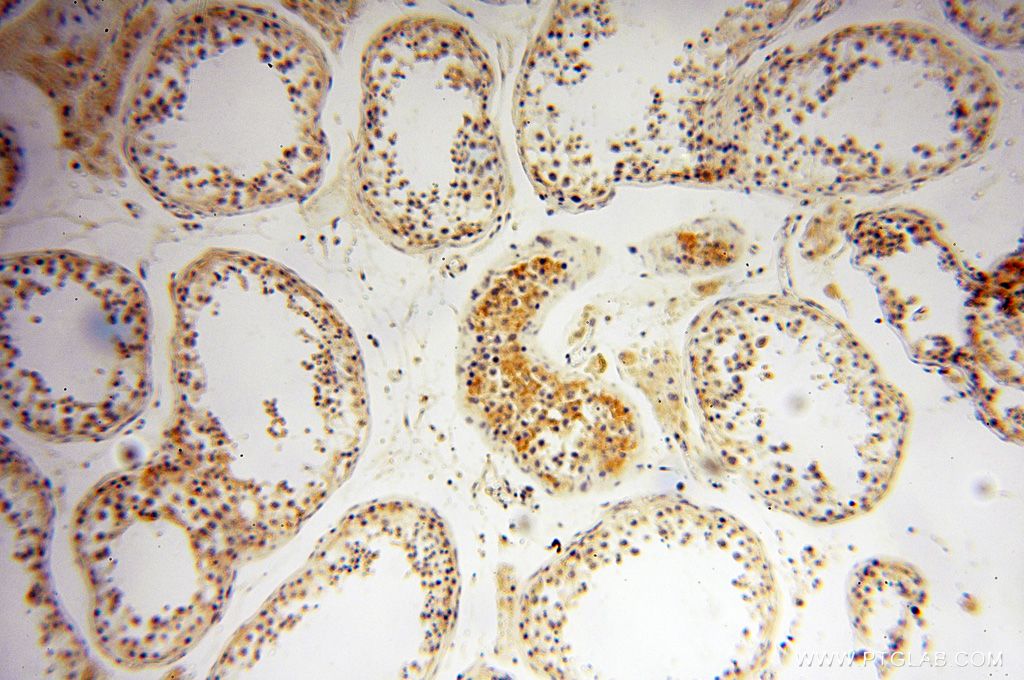
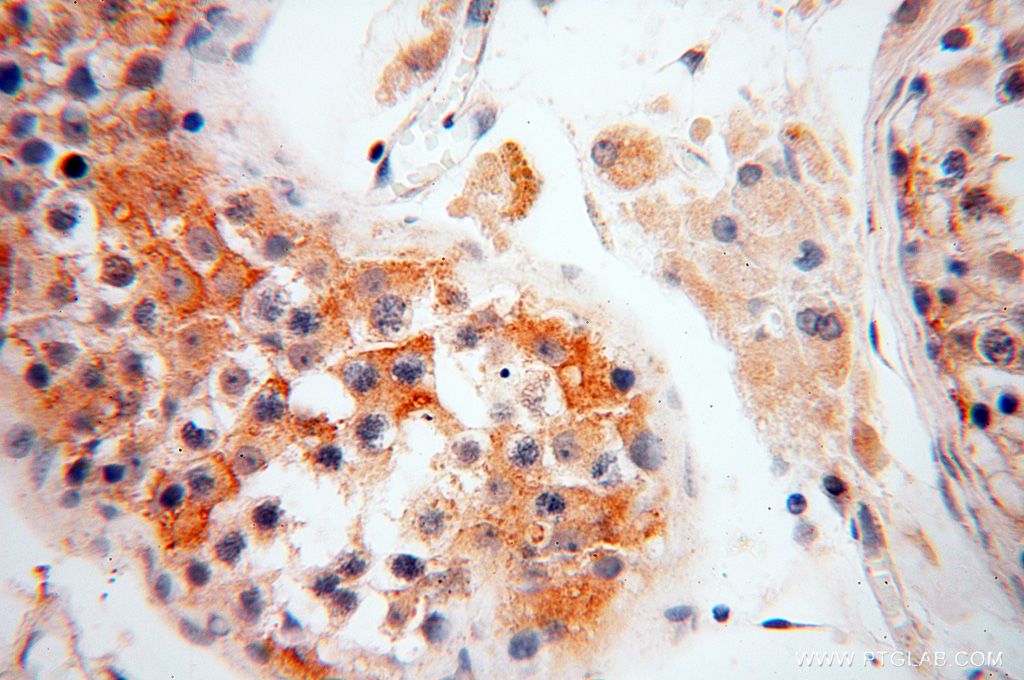
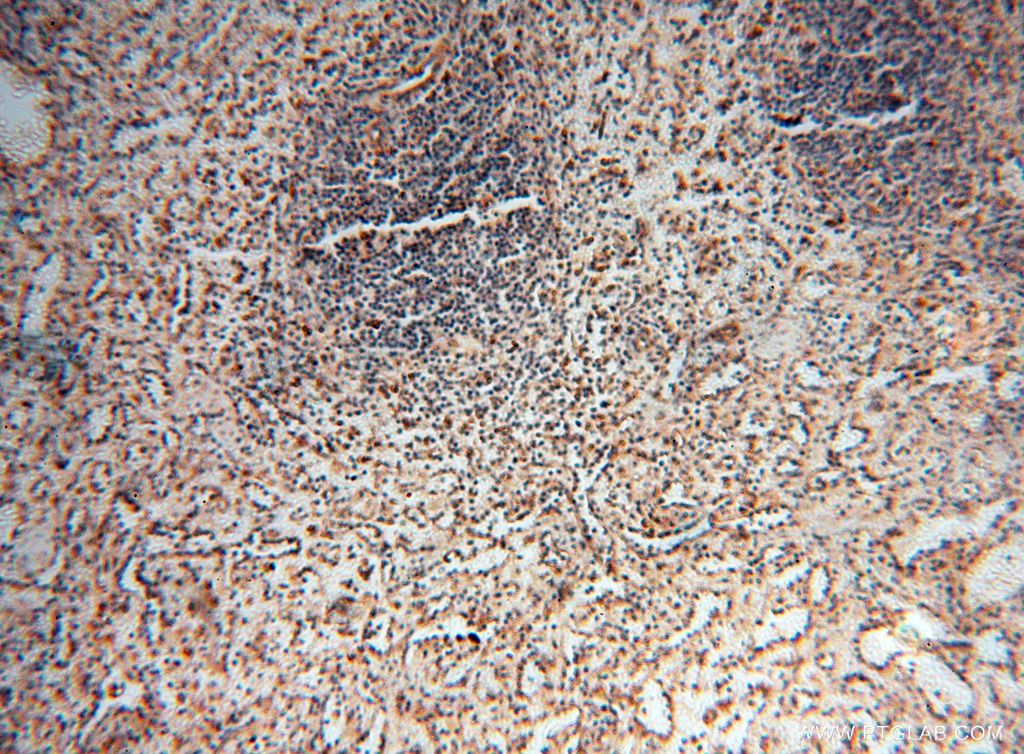
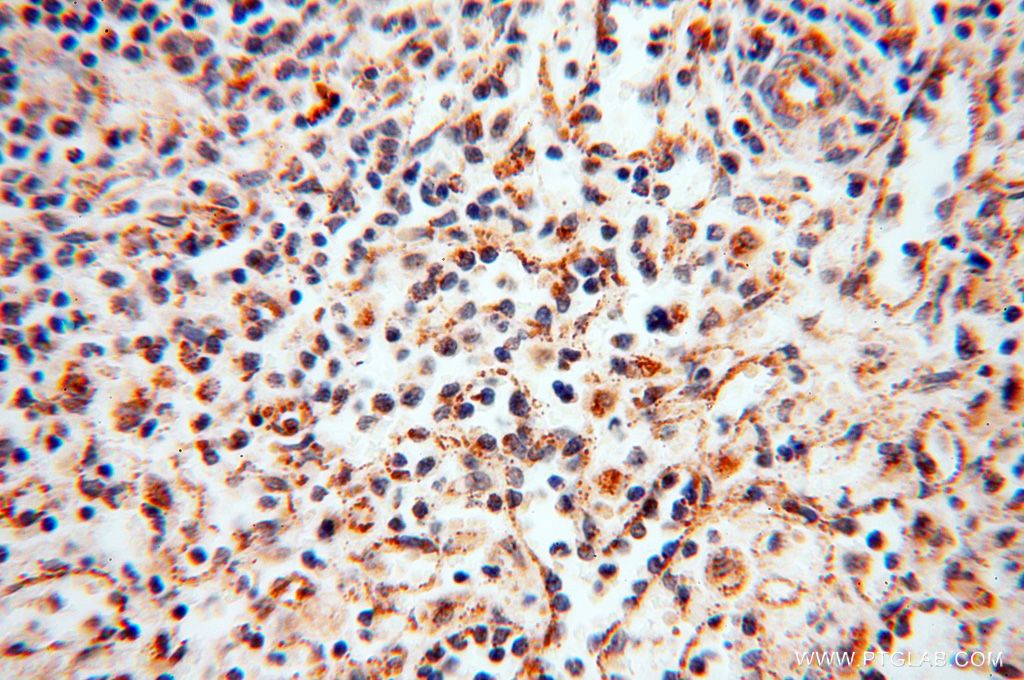
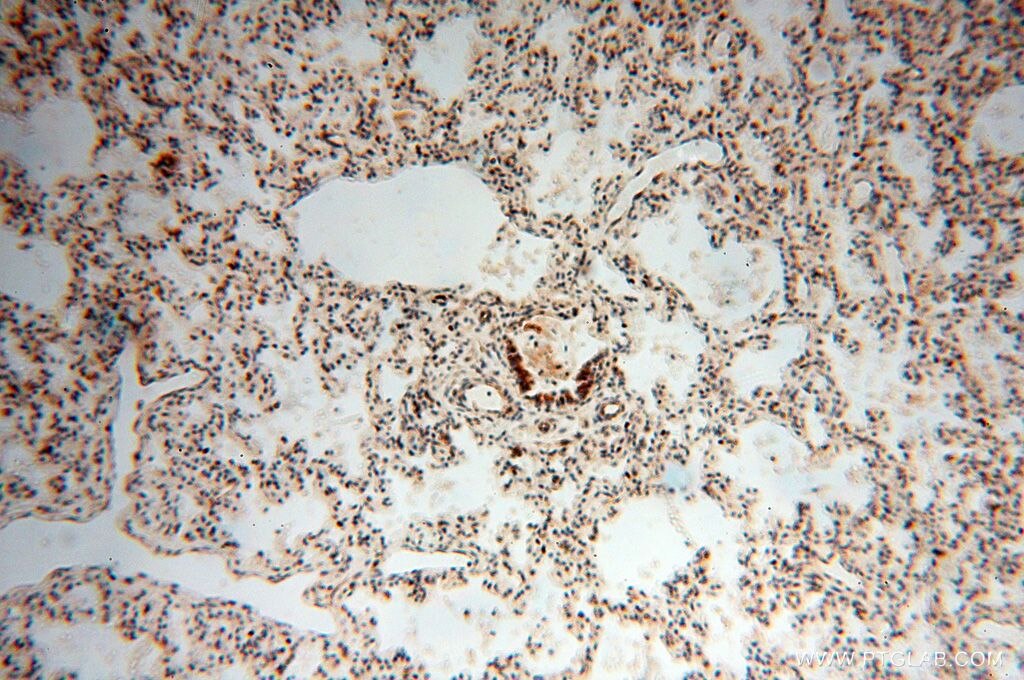
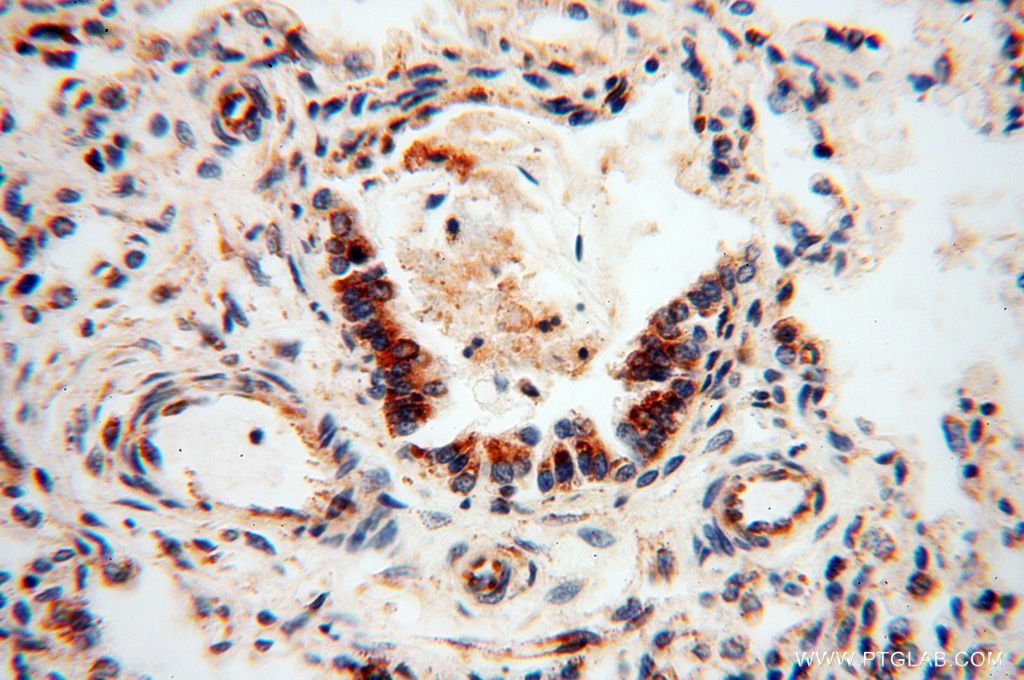
| Positive IHC detected in | mouse brain tissue, human colon cancer tissue, human liver cancer tissue, human lung tissue, human spleen tissue, human testis tissue, mouse liver tissue, rat liver tissue Note: suggested antigen retrieval with TE buffer pH 9.0; (*) Alternatively, antigen retrieval may be performed with citrate buffer pH 6.0 |
| Positive IF-P detected in | mouse brain tissue |
Recommended dilution
| Application | Dilution |
|---|---|
| Western Blot (WB) | WB : 1:1000-1:4000 |
| Immunoprecipitation (IP) | IP : 0.5-4.0 ug for 1.0-3.0 mg of total protein lysate |
| Immunohistochemistry (IHC) | IHC : 1:50-1:500 |
| Immunofluorescence (IF)-P | IF-P : 1:50-1:500 |
| It is recommended that this reagent should be titrated in each testing system to obtain optimal results. | |
| Sample-dependent, Check data in validation data gallery. | |
Product Information
17256-1-AP targets SQRDL in WB, IHC, IF-P, IP, ELISA applications and shows reactivity with human, mouse, rat samples.
| Tested Reactivity | human, mouse, rat |
| Cited Reactivity | human, mouse, rat, pig, chicken |
| Host / Isotype | Rabbit / IgG |
| Class | Polyclonal |
| Type | Antibody |
| Immunogen |
CatNo: Ag10762 Product name: Recombinant human SQRDL protein Source: e coli.-derived, PET28a Tag: 6*His Domain: 100-450 aa of BC016836 Sequence: GRPTASVIPSGVEWIKARVTELNPDKNCIHTDDDEKISYRYLIIALGIQLDYEKIKGLPEGFAHPKIGSNYSVKTVEKTWKALQDFKEGNAIFTFPNTPVKCAGAPQKIMYLSEAYFRKTGKRSKANIIFNTSLGAIFGVKKYADALQEIIQERNLTVNYKKNLIEVRADKQEAVFENLDKPGETQVISYEMLHVTPPMSPPDVLKTSPVADAAGWVDVDKETLQHRRYPNVFGIGDCTNLPTSKTAAAVAAQSGILDRTISVIMKNQTPTKKYDGYTSCPLVTGYNRVILAEFDYKAEPLETFPFDQSKERLSMYLMKADLMPFLYWNMMLRGYWGGPAFLRKLFHLGMS Predict reactive species |
| Full Name | sulfide quinone reductase-like (yeast) |
| Calculated Molecular Weight | 450 aa, 50 kDa |
| Observed Molecular Weight | 50 kDa |
| GenBank Accession Number | BC016836 |
| Gene Symbol | SQRDL |
| Gene ID (NCBI) | 58472 |
| RRID | AB_2195894 |
| Conjugate | Unconjugated |
| Form | Liquid |
| Purification Method | Antigen affinity purification |
| UNIPROT ID | Q9Y6N5 |
| Storage Buffer | PBS with 0.02% sodium azide and 50% glycerol, pH 7.3. |
| Storage Conditions | Store at -20°C. Stable for one year after shipment. Aliquoting is unnecessary for -20oC storage. 20ul sizes contain 0.1% BSA. |
Background Information
SQRDL(Sulfide:quinone oxidoreductase, mitochondrial) catalyzes the oxidation of hydrogen sulfide, with the help of a quinone.Although the SQRDL precursor protein displays a molecular weight of 50 kDa,a prominent band at about 46 kDa is detected by western blot. This discrepancy reflects the cleavage of an N-terminal targeting sequence of 4 kDa during the import of the protein into the mitochondria(PMID:22067608).SQRDL is one of the enzymes involved in H2S signaling in a discrete population of neurons, oligodendrocytes, and endothelial cells.
Protocols
| Product Specific Protocols | |
|---|---|
| IF protocol for SQRDL antibody 17256-1-AP | Download protocol |
| IHC protocol for SQRDL antibody 17256-1-AP | Download protocol |
| IP protocol for SQRDL antibody 17256-1-AP | Download protocol |
| WB protocol for SQRDL antibody 17256-1-AP | Download protocol |
| Standard Protocols | |
|---|---|
| Click here to view our Standard Protocols |
Publications
What published studies show
The SQRDL Polyclonal antibody (Cat# 17256-1-AP) has 40 total citations. Citations appear in journals including Cell, Cell Metab, Nat Commun, Nat Chem Biol, PNAS, Redox Biology, EMBO Mol Med, Br J Pharmacol, J Biol Chem, FASEB J, and Hum Mol Genet. Research fields span hydrogen sulfide metabolism, mitochondrial bioenergetics, oxidative stress, cardiovascular disease, neurology, ferroptosis, angiogenesis, metabolic syndrome, and CoQ deficiency.
| Species | Application | Title |
|---|---|---|
Cell Endogenous Hydrogen Sulfide Production Is Essential for Dietary Restriction Benefits.
| ||
Cell Metab Mitochondrial dysfunction reveals H(2)S-mediated synaptic sulfhydration as a potential mechanism for autism-associated social defects. | ||
Redox Biol Widespread S-persulfidation in activated macrophages as a protective mechanism against oxidative-inflammatory stress | ||
Redox Biol Sulfide:quinone oxidoreductase alleviates ferroptosis in acute kidney injury via ameliorating mitochondrial dysfunction of renal tubular epithelial cells | ||
Redox Biol Hydrogen sulfide as an anti-calcification stratagem in human aortic valve: Altered biogenesis and mitochondrial metabolism of H2S lead to H2S deficiency in calcific aortic valve disease |



















