




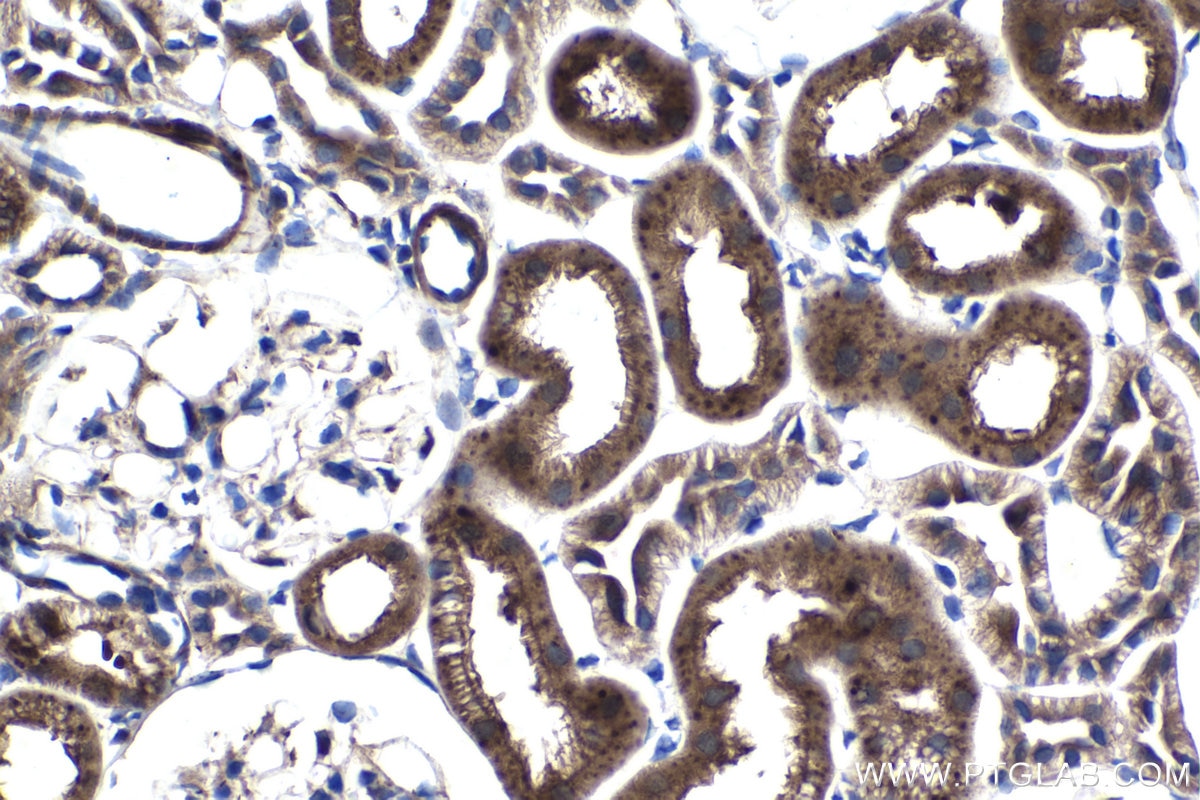
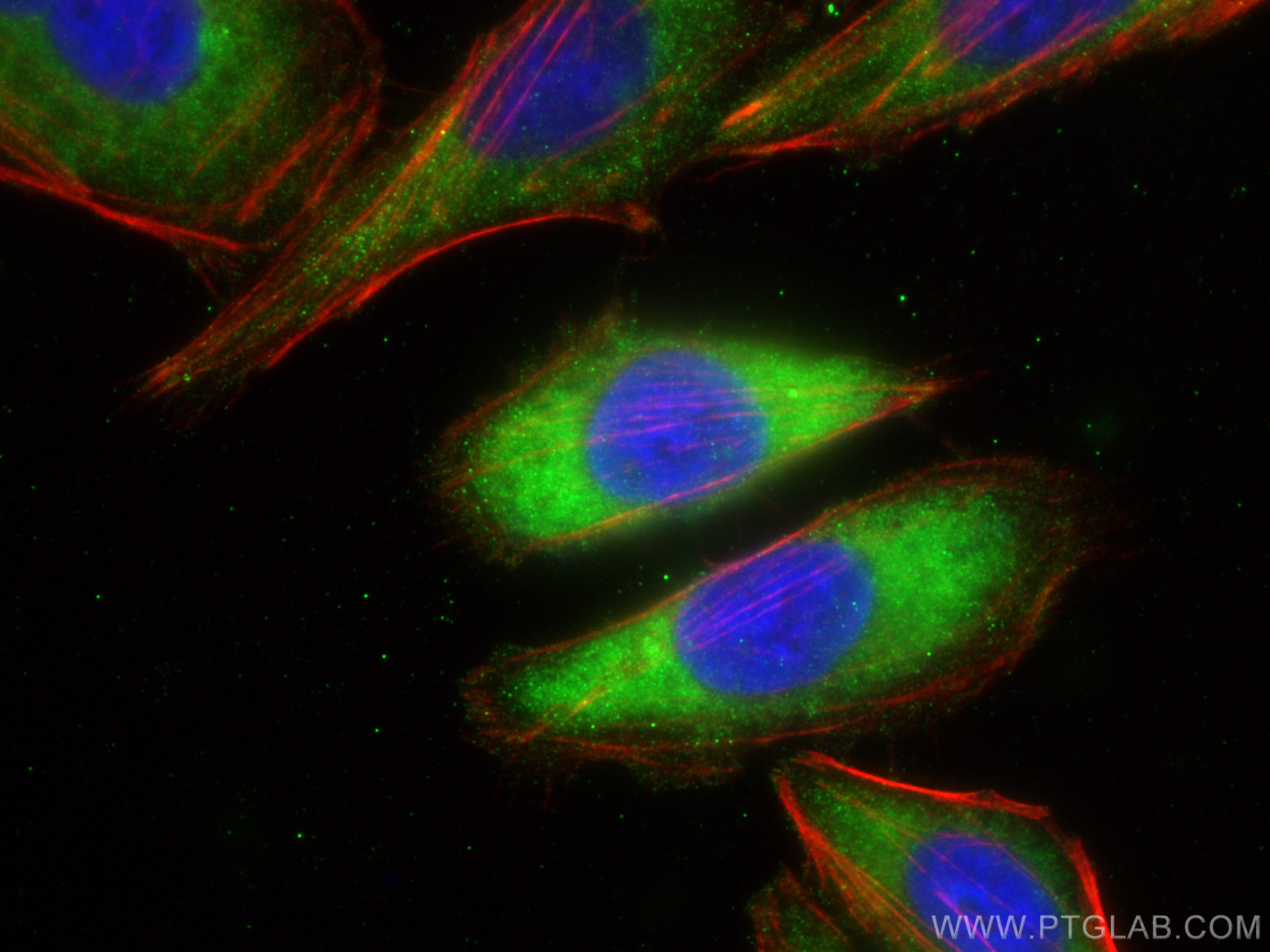

Tested Applications
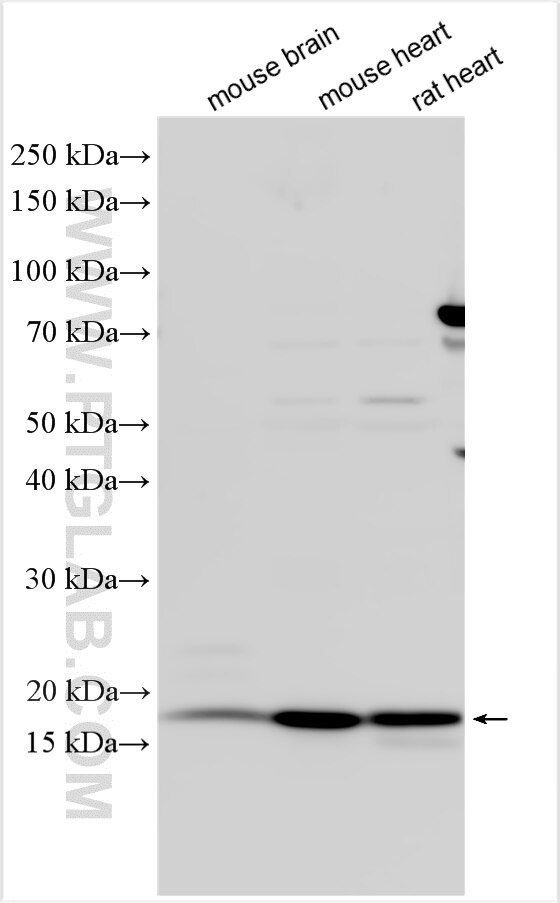
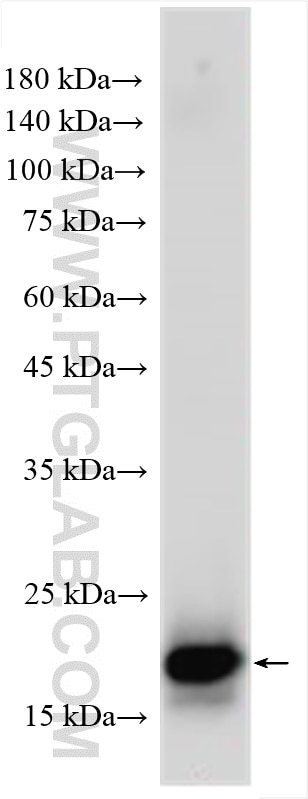
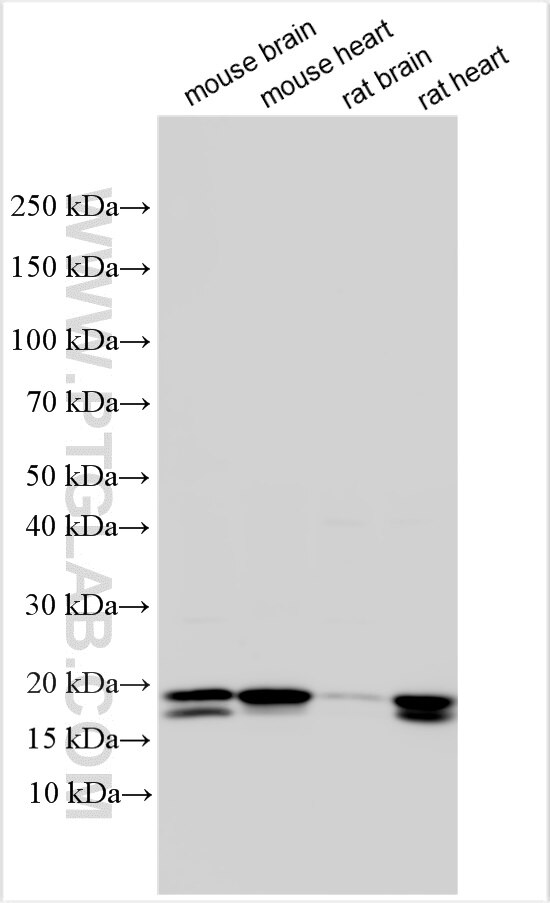
| Positive WB detected in | mouse brain tissue, mouse spinal cord tissue, mouse heart tissue, rat heart tissue, rat brain tissue |
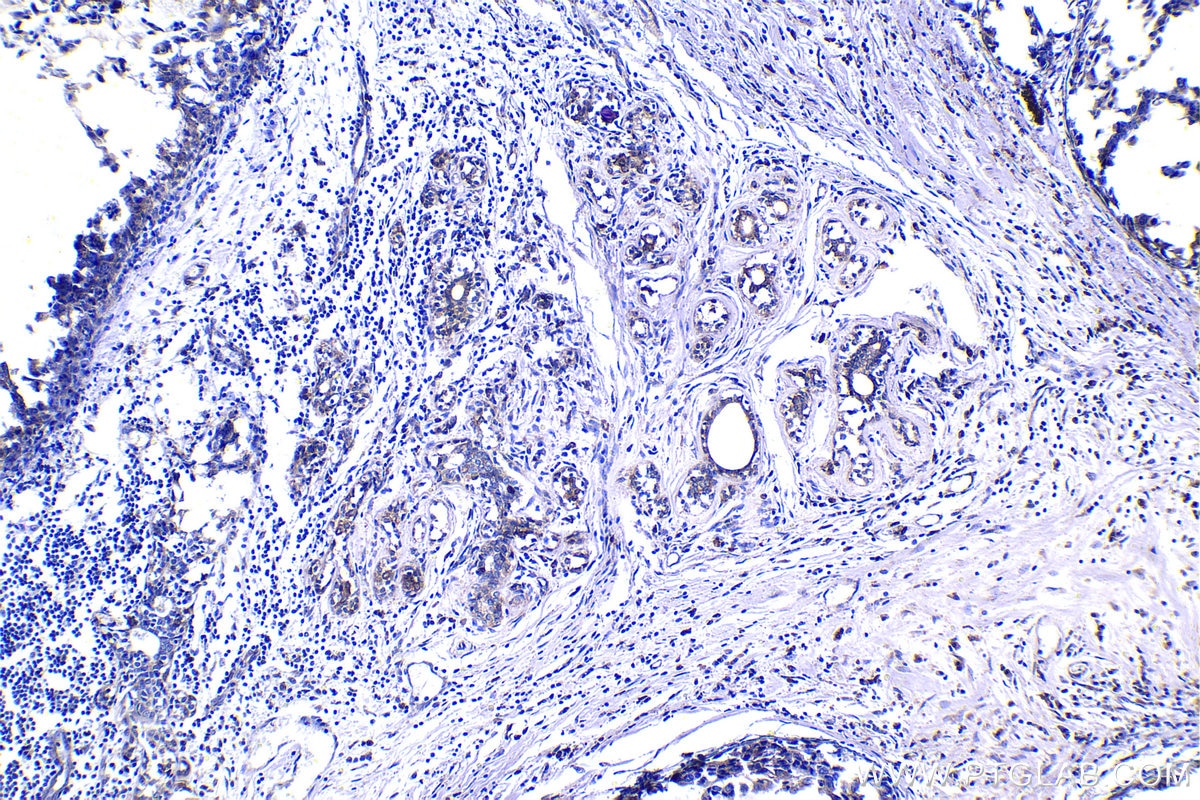
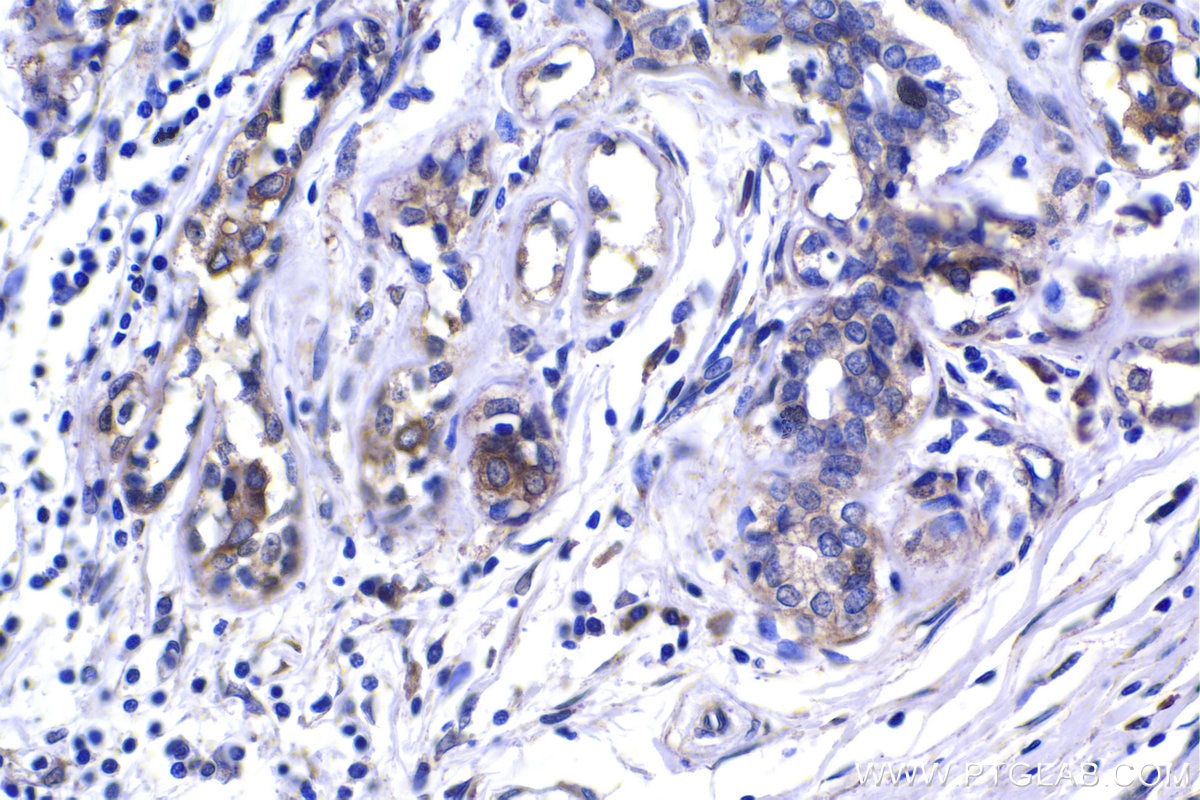
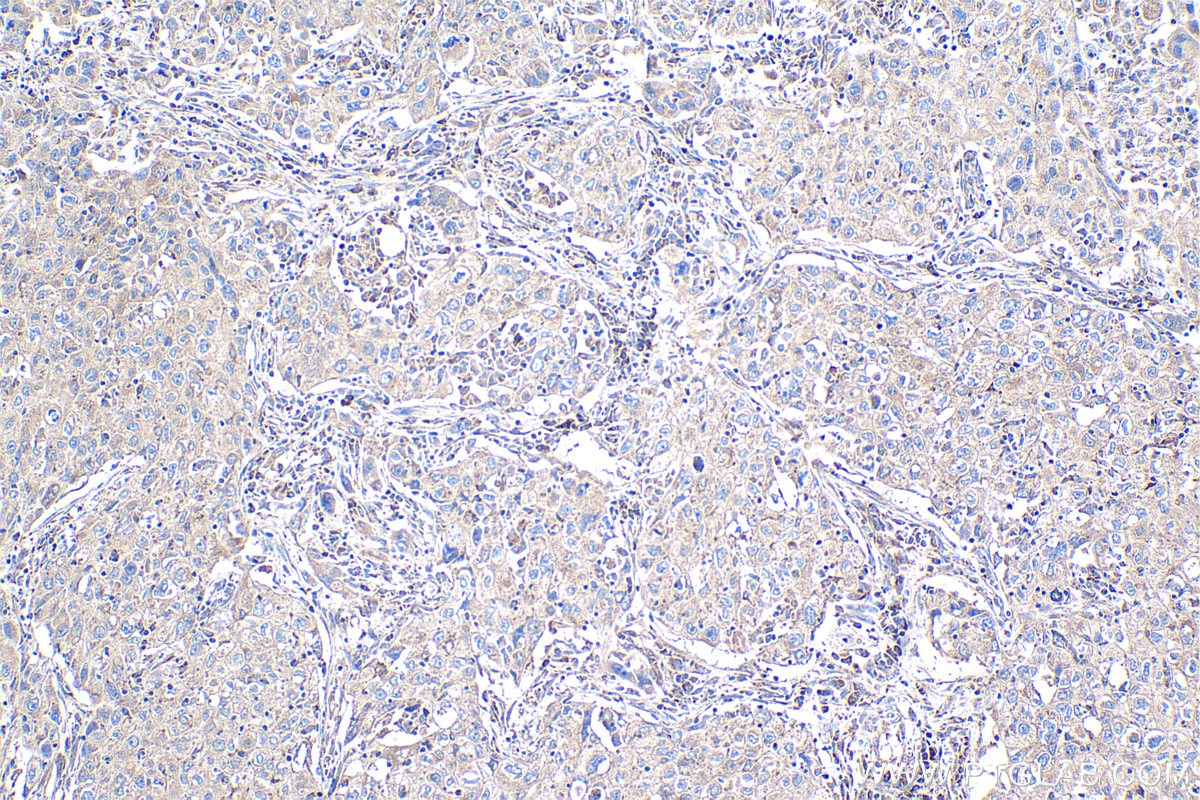
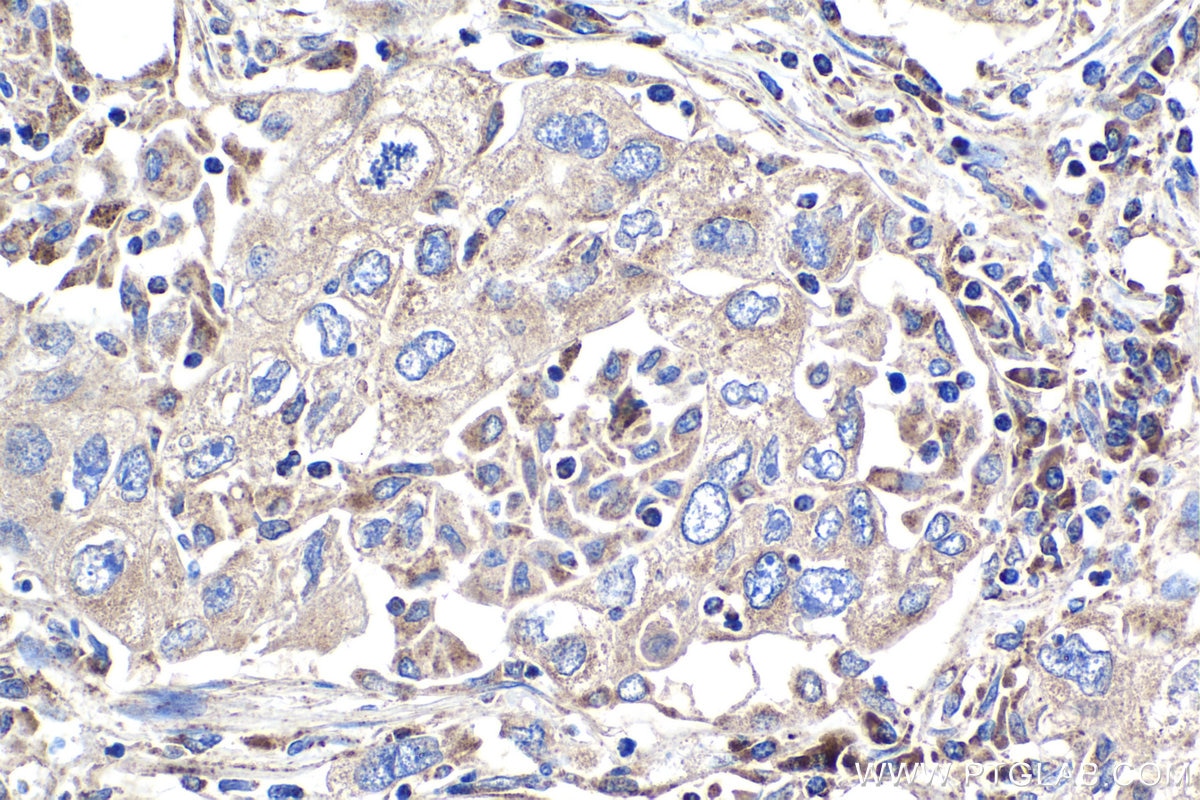
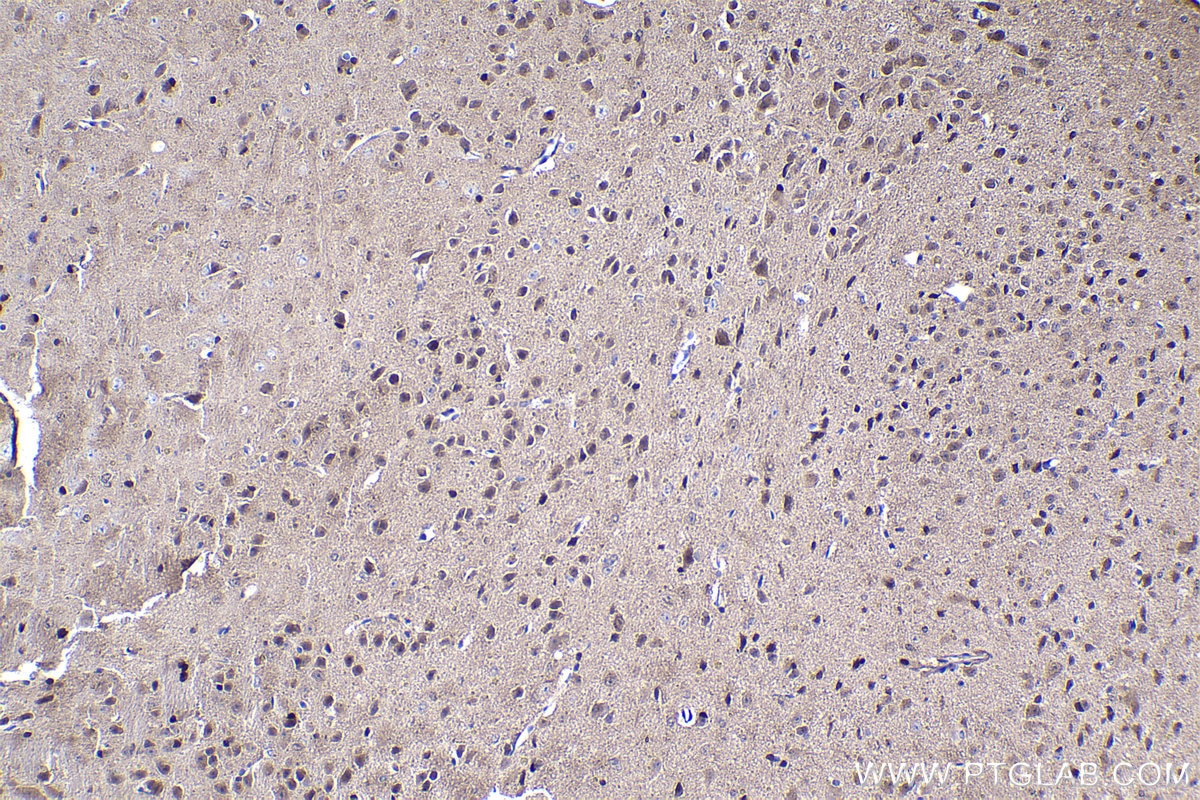
| Positive IHC detected in | human colon cancer tissue, human breast cancer tissue, human lung cancer tissue, mouse brain tissue, rat brain tissue, rat kidney tissue Note: suggested antigen retrieval with TE buffer pH 9.0; (*) Alternatively, antigen retrieval may be performed with citrate buffer pH 6.0 |
| Positive IF/ICC detected in | HepG2 cells |
Recommended dilution
| Application | Dilution |
|---|---|
| Western Blot (WB) | WB : 1:1000-1:5000 |
| Immunohistochemistry (IHC) | IHC : 1:500-1:2000 |
| Immunofluorescence (IF)/ICC | IF/ICC : 1:200-1:800 |
| It is recommended that this reagent should be titrated in each testing system to obtain optimal results. | |
| Sample-dependent, Check data in validation data gallery. | |
Product Information
17400-1-AP targets FGF1 in WB, IHC, IF/ICC, ELISA applications and shows reactivity with human, mouse, rat samples.
| Tested Reactivity | human, mouse, rat |
| Cited Reactivity | human, mouse, pig |
| Host / Isotype | Rabbit / IgG |
| Class | Polyclonal |
| Type | Antibody |
| Immunogen |
CatNo: Ag11366 Product name: Recombinant human FGF1 protein Source: e coli.-derived, PGEX-4T Tag: GST Domain: 1-155 aa of BC032697 Sequence: MAEGEITTFTALTEKFNLPPGNYKKPKLLYCSNGGHFLRILPDGTVDGTRDRSDQHIQLQLSAESVGEVYIKSTETGQYLAMDTDGLLYGSQTPNEECLFLERLEENHYNTYISKKHAEKNWFVGLKKNGSCKRGPRTHYGQKAILFLPLPVSSD Predict reactive species |
| Full Name | fibroblast growth factor 1 (acidic) |
| Calculated Molecular Weight | 155 aa, 17 kDa |
| Observed Molecular Weight | 17 kDa |
| GenBank Accession Number | BC032697 |
| Gene Symbol | FGF1 |
| Gene ID (NCBI) | 2246 |
| RRID | AB_2103758 |
| Conjugate | Unconjugated |
| Form | Liquid |
| Purification Method | Antigen affinity purification |
| UNIPROT ID | P05230 |
| Storage Buffer | PBS with 0.02% sodium azide and 50% glycerol, pH 7.3. |
| Storage Conditions | Store at -20°C. Stable for one year after shipment. Aliquoting is unnecessary for -20oC storage. 20ul sizes contain 0.1% BSA. |
Background Information
Fibroblast growth factor 1 (FGF1), also known as acidic fibroblast growth factor (aFGF) and heparin-binding growth factor 1 (HBGF-1), is a 17-18 kDa signaling protein. As a member of the FGF family, it possesses broad mitogenic and cell survival activities, playing critical roles in embryonic development, tissue repair, angiogenesis, and organogenesis. FGF1 exerts its pleiotropic effects by binding to and activating its tyrosine kinase receptors, FGFR1 through FGFR4, in a process that is potentiated by cell-surface heparan sulfate proteoglycans. This activation initiates several downstream signaling cascades, including the MAPK/ERK and AKT pathways. Originally purified in 1975 and distinguished from its homolog FGF2 by its acidic isoelectric point, FGF1 is unique in that it lacks a classical signal peptide and is secreted via a non-classical, stress-induced pathway involving S100A13 and SYT1. Beyond its well-established extracellular functions in wound healing and as a potent inducer of DNA synthesis, FGF1 also possesses intracellular activities and can translocate to the nucleus to influence cell survival.
Protocols
| Product Specific Protocols | |
|---|---|
| IF protocol for FGF1 antibody 17400-1-AP | Download protocol |
| IHC protocol for FGF1 antibody 17400-1-AP | Download protocol |
| WB protocol for FGF1 antibody 17400-1-AP | Download protocol |
| Standard Protocols | |
|---|---|
| Click here to view our Standard Protocols |
Publications
What published studies show
FGF1 antibody (Cat# 17400-1-AP) has 13 citations published in journals including Nature Communications, Advanced Science, Science Advances, Cell Death Discovery, Acta Pharmacologica Sinica, Stem Cell Research & Therapy, Life Sciences, Journal of Cerebral Blood Flow & Metabolism, Neuropharmacology, Experimental Eye Research, and Physiological Reports. Research fields span intestinal stem cell biology, liver disease, endometrial and pancreatic cancer, myocardial infarction, neuroinflammation, stroke, glaucoma, and cardiac ischemia.
| Species | Application | Title |
|---|---|---|
Nat Commun Colonic epithelial-derived FGF1 drives intestinal stem cell commitment toward goblet cells to suppress inflammatory bowel disease | ||
Adv Sci (Weinh) Lipid-Driven OLR1/FOXM1/FGF19 Axis Orchestrates Crosstalk in an Epithelial-Fibroblast Positive Feedback Promoting Progesterone Resistance in Endometrial Cancer. | ||
Adv Sci (Weinh) Hepatocyte-Derived FGF1 Alleviates Isoniazid and Rifampicin-Induced Liver Injury by Regulating HNF4α-Mediated Bile Acids Synthesis
| ||
Sci Adv Liver endothelial zonation orchestrates hepatic steatosis onset through retinoic acid-regulated FGF1. | ||
Acta Pharmacol Sin Madecassoside mitigates acute myocardial infarction injury by activating the PKCB/SPARC signaling pathway | ||
Cell Death Discov CircZBTB46 alleviates metabolic dysfunction-associated steatotic liver disease by targeting miRNA-326/FGF1 axis. |















