



Tested Applications
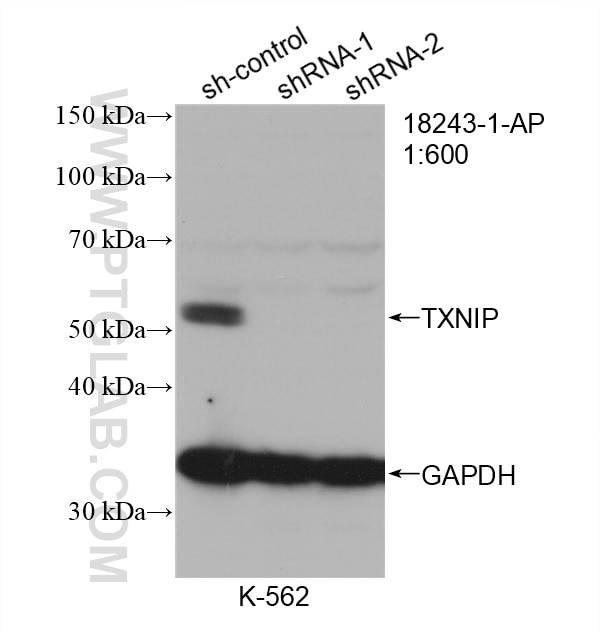
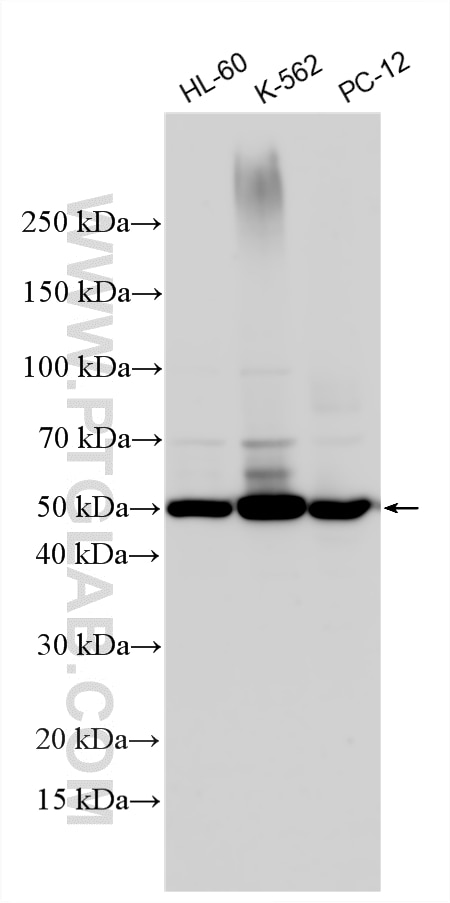
| Positive WB detected in | HL-60 cells, K-562 cells, PC-12 cells |
| Positive IP detected in | BxPC-3 cells, HL-60 cells |
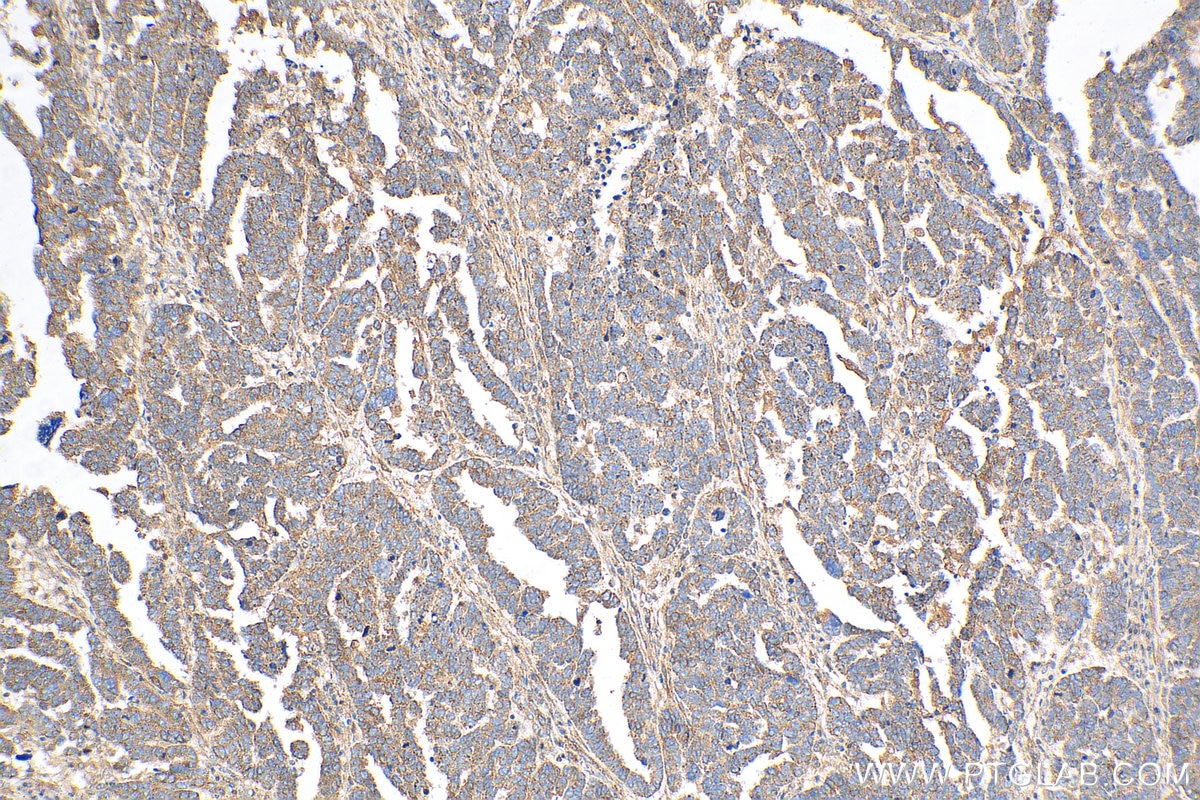
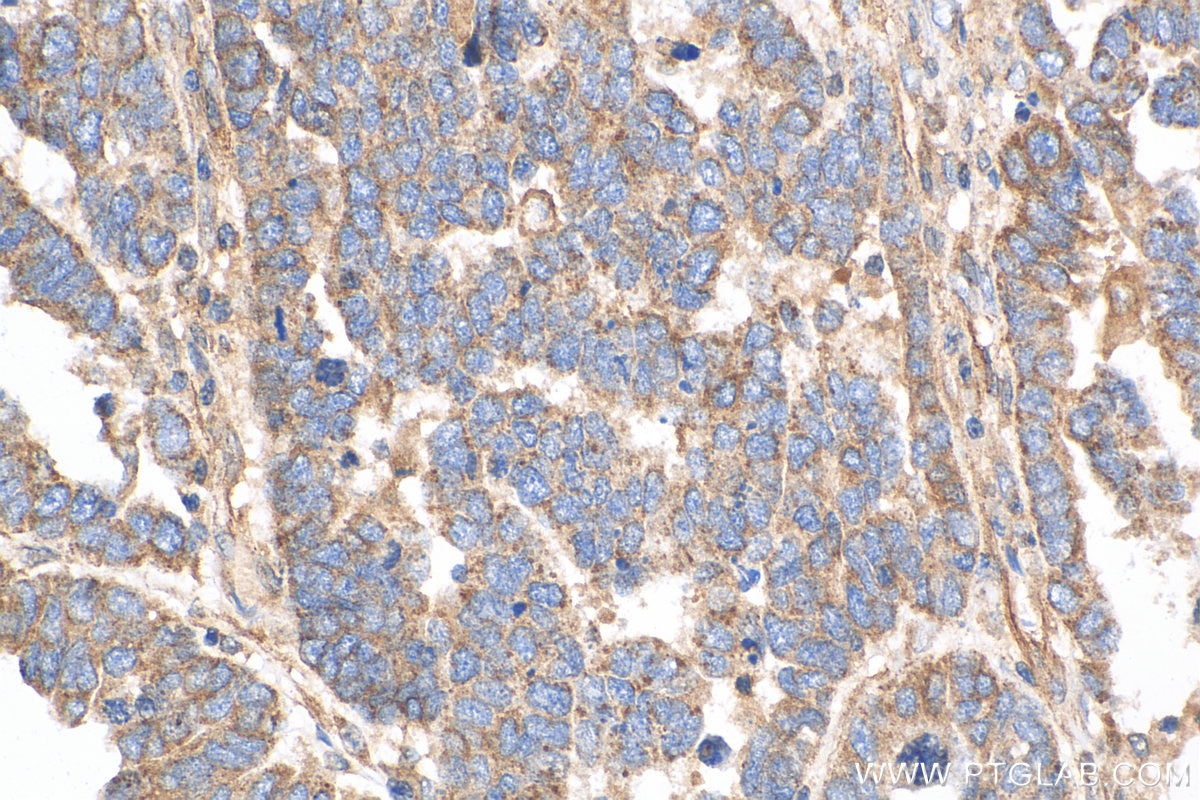
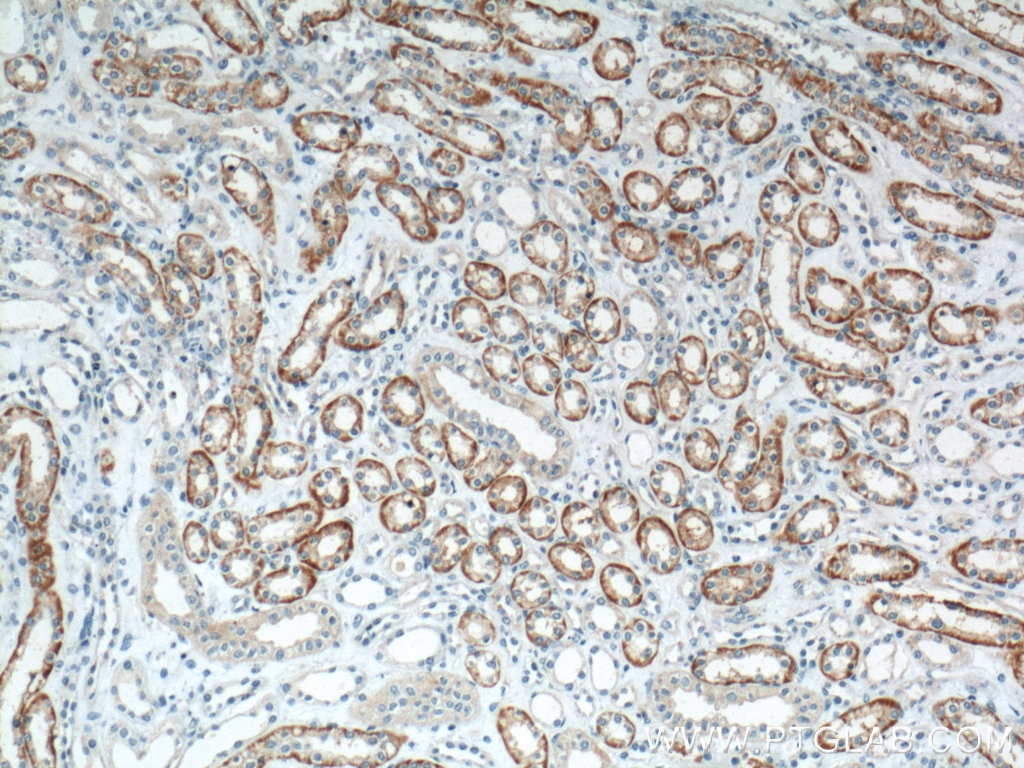
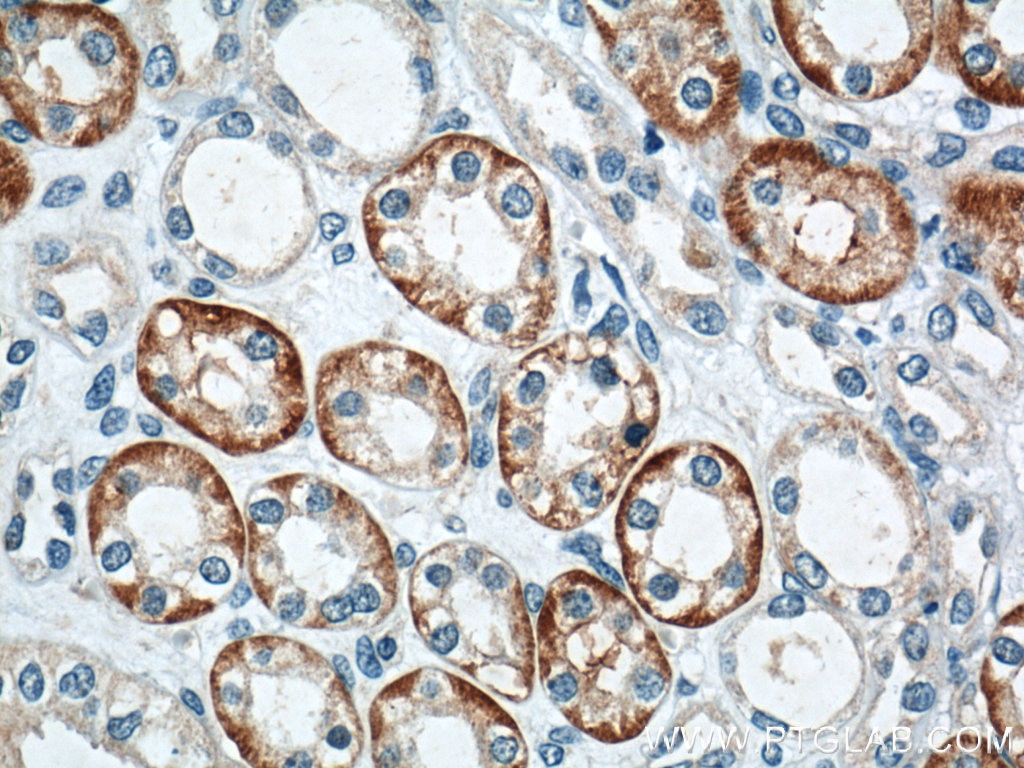
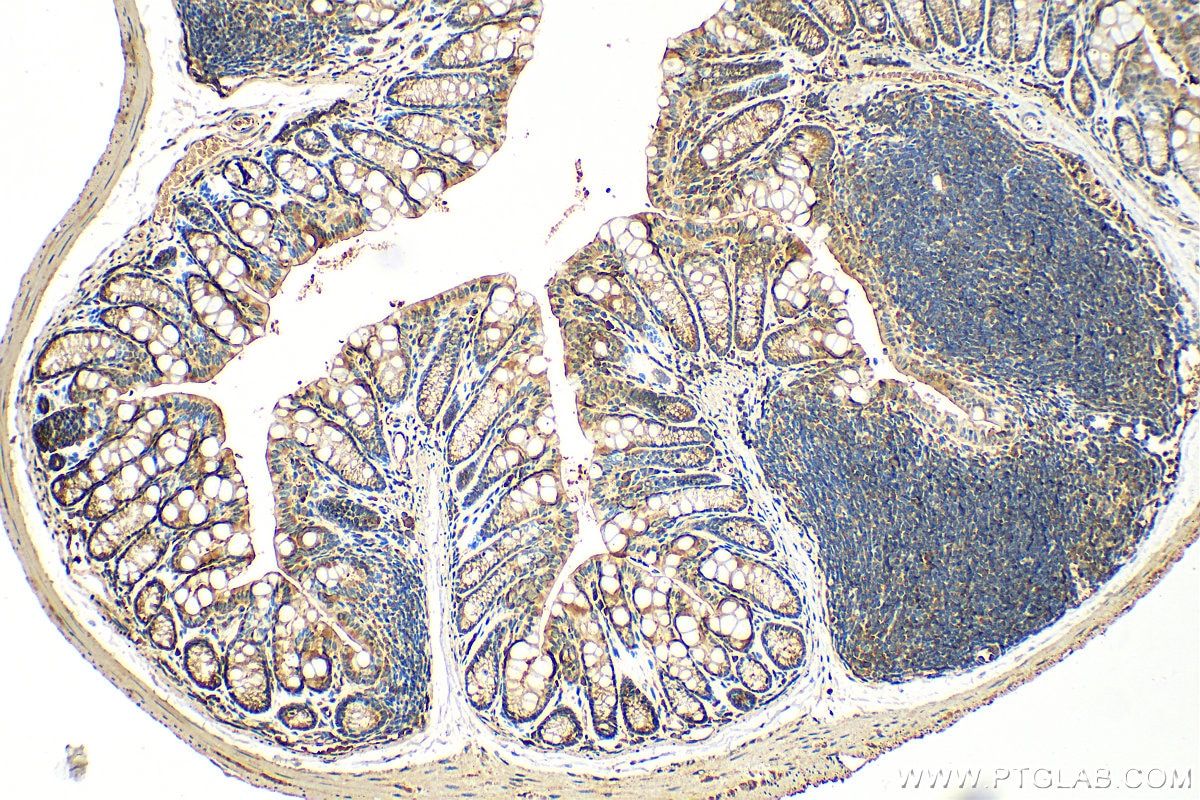
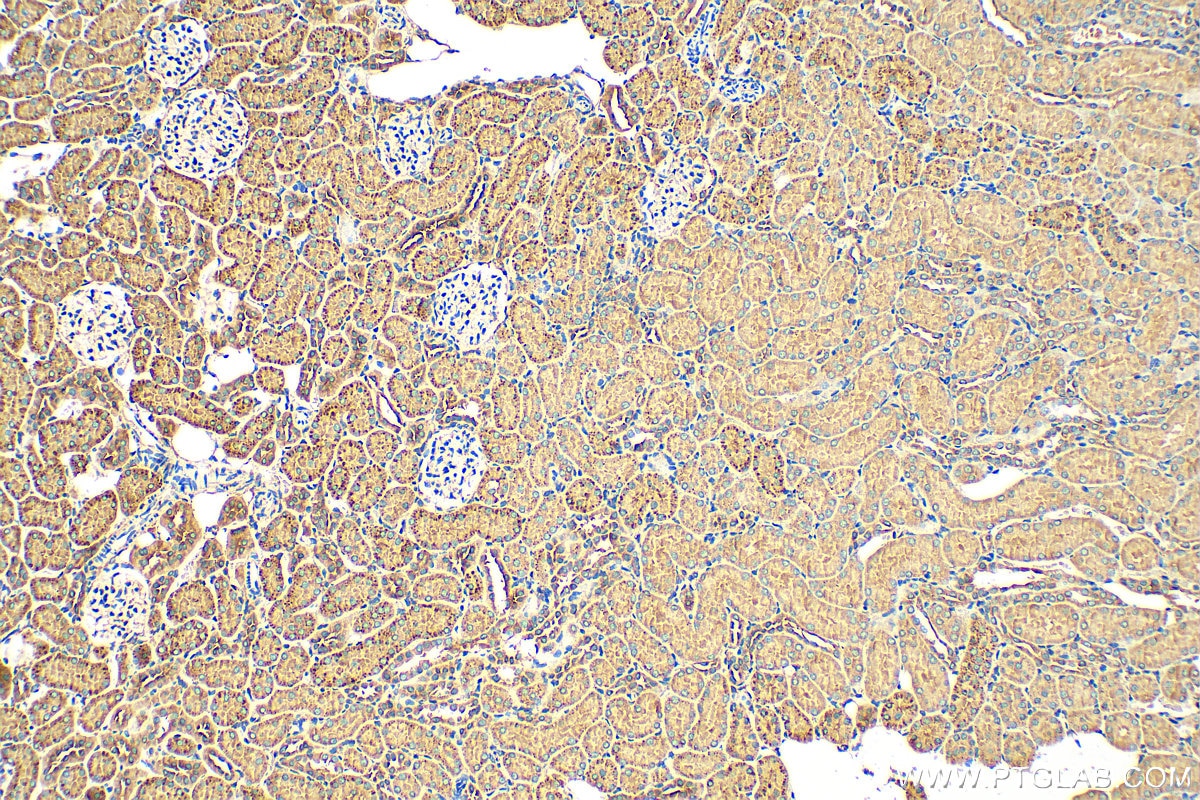
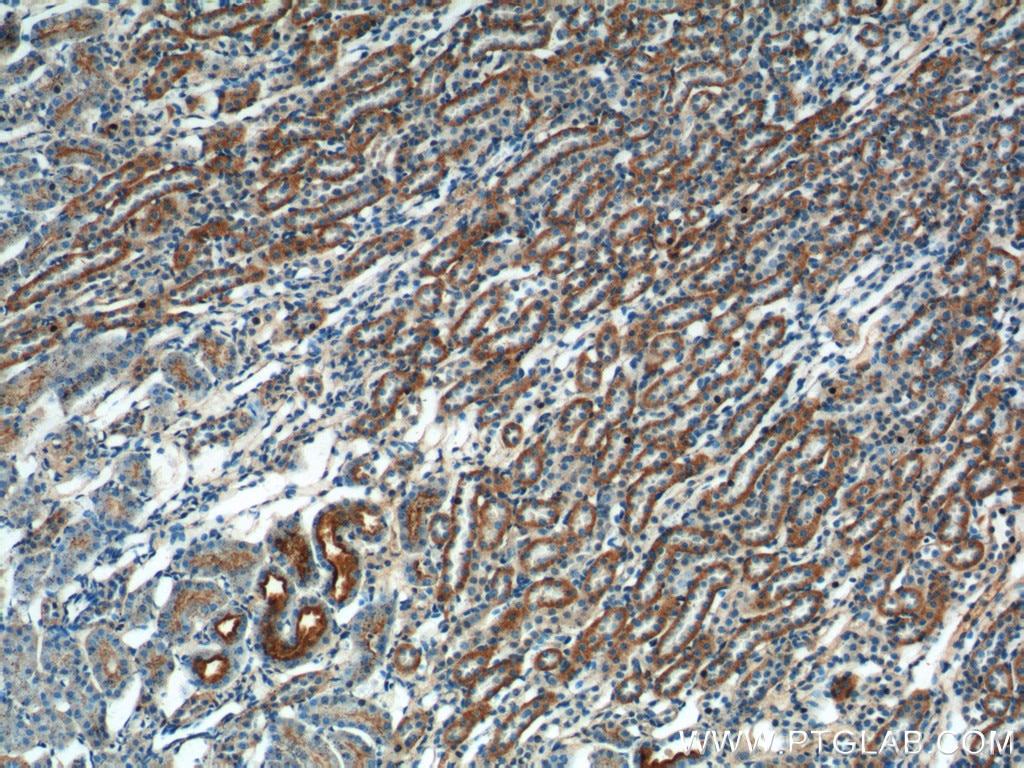
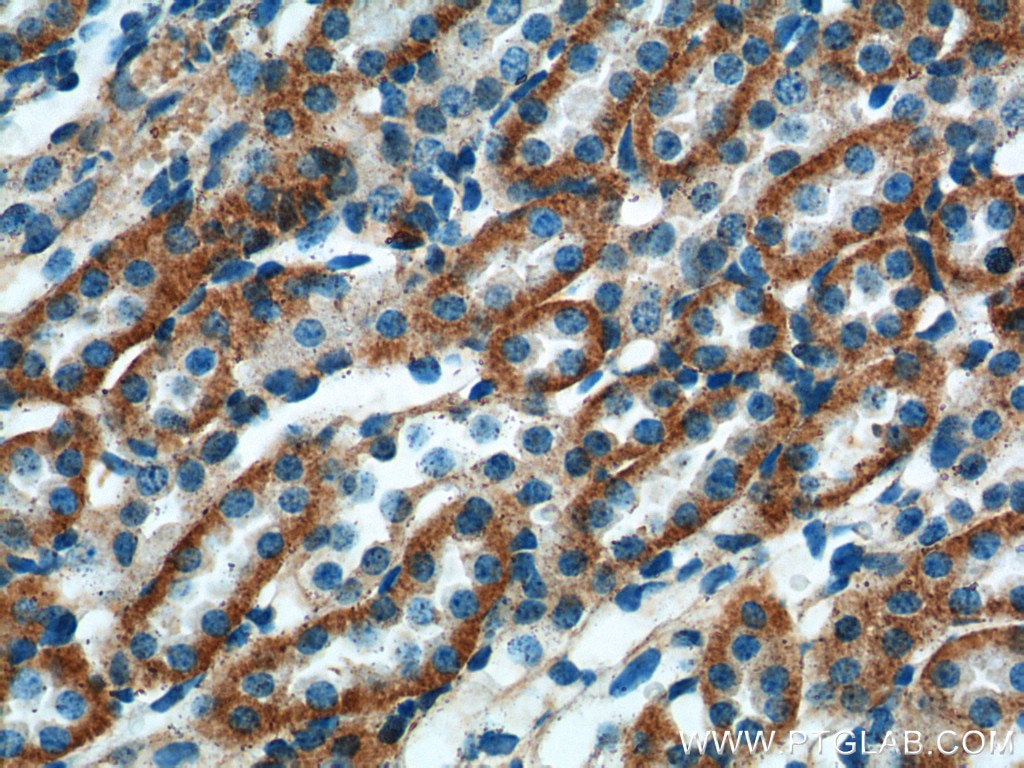
| Positive IHC detected in | human kidney tissue, human ovary tumor tissue, mouse colon tissue, mouse kidney tissue, rat kidney tissue Note: suggested antigen retrieval with TE buffer pH 9.0; (*) Alternatively, antigen retrieval may be performed with citrate buffer pH 6.0 |
Recommended dilution
| Application | Dilution |
|---|---|
| Western Blot (WB) | WB : 1:500-1:1000 |
| Immunoprecipitation (IP) | IP : 0.5-4.0 ug for 1.0-3.0 mg of total protein lysate |
| Immunohistochemistry (IHC) | IHC : 1:50-1:500 |
| It is recommended that this reagent should be titrated in each testing system to obtain optimal results. | |
| Sample-dependent, Check data in validation data gallery. | |
Product Information
18243-1-AP targets TXNIP in WB, IHC, IF, IP, CoIP, ELISA applications and shows reactivity with human, mouse, rat samples.
| Tested Reactivity | human, mouse, rat |
| Cited Reactivity | human, mouse, rat |
| Host / Isotype | Rabbit / IgG |
| Class | Polyclonal |
| Type | Antibody |
| Immunogen |
CatNo: Ag13009 Product name: Recombinant human TXNIP protein Source: e coli.-derived, PGEX-4T Tag: GST Domain: 1-391 aa of BC093702 Sequence: MVMFKKIKSFEVVFNDPEKVYGSGEKVAGRVIVEVCEVTRVKAVRILACGVAKVLWMQGSQQCKQTSEYLRYEDTLLLEDQPTGENEMVIMRPGNKYEYKFGFELPQGPLGTSFKGKYGCVDYWVKAFLDRPSQPTQETKKNFEVVDLVDVNTPDLMAPVSAKKEKKVSCMFIPDGRVSVSARIDRKGFCEGDEISIHADFENTCSRIVVPKAAIVARHTYLANGQTKVLTQKLSSVRGNHIISGTCASWRGKSLRVQKIRPSILGCNILRVEYSLLIYVSVPGSKKVILDLPLVIGSRSGLSSRTSSMASRTSSEMSWVDLNIPDTPEAPPCYMDVIPEDHRLESPTTPLLDDMDGSQDSPIFMYAPEFKFMPPPTYTEVDPCILNNNVQ Predict reactive species |
| Full Name | thioredoxin interacting protein |
| Calculated Molecular Weight | 391 aa, 44 kDa |
| Observed Molecular Weight | 44-55 kDa |
| GenBank Accession Number | BC093702 |
| Gene Symbol | TXNIP |
| Gene ID (NCBI) | 10628 |
| RRID | AB_2876873 |
| Conjugate | Unconjugated |
| Form | Liquid |
| Purification Method | Antigen affinity purification |
| UNIPROT ID | Q9H3M7 |
| Storage Buffer | PBS with 0.02% sodium azide and 50% glycerol, pH 7.3. |
| Storage Conditions | Store at -20°C. Stable for one year after shipment. Aliquoting is unnecessary for -20oC storage. 20ul sizes contain 0.1% BSA. |
Background Information
TXNIP, also known as VDUP-1 or TBP-2, belongs to alpha-arrestin protein family and is perhaps the only family member known to bind thioredoxin (TRX). TXNIP was induced by Vitamin D3, but not induced by another monocyte or macrophage differentiation inducer: phorbol 12-myristate 13-acetate (PMA). TXNIP bound catalytic active center of thioredoxin (TRX), which protected cells against oxidative stress. TXNIP was found to be a negative regulator of thioredoxin activity and inducer of the intracellular level of reactive oxygen species (ROS). TXNIP plays an important role in a wide variety of biological functions, such as the regulation of cell death, growth, differentiation, and energy metabolism.
Protocols
| Product Specific Protocols | |
|---|---|
| IHC protocol for TXNIP antibody 18243-1-AP | Download protocol |
| IP protocol for TXNIP antibody 18243-1-AP | Download protocol |
| WB protocol for TXNIP antibody 18243-1-AP | Download protocol |
| Standard Protocols | |
|---|---|
| Click here to view our Standard Protocols |
Publications
What published studies show
The TXNIP (thioredoxin-interacting protein) Polyclonal antibody, catalog number 18243-1-AP, has 154 citations. These appear across journals including Molecular Cancer, Gastroenterology, Nature Metabolism, Nature Communications, Cell Death & Disease, Free Radical Biology and Medicine, Oxidative Medicine and Cellular Longevity, International Immunopharmacology, International Journal of Molecular Sciences, Scientific Reports, and Frontiers in Immunology. Research fields span cancer, diabetes and metabolic disease, inflammation and NLRP3 inflammasome/pyroptosis, ferroptosis, neurodegeneration, and oxidative stress.
| Species | Application | Title |
|---|---|---|
Mol Cancer Circ6834 suppresses non-small cell lung cancer progression by destabilizing ANHAK and regulating miR-873-5p/TXNIP axis | ||
Gastroenterology MondoA-Thioredoxin-Interacting Protein Axis Maintains Regulatory T-Cell Identity and Function in Colorectal Cancer Microenvironment. | ||
Mil Med Res D-mannose alleviates intervertebral disc degeneration through glutamine metabolism | ||
Nat Metab Targeting MondoA-TXNIP restores antitumour immunity in lactic-acid-induced immunosuppressive microenvironment | ||
Nat Commun PDK4 drives abdominal aortic aneurysm by promoting smooth muscle cell metabolic reprogramming and NLRP3-mediated pyroptosis. | ||












