

Tested Applications
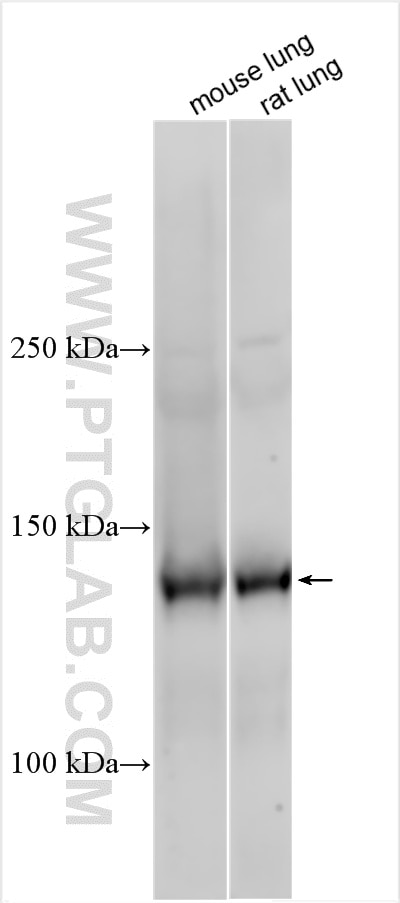
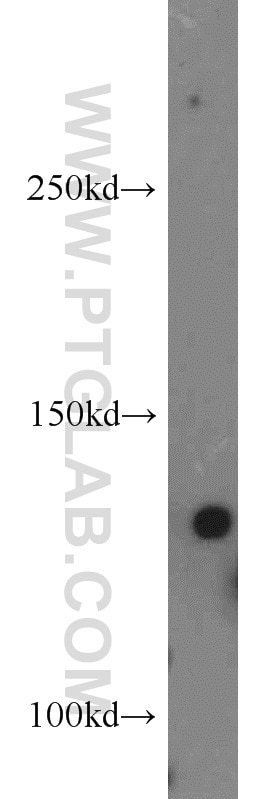
| Positive WB detected in | mouse lung tissue, mouse liver tissue, Rat lung tissue |
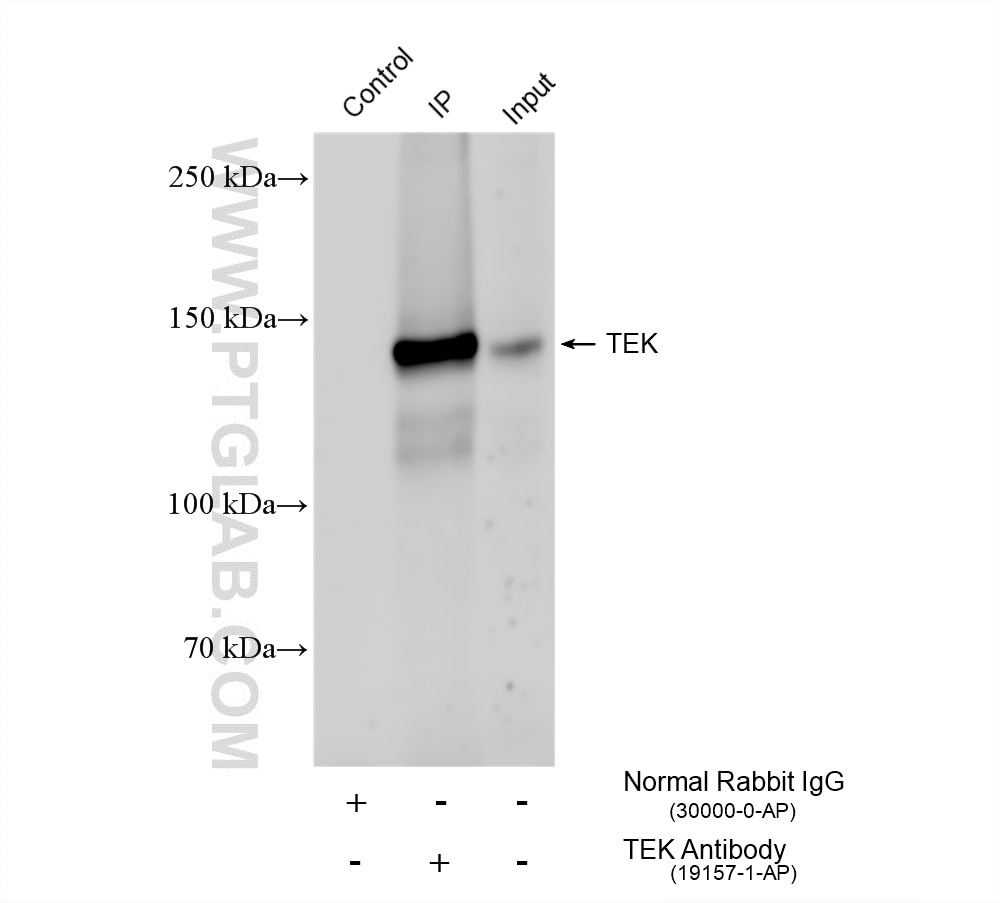
| Positive IP detected in | mouse lung tissue |
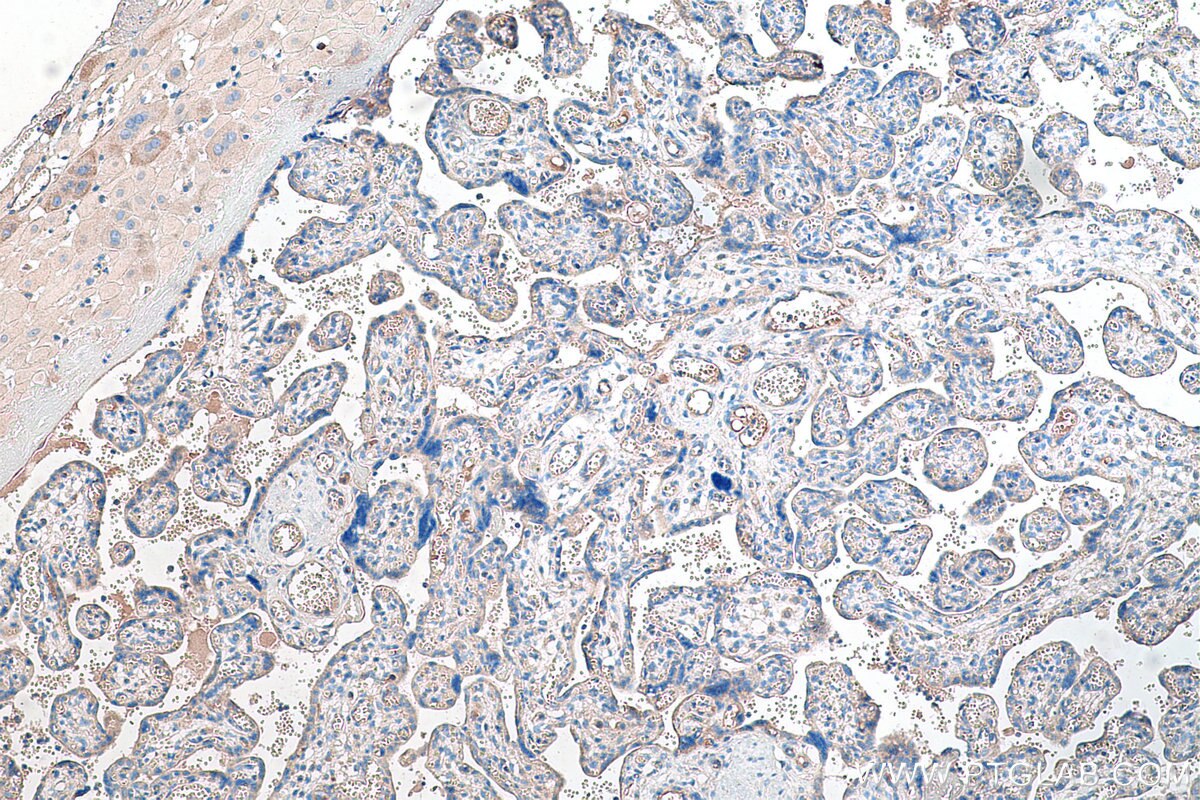
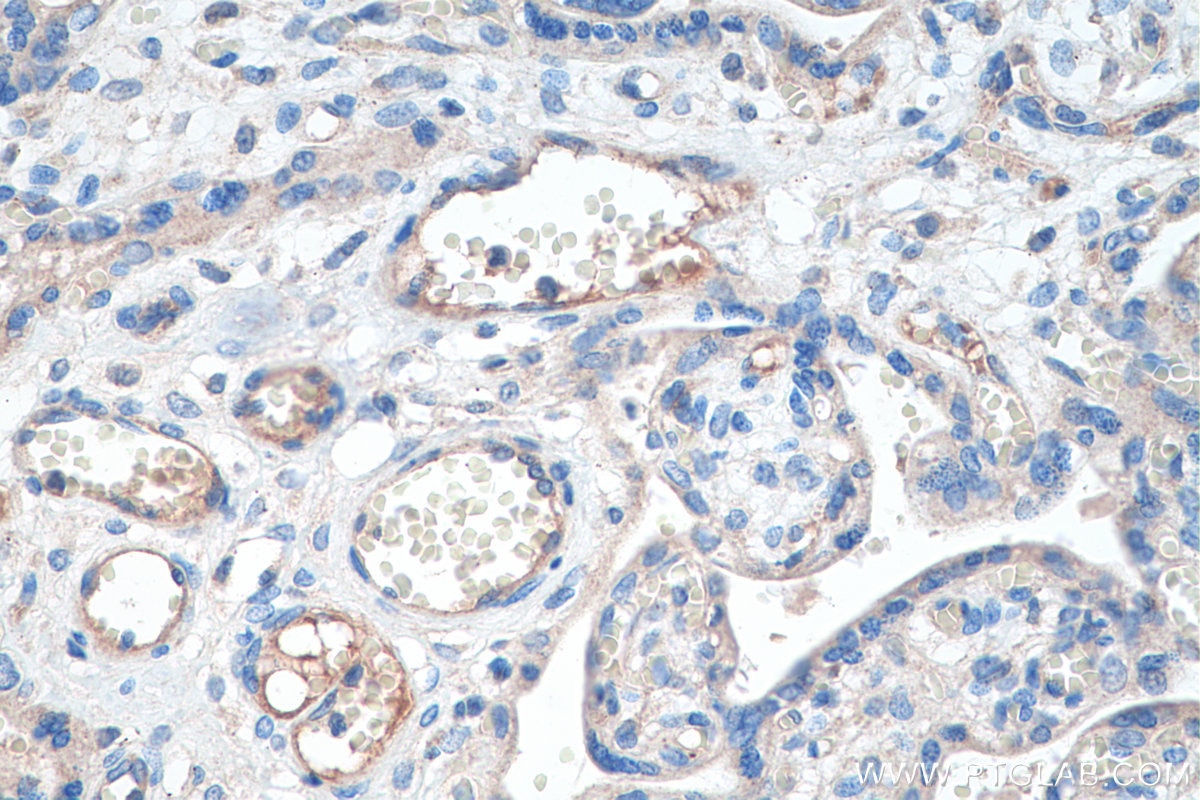
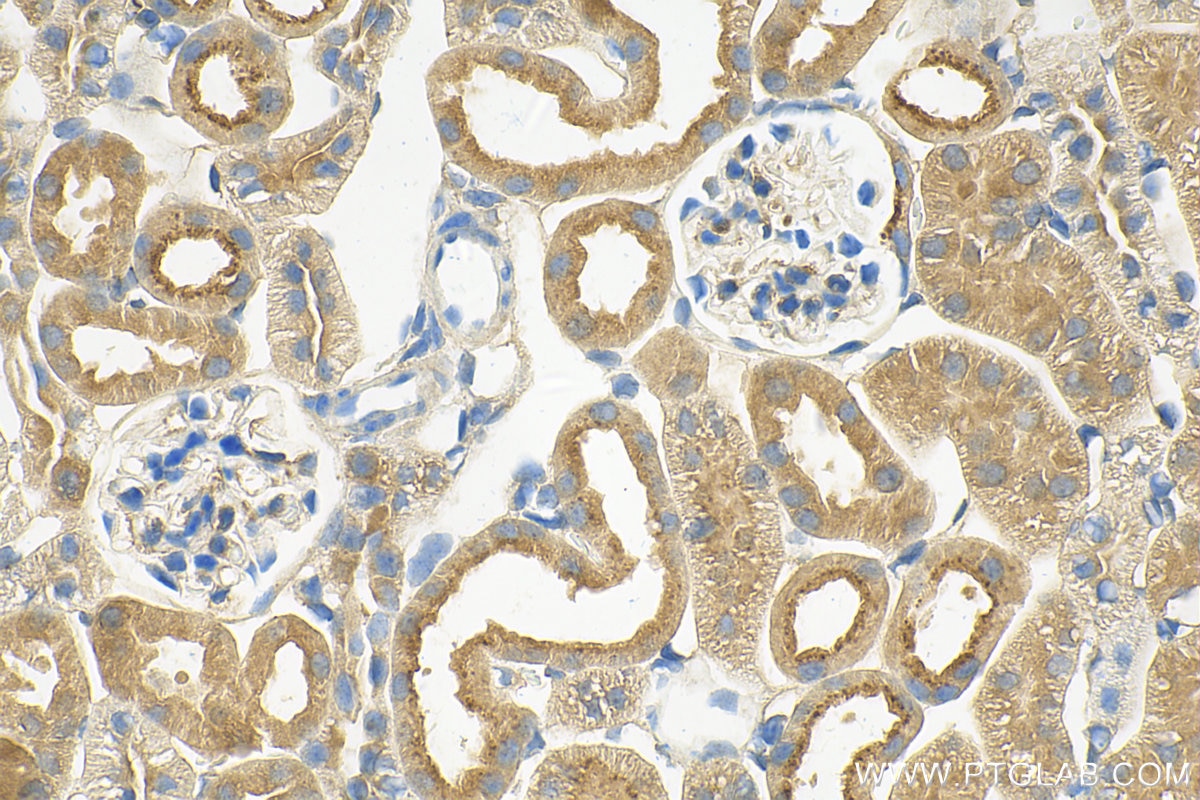
| Positive IHC detected in | human placenta tissue, mouse kidney tissue Note: suggested antigen retrieval with TE buffer pH 9.0; (*) Alternatively, antigen retrieval may be performed with citrate buffer pH 6.0 |
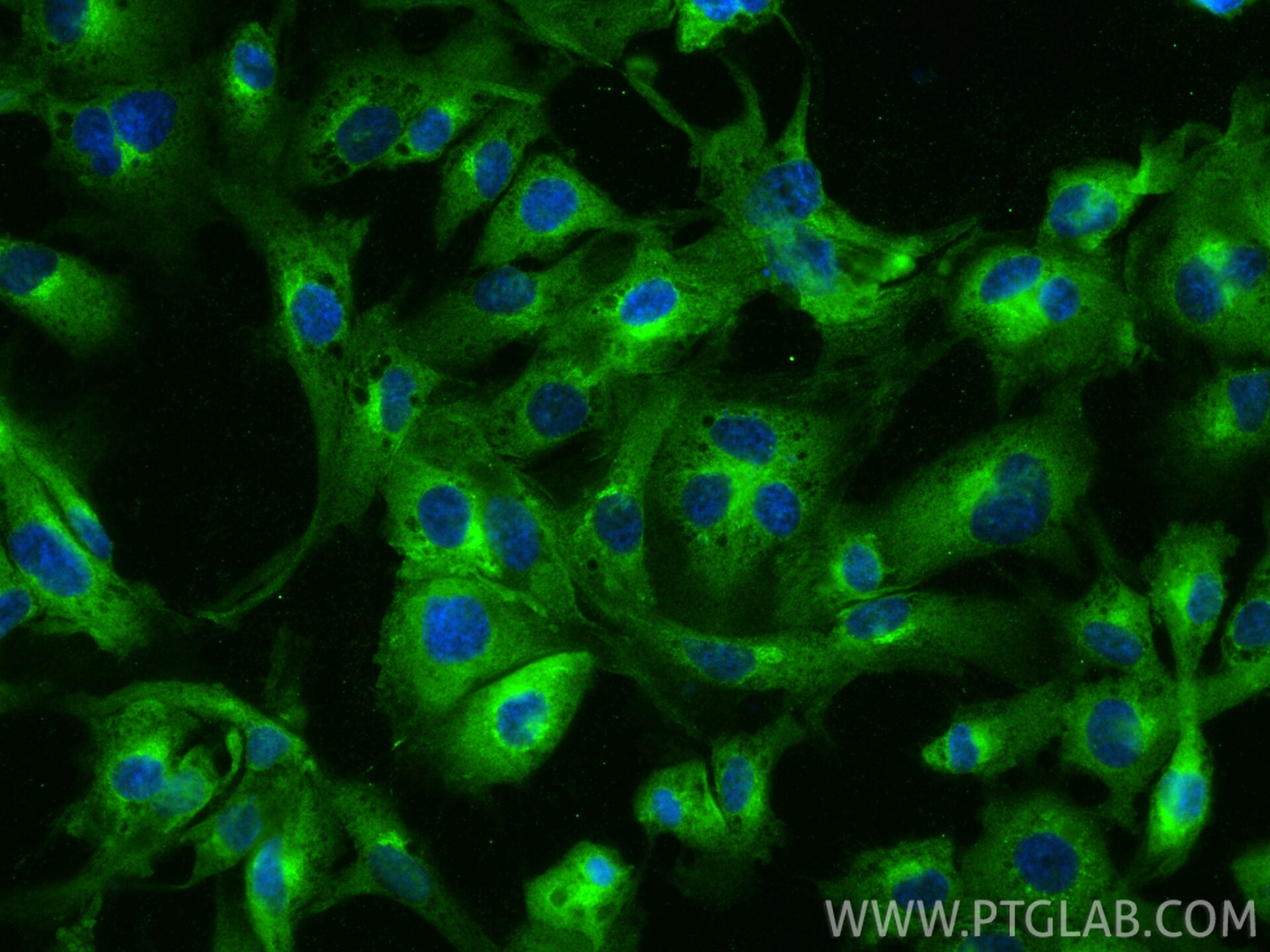
| Positive IF/ICC detected in | HUVEC cells |
Recommended dilution
| Application | Dilution |
|---|---|
| Western Blot (WB) | WB : 1:500-1:2000 |
| Immunoprecipitation (IP) | IP : 0.5-4.0 ug for 1.0-3.0 mg of total protein lysate |
| Immunohistochemistry (IHC) | IHC : 1:1000-1:4000 |
| Immunofluorescence (IF)/ICC | IF/ICC : 1:200-1:800 |
| It is recommended that this reagent should be titrated in each testing system to obtain optimal results. | |
| Sample-dependent, Check data in validation data gallery. | |
Product Information
19157-1-AP targets Tie-2/CD202b in WB, IHC, IF/ICC, IP, ELISA applications and shows reactivity with human, mouse, rat samples.
| Tested Reactivity | human, mouse, rat |
| Cited Reactivity | human, mouse, rat |
| Host / Isotype | Rabbit / IgG |
| Class | Polyclonal |
| Type | Antibody |
| Immunogen |
CatNo: Ag13523 Product name: Recombinant human TEK protein Source: e coli.-derived, PET28a Tag: 6*His Domain: 779-1124 aa of BC035514 Sequence: RRMAQAFQNVREEPAVQFNSGTLALNRKVKNNPDPTIYPVLDWNDIKFQDVIGEGNFGQVLKARIKKDGLRMDAAIKRMKEYASKDDHRDFAGELEVLCKLGHHPNIINLLGACEHRGYLYLAIEYAPHGNLLDFLRKSRVLETDPAFAIANSTASTLSSHHLLHFAADVARGMDYLSQKQFIHRDLAARNILVGENYVAKIADFGLSRGQEVYVKKTMGRLPVRWMAIESLNYSVYTTNSDVWSYGVLLWEIVSLGGTPYCGMTCAELYEKLPQGYRLEKPLNCDDEVYDLMRQCWREKPYERPSFAQILVSLNRMLEERKTYVNTTLYEKFTYAGIDCSAEEAA Predict reactive species |
| Full Name | TEK tyrosine kinase, endothelial |
| Calculated Molecular Weight | 1124 aa, 126 kDa |
| Observed Molecular Weight | 140 kDa |
| GenBank Accession Number | BC035514 |
| Gene Symbol | Tie2 |
| Gene ID (NCBI) | 7010 |
| RRID | AB_10644297 |
| Conjugate | Unconjugated |
| Form | Liquid |
| Purification Method | Antigen affinity purification |
| UNIPROT ID | Q02763 |
| Storage Buffer | PBS with 0.02% sodium azide and 50% glycerol, pH 7.3. |
| Storage Conditions | Store at -20°C. Stable for one year after shipment. Aliquoting is unnecessary for -20oC storage. 20ul sizes contain 0.1% BSA. |
Background Information
Tie2 (also known as TEK) is a tyrosine-protein kinase expressed almost exclusively on endothelial cells. It contains two immunoglobulin-like domains, three epidermal growth factor (EGF)--like domains and three fibronectin type III repeats. Tie2 acts as a cell-surface receptor for ANGPT1, ANGPT2, and ANGPT4 and regulates angiogenesis, endothelial cell survival, proliferation, migration, adhesion and cell spreading, reorganization of the actin cytoskeleton, but also maintenance of vascular quiescence. Mutations in the gene Tie2 are associated with inherited venous malformations of the skin and mucous membranes. Human Tie2 has a calculated molecular weight of 126 kDa. As a result of glycosylation, the apparent molecular mass of Tie2 is approximately 140-160 kDa.
Protocols
| Product Specific Protocols | |
|---|---|
| IF protocol for Tie-2/CD202b antibody 19157-1-AP | Download protocol |
| IHC protocol for Tie-2/CD202b antibody 19157-1-AP | Download protocol |
| IP protocol for Tie-2/CD202b antibody 19157-1-AP | Download protocol |
| WB protocol for Tie-2/CD202b antibody 19157-1-AP | Download protocol |
| Standard Protocols | |
|---|---|
| Click here to view our Standard Protocols |
Publications
What published studies show
The Tie-2/CD202b polyclonal antibody (Cat# 19157-1-AP) has accumulated 38 citations across journals including Experimental Hematology & Oncology, Advanced Science, Cancer Letters, Small, Journal of Translational Medicine, Stem Cell Research & Therapy, Frontiers in Pharmacology, and Molecular Cancer Therapeutics. Associated research fields span angiogenesis, oncology (lung, breast, glioma, colorectal), cardiovascular and vascular biology, intervertebral disc degeneration, atherosclerosis, renal disease, retinal neovascularization, rheumatoid arthritis, stroke, and reproductive disorders.
| Species | Application | Title |
|---|---|---|
Exp Hematol Oncol Fibronectin promotes tumor angiogenesis and progression of non-small-cell lung cancer by elevating WISP3 expression via FAK/MAPK/ HIF-1α axis and activating wnt signaling pathway | ||
Adv Sci (Weinh) 3-D Sustained-Release Culture Carrier Alleviates Rat Intervertebral Disc Degeneration by Targeting STING in Transplanted Skeletal Stem Cells | ||
Small Hydrogel and Microgel Collaboration for Spatiotemporal Delivery of Biofactors to Awaken Nucleus Pulposus-Derived Stem Cells for Endogenous Repair of Disc | ||
Cancer Lett Electroacupuncture Facilitates Vascular Normalization by Inhibiting Glyoxalase1 in Endothelial Cells to Attenuate Glycolysis and Angiogenesis in Triple-Negative Breast Cancer | ||
Phytomedicine Fuhu Lijie Tang treats rheumatoid arthritis through multitarget therapy from autoantigen formation to bone destruction | ||
Mater Today Bio Doxorubicin-loaded PEGylated liposome modified with ANGPT2-specific peptide for integrative glioma-targeted imaging and therapy |








