
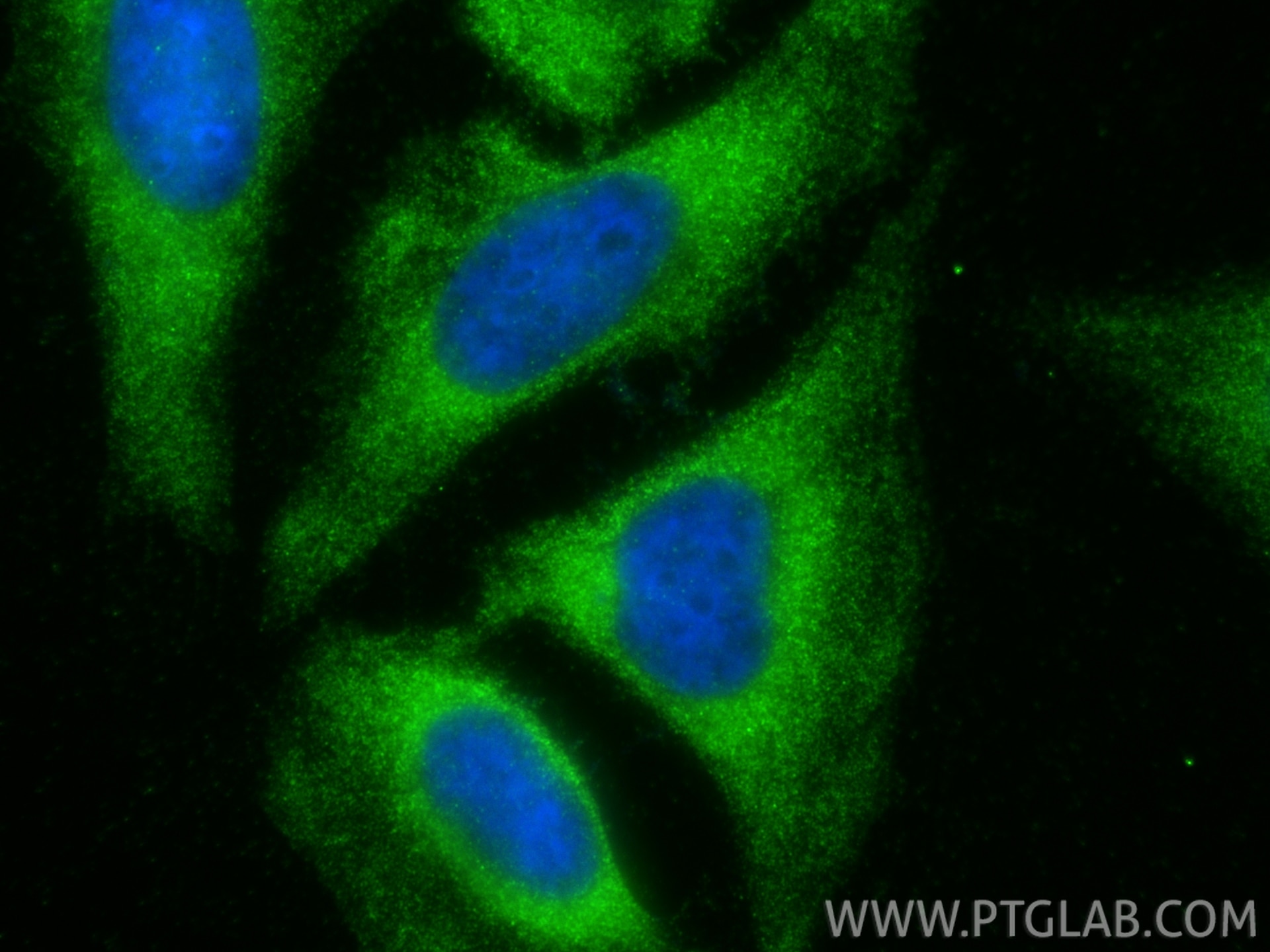
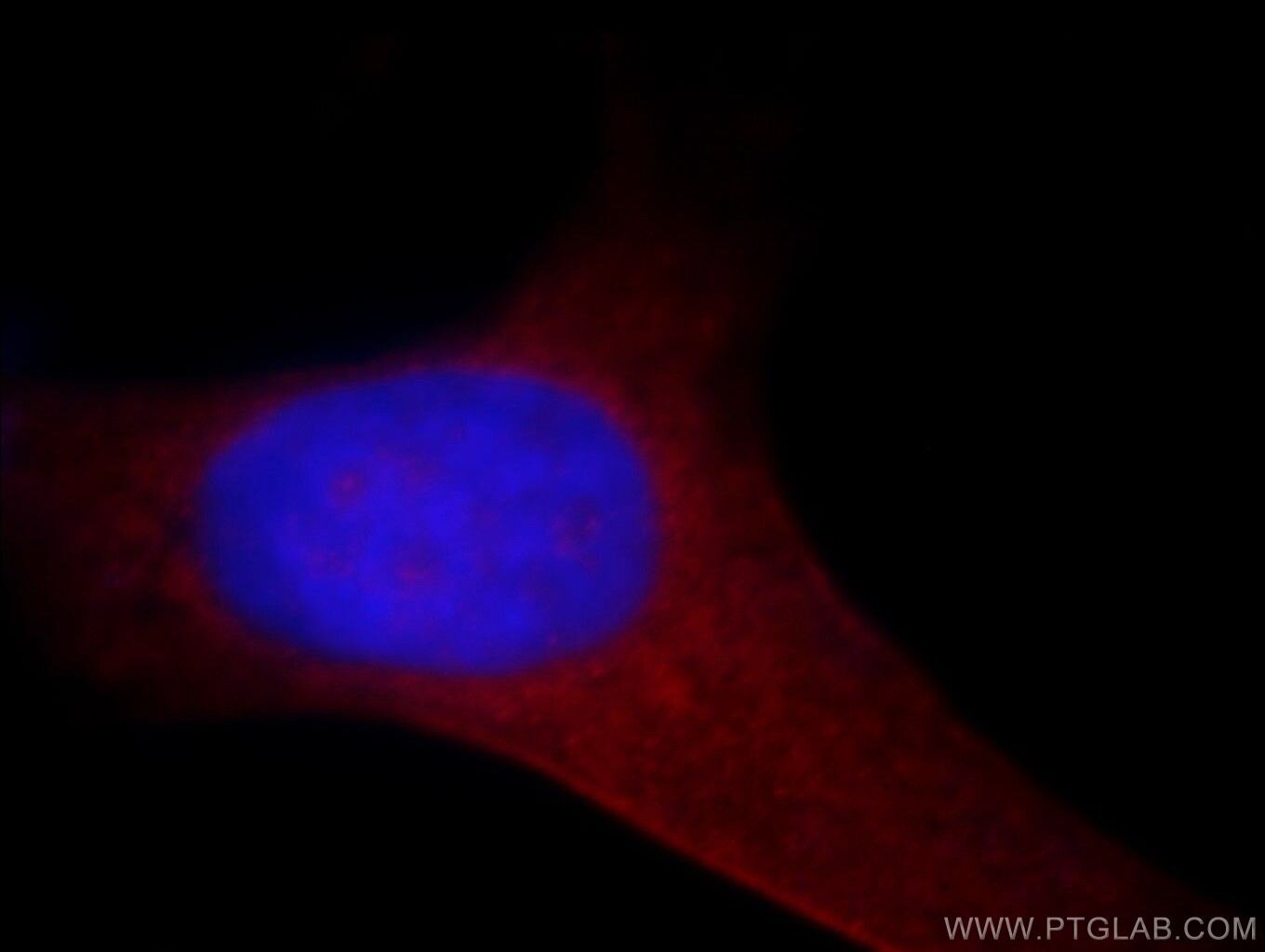

Tested Applications
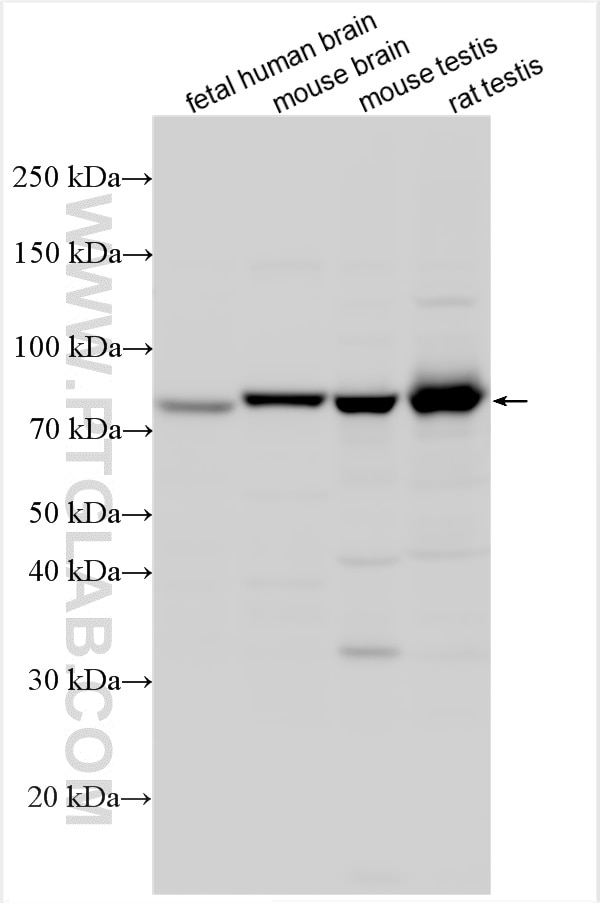
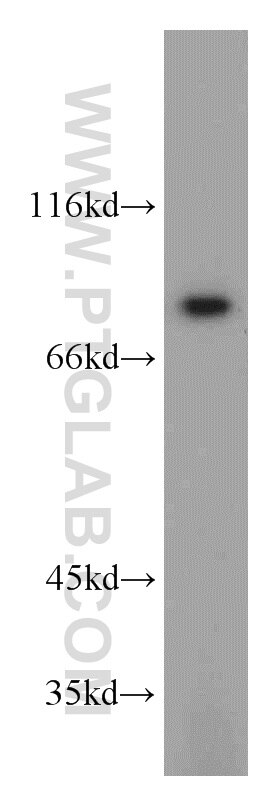
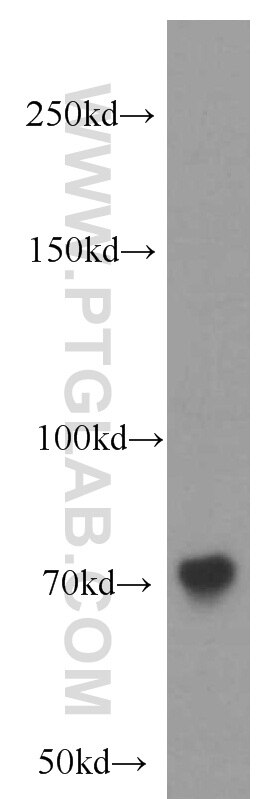
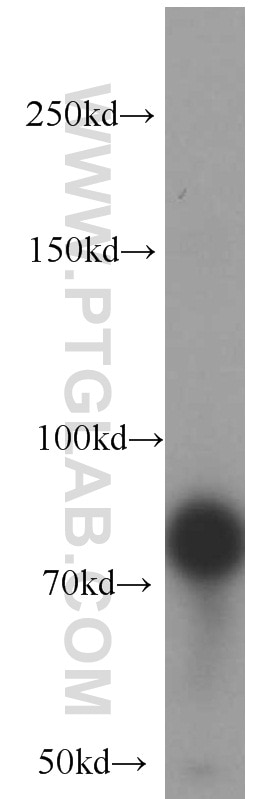
| Positive WB detected in | fetal human brain tissue, L02 cells, mouse brain tissue, mouse testis tissue, rat testis tissue |
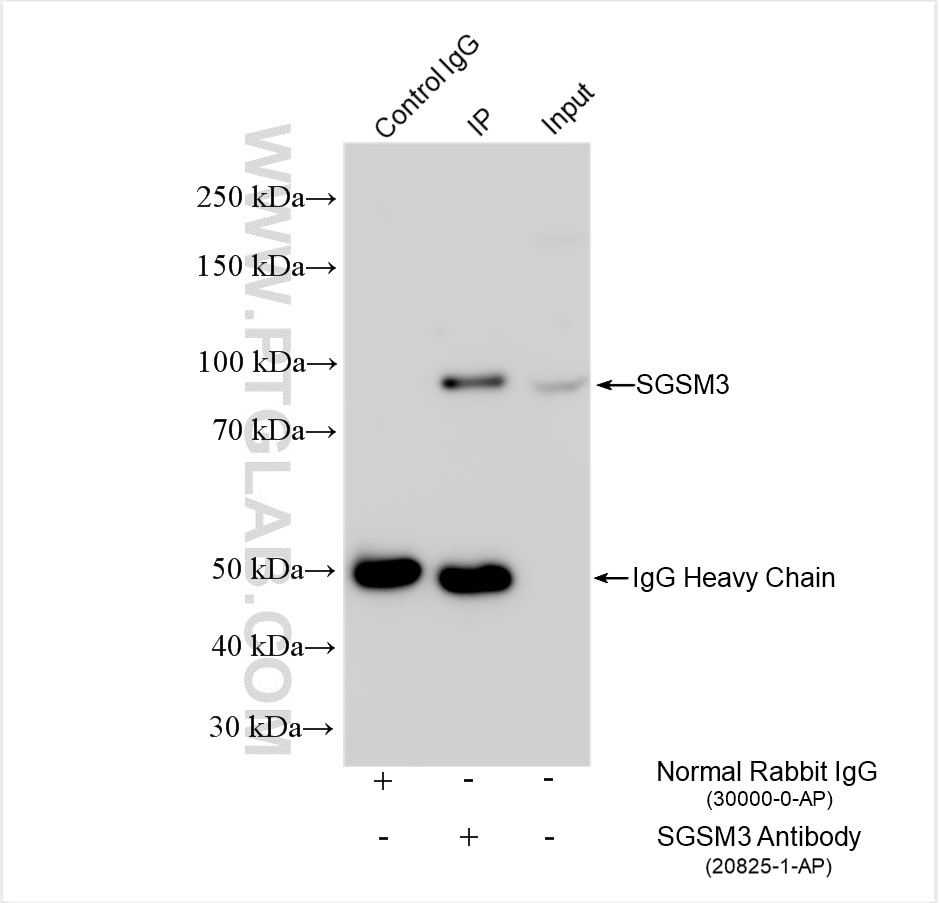
| Positive IP detected in | mouse brain tissue |
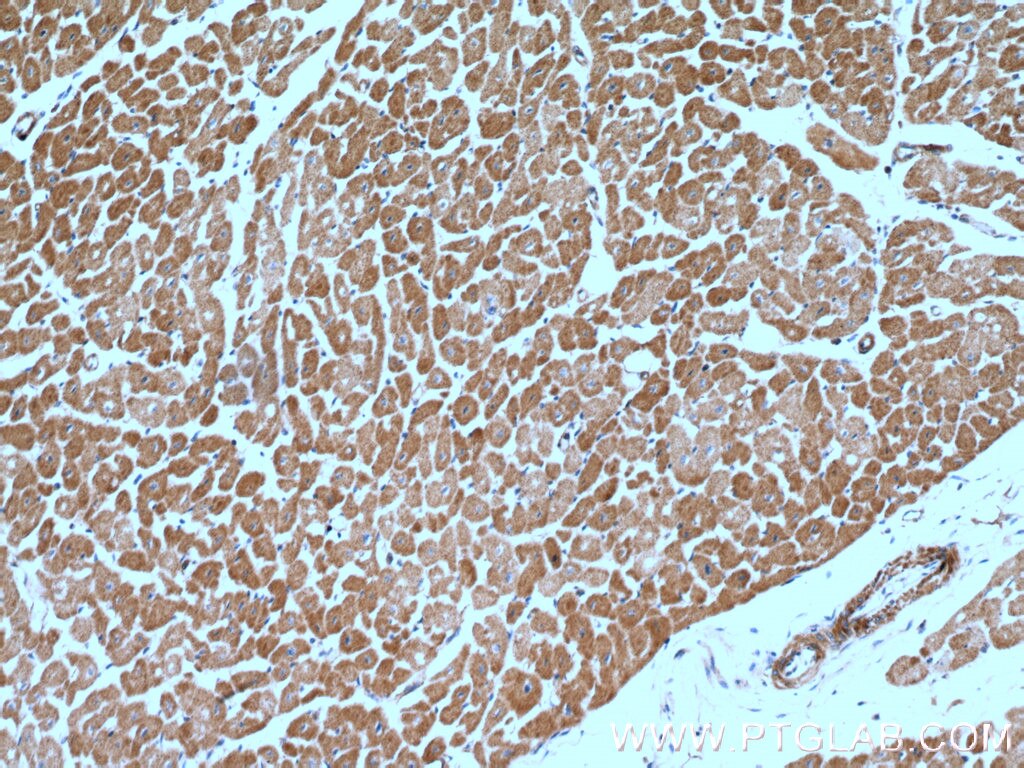
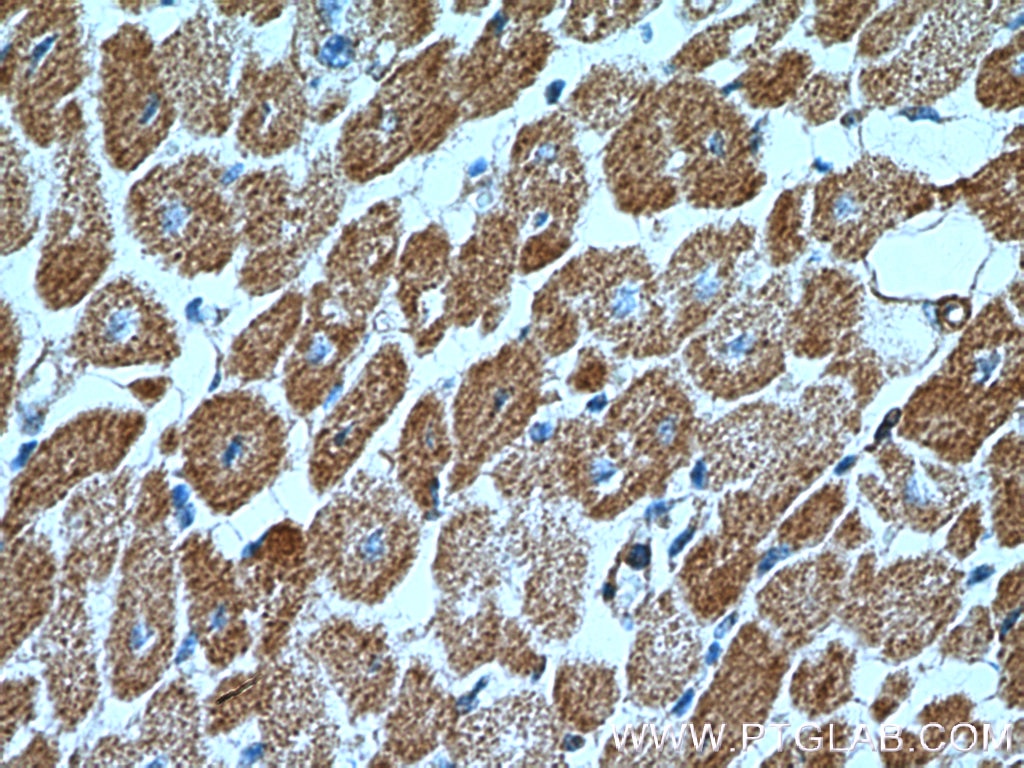
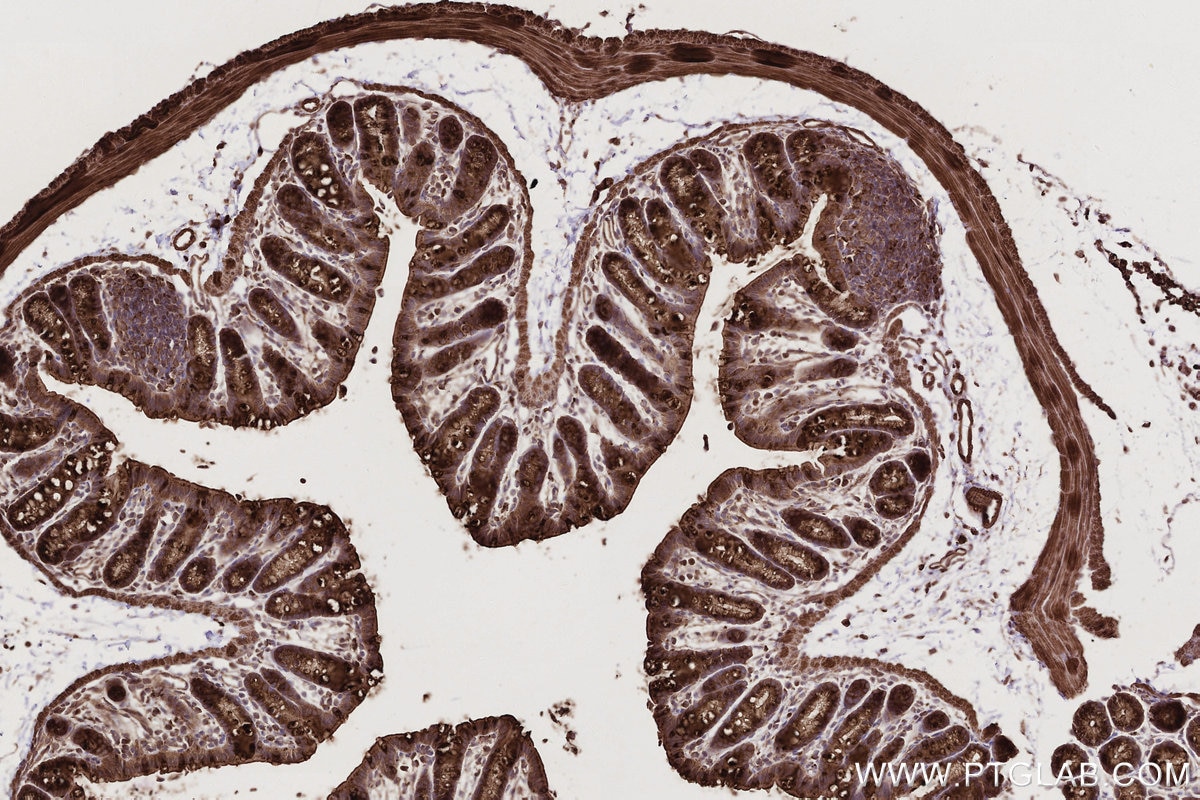
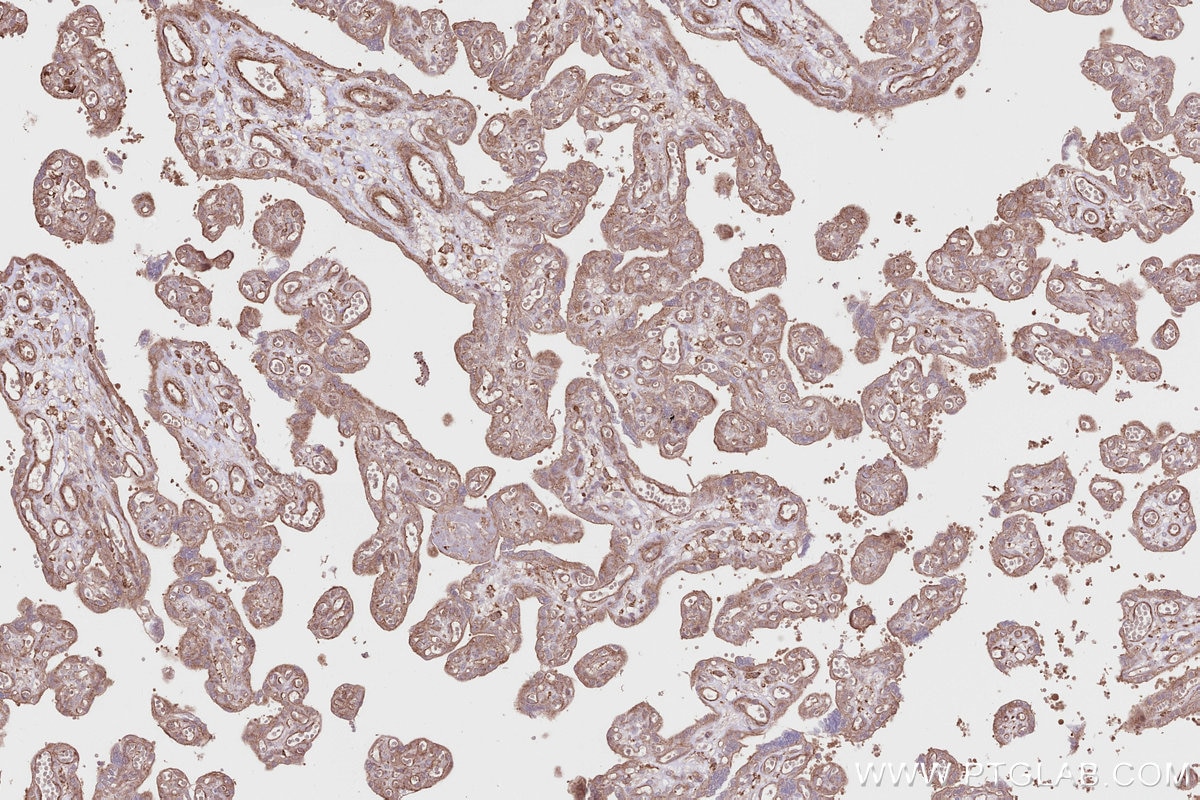
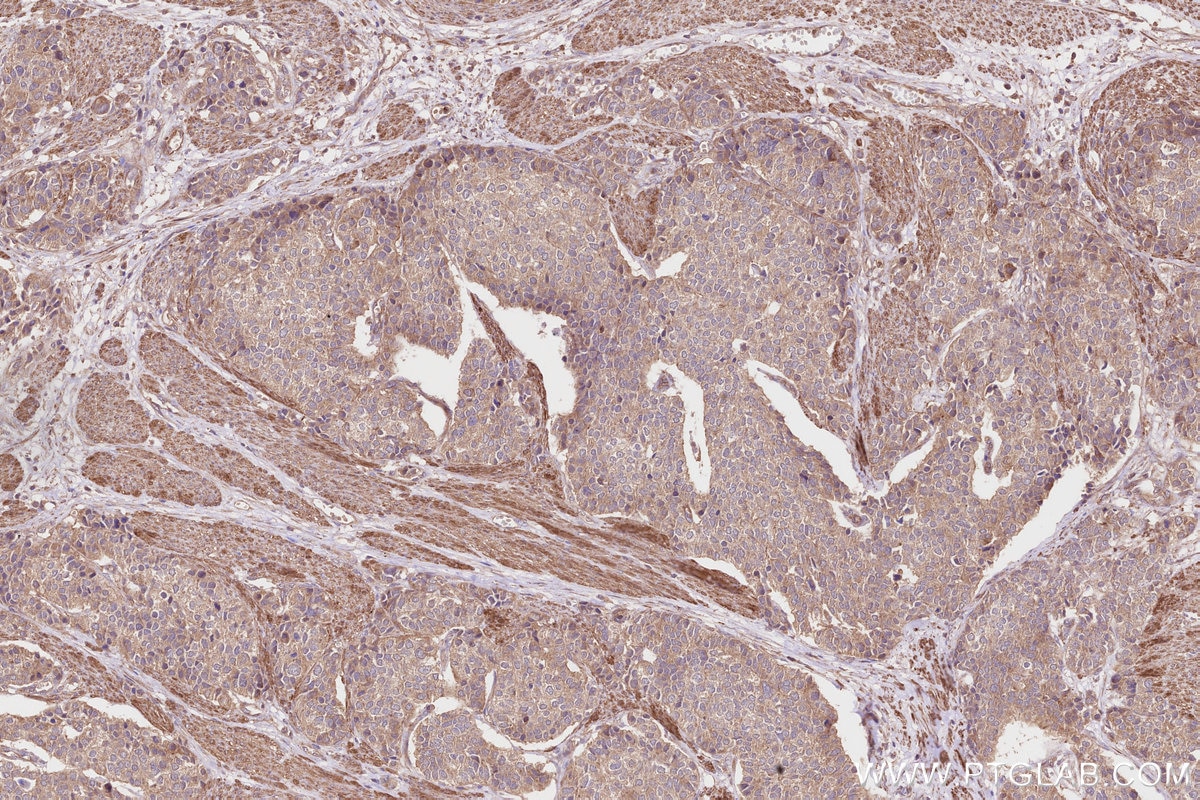
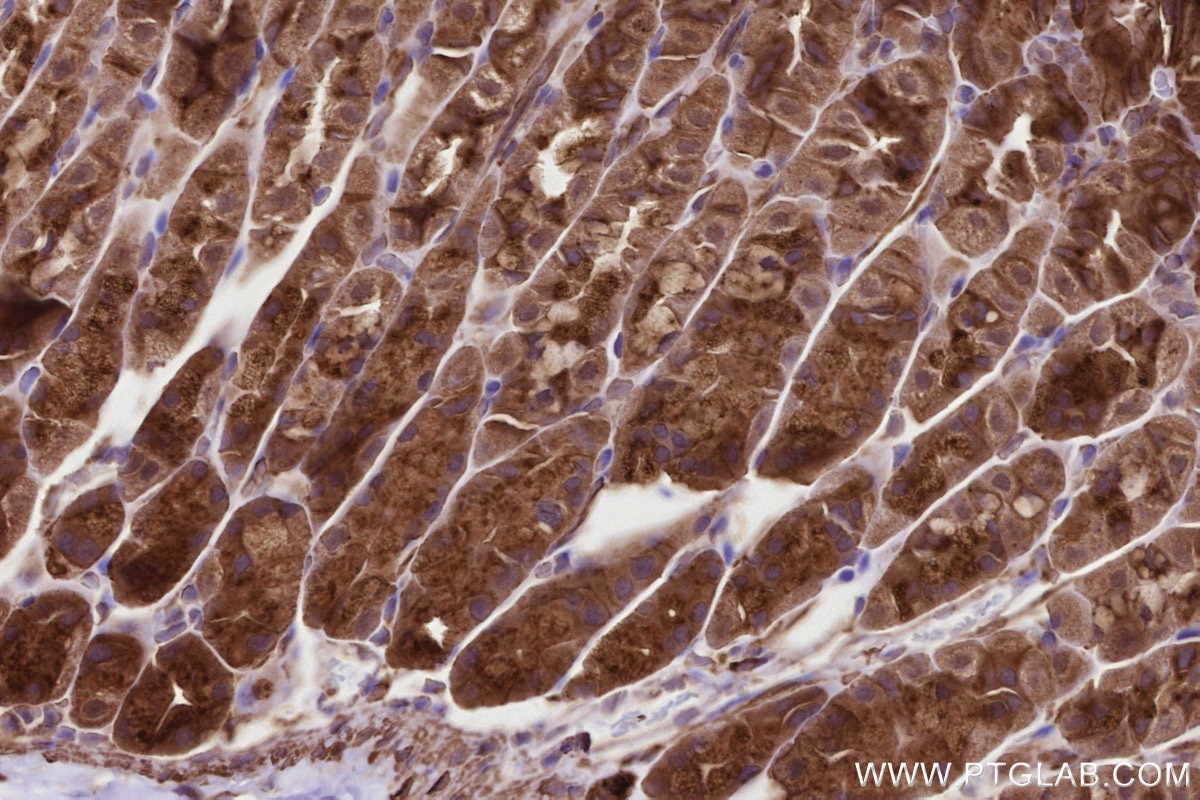
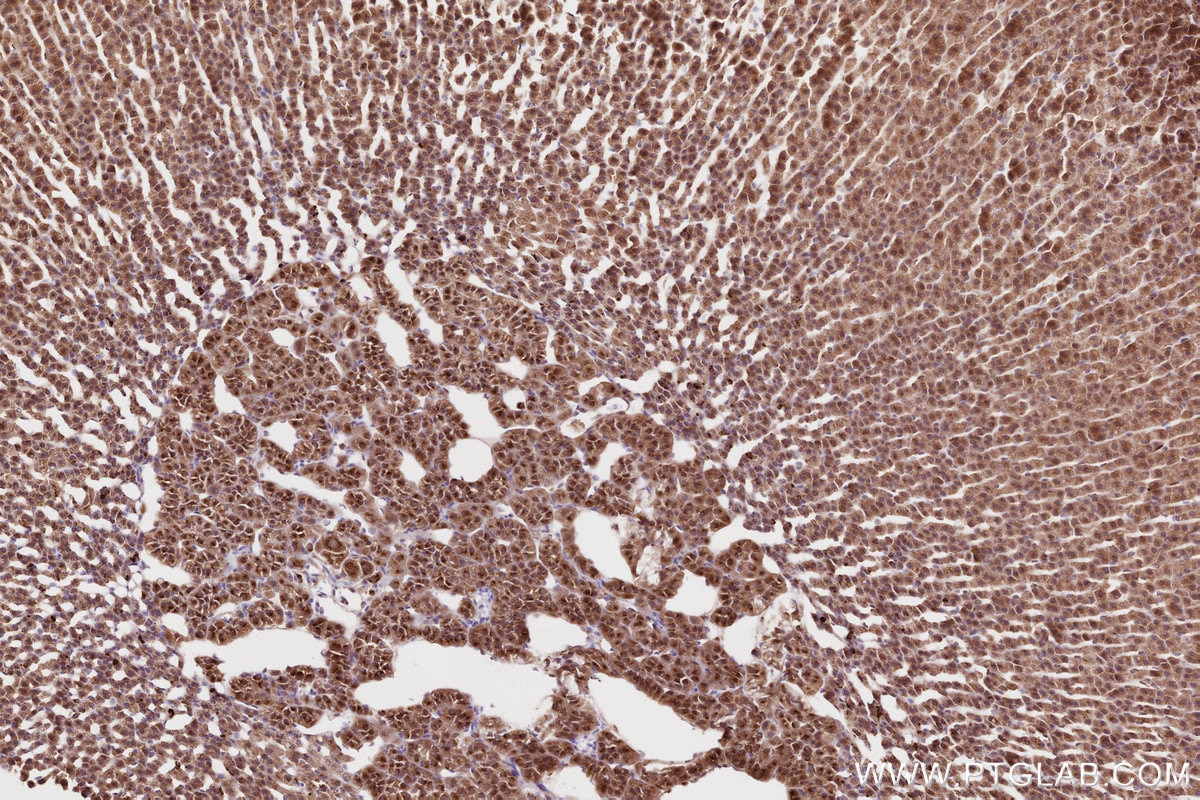
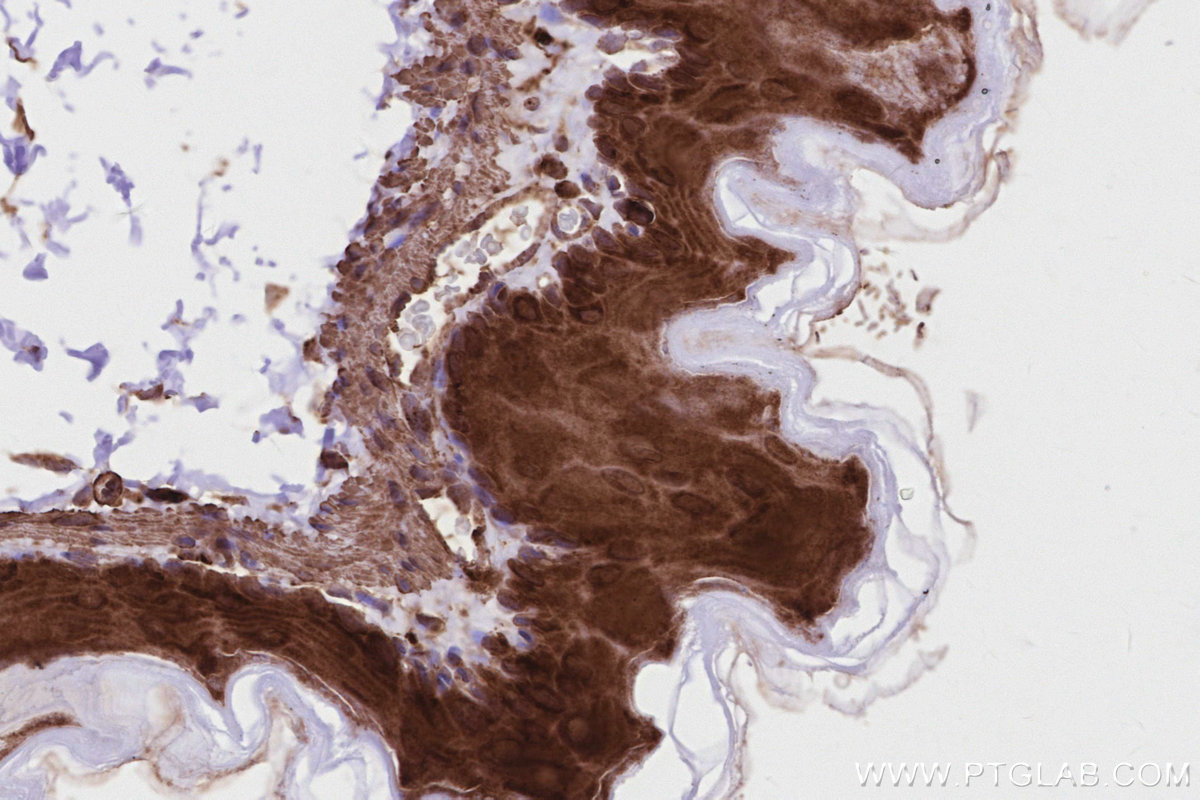
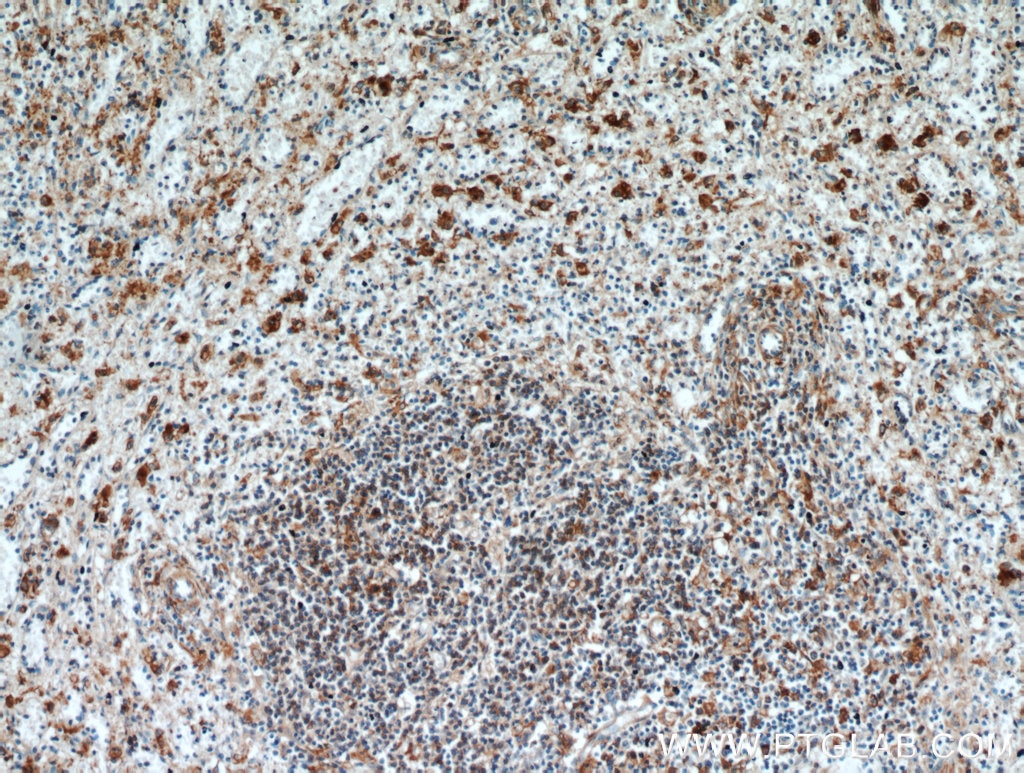
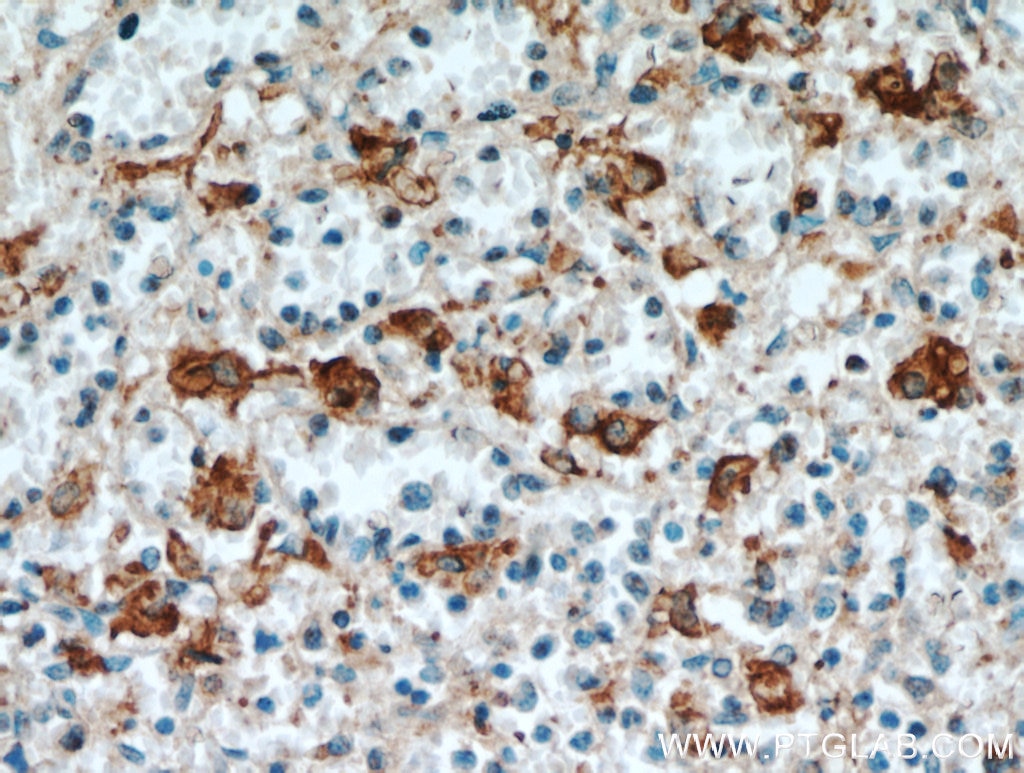
| Positive IHC detected in | human heart tissue, mouse stomach tissue, rat adrenal gland tissue, human placenta tissue, mouse colon tissue, human spleen tissue, human stomach cancer tissue Note: suggested antigen retrieval with TE buffer pH 9.0; (*) Alternatively, antigen retrieval may be performed with citrate buffer pH 6.0 |
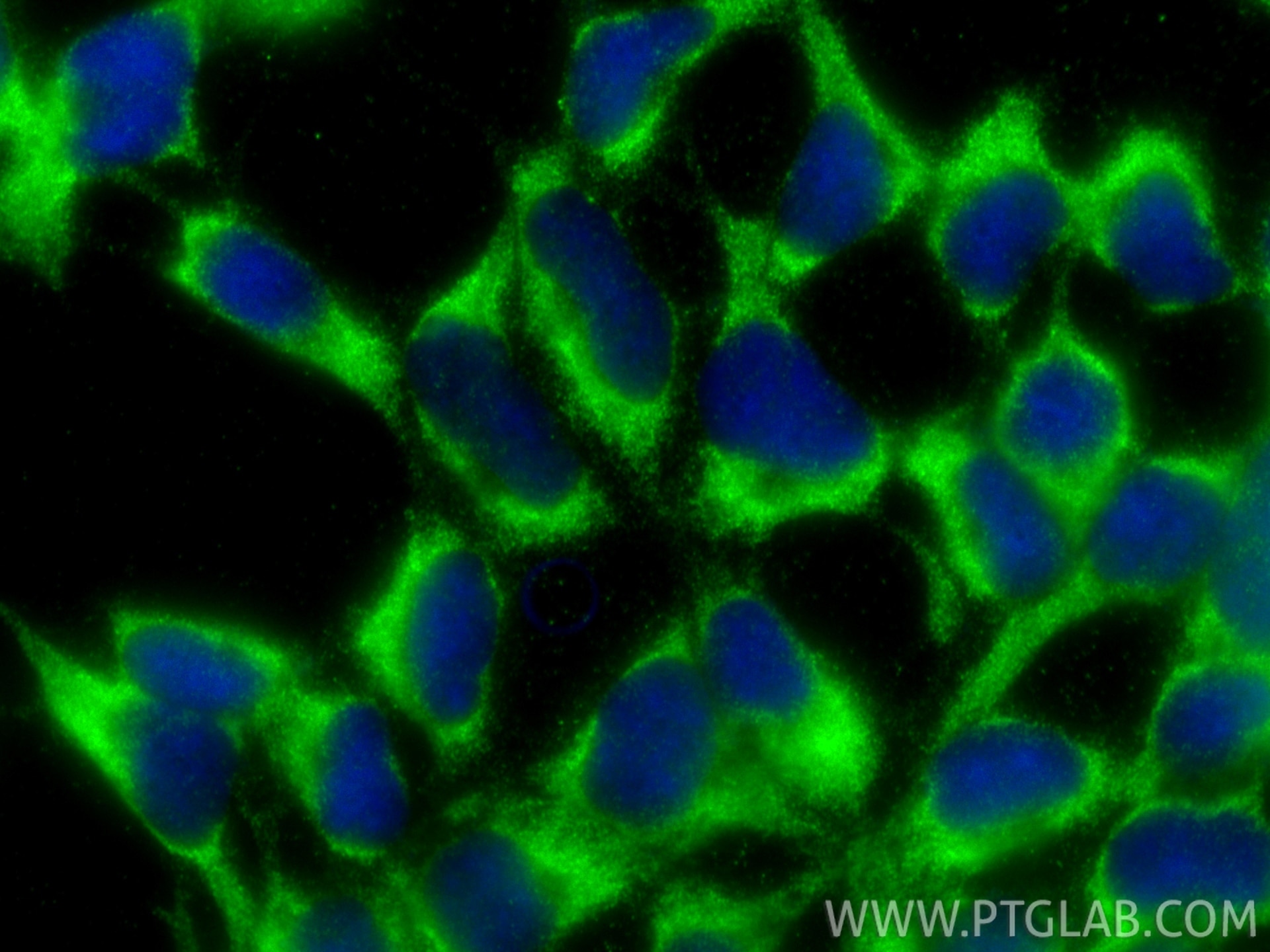
| Positive IF/ICC detected in | HeLa cells, HEK-293 cells |
Recommended dilution
| Application | Dilution |
|---|---|
| Western Blot (WB) | WB : 1:1000-1:6000 |
| Immunoprecipitation (IP) | IP : 0.5-4.0 ug for 1.0-3.0 mg of total protein lysate |
| Immunohistochemistry (IHC) | IHC : 1:50-1:500 |
| Immunofluorescence (IF)/ICC | IF/ICC : 1:50-1:500 |
| It is recommended that this reagent should be titrated in each testing system to obtain optimal results. | |
| Sample-dependent, Check data in validation data gallery. | |
Product Information
20825-1-AP targets SGSM3 in WB, IHC, IF/ICC, IP, ELISA applications and shows reactivity with human, mouse, rat samples.
| Tested Reactivity | human, mouse, rat |
| Cited Reactivity | mouse |
| Host / Isotype | Rabbit / IgG |
| Class | Polyclonal |
| Type | Antibody |
| Immunogen |
CatNo: Ag14800 Product name: Recombinant human SGSM3 protein Source: e coli.-derived, PGEX-4T Tag: GST Domain: 400-749 aa of BC008078 Sequence: RTQRRKSTITALLFGEDDLEALKAKNIKQTELVADLREAILRVARHFQCTDPKNCSVELTPDYSMESHQRDHENYVACSRSHRRRAKALLDFERHDDDELGFRKNDIITIVSQKDEHCWVGELNGLRGWFPAKFVEVLDERSKEYSIAGDDSVTEGVTDLVRGTLCPALKALFEHGLKKPSLLGGACHPWLFIEEAAGREVERDFASVYSRLVLCKTFRLDEDGKVLTPEELLYRAVQSVNVTHDAVHAQMDVKLRSLICVGLNEQVLHLWLEVLCSSLPTVEKWYQPWSFLRSPGWVQIKCELRVLCCFAFSLSQDWELPAKREAQQPLKEGVRDMLVKHHLFSWDVDG Predict reactive species |
| Full Name | small G protein signaling modulator 3 |
| Calculated Molecular Weight | 749 aa, 85 kDa |
| Observed Molecular Weight | 85 kDa |
| GenBank Accession Number | BC008078 |
| Gene Symbol | SGSM3 |
| Gene ID (NCBI) | 27352 |
| RRID | AB_10693680 |
| Conjugate | Unconjugated |
| Form | Liquid |
| Purification Method | Antigen affinity purification |
| UNIPROT ID | Q96HU1 |
| Storage Buffer | PBS with 0.02% sodium azide and 50% glycerol, pH 7.3. |
| Storage Conditions | Store at -20°C. Stable for one year after shipment. Aliquoting is unnecessary for -20oC storage. 20ul sizes contain 0.1% BSA. |
Background Information
Small G protein signaling modulator 3 (SGSM3) is also named as MAP, RABGAPLP and RABGAPLP. SGSM3 is highly correlated with Cx43 in heart functions and that high levels of SGSM3 may induce Cx43 turnover through lysosomal degradation in infarcted rat hearts (PMID: 29577900, PMID: 32271805). SGSM3 has been shown to be associated with small G-protein-coupled receptor signaling (PMID: 29693742). Several studies have shown that SGSM3 is associated with the risk of some cancers, including liver, breast, colorectal and bladder cancers (PMID: 32271805).
Protocols
| Product Specific Protocols | |
|---|---|
| IF protocol for SGSM3 antibody 20825-1-AP | Download protocol |
| IHC protocol for SGSM3 antibody 20825-1-AP | Download protocol |
| IP protocol for SGSM3 antibody 20825-1-AP | Download protocol |
| WB protocol for SGSM3 antibody 20825-1-AP | Download protocol |
| Standard Protocols | |
|---|---|
| Click here to view our Standard Protocols |
Publications
What published studies show
The SGSM3 Polyclonal antibody (Cat# 20825-1-AP) has 4 total citations. These appear in Cell Reports, Journal of Cell Biology, Scientific Reports, and Mediators of Inflammation. The research fields span endosomal dysfunction and Alzheimer's disease, endosome maturation coordination, neuronal early endosome maturation via the Rab5/Vps34 pathway, and autophagy-mediated host immunity against Zika virus infection. All cited applications are Western blot in mouse.
| Species | Application | Title |
|---|---|---|
Cell Rep Endosomal Dysfunction Induced by Directly Overactivating Rab5 Recapitulates Prodromal and Neurodegenerative Features of Alzheimer's Disease. | ||
J Cell Biol TBC1D18 is a Rab5-GAP that coordinates endosome maturation together with Mon1
| ||
Mediators Inflamm Autophagy Contributes to Host Immunity and Protection against Zika Virus Infection via Type I IFN Signaling. | ||
Sci Rep AP-1/σ1A and AP-1/σ1B adaptor-proteins differentially regulate neuronal early endosome maturation via the Rab5/Vps34-pathway. |
Reviews
What customers say
Based on available reviews, this antibody has received positive feedback for Western blot applications, with one reviewer rating it 4 out of 5 and noting it "works very well in WB" at a 1:1000 dilution. The reviewer also tested it for immunofluorescence. Overall, users report reliable performance in WB across multiple cell lines including HEK293T, HeLa, and Jurkat.
The reviews below have been submitted by verified Proteintech customers who received an incentive for providing their feedback.
Titouan (Verified Customer) (06-12-2024) | This antibody works very well in WB.
|



















