

Tested Applications
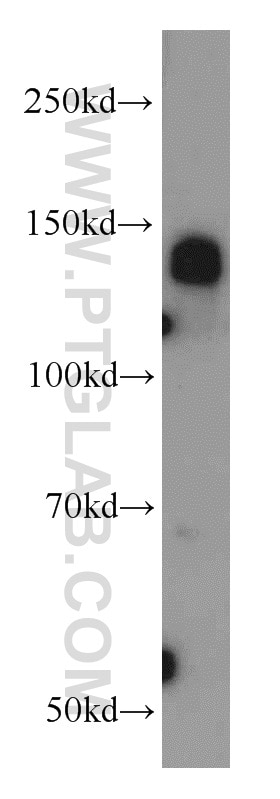
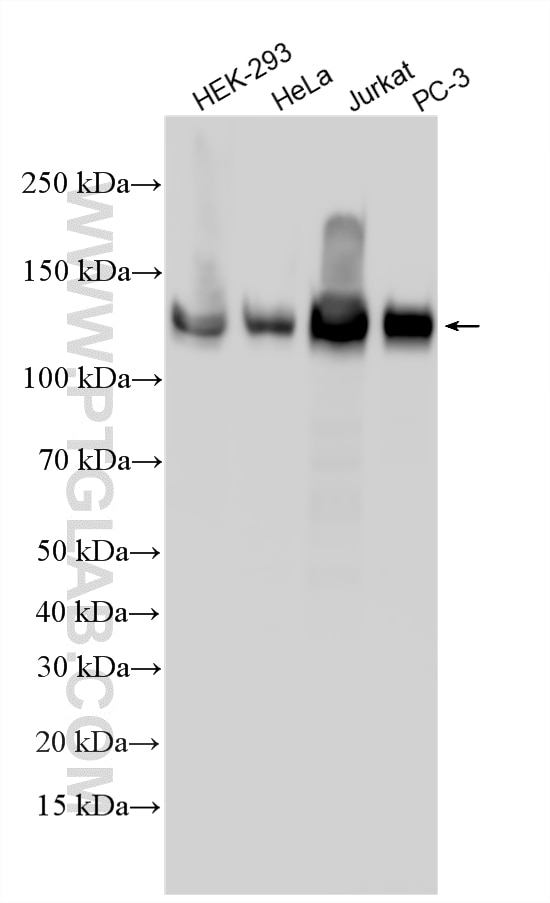
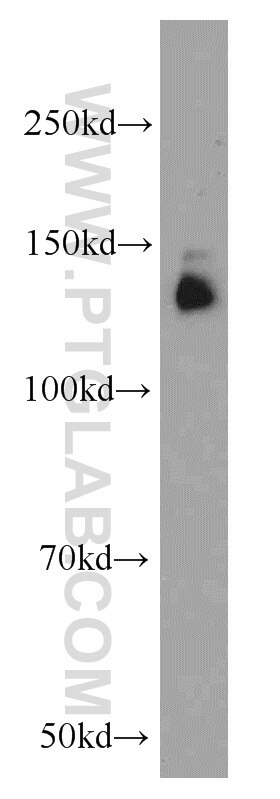
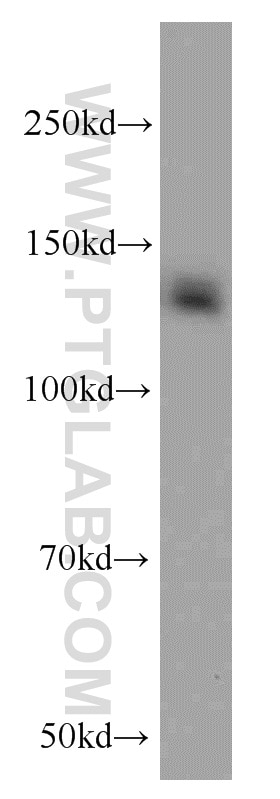
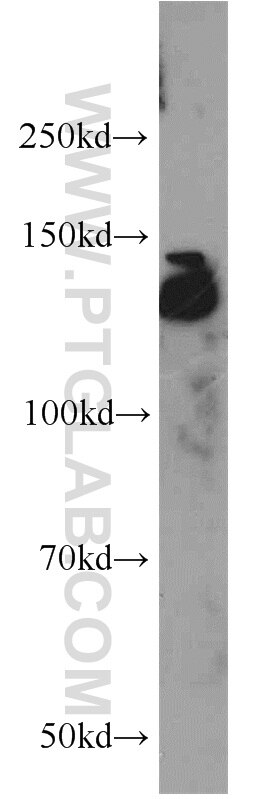
| Positive WB detected in | HEK-293 cells, HeLa cells, HL-60 cells, PC-3 cells, Jurkat cells |
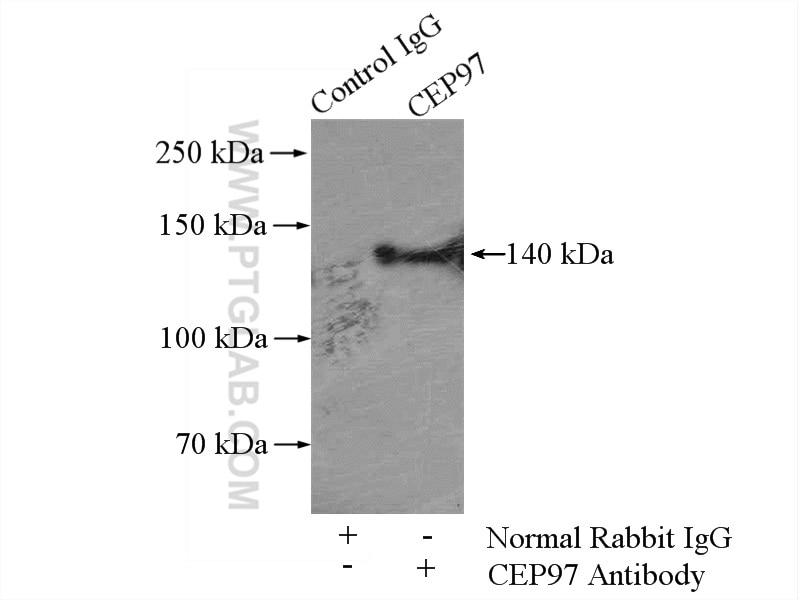
| Positive IP detected in | HeLa cells |
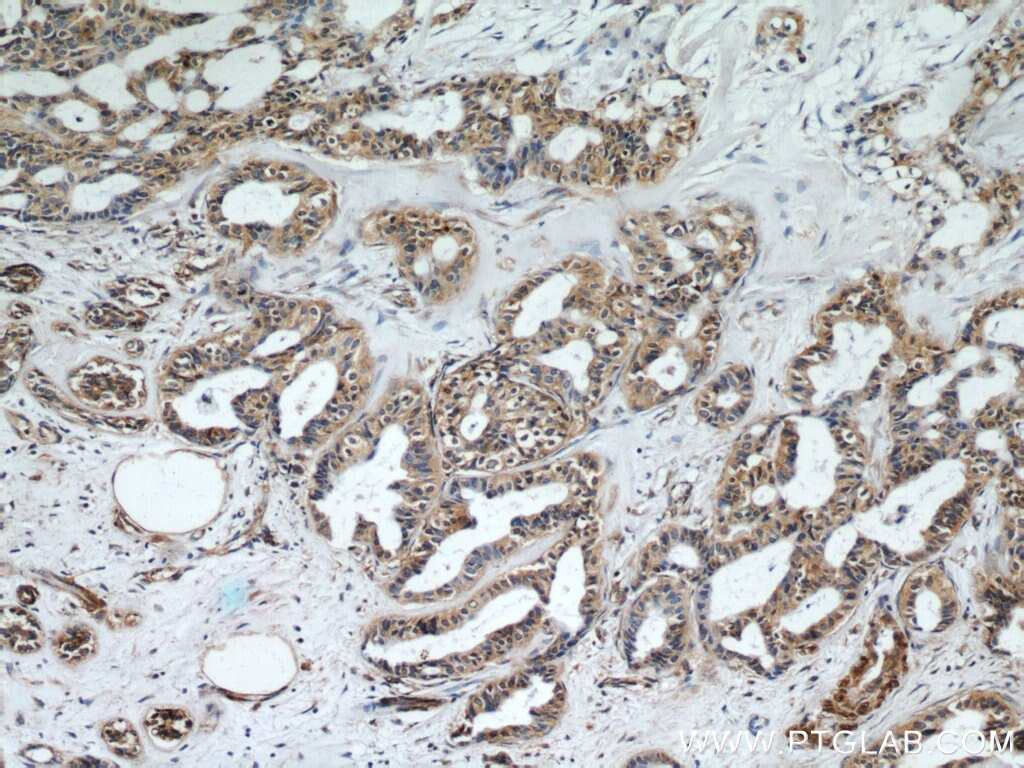
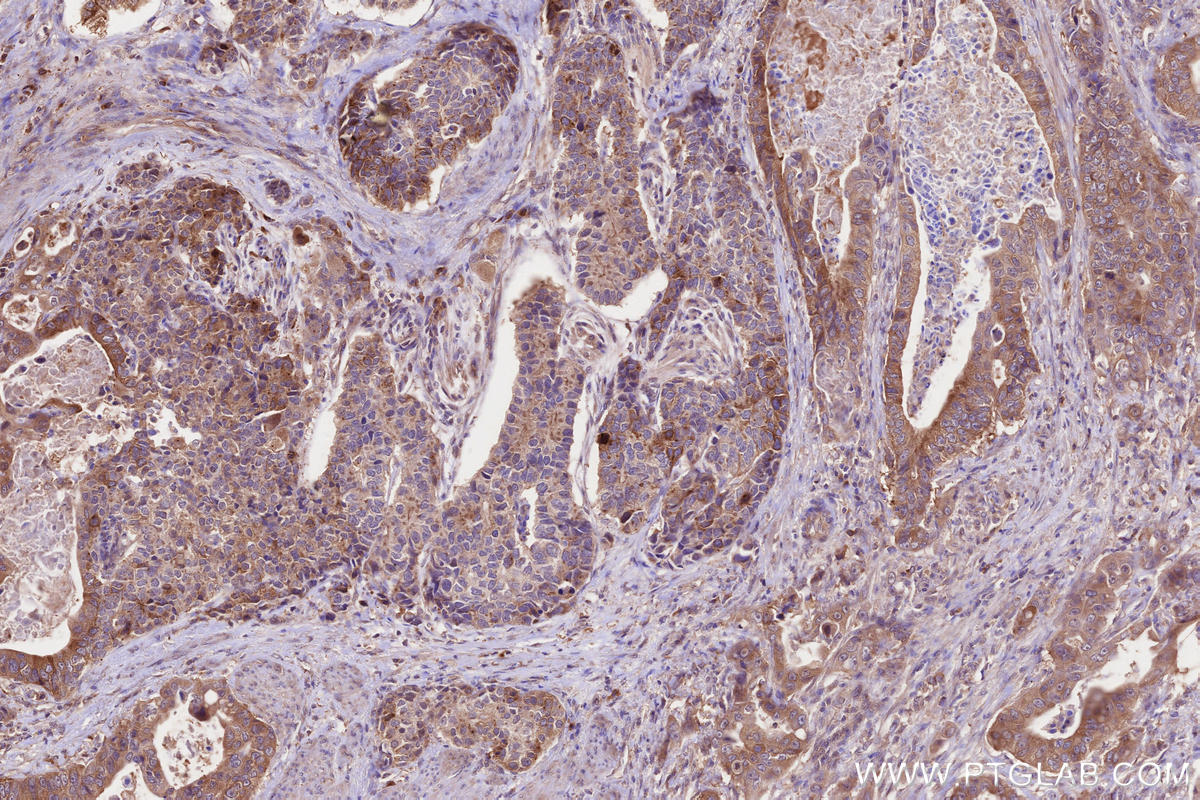
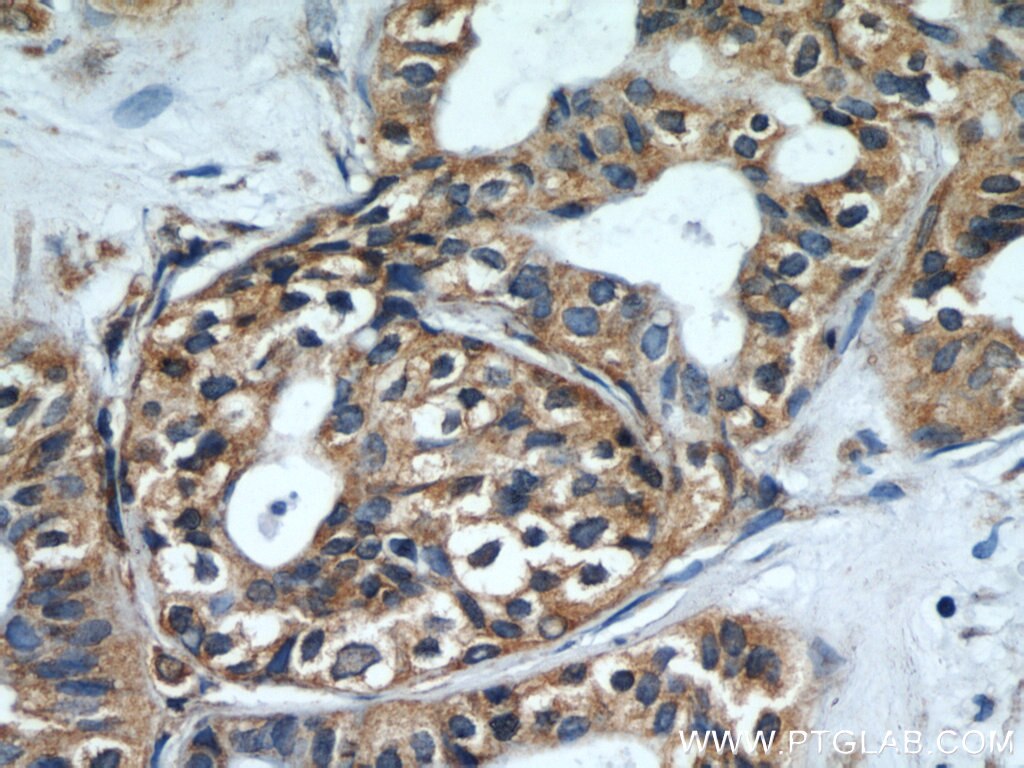
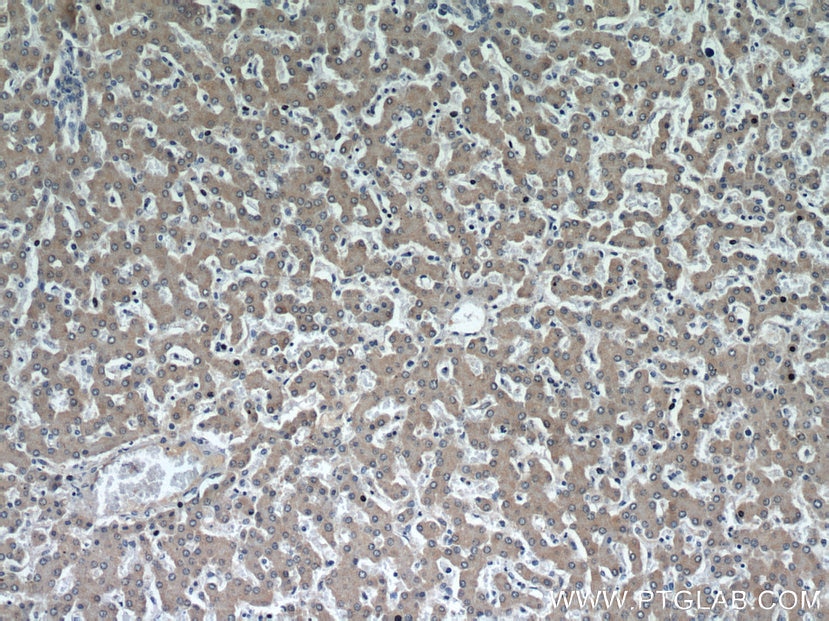
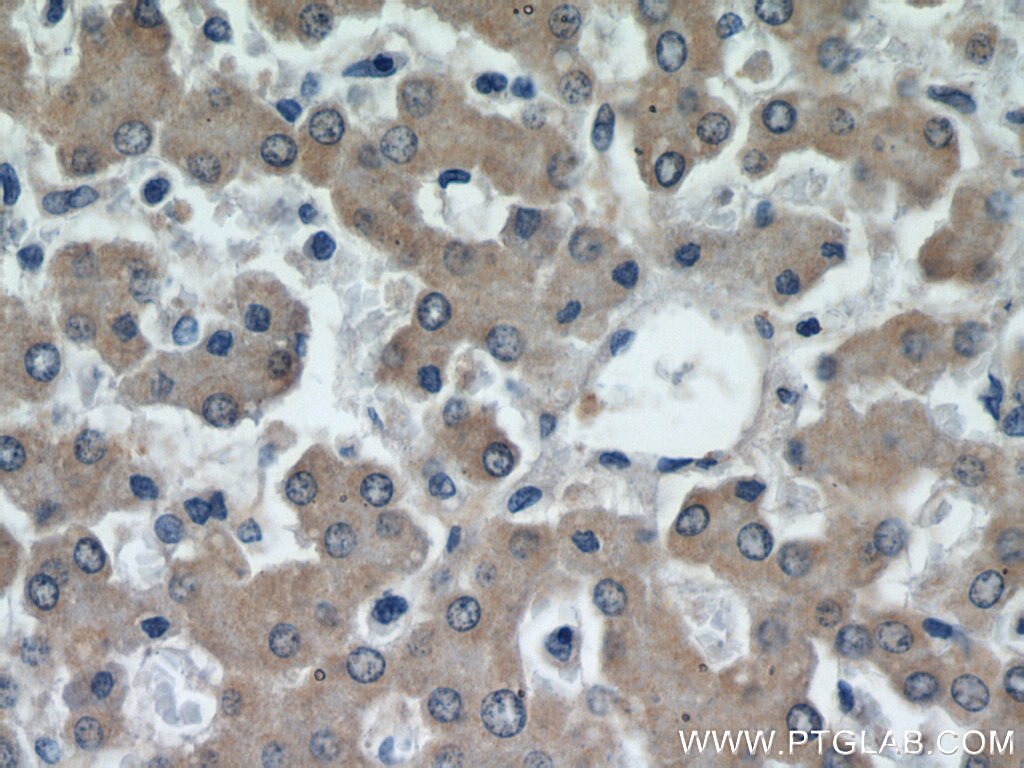
| Positive IHC detected in | human breast cancer tissue, human liver tissue, human stomach cancer tissue Note: suggested antigen retrieval with TE buffer pH 9.0; (*) Alternatively, antigen retrieval may be performed with citrate buffer pH 6.0 |
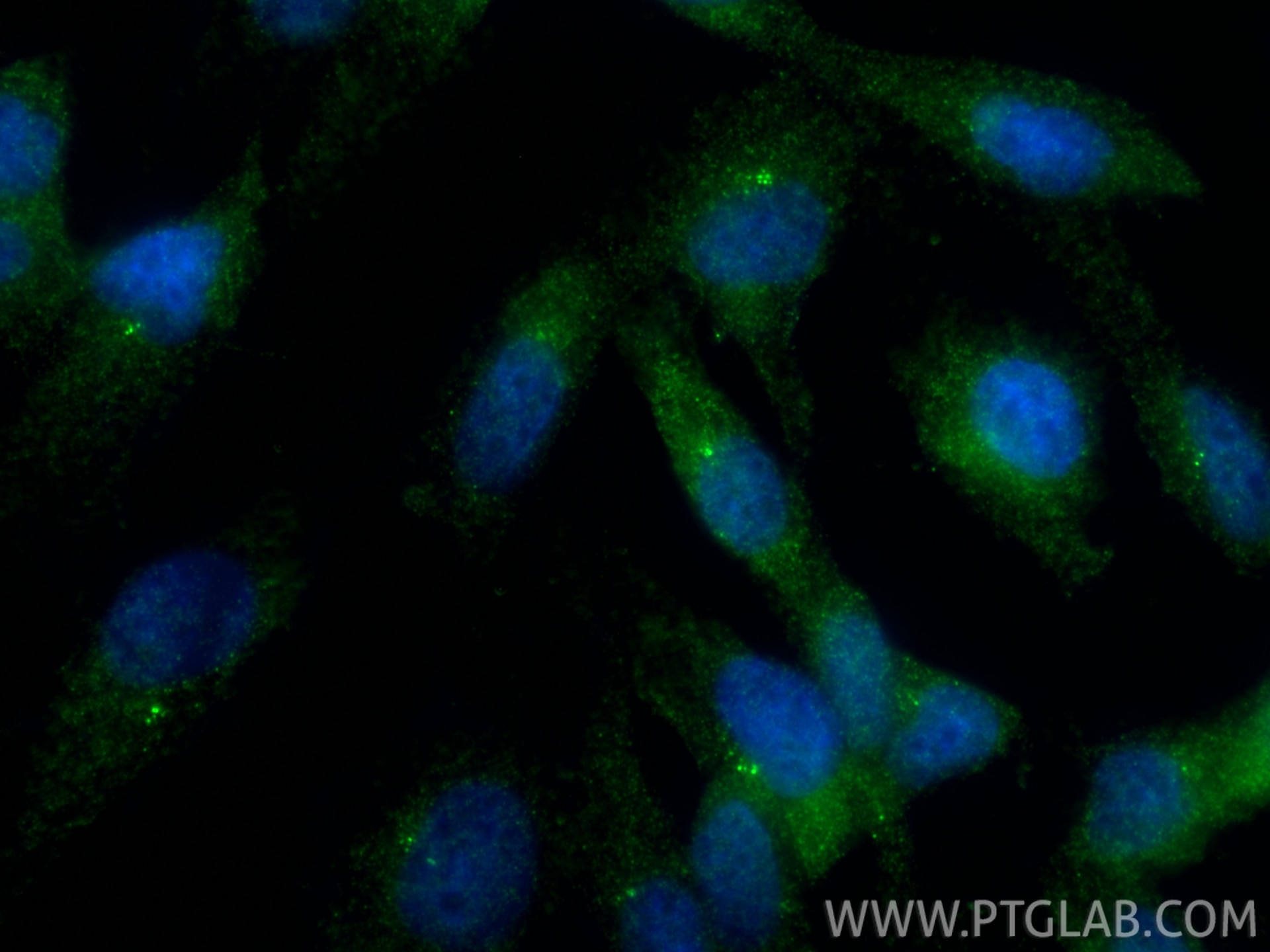
| Positive IF/ICC detected in | MDCK cells |
Recommended dilution
| Application | Dilution |
|---|---|
| Western Blot (WB) | WB : 1:1000-1:8000 |
| Immunoprecipitation (IP) | IP : 0.5-4.0 ug for 1.0-3.0 mg of total protein lysate |
| Immunohistochemistry (IHC) | IHC : 1:20-1:200 |
| Immunofluorescence (IF)/ICC | IF/ICC : 1:500-1:2000 |
| It is recommended that this reagent should be titrated in each testing system to obtain optimal results. | |
| Sample-dependent, Check data in validation data gallery. | |
Product Information
22050-1-AP targets CEP97 in WB, IHC, IF/ICC, IP, ELISA applications and shows reactivity with human, canine samples.
| Tested Reactivity | human, canine |
| Cited Reactivity | human, mouse, drosophila |
| Host / Isotype | Rabbit / IgG |
| Class | Polyclonal |
| Type | Antibody |
| Immunogen |
CatNo: Ag16995 Product name: Recombinant human CEP97 protein Source: e coli.-derived, PGEX-4T Tag: GST Domain: 506-865 aa of BC041085 Sequence: ESTEQKQSDIKKPENTQPENKETISQATSEKLPMILTQRSVALGQDKVALQKLNDAATKLQACWRGFYARNYNPQAKDVRYEIRLRRMQEHIVCLTDEIRRLRKERDEERIKKFVQEEAFRFLWNQVRSLQVWQQTVDQRLSSWHTDVPPISSTLVPSKHPLFTQSQESSCDQNADWFIASDVAPQEKSLPEFPDSGFHSSLTEQVHSLQHSLDFEKSSTEGSESSIMGNSIDTVRYGKESDLGDVSEEHGEWNKESSNNEQDNSLLEQYLTSVQQLEDADERTNFDTETRDSKLHIACFPVQLDTLSDGASVDESHGISPPLQGEISQTQENSKLNAEVQGQQPECDSTFQLLHVGVTV Predict reactive species |
| Full Name | centrosomal protein 97kDa |
| Calculated Molecular Weight | 865 aa, 97 kDa |
| Observed Molecular Weight | 130-140 kDa |
| GenBank Accession Number | BC041085 |
| Gene Symbol | CEP97 |
| Gene ID (NCBI) | 79598 |
| RRID | AB_11182378 |
| Conjugate | Unconjugated |
| Form | Liquid |
| Purification Method | Antigen affinity purification |
| UNIPROT ID | Q8IW35 |
| Storage Buffer | PBS with 0.02% sodium azide and 50% glycerol, pH 7.3. |
| Storage Conditions | Store at -20°C. Stable for one year after shipment. Aliquoting is unnecessary for -20oC storage. 20ul sizes contain 0.1% BSA. |
Background Information
CEP97, also named as LRRIQ2, contains one IQ domain, eight LRR (leucine-rich) repeats and one LRRCT domain. It collaborates with CEP110, being involved in the suppression of a cilia assembly program. CEP97 is required for correct spindle formation and has a role in cytokinesis. It is required for recruitment of CEP110 to the centrosome. This protein has a calculated MW ~97 kDa, although the protein migrates at a molecular weight of approximate 140 kDa. The protein is highly acidic, with a pI ~4.7, providing a potential explanation for its reduced mobility in SDS-PAGE. [PMID: 17719545]. This is a rabbit polyclonal antibody raised against the C terminus of human CEP97.
Protocols
| Product Specific Protocols | |
|---|---|
| IF protocol for CEP97 antibody 22050-1-AP | Download protocol |
| IHC protocol for CEP97 antibody 22050-1-AP | Download protocol |
| IP protocol for CEP97 antibody 22050-1-AP | Download protocol |
| WB protocol for CEP97 antibody 22050-1-AP | Download protocol |
| Standard Protocols | |
|---|---|
| Click here to view our Standard Protocols |
Publications
What published studies show
The CEP97 polyclonal antibody (Cat# 22050-1-AP) has 28 citations across 18 journals, including Cell, Nature Communications, Journal of Cell Biology, Current Biology, eLife, and Cell Reports. Citations span research fields such as centriole assembly, ciliogenesis, centrosome duplication, spindle formation, and cytokinesis, with applications primarily in WB, IF, and IP across human, mouse, and Drosophila species.
| Species | Application | Title |
|---|---|---|
Cell Time-series reconstruction of the molecular architecture of human centriole assembly | ||
Cell Res NudCL2 is an autophagy receptor that mediates selective autophagic degradation of CP110 at mother centrioles to promote ciliogenesis. | ||
Protein Cell Neddylation inhibitor MLN4924 suppresses cilia formation by modulating AKT1. | ||
Nat Commun M-Phase Phosphoprotein 9 regulates ciliogenesis by modulating CP110-CEP97 complex localization at the mother centriole. | ||
J Clin Invest Primary cilia formation requires the Leigh syndrome-associated mitochondrial protein NDUFAF2 | ||
Cell Death Dis TUFT1 regulates cancer progression by suppressing centrosome amplification and mitotic spindle multipolarity |













