

Tested Applications
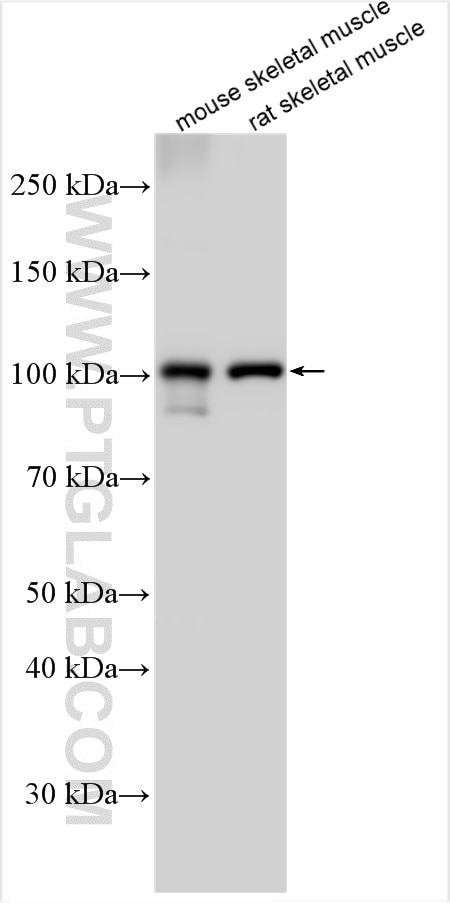
| Positive WB detected in | mouse skeletal muscle tissue, rat skeletal muscle tissue |
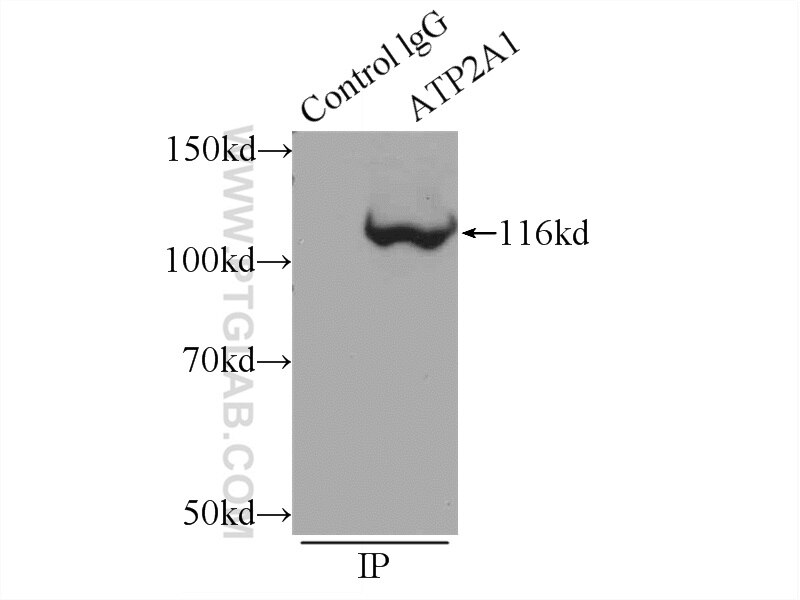
| Positive IP detected in | mouse skeletal muscle tissue |
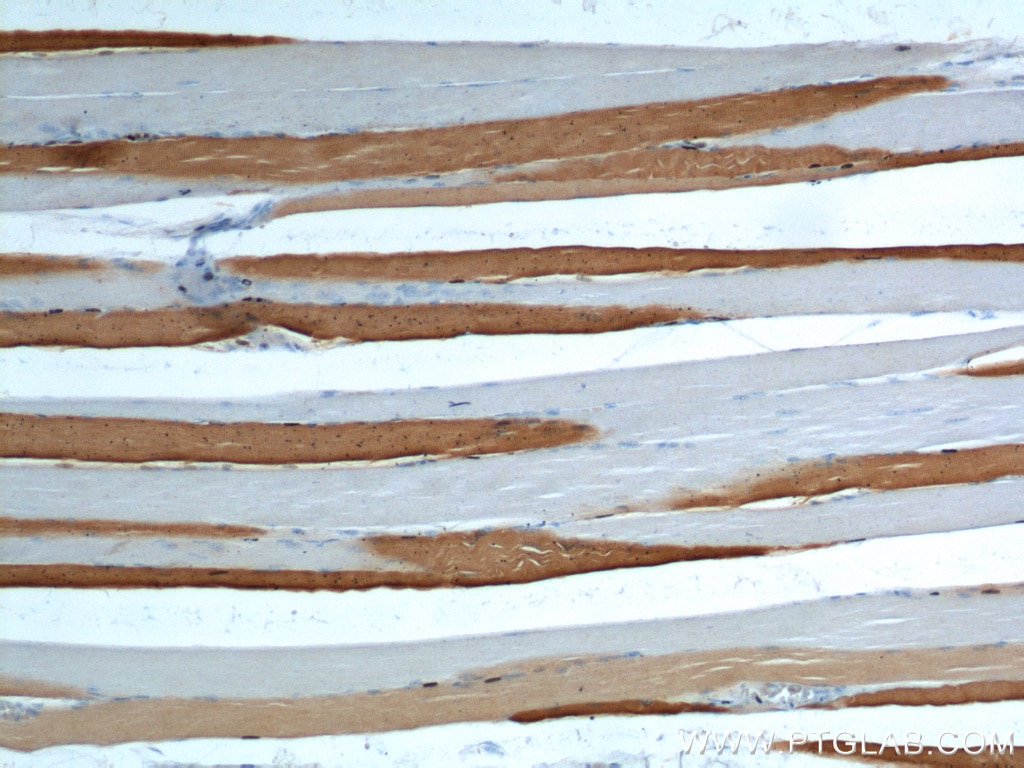
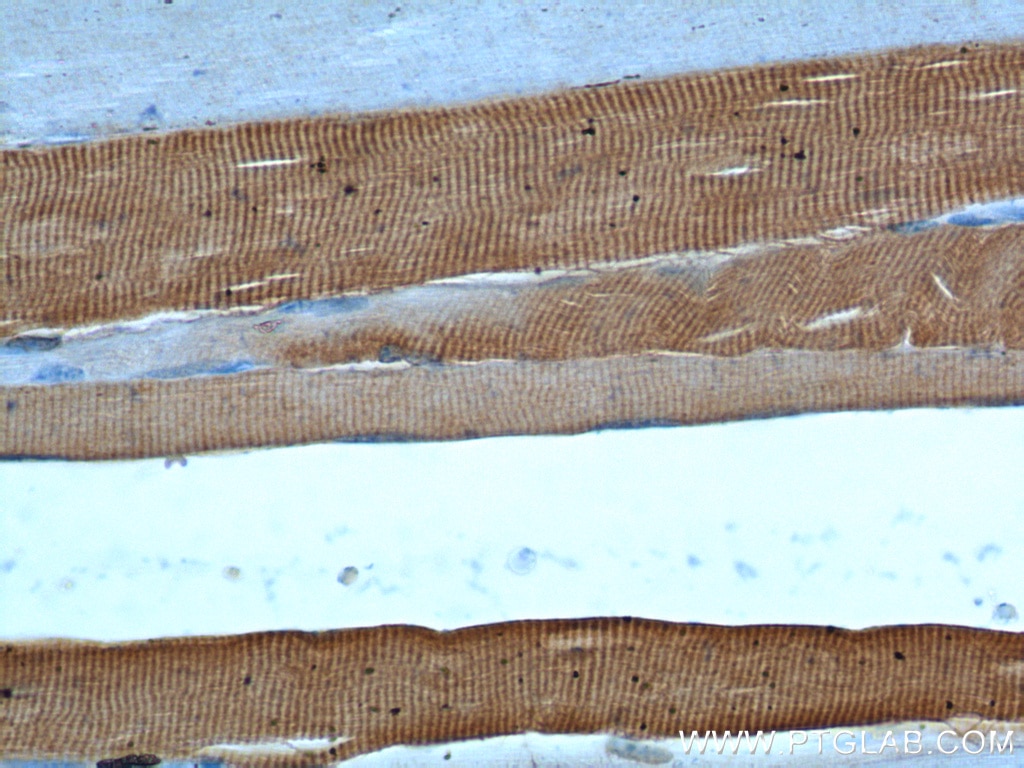
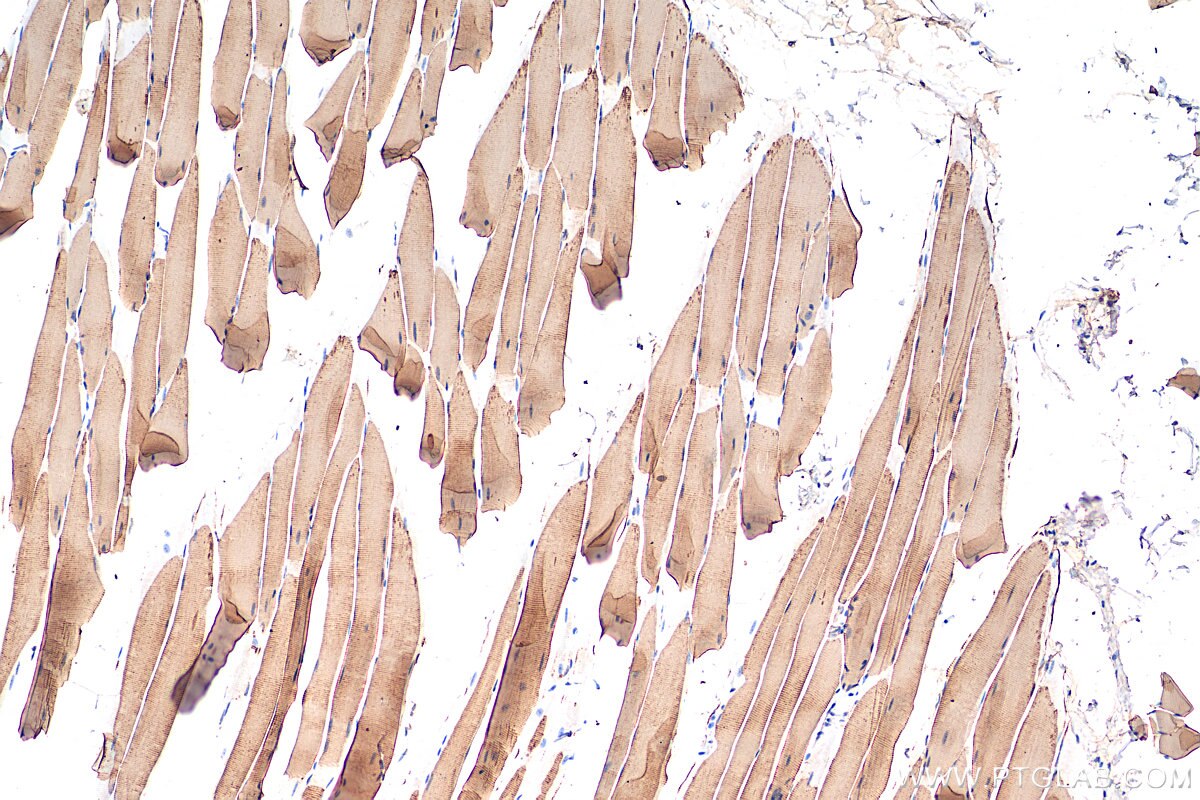
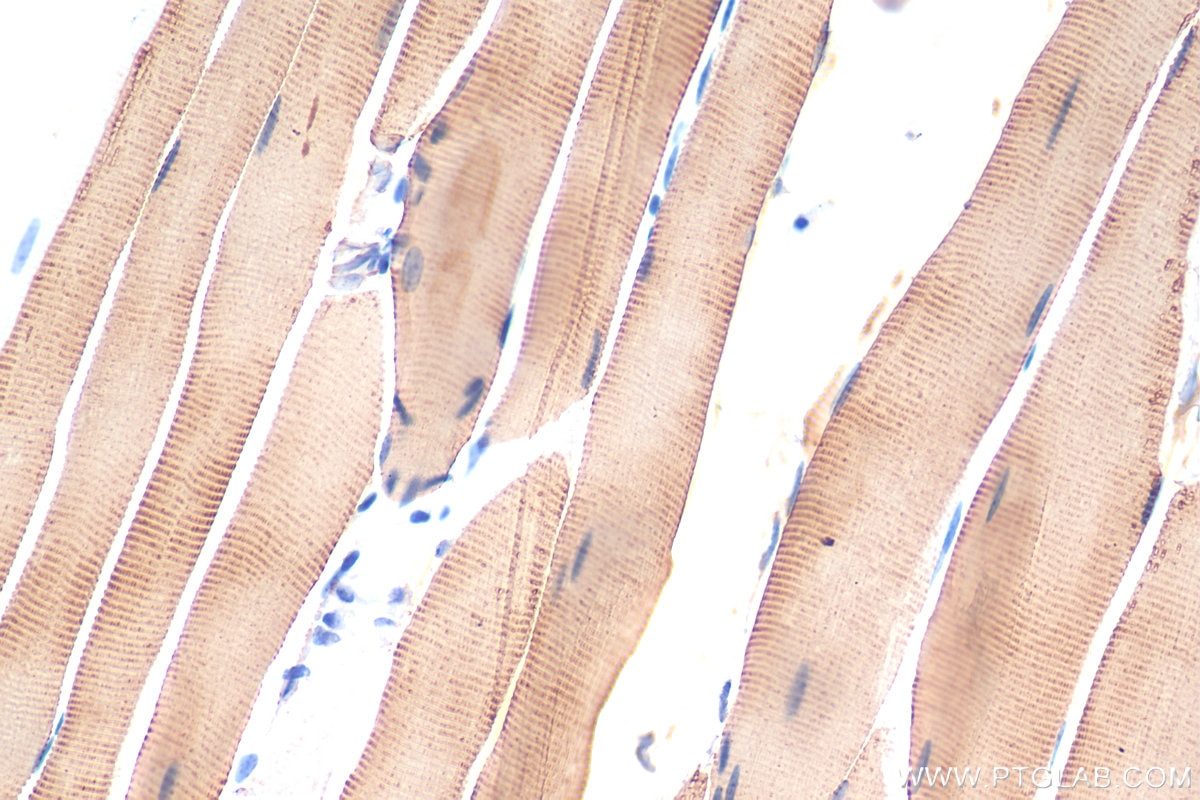
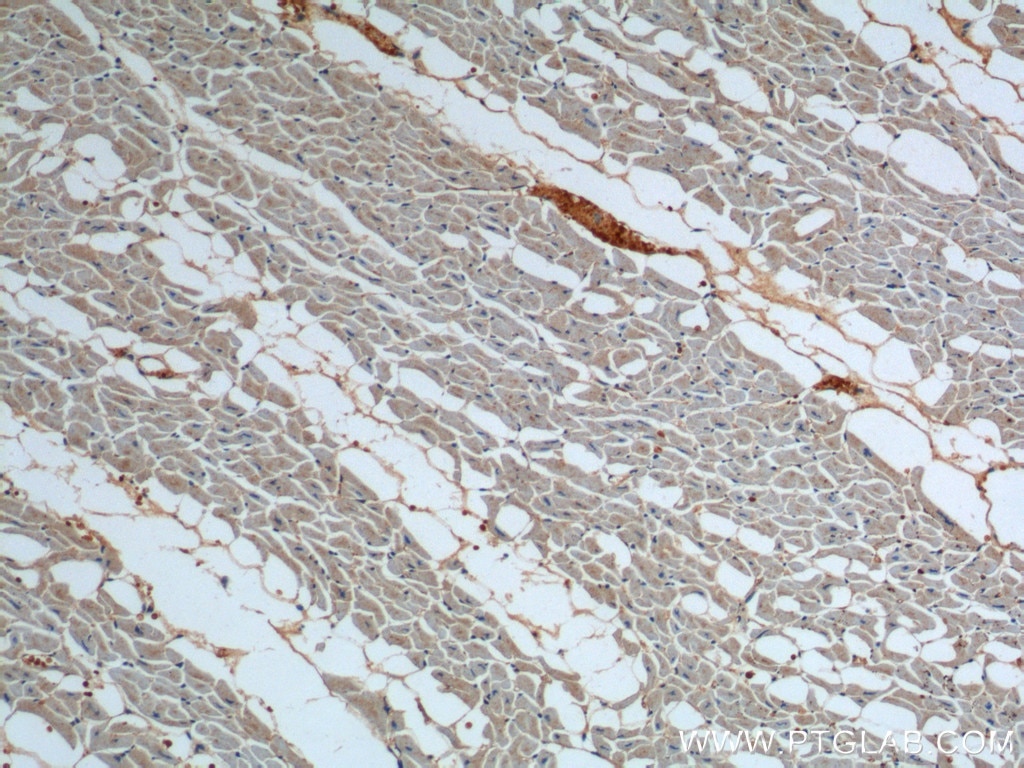
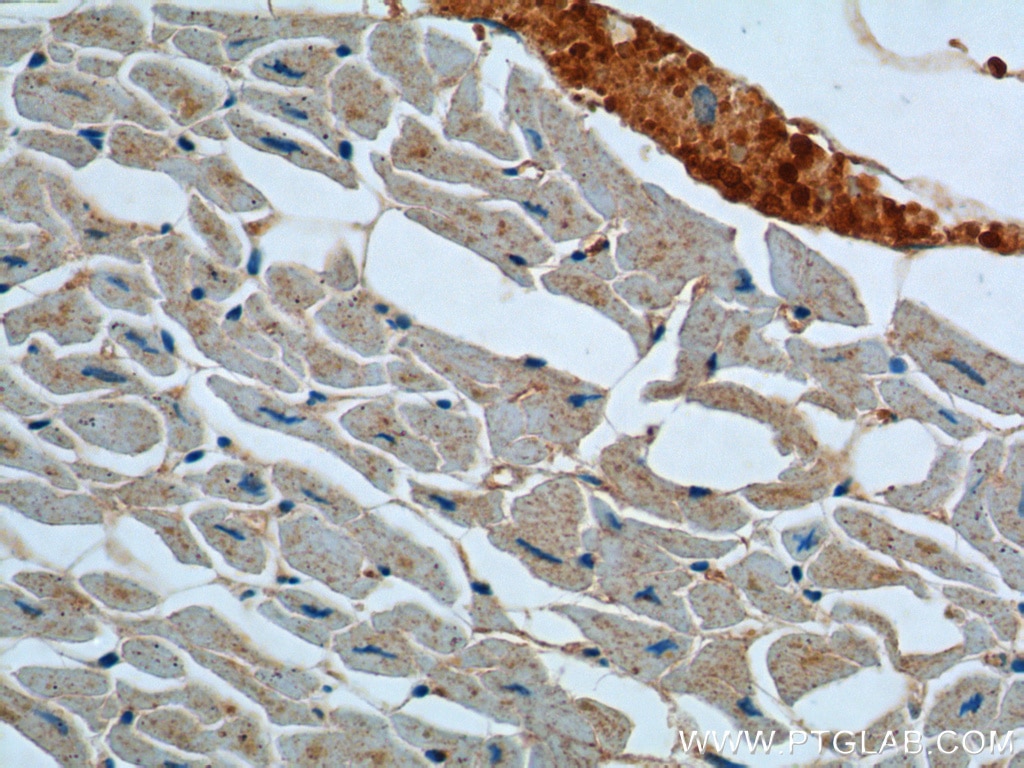
| Positive IHC detected in | human skeletal muscle tissue, human heart tissue, mouse skeletal muscle tissue Note: suggested antigen retrieval with TE buffer pH 9.0; (*) Alternatively, antigen retrieval may be performed with citrate buffer pH 6.0 |
Recommended dilution
| Application | Dilution |
|---|---|
| Western Blot (WB) | WB : 1:20000-1:100000 |
| Immunoprecipitation (IP) | IP : 0.5-4.0 ug for 1.0-3.0 mg of total protein lysate |
| Immunohistochemistry (IHC) | IHC : 1:50-1:500 |
| It is recommended that this reagent should be titrated in each testing system to obtain optimal results. | |
| Sample-dependent, Check data in validation data gallery. | |
Product Information
22361-1-AP targets ATP2A1 in WB, IHC, IF, IP, ELISA applications and shows reactivity with human, mouse, rat samples.
| Tested Reactivity | human, mouse, rat |
| Cited Reactivity | human, mouse, pig, chicken |
| Host / Isotype | Rabbit / IgG |
| Class | Polyclonal |
| Type | Antibody |
| Immunogen |
CatNo: Ag17944 Product name: Recombinant human ATP2A1 protein Source: e coli.-derived, PGEX-4T Tag: GST Domain: 561-635 aa of BC037354 Sequence: RCNYVRVGTTRVPLTGPVKEKIMAVIKEWGTGRDTLRCLALATRDTPPKREEMVLDDSARFLEYETDLTFVGVVG Predict reactive species |
| Full Name | ATPase, Ca++ transporting, cardiac muscle, fast twitch 1 |
| Calculated Molecular Weight | 1001 aa, 110 kDa |
| Observed Molecular Weight | 116 kDa |
| GenBank Accession Number | BC037354 |
| Gene Symbol | ATP2A1 |
| Gene ID (NCBI) | 487 |
| RRID | AB_2879089 |
| Conjugate | Unconjugated |
| Form | Liquid |
| Purification Method | Antigen Affinity purified |
| UNIPROT ID | O14983 |
| Storage Buffer | PBS with 0.02% sodium azide and 50% glycerol, pH 7.3. |
| Storage Conditions | Store at -20°C. Stable for one year after shipment. Aliquoting is unnecessary for -20oC storage. 20ul sizes contain 0.1% BSA. |
Background Information
ATP2A1 also known as SERCA1, encodes one of the SERCA Ca(2+)-ATPases, which are intracellular pumps located in the sarcoplasmic or endoplasmic reticula of muscle cells. This enzyme catalyzes the hydrolysis of ATP coupled with the translocation of calcium from the cytosol to the sarcoplasmic reticulum lumen and is involved in muscular excitation and contraction. Mutations in ATP2A1 cause some autosomal recessive forms of Brody disease(PMID: 23911890, 10914677).
Protocols
| Product Specific Protocols | |
|---|---|
| IHC protocol for ATP2A1 antibody 22361-1-AP | Download protocol |
| IP protocol for ATP2A1 antibody 22361-1-AP | Download protocol |
| WB protocol for ATP2A1 antibody 22361-1-AP | Download protocol |
| Standard Protocols | |
|---|---|
| Click here to view our Standard Protocols |
Publications
What published studies show
The ATP2A1 Polyclonal antibody (Cat# 22361-1-AP) has 14 citations across journals including Nature Metabolism, Acta Pharmaceutica Sinica B, Molecular Therapy Nucleic Acids, Journal of Endocrinology, International Journal of Molecular Sciences, Poultry Science, Frontiers in Physiology, Metallomics, Histochemistry and Cell Biology, Physiology & Behavior, Comparative Biochemistry and Physiology B, Journal of Muscle Research and Cell Motility, and Physiological Reports. Research fields span calcium homeostasis, muscle physiology, thermogenesis, cardiac function, and cancer.
| Species | Application | Title |
|---|---|---|
Nat Metab Cellular Feimin enhances exercise performance by suppressing muscle thermogenesis | ||
Acta Pharm Sin B Highly expressed SERCA2 triggers tumor cell autophagy and is a druggable vulnerability in triple-negative breast cancer | ||
Mol Ther Nucleic Acids lnc-3215 Suppression Leads to Calcium Overload in Selenium Deficiency-Induced Chicken Heart Lesion via the lnc-3215-miR-1594-TNN2 Pathway. | ||
Int J Mol Sci The Effects of Aging on Sarcoplasmic Reticulum-Related Factors in the Skeletal Muscle of Mice | ||
Int J Mol Sci Protective Effect of Paeoniae Radix Alba Carbonisata on Hepatic Amyloidosis by Regulating Calcium Homeostasis. |









