


Tested Applications
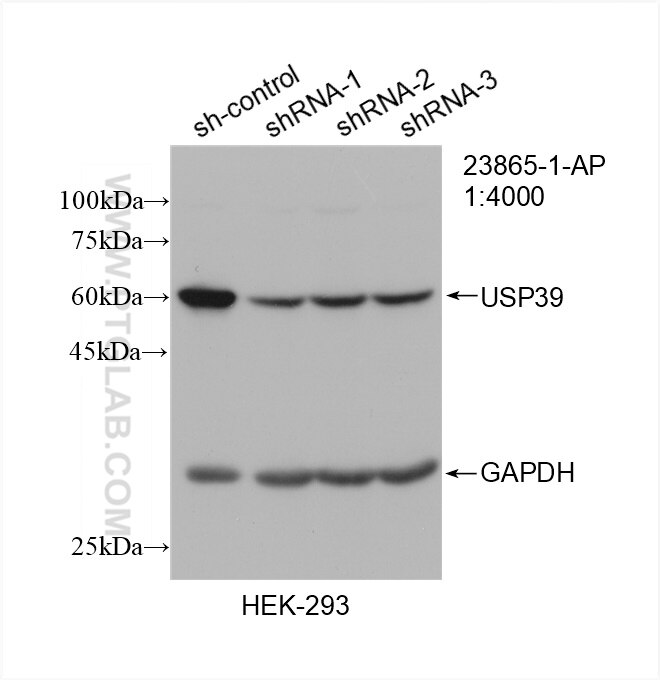
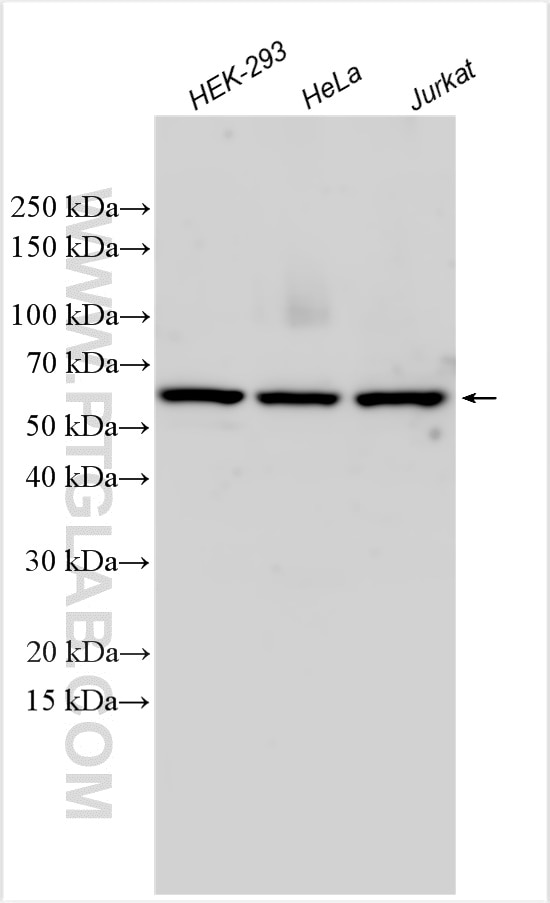
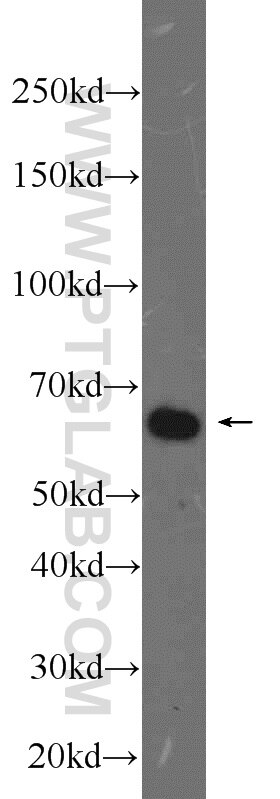
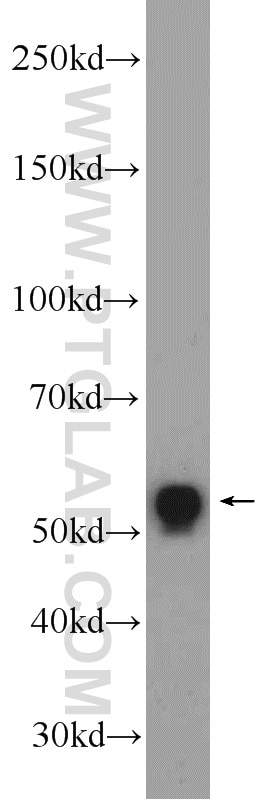
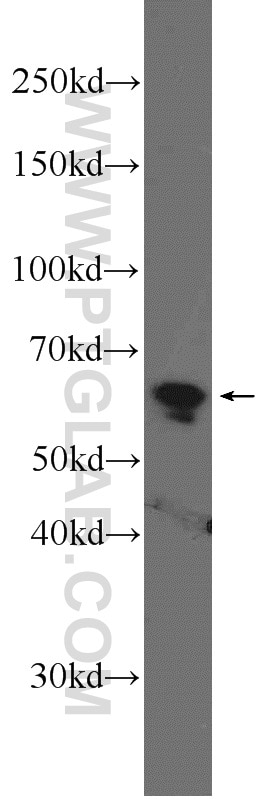
| Positive WB detected in | HEK-293 cells, HeLa cells, HepG2 cells, K-562 cells, Jurkat cells |
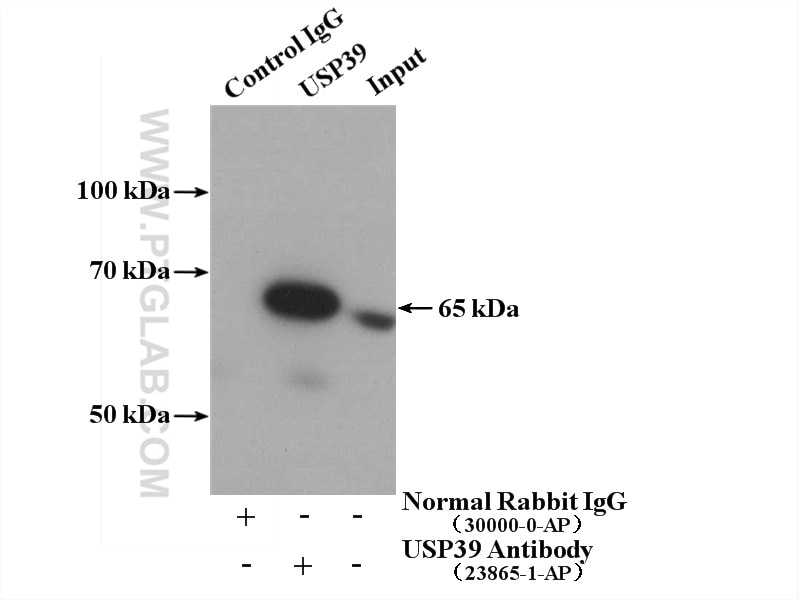
| Positive IP detected in | K-562 cells |
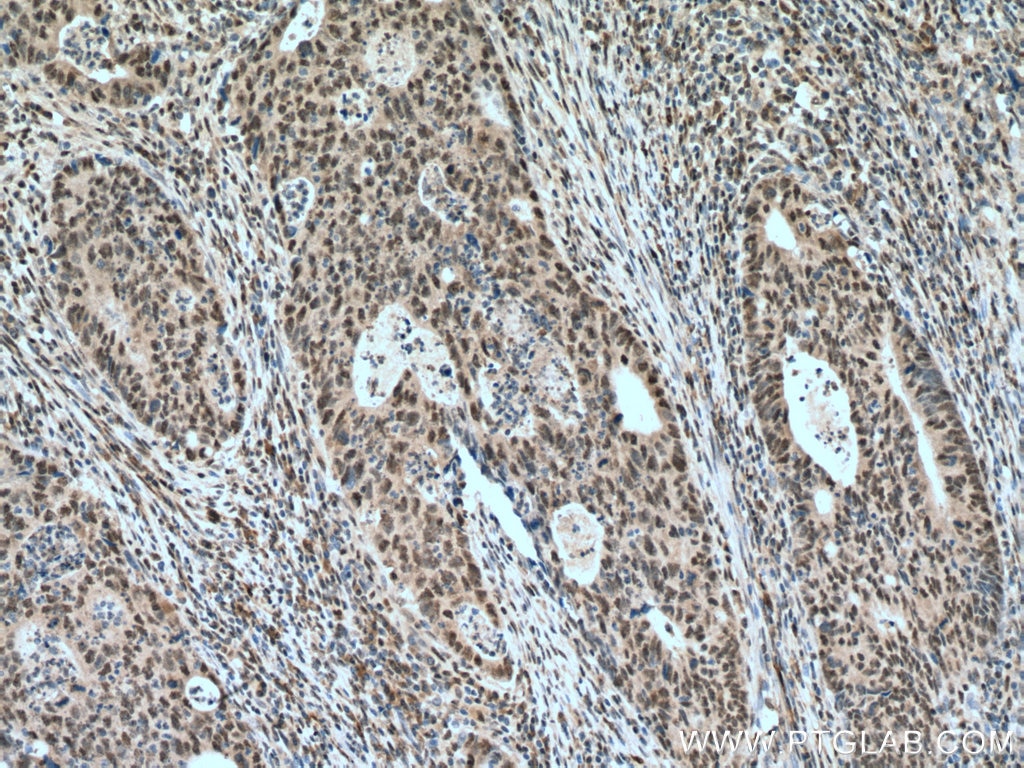
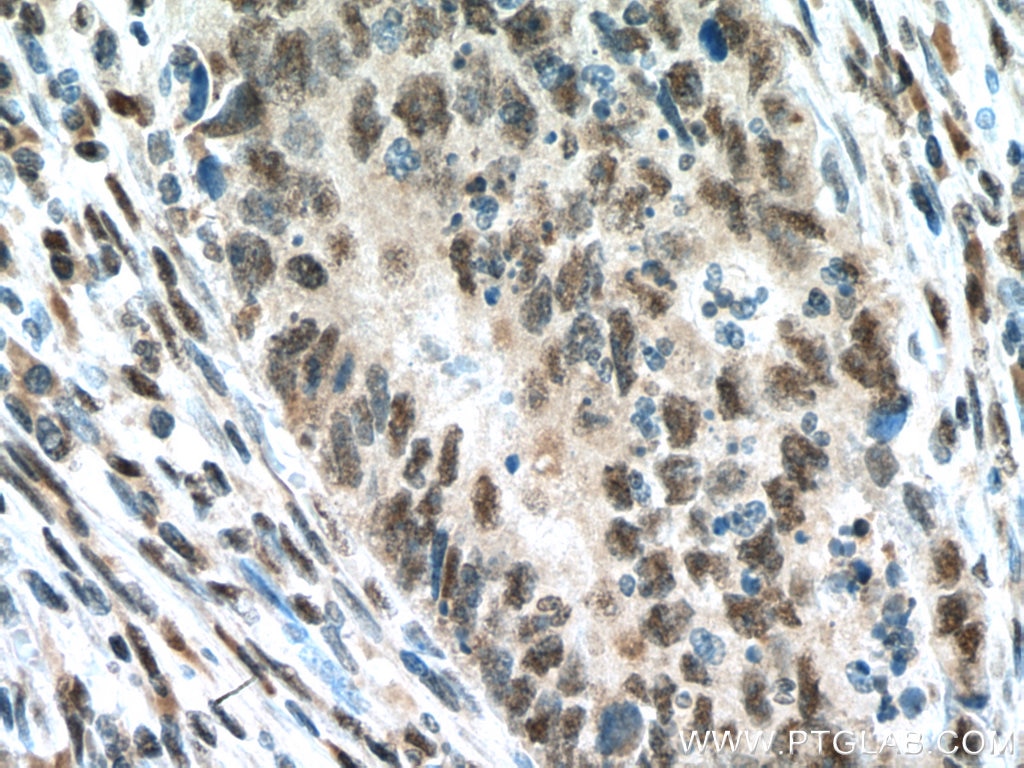
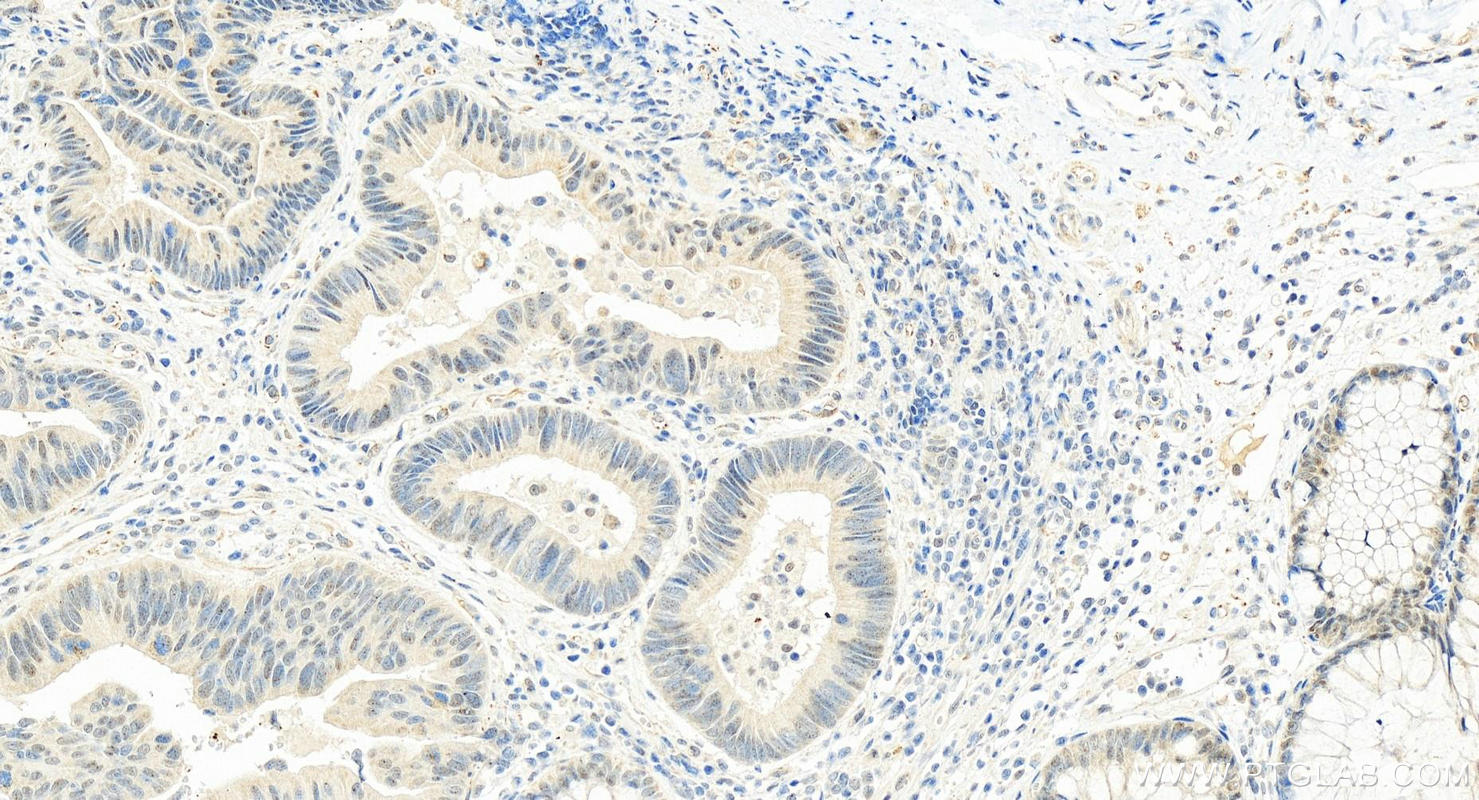
| Positive IHC detected in | human colon cancer tissue Note: suggested antigen retrieval with TE buffer pH 9.0; (*) Alternatively, antigen retrieval may be performed with citrate buffer pH 6.0 |
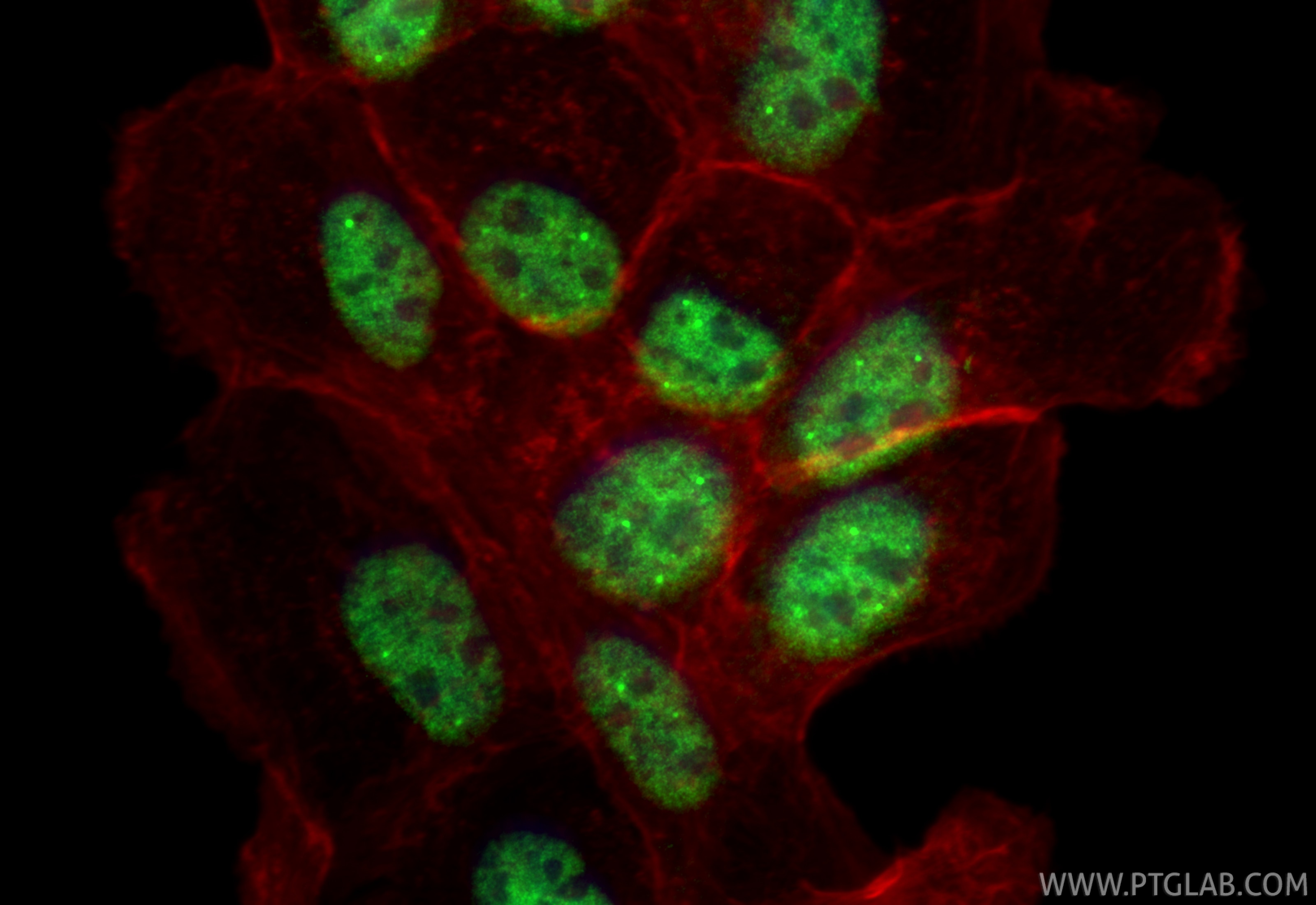
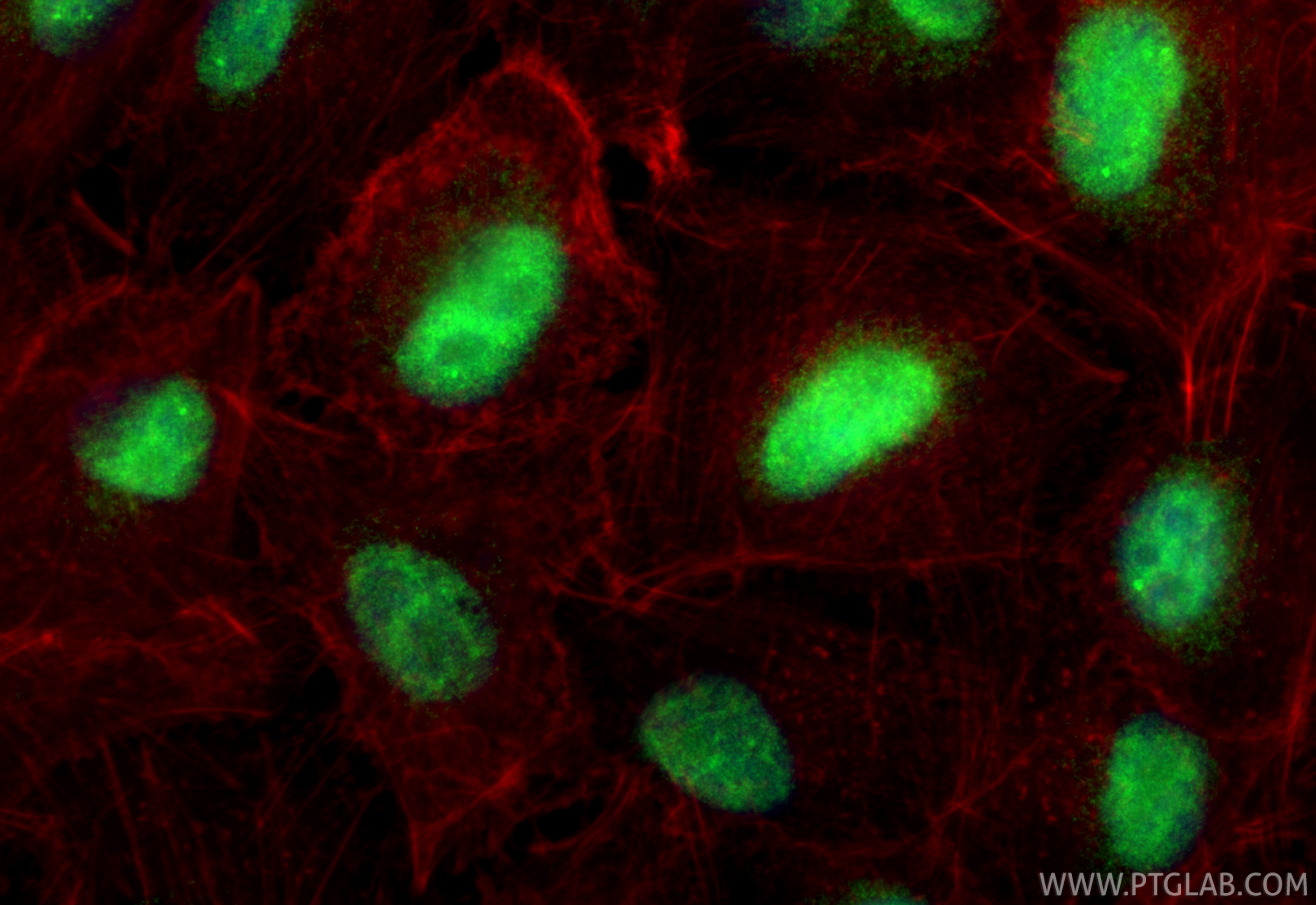
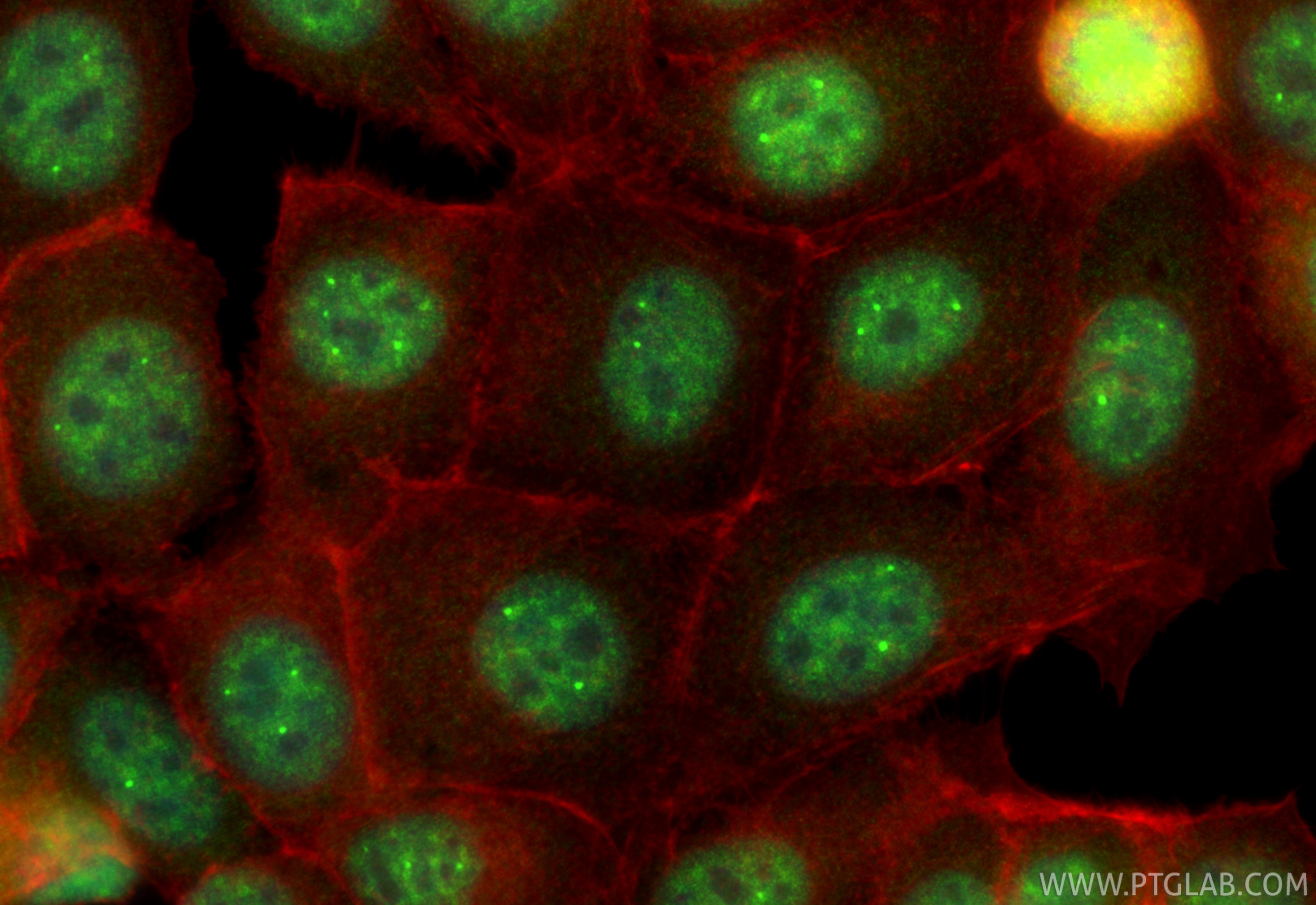
| Positive IF/ICC detected in | MCF-7 cells, A431 cells, A549 cells |
Recommended dilution
| Application | Dilution |
|---|---|
| Western Blot (WB) | WB : 1:2000-1:16000 |
| Immunoprecipitation (IP) | IP : 0.5-4.0 ug for 1.0-3.0 mg of total protein lysate |
| Immunohistochemistry (IHC) | IHC : 1:600-1:2400 |
| Immunofluorescence (IF)/ICC | IF/ICC : 1:50-1:500 |
| It is recommended that this reagent should be titrated in each testing system to obtain optimal results. | |
| Sample-dependent, Check data in validation data gallery. | |
Product Information
23865-1-AP targets USP39 in WB, IHC, IF/ICC, IP, CoIP, RIP, ELISA applications and shows reactivity with human samples.
| Tested Reactivity | human |
| Cited Reactivity | human, mouse |
| Host / Isotype | Rabbit / IgG |
| Class | Polyclonal |
| Type | Antibody |
| Immunogen |
CatNo: Ag20894 Product name: Recombinant human USP39 protein Source: e coli.-derived, PET30a Tag: 6*His Domain: 1-357 aa of BC067273 Sequence: MSGRSKRESRGSTRGKRESESRGSSGRVKRERDREREPEAASSRGSPVRVKREFEPASAREAPASVVPFVRVKREREVDEDSEPEREVRAKNGRVDSEDRRSRHCPYLDTINRSVLDFDFEKLCSISLSHINAYACLVCGKYFQGRGLKSHAYIHSVQFSHHVFLNLHTLKFYCLPDNYEIIDSSLEDITYVLKPTFTKQQIANLDKQAKLSRAYDGTTYLPGIVGLNNIKANDYANAVLQALSNVPPLRNYFLEEDNYKNIKRPPGDIMFLLVQRFGELMRKLWNPRNFKAHVSPHEMLQAVVLCSKKTFQITKQGDGVDFLSWFLNALHSALGGTKKKKKTIVTDVFQGSMRIFT Predict reactive species |
| Full Name | ubiquitin specific peptidase 39 |
| Calculated Molecular Weight | 565 aa, 65 kDa |
| Observed Molecular Weight | 60~65 kDa |
| GenBank Accession Number | BC067273 |
| Gene Symbol | USP39 |
| Gene ID (NCBI) | 10713 |
| RRID | AB_2879343 |
| Conjugate | Unconjugated |
| Form | Liquid |
| Purification Method | Antigen affinity purification |
| UNIPROT ID | Q53GS9 |
| Storage Buffer | PBS with 0.02% sodium azide and 50% glycerol, pH 7.3. |
| Storage Conditions | Store at -20°C. Stable for one year after shipment. Aliquoting is unnecessary for -20oC storage. 20ul sizes contain 0.1% BSA. |
Background Information
USP39 plays a role in many cellular processes including cellular antiviral response, epithelial morphogenesis, DNA repair or B-cell development. USP39 regulates apoptosis and G2/M cell cycle checkpoint in response to DNA damage by deubiquitinating and stabilizing CHK2
Protocols
| Product Specific Protocols | |
|---|---|
| IF protocol for USP39 antibody 23865-1-AP | Download protocol |
| IHC protocol for USP39 antibody 23865-1-AP | Download protocol |
| IP protocol for USP39 antibody 23865-1-AP | Download protocol |
| WB protocol for USP39 antibody 23865-1-AP | Download protocol |
| Standard Protocols | |
|---|---|
| Click here to view our Standard Protocols |
Publications
What published studies show
The USP39 antibody (Cat# 23865-1-AP) has 26 citations spanning journals including Cell Research, Immunity, Science Advances, Cell Reports, Oncotarget, Molecular Oncology, and Journal of Biological Chemistry. Research fields cover oncology (pancreatic, prostate, lung, breast, gastric, glioma, and other cancers), RNA splicing, deubiquitination, cell death pathways (ferroptosis, necroptosis, pyroptosis), viral infections (HIV, influenza), and intervertebral disc degeneration.
| Species | Application | Title |
|---|---|---|
J Hematol Oncol The LINC00623/NAT10 signaling axis promotes pancreatic cancer progression by remodeling ac4C modification of mRNA | ||
Cell Res Lysine 2-hydroxyisobutyrylation of NAT10 promotes cancer metastasis in an ac4C-dependent manner
| ||
Immunity Lactate modulates RNA splicing to promote CTLA-4 expression in tumor-infiltrating regulatory T cells | ||
Sci Adv Enhanced packaging of U6 small nuclear RNA and splicing-related proteins into extracellular vesicles during HIV infection | ||
Cell Commun Signal USP39 phase separates into the nucleolus and drives lung adenocarcinoma progression by promoting GLI1 expression
| ||
Cell Death Discov Histone lactylation promotes malignant progression by facilitating USP39 expression to target PI3K/AKT/HIF-1α signal pathway in endometrial carcinoma |














