
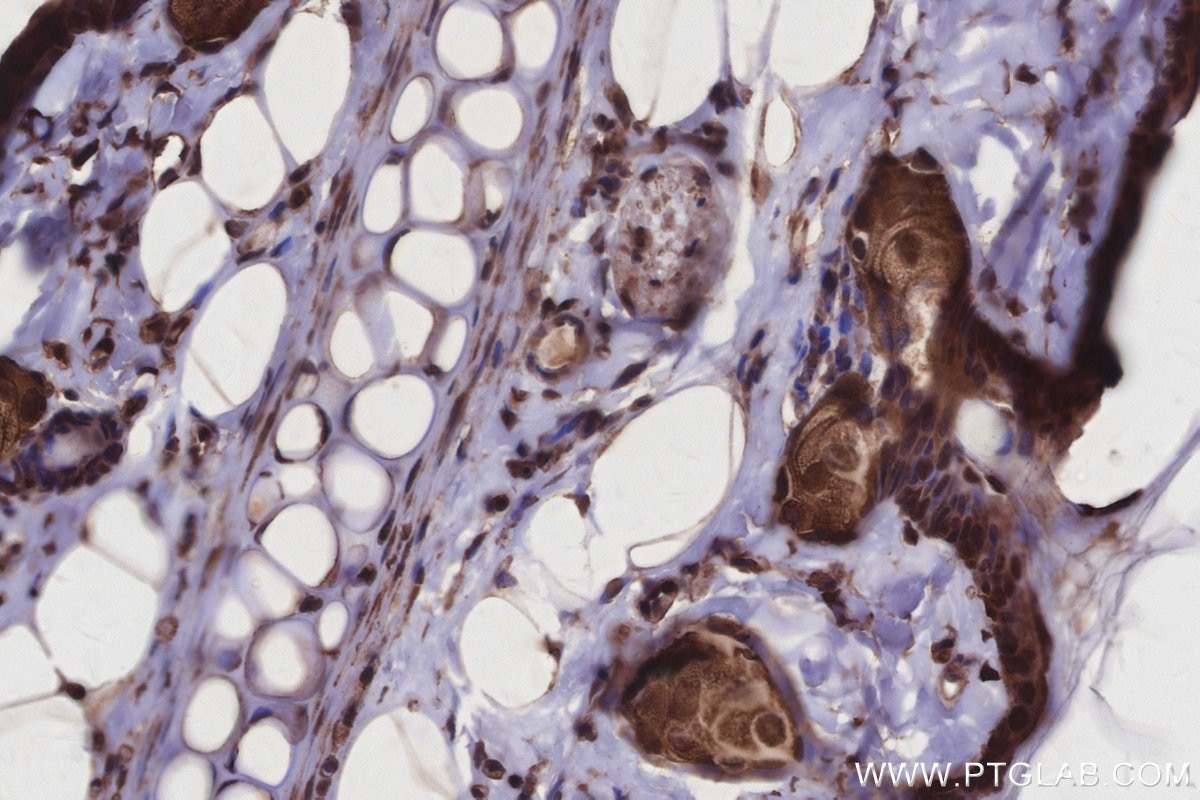
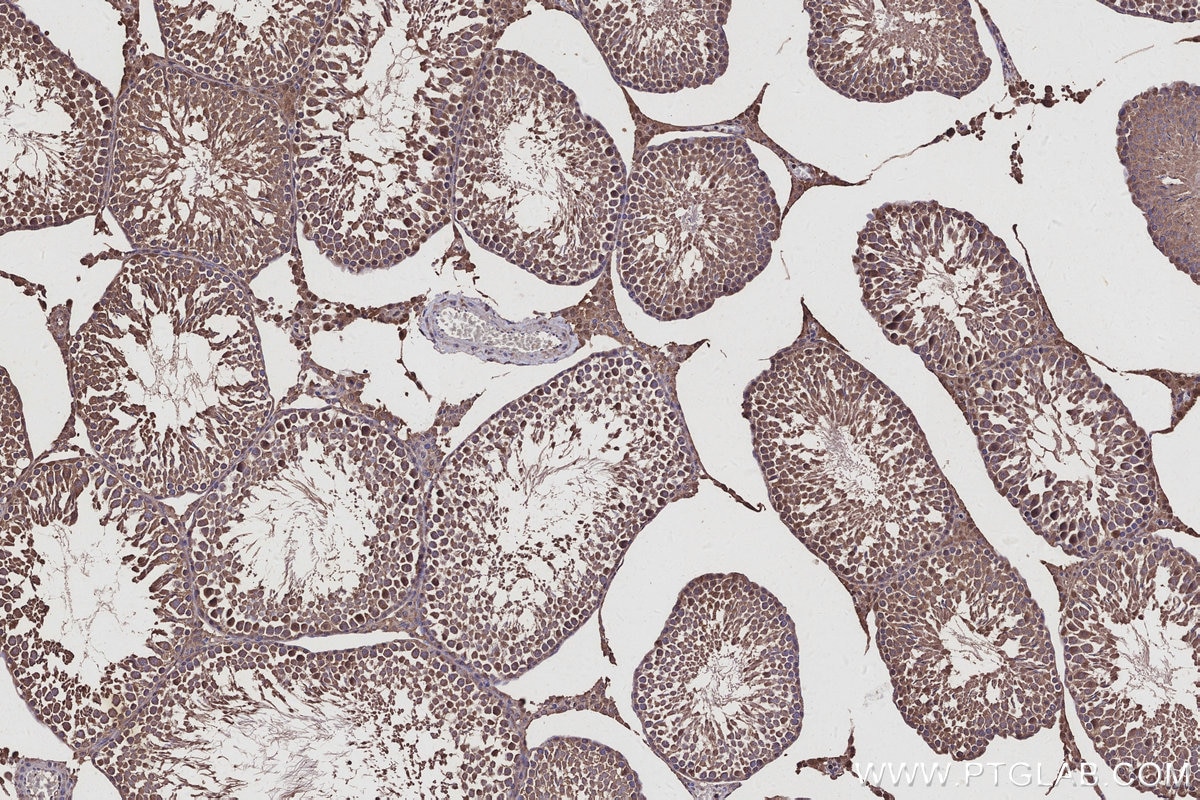

Tested Applications
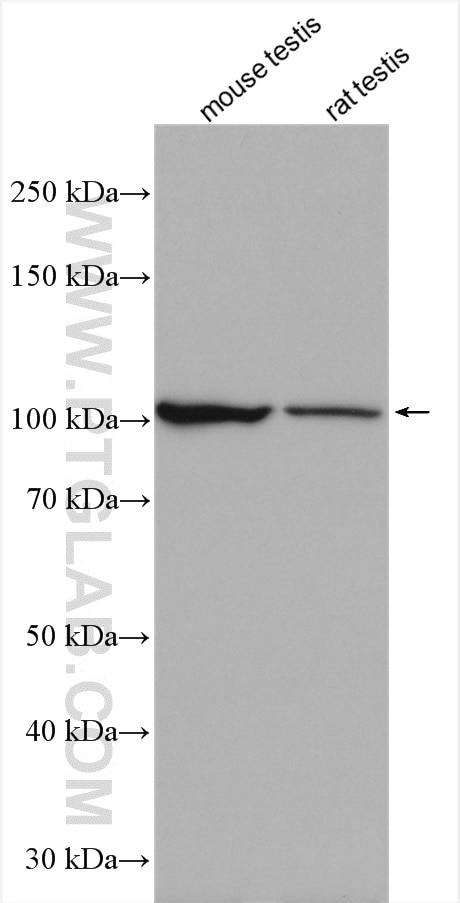
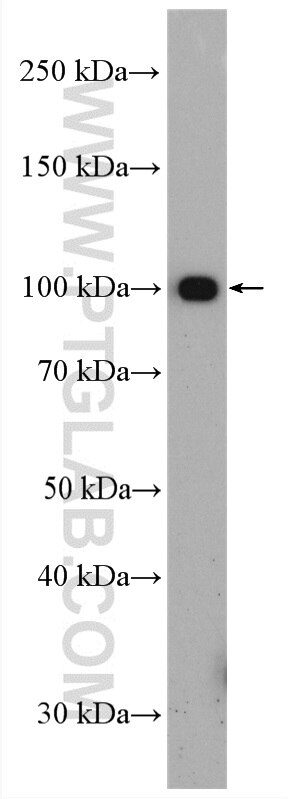
| Positive WB detected in | mouse testis tissue, rat testis tissue |
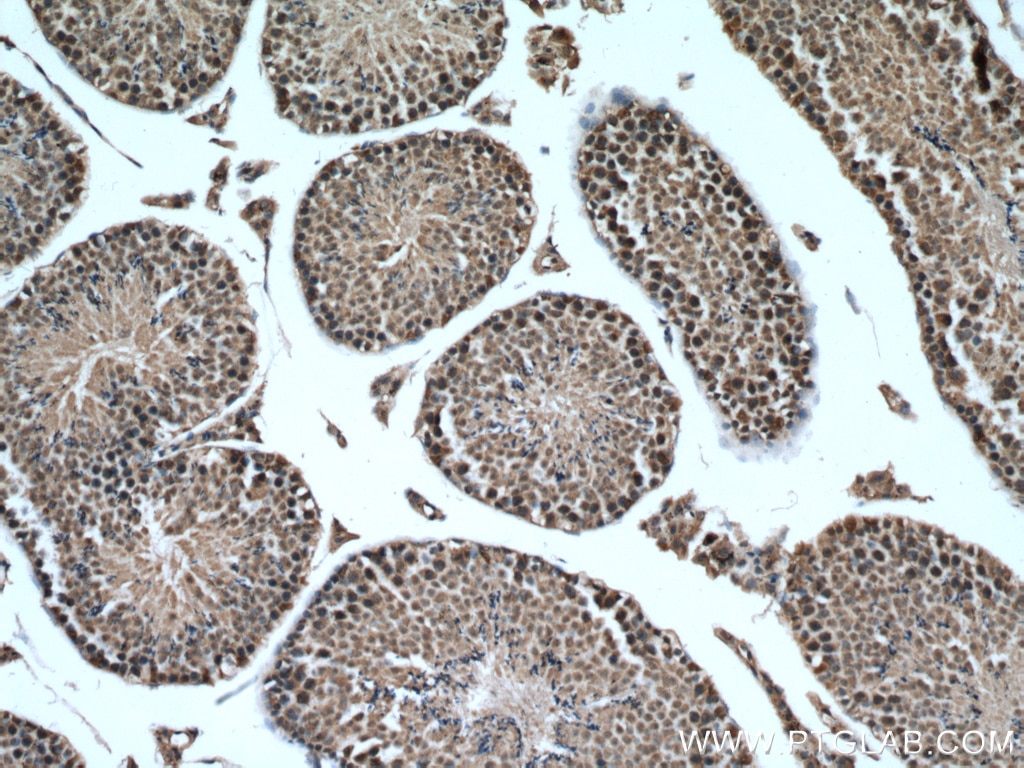
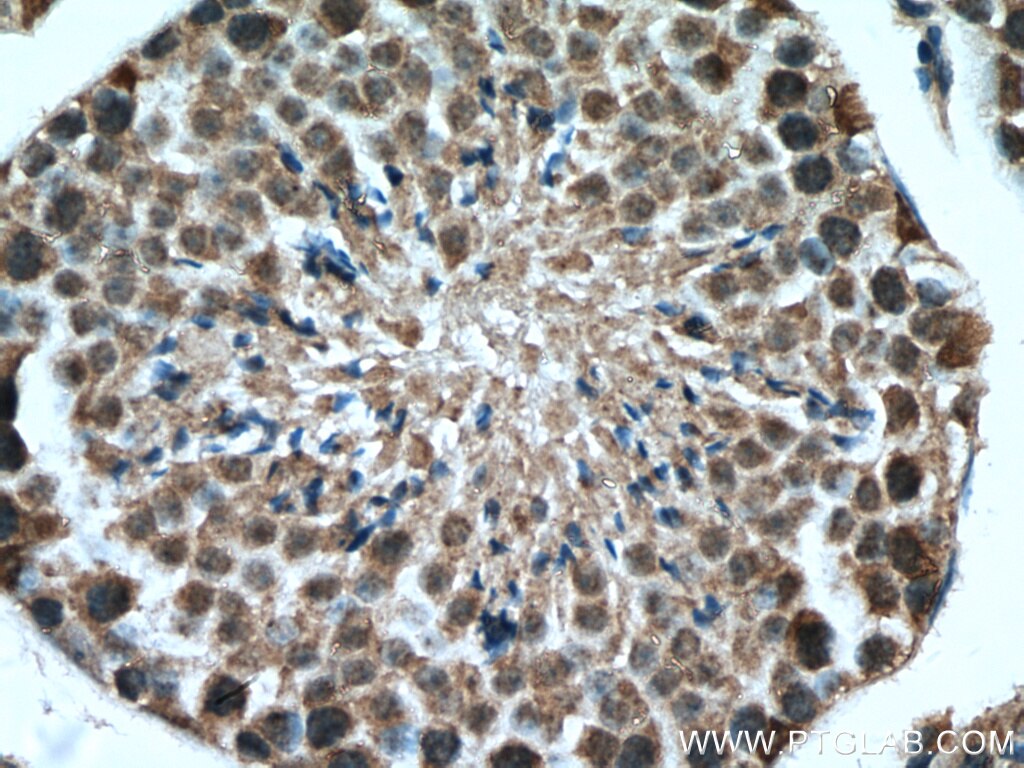
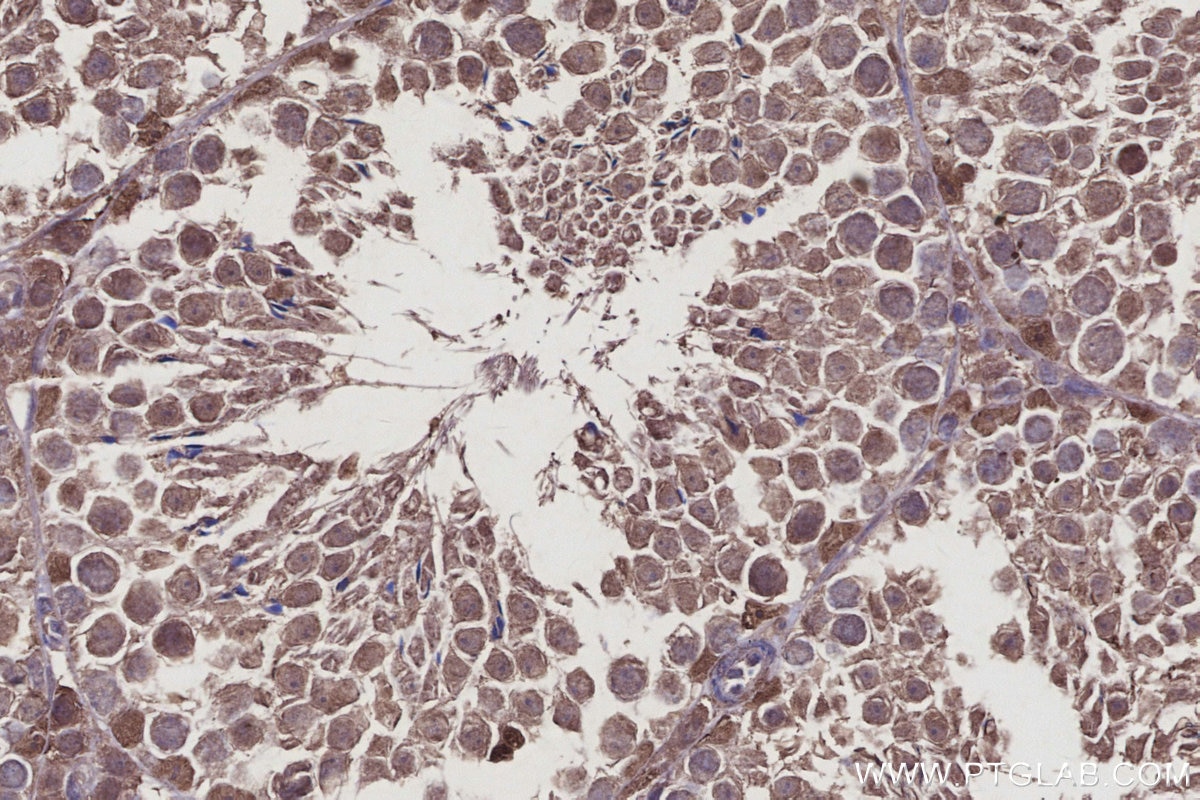
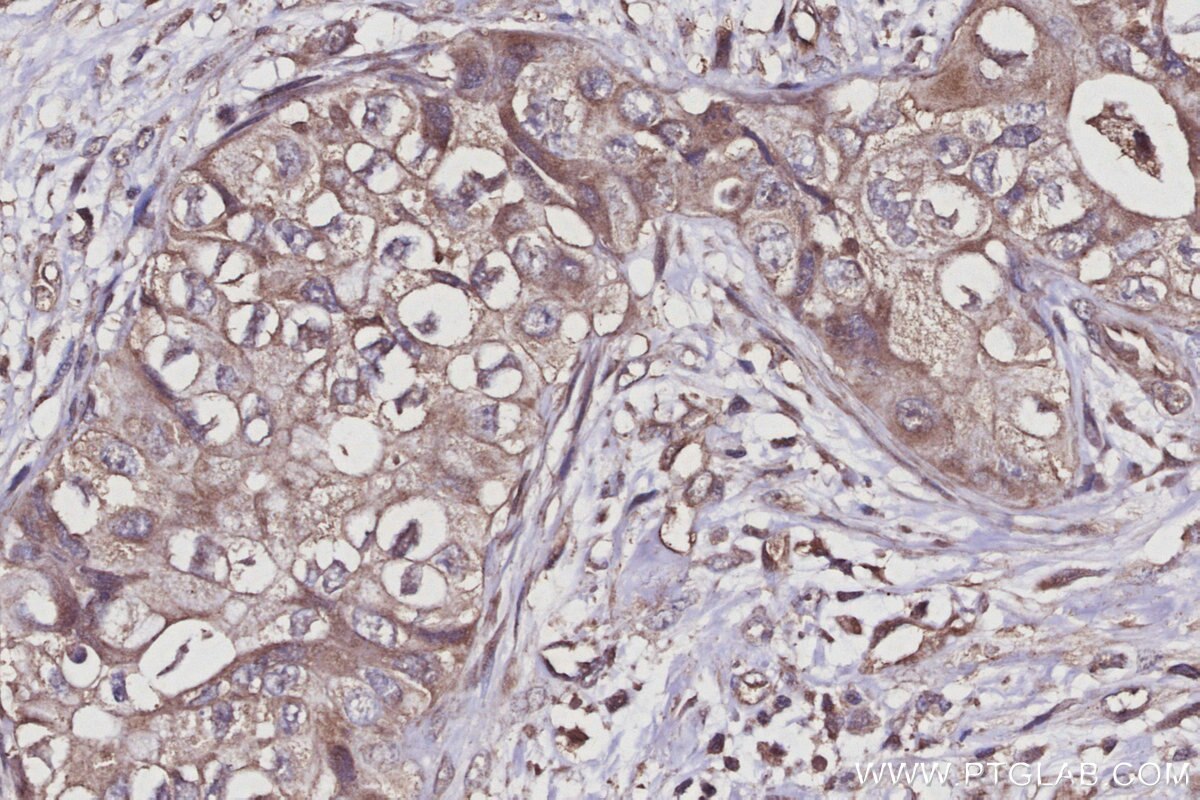
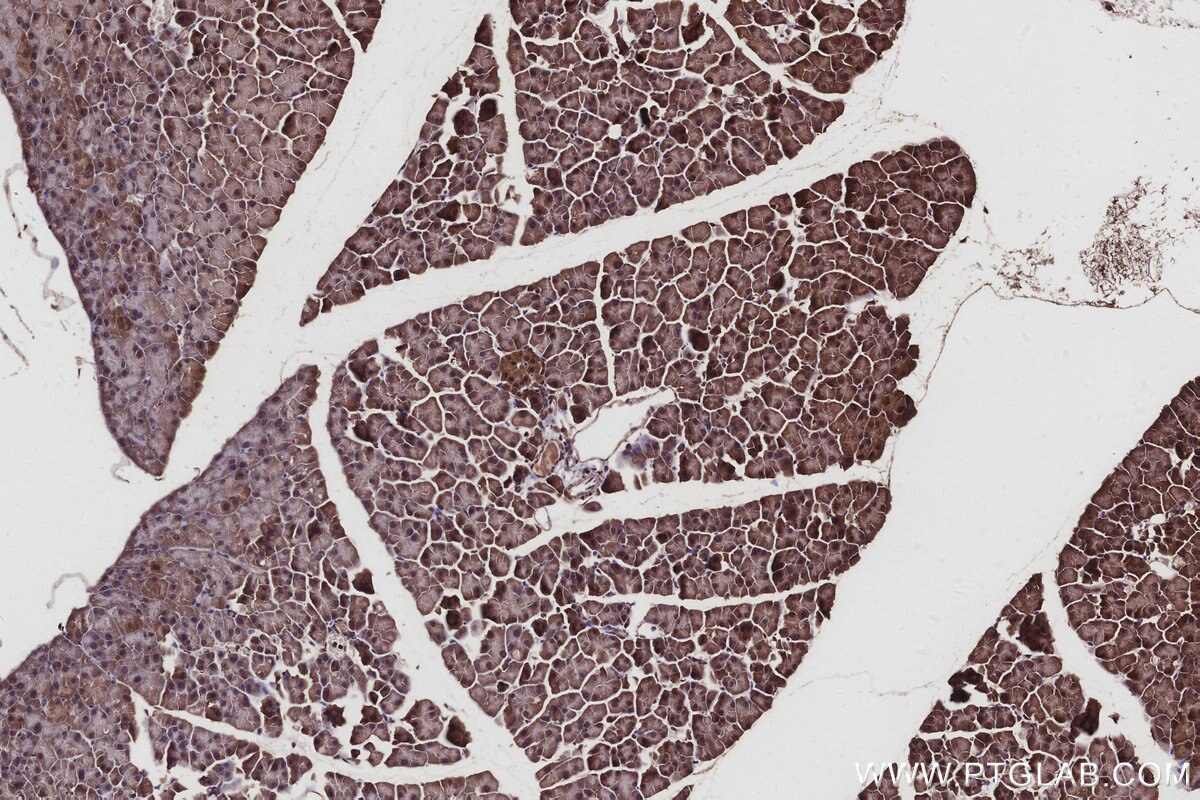
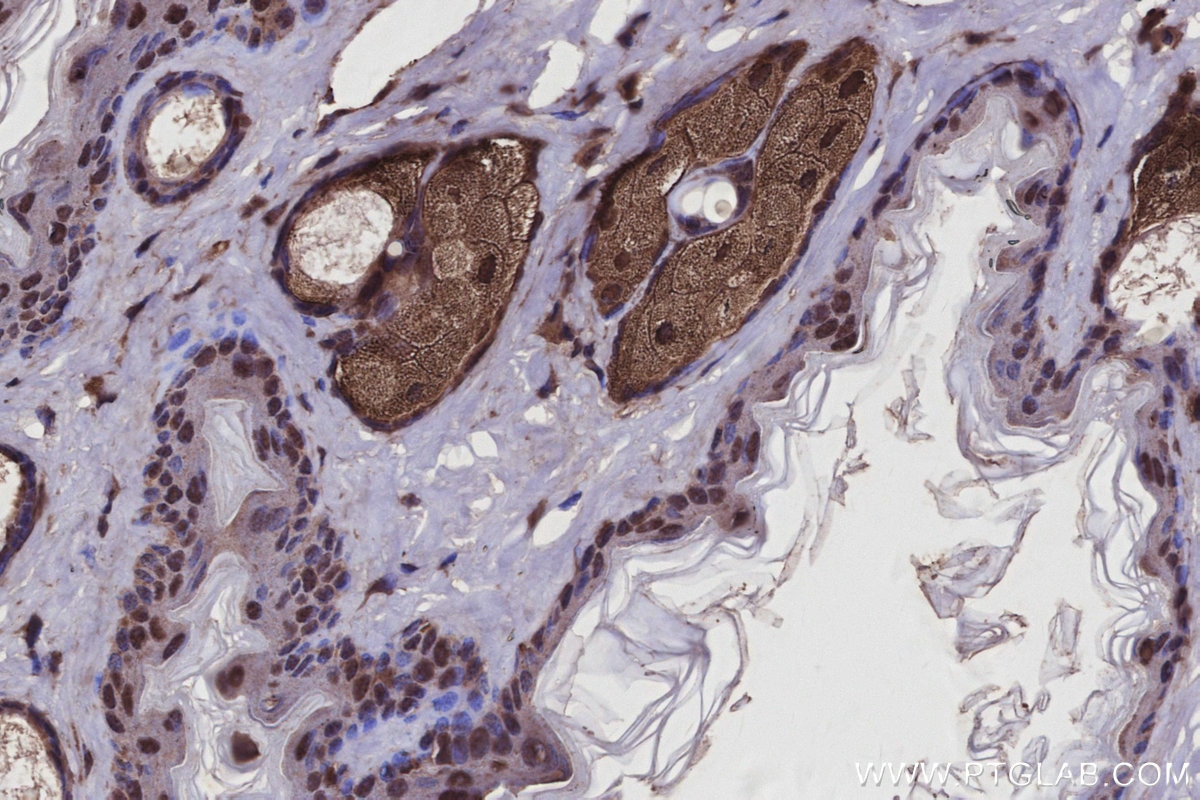
| Positive IHC detected in | mouse testis tissue, human pancreas cancer tissue, rat skin tissue, mouse pancreas tissue, rat testis tissue, mouse skin tissue Note: suggested antigen retrieval with TE buffer pH 9.0; (*) Alternatively, antigen retrieval may be performed with citrate buffer pH 6.0 |
Recommended dilution
| Application | Dilution |
|---|---|
| Western Blot (WB) | WB : 1:300-1:1000 |
| Immunohistochemistry (IHC) | IHC : 1:50-1:500 |
| It is recommended that this reagent should be titrated in each testing system to obtain optimal results. | |
| Sample-dependent, Check data in validation data gallery. | |
Product Information
27522-1-AP targets USP29 in WB, IHC, IF, IP, ELISA applications and shows reactivity with human, mouse, rat samples.
| Tested Reactivity | human, mouse, rat |
| Cited Reactivity | human, mouse, rat |
| Host / Isotype | Rabbit / IgG |
| Class | Polyclonal |
| Type | Antibody |
| Immunogen |
CatNo: Ag23231 Product name: Recombinant human USP29 protein Source: e coli.-derived, PET28a Tag: 6*His Domain: 1-285 aa of BC130394 Sequence: MISLKVCGFIQIWSQKTGMTKLKEALIETVQRQKEIKLVVTFKSGKFIRIFQLSNNIRSVVLRHCKKRQSHLRLTLKNNVFLFIDKLSYRDAKQLNMFLDIIHQNKSQQPMKSDDDWSVFESRNMLKEIDKTSFYSICNKPSYQKMPLFMSKSPTHVKKGILENQGGKGQNTLSSDVQTNEDILKEDNPVPNKKYKTDSLKYIQSNRKNPSSLEDLEKDRDLKLGPSFNTNCNGNPNLDETVLATQTLNAKNGLTSPLEPEHSQGDPRCNKAQVPLDSHSQQLQQ Predict reactive species |
| Full Name | ubiquitin specific peptidase 29 |
| Observed Molecular Weight | 104 kDa |
| GenBank Accession Number | BC130394 |
| Gene Symbol | USP29 |
| Gene ID (NCBI) | 57663 |
| RRID | AB_2880898 |
| Conjugate | Unconjugated |
| Form | Liquid |
| Purification Method | Antigen affinity purification |
| UNIPROT ID | Q9HBJ7 |
| Storage Buffer | PBS with 0.02% sodium azide and 50% glycerol, pH 7.3. |
| Storage Conditions | Store at -20°C. Stable for one year after shipment. Aliquoting is unnecessary for -20oC storage. 20ul sizes contain 0.1% BSA. |
Protocols
| Product Specific Protocols | |
|---|---|
| IHC protocol for USP29 antibody 27522-1-AP | Download protocol |
| WB protocol for USP29 antibody 27522-1-AP | Download protocol |
| Standard Protocols | |
|---|---|
| Click here to view our Standard Protocols |
Publications
What published studies show
The antibody is USP29 (Cat# 27522-1-AP), with a total of 6 citations. Citations appear in Clinical and Molecular Hepatology, Autophagy, Redox Biology, Cell Death Discovery, Oxidative Medicine and Cellular Longevity, and Brain Research Bulletin. Research fields include metabolic dysfunction-associated steatotic liver disease (MASLD), Huntington's disease, atherosclerosis, spinal cord injury, cerebral ischemia-reperfusion injury, and neuronal ferroptosis after traumatic brain injury. Applications span WB, IP, IHC, and IF across mouse, rat, and human species.
| Species | Application | Title |
|---|---|---|
Clin Mol Hepatol USP29 alleviates the progression of MASLD by stabilizing ACSL5 through K48 deubiquitination | ||
Autophagy Inhibition of UBE2N promotes the clearance of mutant HTT (huntingtin) in HD knock-in mice | ||
Redox Biol ALDH2 deficiency augments atherosclerosis through the USP14-cGAS-dependent polarization of proinflammatory macrophages | ||
Cell Death Discov ELAVL1-mediated USP29 mRNA degradation activates TAK1 driving M1 microglial polarization and neural stem cell differentiation dysregulation in spinal cord injury | ||
Oxid Med Cell Longev Ubiquitin-Specific Protease 29 Exacerbates Cerebral Ischemia-Reperfusion Injury in Mice.
| ||
Brain Res Bull CDK1 regulates NRF2 stability through phosphorylation of USP29 and inhibits neuronal ferroptosis after traumatic brain injury. |











