

Tested Applications
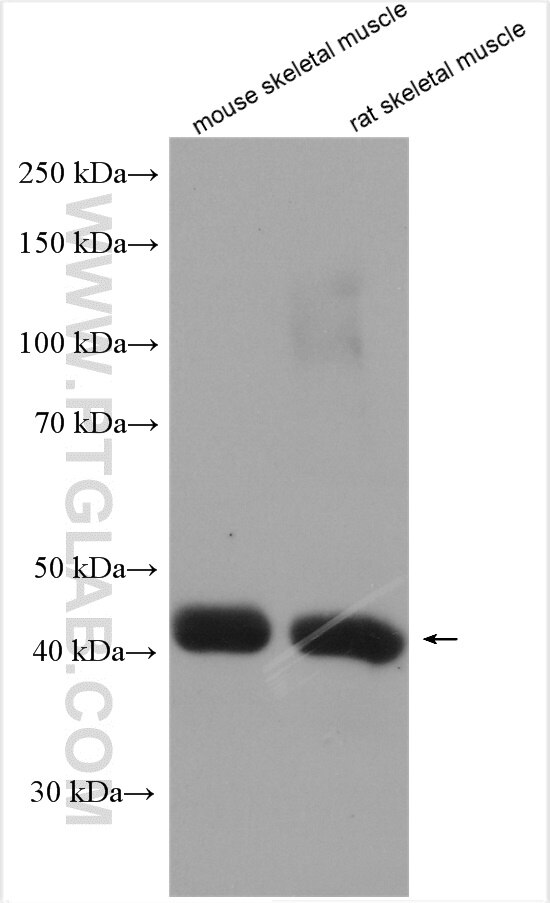
| Positive WB detected in | mouse skeletal muscle tissue, rat skeletal muscle |
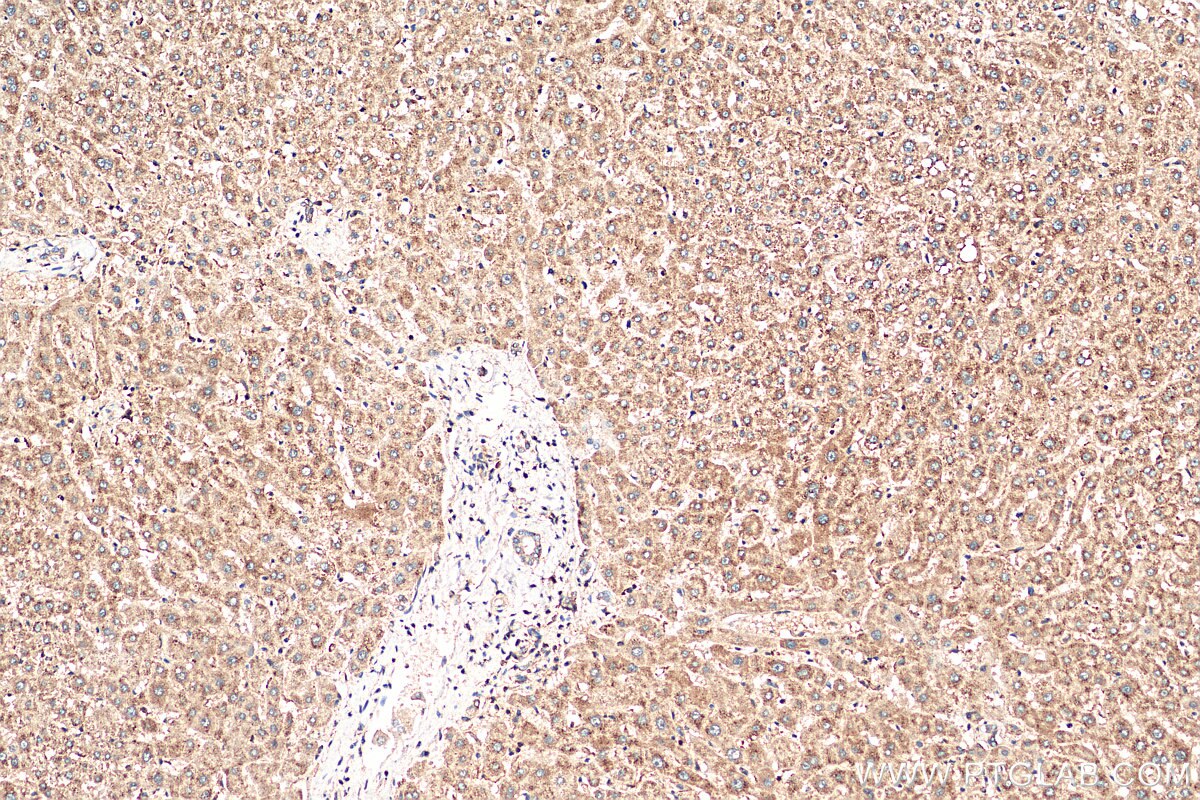
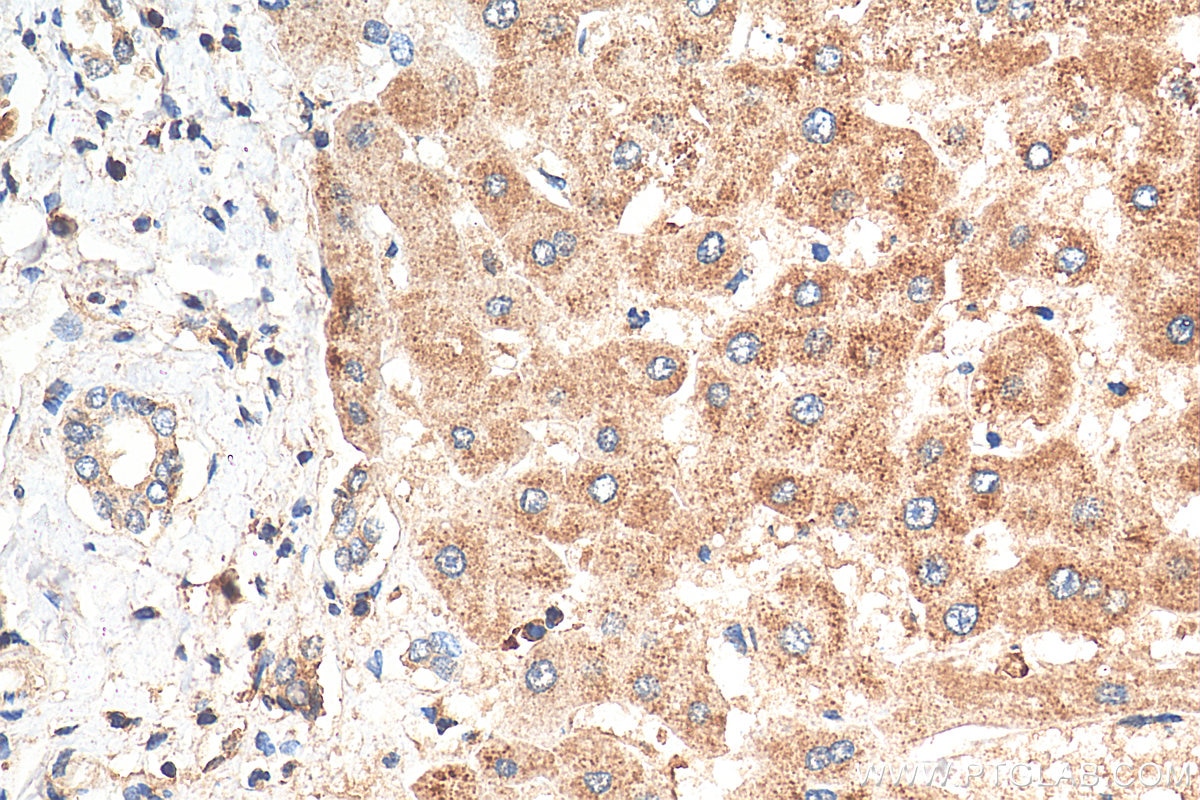
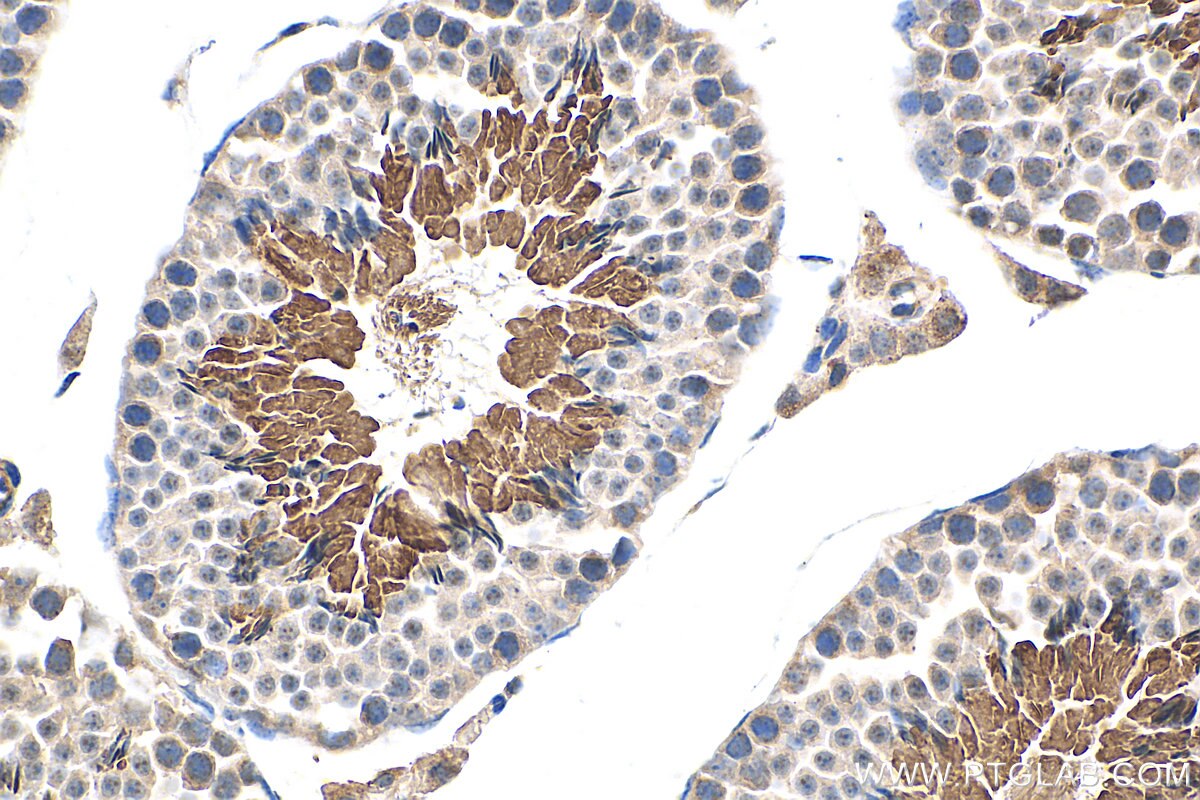
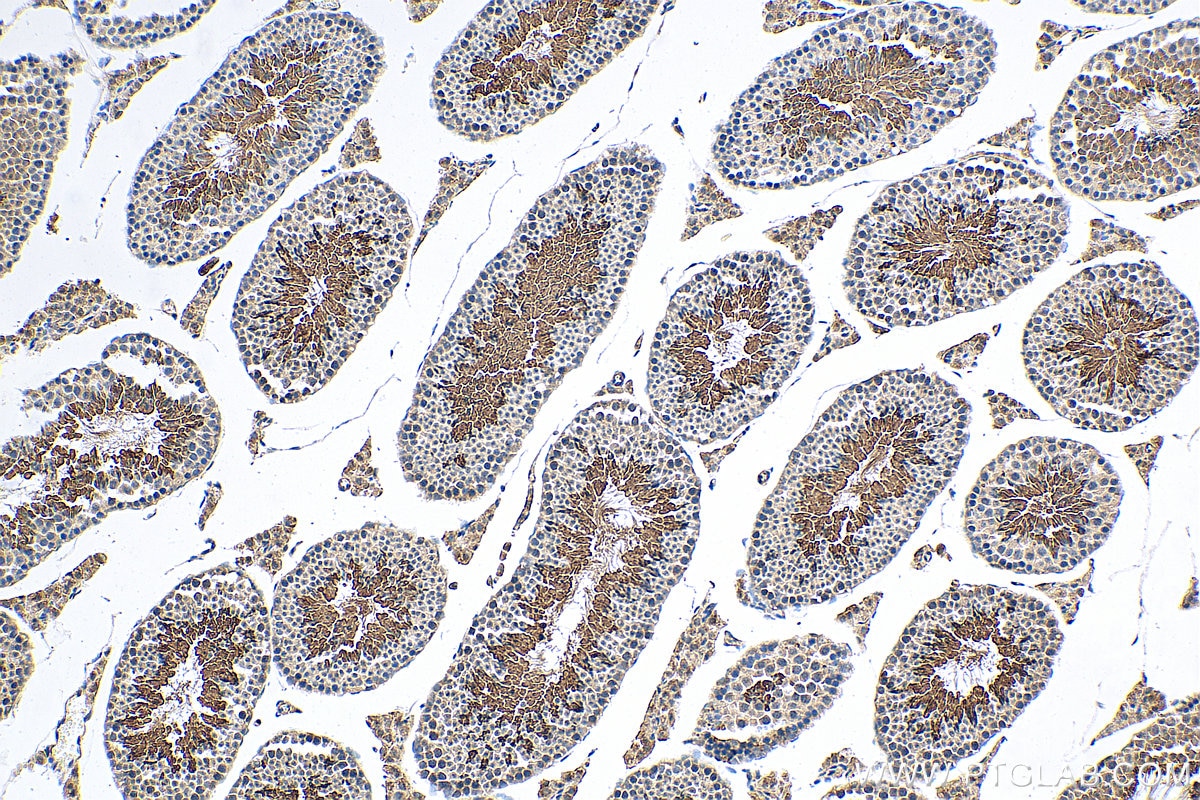
| Positive IHC detected in | human liver tissue, mouse testis tissue Note: suggested antigen retrieval with TE buffer pH 9.0; (*) Alternatively, antigen retrieval may be performed with citrate buffer pH 6.0 |
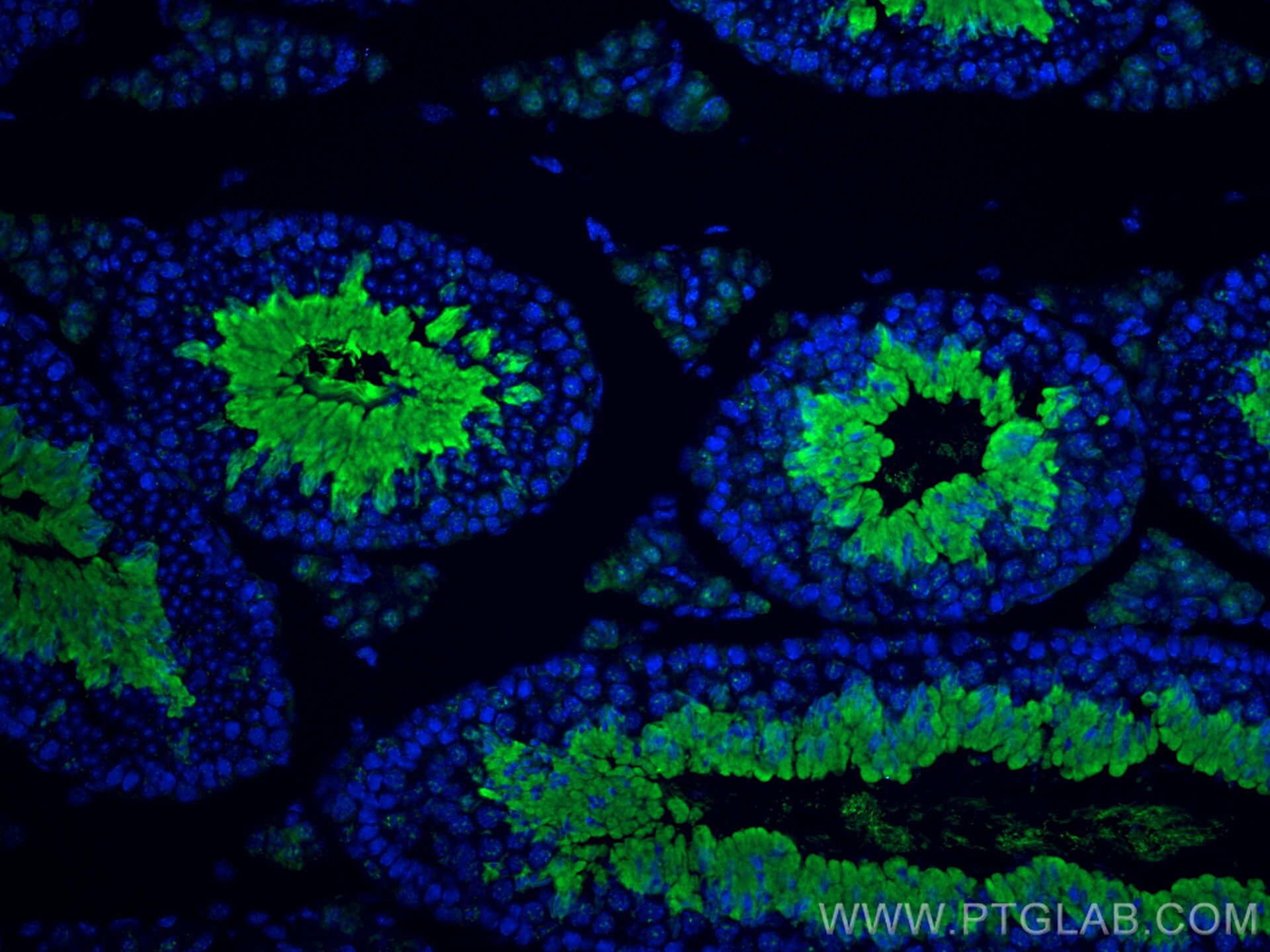
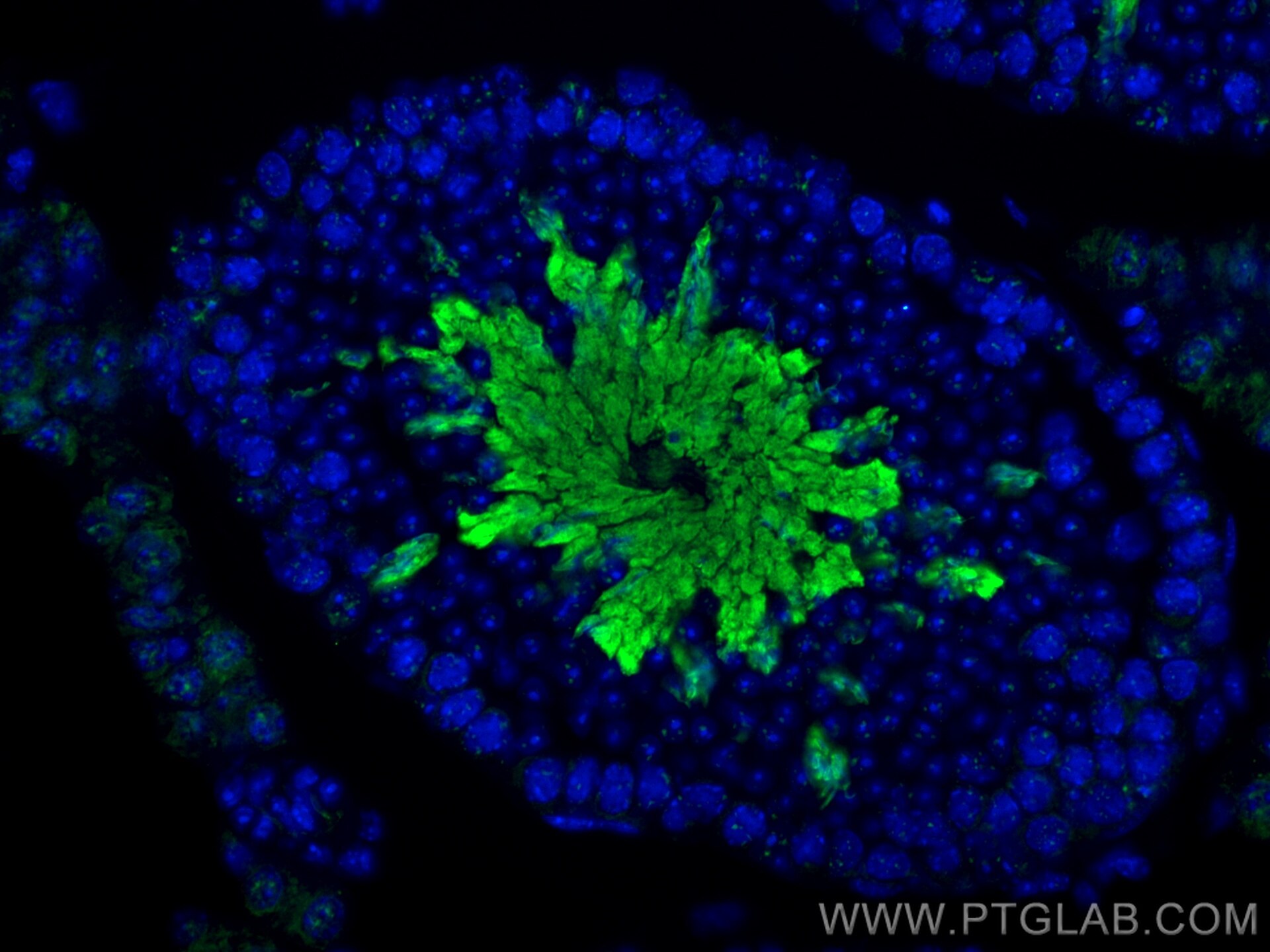
| Positive IF-P detected in | mouse testis tissue |
Recommended dilution
| Application | Dilution |
|---|---|
| Western Blot (WB) | WB : 1:500-1:2000 |
| Immunohistochemistry (IHC) | IHC : 1:50-1:500 |
| Immunofluorescence (IF)-P | IF-P : 1:50-1:500 |
| It is recommended that this reagent should be titrated in each testing system to obtain optimal results. | |
| Sample-dependent, Check data in validation data gallery. | |
Product Information
29885-1-AP targets ACTL9 in WB, IHC, IF-P, ELISA applications and shows reactivity with human, mouse, rat samples.
| Tested Reactivity | human, mouse, rat |
| Cited Reactivity | mouse |
| Host / Isotype | Rabbit / IgG |
| Class | Polyclonal |
| Type | Antibody |
| Immunogen |
CatNo: Ag31805 Product name: Recombinant human MGC33407 protein Source: e coli.-derived, PET28a Tag: 6*His Domain: 1-172 aa of BC024028 Sequence: MDASRPKSSESQSSLEAPRPGPNPSPNVVNKPLQRDSPGMVADRLPPKTGAVVIDMGTGTCKVGFAGQASPTYTVATILGCQPKKPATSGQSGLQTFIGEAARVLPELTLVQPLRSGIVVDWDAAELIWRHLLEHDLRVATHDHPLLFSDPPFSPATNREKLVEVAFESLRS Predict reactive species |
| Full Name | hypothetical protein MGC33407 |
| Observed Molecular Weight | 45 kDa |
| GenBank Accession Number | BC024028 |
| Gene Symbol | ACTL9 |
| Gene ID (NCBI) | 284382 |
| RRID | AB_2923617 |
| Conjugate | Unconjugated |
| Form | Liquid |
| Purification Method | Antigen affinity purification |
| UNIPROT ID | Q8TC94 |
| Storage Buffer | PBS with 0.02% sodium azide and 50% glycerol, pH 7.3. |
| Storage Conditions | Store at -20°C. Stable for one year after shipment. Aliquoting is unnecessary for -20oC storage. 20ul sizes contain 0.1% BSA. |
Background Information
ACTL9 (Actin Like 9), also named MGC33407, encodes a testis-specific actin-like protein that plays a role in fusion of proacrosomal vesicles and perinuclear theca formation (PMID: 33626338). ACTL9 protein contains 416 amino acids, which mainly localizes in the equatorial segment of human sperm head (PubMed: 33626338). Diseases associated with ACTL9 include spermatogenic failure and non-syndromic male infertility.
Protocols
| Product Specific Protocols | |
|---|---|
| IF protocol for ACTL9 antibody 29885-1-AP | Download protocol |
| IHC protocol for ACTL9 antibody 29885-1-AP | Download protocol |
| WB protocol for ACTL9 antibody 29885-1-AP | Download protocol |
| Standard Protocols | |
|---|---|
| Click here to view our Standard Protocols |
Publications
What published studies show
The ACTL9 Polyclonal antibody (Cat# 29885-1-AP) has 1 total citation. It was cited in Ecotoxicology and Environmental Safety (IF 6.6) for a study investigating how PFOA exposure impairs sperm head shaping in mice, decreasing acrosome reaction and increasing DNA oxidative damage. The research field is reproductive toxicology and environmental health, with the antibody applied in Western Blot using mouse samples.
| Species | Application | Title |
|---|---|---|
Ecotoxicol Environ Saf PFOA exposure decreases acrosome reaction and increases DNA oxidative damage by impairing the sperm head shaping in mice. |








