

Tested Applications
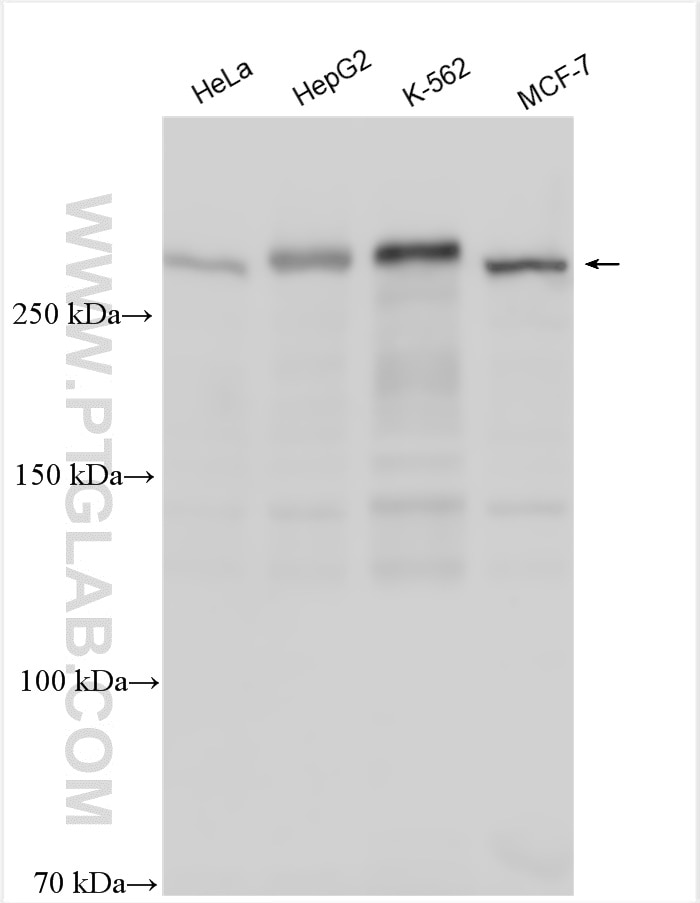
| Positive WB detected in | HeLa cells, HepG2 cells, K-562 cells, MCF-7 cells |
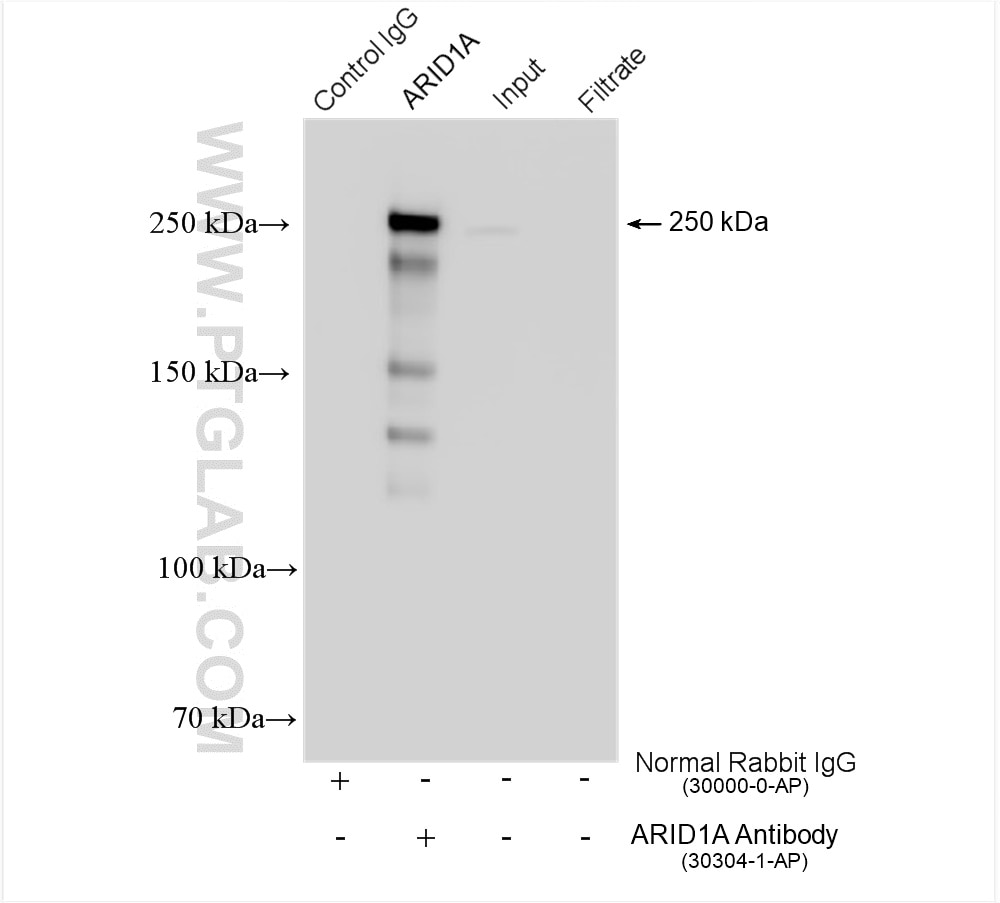
| Positive IP detected in | HeLa cells |
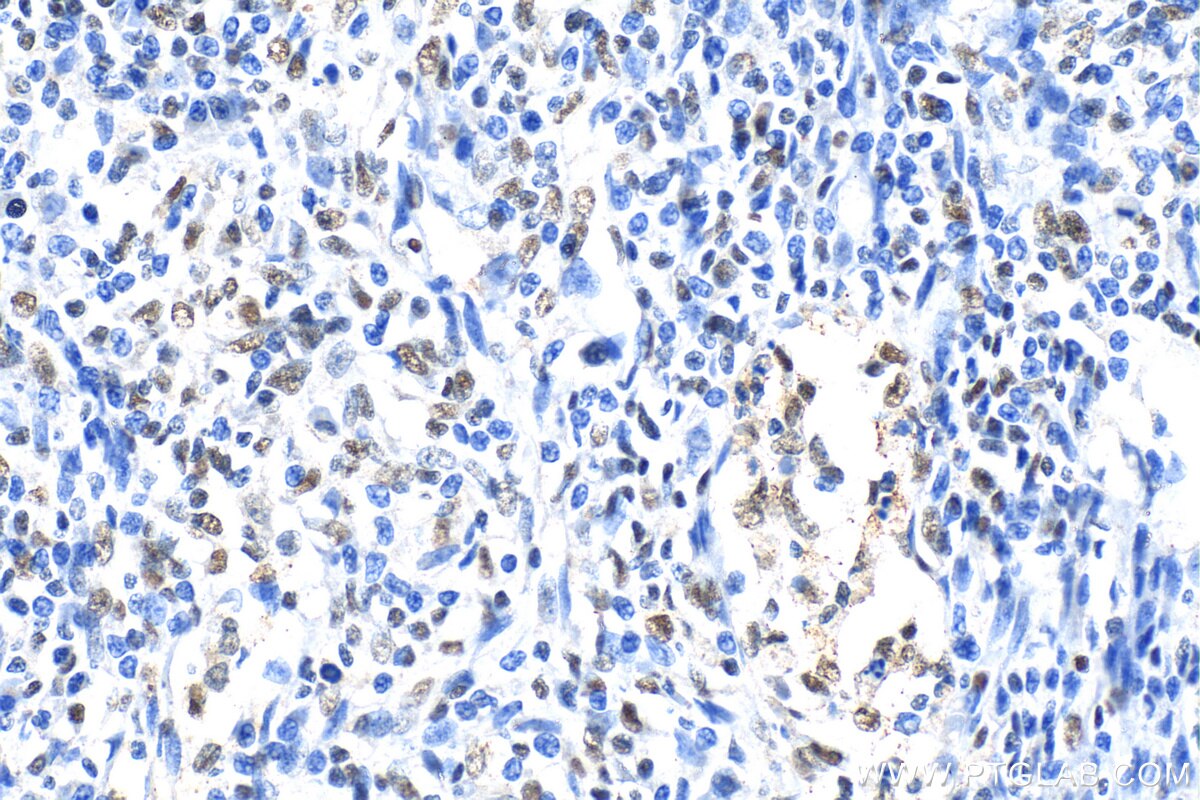
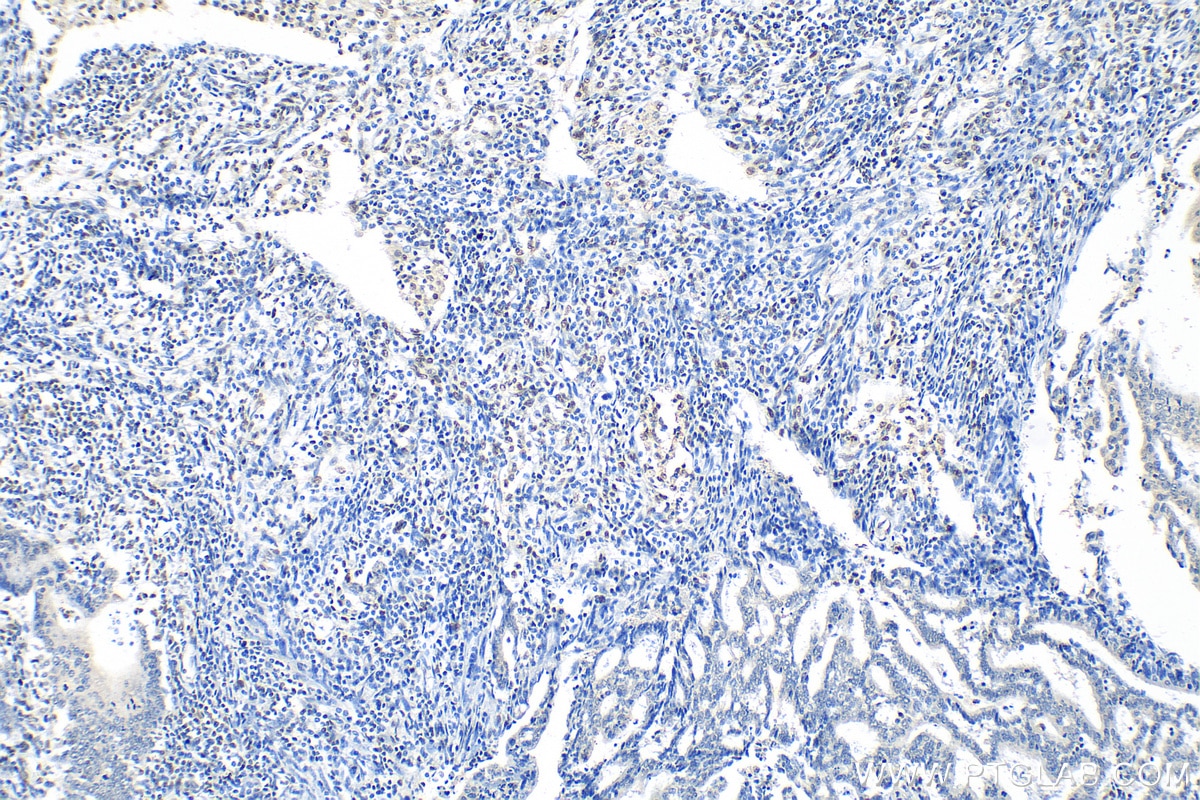
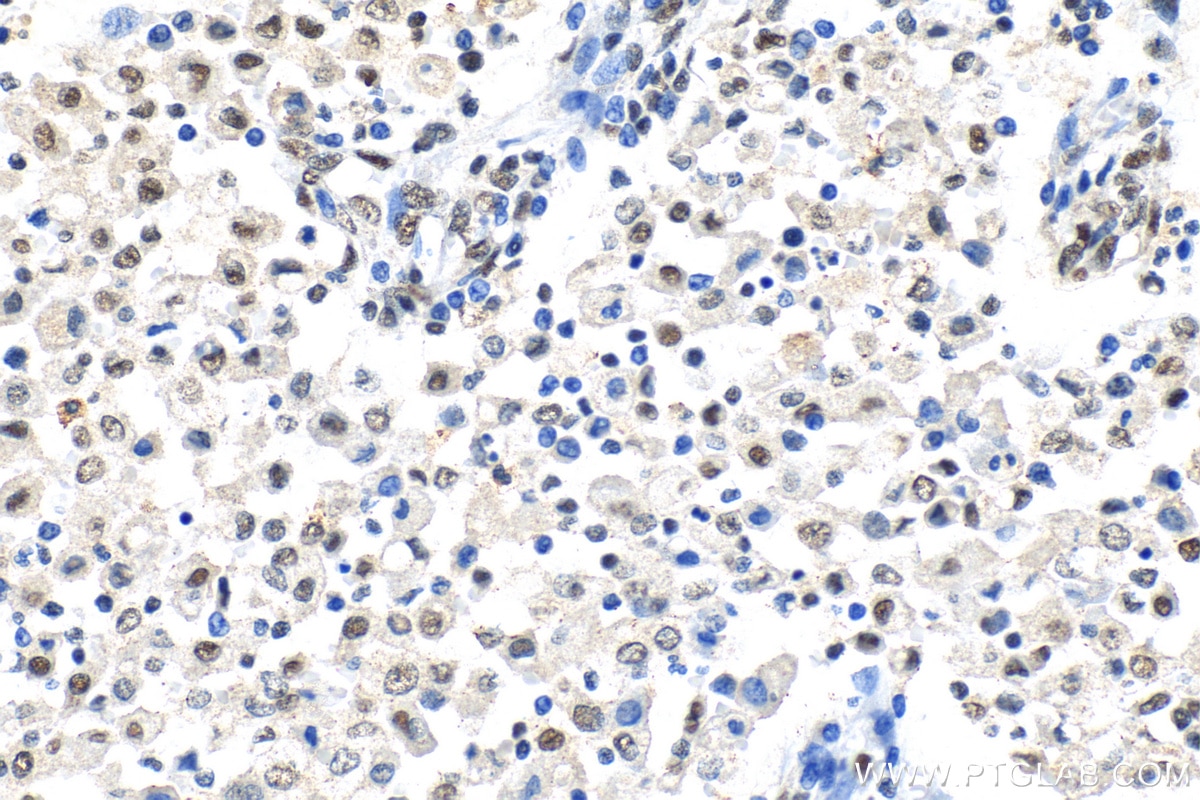
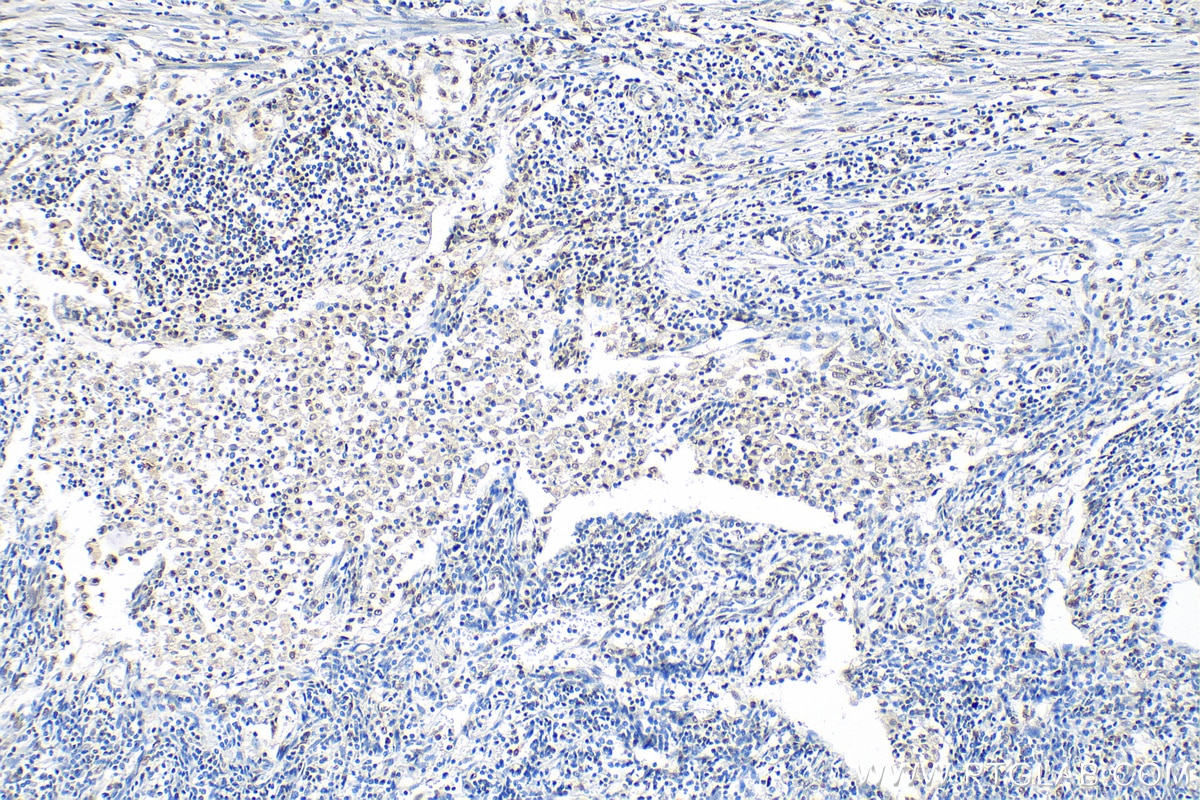
| Positive IHC detected in | human endometrial cancer tissue Note: suggested antigen retrieval with TE buffer pH 9.0; (*) Alternatively, antigen retrieval may be performed with citrate buffer pH 6.0 |
Recommended dilution
| Application | Dilution |
|---|---|
| Western Blot (WB) | WB : 1:2000-1:12000 |
| Immunoprecipitation (IP) | IP : 0.5-4.0 ug for 1.0-3.0 mg of total protein lysate |
| Immunohistochemistry (IHC) | IHC : 1:500-1:2000 |
| It is recommended that this reagent should be titrated in each testing system to obtain optimal results. | |
| Sample-dependent, Check data in validation data gallery. | |
Product Information
30304-1-AP targets ARID1A in WB, IHC, IP, ELISA applications and shows reactivity with human samples.
| Tested Reactivity | human |
| Cited Reactivity | human |
| Host / Isotype | Rabbit / IgG |
| Class | Polyclonal |
| Type | Antibody |
| Immunogen |
CatNo: Ag30749 Product name: Recombinant human ARID1A protein Source: e coli.-derived, PGEX-4T Tag: GST Domain: 1230-1370 aa of NM_006015 Sequence: KDPYGSMRKAPGSDPFMSSGQGPNGGMGDPYSRAAGPGLGNVAMGPRQHYPYGGPYDRVRTEPGIGPEGNMSTGAPQPNLMPSNPDSGMYSPSRYPPQQQQQQQQRHDSYGNQFSTQGTPSGSPFPSQQTTMYQQQQQNYK Predict reactive species |
| Full Name | AT rich interactive domain 1A (SWI-like) |
| Calculated Molecular Weight | 242 kDa |
| Observed Molecular Weight | 250-260 kDa |
| GenBank Accession Number | NM_006015 |
| Gene Symbol | ARID1A |
| Gene ID (NCBI) | 8289 |
| RRID | AB_3086292 |
| Conjugate | Unconjugated |
| Form | Liquid |
| Purification Method | Antigen affinity purification |
| UNIPROT ID | O14497 |
| Storage Buffer | PBS with 0.02% sodium azide and 50% glycerol, pH 7.3. |
| Storage Conditions | Store at -20°C. Stable for one year after shipment. Aliquoting is unnecessary for -20oC storage. 20ul sizes contain 0.1% BSA. |
Background Information
ARID1A, also named as BAF250, BAF250A, C1orf4, OSA1 and SMARCF1, is involved in transcriptional activation and repression of select genes by chromatin remodeling (alteration of DNA-nucleosome topology). It binds DNA non-specifically. It is also involved in vitamin D-coupled transcription regulation via its association with the WINAC complex, a chromatin-remodeling complex recruited by vitamin D receptor (VDR), which is required for the ligand-bound VDR-mediated transrepression of the CYP27B1 gene. ARID1A belongs to the neural progenitors-specific chromatin remodeling complex (npBAF complex) and the neuron-specific chromatin remodeling complex (nBAF complex). During neural development a switch from a stem/progenitor to a post-mitotic chromatin remodeling mechanism occurs as neurons exit the cell cycle and become committed to their adult state. The antibody is specific to ARID1A.
Protocols
| Product Specific Protocols | |
|---|---|
| IHC protocol for ARID1A antibody 30304-1-AP | Download protocol |
| IP protocol for ARID1A antibody 30304-1-AP | Download protocol |
| WB protocol for ARID1A antibody 30304-1-AP | Download protocol |
| Standard Protocols | |
|---|---|
| Click here to view our Standard Protocols |
Publications
What published studies show
The ARID1A Polyclonal antibody (Cat# 30304-1-AP) has 3 citations published in Genome Medicine, Acta Biomaterialia, and Frontiers in Pharmacology. The associated research fields include ovarian clear cell carcinoma molecular characterization, CRISPR-based bladder cancer gene therapy, and ARID1A-deficiency-related EGFR-TKI resistance in lung adenocarcinoma. Applications cited are WB and IHC in human samples.
| Species | Application | Title |
|---|---|---|
Genome Med Comprehensive molecular characterization identifies therapeutic vulnerabilities in ovarian clear cell carcinoma. | ||
Acta Biomater Effective Delivery of CRISPR/dCas9-SAM for Multiplex Gene Activation Based on Mesoporous Silica Nanoparticles for Bladder Cancer Therapy | ||
Front Pharmacol ARID1A deficiency attenuates the response to EGFR-TKI treatment in lung adenocarcinoma |
Reviews
What customers say
The single review rates the antibody 5/5 for Western Blot. The user reports it effectively detects ARID1A from HeLa cell extracts at a 1/1000 dilution with a 1-hour incubation at room temperature, describing it as a great antibody. Overall, the feedback is positive, highlighting reliable performance and ease of use in WB applications.
The reviews below have been submitted by verified Proteintech customers who received an incentive for providing their feedback.
Roy (Verified Customer) (06-15-2024) | Great antibody that detects ARID1A by WB from HeLa extracts (1/1000 dilution, 1h at room temperature)
|







