

Tested Applications
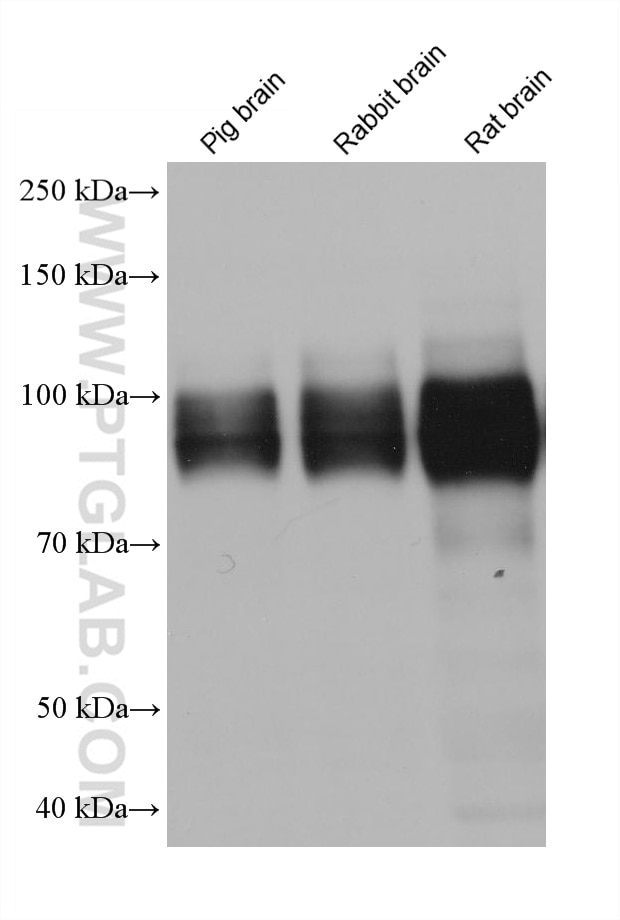
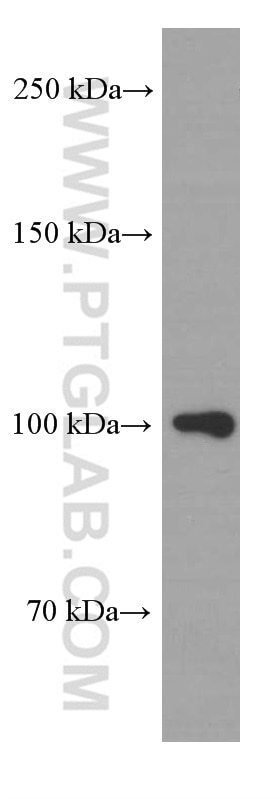
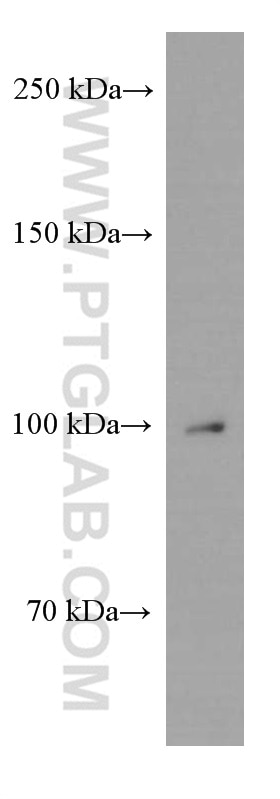
| Positive WB detected in | pig brain tissue, HEK-293 cells, Y79 cells, rabbit brain tissue, rat brain tissue |
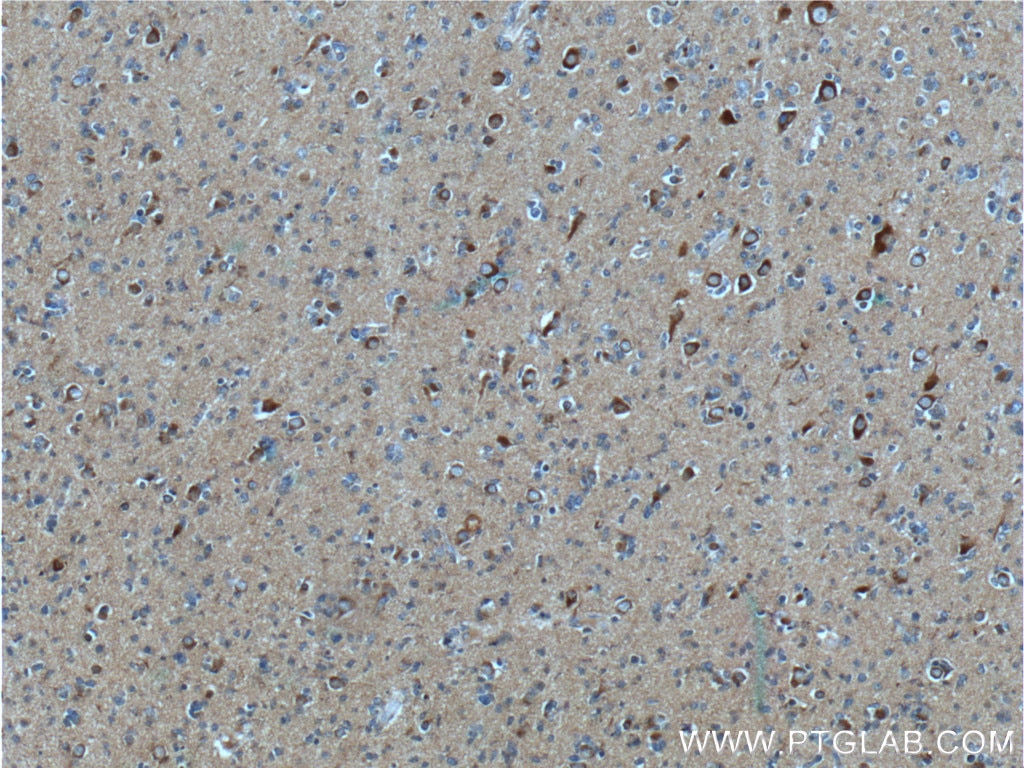
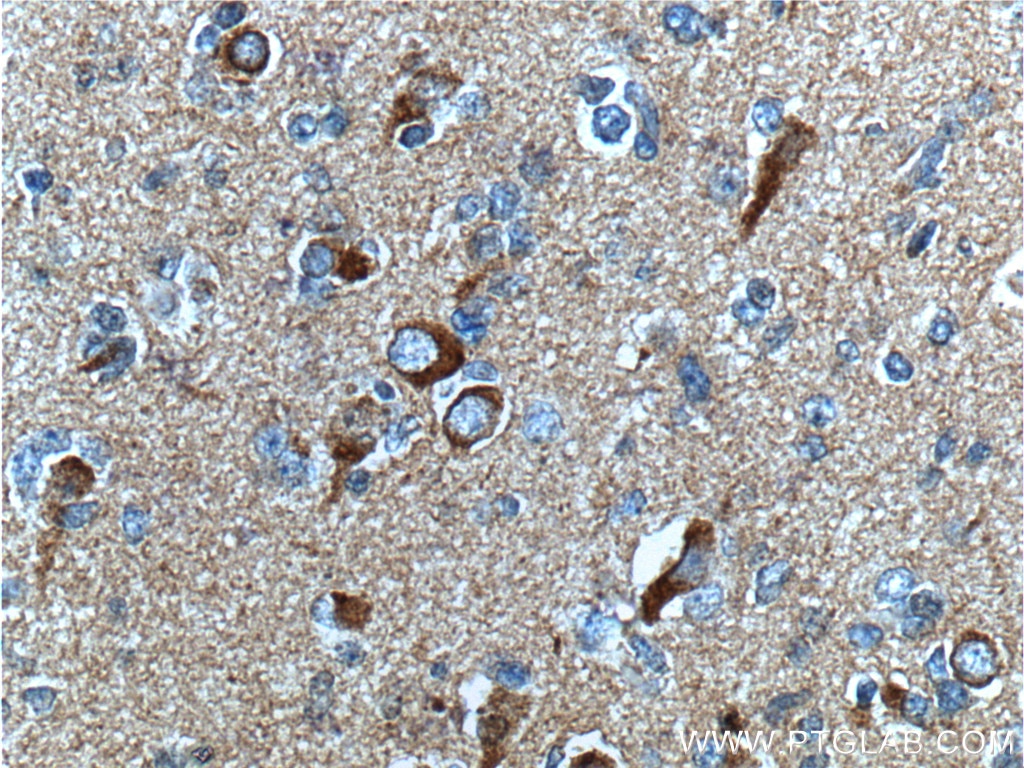
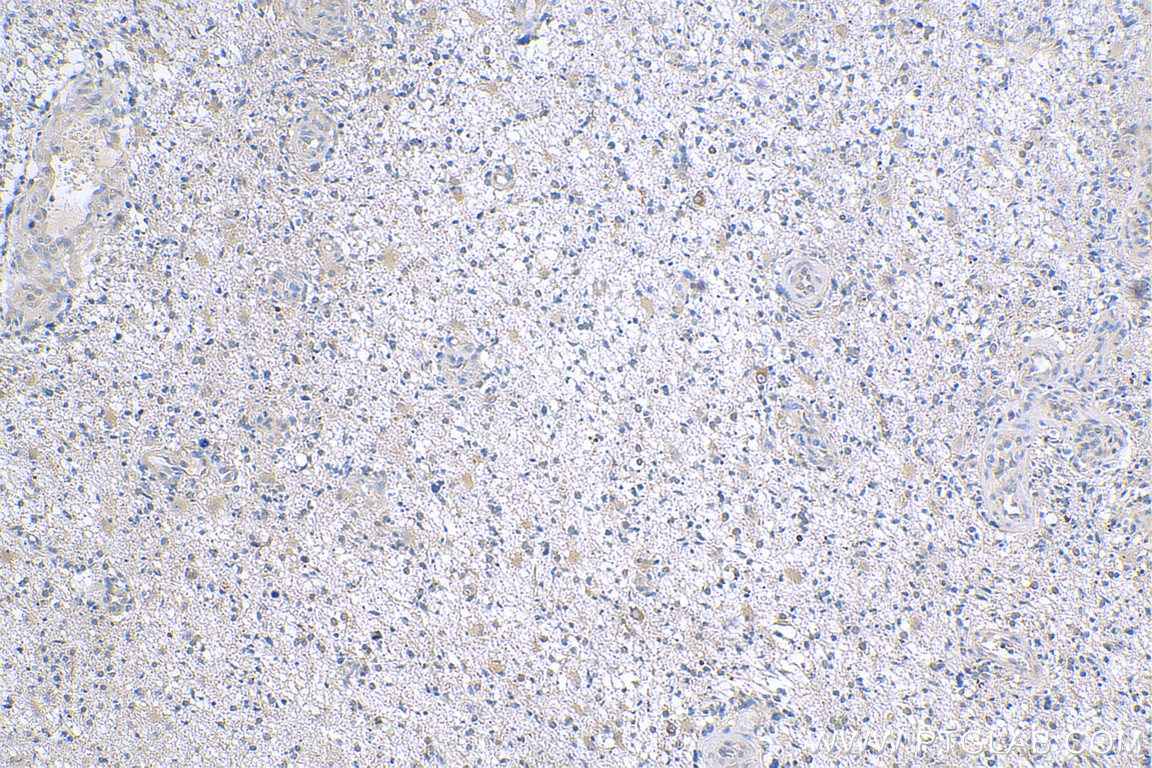
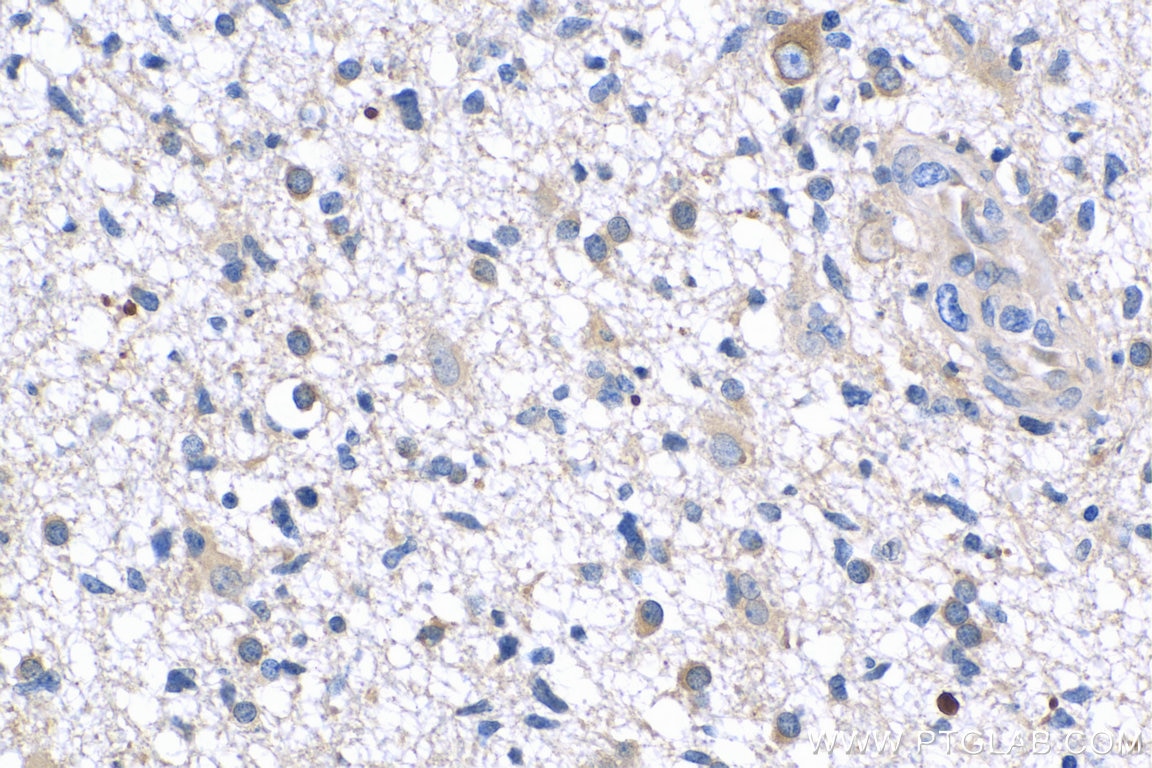
| Positive IHC detected in | human gliomas tissue Note: suggested antigen retrieval with TE buffer pH 9.0; (*) Alternatively, antigen retrieval may be performed with citrate buffer pH 6.0 |
Recommended dilution
| Application | Dilution |
|---|---|
| Western Blot (WB) | WB : 1:1000-1:4000 |
| Immunohistochemistry (IHC) | IHC : 1:20-1:200 |
| It is recommended that this reagent should be titrated in each testing system to obtain optimal results. | |
| Sample-dependent, Check data in validation data gallery. | |
Product Information
60342-1-Ig targets APP in WB, IHC, IF, IP, ELISA applications and shows reactivity with human, rat, pig, rabbit samples.
| Tested Reactivity | human, rat, pig, rabbit |
| Cited Reactivity | human, mouse, rat |
| Host / Isotype | Mouse / IgG2a |
| Class | Monoclonal |
| Type | Antibody |
| Immunogen |
CatNo: Ag0769 Product name: Recombinant human APP protein Source: e coli.-derived, PGEX-4T Tag: GST Domain: 1-305 aa of BC004369 Sequence: MLPGLALLLLAAWTARALEVPTDGNAGLLAEPQIAMFCGRLNMHMNVQNGKWDSDPSGTKTCIDTKEGILQYCQEVYPELQITNVVEANQPVTIQNWCKRGRKQCKTHPHFVIPYRCLVGEFVSDALLVPDKCKFLHQERMDVCETHLHWHTVAKETCSEKSTNLHDYGMLLPCGIDKFRGVEFVCCPLAEESDNVDSADAEEDDSDVWWGGADTDYADGSEDKVVEVAEEEEVAEVEEEEADDDEDDEDGDEVEEEAEEPYEEATERTTSIATTTTTTTESVEEVVREKWYKEVHSGQARWLML Predict reactive species |
| Full Name | amyloid beta (A4) precursor protein |
| Calculated Molecular Weight | 87 kDa |
| Observed Molecular Weight | 100 kDa |
| GenBank Accession Number | BC004369 |
| Gene Symbol | APP |
| Gene ID (NCBI) | 351 |
| RRID | AB_2881451 |
| Conjugate | Unconjugated |
| Form | Liquid |
| Purification Method | Protein A purification |
| UNIPROT ID | P05067 |
| Storage Buffer | PBS with 0.02% sodium azide and 50% glycerol, pH 7.3. |
| Storage Conditions | Store at -20°C. Stable for one year after shipment. Aliquoting is unnecessary for -20oC storage. 20ul sizes contain 0.1% BSA. |
Background Information
Aβ derives from APP via proteolytic cleavage by proteases called α-, β- and γ-secretase. The α-secretase cleavage precludes the formation of Aβ, while the β- and γ-cleavages generate APP components with amyloidogenic features. Amyloid beta A4 precursor protein(APP), encoded by APP gene which locate on human chromosome 21q, is a cell surface receptor and performs physiological functions on the surface of neurons relevant to neurite growth, neuronal adhesion and axonogenesis. APP expressed in all fetal tissues and is pronounced in brain, kidney, heart and spleen, but weak in liver. Defects in APP are the cause of Alzheimer disease type 1 (AD1).
Protocols
| Product Specific Protocols | |
|---|---|
| IHC protocol for APP antibody 60342-1-Ig | Download protocol |
| WB protocol for APP antibody 60342-1-Ig | Download protocol |
| Standard Protocols | |
|---|---|
| Click here to view our Standard Protocols |
Publications
What published studies show
The APP Monoclonal antibody (catalog number 60342-1-Ig) has 41 citations. These appear in journals including Nature Neuroscience, Translational Neurodegeneration, Protein & Cell, Advanced Science, Phytomedicine, Developmental Cell, Alzheimer's Research & Therapy, Cell Reports, Aging Cell, Neurotherapeutics, International Journal of Molecular Sciences, and Journal of Neurochemistry. The research fields are dominated by Alzheimer's disease and neurodegeneration, covering β-amyloid pathology, tau phosphorylation, APP trafficking, neuroinflammation, neuroprotection, and cognitive impairment, with applications mainly in WB, IF, and IHC.
| Species | Application | Title |
|---|---|---|
Nat Neurosci Mitochondrial accumulation and lysosomal dysfunction result in mitochondrial plaques in Alzheimer's disease | ||
Transl Neurodegener Agomirs upregulating carboxypeptidase E expression rescue hippocampal neurogenesis and memory deficits in Alzheimer's disease | ||
Protein Cell Metformin activates chaperone-mediated autophagy and improves disease pathologies in an Alzheimer disease mouse model. | ||
Adv Sci (Weinh) Bone Marrow-Derived GCA+ Immune Cells Drive Alzheimer's Disease Progression | ||
Phytomedicine Integrated network pharmacology, metabolomics, and microbiome studies to reveal the therapeutic effects of Anacyclus pyrethrum in PD-MCI mice |
Reviews
What customers say
The single review for this Beta Amyloid Monoclonal antibody reports a positive experience in Western Blot using HEK293 cells. The reviewer noted that the antibody "works fine" and used a dilution of 1:5000, awarding it a 4 out of 5 rating. Overall, the feedback indicates reliable performance for the intended application.
The reviews below have been submitted by verified Proteintech customers who received an incentive for providing their feedback.
Jinwei (Verified Customer) (10-01-2021) | The Beta Amyloid Monoclonal antibody works fine.
 |








