



Tested Applications
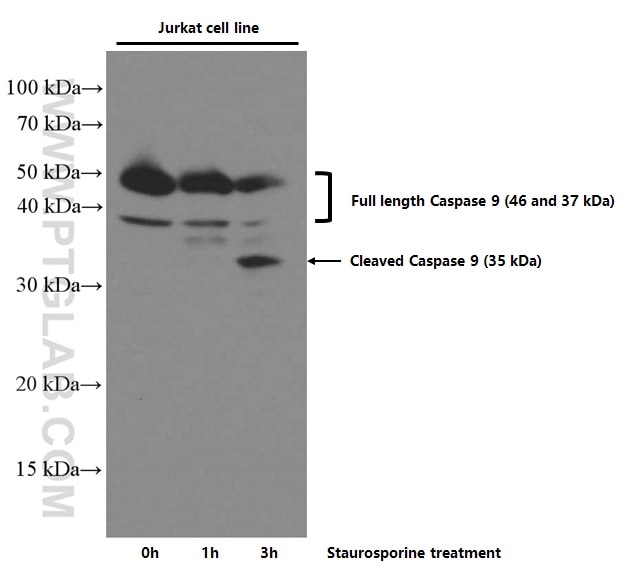
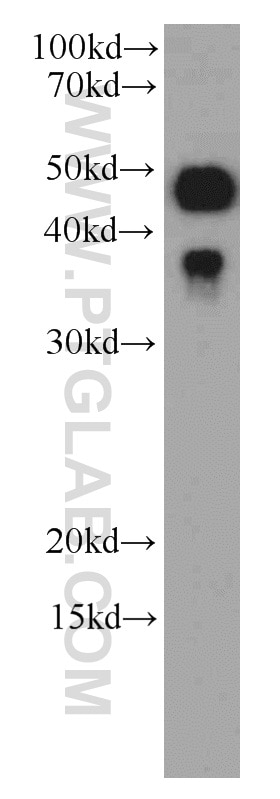
| Positive WB detected in | HeLa cells, Jurkat cells |
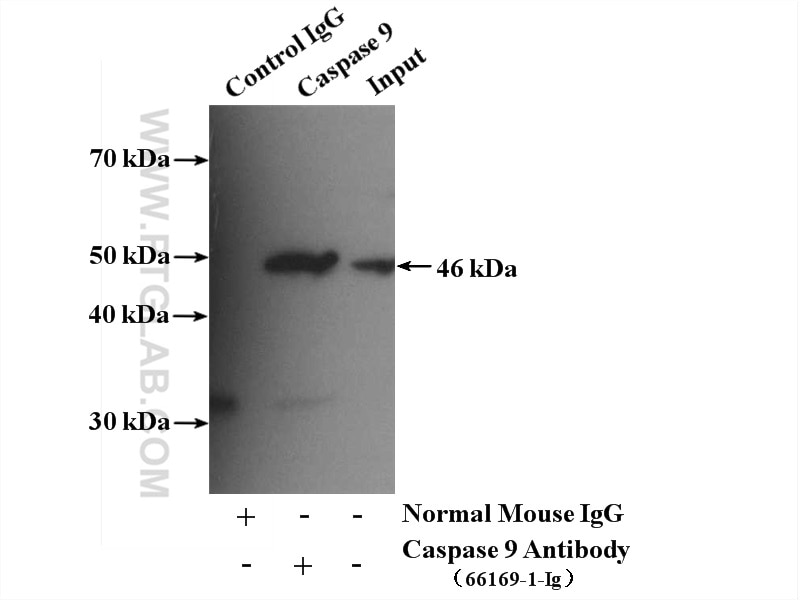
| Positive IP detected in | HeLa cells |
| Positive IHC-Autostainer detected in | human colon tissue |
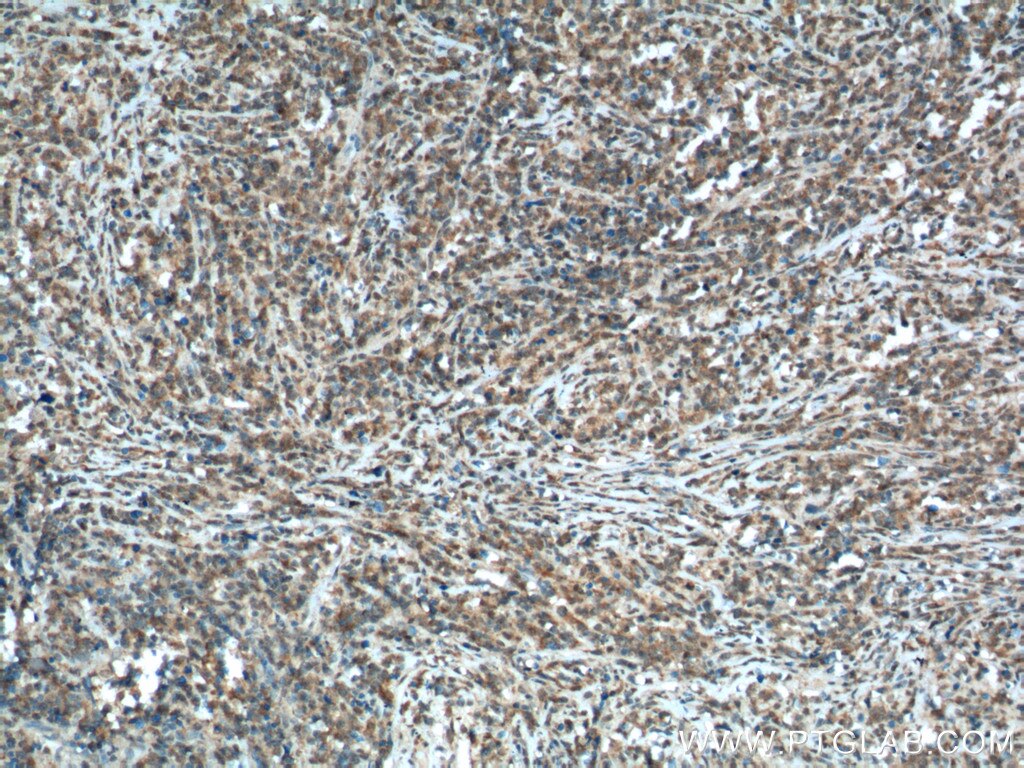
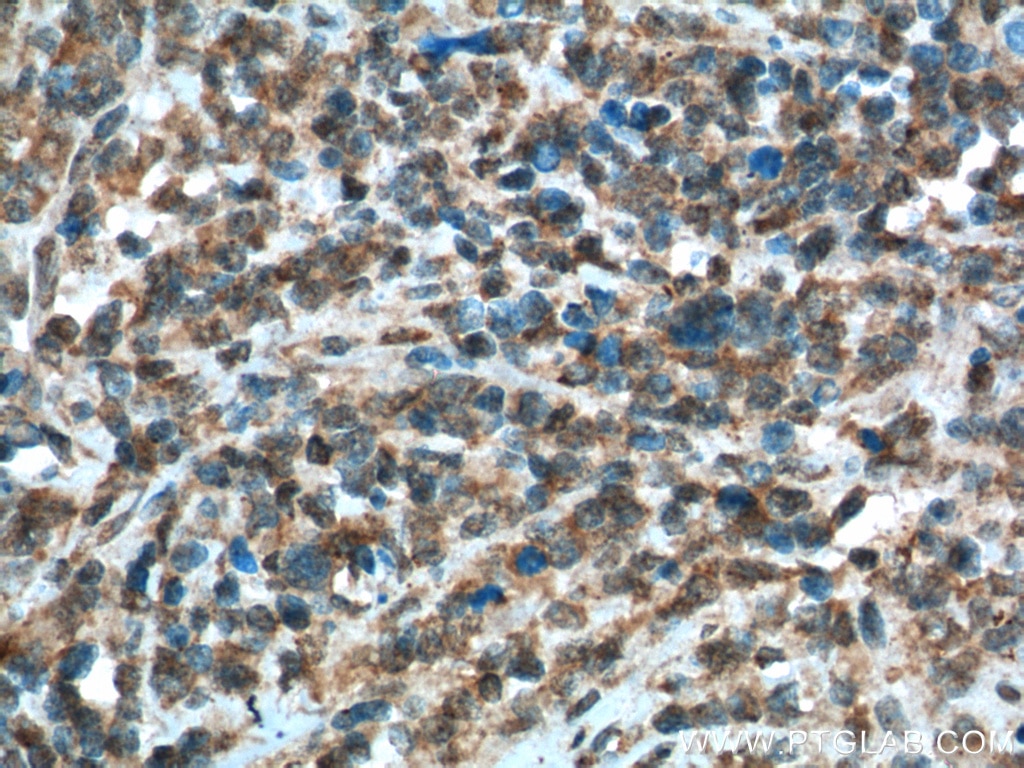
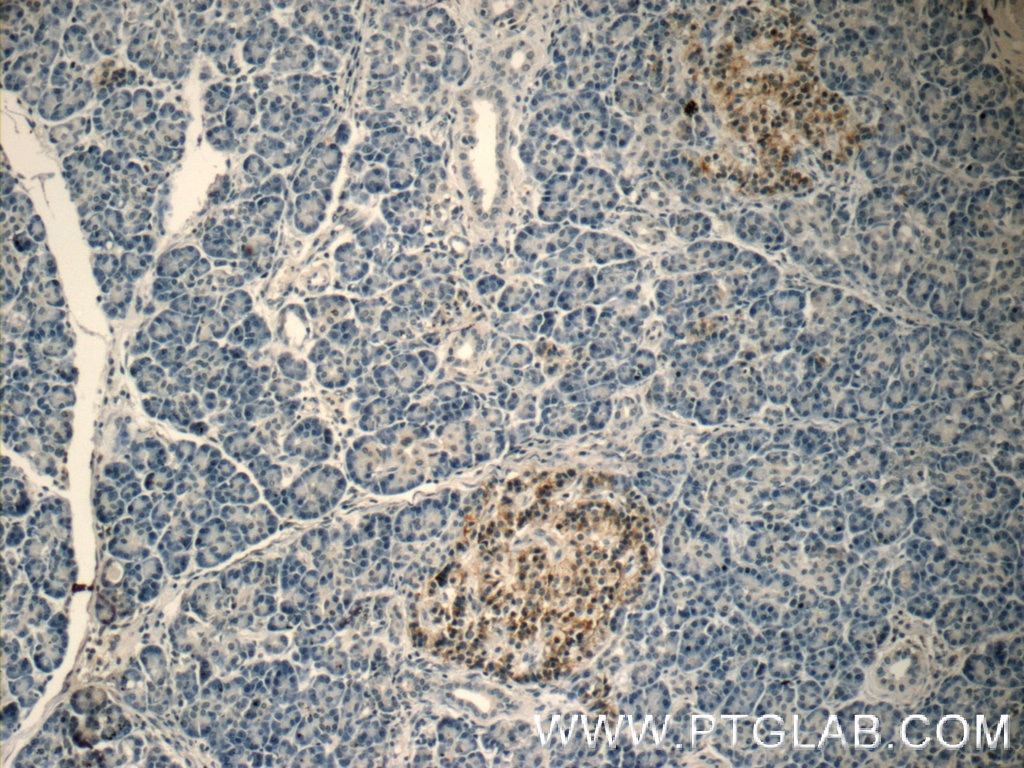
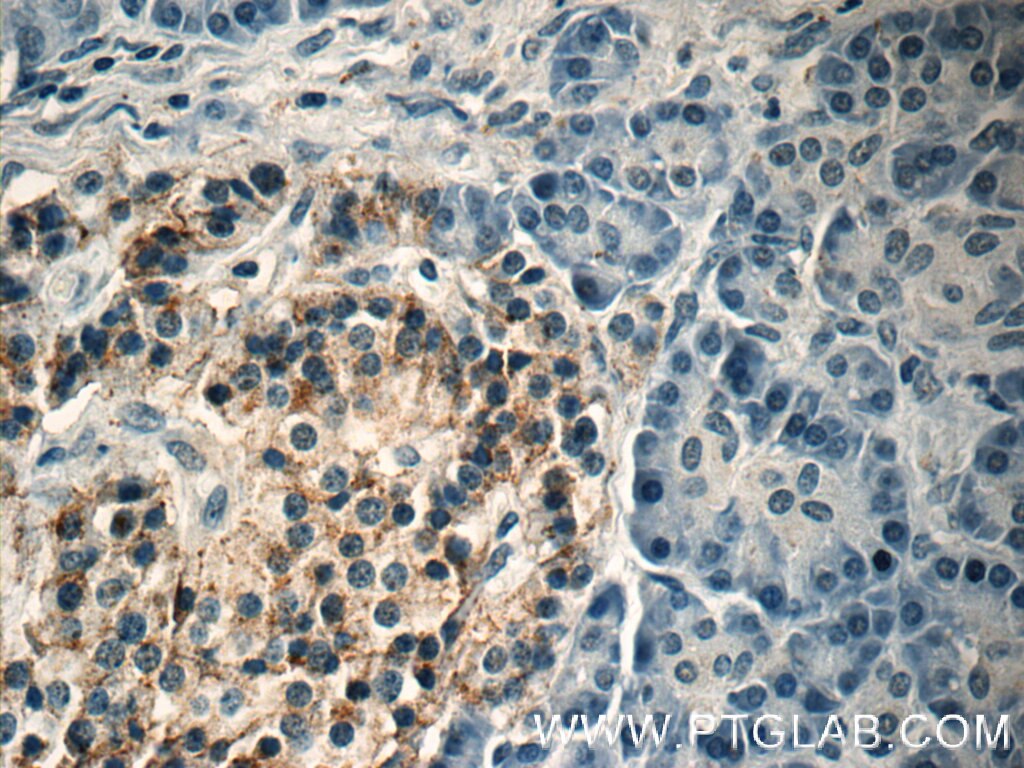
| Positive IHC detected in | human lymphoma tissue, human pancreas tissue Note: suggested antigen retrieval with TE buffer pH 9.0; (*) Alternatively, antigen retrieval may be performed with citrate buffer pH 6.0 |
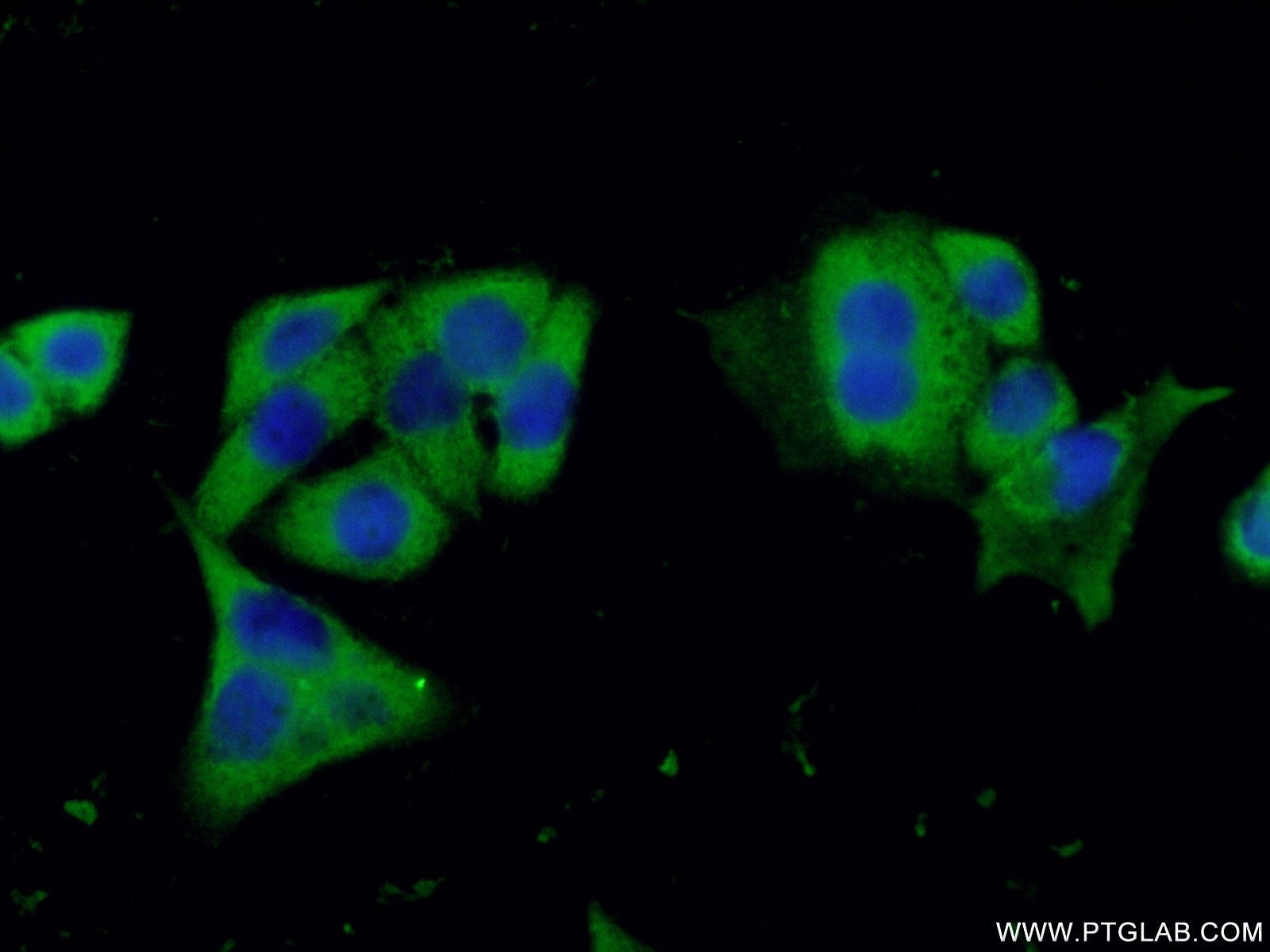
| Positive IF/ICC detected in | HeLa cells |
Recommended dilution
| Application | Dilution |
|---|---|
| Western Blot (WB) | WB : 1:500-1:2000 |
| Immunoprecipitation (IP) | IP : 0.5-4.0 ug for 1.0-3.0 mg of total protein lysate |
| Immunohistochemistry (IHC)-AUTOSTAINER | IHC-AUTOSTAINER : 1:150-1:600 |
| Immunohistochemistry (IHC) | IHC : 1:100-1:400 |
| Immunofluorescence (IF)/ICC | IF/ICC : 1:50-1:500 |
| It is recommended that this reagent should be titrated in each testing system to obtain optimal results. | |
| Sample-dependent, Check data in validation data gallery. | |
Product Information
66169-1-Ig targets Caspase 9/P35 in WB, IHC, IHC-Autostainer, IF/ICC, IP, ELISA applications and shows reactivity with human, mouse samples.
| Tested Reactivity | human, mouse |
| Cited Reactivity | human, mouse, rat, pig, sheep |
| Host / Isotype | Mouse / IgG2b |
| Class | Monoclonal |
| Type | Antibody |
| Immunogen |
CatNo: Ag20813 Product name: Recombinant human Caspase 9 protein Source: e coli.-derived, PET30a Tag: 6*His Domain: 138-389 aa of BC002452 Sequence: DVGALESLRGNADLAYILSMEPCGHCLIINNVNFCRESGLRTRTGSNIDCEKLRRRFSSLHFMVEVKGDLTAKKMVLALLELAQQDHGALDCCVVVILSHGCQASHLQFPGAVYGTDGCPVSVEKIVNIFNGTSCPSLGGKPKLFFIQACGGEQKDHGFEVASTSPEDESPGSNPEPDATPFQEGLRTFDQLDAISSLPTPSDIFVSYSTFPGFVSWRDPKSGSWYVETLDDIFEQWAHSEDLQSLLLRVAN Predict reactive species |
| Full Name | caspase 9, apoptosis-related cysteine peptidase |
| Calculated Molecular Weight | 46 kDa |
| Observed Molecular Weight | 46 kDa, 35 kDa |
| GenBank Accession Number | BC002452 |
| Gene Symbol | Caspase 9 |
| Gene ID (NCBI) | 842 |
| RRID | AB_2833257 |
| Conjugate | Unconjugated |
| Form | Liquid |
| Purification Method | Protein A purification |
| UNIPROT ID | P55211 |
| Storage Buffer | PBS with 0.02% sodium azide and 50% glycerol, pH 7.3. |
| Storage Conditions | Store at -20°C. Stable for one year after shipment. Aliquoting is unnecessary for -20oC storage. 20ul sizes contain 0.1% BSA. |
Background Information
Caspase 9, apoptosis-related cysteine protease (CASP9,synonyms: MCH6, APAF3, APAF-3, ICE-LAP6, CASPASE-9c)is a member of the cysteine-aspartic acid protease (caspase) family. Sequential activation of caspases plays a central role in the execution-phase of cell apoptosis. Caspases exist as inactive proenzymes which undergo proteolytic processing at conserved aspartic residues to produce 2 subunits, large and small, that dimerize to form the active enzyme. Capase 9 is processed by caspase APAF1; this step is thought to be one of the earliest in the caspase activation cascade. In recent years, the localization of caspase9 was a focus of interest. Beside its cytoplasmic distribution, a very extensive localization study was done on rat brain tissue, where caspase9 was found located predominantly in the nucleus and to a lesser extend in the cytoplasm [PMID: 15541731].
Protocols
| Product Specific Protocols | |
|---|---|
| IF protocol for Caspase 9/P35 antibody 66169-1-Ig | Download protocol |
| IHC protocol for Caspase 9/P35 antibody 66169-1-Ig | Download protocol |
| IP protocol for Caspase 9/P35 antibody 66169-1-Ig | Download protocol |
| WB protocol for Caspase 9/P35 antibody 66169-1-Ig | Download protocol |
| Standard Protocols | |
|---|---|
| Click here to view our Standard Protocols |
Publications
What published studies show
Caspase 9/P35 Monoclonal antibody (Cat. 66169-1-Ig) has 151 total citations. The antibody appears across journals including Cancer Commun, Autophagy, Exp Mol Med, Redox Biol, J Nanobiotechnology, J Exp Clin Cancer Res, Adv Sci, Cell Death Differ, Carbohydr Polym, Pharmacol Res, Cell Death Dis, Mol Ther, Phytomedicine, J Hazard Mater, Acta Pharmacol Sin, J Transl Med, Diabetes, Chemosphere, and many others. Research fields span cancer biology (hepatocellular, colorectal, breast, prostate, pancreatic, lung cancer), apoptosis and autophagy, mitochondrial dysfunction, ischemia-reperfusion injury, liver and kidney disease, cardiovascular and neurological research, and toxicology.
| Species | Application | Title |
|---|---|---|
Cancer Commun (Lond) Targeting autophagy overcomes cancer-intrinsic resistance to CAR-T immunotherapy in B-cell malignancies | ||
Autophagy Increased mitochondrial fission promotes autophagy and hepatocellular carcinoma cell survival through the ROS-modulated coordinated regulation of the NFKB and TP53 pathways. | ||
Exp Mol Med m 6 A-mediated upregulation of AC008 promotes osteoarthritis progression through the miR-328-3p‒AQP1/ANKH axis | ||
Redox Biol Mecheliolide elicits ROS-mediated ERS driven immunogenic cell death in hepatocellular carcinoma. | ||
J Nanobiotechnology A stimuli-responsive mitochondria-targeted nanoplatform for glioblastoma therapy: modulating the blood-brain barrier and delivering precise chemotherapy. | ||
J Exp Clin Cancer Res Vinburnine potentiates anti-PD1 immunotherapy in melanoma through IL-24 secretion via P38/MAPK/ATF3 signaling |
Reviews
What customers say
Able is busy answering your previous question. Please try again later.
The reviews below have been submitted by verified Proteintech customers who received an incentive for providing their feedback.
Aleksandr (Verified Customer) (07-29-2025) | Great antibody for human Caspase9
 |
Tsimafei (Verified Customer) (08-07-2024) | Antibody detect a band of the correct size
 |











