

Tested Applications
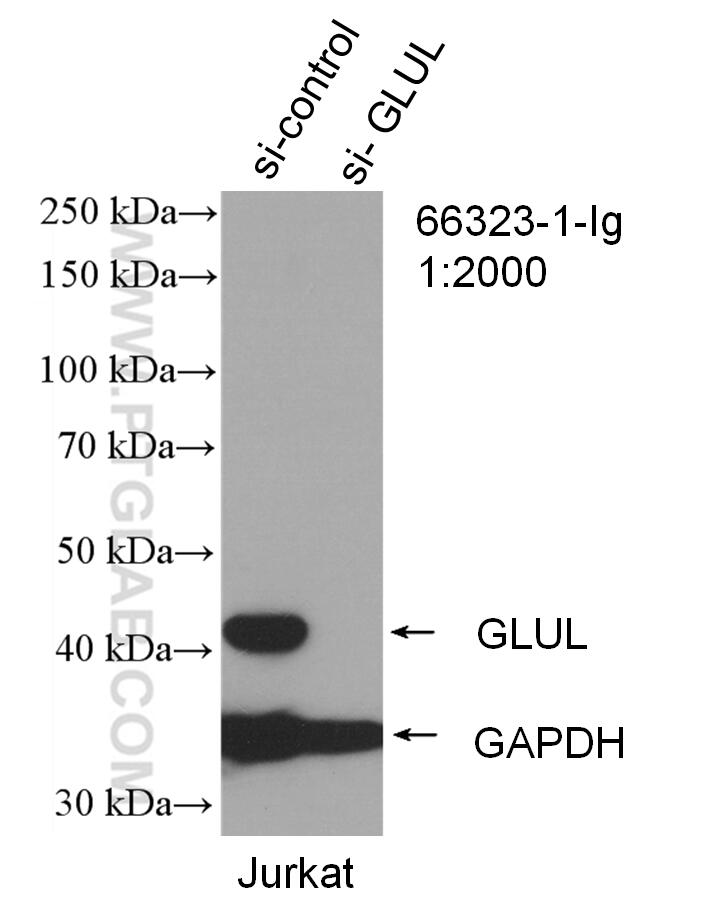
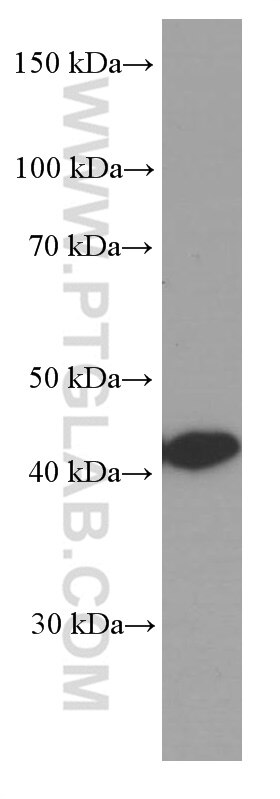
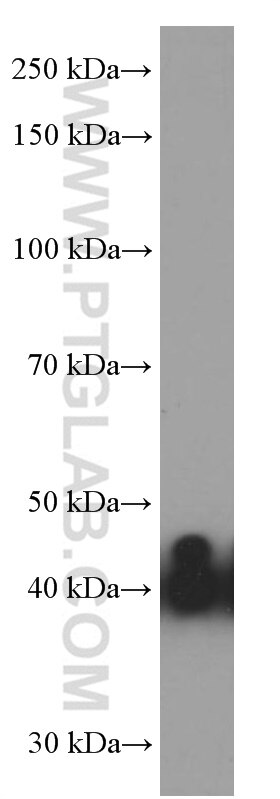
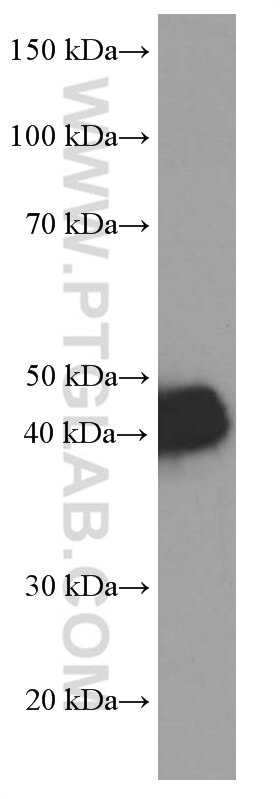
| Positive WB detected in | Jurkat cells, pig liver tissue, pig brain tissue |
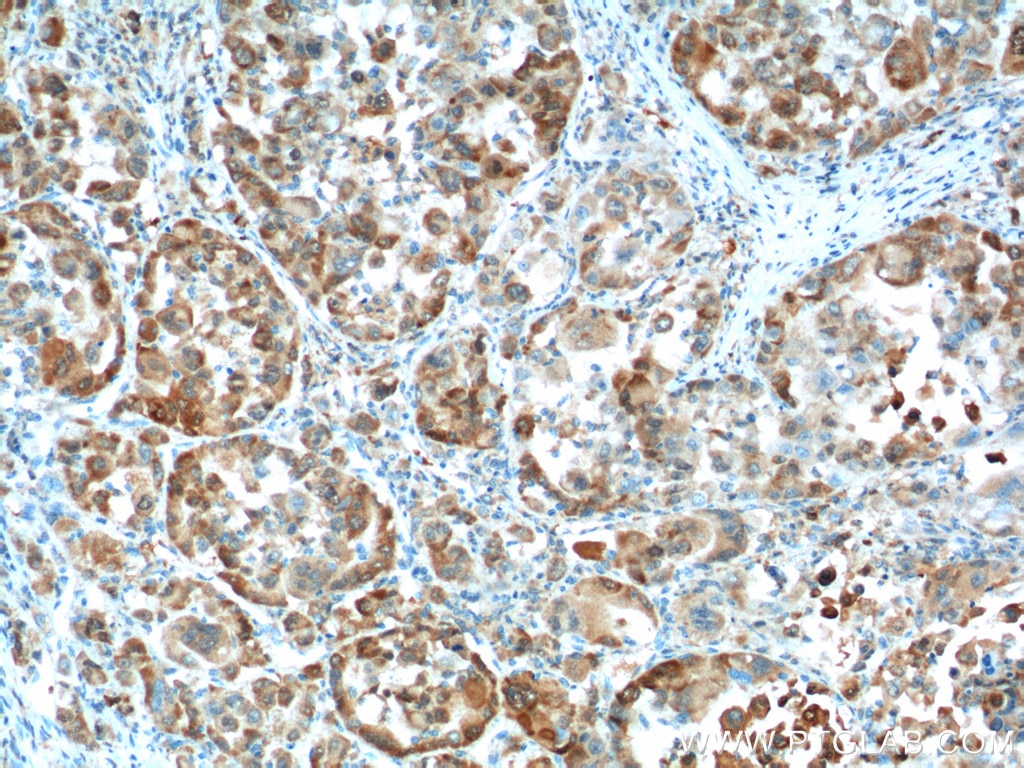
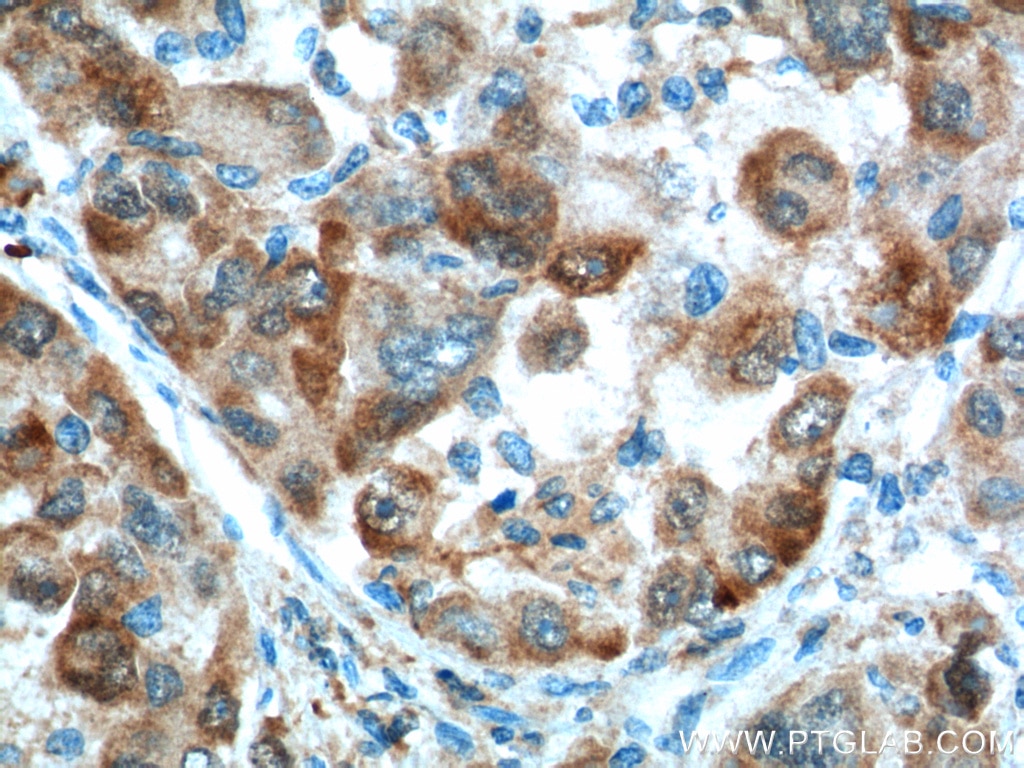
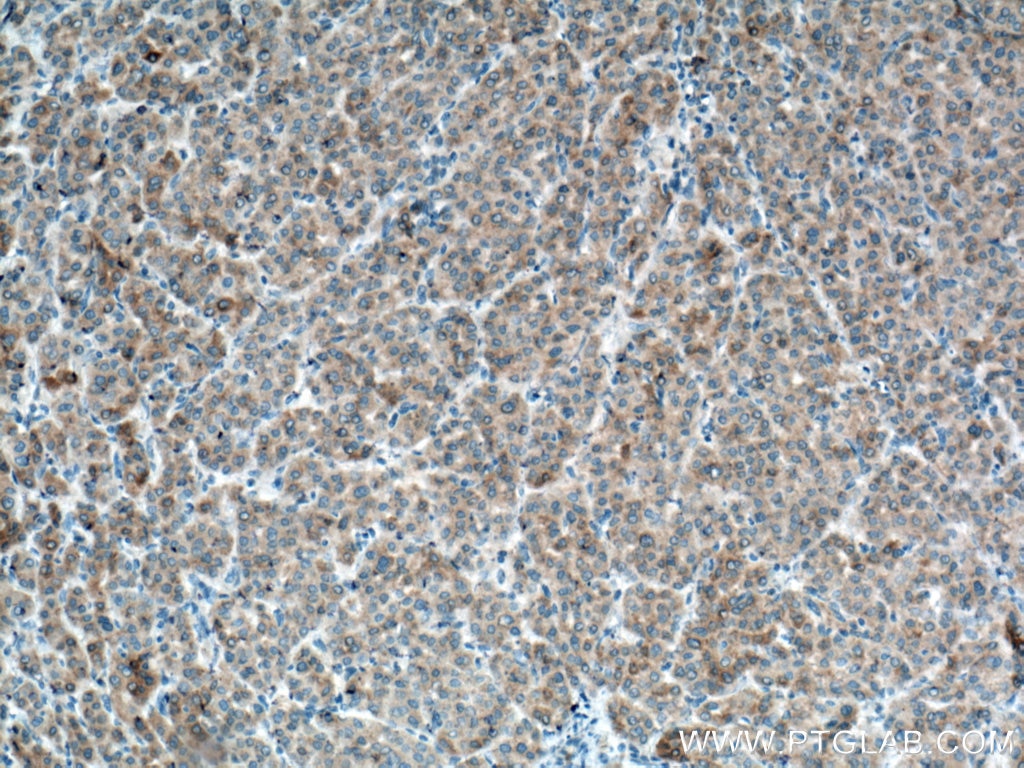
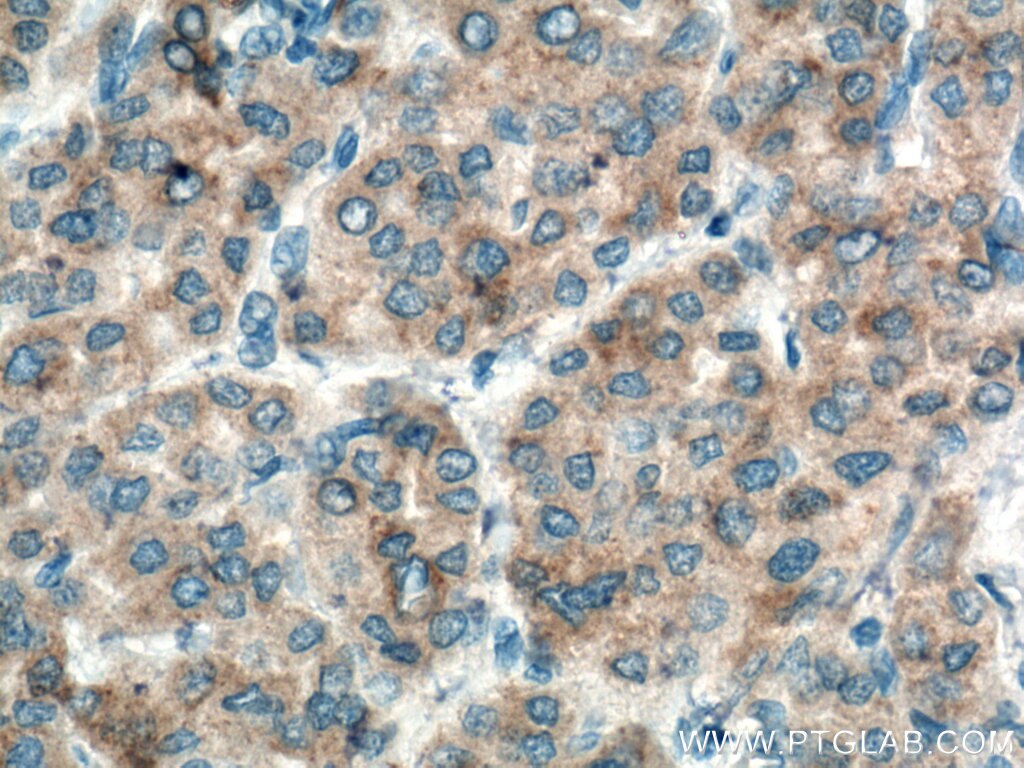
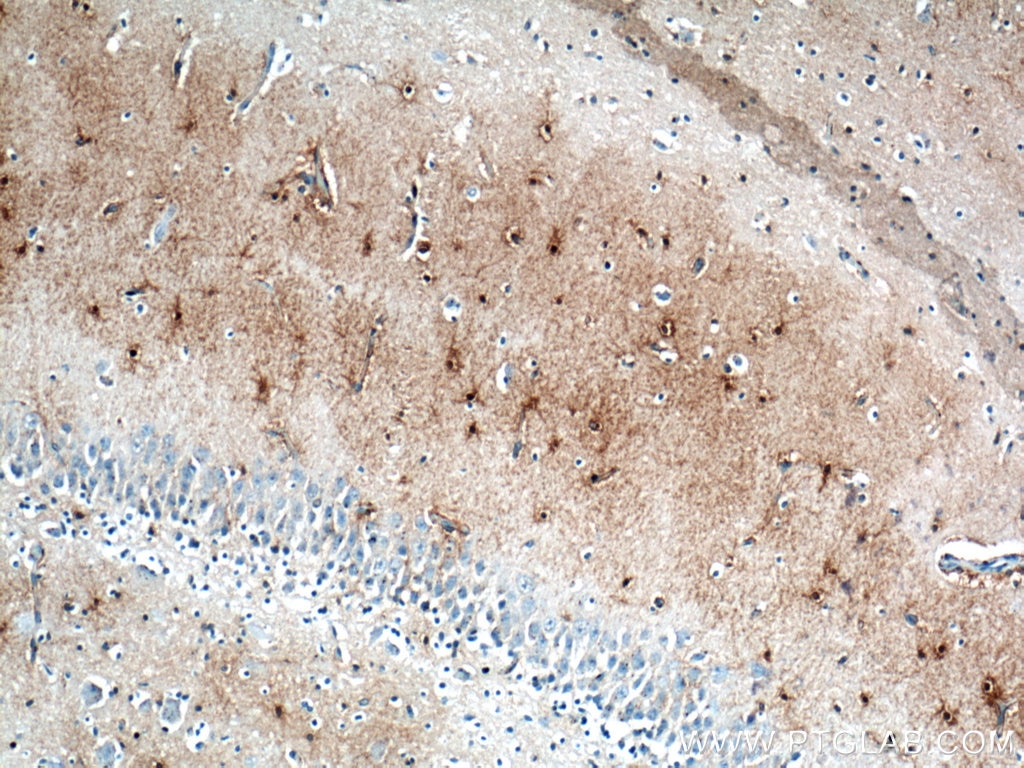
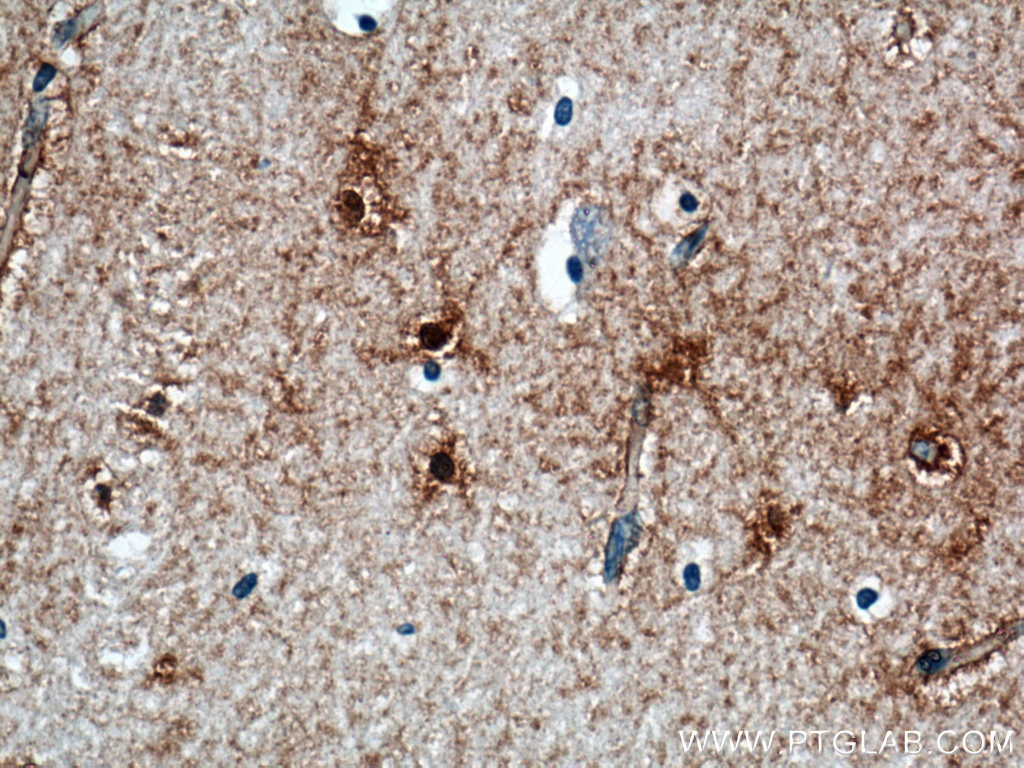
| Positive IHC detected in | human liver cancer tissue, human brain tissue Note: suggested antigen retrieval with TE buffer pH 9.0; (*) Alternatively, antigen retrieval may be performed with citrate buffer pH 6.0 |
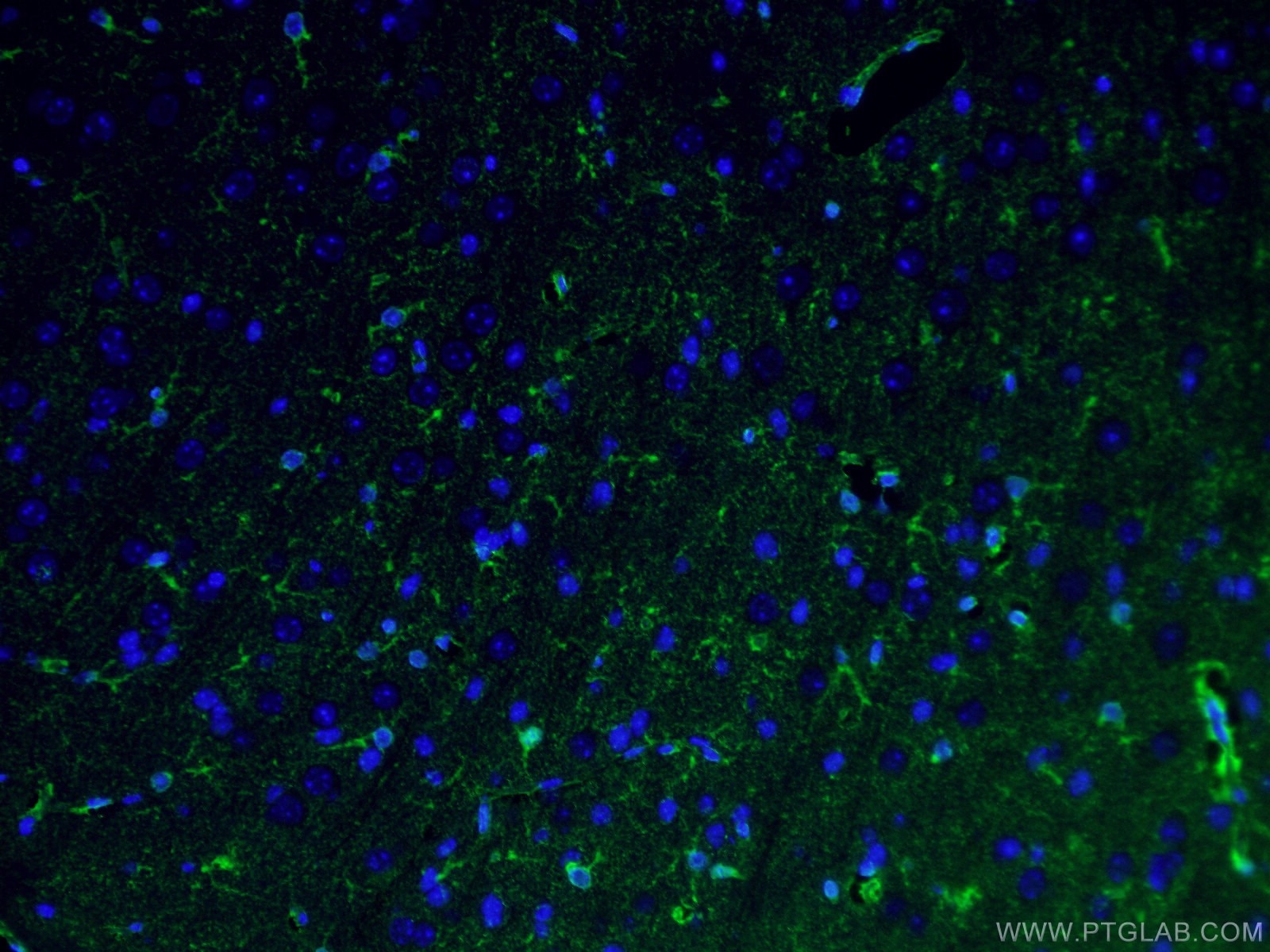
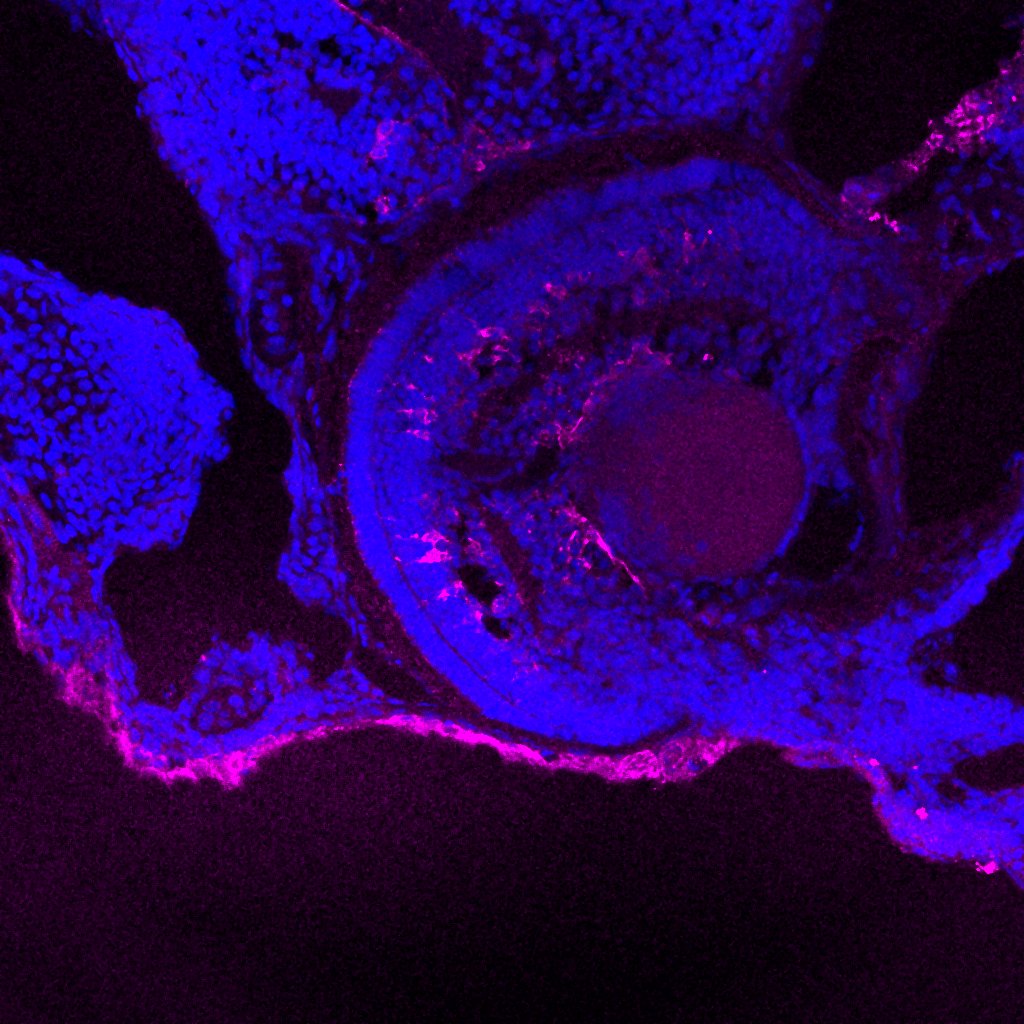
| Positive IF detected in | zebrafish retina, human brain tissue |
Recommended dilution
| Application | Dilution |
|---|---|
| Western Blot (WB) | WB : 1:1000-1:8000 |
| Immunohistochemistry (IHC) | IHC : 1:50-1:500 |
| Immunofluorescence (IF) | IF : 1:250-1:1000 |
| It is recommended that this reagent should be titrated in each testing system to obtain optimal results. | |
| Sample-dependent, Check data in validation data gallery. | |
Product Information
66323-1-Ig targets Glutamine Synthetase in WB, IHC, IF, ELISA applications and shows reactivity with human, pig, zebrafish samples.
| Tested Reactivity | human, pig, zebrafish |
| Cited Reactivity | human, mouse, rat, zebrafish |
| Host / Isotype | Mouse / IgG2b |
| Class | Monoclonal |
| Type | Antibody |
| Immunogen |
CatNo: Ag6309 Product name: Recombinant human Glutamine synthetase protein Source: e coli.-derived, PET28a Tag: 6*His Domain: 1-373 aa of BC011700 Sequence: MTTSASSHLNKGIKQVYMSLPQGEKVQAMYIWIDGTGEGLRCKTRTLDSEPKCVEELPEWNFDGSSTLQSEGSNSDMYLVPAAMFRDPFRKDPNKLVLCEVFKYNRRPAETNLRHTCKRIMDMVSNQHPWFGMEQEYTLMGTDGHPFGWPSNGFPGPQGPYYCGVGADRAYGRDIVEAHYRACLYAGVKIAGTNAEVMPAQWEFQIGPCEGISMGDHLWVARFILHRVCEDFGVIATFDPKPIPGNWNGAGCHTNFSTKAMREENGLKYIEEAIEKLSKRHQYHIRAYDPKGGLDNARRLTGFHETSNINDFSAGVANRSASIRIPRTVGQEKKGYFEDRRPSANCDPFSVTEALIRTCLLNETGDEPFQYKN Predict reactive species |
| Full Name | glutamate-ammonia ligase (glutamine synthetase) |
| Calculated Molecular Weight | 374 aa, 42 kDa |
| Observed Molecular Weight | 42 kDa |
| GenBank Accession Number | BC011700 |
| Gene Symbol | Glutamine Synthetase |
| Gene ID (NCBI) | 2752 |
| RRID | AB_2881703 |
| Conjugate | Unconjugated |
| Form | Liquid |
| Purification Method | Protein A purification |
| UNIPROT ID | P15104 |
| Storage Buffer | PBS with 0.02% sodium azide and 50% glycerol, pH 7.3. |
| Storage Conditions | Store at -20°C. Stable for one year after shipment. Aliquoting is unnecessary for -20oC storage. 20ul sizes contain 0.1% BSA. |
Background Information
GLUL(Glutamine synthetase) is also named as GS,GLNS and belongs to the glutamine synthetase family.This enzyme has 2 functions: it catalyzes the production of glutamine and 4-aminobutanoate (gamma-aminobutyric acid, GABA), the latter in a pyridoxal phosphate-independent manner By similarity. Essential for proliferation of fetal skin fibroblasts (PMID:18662667).Defects in GLUL are the cause of congenital systemic glutamine deficiency (CSGD).Organismal glutamine production is augmented secondary to an increase in the activity of glutamine synthetase in the lung and skeletal muscle(PMID:7630137). There are other bands with higher (66 kDa, 97 kDa) and lower (30 kDa)molecular weights also detected besides the 42 kDa band indicating the proteolysis of GLUL protein by the ubiquitin system(PMID:10091759).
Protocols
| Product Specific Protocols | |
|---|---|
| IF protocol for Glutamine Synthetase antibody 66323-1-Ig | Download protocol |
| IHC protocol for Glutamine Synthetase antibody 66323-1-Ig | Download protocol |
| WB protocol for Glutamine Synthetase antibody 66323-1-Ig | Download protocol |
| Standard Protocols | |
|---|---|
| Click here to view our Standard Protocols |
Publications
What published studies show
The Glutamine Synthetase Monoclonal antibody (Cat# 66323-1-Ig) has 13 citations published in journals including J Hepatol, Exploration, Bone Res, Pharmacol Res, Phytomedicine, Acta Neuropathol, Cell Rep, Front Pharmacol, J Neurosci, ACS Pharmacol Transl Sci, Life Sci Alliance, PLoS One, and In Vitro Cell Dev Biol Anim. Research fields span hepatocellular carcinoma, glutamine metabolism, obesity, intervertebral disc degeneration, lung cancer EMT, hepatic fibrosis, ALS, cortical protein synthesis, retinal development, and neurodegeneration.
| Species | Application | Title |
|---|---|---|
J Hepatol OGDHL silencing promotes hepatocellular carcinoma by reprogramming glutamine metabolism. | ||
Exploration (Beijing) Hepatic Mechanisms and Therapeutic Target Underpinning Hypercoagulation in Obesity: Insights From Genetic and Transcriptomic Analyses. | ||
Bone Res Chaperone-mediated autophagy directs a dual mechanism to balance premature senescence and senolysis to prevent intervertebral disc degeneration | ||
Pharmacol Res Therapeutic targeting of glutamate dehydrogenase 1 that links metabolic reprogramming and Snail-mediated epithelial-mesenchymal transition in drug-resistant lung cancer | ||
Phytomedicine Jiawei Taohe Chengqi decoction alleviates angiogenesis associated with LECT2/CD209-mediated macrophage reprogramming in hepatic fibrosis. | ||
Acta Neuropathol Selective vulnerability of tripartite synapses in amyotrophic lateral sclerosis. |
Reviews
What customers say
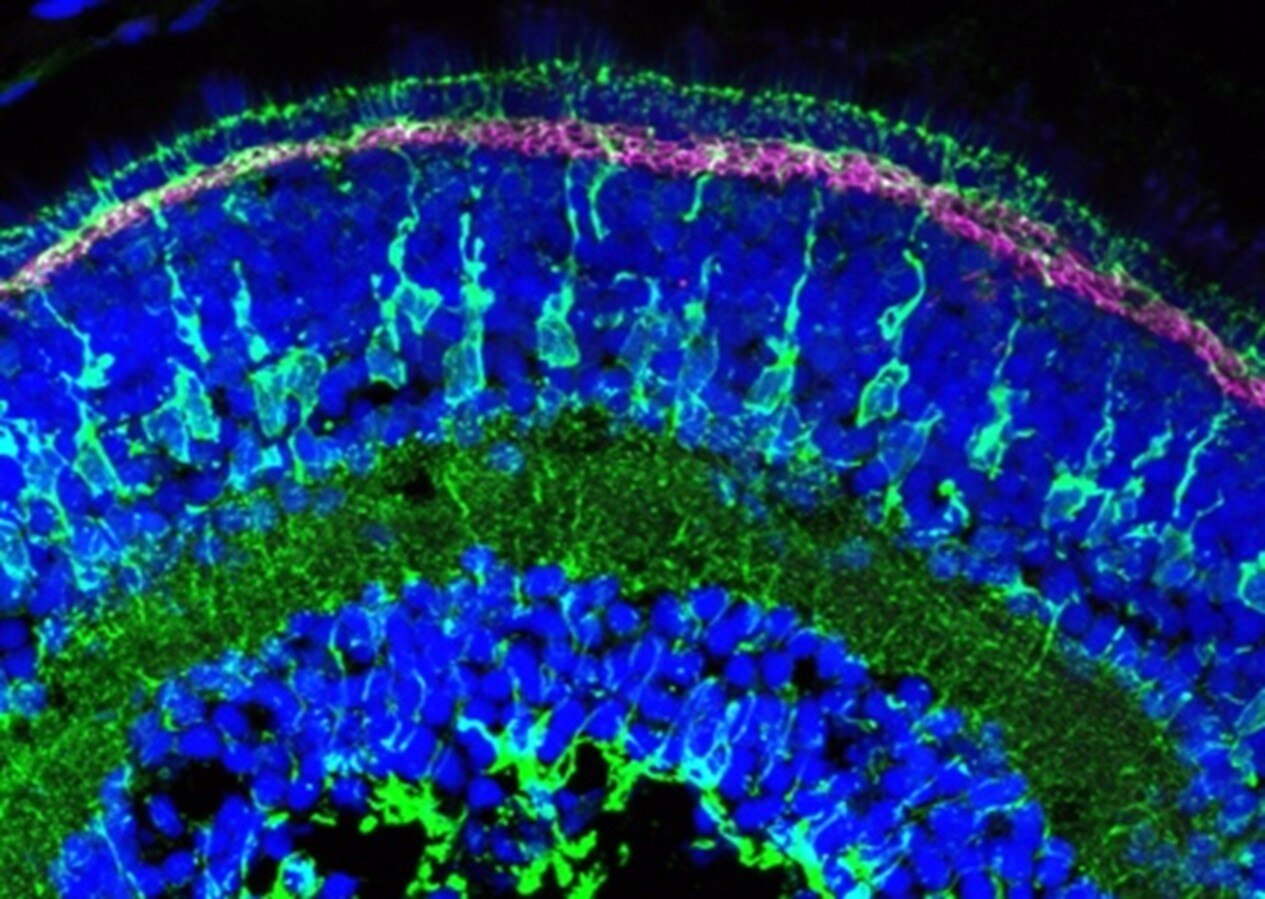
Both reviews (2 total) rated the product 5 stars. One user applied it at 1:500 for immunofluorescence on primary mouse astrocytes, co-staining glutamine synthetase with GFAP and DAPI to confirm astrocyte identity. The other used it at 1:100 for both IHC and IF on zebrafish retina (Müller glia) at 3 days post-fertilization, with Tris-HCl antigen retrieval at pH 9. Overall, users report clear, specific staining across species and applications with straightforward protocols.
The reviews below have been submitted by verified Proteintech customers who received an incentive for providing their feedback.
Calum (Verified Customer) (11-02-2021) | Glutamine synthetase (magenta) alongside alternative astrocyte marker GFAP (green) and DAPI (blue).
 |
Ryan (Verified Customer) (02-27-2019) | Tris-HCL antigen retrieval ph=9.
 |













