

Tested Applications
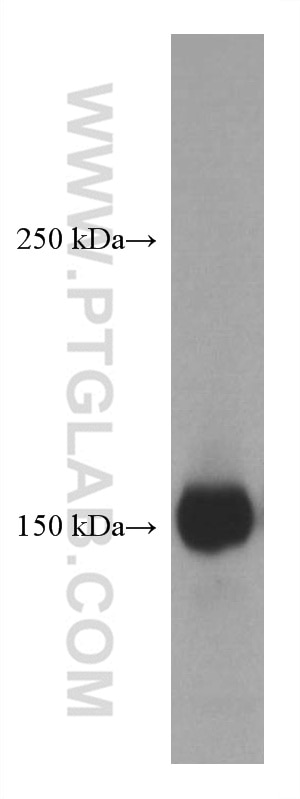
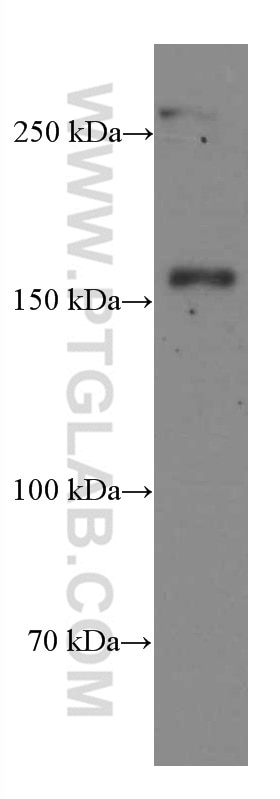
| Positive WB detected in | TF-1 cells, human bone marrow tissue |
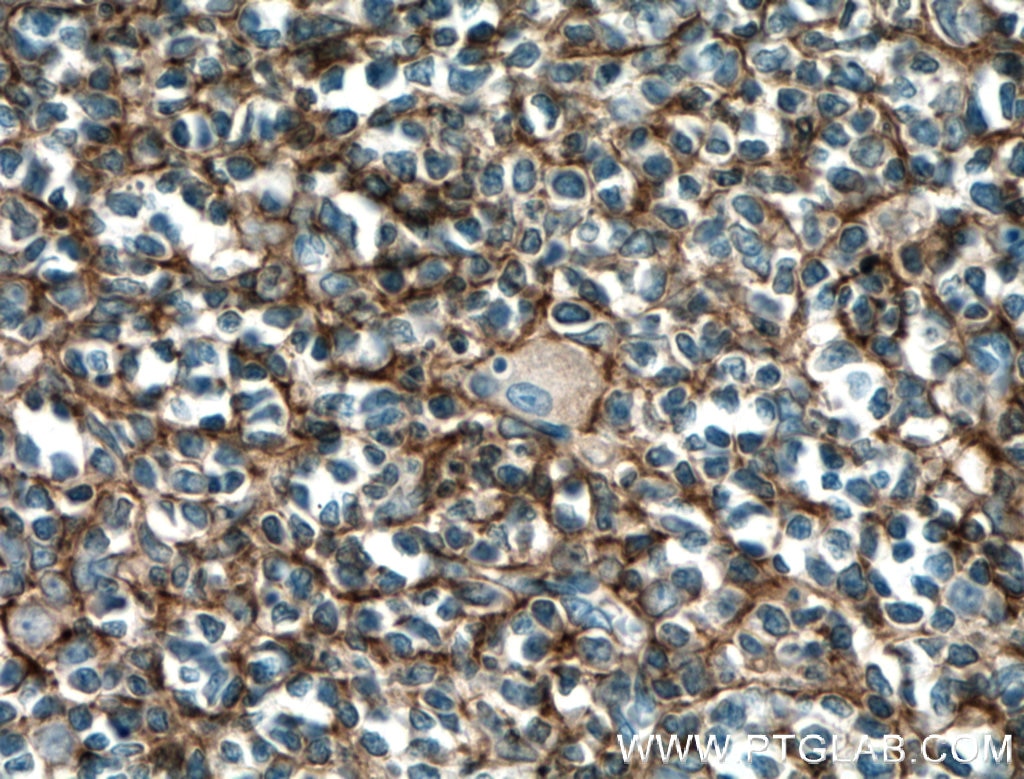
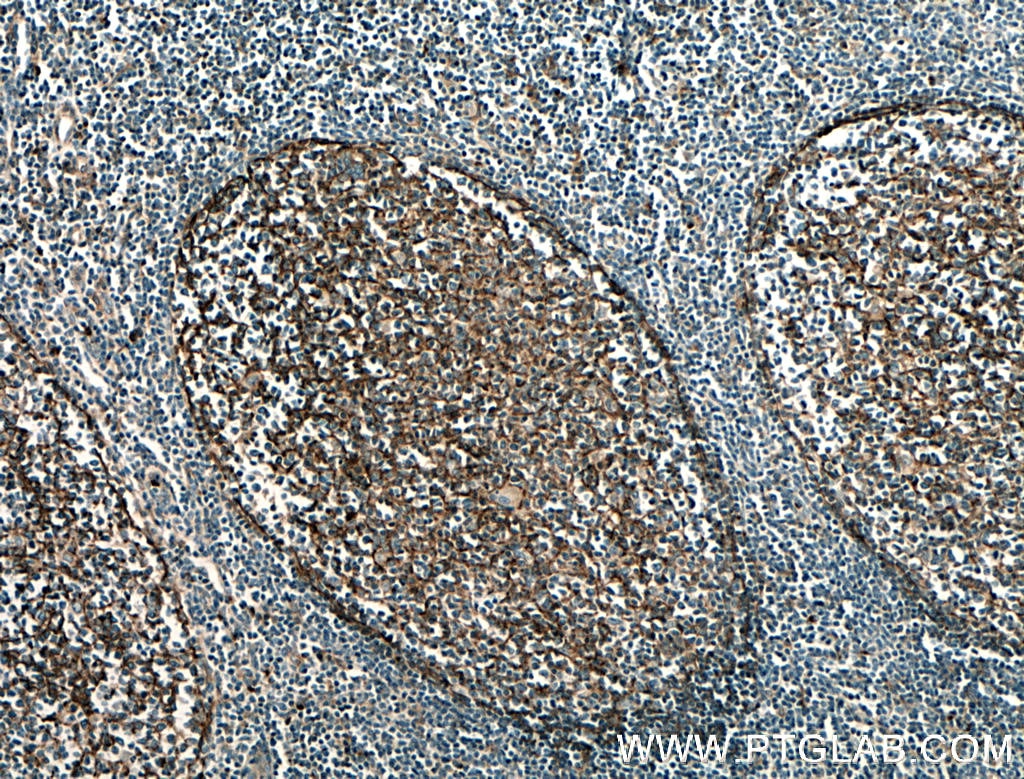
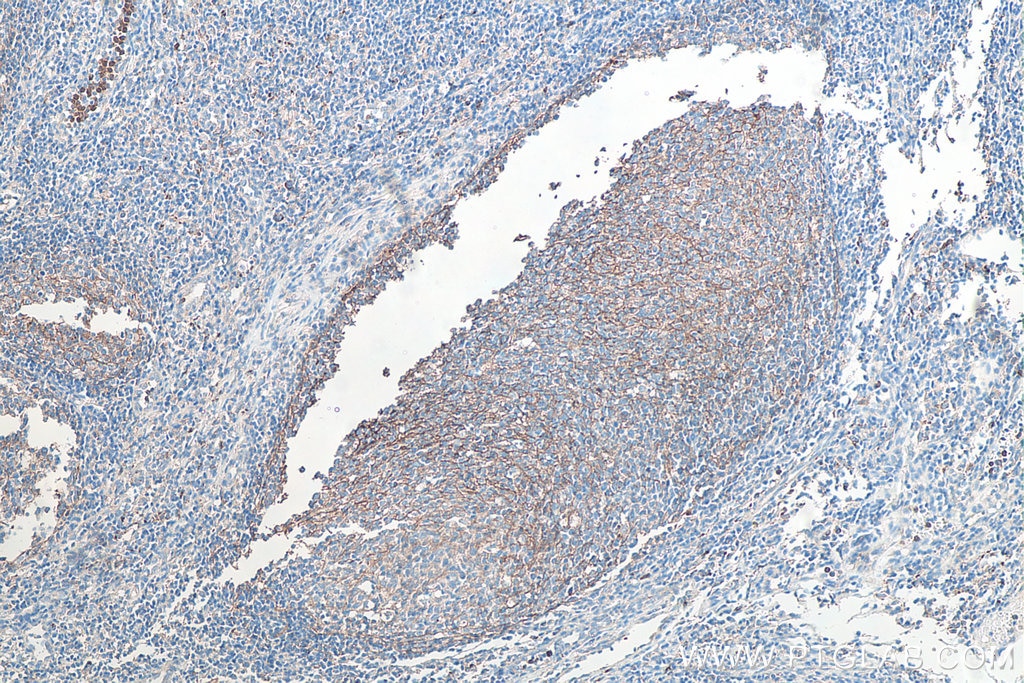
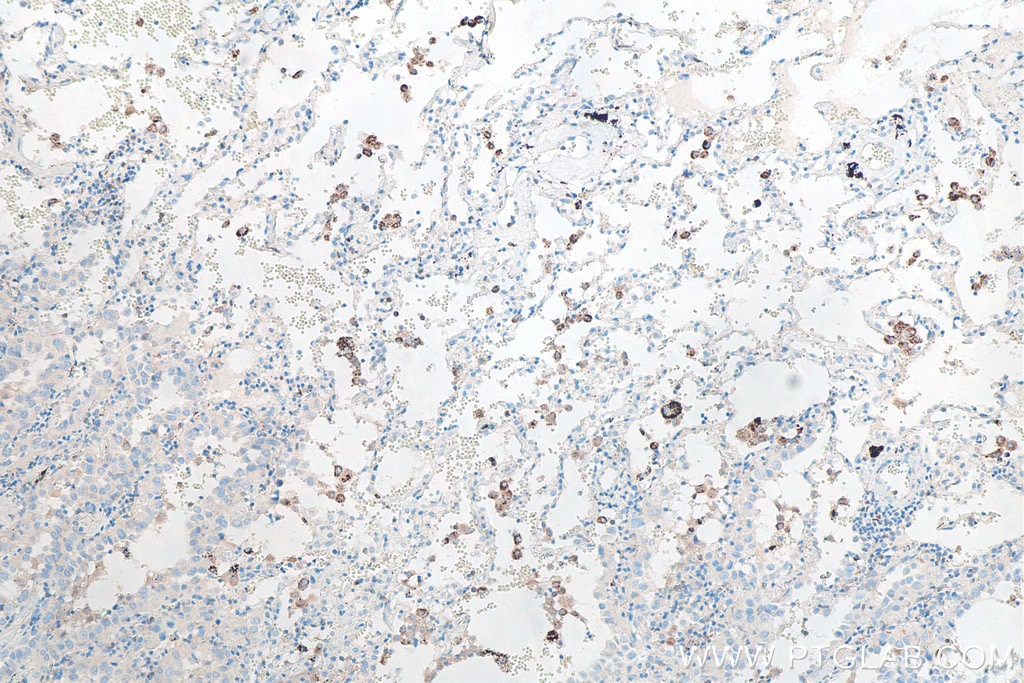
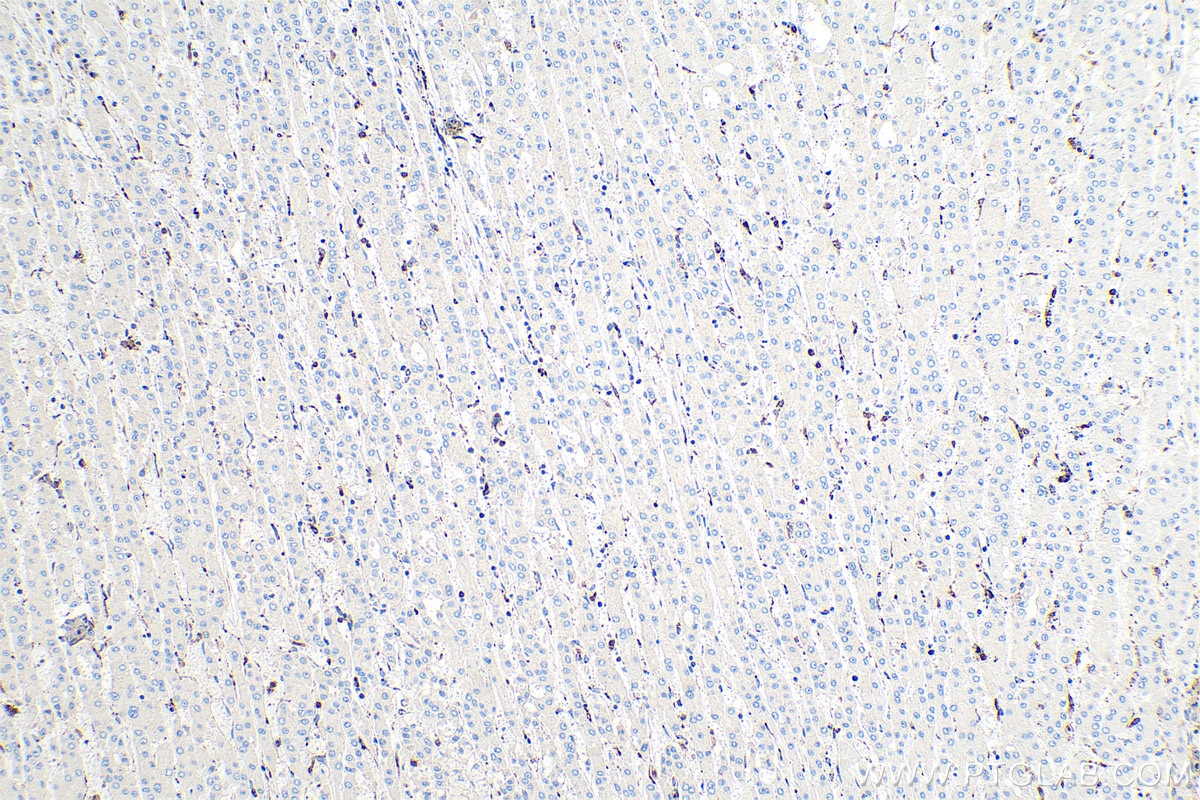
| Positive IHC detected in | human tonsillitis tissue, human liver cancer tissue, human lung cancer tissue, human tonsillitis tissue Note: suggested antigen retrieval with TE buffer pH 9.0; (*) Alternatively, antigen retrieval may be performed with citrate buffer pH 6.0 |
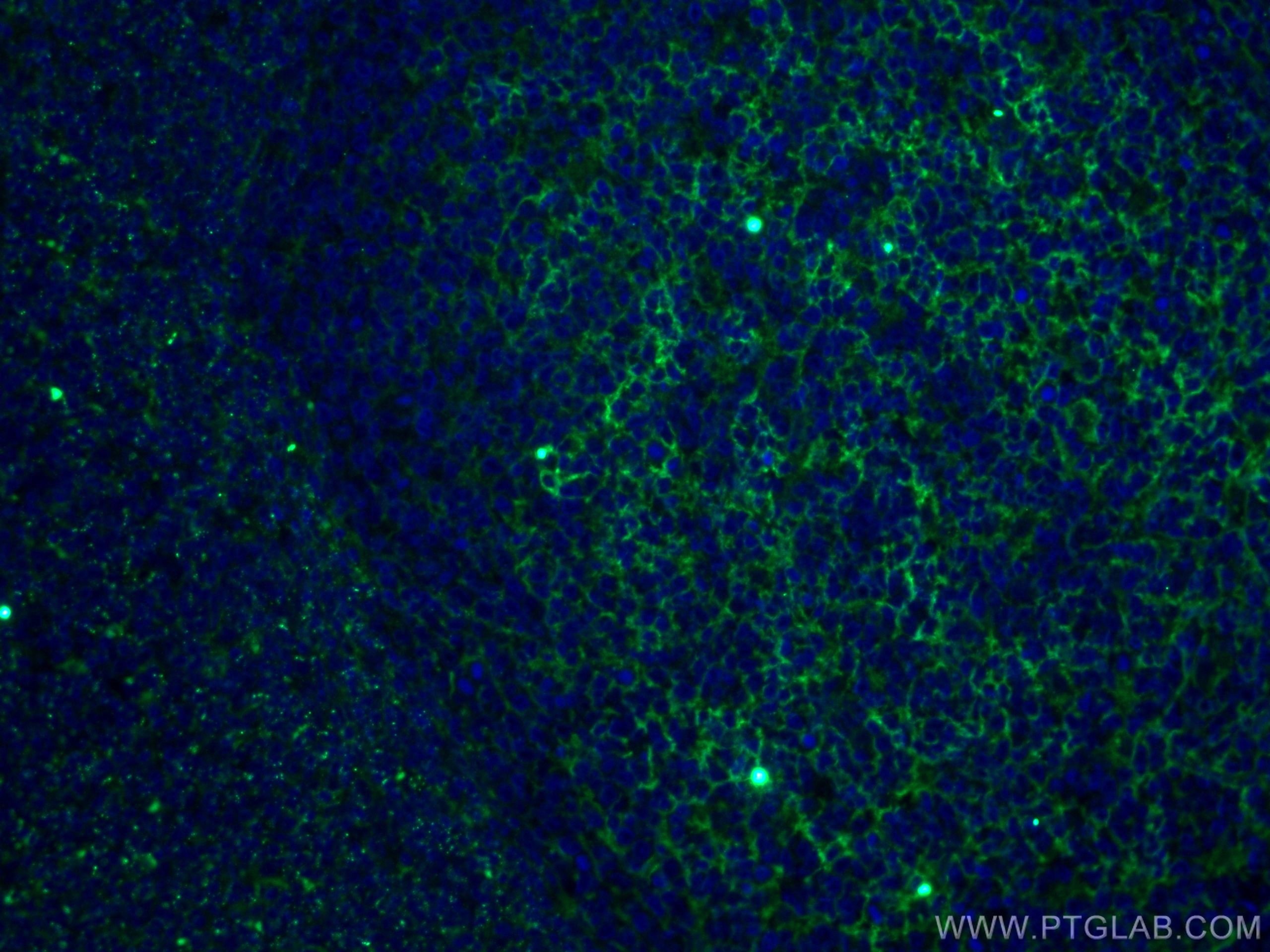
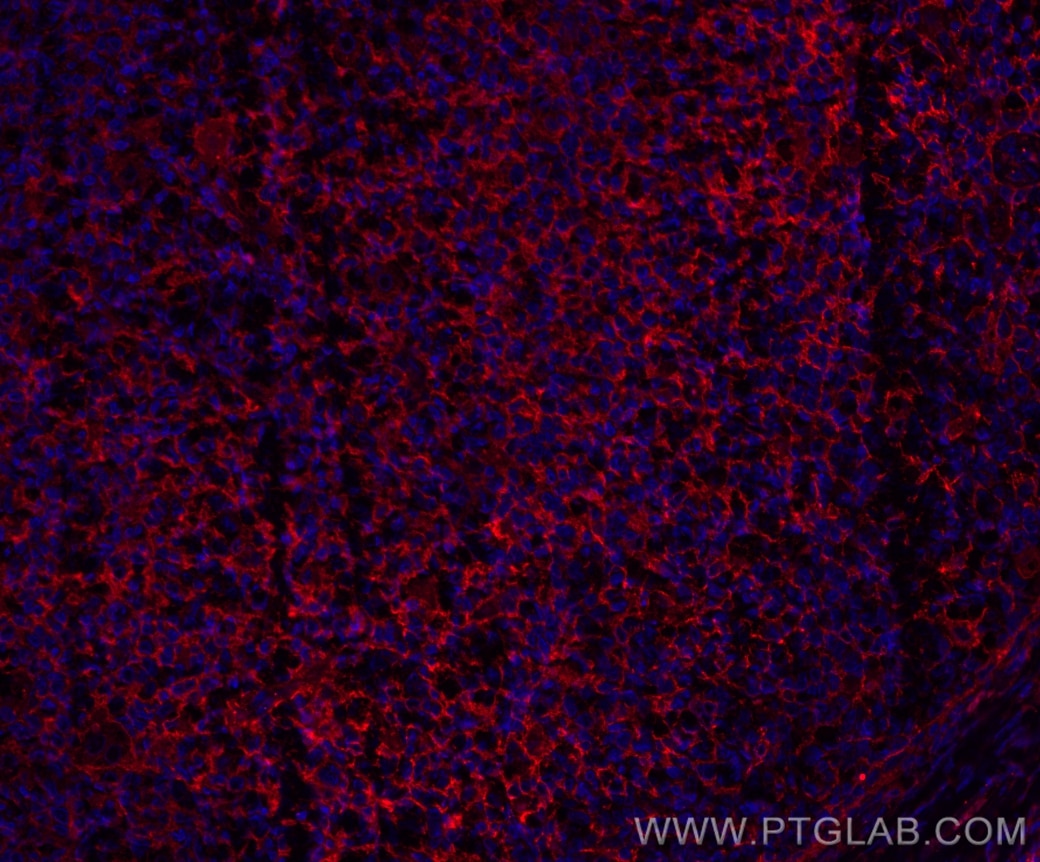
| Positive IF-P detected in | human tonsillitis tissue |
Recommended dilution
| Application | Dilution |
|---|---|
| Western Blot (WB) | WB : 1:1000-1:4000 |
| Immunohistochemistry (IHC) | IHC : 1:500-1:2000 |
| Immunofluorescence (IF)-P | IF-P : 1:50-1:500 |
| It is recommended that this reagent should be titrated in each testing system to obtain optimal results. | |
| Sample-dependent, Check data in validation data gallery. | |
Product Information
66519-1-Ig targets CD11b in WB, IHC, IF-P, ELISA applications and shows reactivity with human samples.
| Tested Reactivity | human |
| Cited Reactivity | human |
| Host / Isotype | Mouse / IgG2b |
| Class | Monoclonal |
| Type | Antibody |
| Immunogen |
Peptide Predict reactive species |
| Full Name | integrin, alpha M (complement component 3 receptor 3 subunit) |
| Calculated Molecular Weight | 93 kDa |
| Observed Molecular Weight | 160 kDa |
| GenBank Accession Number | NM_000632 |
| Gene Symbol | CD11b |
| Gene ID (NCBI) | 3684 |
| ENSEMBL Gene ID | ENSG00000169896 |
| RRID | AB_2881882 |
| Conjugate | Unconjugated |
| Form | Liquid |
| Purification Method | Protein A purification |
| UNIPROT ID | P11215 |
| Storage Buffer | PBS with 0.02% sodium azide and 50% glycerol, pH 7.3. |
| Storage Conditions | Store at -20°C. Stable for one year after shipment. Aliquoting is unnecessary for -20oC storage. 20ul sizes contain 0.1% BSA. |
Background Information
Integrins are cell adhesion receptors that are heterodimers composed of non-covalently associated α and β subunits (PMID: 9779984). CD11b, also known as Integrin alpha M or CR3A, belongs to the integrin alpha chain family. CD11b forms an α/β heterodimer with CD18 (integrin β2). CD11b/CD18 is implicated in various adhesive interactions of monocytes, macrophages and granulocytes as well as in mediating the uptake of complement-coated particles and pathogens (PMID: 9558116; 20008295). CD11b/CD18 is a receptor for the complement protein fragment iC3b, and is also a receptor for fibrinogen, factor X and ICAM1 (PMID: 2971974; 15485828).
Protocols
| Product Specific Protocols | |
|---|---|
| IF protocol for CD11b antibody 66519-1-Ig | Download protocol |
| IHC protocol for CD11b antibody 66519-1-Ig | Download protocol |
| WB protocol for CD11b antibody 66519-1-Ig | Download protocol |
| Standard Protocols | |
|---|---|
| Click here to view our Standard Protocols |
Publications
What published studies show
The CD11b Monoclonal antibody (Cat# 66519-1-Ig) has 81 citations. Publications appear across high-impact journals including Cancer Research, Theranostics, Advanced Science, Cell Reports, Journal of Experimental Medicine, Developmental Cell, Molecular Therapy, Cell Death & Disease, Frontiers in Immunology, and International Immunopharmacology. Research fields span tumor immunology and immunotherapy, macrophage/neutrophil polarization, ferroptosis and pyroptosis, neuroinflammation, and biomimetic nanomedicine, with applications in WB, IF, and IHC.
| Species | Application | Title |
|---|---|---|
Bioact Mater Photosynthetic microorganisms coupled photodynamic therapy for enhanced antitumor immune effect. | ||
Cancer Res The m6A Reader YTHDF2 Promotes Bladder Cancer Progression by Suppressing RIG-I-Mediated Immune Response | ||
Int J Oral Sci Single-cell and spatial transcriptomics reveals an anti-tumor neutrophil subgroup in microwave thermochemotherapy-treated lip cancer | ||
J Nanobiotechnology Macrophage membrane-camouflaged biomimetic nanoparticles for rheumatoid arthritis treatment via modulating macrophage polarization | ||
Theranostics The TMBIM1-YBX1 axis orchestrates MDSC recruitment and immunosuppressive microenvironment in pancreatic cancer | ||
Adv Sci (Weinh) Cancer Cell-Derived Large Extracellular Vesicles Promote Venous Thromboembolism by Activating NETosis Through Delivering CYBA |
Reviews
What customers say
Overall, reviewers report mixed experiences with this CD11b antibody. One user praised its performance for multiplex IHC on lung tissue at 1:250 dilution, while another achieved strong results on human FFPE tonsil tissue using HIER pH6 at 1:200 for IHC. However, one user found it underperformed in human brain cortex IF at 1:100, noting unexpected neuronal labeling and significant autofluorescence rather than the expected microglial staining. The antibody appears to work well for IHC applications on FFPE tissues but may require optimization for IF on brain tissue.
The reviews below have been submitted by verified Proteintech customers who received an incentive for providing their feedback.
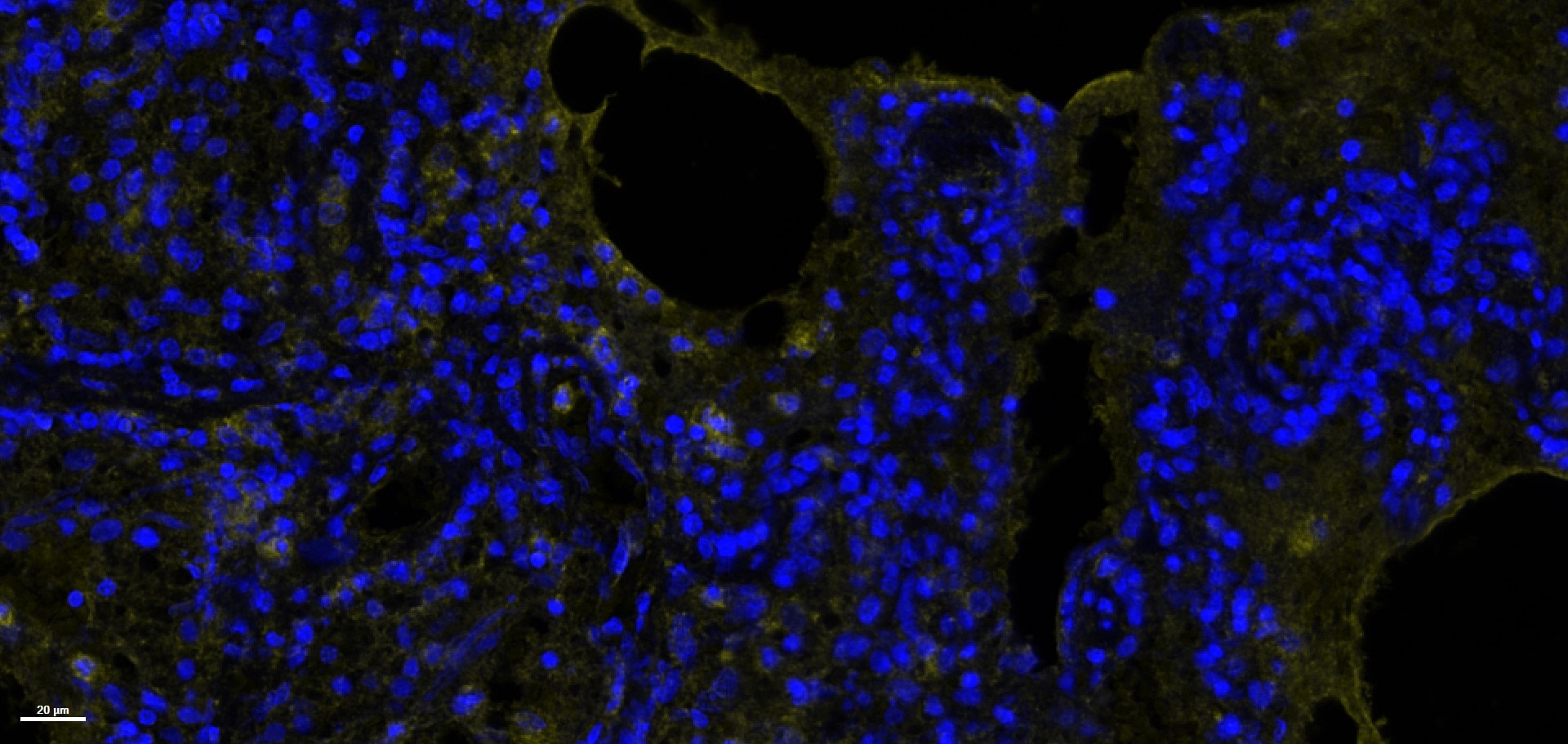
Sasha (Verified Customer) (03-20-2026) | Good antibody for multiplexing IHC
 |
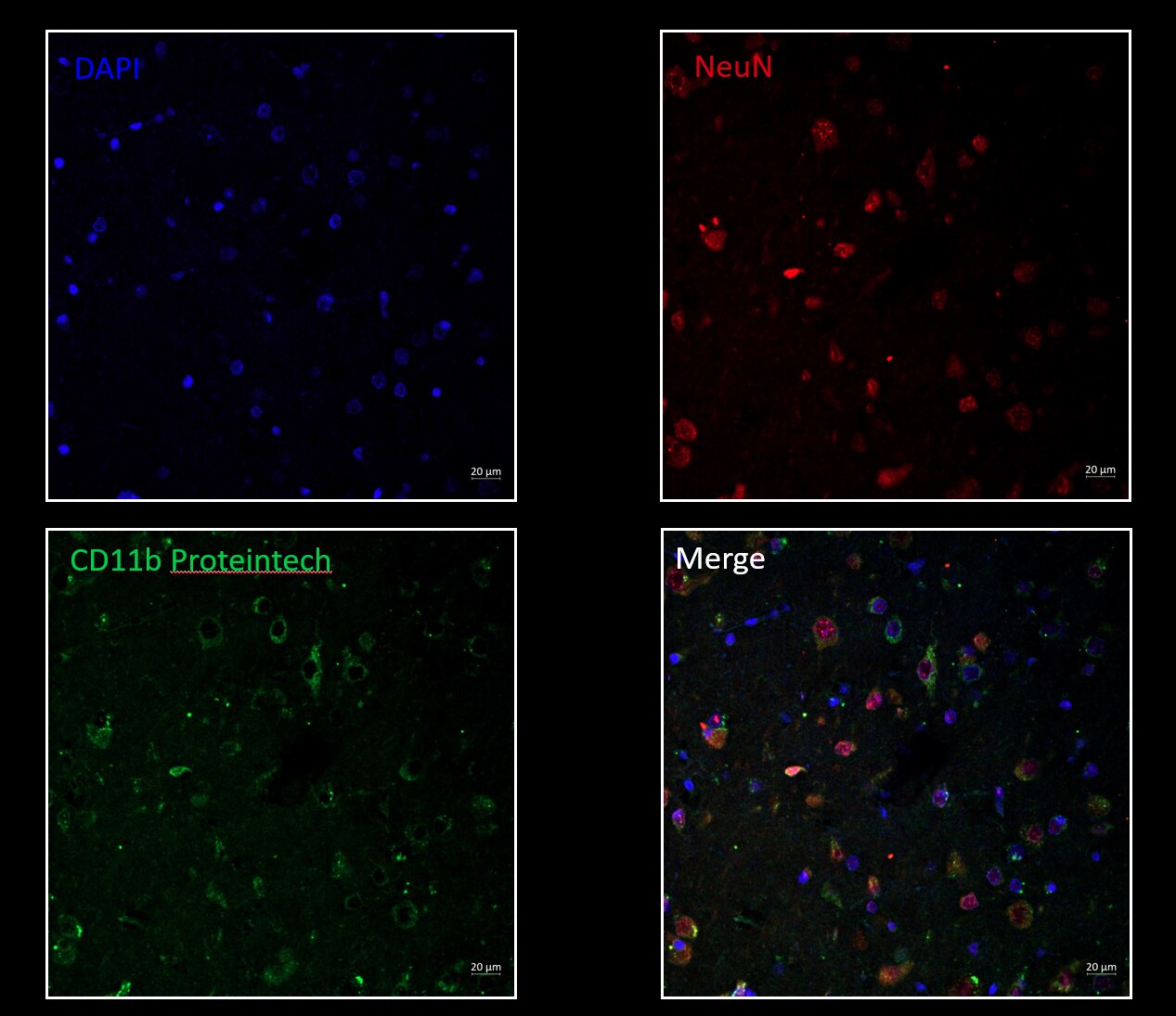
Reyes (Verified Customer) (09-05-2024) | CD11b did not work as good as expected, not showing my microglia, but rather appearing in some small neurons, and most of the marking seems to be autofluorescence from the human brain tissue.
 |
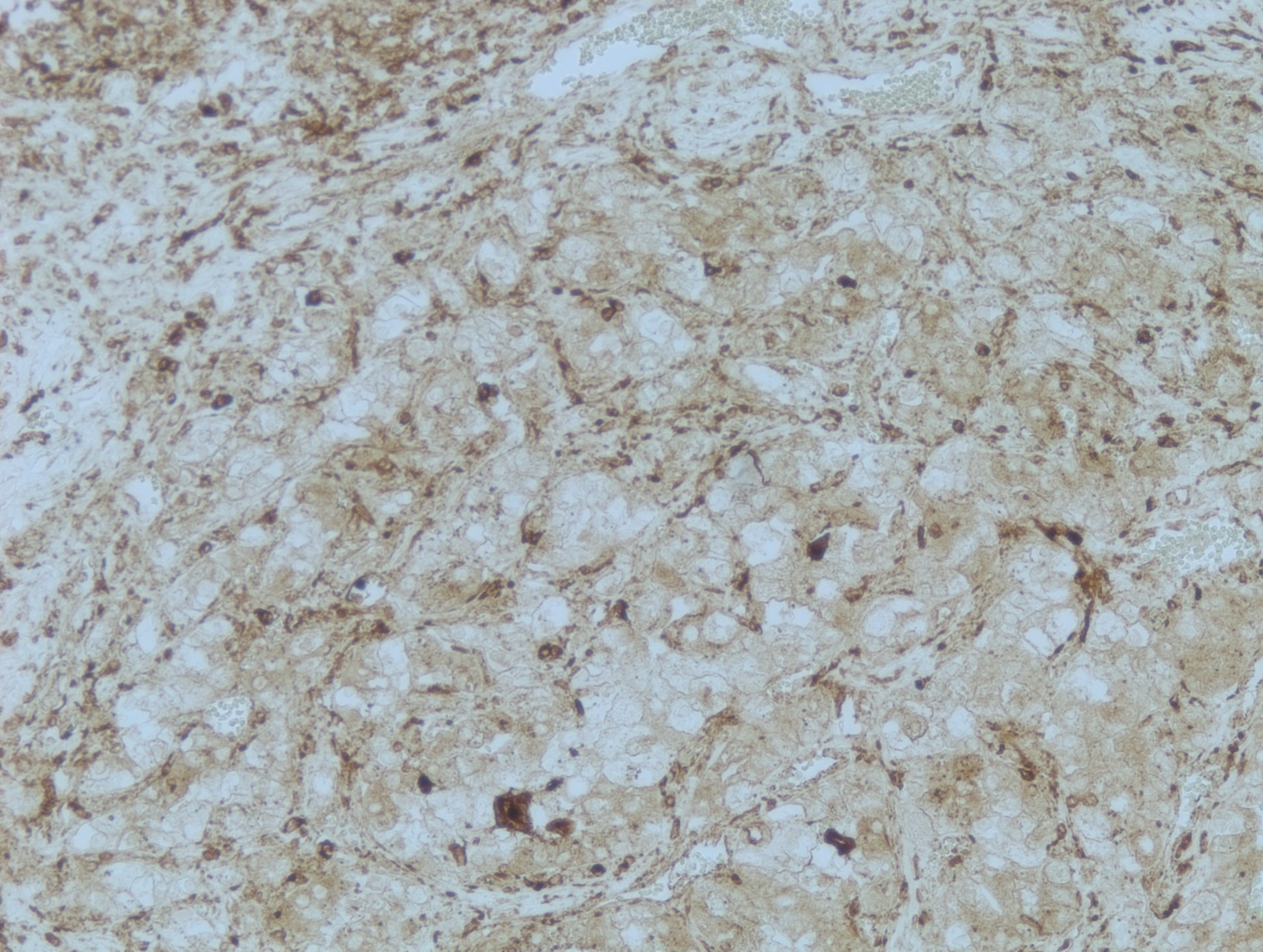
Santhosh (Verified Customer) (04-15-2019) | Human FFPE tonsil tissue, HIER pH6
 |










