

Tested Applications
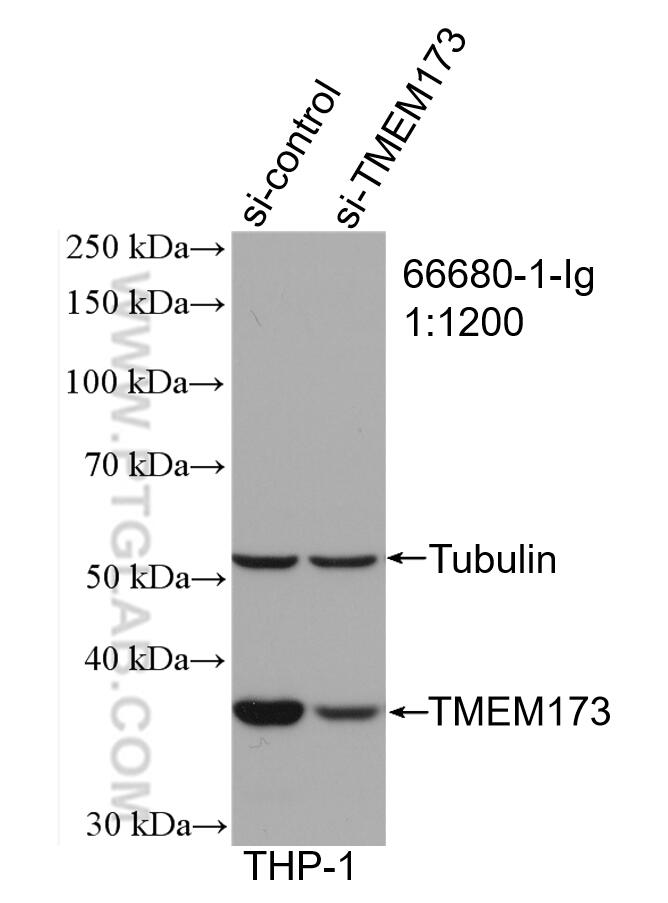
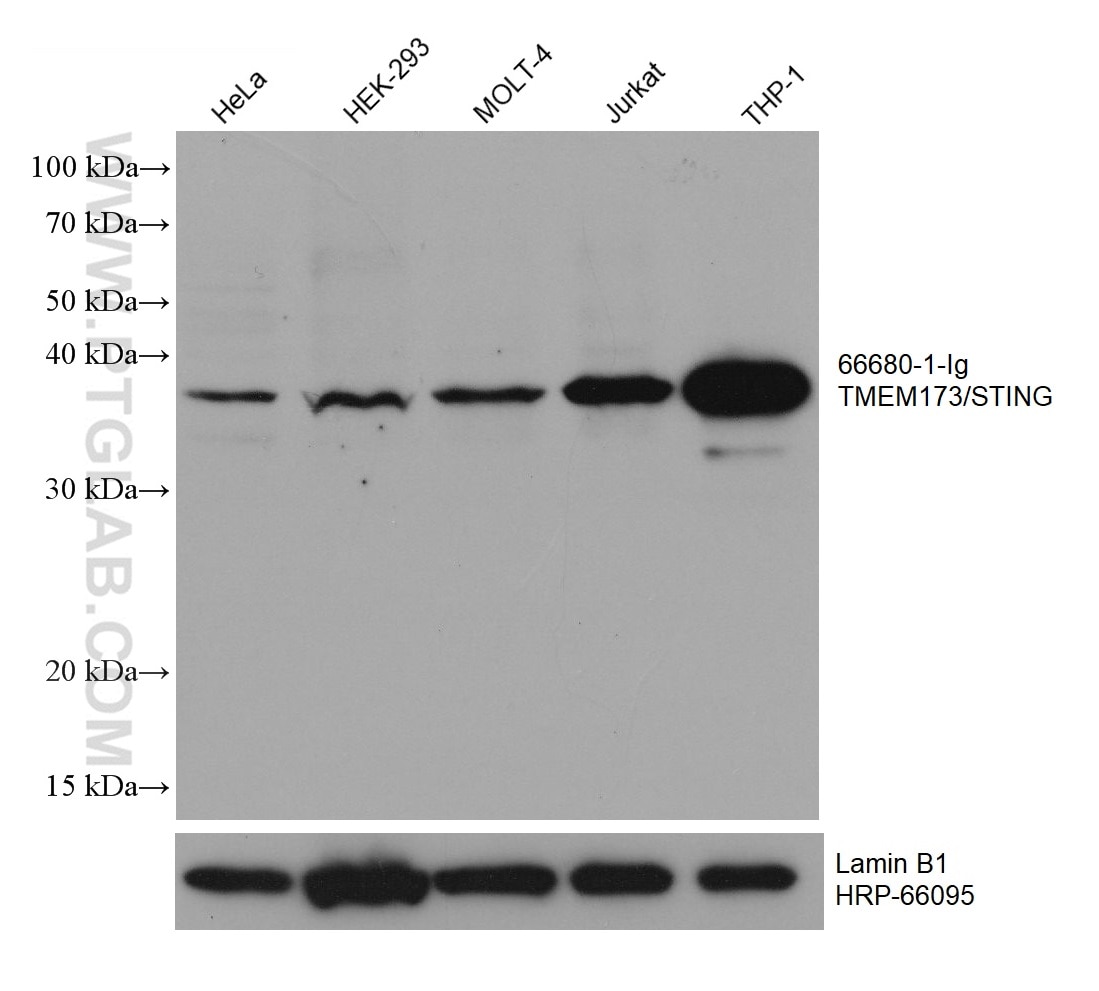
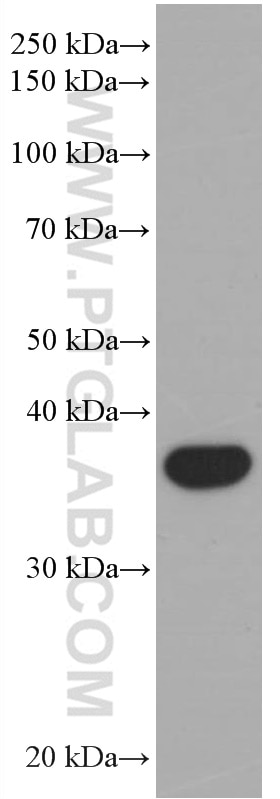
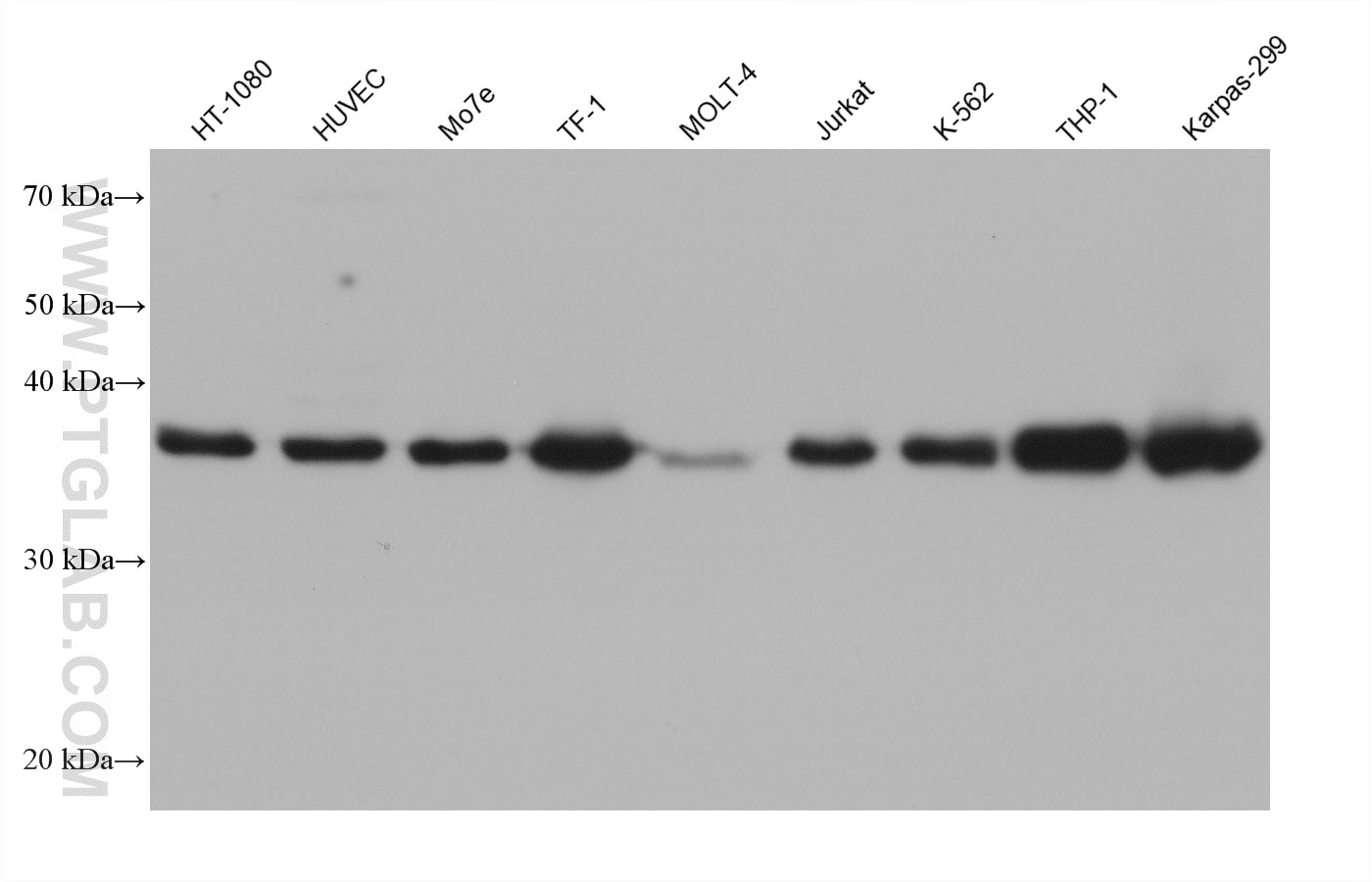
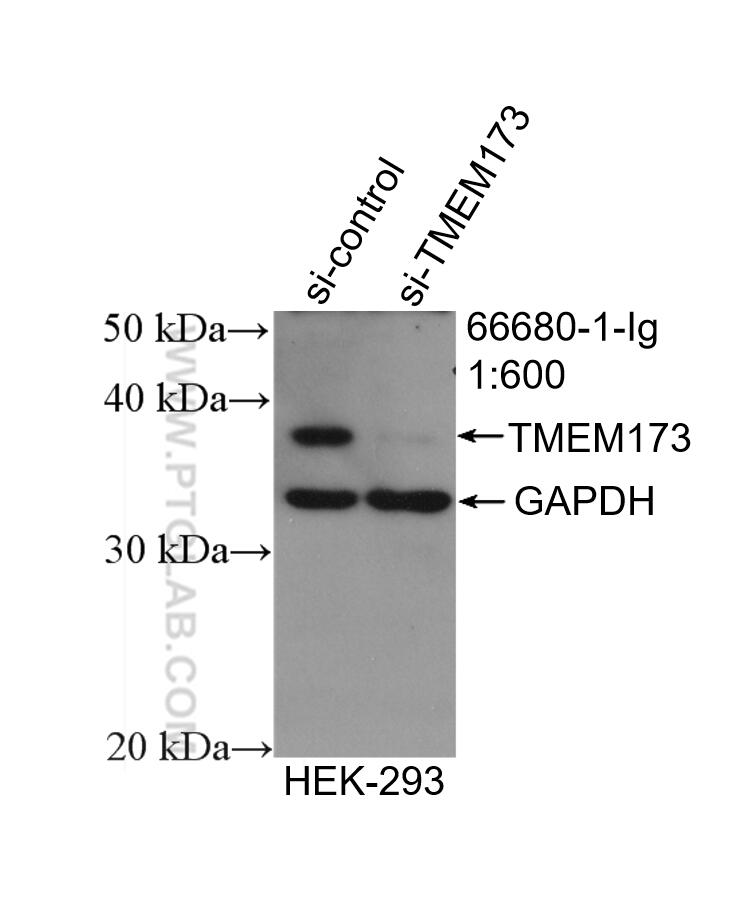
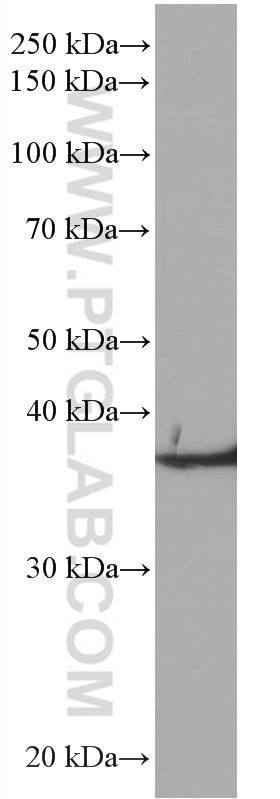
| Positive WB detected in | HT-1080 cells, HEK-293 cells, HeLa cells, HepG2 cells, HSC-T6 cells, THP-1 cells, MOLT-4 cells, Jurkat cells, HUVEC cells, Mo7e cells, TF-1 cells, K-562 cells, Karpas-299 cells |
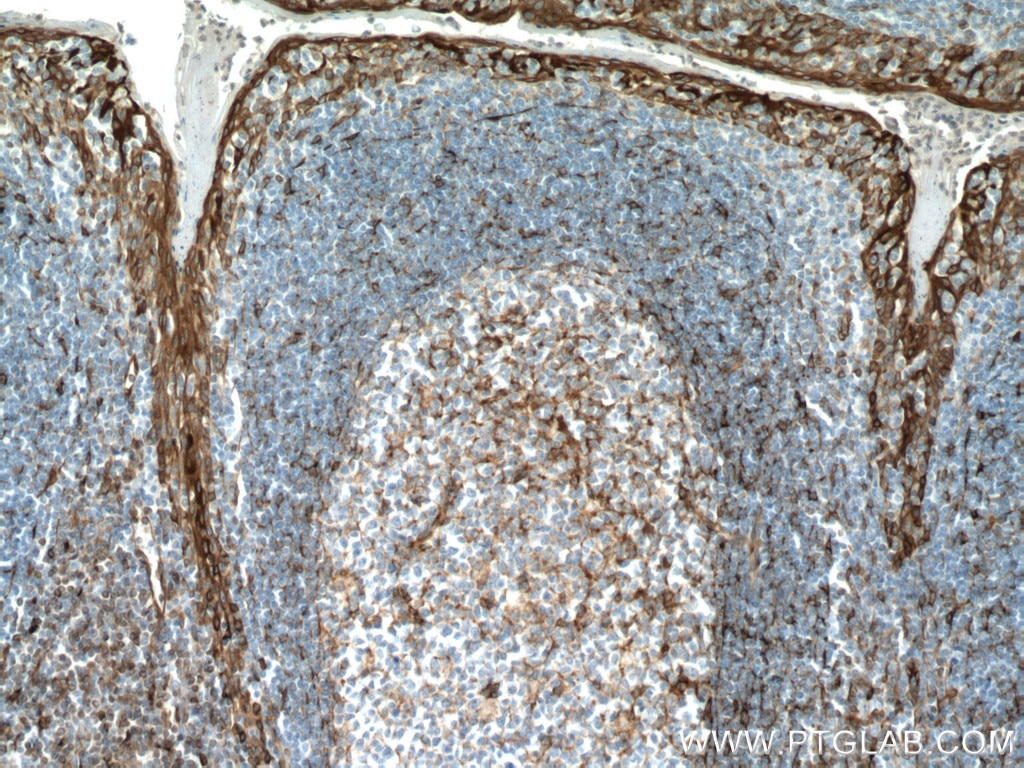
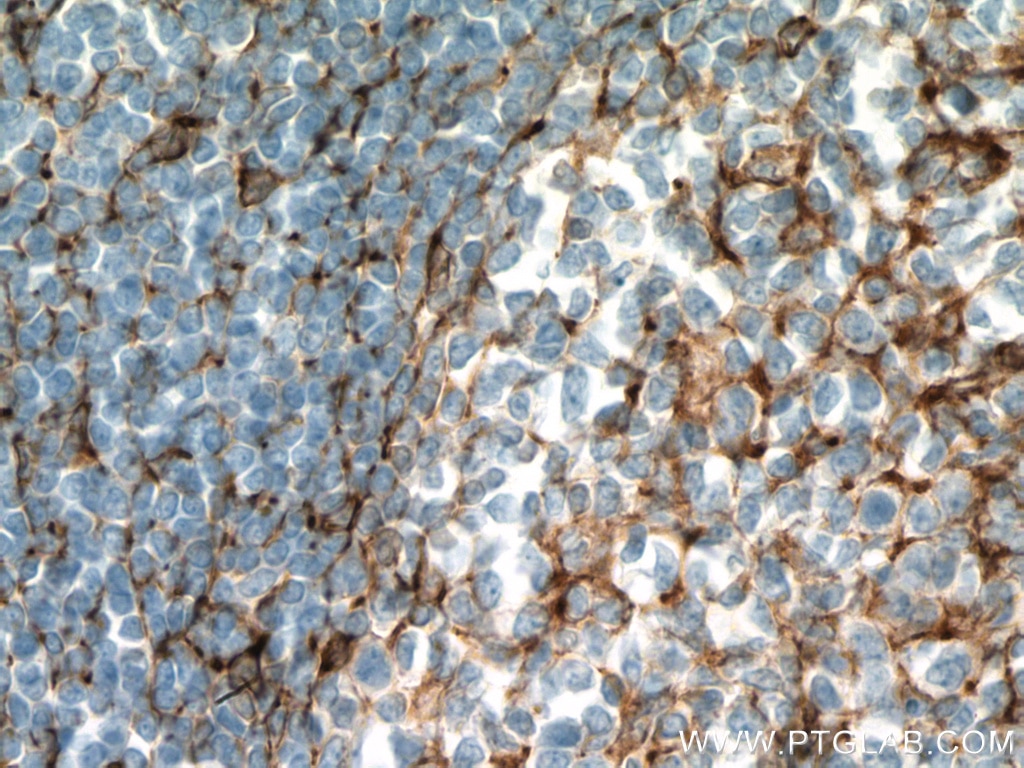
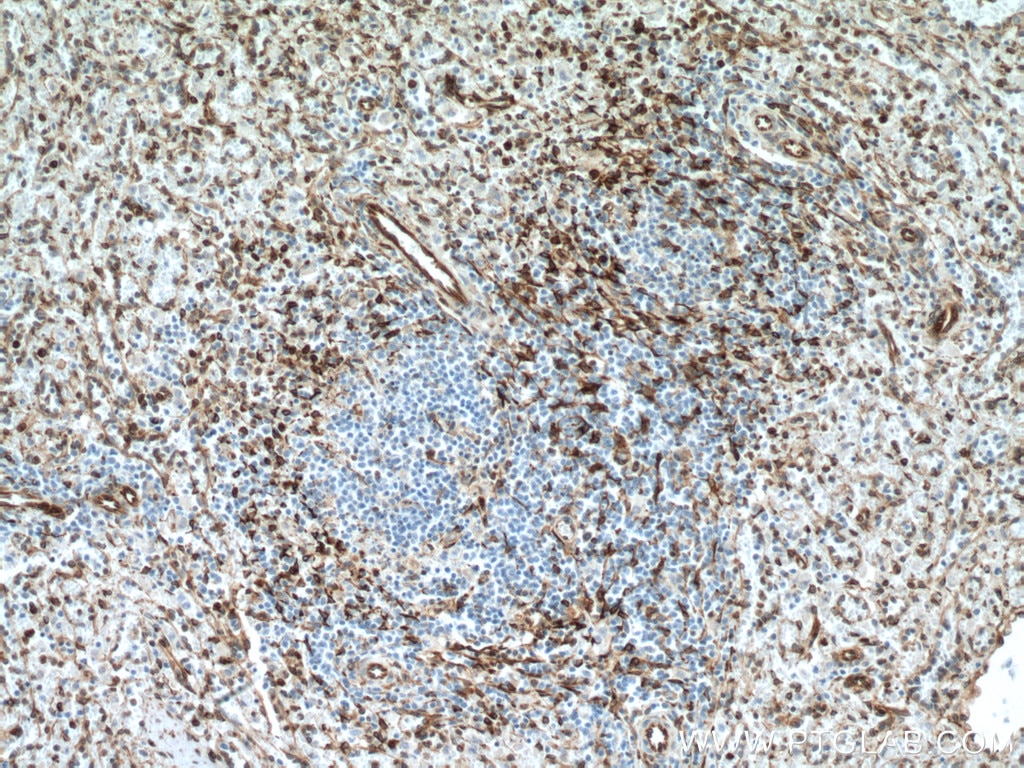
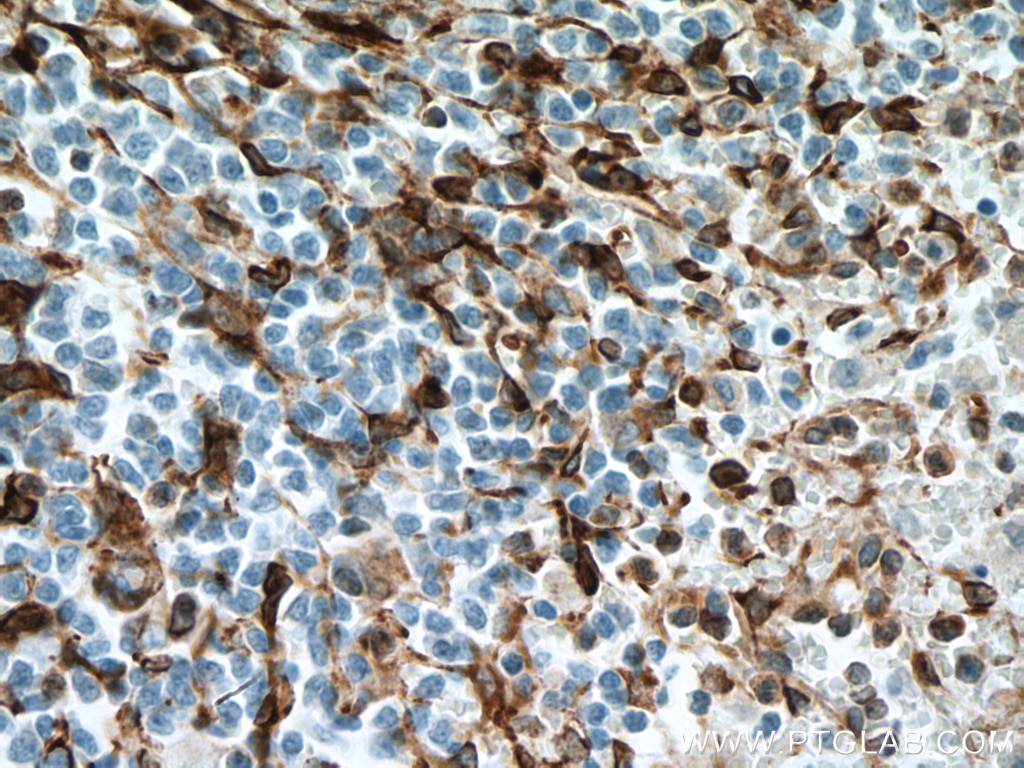
| Positive IHC detected in | human tonsillitis tissue, human spleen tissue Note: suggested antigen retrieval with TE buffer pH 9.0; (*) Alternatively, antigen retrieval may be performed with citrate buffer pH 6.0 |
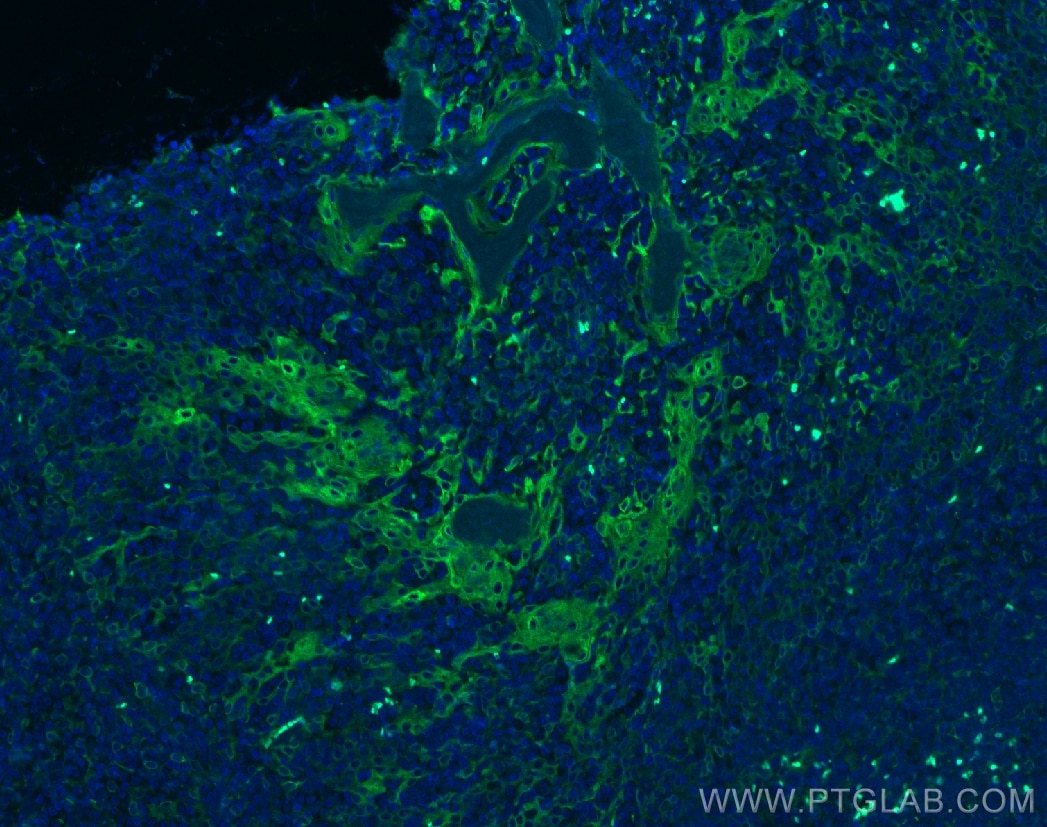
| Positive IF-P detected in | human tonsillitis tissue |
Recommended dilution
| Application | Dilution |
|---|---|
| Western Blot (WB) | WB : 1:5000-1:50000 |
| Immunohistochemistry (IHC) | IHC : 1:500-1:2000 |
| Immunofluorescence (IF)-P | IF-P : 1:200-1:800 |
| It is recommended that this reagent should be titrated in each testing system to obtain optimal results. | |
| Sample-dependent, Check data in validation data gallery. | |
Product Information
66680-1-Ig targets TMEM173/STING in WB, IHC, IF-P, IP, CoIP, ELISA applications and shows reactivity with human, rat samples.
| Tested Reactivity | human, rat |
| Cited Reactivity | human, rat |
| Host / Isotype | Mouse / IgG2b |
| Class | Monoclonal |
| Type | Antibody |
| Immunogen |
CatNo: Ag20363 Product name: Recombinant human TMEM173 protein Source: e coli.-derived, PET28a Tag: 6*His Domain: 174-379 aa of BC047779 Sequence: ELQARIRTYNQHYNNLLRGAVSQRLYILLPLDCGVPDNLSMADPNIRFLDKLPQQTGDHAGIKDRVYSNSIYELLENGQRAGTCVLEYATPLQTLFAMSQYSQAGFSREDRLEQAKLFCRTLEDILADAPESQNNCRLIAYQEPADDSSFSLSQEVLRHLRQEEKEEVTVGSLKTSAVPSTSTMSQEPELLISGMEKPLPLRTDFS Predict reactive species |
| Full Name | transmembrane protein 173 |
| Calculated Molecular Weight | 379 aa, 42 kDa |
| Observed Molecular Weight | 37 kDa |
| GenBank Accession Number | BC047779 |
| Gene Symbol | STING |
| Gene ID (NCBI) | 340061 |
| RRID | AB_2882034 |
| Conjugate | Unconjugated |
| Form | Liquid |
| Purification Method | Protein A purification |
| UNIPROT ID | Q86WV6 |
| Storage Buffer | PBS with 0.02% sodium azide and 50% glycerol, pH 7.3. |
| Storage Conditions | Store at -20°C. Stable for one year after shipment. Aliquoting is unnecessary for -20oC storage. 20ul sizes contain 0.1% BSA. |
Background Information
Stimulator of interferon genes (STING, also known as ERIS, MITA and MPYS, and encoded by TMEM173) is a transmembrane adaptor protein that facilitates innate immune signaling (PMID: 18724357). STING is widely expressed in various cell types such as endothelial cells, epithelial cells, T cells, macrophages, and dendritic cells (PMID: 26603901). It is predominantly located in the endoplasmic reticulum (ER). STING functions as a sensor of cytosolic DNA and promotes the production of type I interferons and pro-inflammatory cytokines. STING is a 379 amino acid protein with a calculated molecular weight of 42 kDa. It has been observed at 35-40 kDa (PMID: 27324217; 29632140; 30918080), and 70-80 kDa corresponding to the expected size of a STING dimer (PMID: 25790474; 29491158).
Protocols
| Product Specific Protocols | |
|---|---|
| IF protocol for TMEM173/STING antibody 66680-1-Ig | Download protocol |
| IHC protocol for TMEM173/STING antibody 66680-1-Ig | Download protocol |
| WB protocol for TMEM173/STING antibody 66680-1-Ig | Download protocol |
| Standard Protocols | |
|---|---|
| Click here to view our Standard Protocols |
Publications
What published studies show
The STING antibody (Cat# 66680-1-Ig) has accumulated 70 citations. Key journals include Nature Communications, Immunity, Cell Reports, Science Advances, Cell Death & Differentiation, PNAS, Autophagy, Journal of Clinical Investigation, Oncogene, and EMBO Reports. Research fields encompass cGAS-STING innate immune signaling, cancer immunotherapy, neuroinflammation and neurodegeneration, ferroptosis, sepsis, viral infections, metabolic disorders, and autoimmune diseases.
| Species | Application | Title |
|---|---|---|
Signal Transduct Target Ther Soluble CD4 effectively prevents excessive TLR activation of resident macrophages in the onset of sepsis | ||
J Hematol Oncol Glutathione reductase deficiency potentiates the immunogenicity of ferroptosis and cuproptosis via amplified reactive oxygen species accumulation and cGAS-STING pathway activation | ||
Immunity Golgi apparatus-synthesized sulfated glycosaminoglycans mediate polymerization and activation of the cGAMP sensor STING. | ||
Autophagy Lipotoxicity-induced STING1 activation stimulates MTORC1 and restricts hepatic lipophagy.
| ||
Autophagy Cytosolic DNA-induced CGAS-STING1-dependent autophagy promotes SFTSV and EV-71 replication. | ||
Nat Commun Negative feedback regulation of STING signaling by TAX1BP1-directed Golgiphagy. |
Reviews
What customers say
The product has one customer review. The reviewer rated it 4 out of 5 stars and described it as a "good antibody" that they would order again. The review was associated with a Western Blot application. Overall, the feedback is positive, indicating satisfaction with the antibody's performance.
The reviews below have been submitted by verified Proteintech customers who received an incentive for providing their feedback.
Will (Verified Customer) (04-25-2019) | good antibody, will order again
|












