

Tested Applications
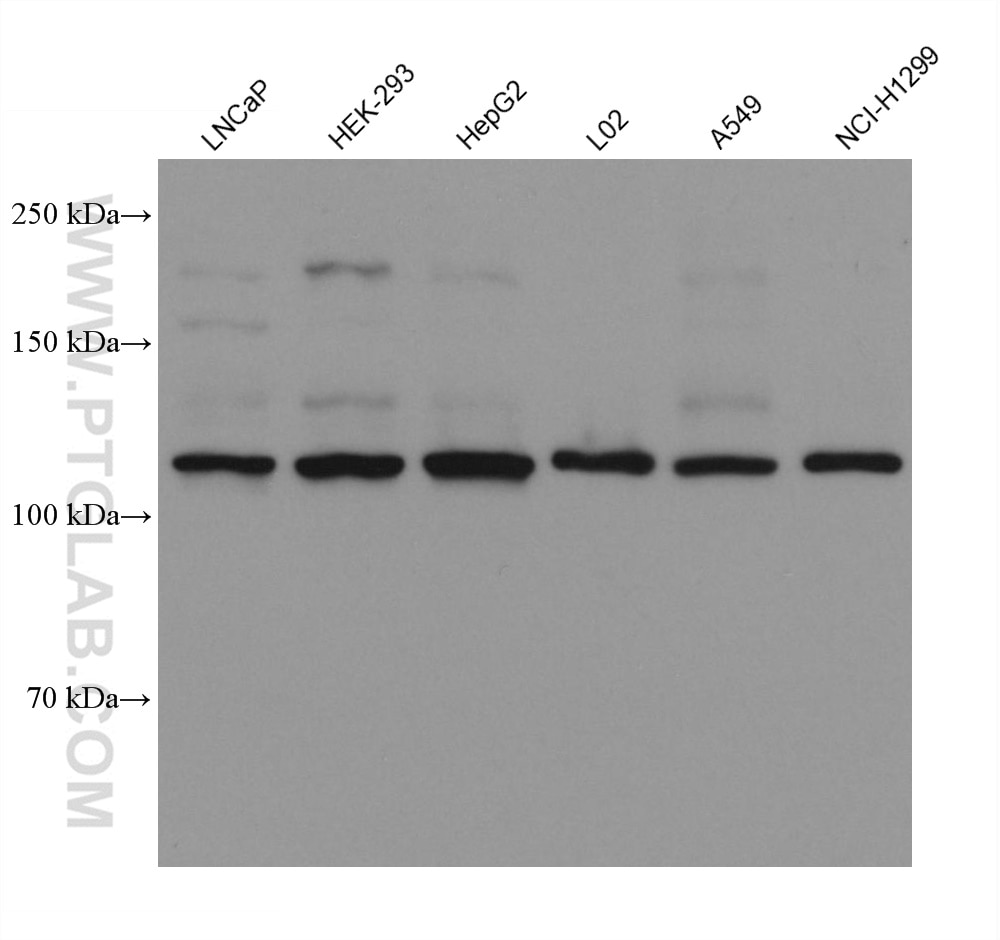
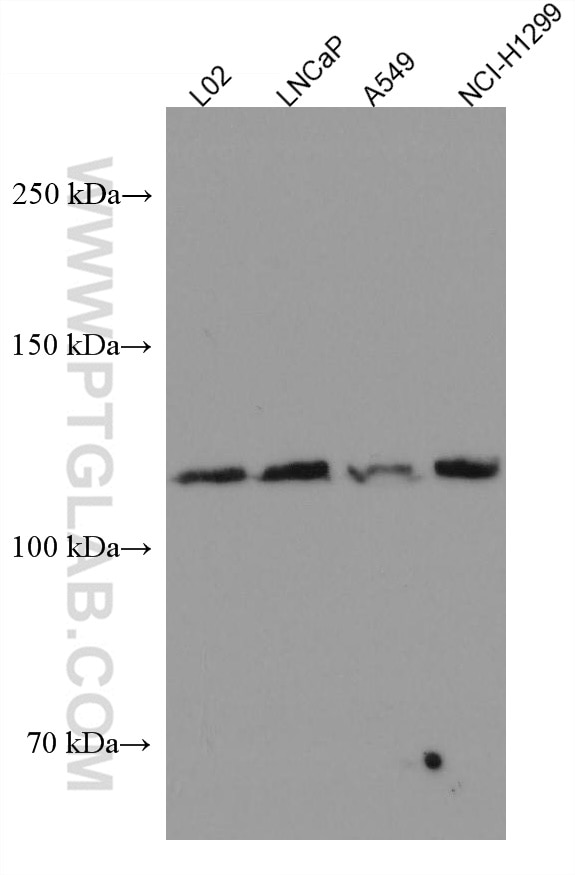
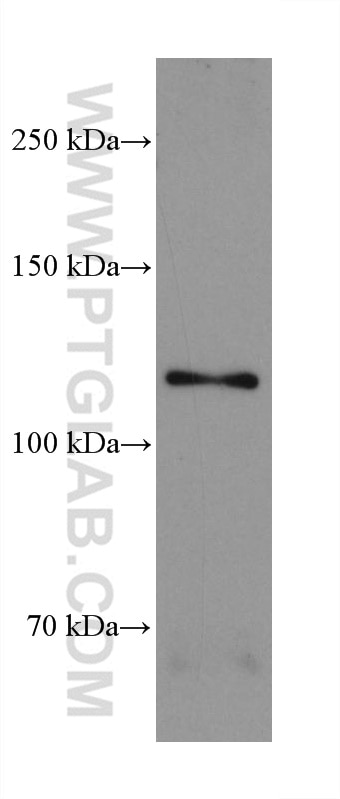
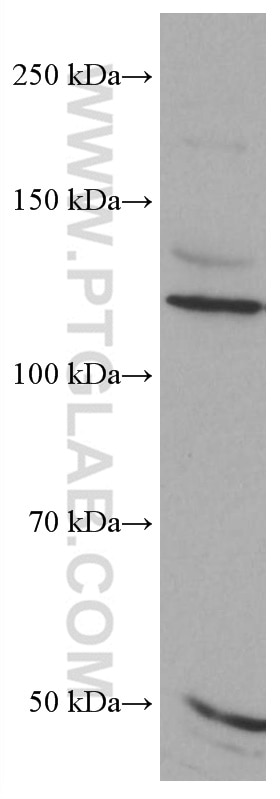
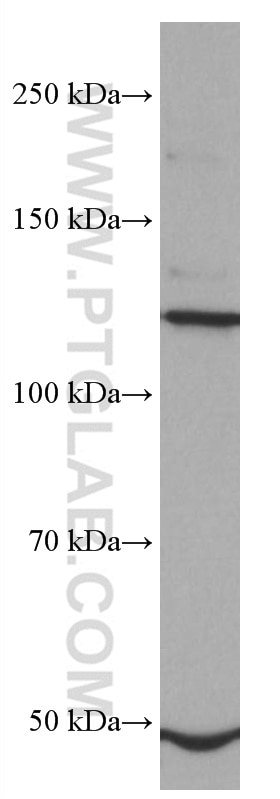
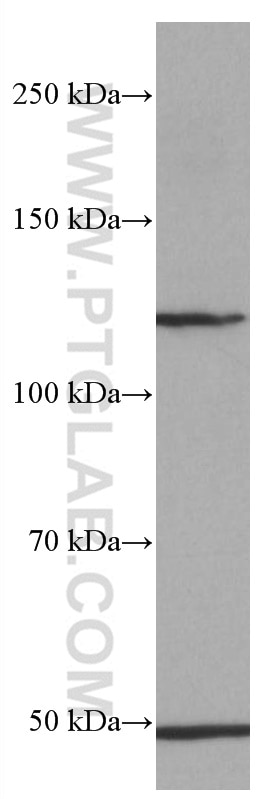
| Positive WB detected in | LNCaP cells, L02 cells, L-929 cells, HeLa cells, HEK-293 cells, HepG2 cells, A549 cells, NCI-H1299 cells |
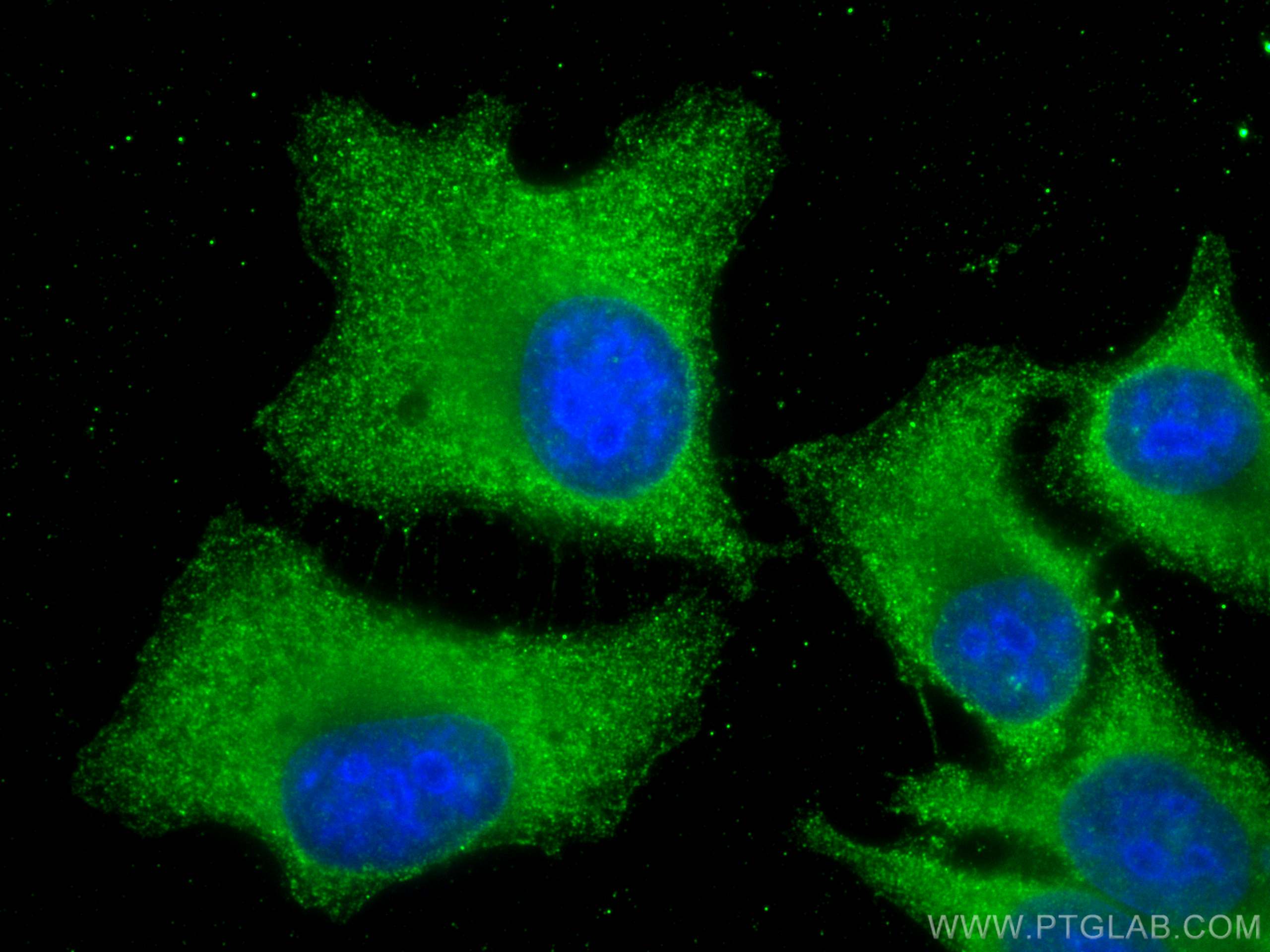
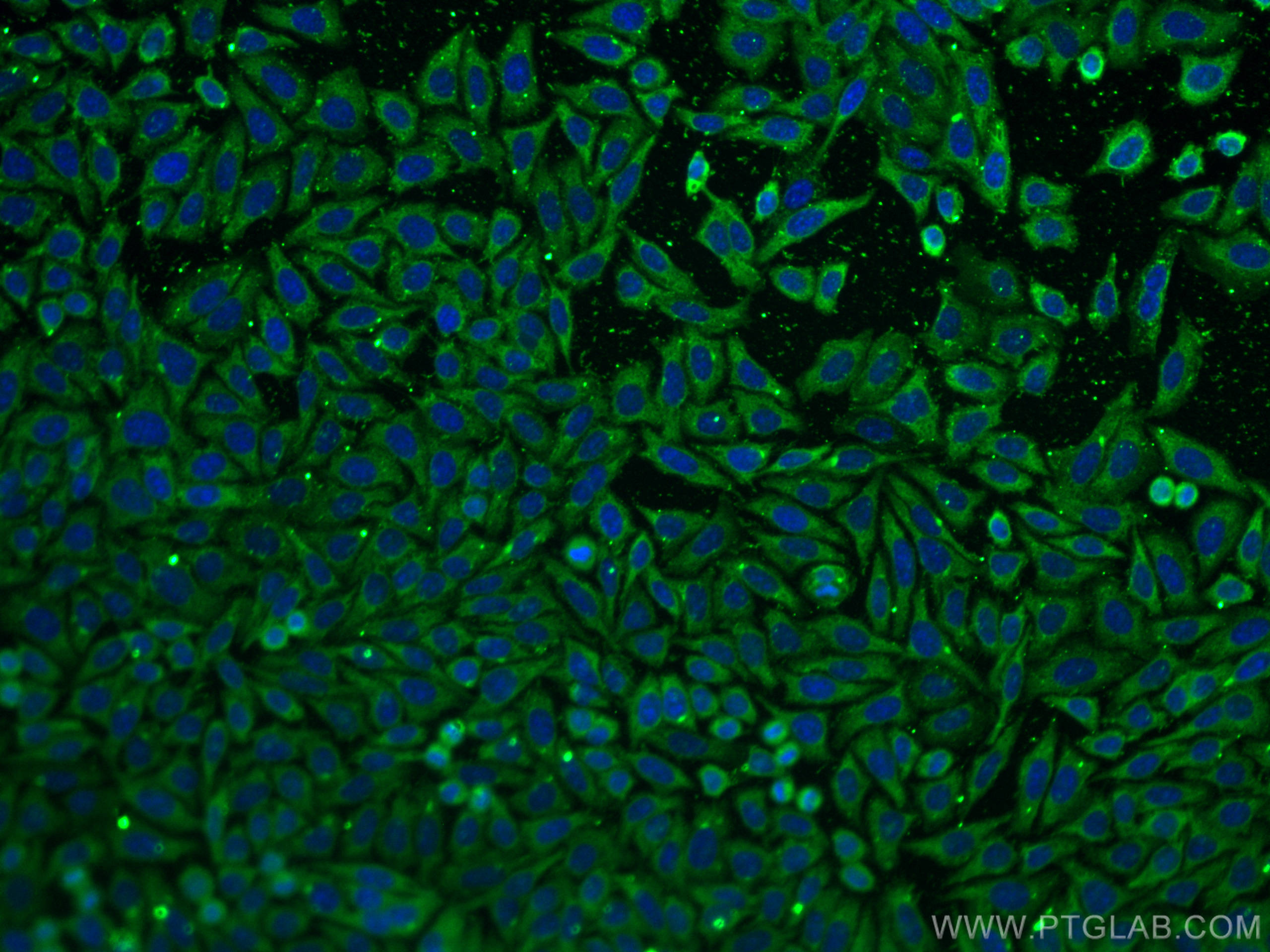
| Positive IF/ICC detected in | HepG2 cells |
Recommended dilution
| Application | Dilution |
|---|---|
| Western Blot (WB) | WB : 1:5000-1:50000 |
| Immunofluorescence (IF)/ICC | IF/ICC : 1:200-1:800 |
| It is recommended that this reagent should be titrated in each testing system to obtain optimal results. | |
| Sample-dependent, Check data in validation data gallery. | |
Product Information
66954-1-Ig targets FGFR3 in WB, IHC, IF/ICC, ELISA applications and shows reactivity with human, mouse samples.
| Tested Reactivity | human, mouse |
| Cited Reactivity | human, mouse |
| Host / Isotype | Mouse / IgG1 |
| Class | Monoclonal |
| Type | Antibody |
| Immunogen |
CatNo: Ag26290 Product name: Recombinant human FGFR3 protein Source: e coli.-derived, PET28a Tag: 6*His Domain: 23-125 aa of NM_000142 Sequence: MESLGTEQRVVGRAAEVPGPEPGQQEQLVFGSGDAVELSCPPPGGGPMGPTVWVKDGTGLVPSERVLVGPQRLQVLNASHEDSGAYSCRQRLTQRVLCHFSVRV Predict reactive species |
| Full Name | fibroblast growth factor receptor 3 |
| Calculated Molecular Weight | 87 kDa |
| Observed Molecular Weight | 125-135 kDa |
| GenBank Accession Number | NM_000142 |
| Gene Symbol | FGFR3 |
| Gene ID (NCBI) | 2261 |
| RRID | AB_2882277 |
| Conjugate | Unconjugated |
| Form | Liquid |
| Purification Method | Protein G purification |
| UNIPROT ID | P22607 |
| Storage Buffer | PBS with 0.02% sodium azide and 50% glycerol, pH 7.3. |
| Storage Conditions | Store at -20°C. Stable for one year after shipment. Aliquoting is unnecessary for -20oC storage. 20ul sizes contain 0.1% BSA. |
Background Information
Fibroblast growth factors (FGFs) are polypeptide growth factors involved in a variety of activities including mitogenesis, angiogenesis, and wound healing (PMID: 1847508). The human FGF receptor family, a subfamily of receptor tyrosine kinases (RTKs), comprises of four family members-FGFR1, FGFR2, FGFR3, and FGFR4 (PMID: 23900974). Each receptor contains an extracellular domain with either two or three immunoglobulin-like domains, a transmembrane domain, and a cytoplasmic tyrosine kinase domain. FGFR3 binds acidic and basic fibroblast GH and plays a role in bone development and maintenance. Mutations in the FGFR3 gene lead to craniosynostosis and multiple types of skeletal dysplasia. Due to frequent mutations in certain cancers, the FGFR3 gene has also been associated with tumor progression.
Protocols
| Product Specific Protocols | |
|---|---|
| IF protocol for FGFR3 antibody 66954-1-Ig | Download protocol |
| WB protocol for FGFR3 antibody 66954-1-Ig | Download protocol |
| Standard Protocols | |
|---|---|
| Click here to view our Standard Protocols |
Publications
What published studies show
The 66954-1-Ig FGFR3 Monoclonal antibody has 17 citations. These appear in journals including Nature Biotechnology, Molecular Cancer, Annals of the Rheumatic Diseases, Journal of Advanced Research, Journal of Experimental & Clinical Cancer Research, Advanced Healthcare Materials, Cell Reports, Journal of Medicinal Chemistry, Cells, International Immunopharmacology, Cancers, Cancer Medicine, Brain Research, Tissue Engineering Part A, and Bioengineered. Research fields span oncology (lung, bladder, prostate, pituitary cancers), rheumatology/osteoarthritis, neurodegeneration, FGFR inhibitor drug discovery, and tissue engineering.
| Species | Application | Title |
|---|---|---|
Mol Cancer Hsa_circ_0125356 promotes gemcitabine resistance by modulating WNT canonical and non-canonical pathways via miR-582-5p/FGF9 axis in non-small cell lung cancer | ||
Ann Rheum Dis FGFR3 deficiency enhances CXCL12-dependent chemotaxis of macrophages via upregulating CXCR7 and aggravates joint destruction in mice.
| ||
J Adv Res Synergistic Antitumor Activity and Neuroprotective Effects of FGF1/FGFR Inhibition with Oxaliplatin Chemotherapy. | ||
J Exp Clin Cancer Res HDAC7 promotes NSCLC proliferation and metastasis via stabilization by deubiquitinase USP10 and activation of β-catenin-FGF18 pathway. | ||
J Exp Clin Cancer Res Dysregulation and prometastatic function of glycosyltransferase C1GALT1 modulated by cHP1BP3/ miR-1-3p axis in bladder cancer. |
Reviews
What customers say
Users report positive experiences with this antibody across multiple applications. One reviewer used it at 1:1000 dilution for Western Blot on liver tissue and confirmed it works well. Another used it at 1:750 for Immunofluorescence on human cerebral organoids, noting it performed very well on tissue fixed overnight at 4°C with 2% PFA, with no antigen retrieval required. Overall, the antibody is rated 4.5/5 and is considered reliable for both WB and IF applications.
The reviews below have been submitted by verified Proteintech customers who received an incentive for providing their feedback.
MALLIKARJUNA (Verified Customer) (10-24-2025) | works of for Western blot
|
Clarisse (Verified Customer) (12-12-2022) | This antibody works very well on tissue fixed overnight at 4C with 2% PFA. No antigen retrieval required.
|









