

Tested Applications
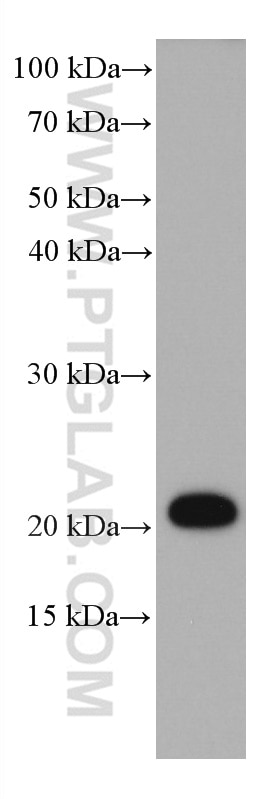
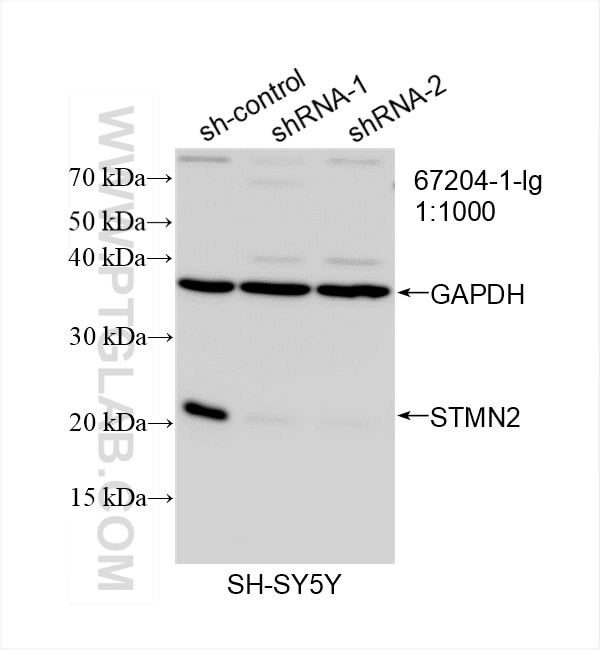
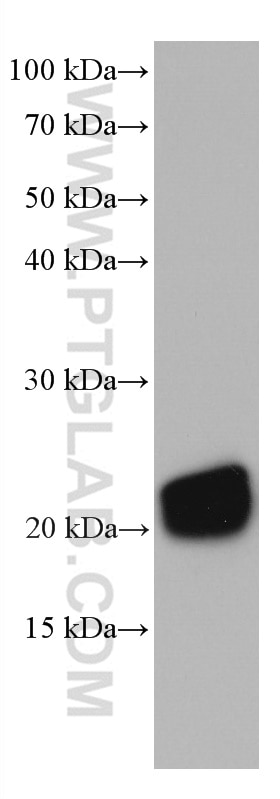
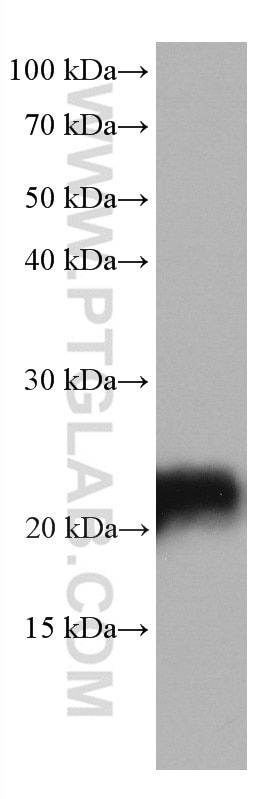
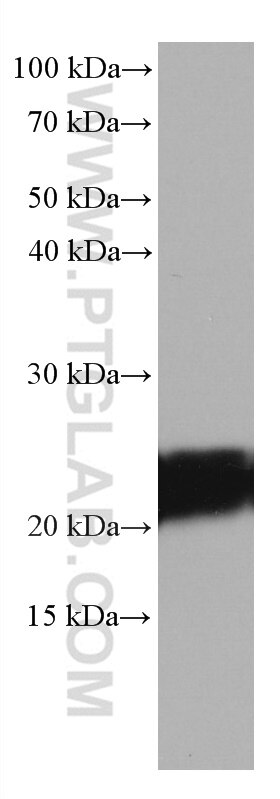
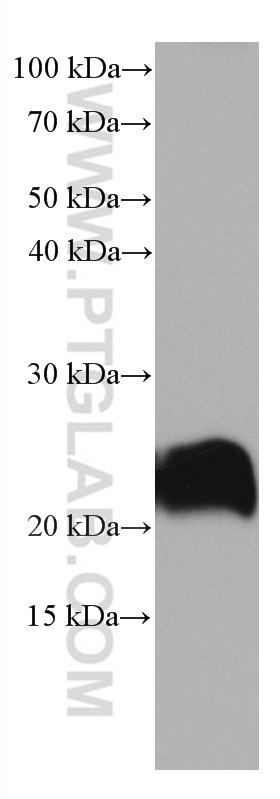
| Positive WB detected in | PC-12 cells, fetal human brain tissue, mouse brain tissue, pig brain tissue, rat brain tissue, SH-SY5Y cells |
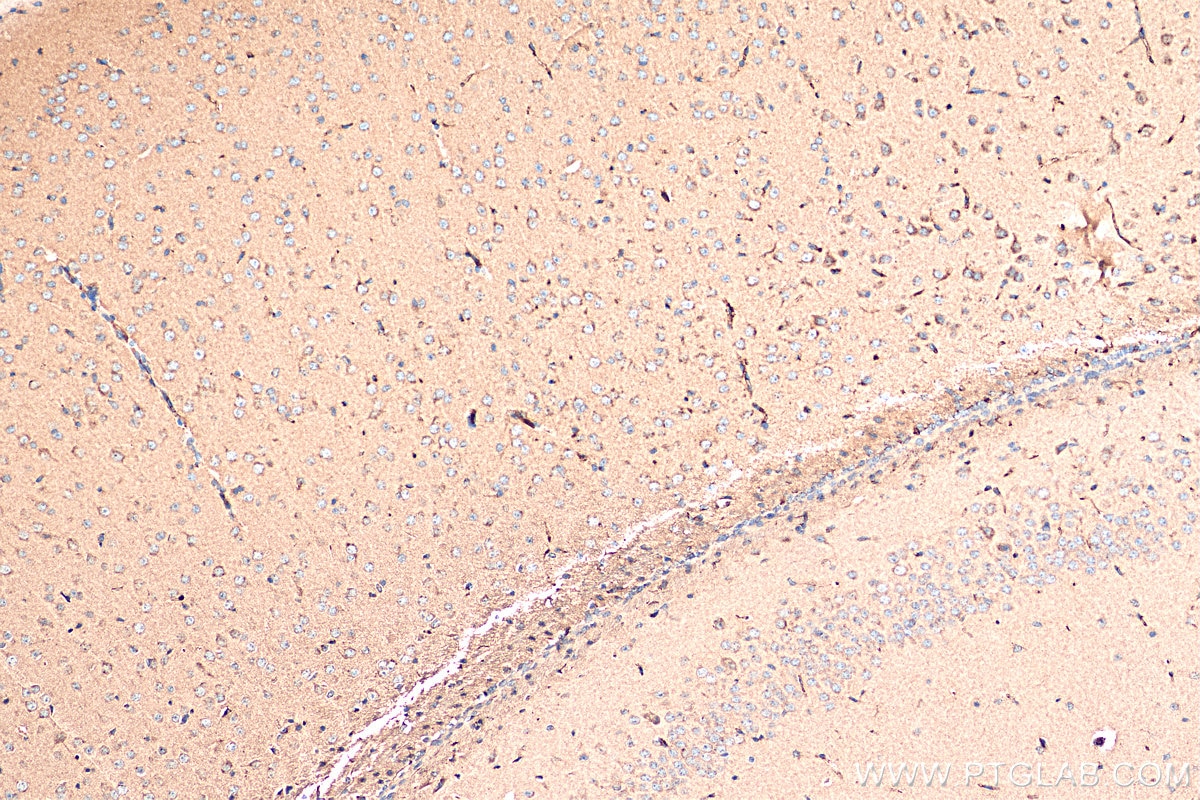
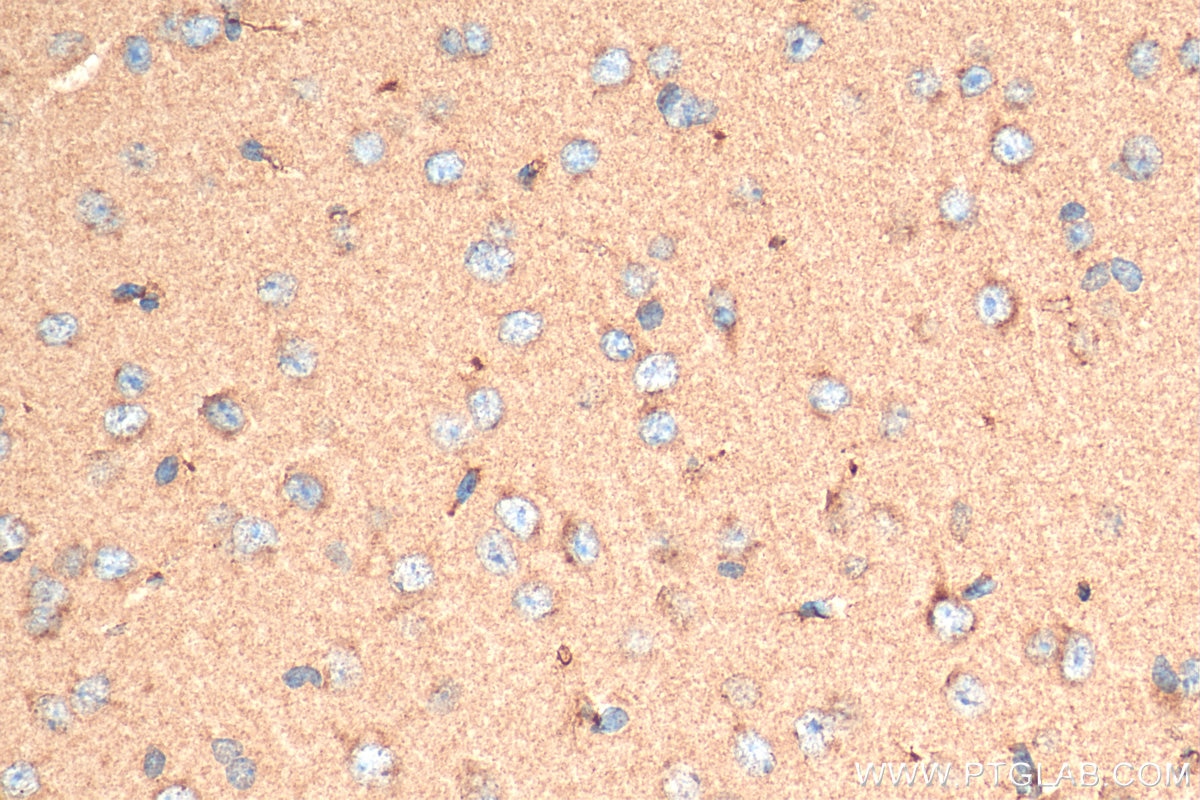
| Positive IHC detected in | mouse brain tissue Note: suggested antigen retrieval with TE buffer pH 9.0; (*) Alternatively, antigen retrieval may be performed with citrate buffer pH 6.0 |
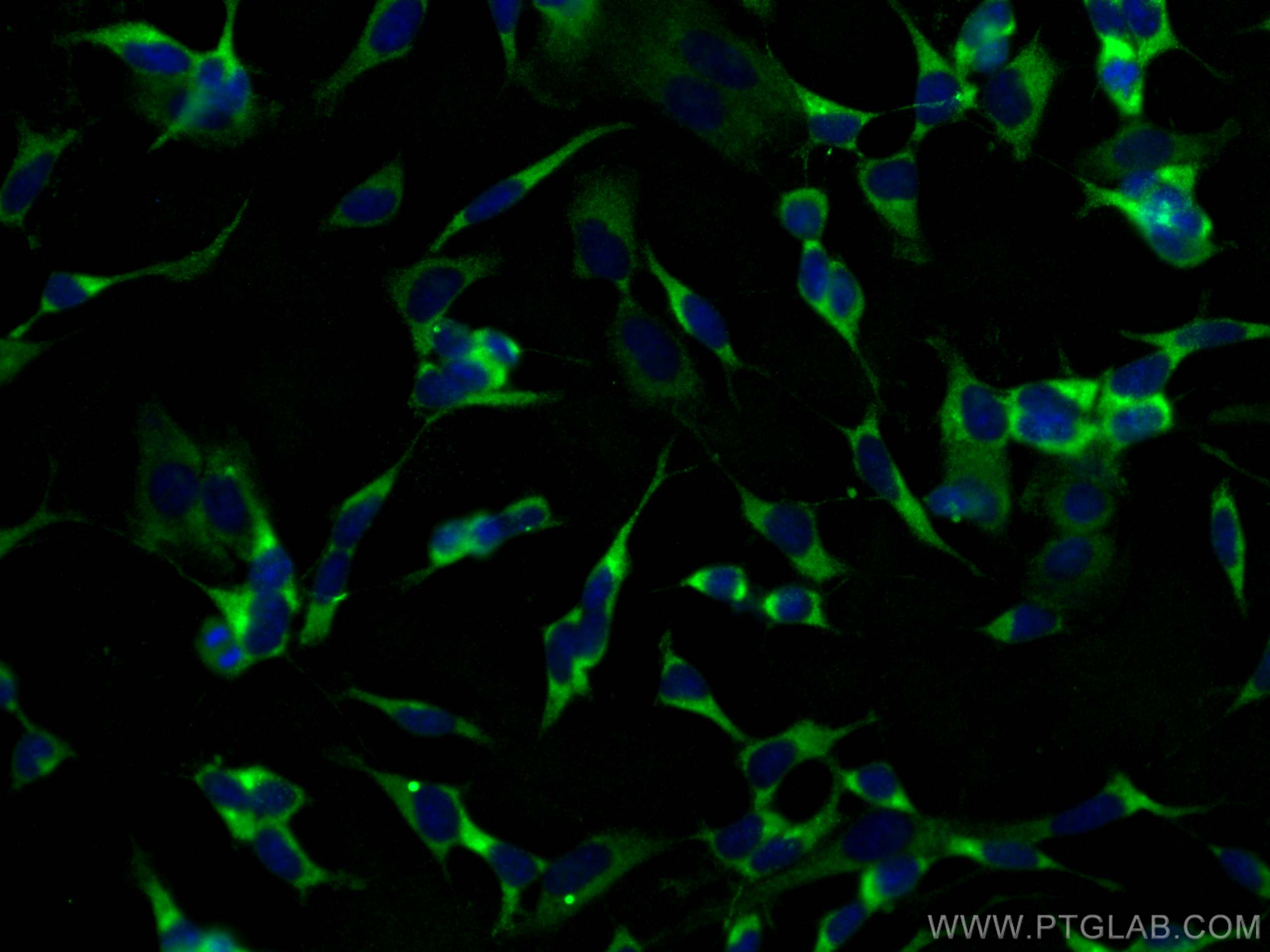
| Positive IF/ICC detected in | SH-SY5Y cells |
Recommended dilution
| Application | Dilution |
|---|---|
| Western Blot (WB) | WB : 1:2000-1:10000 |
| Immunohistochemistry (IHC) | IHC : 1:50-1:500 |
| Immunofluorescence (IF)/ICC | IF/ICC : 1:500-1:2000 |
| It is recommended that this reagent should be titrated in each testing system to obtain optimal results. | |
| Sample-dependent, Check data in validation data gallery. | |
Product Information
67204-1-Ig targets STMN2 in WB, IHC, IF/ICC, ELISA applications and shows reactivity with human, mouse, rat, pig samples.
| Tested Reactivity | human, mouse, rat, pig |
| Cited Reactivity | human, mouse, pig |
| Host / Isotype | Mouse / IgG1 |
| Class | Monoclonal |
| Type | Antibody |
| Immunogen |
CatNo: Ag28990 Product name: Recombinant human STMN2 protein Source: e coli.-derived, PET28a Tag: 6*His Domain: 1-179 aa of BC006302 Sequence: MAKTAMAYKEKMKELSMLSLICSCFYPEPRNINIYTYDDMEVKQINKRASGQAFELILKPPSPISEAPRTLASPKKKDLSLEEIQKKLEAAEERRKSQEAQVLKQLAEKREHEREVLQKALEENNNFSKMAEEKLILKMEQIKENREANLAAIIERLQEKERHAAEVRRNKELQVELSG Predict reactive species |
| Full Name | stathmin-like 2 |
| Calculated Molecular Weight | 21 kDa |
| Observed Molecular Weight | 22 kDa |
| GenBank Accession Number | BC006302 |
| Gene Symbol | STMN2 |
| Gene ID (NCBI) | 11075 |
| RRID | AB_2882497 |
| Conjugate | Unconjugated |
| Form | Liquid |
| Purification Method | Protein A purification |
| UNIPROT ID | Q93045 |
| Storage Buffer | PBS with 0.02% sodium azide and 50% glycerol, pH 7.3. |
| Storage Conditions | Store at -20°C. Stable for one year after shipment. Aliquoting is unnecessary for -20oC storage. 20ul sizes contain 0.1% BSA. |
Background Information
STMN2 gene encodes a SCG10 (superior cervical ganglion-10) protein, a regulator of microtubule stability. When phosphorylated by MAPK8, SCG10 stabilizes microtubules and consequently controls neurite length in cortical neurons. SCG10 was early considered a neuron-specific growth-associated protein in Alzheimer's disease. In the developing brain, SCG10 negatively regulates the rate of exit from multipolar stage and retards radial migration from the ventricular zone.
Protocols
| Product Specific Protocols | |
|---|---|
| IF protocol for STMN2 antibody 67204-1-Ig | Download protocol |
| IHC protocol for STMN2 antibody 67204-1-Ig | Download protocol |
| WB protocol for STMN2 antibody 67204-1-Ig | Download protocol |
| Standard Protocols | |
|---|---|
| Click here to view our Standard Protocols |
Publications
What published studies show
The STMN2 Monoclonal antibody (1F6C4), catalog number 67204-1-Ig, has 8 citations. These appear in Nature, Neuron, Advanced Science, Brain, Journal of Cell Biology, Scientific Reports, and bioRxiv. The associated research fields include amyotrophic lateral sclerosis (ALS), frontotemporal lobar dementia (FTLD), Alzheimer's disease, spinal cord injury and regeneration, TDP-43 aggregation, and tubulin-mediated regulation of STMN2 stability and localization in neurons.
| Species | Application | Title |
|---|---|---|
Neuron Molecular pathways and diagnosis in spatially resolved Alzheimer's hippocampal atlas | ||
Neuron TDP-43 seeding induces cytoplasmic aggregation heterogeneity and nuclear loss of function of TDP-43 | ||
Adv Sci (Weinh) "Membrane-Guided" Repair Strategy: Precision Delivery of GGT1 Degrader for Targeted Repair and Regeneration of Spinal Cord Neurons. | ||
Brain STMN2 protein depletion via translation deficits and stress granules in amyotrophic lateral sclerosis. | ||
J Cell Biol Tubulin regulates stability and localization of STMN2 by binding preferentially to its soluble form. |
Reviews
What customers say
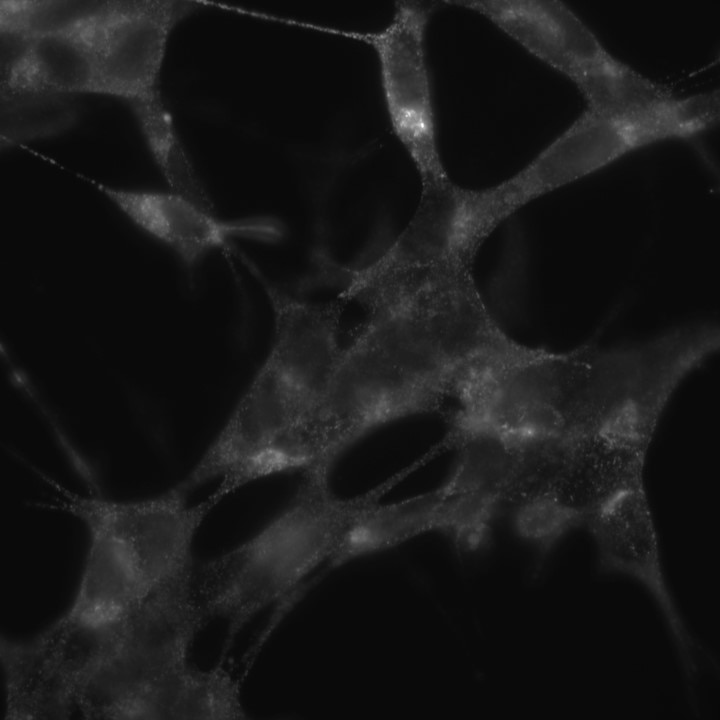
The antibody received a 5-star rating for Immunofluorescence. Used at a 1:1000 dilution on SH-SY5Y cells (human), with overnight incubation at 4°C in 5% goat serum/PBST, it produced a specific cytoplasmic/Golgi signal. Overall, reviewers report strong specificity and reliable performance for IF applications.
The reviews below have been submitted by verified Proteintech customers who received an incentive for providing their feedback.
Tatyana (Verified Customer) (06-15-2025) | Incubation ON at 4C, in 5% goat serum/PBST. Gives specific cytoplasmic/Golgi signal.
 |










