

Tested Applications
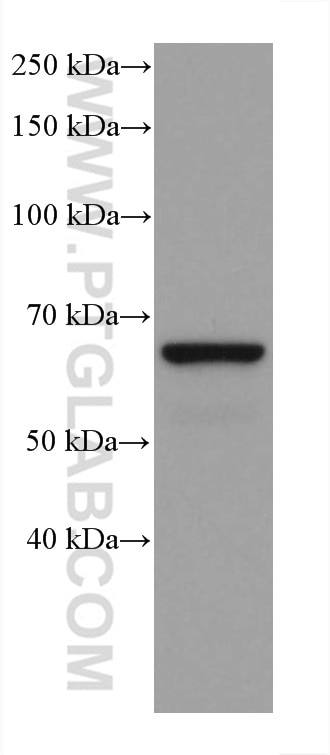
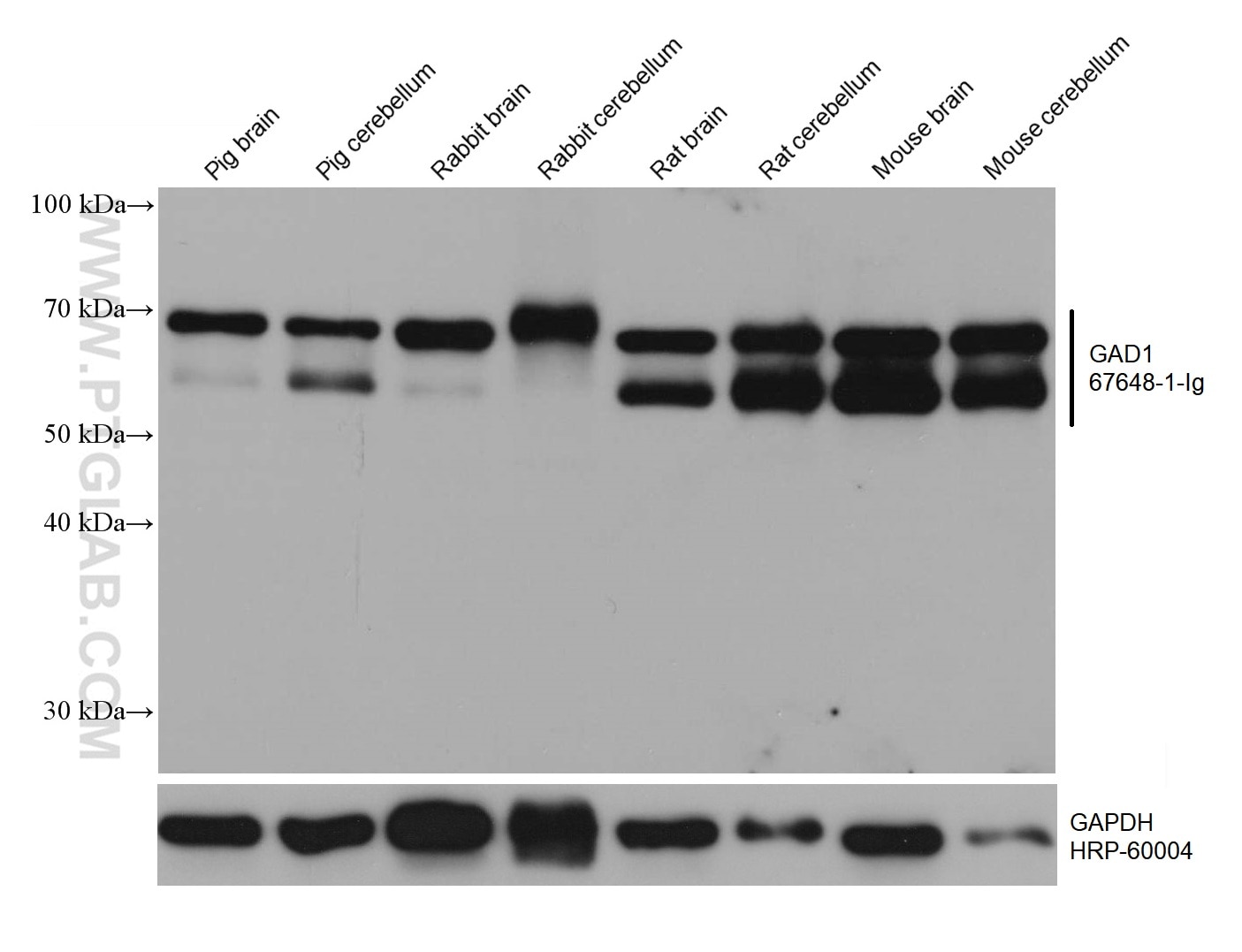
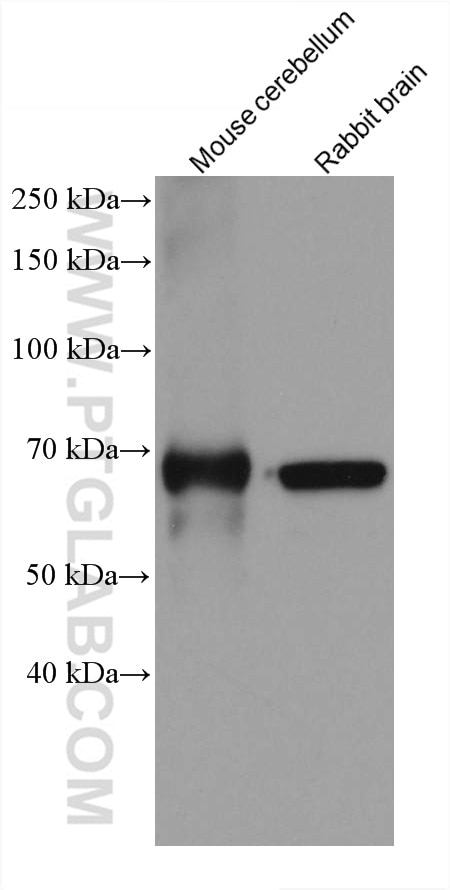
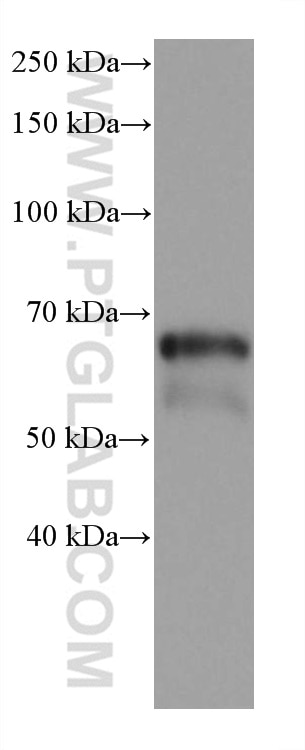
| Positive WB detected in | pig brain tissue, rat brain tissue, mouse cerebellum tissue, pig cerebellum tissue, rabbit brain tissue, rabbit cerebellum tissue, rat cerebellum tissue, mouse brain tissue |
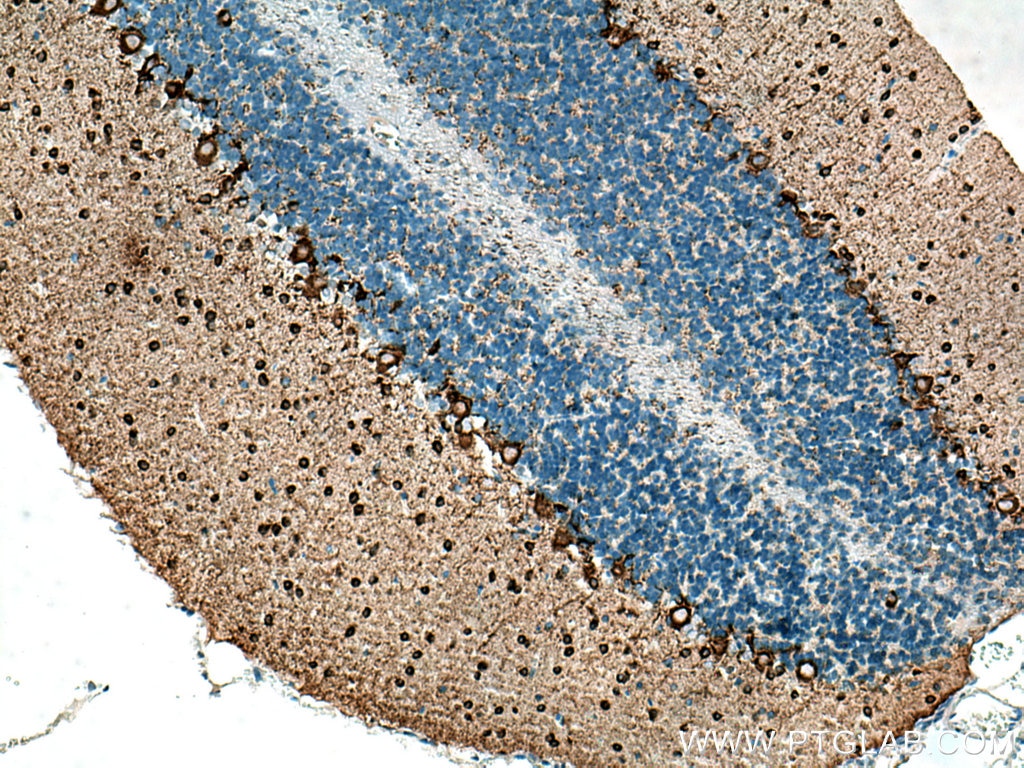
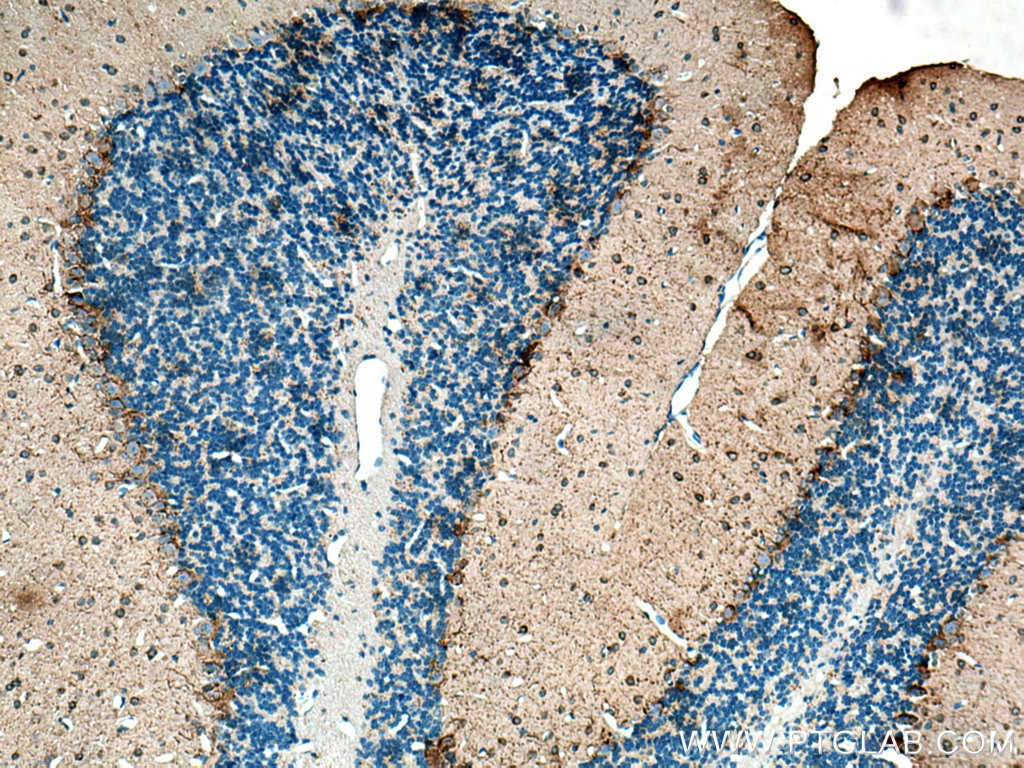
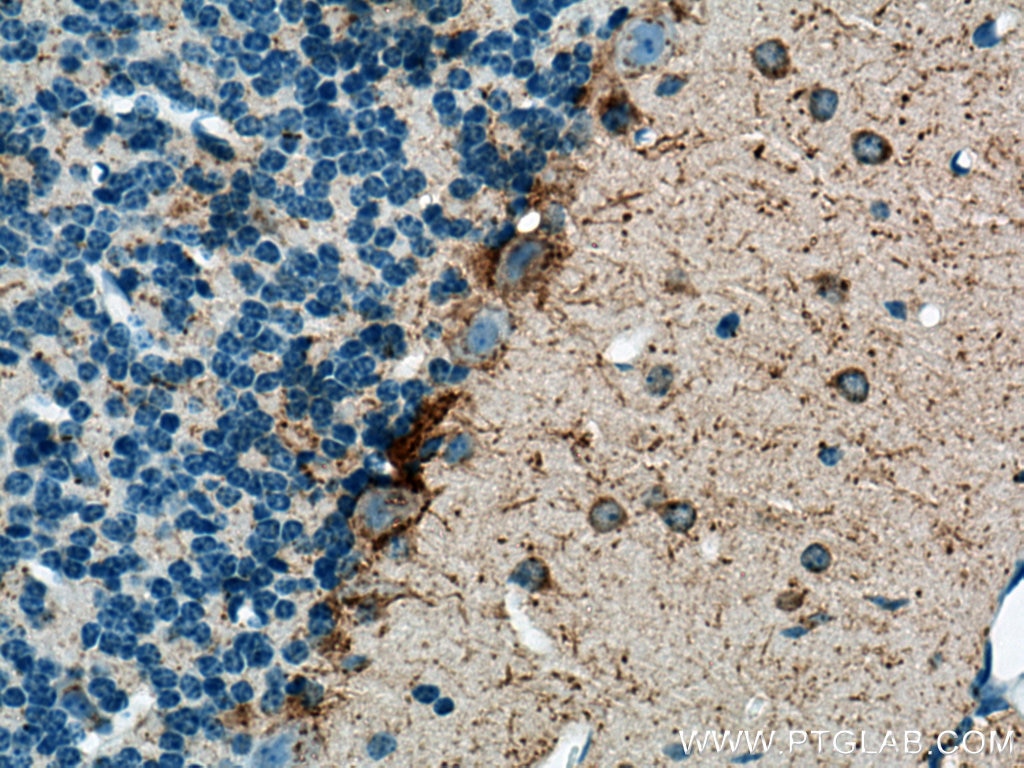
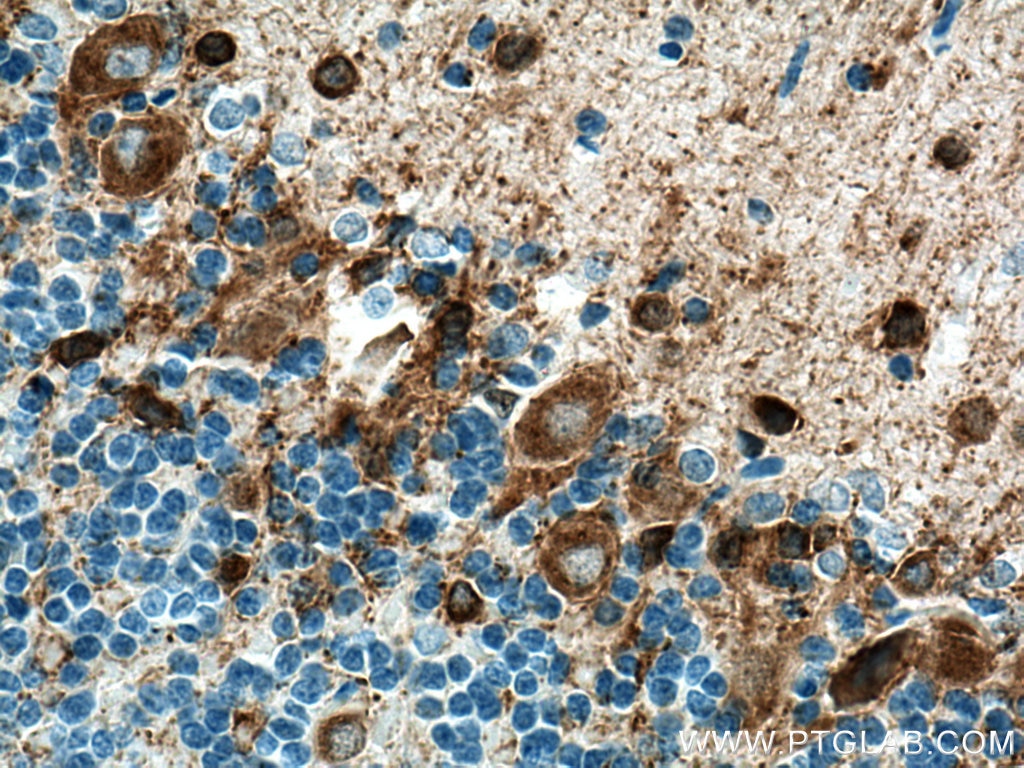
| Positive IHC detected in | rat cerebellum tissue, mouse cerebellum tissue Note: suggested antigen retrieval with TE buffer pH 9.0; (*) Alternatively, antigen retrieval may be performed with citrate buffer pH 6.0 |
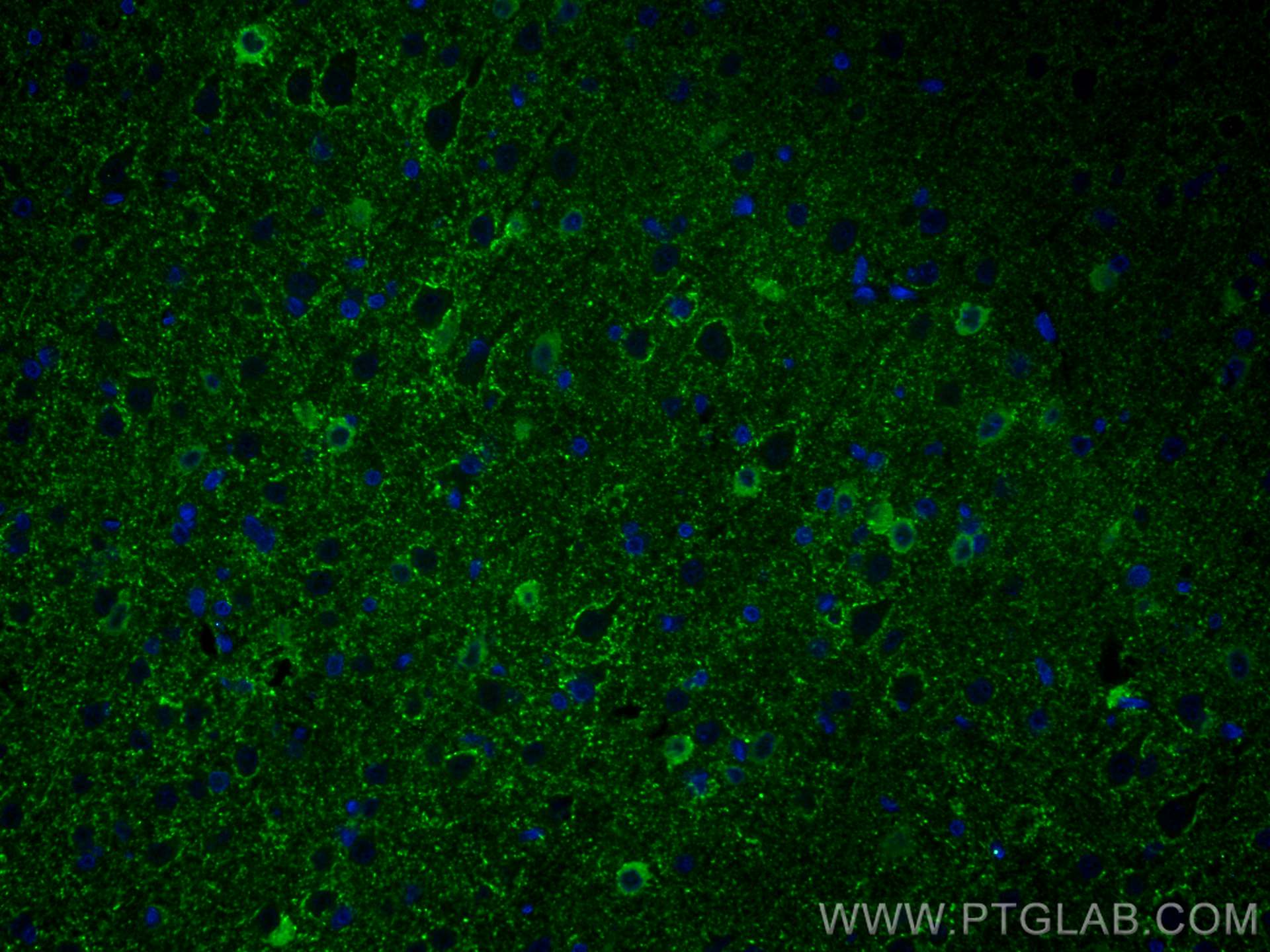
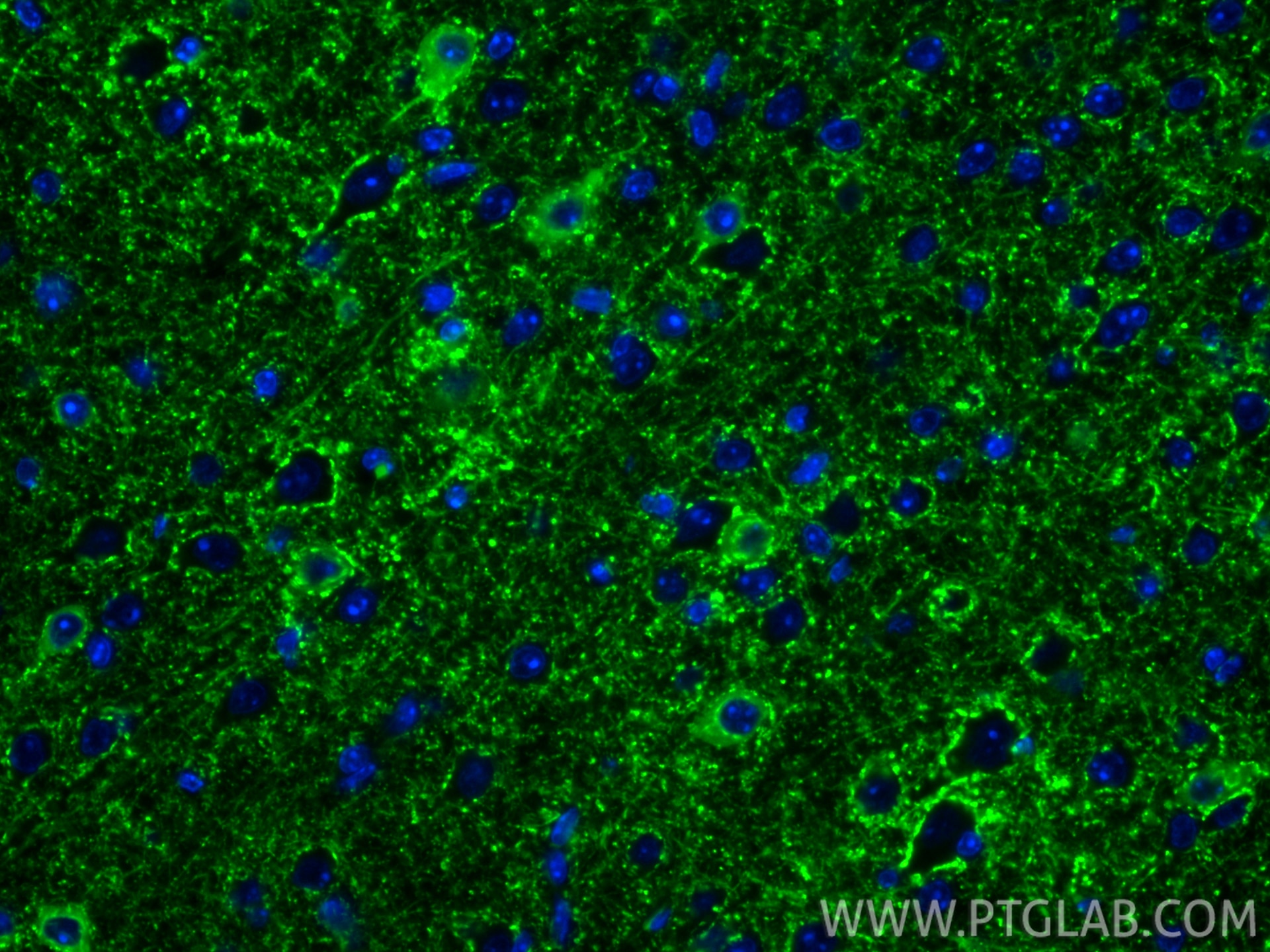
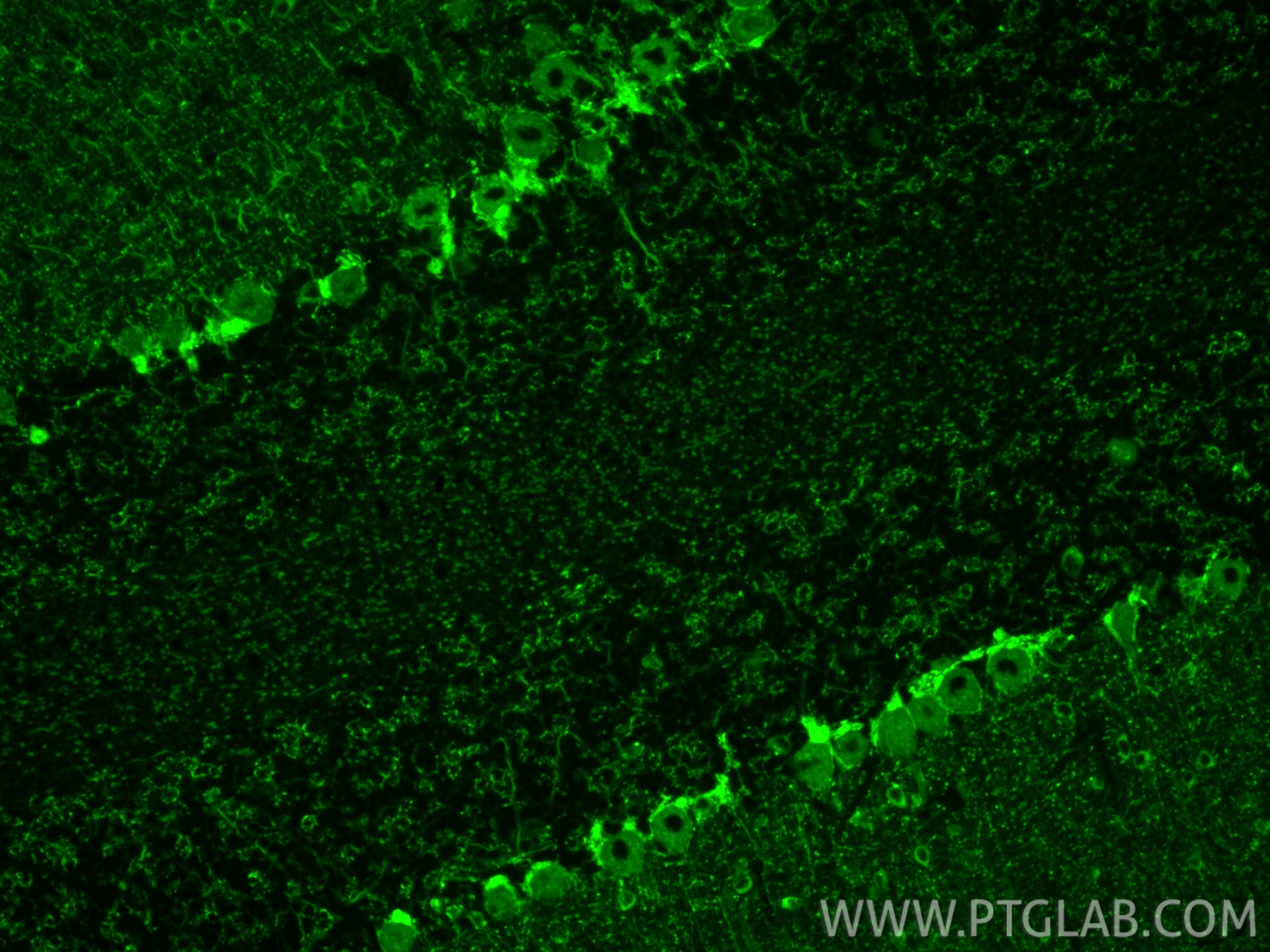
| Positive IF-P detected in | rat brain tissue, mouse brain tissue, rat cerebellum tissue |
Recommended dilution
| Application | Dilution |
|---|---|
| Western Blot (WB) | WB : 1:5000-1:50000 |
| Immunohistochemistry (IHC) | IHC : 1:500-1:2000 |
| Immunofluorescence (IF)-P | IF-P : 1:200-1:800 |
| It is recommended that this reagent should be titrated in each testing system to obtain optimal results. | |
| Sample-dependent, Check data in validation data gallery. | |
Product Information
67648-1-Ig targets GAD1 in WB, IHC, IF-P, ELISA applications and shows reactivity with human, mouse, rat, pig, rabbit samples.
| Tested Reactivity | human, mouse, rat, pig, rabbit |
| Cited Reactivity | human, mouse, rat |
| Host / Isotype | Mouse / IgG2a |
| Class | Monoclonal |
| Type | Antibody |
| Immunogen |
CatNo: Ag21336 Product name: Recombinant human GAD1 protein Source: e coli.-derived, PET28a Tag: 6*His Domain: 1-224 aa of BC002815 Sequence: MASSTPSSSATSSNAGADPNTTNLRPTTYDTWCGVAHGCTRKLGLKICGFLQRTNSLEEKSRLVSAFKERQSSKNLLSCENSDRDARFRRTETDFSNLFARDLLPAKNGEEQTVQFLLEVVDILLNYVRKTFDRSTKVLDFHHPHQLLEGMEGFNLELSDHPESLEQILVDCRDTLKYGVRTGHPRFFNQLSTGLDIIGLAGEWLTSTANTNMPSDMRECWLLR Predict reactive species |
| Full Name | glutamate decarboxylase 1 (brain, 67kDa) |
| Calculated Molecular Weight | 67 kDa |
| Observed Molecular Weight | 67 kDa, 57 kDa |
| GenBank Accession Number | BC002815 |
| Gene Symbol | GAD1 |
| Gene ID (NCBI) | 2571 |
| RRID | AB_2882848 |
| Conjugate | Unconjugated |
| Form | Liquid |
| Purification Method | Protein A purification |
| UNIPROT ID | Q99259 |
| Storage Buffer | PBS with 0.02% sodium azide and 50% glycerol, pH 7.3. |
| Storage Conditions | Store at -20°C. Stable for one year after shipment. Aliquoting is unnecessary for -20oC storage. 20ul sizes contain 0.1% BSA. |
Background Information
GAD1, also named as GAD67, belongs to the group II decarboxylase family. GAD1 is the rate-limiting enzyme responsible for γ-aminobutyric acid (GABA) biosynthesis from glutamatic acid and the major GAD isoform in the human brain for early brain development (PMID:21302352). It is also potentially involved in variety of skin activities.
Protocols
| Product Specific Protocols | |
|---|---|
| IF protocol for GAD1 antibody 67648-1-Ig | Download protocol |
| IHC protocol for GAD1 antibody 67648-1-Ig | Download protocol |
| WB protocol for GAD1 antibody 67648-1-Ig | Download protocol |
| Standard Protocols | |
|---|---|
| Click here to view our Standard Protocols |
Publications
What published studies show
The GAD1 Monoclonal antibody (2D5B7), catalog number 67648-1-Ig, has 21 citations published across 19 journals including Nature Communications, Molecular Psychiatry, Developmental Cell, NPJ Parkinson's Disease, and Translational Psychiatry. The associated research spans neuroscience and neurodegeneration (Alzheimer's disease, Parkinson's disease), neuropsychiatry (anxiety, depression, epilepsy), pain research, spinal cord injury, hearing loss, and stroke.
| Species | Application | Title |
|---|---|---|
Nat Commun Dual platform spatial transcriptomics reveals parvalbumin interneuron subtype vulnerability in mouse models of Alzheimer's disease. | ||
Acta Pharmacol Sin Differential regulation of pruritic sensation and emotion by cannabinoid type 1 receptors on mPFC glutamatergic and GABAergic neurons | ||
Mol Psychiatry Single-nucleus transcriptomics-based drug screening platform for focal cortical dysplasia. | ||
Biomater Res Targeting Interleukin-6 Signaling with Reactive-Oxygen-Species-Responsive Hydrogel to Promote Regeneration after Spinal Cord Injury. | ||
Dev Cell The de novo synthesis of GABA and its gene regulatory function control hepatocellular carcinoma metastasis | ||
NPJ Parkinsons Dis PARK19 truncation mutant Dnajc6 causes lysosomal deficiency-induced upregulation of pathologic α-synuclein and neurodegeneration of substantia nigra dopaminergic cells in PARK19 knockin mice. |
Reviews
What customers say
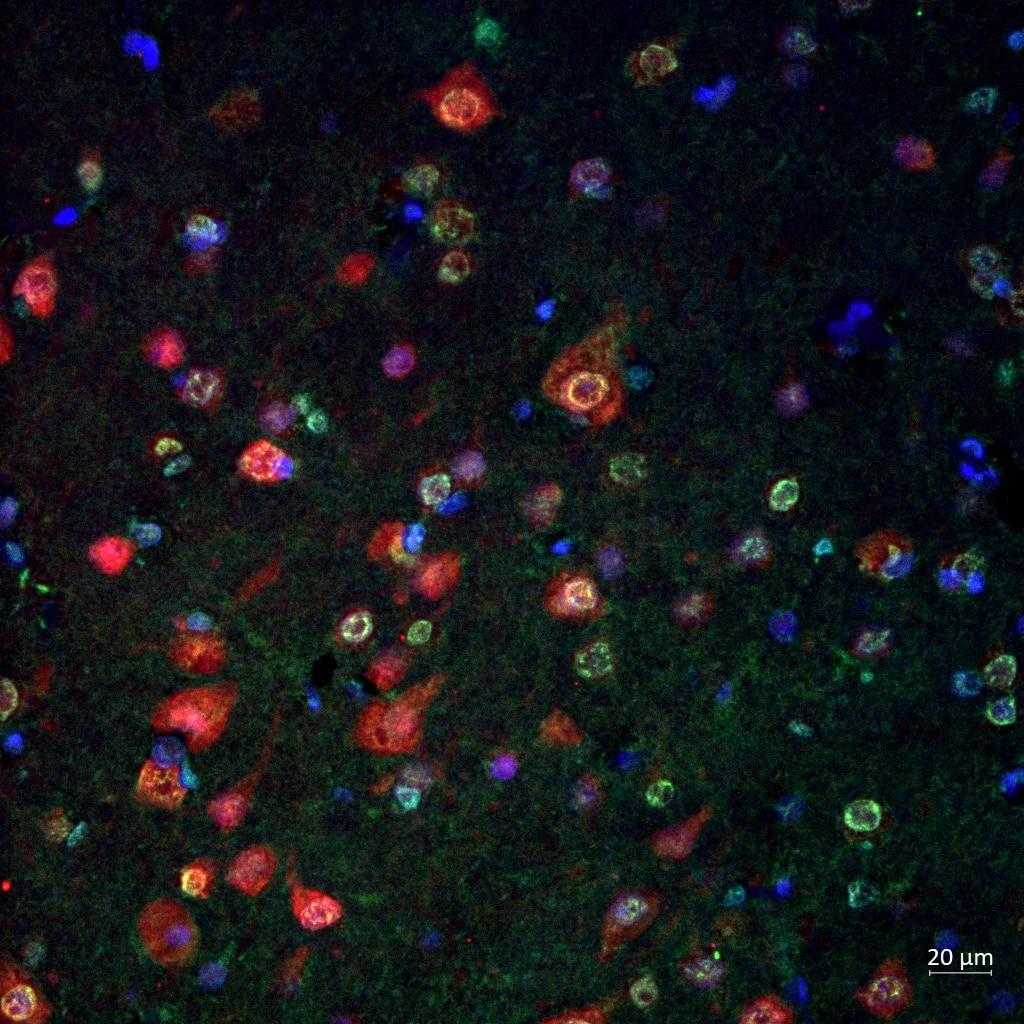
One reviewer (5/5 stars) used this GAD antibody at 1:100 dilution for immunofluorescence on human brain cortex FFPE tissue and reported it was the first time a GAD antibody worked properly on this tissue type, noting clear green signal. The overall feedback is positive, highlighting reliable performance in a challenging FFPE application where other antibodies had previously failed.
The reviews below have been submitted by verified Proteintech customers who received an incentive for providing their feedback.
Reyes (Verified Customer) (07-29-2024) | This is the first time a GAD antibody (in green) works properly in a human brain FFPE tissue.
 |












