

Tested Applications
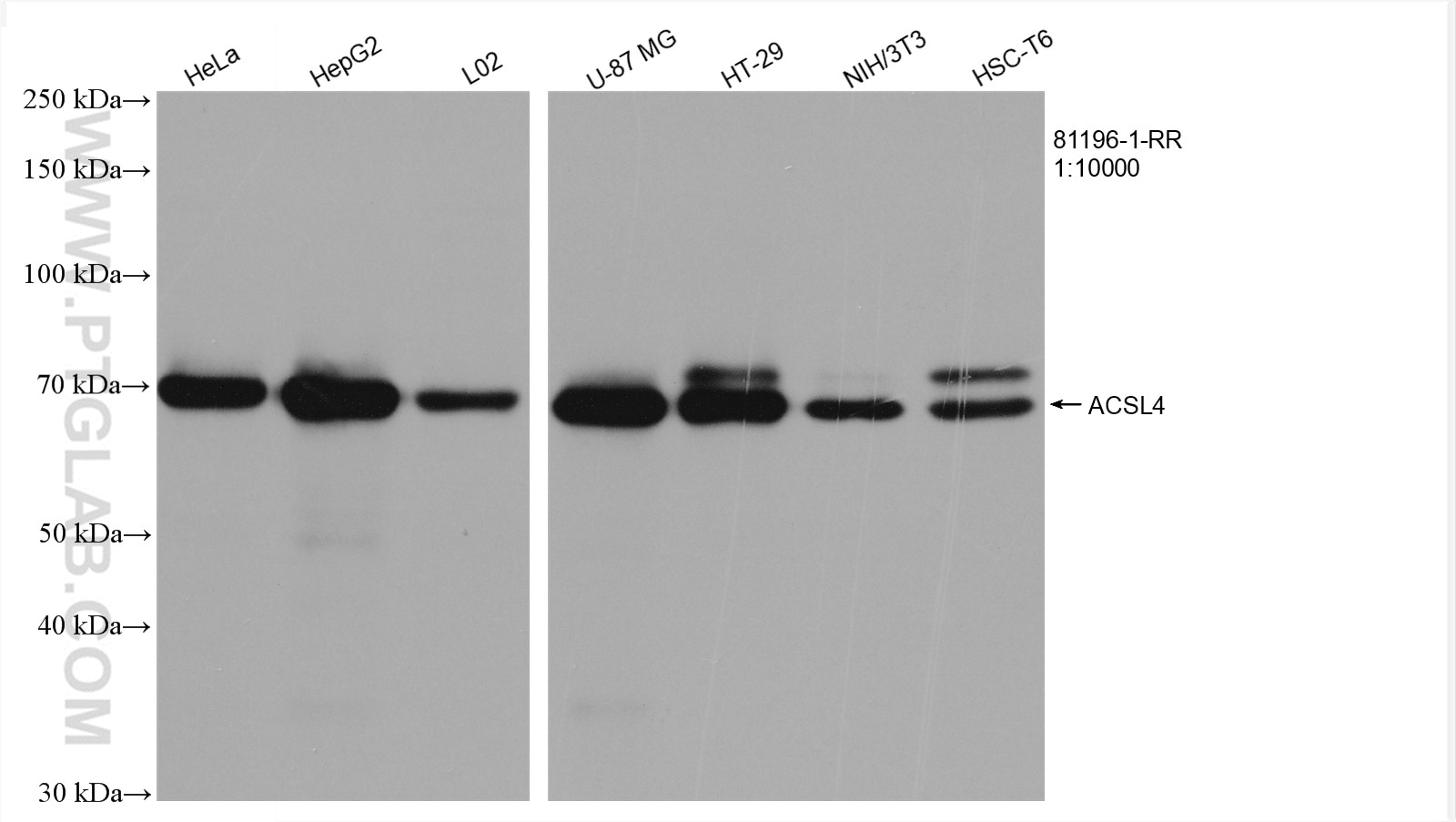
| Positive WB detected in | HeLa cells, HepG2 cells, L02 cells, U-87 MG cells, HT-29 cells, NIH/3T3 cells, HSC-T6 cells |
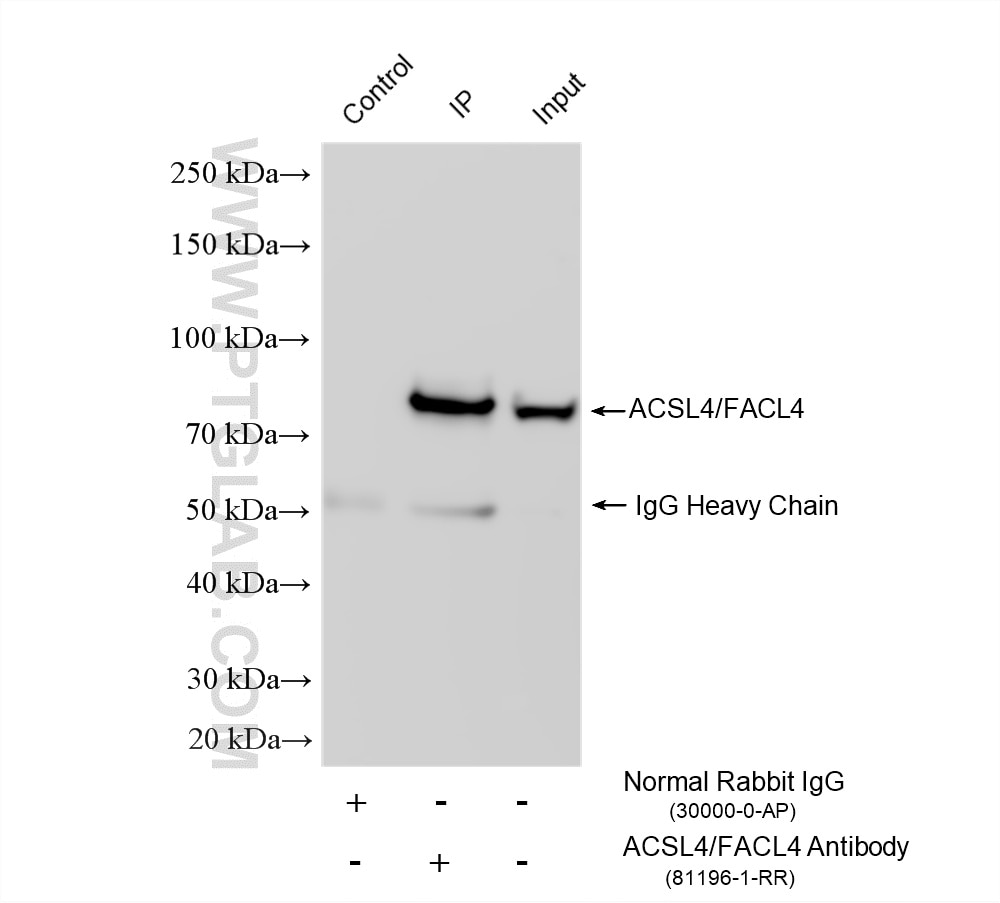
| Positive IP detected in | HeLa cells |
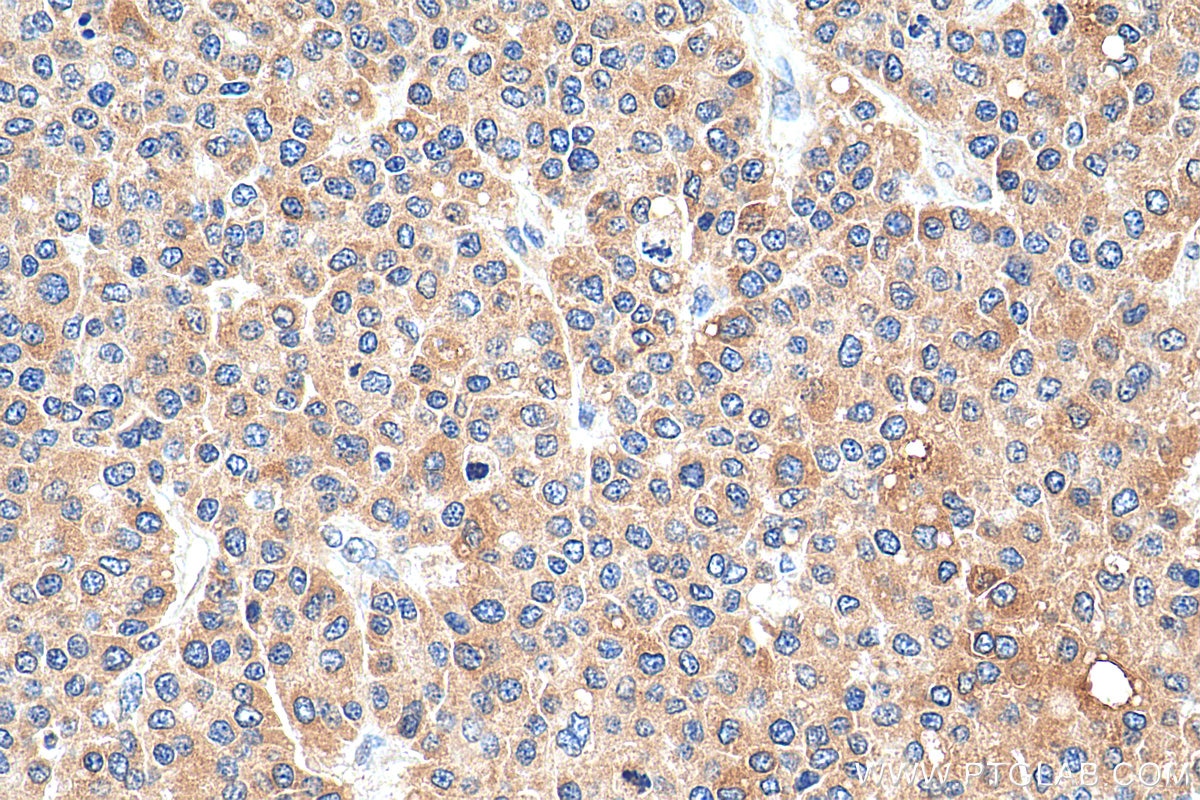
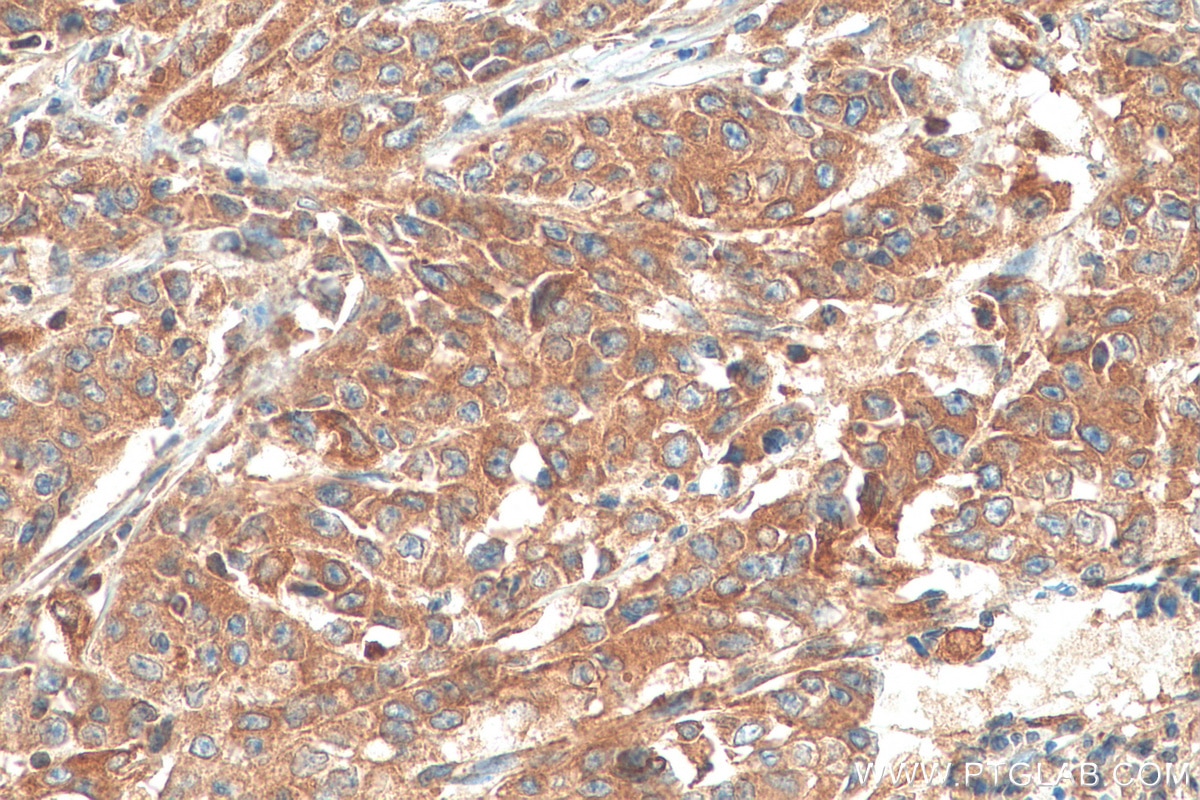
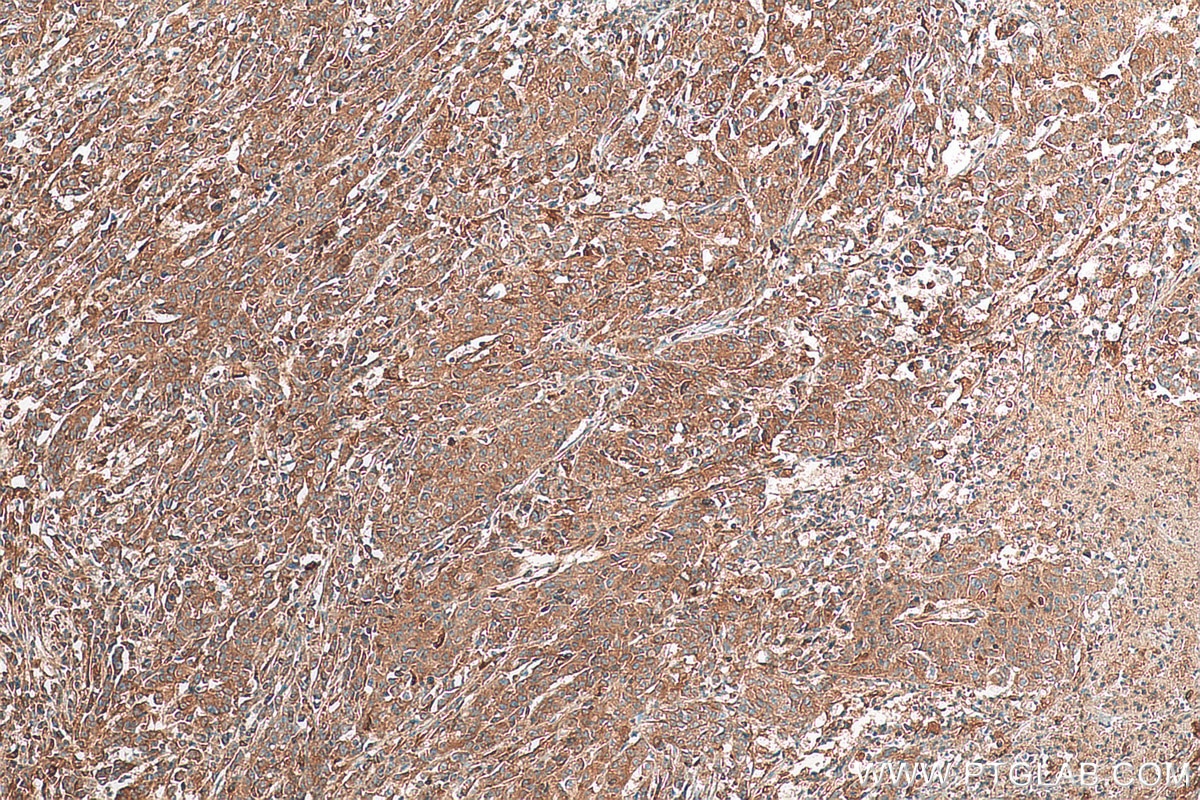
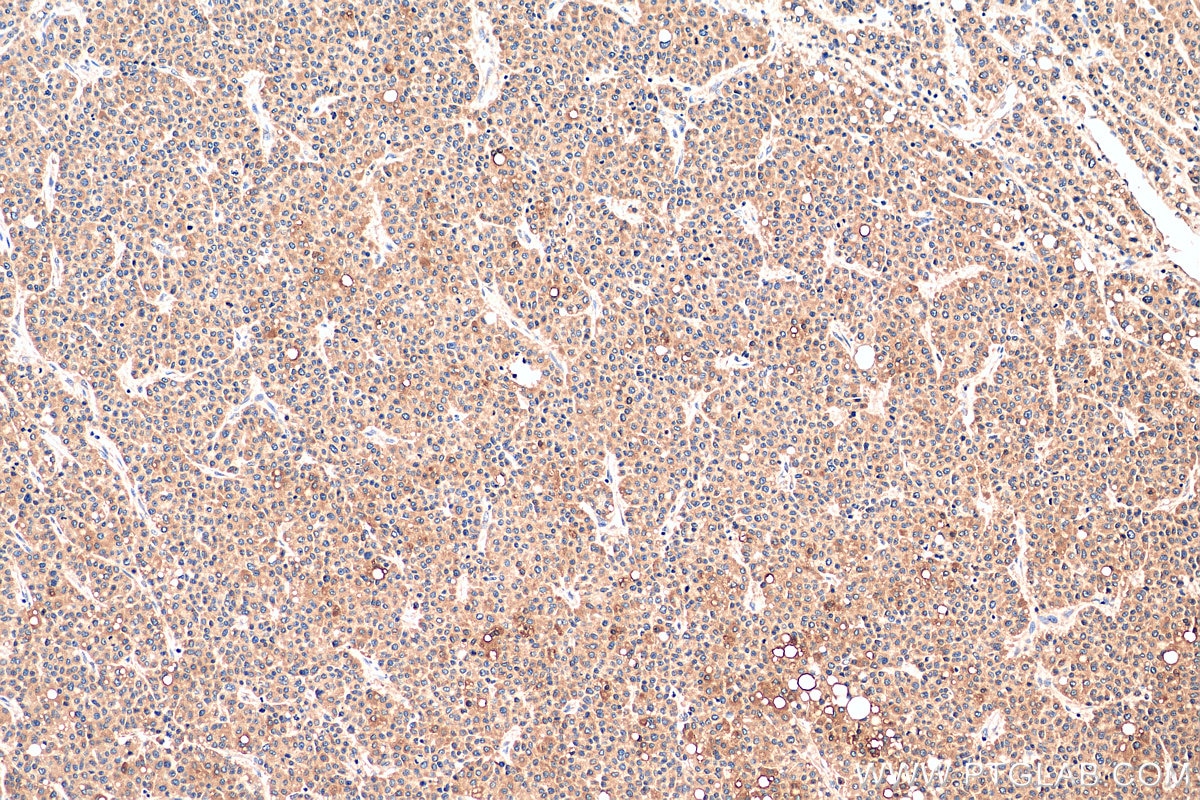
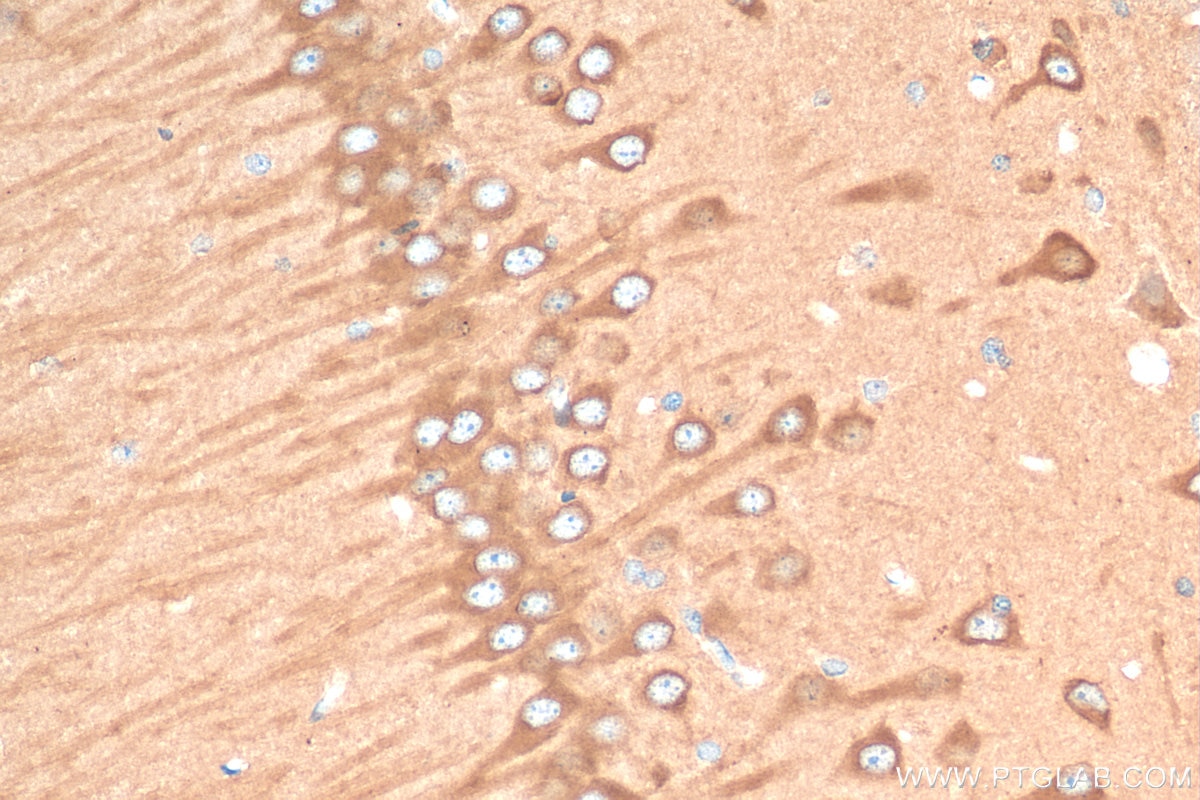
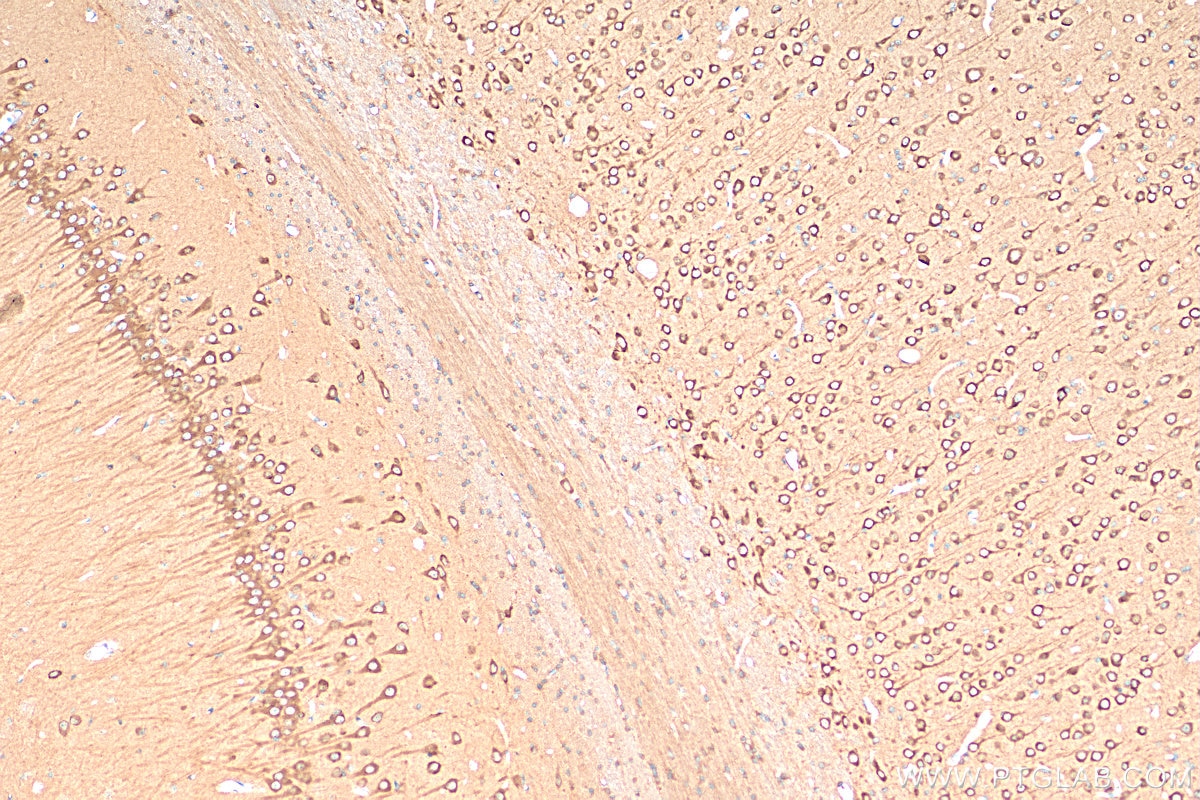
| Positive IHC detected in | human liver cancer tissue, human stomach cancer tissue, rat brain tissue Note: suggested antigen retrieval with TE buffer pH 9.0; (*) Alternatively, antigen retrieval may be performed with citrate buffer pH 6.0 |
Recommended dilution
| Application | Dilution |
|---|---|
| Western Blot (WB) | WB : 1:5000-1:50000 |
| Immunoprecipitation (IP) | IP : 0.5-4.0 ug for 1.0-3.0 mg of total protein lysate |
| Immunohistochemistry (IHC) | IHC : 1:50-1:500 |
| It is recommended that this reagent should be titrated in each testing system to obtain optimal results. | |
| Sample-dependent, Check data in validation data gallery. | |
Product Information
81196-1-RR targets ACSL4/FACL4 in WB, IHC, IF, IP, ELISA applications and shows reactivity with human, mouse, rat samples.
| Tested Reactivity | human, mouse, rat |
| Cited Reactivity | human, mouse, rat, pig |
| Host / Isotype | Rabbit / IgG |
| Class | Recombinant |
| Type | Antibody |
| Immunogen |
CatNo: Ag18085 Product name: Recombinant human ACSL4 protein Source: e coli.-derived, PET28a Tag: 6*His Domain: 143-236 aa of BC034959 Sequence: LGKEAVVHGLNESEASYLITSVELLESKLKTALLDISCVKHIIYVDNKAINKAEYPEGFEIHSMQSVEELGSNPENLGIPPSRPTPSDMAIVMY Predict reactive species |
| Full Name | acyl-CoA synthetase long-chain family member 4 |
| Calculated Molecular Weight | 711 aa, 79 kDa |
| Observed Molecular Weight | 70 kDa, 75 kDa |
| GenBank Accession Number | BC034959 |
| Gene Symbol | ACSL4 |
| Gene ID (NCBI) | 2182 |
| RRID | AB_2923707 |
| Conjugate | Unconjugated |
| Form | Liquid |
| Purification Method | Protein A purification |
| UNIPROT ID | O60488 |
| Storage Buffer | PBS with 0.02% sodium azide and 50% glycerol, pH 7.3. |
| Storage Conditions | Store at -20°C. Stable for one year after shipment. Aliquoting is unnecessary for -20oC storage. 20ul sizes contain 0.1% BSA. |
Background Information
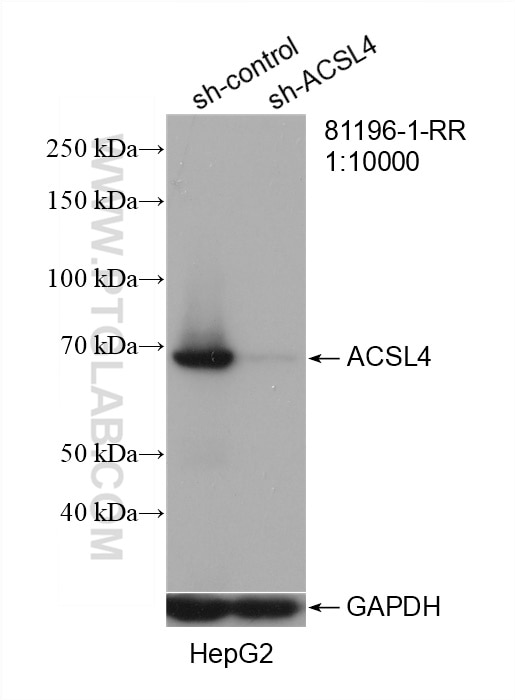
Acyl-CoA synthetase long-chain family member 4 (Acsl4), an important enzyme involved in lipid metabolism, participates in ferroptosis by converting free AA into arachidonoyl-CoA to generate lipid hydroperoxides. Recent studies revealed that ACSL4 is involved in biological responses including inflammation, steroidogenesis, cell death, female fertility, and cancer. Acsl4 has two isoforms: 79 kDa and 75 kDa. ACSL4 also can be detected in 70 kDa(PMID:35326233).
Protocols
| Product Specific Protocols | |
|---|---|
| IHC protocol for ACSL4/FACL4 antibody 81196-1-RR | Download protocol |
| IP protocol for ACSL4/FACL4 antibody 81196-1-RR | Download protocol |
| WB protocol for ACSL4/FACL4 antibody 81196-1-RR | Download protocol |
| Standard Protocols | |
|---|---|
| Click here to view our Standard Protocols |
Publications
What published studies show
ACSL4/FACL4 rabbit recombinant monoclonal antibody (Catalog #81196-1-RR) has 31 citations. Journals include MedComm, Advanced Science, Cell Death & Disease, Phytomedicine, NPJ Precision Oncology, BMC Medicine, Life Sciences, Frontiers in Pharmacology, BMC Cancer, Viruses, and more. Research is dominated by ferroptosis mechanisms across cancers (colorectal, hepatocellular, breast, osteosarcoma) and organs (kidney, liver, heart, pancreas, retina), plus study of ischemia-reperfusion injury, metabolic disease, and neuroinflammation.
| Species | Application | Title |
|---|---|---|
Adv Sci (Weinh) The Lactate-Primed KAT8‒PCK2 Axis Exacerbates Hepatic Ferroptosis During Ischemia/Reperfusion Injury by Reprogramming OXSM-Dependent Mitochondrial Fatty Acid Synthesis | ||
MedComm (2020) Novel aspect of neprilysin in kidney fibrosis via ACSL4-mediated ferroptosis of tubular epithelial cells | ||
Cell Death Dis OTUB2-mediated deubiquitination upregulates U2AF2 to promote colorectal cancer evasion of autophagy-ferroptosis. | ||
Phytomedicine Cistanche deserticola extract and its active components, echinacoside, ameliorate sarcopenia by activating the IGF-1/PI3K-AKT pathway to modulate ferroptosis. | ||
NPJ Precis Oncol Targeting SIX2 as a novel sensitization strategy of sorafenib treatment on advanced hepatocellular carcinoma through modulating METTL9-SLC7A11 axis | ||
BMC Med Iron overload-induced ferroptosis in CD8(+) T cells leads to functional abnormalities that promote endometriosis progression. |










