

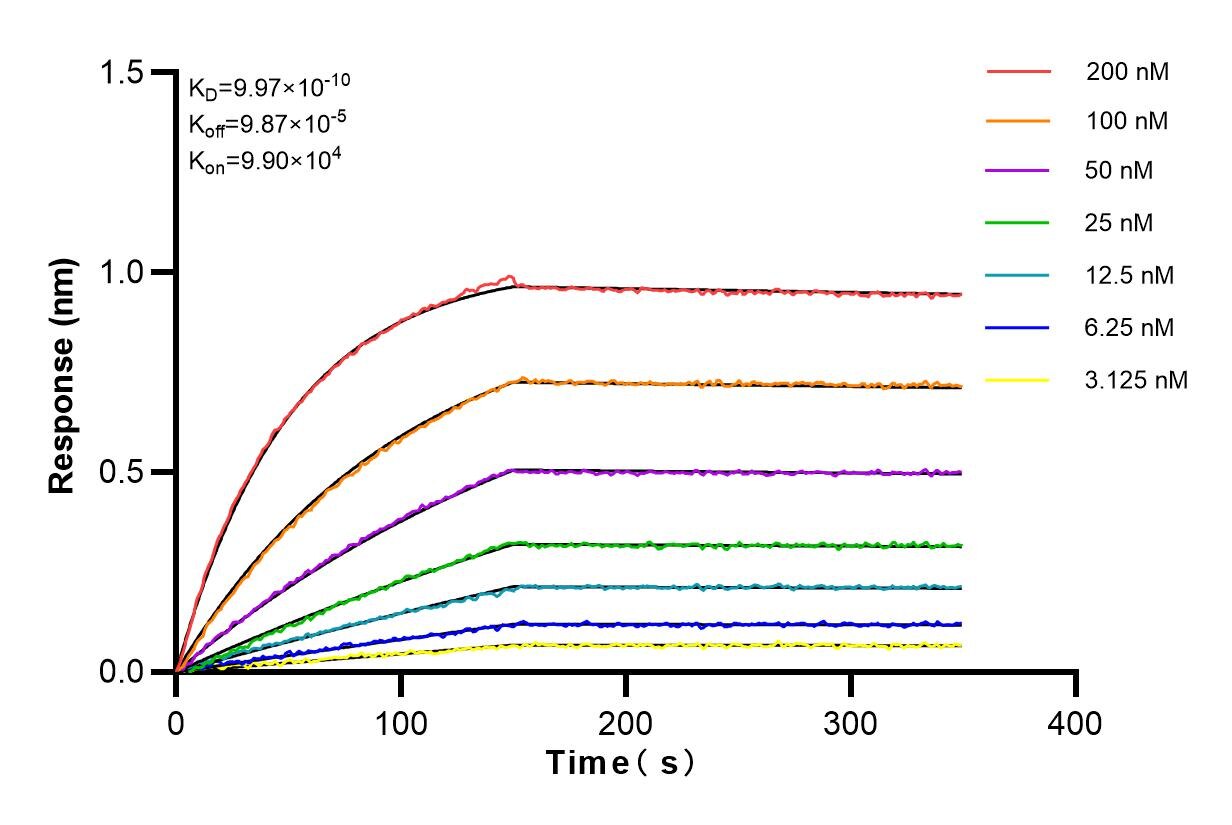

Tested Applications
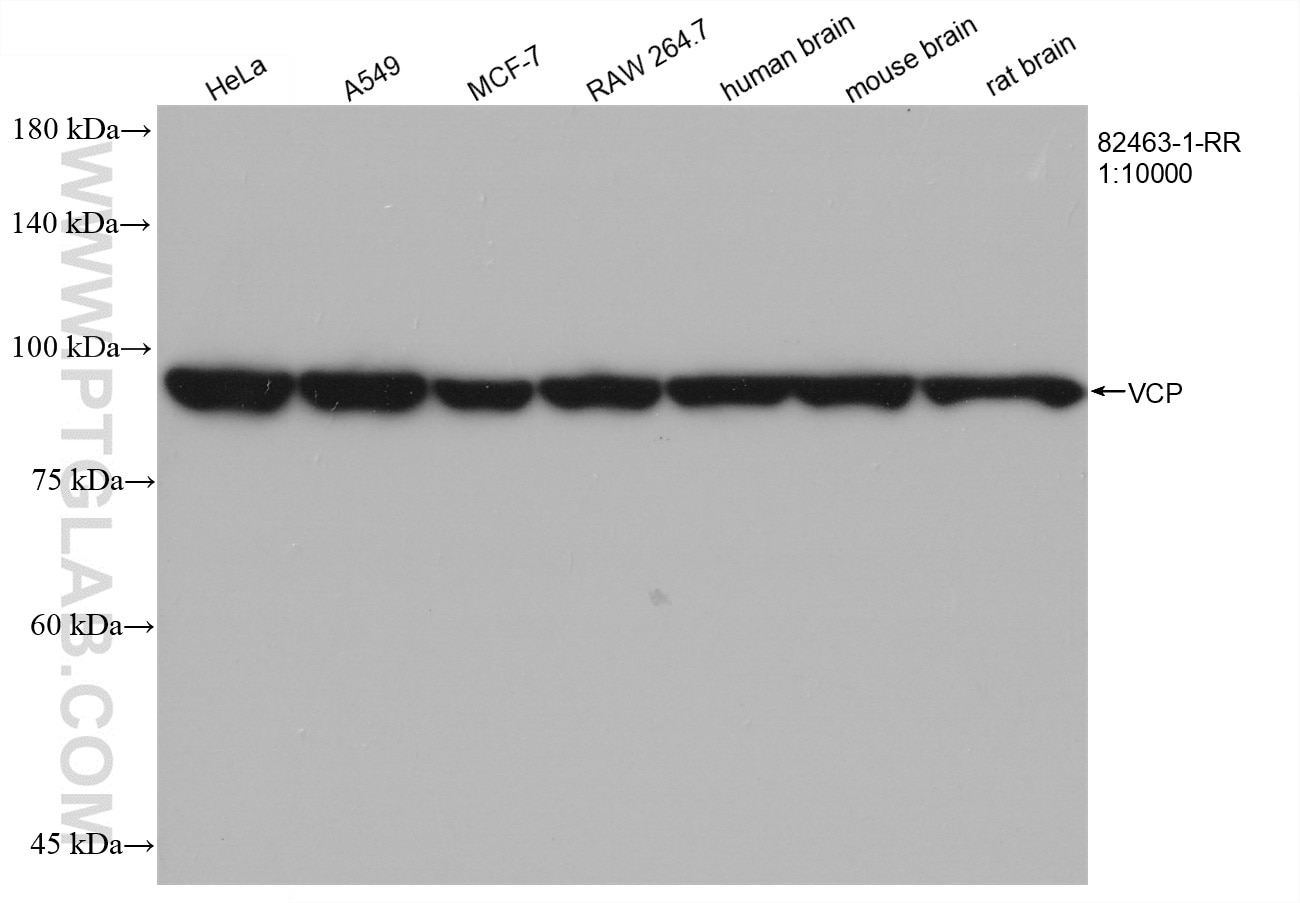
| Positive WB detected in | HeLa cells, A549 cells, MCF-7 cells, RAW 264.7 cells, human brain tissue, mouse brain tissue, rat brain tissue |
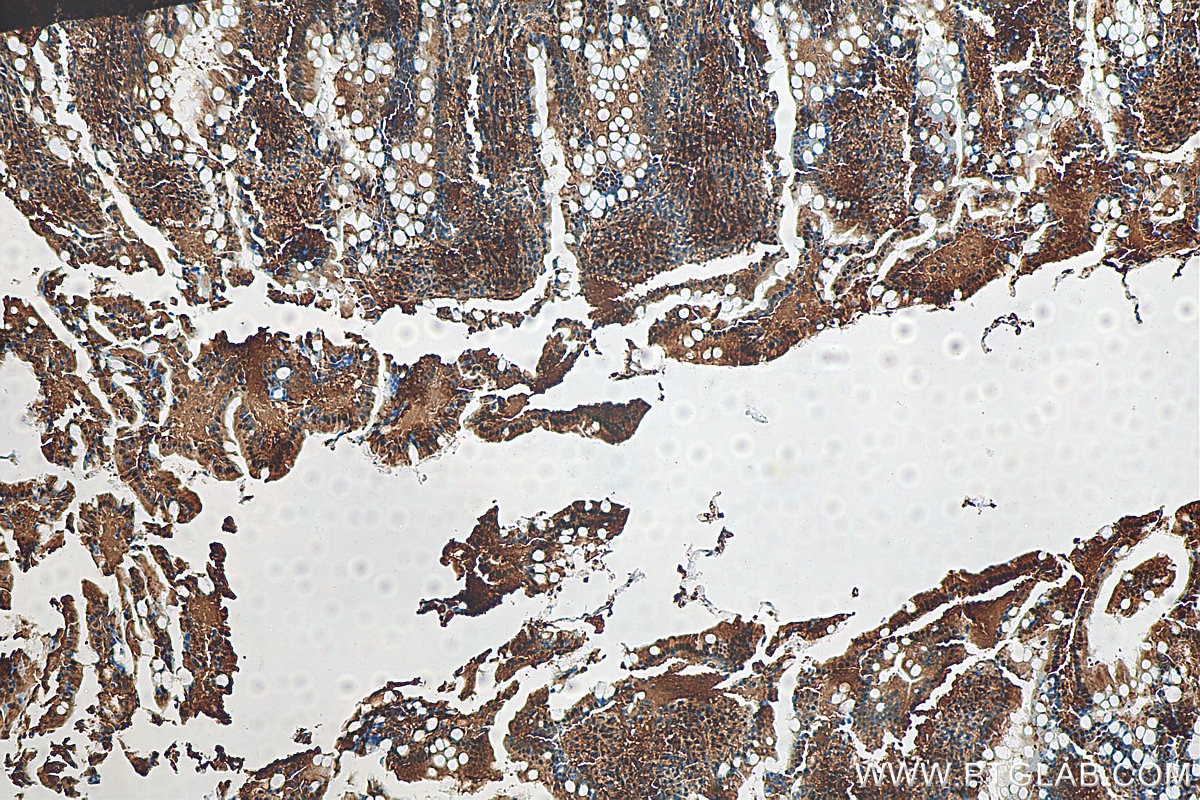
| Positive IHC detected in | rat small intestine tissue Note: suggested antigen retrieval with TE buffer pH 9.0; (*) Alternatively, antigen retrieval may be performed with citrate buffer pH 6.0 |
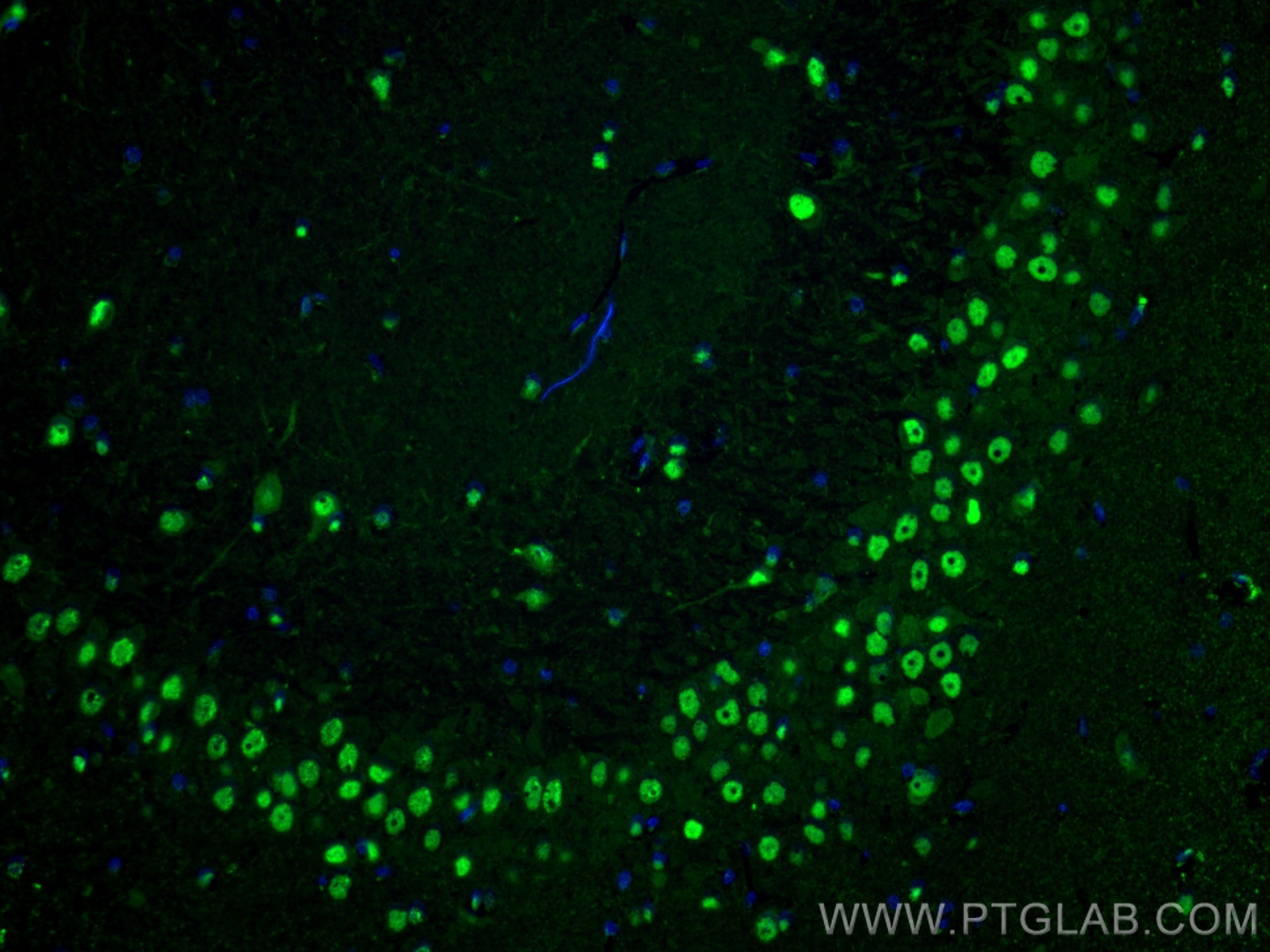
| Positive IF-P detected in | rat brain tissue |
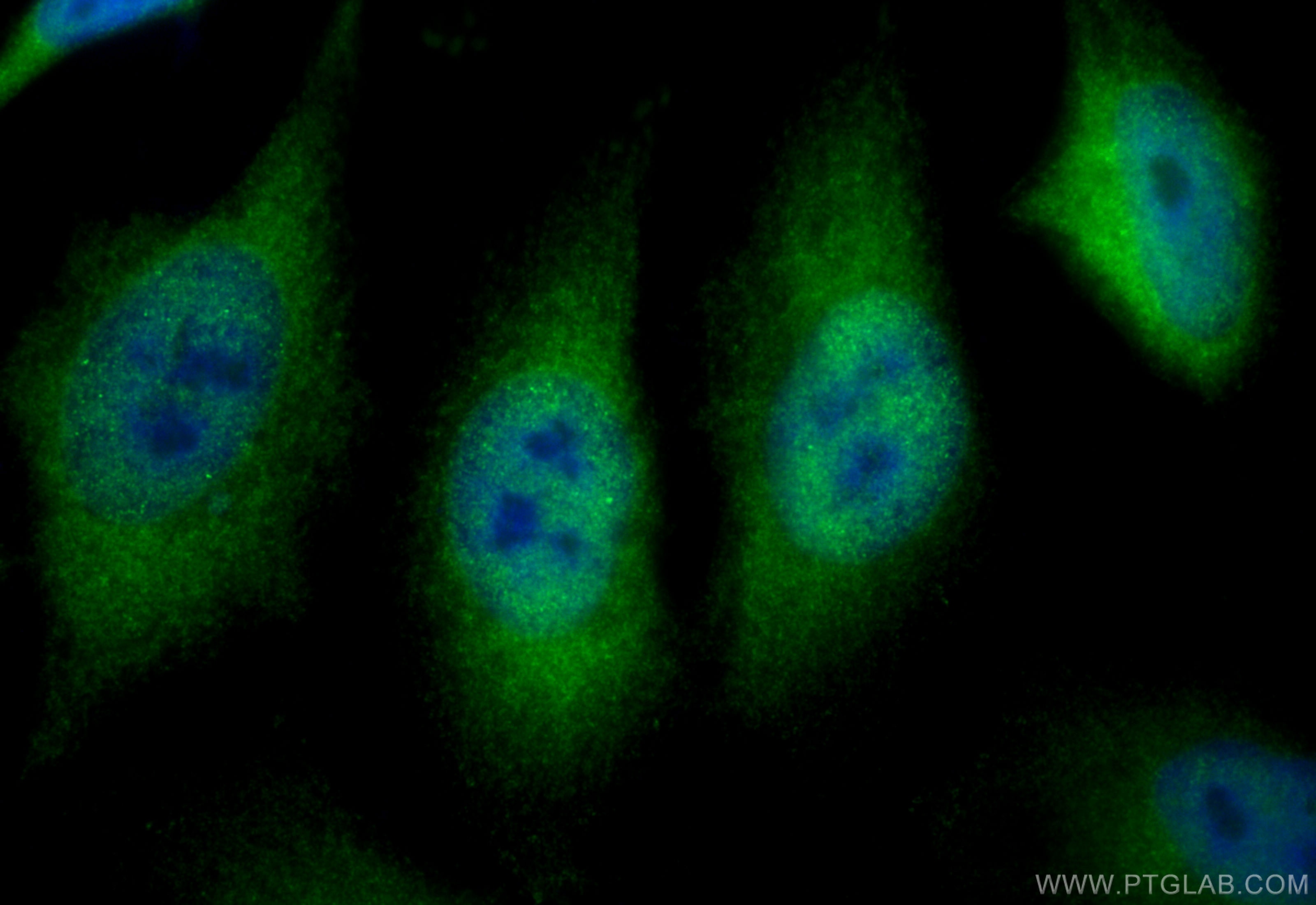
| Positive IF/ICC detected in | HeLa cells |
Recommended dilution
| Application | Dilution |
|---|---|
| Western Blot (WB) | WB : 1:5000-1:50000 |
| Immunohistochemistry (IHC) | IHC : 1:50-1:500 |
| Immunofluorescence (IF)-P | IF-P : 1:250-1:1000 |
| Immunofluorescence (IF)/ICC | IF/ICC : 1:500-1:2000 |
| It is recommended that this reagent should be titrated in each testing system to obtain optimal results. | |
| Sample-dependent, Check data in validation data gallery. | |
Product Information
82463-1-RR targets VCP in WB, IHC, IF/ICC, IF-P, ELISA applications and shows reactivity with human, mouse, rat samples.
| Tested Reactivity | human, mouse, rat |
| Cited Reactivity | human |
| Host / Isotype | Rabbit / IgG |
| Class | Recombinant |
| Type | Antibody |
| Immunogen |
CatNo: Ag1002 Product name: Recombinant human VCP protein Source: e coli.-derived, PGEX-4T Tag: GST Domain: 345-644 aa of BC007562 Sequence: GMTPSKGVLFYGPPGCGKTLLAKAIANECQANFISIKGPELLTMWFGESEANVREIFDKARQAAPCVLFFDELDSIAKARGGNIGDGGGAADRVINQILTEMDGMSTKKNVFIIGATNRPDIIDPAILRPGRLDQLIYIPLPDEKSRVAILKANLRKSPVAKDVDLEFLAKMTNGFSGADLTEICQRACKLAIRESIESEIRRERERQTNPSAMEVEEDDPVPEIRRDHFEEAMRFARRSVSDNDIRKYEMFAQTLQQSRGFGSFRFPSGNQGGAGPSQGSGGGTGGSVYTEDNDDDLYG Predict reactive species |
| Full Name | valosin-containing protein |
| Calculated Molecular Weight | 89 kDa |
| Observed Molecular Weight | 89 kDa |
| GenBank Accession Number | BC007562 |
| Gene Symbol | VCP |
| Gene ID (NCBI) | 7415 |
| RRID | AB_3086480 |
| Conjugate | Unconjugated |
| Form | Liquid |
| Purification Method | Protein A purification |
| UNIPROT ID | P55072 |
| Storage Buffer | PBS with 0.02% sodium azide and 50% glycerol, pH 7.3. |
| Storage Conditions | Store at -20°C. Stable for one year after shipment. Aliquoting is unnecessary for -20oC storage. 20ul sizes contain 0.1% BSA. |
Background Information
VCP(Valosin-containing protein), also known as TER ATPase and 15S Mg2+-ATPase p97 subunit, belongs to the AAA ATPase family. VCP was first identified as a result of attempts to clone a putative peptide hormone called valosin. It was found that the cloned cDNA encoded a ubiquitously expressed 90 kDa cytosolic protein, termed VCP, which showed none of the characteristics of a peptide hormone precursor(PMID:1382975). Defects in VCP are the cause of inclusion body myopathy with early-onset Paget disease and frontotemporal dementia (IBMPFD) and amyotrophic lateral sclerosis type 14 with or without frontotemporal dementia (ALS14). VCP has a calculated molecular weight of 89 kDa and an apparent molecular weight of 90-100 kDa (PMID: 15732117, 1382975).
Protocols
| Product Specific Protocols | |
|---|---|
| IF protocol for VCP antibody 82463-1-RR | Download protocol |
| IHC protocol for VCP antibody 82463-1-RR | Download protocol |
| IP protocol for VCP antibody 82463-1-RR | Download protocol |
| WB protocol for VCP antibody 82463-1-RR | Download protocol |
| Standard Protocols | |
|---|---|
| Click here to view our Standard Protocols |
Publications
What published studies show
The VCP Recombinant monoclonal antibody (3G23) (Cat# 82463-1-RR) has 3 total citations published in Cell Death & Disease, Journal of Medicinal Chemistry, and Frontiers in Toxicology. The associated research fields include stress granule dynamics and proximity proteomics, antitumor drug discovery via PPIA interaction, and network toxicology linking plasticizers to osteoporosis.
| Species | Application | Title |
|---|---|---|
Cell Death Dis Proximity proteomics reveals OTUD6B regulation of stress granule dynamics through coalescence with VCP/p97. | ||
J Med Chem Discovery of Novel Oxazolo[4,3-f]purine Derivatives as Antitumor Agents through PPIA Interaction | ||
Front Toxicol Exploring plasticisers-osteoporosis links and mechanisms: a cohort and network toxicology study |







