
Product Information
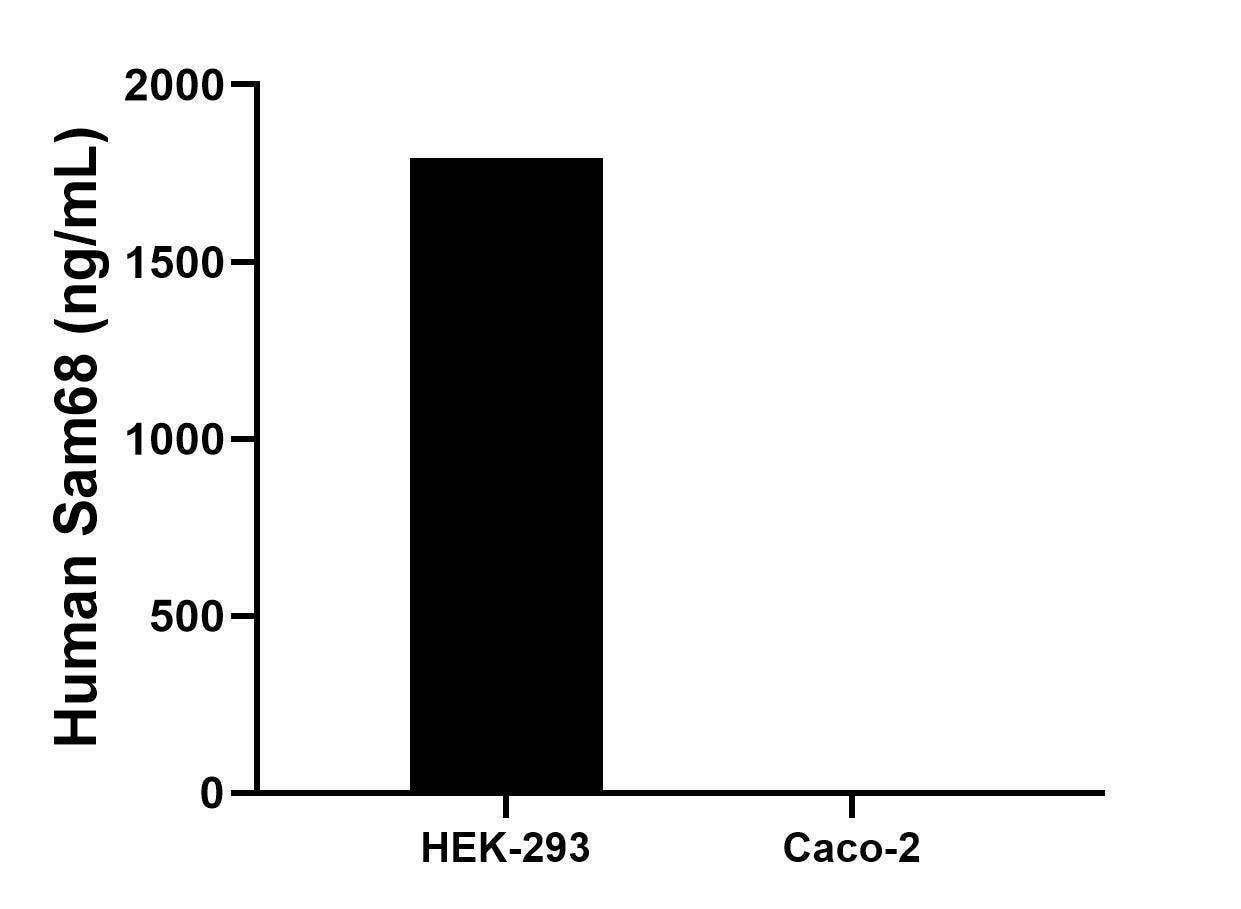
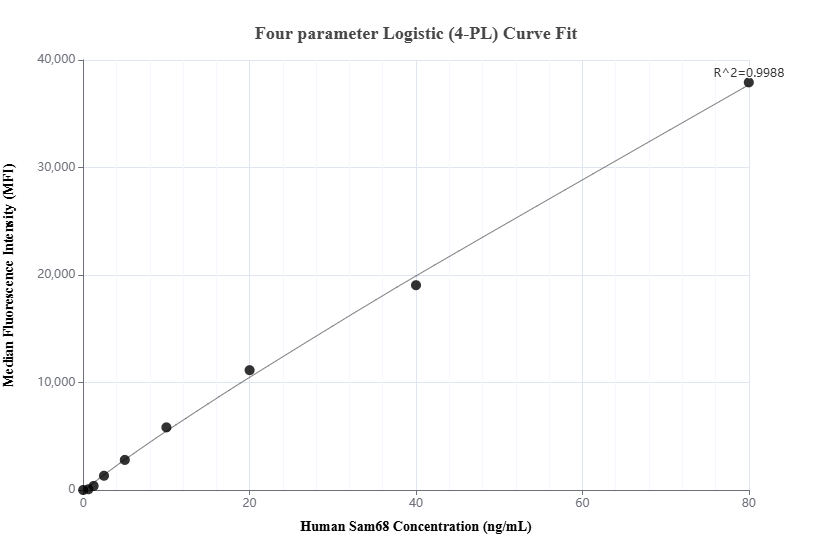
88301-1-PBS targets Sam68 as part of a matched antibody pair:
MP03453-1: 88301-2-PBS capture and 88301-1-PBS detection (validated in Cytometric bead array)
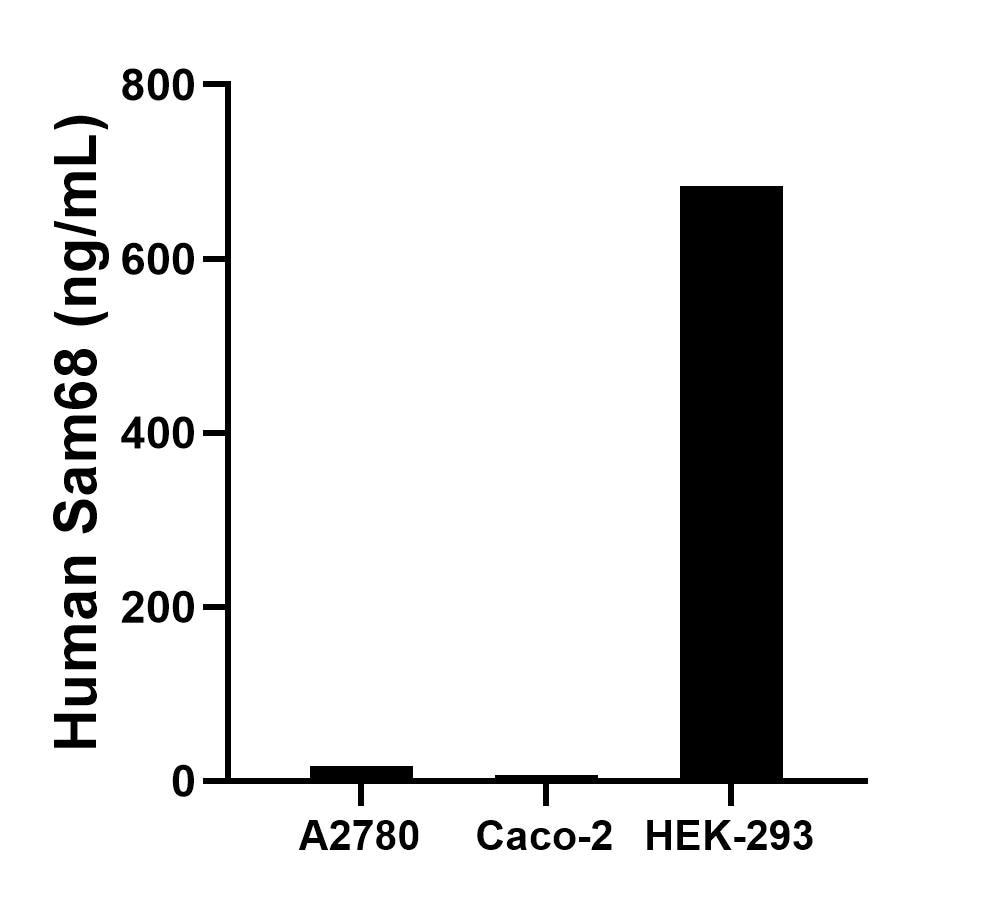
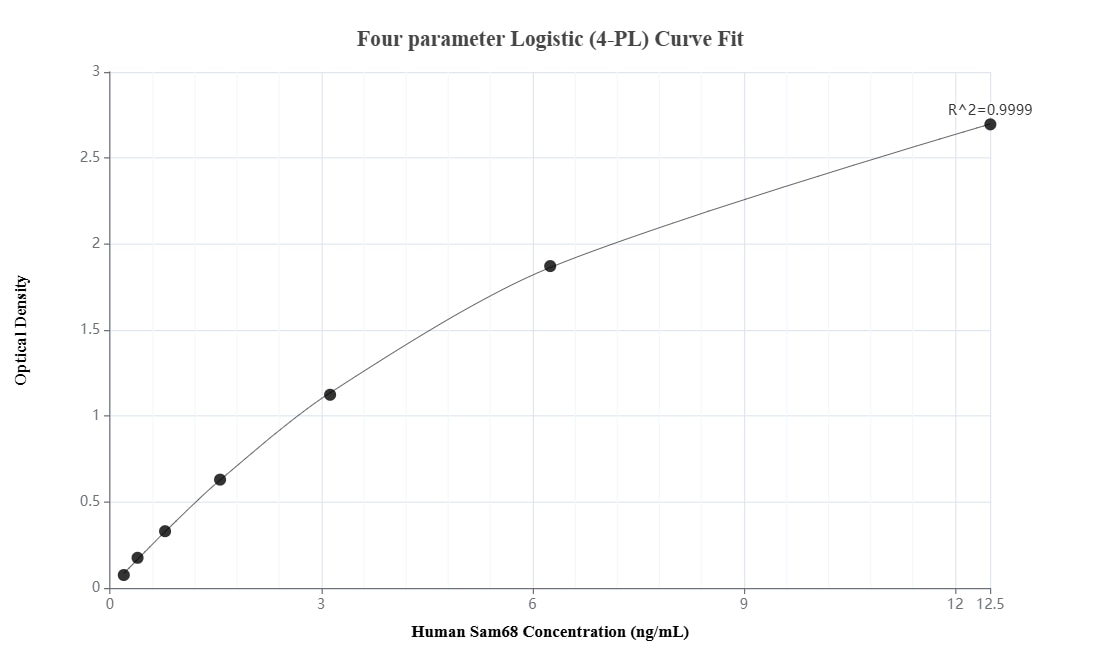
MP03453-2: 88301-1-PBS capture and 88301-3-PBS detection (validated in Sandwich ELISA)
Unconjugated rabbit recombinant monoclonal antibody in PBS only (BSA and azide free) storage buffer at a concentration of 1 mg/mL, ready for conjugation. Created using Proteintech’s proprietary in-house recombinant technology. Recombinant production enables unrivalled batch-to-batch consistency, easy scale-up, and future security of supply.
This conjugation ready format makes antibodies ideal for use in many applications including: ELISAs, multiplex assays requiring matched pairs, mass cytometry, and multiplex imaging applications.Antibody use should be optimized by the end user for each application and assay.
| Tested Reactivity | human, mouse, rat |
| Host / Isotype | Rabbit / IgG |
| Class | Recombinant |
| Type | Antibody |
| Immunogen |
CatNo: Ag0235 Product name: Recombinant human Sam68 protein Source: e coli.-derived, PGEX-4T Tag: GST Domain: 201-442 aa of BC000717 Sequence: GSMRDKAKEEELRKGGDPKYAHLNMDLHVFIEVFGPPCEAYALMAHAMEEVKKFLVPDMMDDICQEQFLELSYLNGVPEPSRGRGVPVRGRGAAPPPPPVPRGRGVGPPRGALVRGTPVRGAITRGATVTRGVPPPPTVRGAPAPRARTAGIQRIPLPPPPAPETYEEYGYDDTYAEQSYEGYEGYYSQSQGDSEYYDYGHGEVQDSYEAYGQDDWNGTRPSLKAPPARPVKGAYREHPYGR Predict reactive species |
| Full Name | KH domain containing, RNA binding, signal transduction associated 1 |
| Calculated Molecular Weight | 48 kDa |
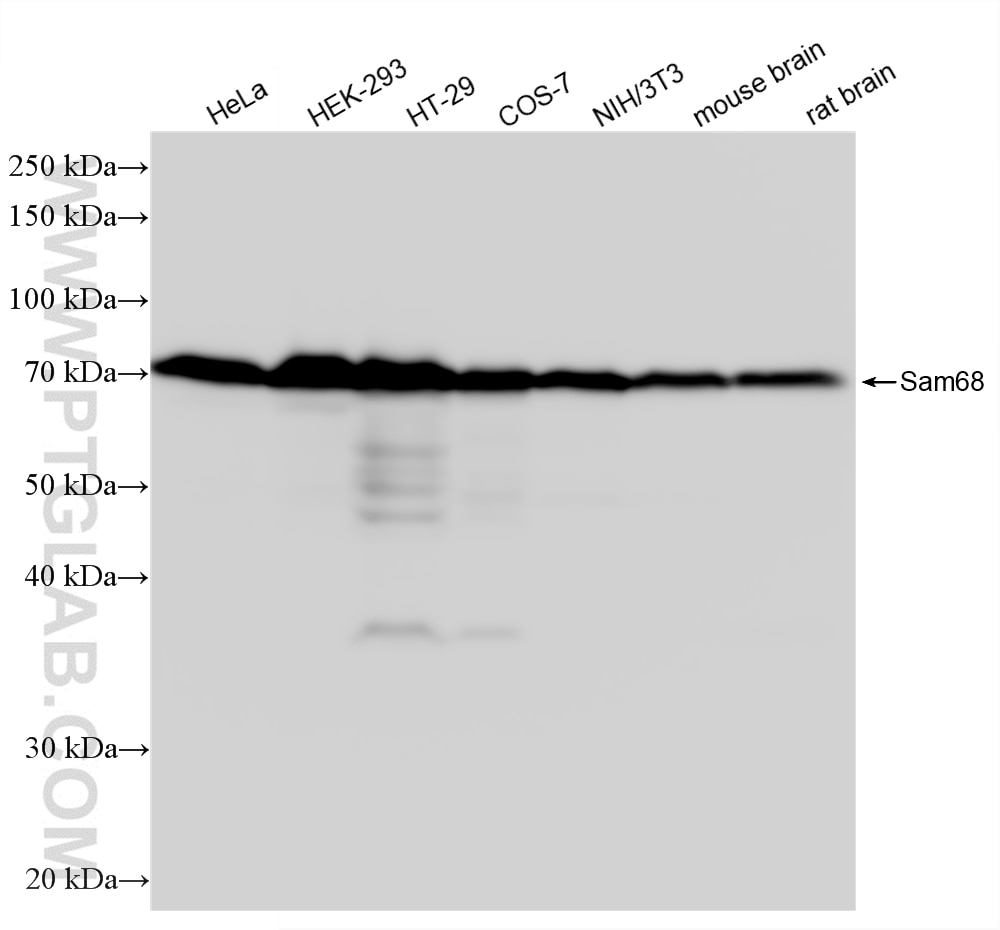
| Observed Molecular Weight | 68 kDa |
| GenBank Accession Number | BC000717 |
| Gene Symbol | Sam68 |
| Gene ID (NCBI) | 10657 |
| Conjugate | Unconjugated |
| Form | Liquid |
| Purification Method | Protein A purification |
| UNIPROT ID | Q07666 |
| Storage Buffer | PBS only, pH 7.3. |
| Storage Conditions | Store at -80°C. |
Background Information
KHDRBS1, also named as SAM68, p62and p68, belongs to the KHDRBS family. It is recruited and tyrosine phosphorylated by several receptor systems, for example the T-cell, leptin and INS receptors. Once phosphorylated, KHDRBS1 functions as an adapter protein in signal transduction cascades by binding to SH2 and SH3 domain-containing proteins. It represses CBP-dependent transcriptional activation apparently by competing with other nuclear factors for binding to CBP.







