



Tested Applications
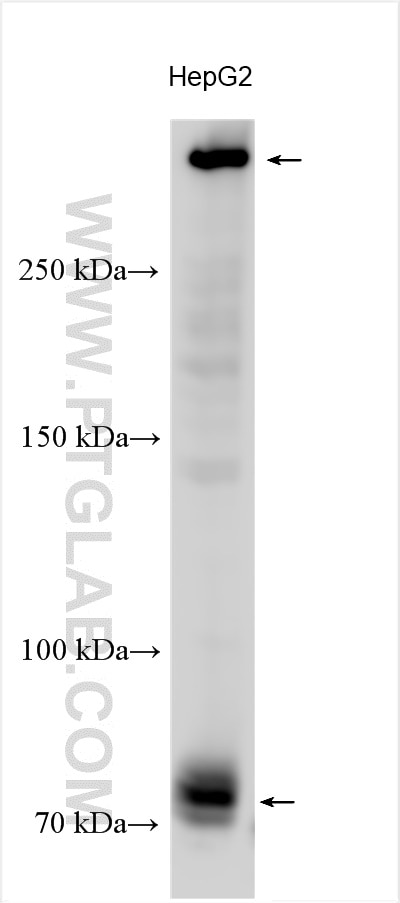
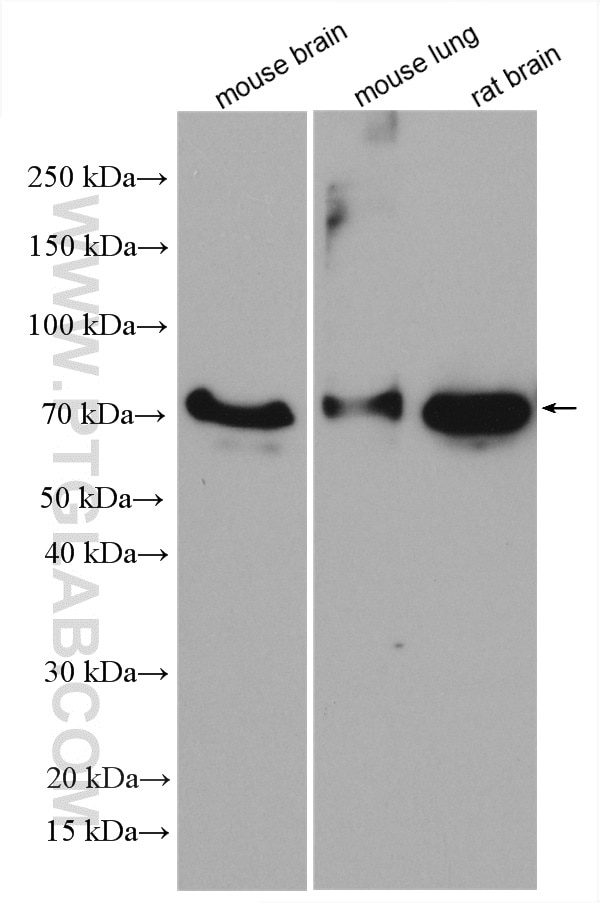
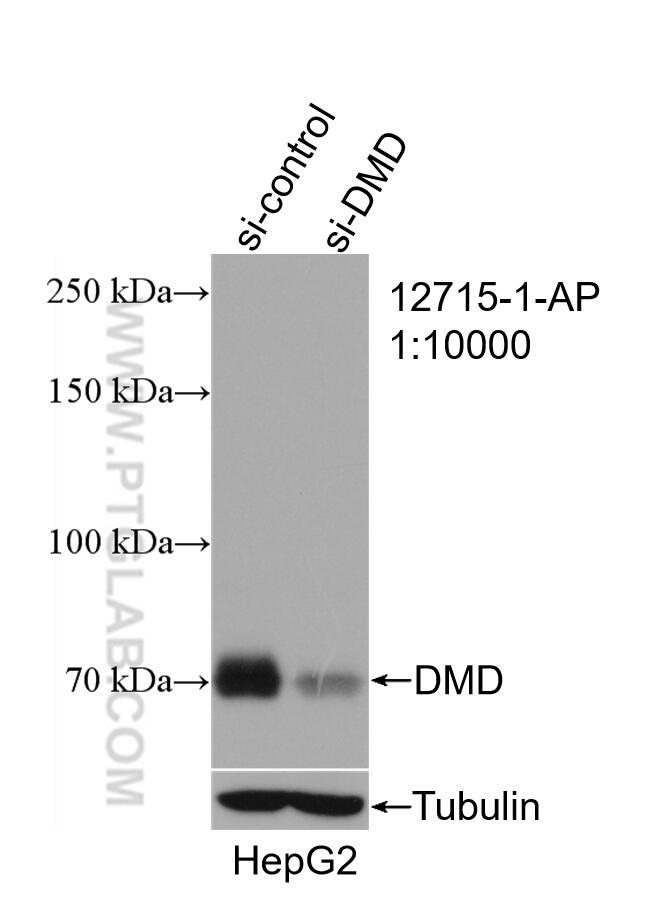
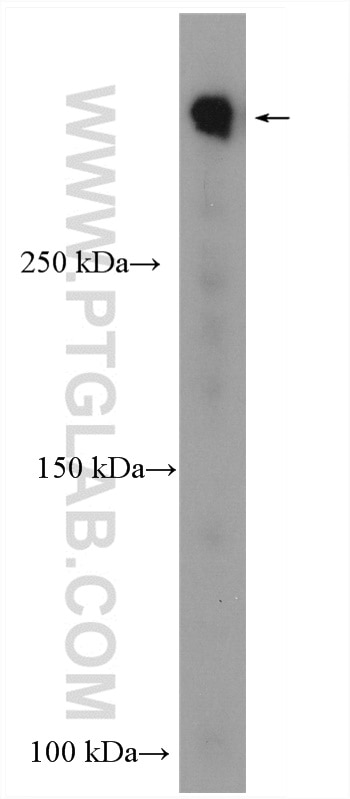
| Positive WB detected in | HepG2 cells, mouse brain tissue, mouse lung tissue, rat brain tissue |
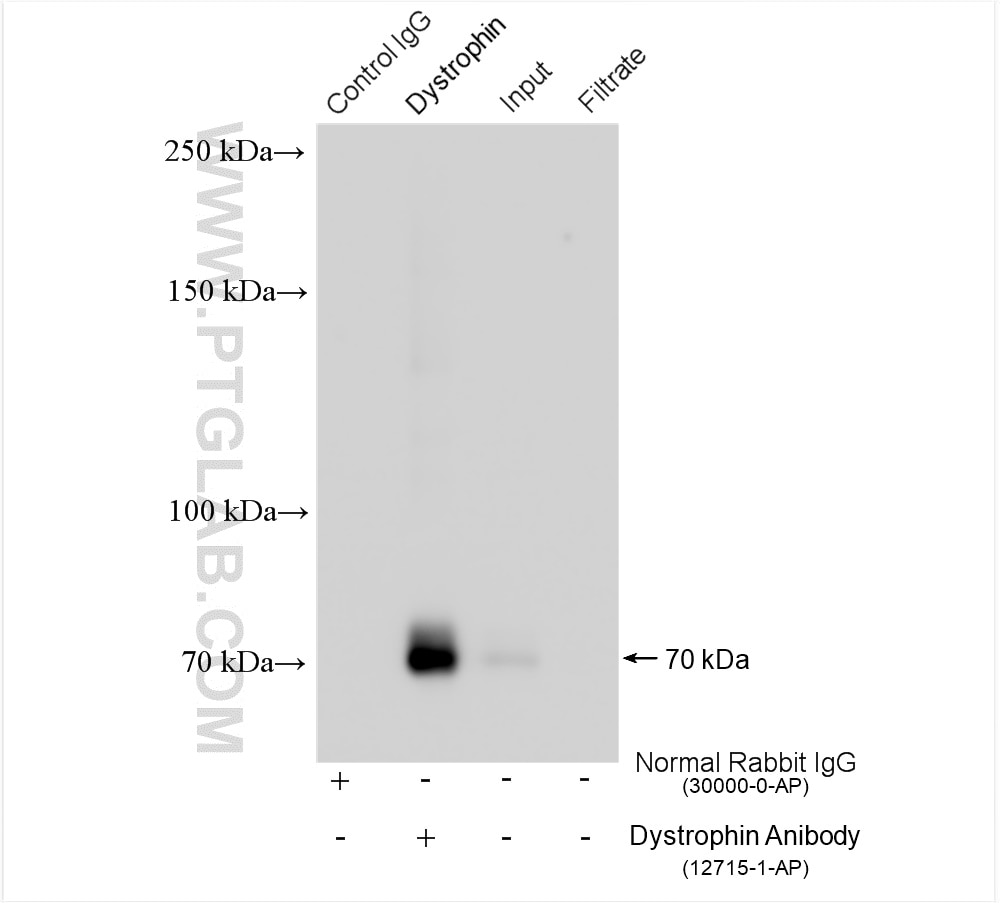
| Positive IP detected in | mouse brain tissue |
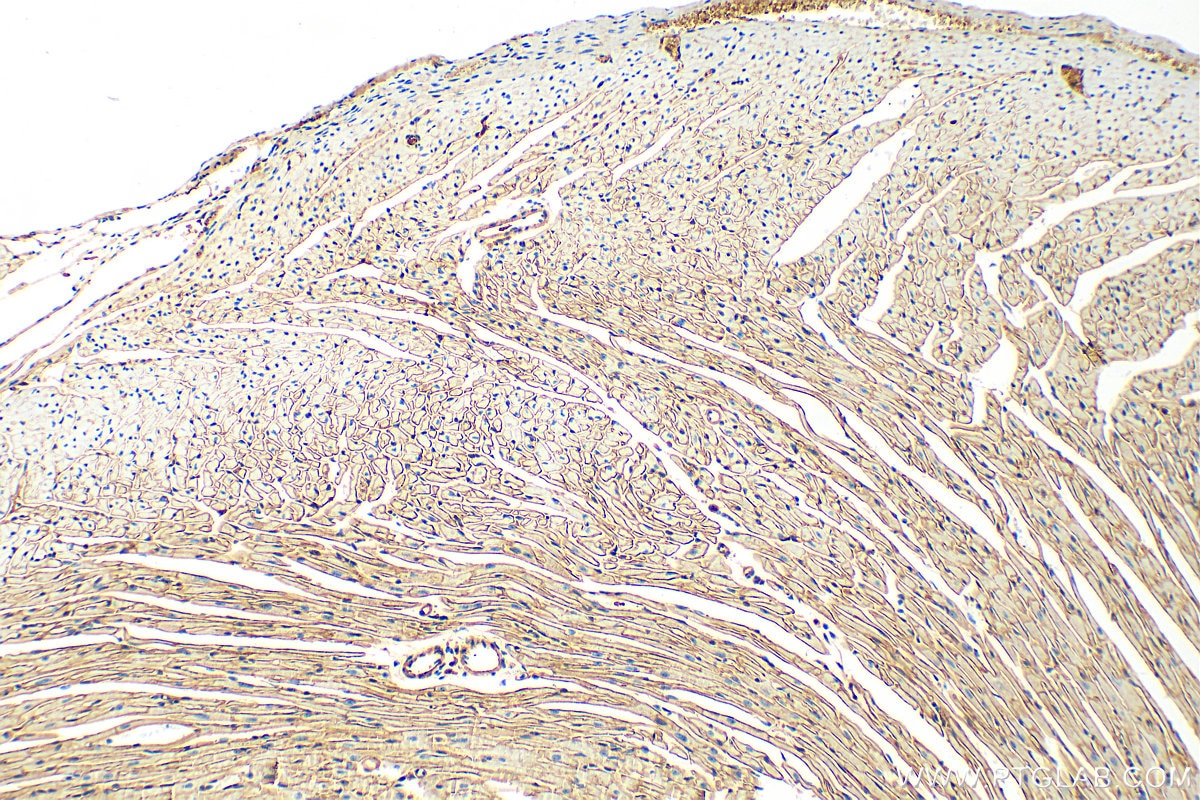
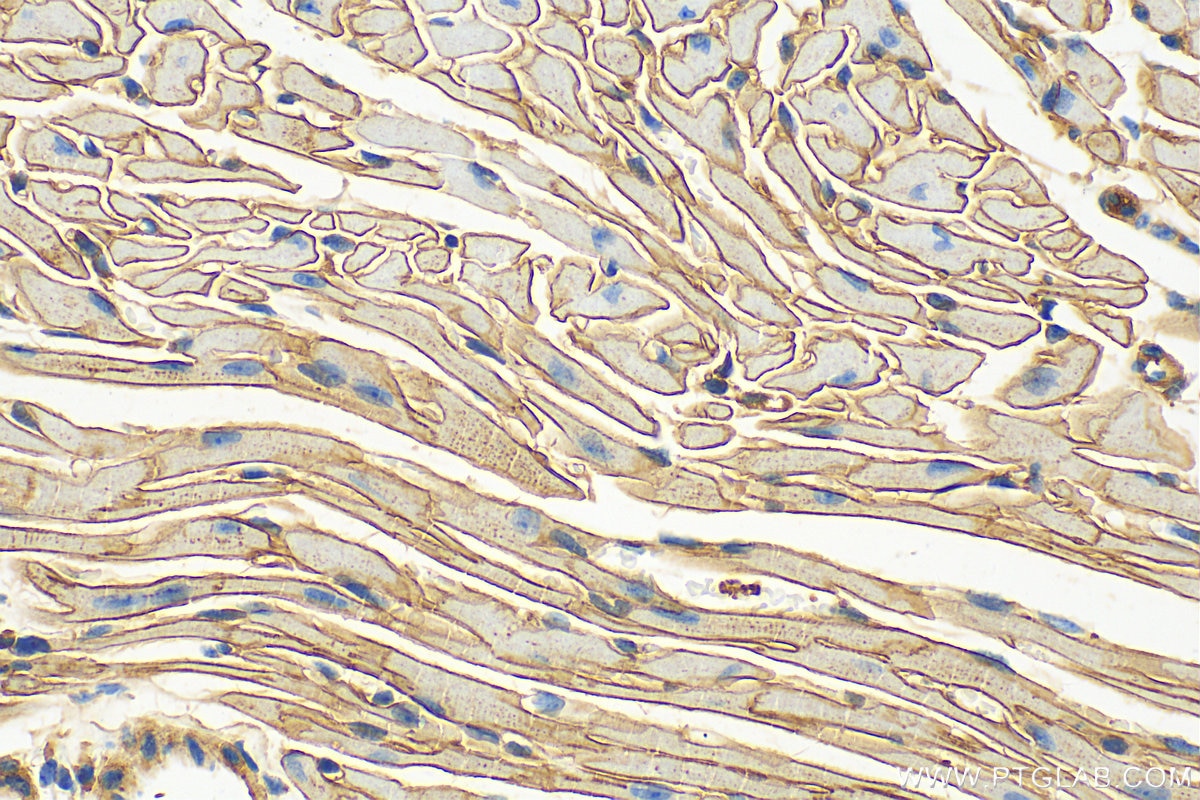
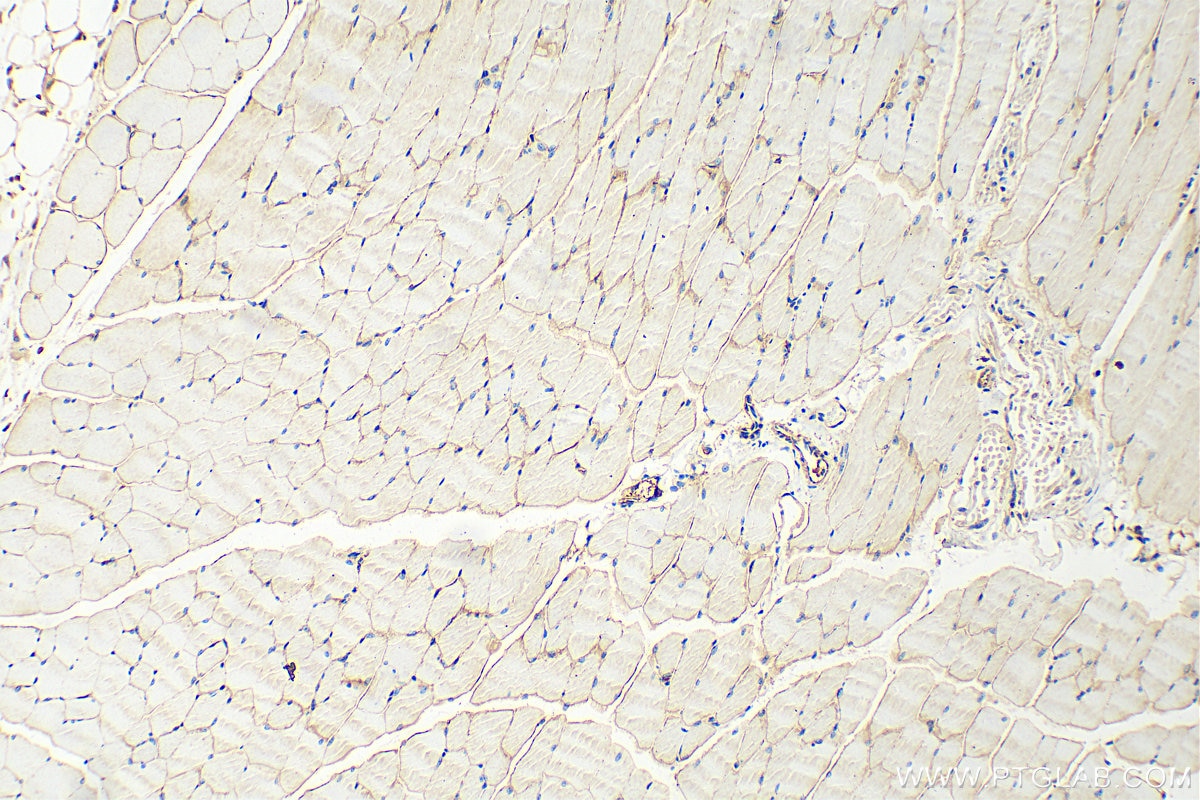
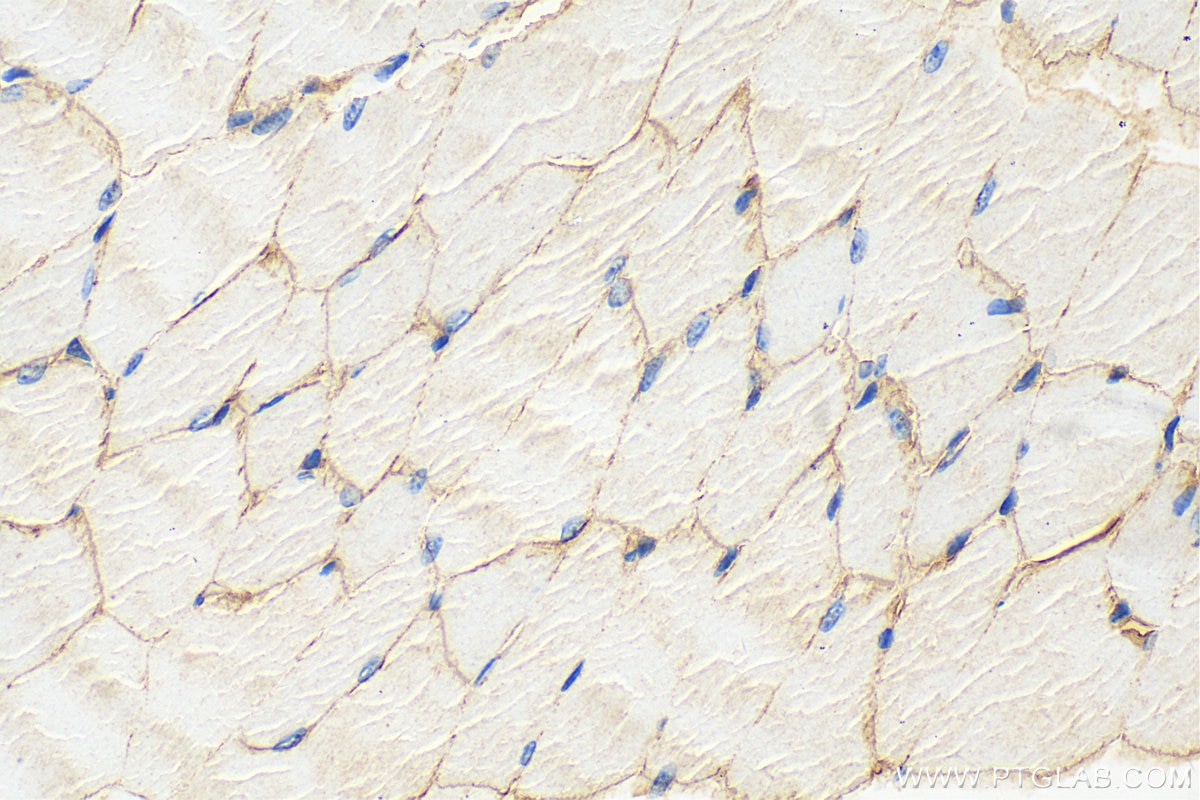
| Positive IHC detected in | mouse skeletal muscle tissue, mouse heart tissue Note: suggested antigen retrieval with TE buffer pH 9.0; (*) Alternatively, antigen retrieval may be performed with citrate buffer pH 6.0 |
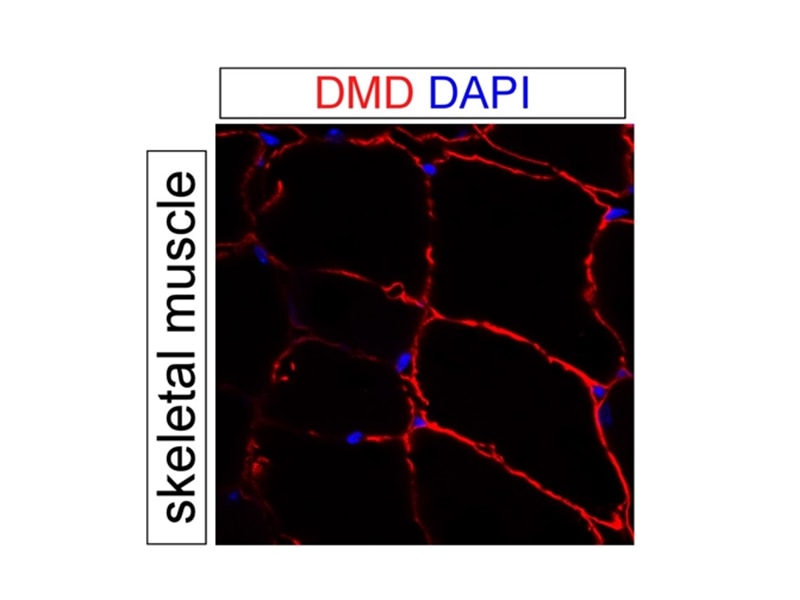
| Positive IF-P detected in | mouse skeletal muscle tissue, rat heart tissue |
Recommended dilution
| Application | Dilution |
|---|---|
| Western Blot (WB) | WB : 1:5000-1:50000 |
| Immunoprecipitation (IP) | IP : 0.5-4.0 ug for 1.0-3.0 mg of total protein lysate |
| Immunohistochemistry (IHC) | IHC : 1:1000-1:4000 |
| Immunofluorescence (IF)-P | IF-P : 1:50-1:500 |
| It is recommended that this reagent should be titrated in each testing system to obtain optimal results. | |
| Sample-dependent, Check data in validation data gallery. | |
Product Information
12715-1-AP targets Dystrophin in WB, IHC, IF-P, IP, CoIP, ELISA applications and shows reactivity with human, mouse, rat samples.
| Tested Reactivity | human, mouse, rat |
| Cited Reactivity | human, mouse, rat, hamster |
| Host / Isotype | Rabbit / IgG |
| Class | Polyclonal |
| Type | Antibody |
| Immunogen |
CatNo: Ag3408 Product name: Recombinant human DMD protein Source: e coli.-derived, PGEX-4T Tag: GST Domain: 286-635 aa of BC028720 Sequence: YPMVEYCTPTTSGEDVRDFAKVLKNKFRTKRYFAKHPRMGYLPVQTVLEGDNMETPVTLINFWPVDSAPASSPQLSHDDTHSRIEHYASRLAEMENSNGSYLNDSISPNESIDDEHLLIQHYCQSLNQDSPLSQPRSPAQILISLESEERGELERILADLEEENRNLQAEYDRLKQQHEHKGLSPLPSPPEMMPTSPQSPRDAELIAEAKLLRQHKGRLEARMQILEDHNKQLESQLHRLRQLLEQPQAEAKVNGTTVSSPSTSLQRSDSSQPMLLRVVGSQTSDSMGEEDLLSPPQDTSTGLEEVMEQLNNSFPSSRGHNVGSLFHMADDLGRAMESLVSVMTDEEGAE Predict reactive species |
| Full Name | dystrophin |
| Calculated Molecular Weight | 3685 aa, 427 kDa |
| Observed Molecular Weight | 70 kDa, 430 kDa |
| GenBank Accession Number | BC028720 |
| Gene Symbol | Dystrophin |
| Gene ID (NCBI) | 1756 |
| RRID | AB_10640422 |
| Conjugate | Unconjugated |
| Form | Liquid |
| Purification Method | Antigen affinity purification |
| UNIPROT ID | P11532 |
| Storage Buffer | PBS with 0.02% sodium azide and 50% glycerol, pH 7.3. |
| Storage Conditions | Store at -20°C. Stable for one year after shipment. Aliquoting is unnecessary for -20oC storage. 20ul sizes contain 0.1% BSA. |
Background Information
Dystrophin (DMD or BMD) is a large muscle protein whose mutations cause Duchenne muscular dystrophy (DMD) and Becker muscular dystrophy (BMD), the childhood neuromuscular disorders that result in progressive muscle weakness, respiratory difficulties and cardiovascular dysfunction. Dystrophin is a crucial component of the dystrophin-glycoprotein complex which is essential for muscle membrane integrity and stability. Dystrophin is located on the cytoplasmic face of the sarcolemma and connects the cytoskeletal network to the sarcolemma and extracellular matrix. Multiple isoforms of dystrophin exist due to the alternative splicing, with a wide range of MW (69-72, 110-143, 271, 426 kDa). Most tissues contain transcripts of several isoforms. This antibody can recognize all the isoforms of Dystrophin.
Protocols
| Product Specific Protocols | |
|---|---|
| IF protocol for Dystrophin antibody 12715-1-AP | Download protocol |
| IHC protocol for Dystrophin antibody 12715-1-AP | Download protocol |
| IP protocol for Dystrophin antibody 12715-1-AP | Download protocol |
| WB protocol for Dystrophin antibody 12715-1-AP | Download protocol |
| Standard Protocols | |
|---|---|
| Click here to view our Standard Protocols |
Publications
What published studies show
Anti-Dystrophin antibody (Cat# 12715-1-AP) has 45 total citations published in journals including Nature Biomedical Engineering, Nature Aging, Nature Communications, Science Advances, Molecular Neurobiology, Stem Cell Research & Therapy, FASEB Journal, and Human Molecular Genetics. Associated research fields encompass Duchenne/Becker muscular dystrophy, skeletal muscle injury and regeneration, neuroinflammation, angiogenesis, cardiac dysfunction, gene therapy, ferroptosis, ALS, and retinitis pigmentosa.
| Species | Application | Title |
|---|---|---|
Nat Biomed Eng Restoration of dystrophin expression in mice by suppressing a nonsense mutation through the incorporation of unnatural amino acids. | ||
Nat Aging Senescent macrophages induce ferroptosis in skeletal muscle and accelerate osteoarthritis-related muscle atrophy | ||
Nat Commun Identification of genes associated with cortical malformation using a transposon-mediated somatic mutagenesis screen in mice.
| ||
Acta Pharm Sin B Transient induction of actin cytoskeletal remodeling associated with dedifferentiation, proliferation, and redifferentiation stimulates cardiac regeneration | ||
Sci Adv Targeting astrocytic Dp71 attenuates BBB disruption after traumatic brain injury through WTAP-associated m(6)A regulation of MMP2.
| ||
Sci Adv Semirational bioengineering of AAV vectors with increased potency and specificity for systemic gene therapy of muscle disorders |
Reviews
What customers say
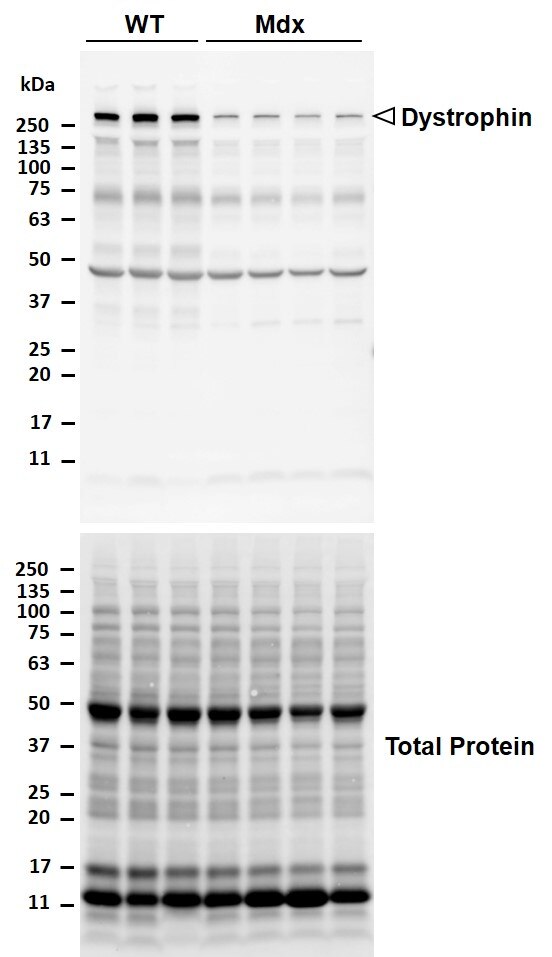
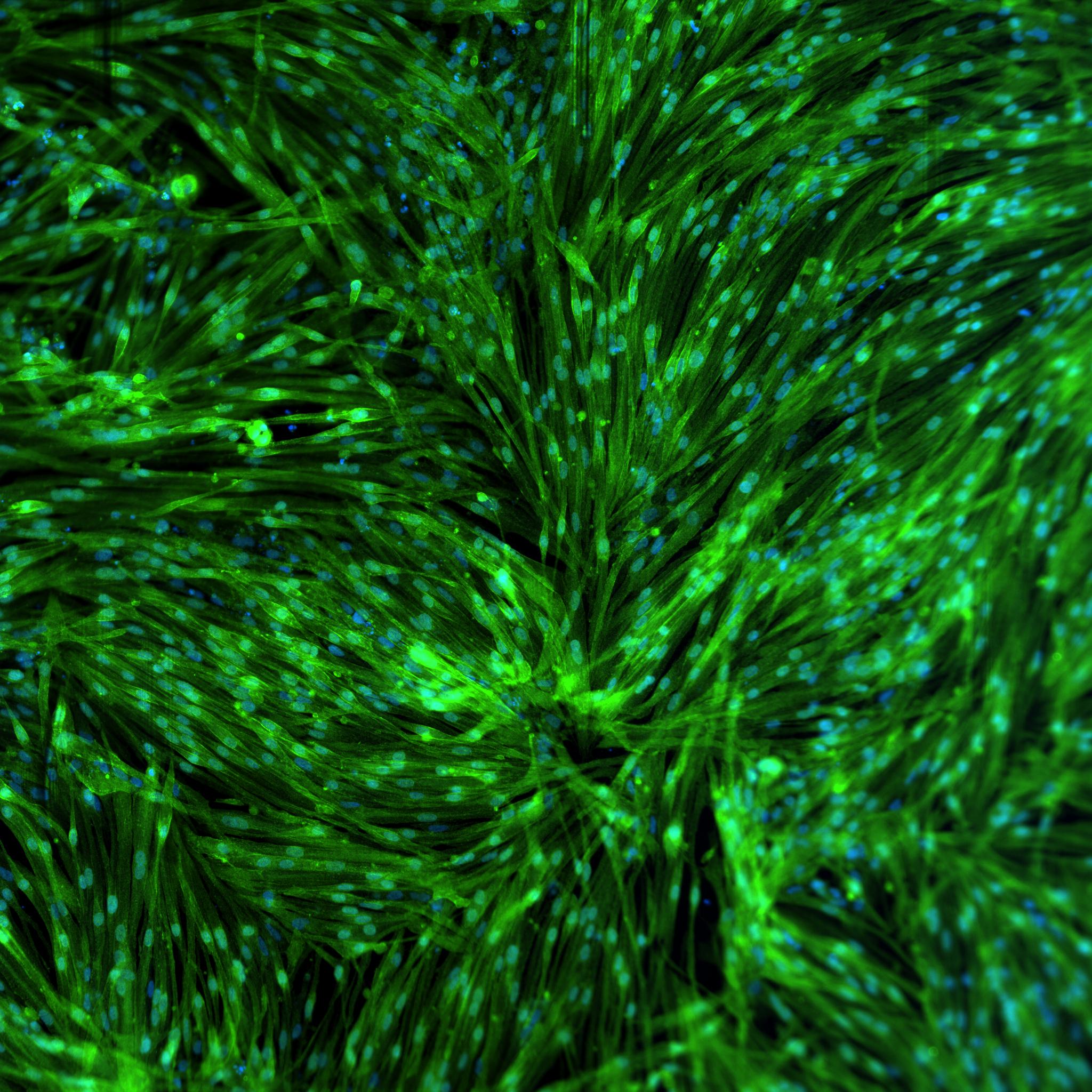
Both reviewers gave this antibody a perfect 5-star rating. One user performed Western Blot on skeletal muscle tissue at a 1:1000 dilution and noted that using a higher dilution helped reduce background signal. The other user applied it for Immunofluorescence on stem cell-derived myotubes at a 1:100 dilution. Overall, users report strong performance across different applications and sample types with no negative feedback.
The reviews below have been submitted by verified Proteintech customers who received an incentive for providing their feedback.
Changseok (Verified Customer) (01-26-2026) | Higher dilution will decrease the background.
 |
Lauren (Verified Customer) (08-10-2018) |
 |












