
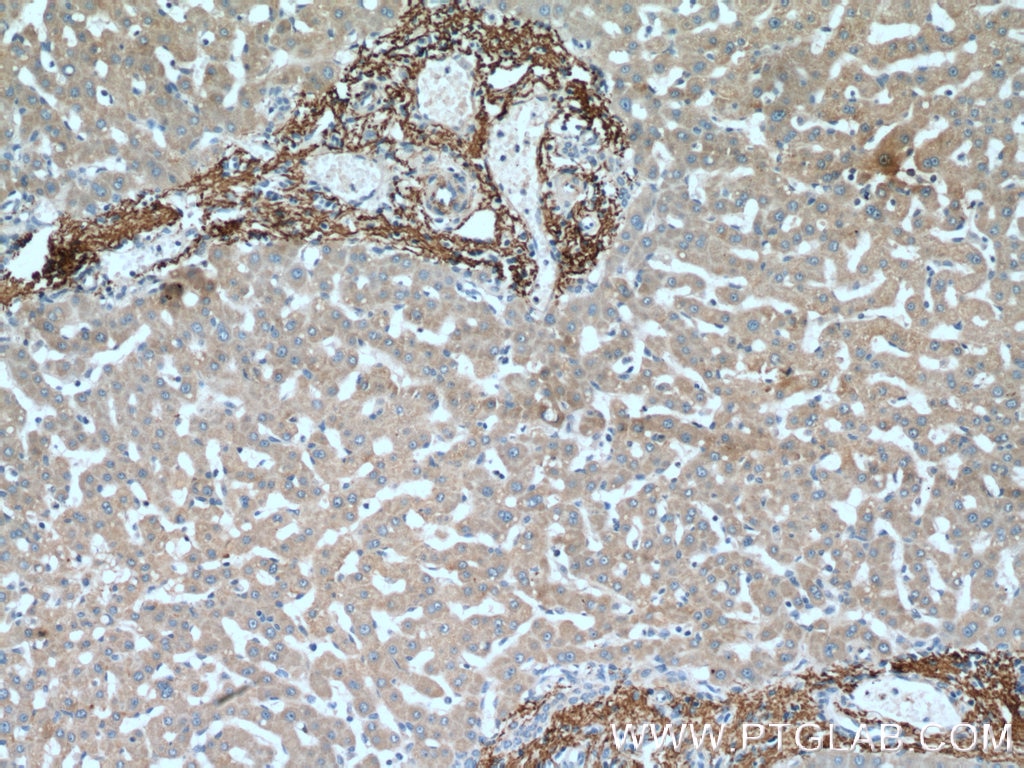
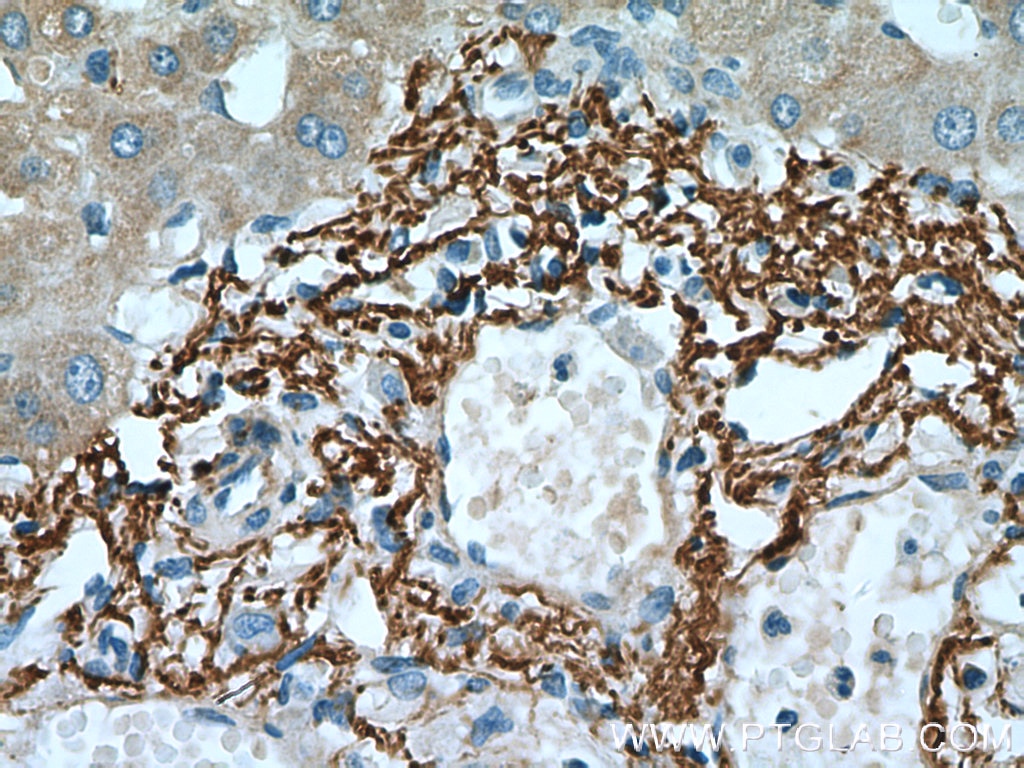
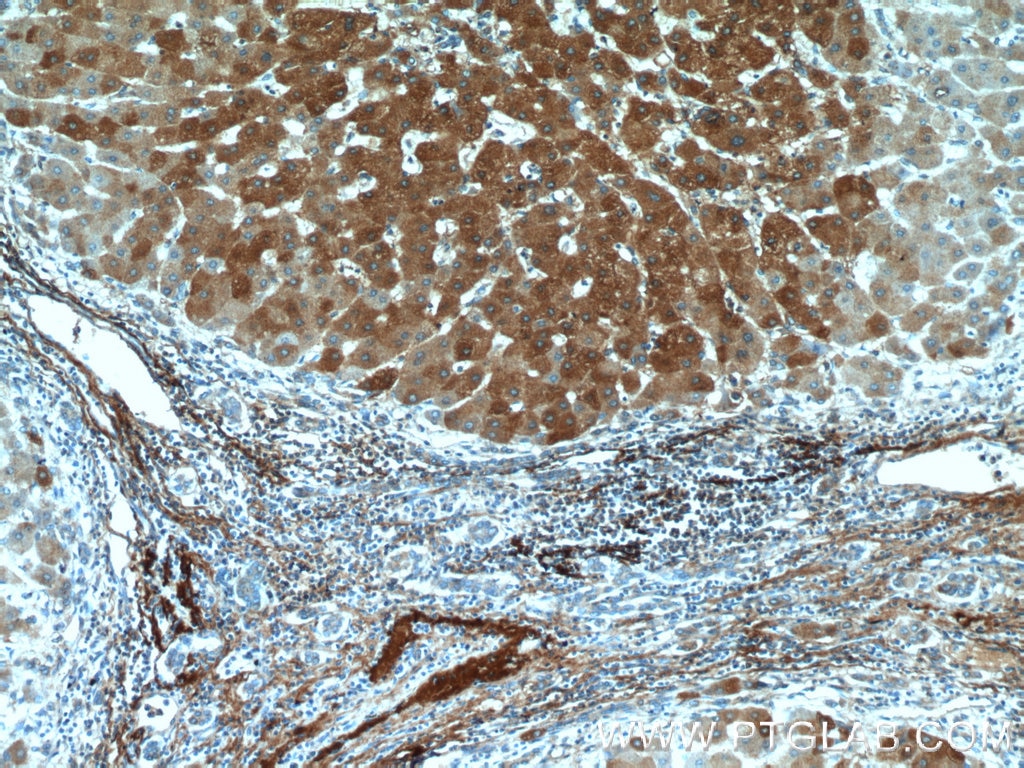
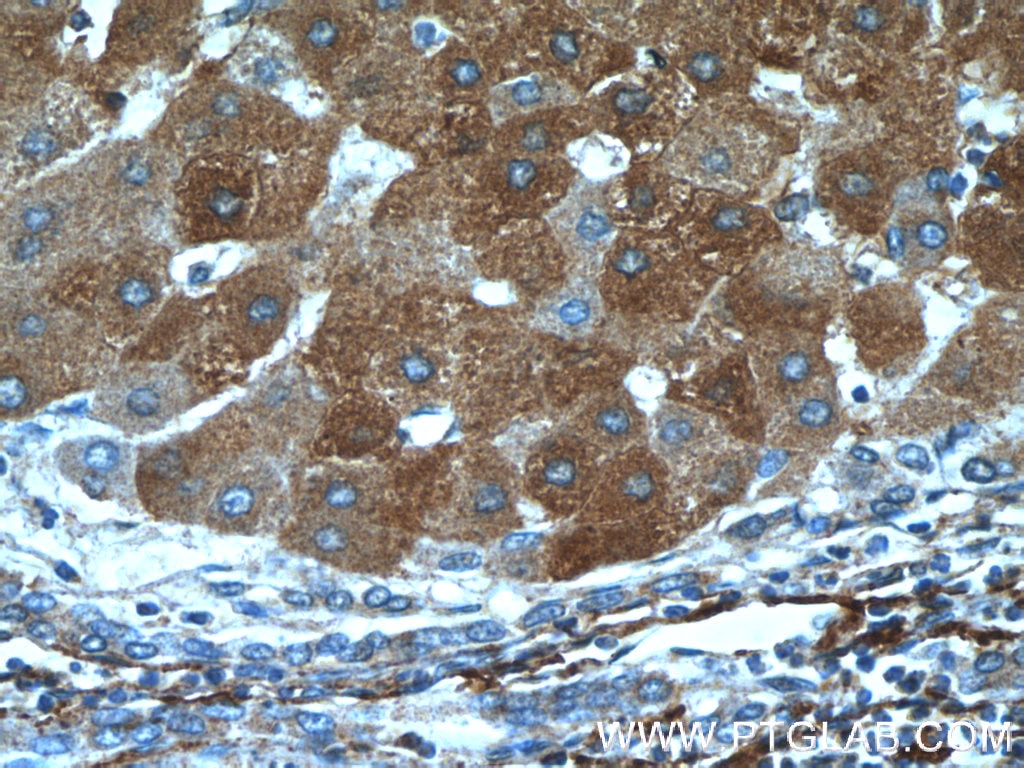

Tested Applications
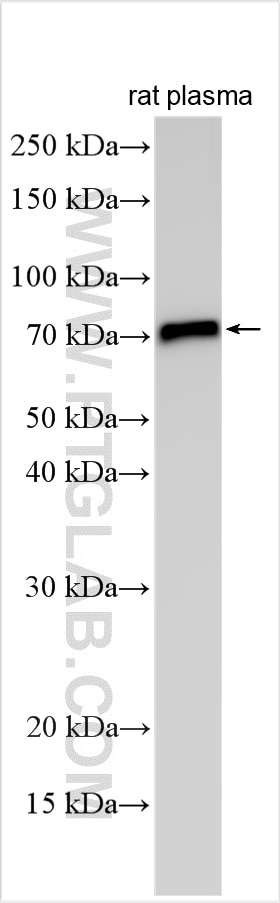
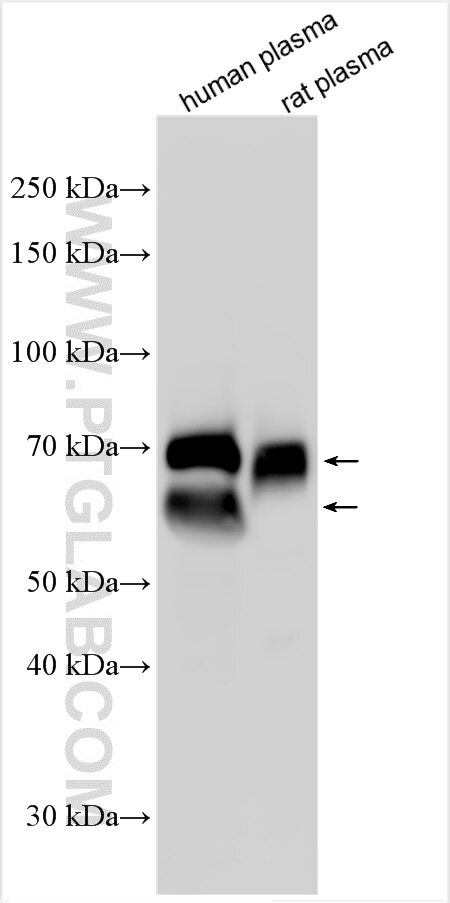
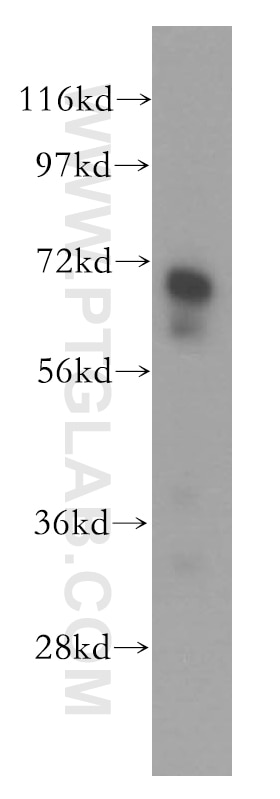
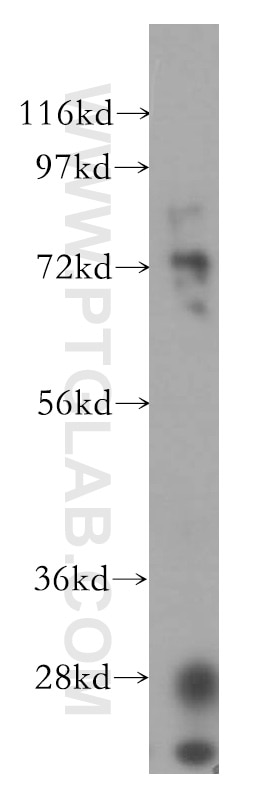
| Positive WB detected in | rat plasma, human plasma, human testis tissue, NIH/3T3 cells |
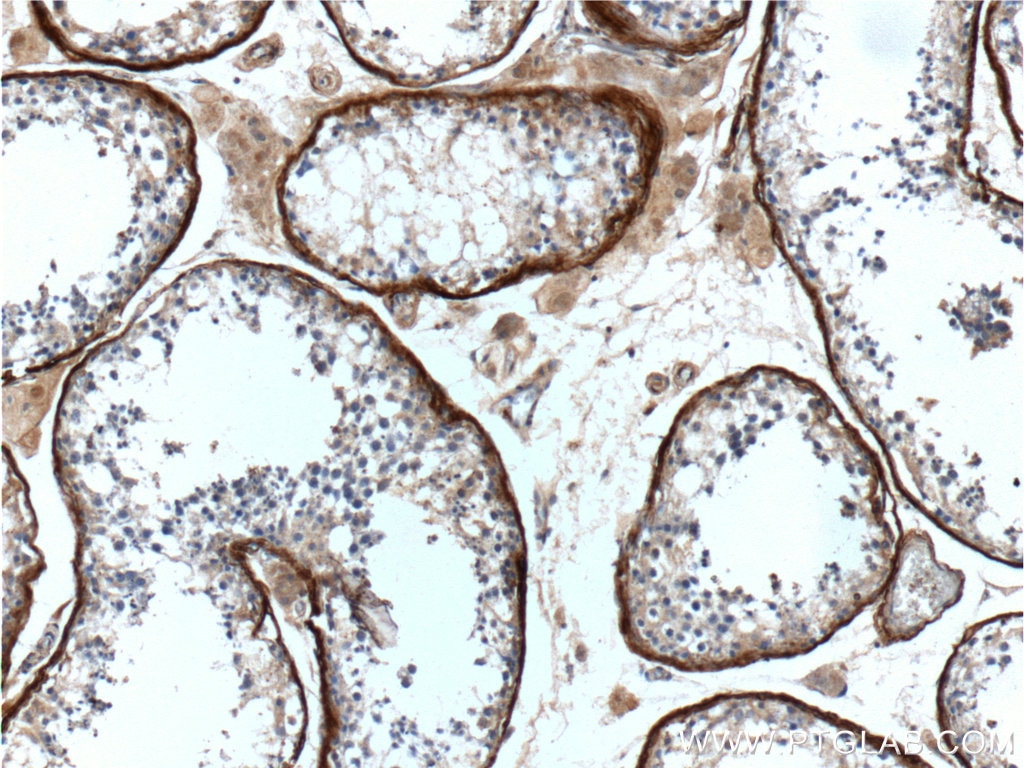
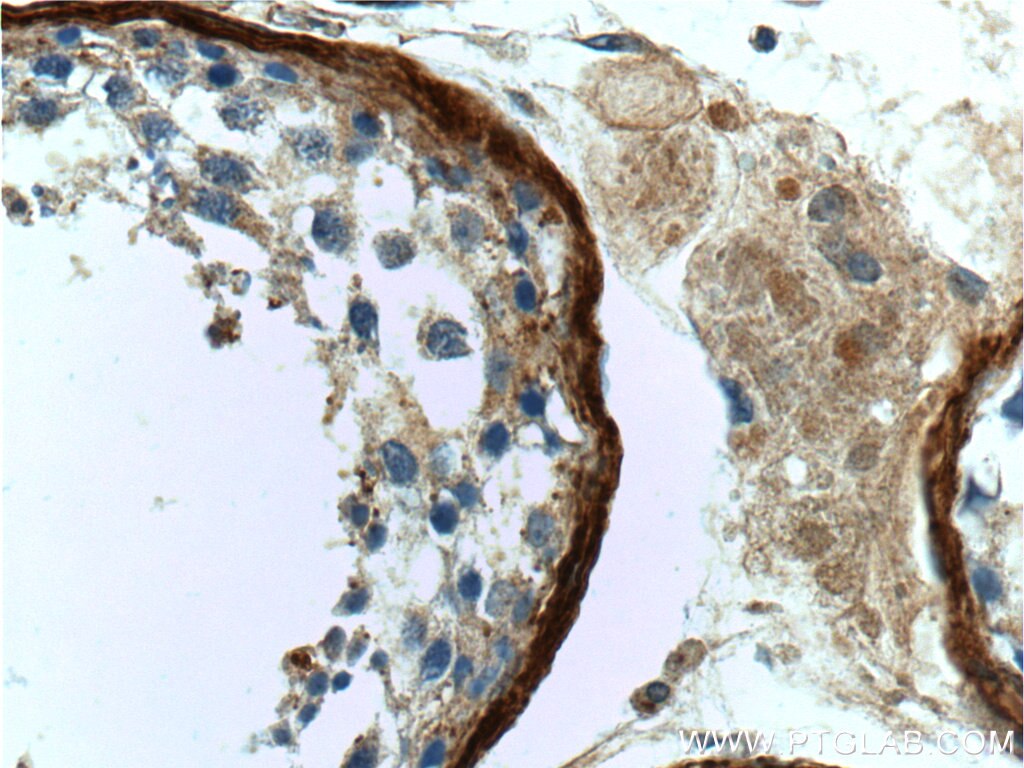
| Positive IHC detected in | human liver tissue, human hepatocirrhosis tissue, human testis tissue Note: suggested antigen retrieval with TE buffer pH 9.0; (*) Alternatively, antigen retrieval may be performed with citrate buffer pH 6.0 |
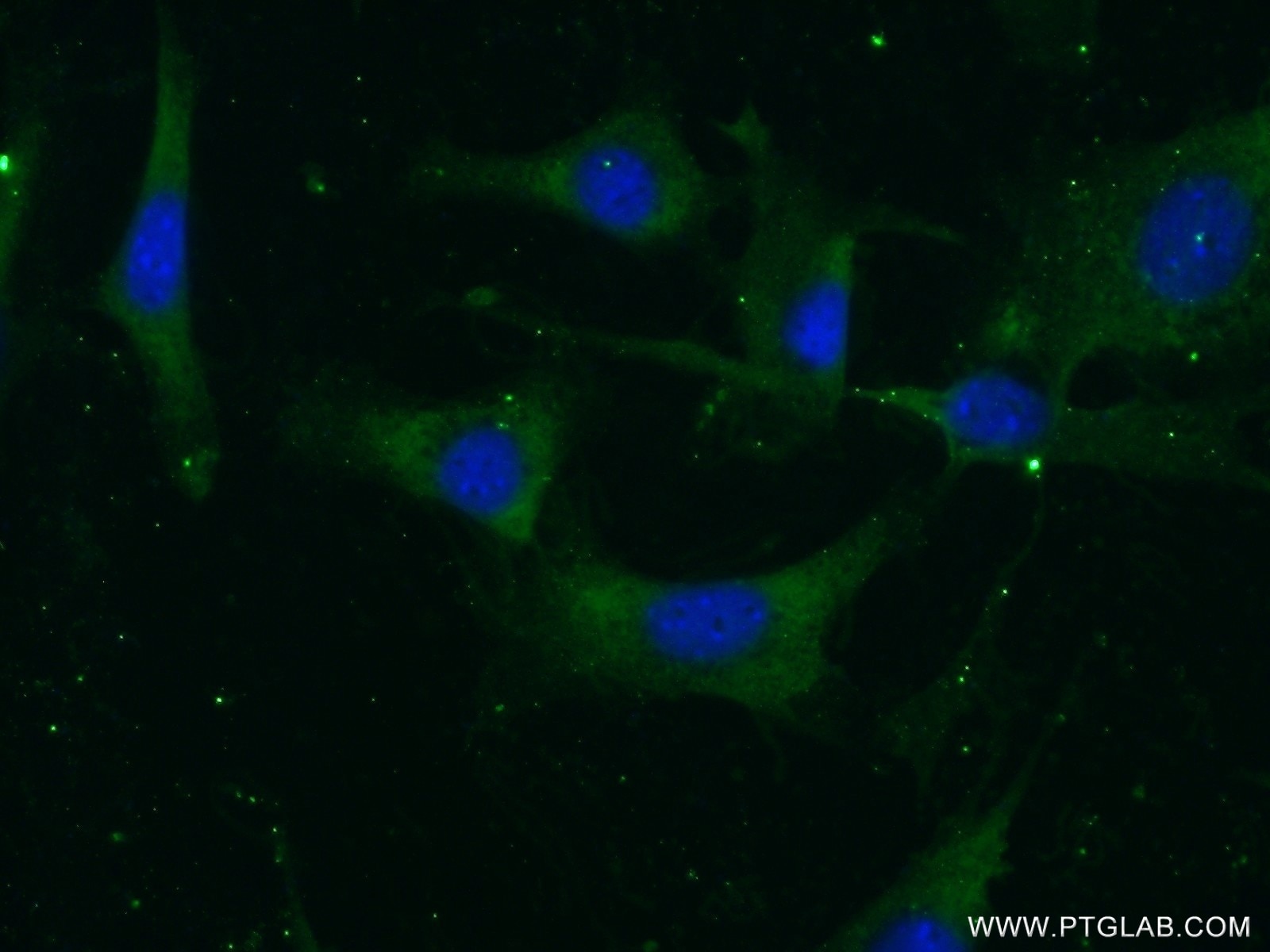
| Positive IF/ICC detected in | NIH/3T3 cells |
Recommended dilution
| Application | Dilution |
|---|---|
| Western Blot (WB) | WB : 1:5000-1:50000 |
| Immunohistochemistry (IHC) | IHC : 1:50-1:500 |
| Immunofluorescence (IF)/ICC | IF/ICC : 1:50-1:500 |
| It is recommended that this reagent should be titrated in each testing system to obtain optimal results. | |
| Sample-dependent, Check data in validation data gallery. | |
Product Information
15833-1-AP targets Vitronectin/S-protein in WB, IHC, IF/ICC, IP, ELISA applications and shows reactivity with human, mouse, rat samples.
| Tested Reactivity | human, mouse, rat |
| Cited Reactivity | human, mouse, rat, pig, plasmodium falciparum |
| Host / Isotype | Rabbit / IgG |
| Class | Polyclonal |
| Type | Antibody |
| Immunogen |
CatNo: Ag8443 Product name: Recombinant human VTN protein Source: e coli.-derived, PGEX-4T Tag: GST Domain: 126-478 aa of BC005046 Sequence: EVGASKPEGIDSRPETLHPGRPQPPAEEELCSGKPFDAFTDLKNGSLFAFRGQYCYELDEKAVRPGYPKLIRDVWGIEGPIDAAFTRINCQGKTYLFKGSQYWRFEDGVLDPDYPRNISDGFDGIPDNVDAALALPAHSYSGRERVYFFKGKQYWEYQFQHQPSQEECEGSSLSAVFEHFAMMQRDSWEDIFELLFWGRTSAGTRQPQFISRDWHGVPGQVDAAMAGRIYISGMAPRPSLAKKQRFRHRNRKGYRSQRGHSRGRNQNSRRPSRAMWLSLFSSEESNLGANNYDDYRMDWLVPATCEPIQSVFFFSGDKYYRVNLRTRRVDTVDPPYPRSIAQYWLGCPAPGHL Predict reactive species |
| Full Name | vitronectin |
| Calculated Molecular Weight | 478 aa, 54 kDa |
| Observed Molecular Weight | 70-75 kDa, 65 kDa |
| GenBank Accession Number | BC005046 |
| Gene Symbol | VTN |
| Gene ID (NCBI) | 7448 |
| RRID | AB_2216309 |
| Conjugate | Unconjugated |
| Form | Liquid |
| Purification Method | Antigen affinity purification |
| UNIPROT ID | P04004 |
| Storage Buffer | PBS with 0.02% sodium azide and 50% glycerol, pH 7.3. |
| Storage Conditions | Store at -20°C. Stable for one year after shipment. Aliquoting is unnecessary for -20oC storage. 20ul sizes contain 0.1% BSA. |
Background Information
Vitronectin is a glycoprotein present in blood and in the extracellular matrix (PMID: 10399314). Vitronectin is a multifunctional glycoprotein that mediates cell-to-substrate adhesion, inhibits the cytolytic action of the terminal complement cascade in vitro and binds to several serine protease inhibitors of the serpin family (PMID: 1372588).
Protocols
| Product Specific Protocols | |
|---|---|
| IF protocol for Vitronectin/S-protein antibody 15833-1-AP | Download protocol |
| IHC protocol for Vitronectin/S-protein antibody 15833-1-AP | Download protocol |
| WB protocol for Vitronectin/S-protein antibody 15833-1-AP | Download protocol |
| Standard Protocols | |
|---|---|
| Click here to view our Standard Protocols |
Publications
What published studies show
Anti-Vitronectin [15833-1-AP] has 32 citations spanning journals including Cell Stem Cell, Cardiovasc Diabetol, Sci Rep, Aging Cell, BMC Cancer, Placenta, and Int J Mol Sci. Research fields cover liver regeneration, diabetic kidney disease, age-related macular degeneration, gastric cancer, glioma, malaria, preeclampsia, gestational diabetes, retinal detachment, tissue engineering, and proteomics. Applications include WB, IF, IHC, and IP across human, mouse, rat, and pig species.
| Species | Application | Title |
|---|---|---|
Cell Stem Cell Region-specific cellular and molecular basis of liver regeneration after acute pericentral injury | ||
Cardiovasc Diabetol Targeting TFAM K76 acetylation attenuates mitochondrial dysfunction and kidney injury in diabetic kidney disease. | ||
Acta Biomater Intervertebral disc regeneration with an adipose mesenchymal stem cell-derived tissue-engineered construct in a rat nucleotomy model. | ||
Int J Biol Macromol Multi-omics analysis reveals the pre-protective mechanism of Dendrobium flexicaule polysaccharide against alcohol-induced gastric mucosal injury | ||
Cell Mol Gastroenterol Hepatol S-Adenosylmethionine Inhibits Plasminogen-Activating Inhibitor-1 and Protects Male Mice from FOLFOX-Induced Liver Injury | ||
Aging Cell Decellularized Aged Bruch's Membrane Confers Unique Biochemical Cues to Retinal Pigment Epithelium for In Vitro Modeling of Age-Related Macular Degeneration. |
Reviews
What customers say
The single review for 15833-1-AP is a 5-star rating from Jingwen Yin (January 2020). The user reported that the antibody worked well for Western Blot on cancer tissue samples at a 1:500 dilution. Overall, the feedback is positive, confirming reliable performance in WB applications with cancer specimens.
The reviews below have been submitted by verified Proteintech customers who received an incentive for providing their feedback.
Jingwen (Verified Customer) (01-28-2020) | It worked well when I performed the western blot in cancer samples.
|












