

Tested Applications
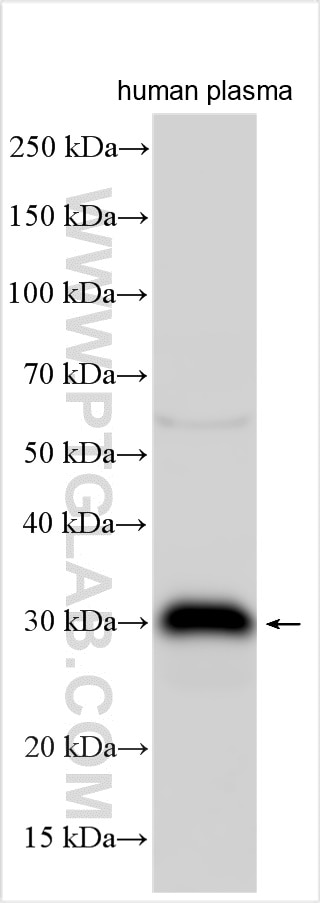
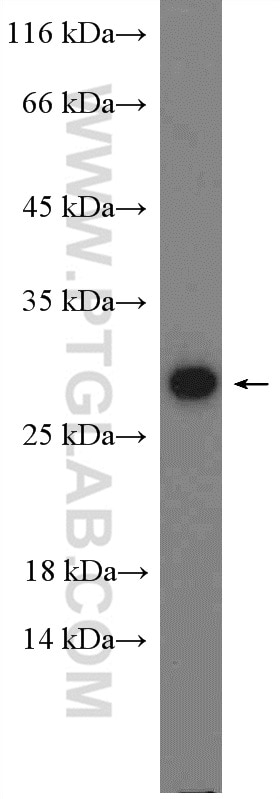
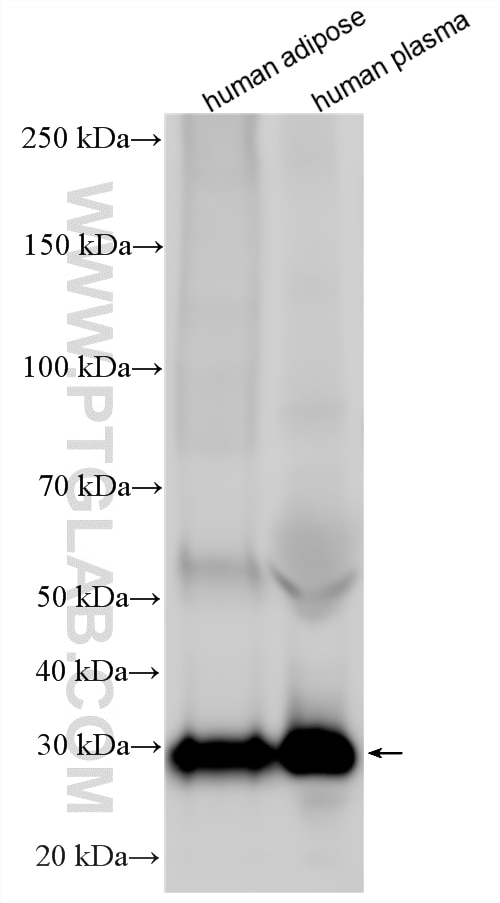
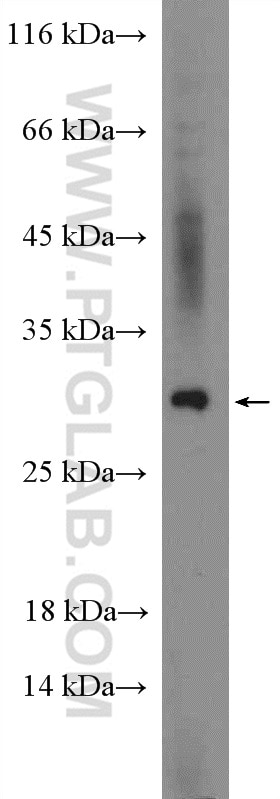
| Positive WB detected in | human plasma, NIH/3T3 cells, 3T3-L1 cells, human adipose tissue |
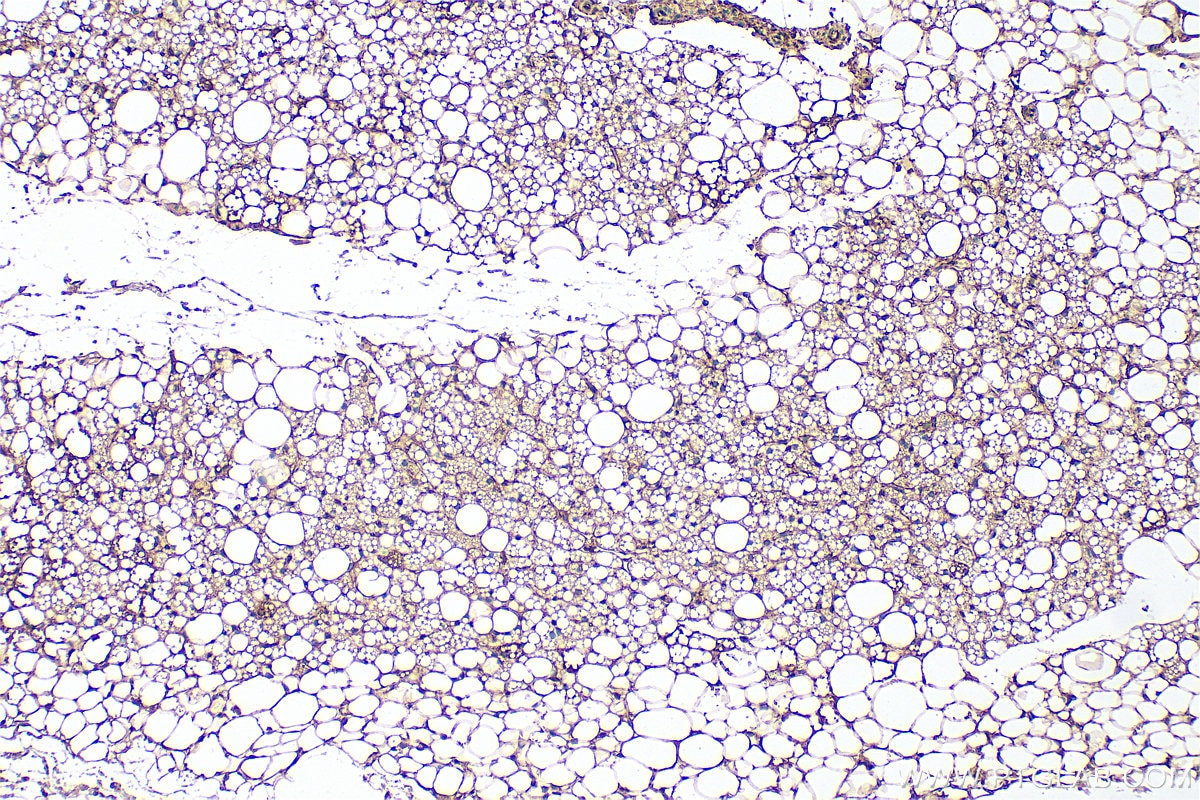
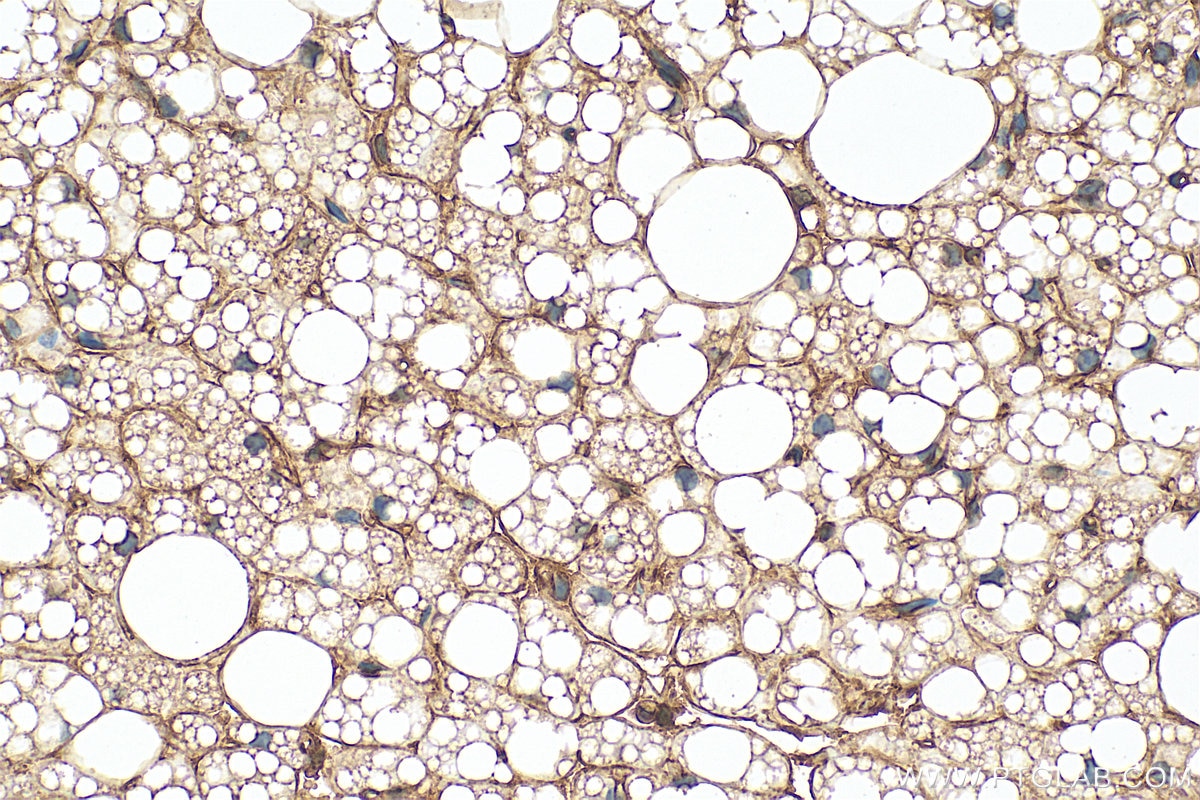
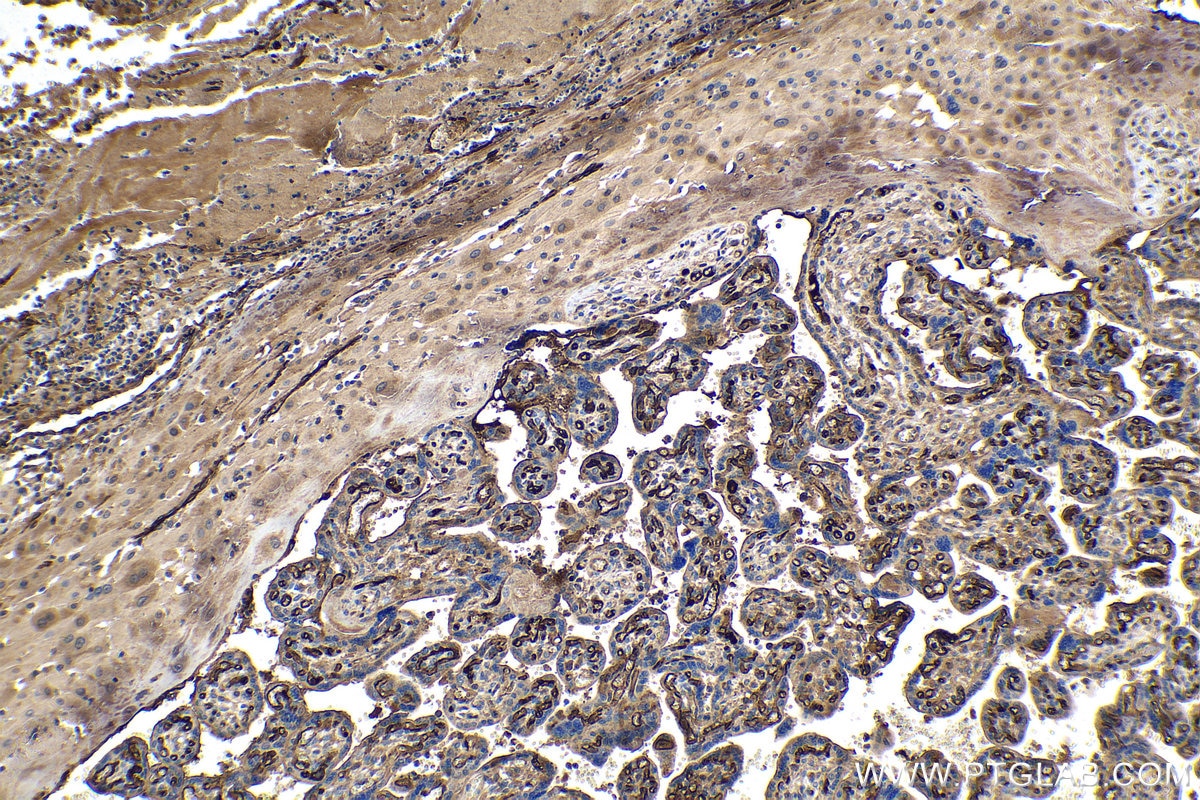
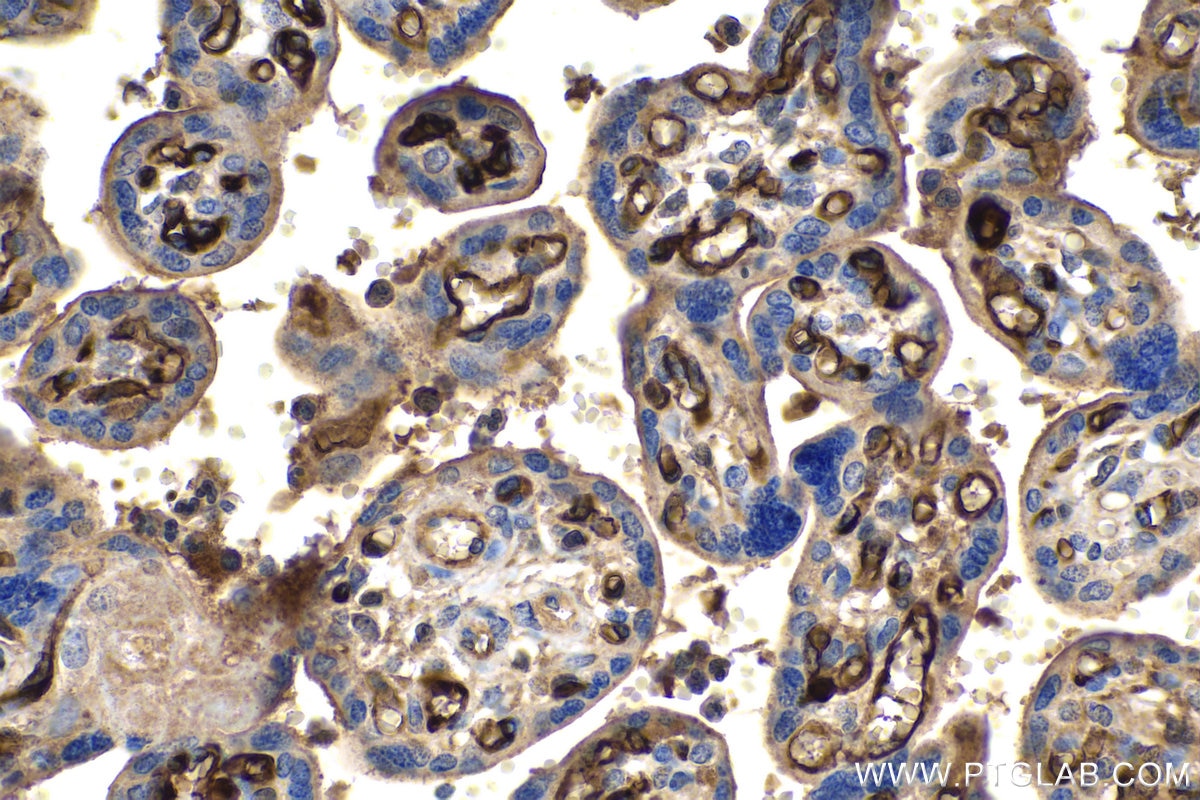
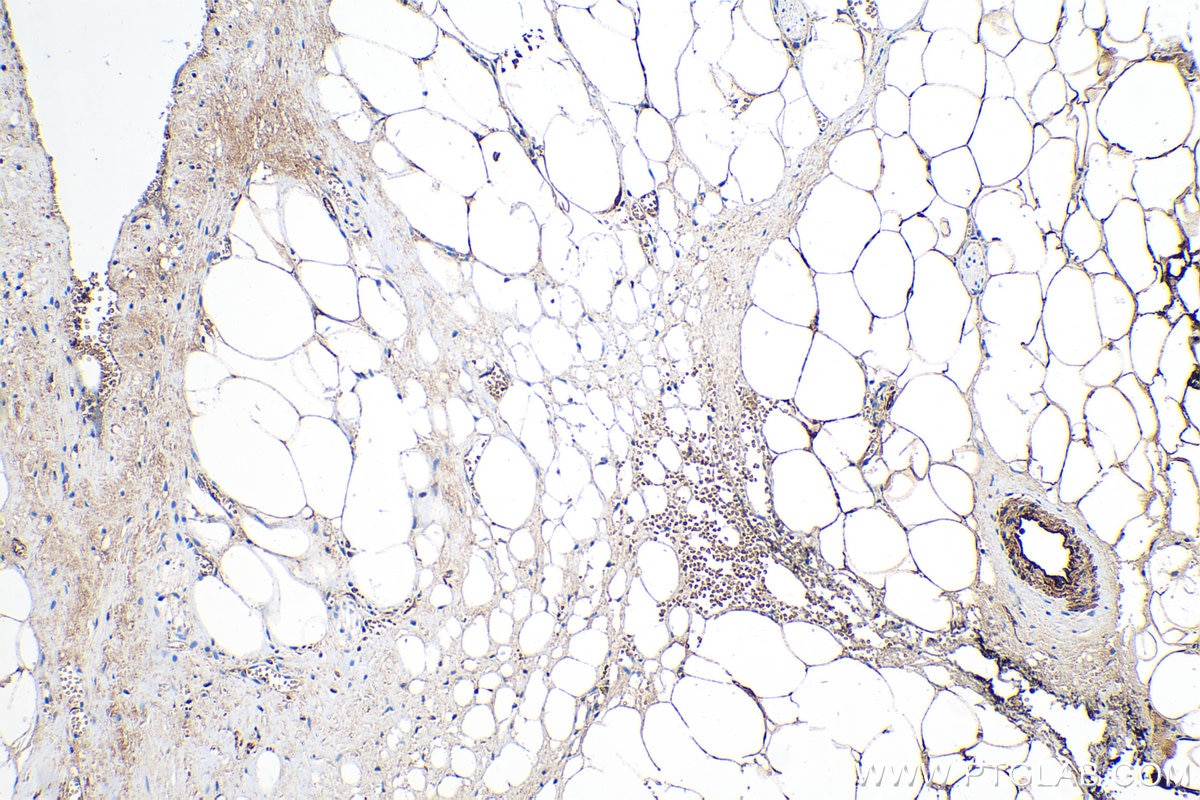
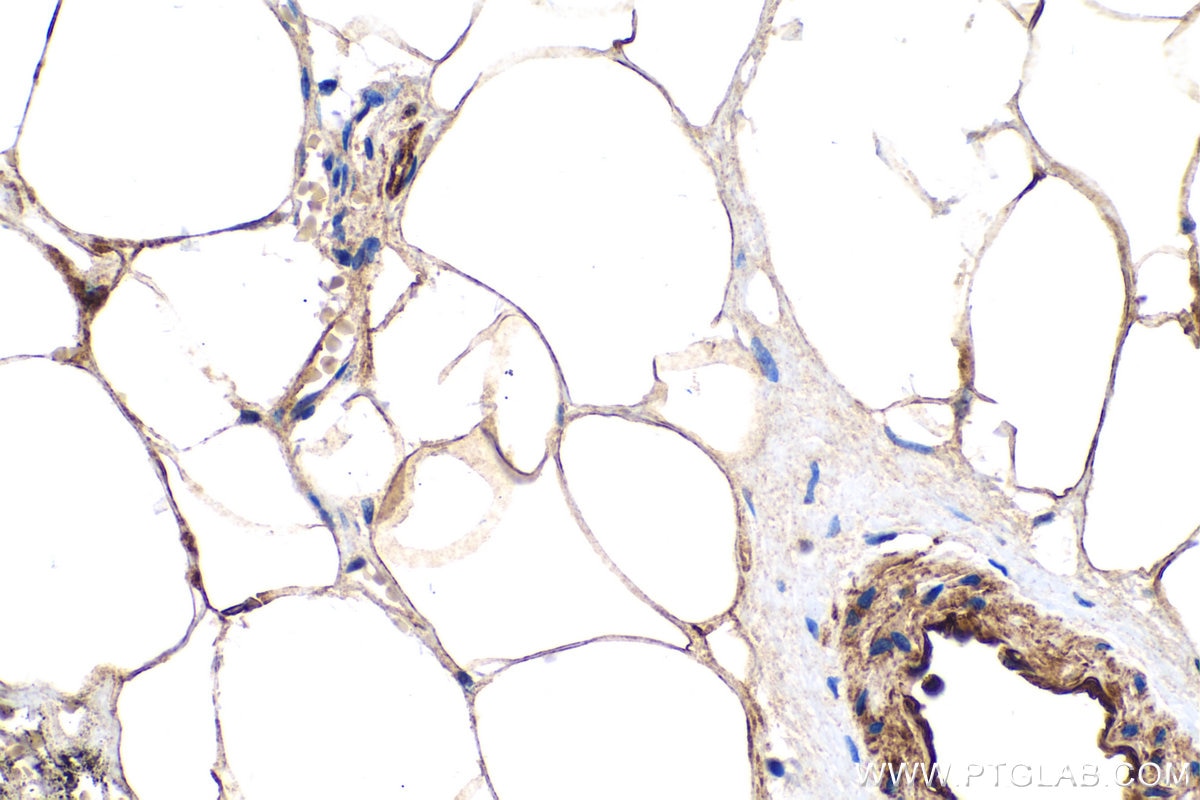
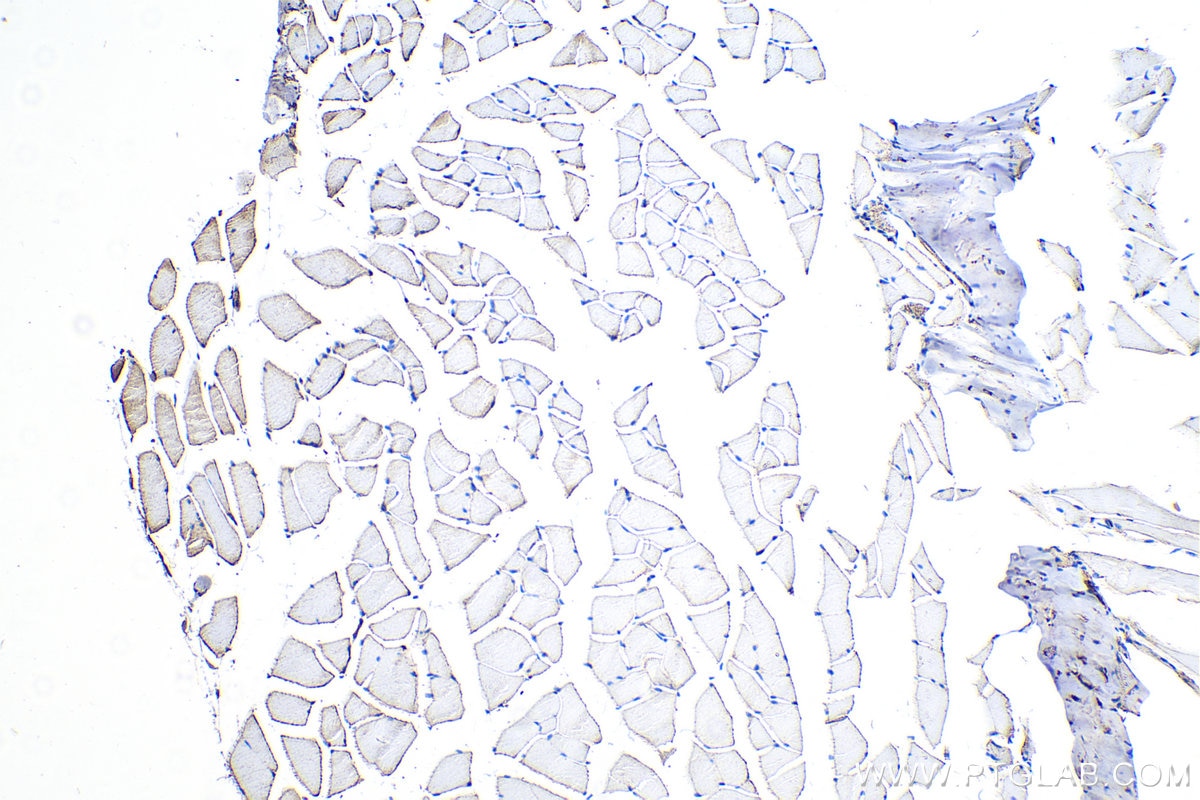
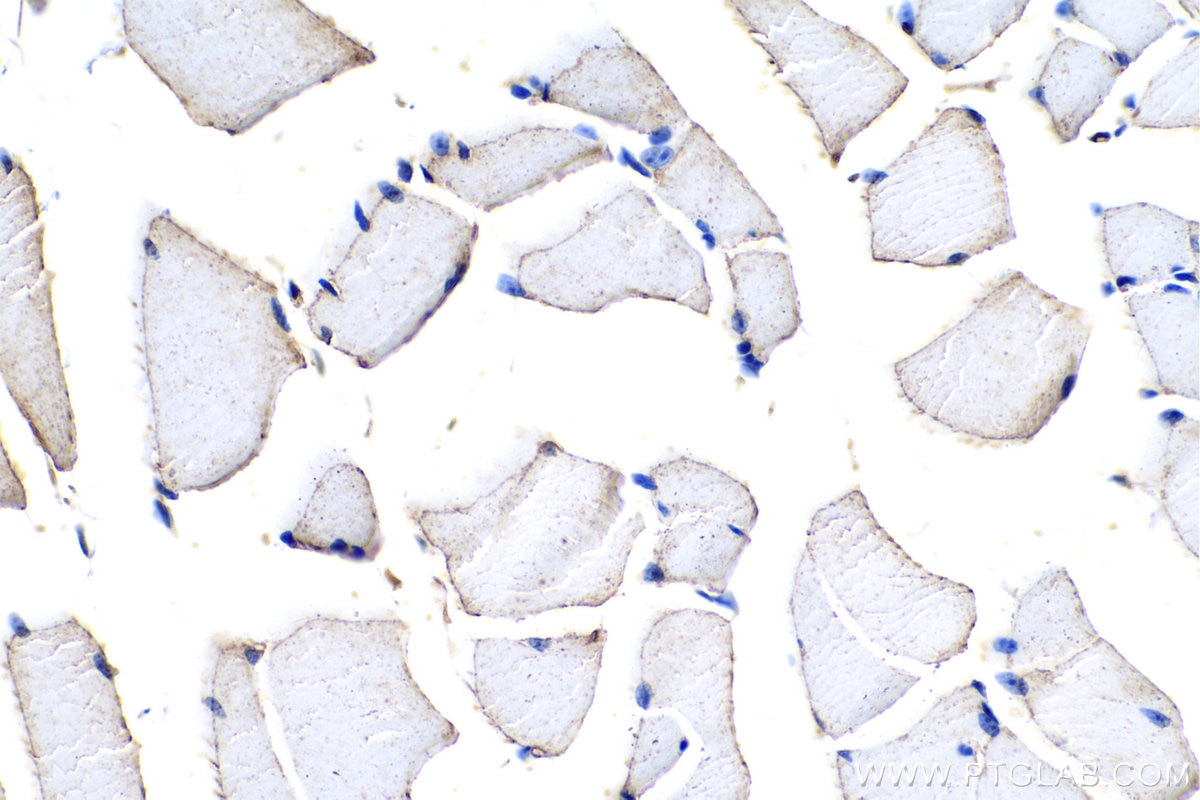
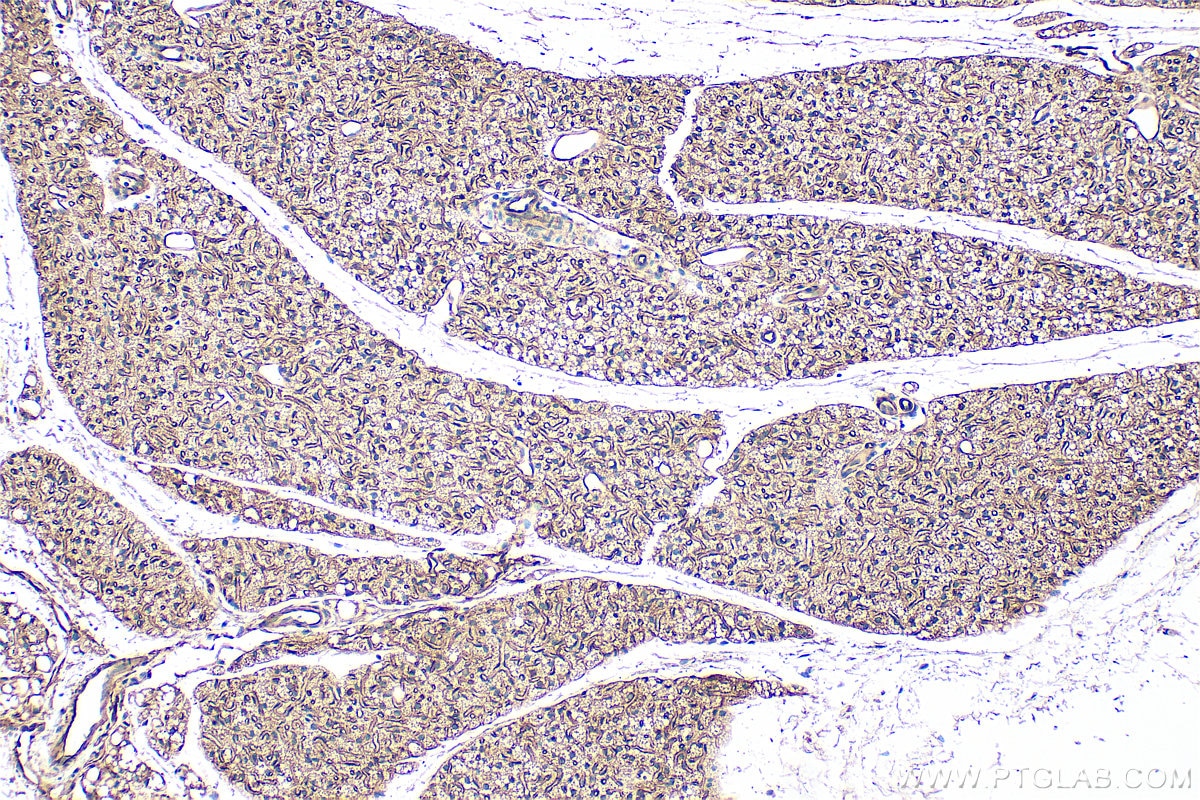
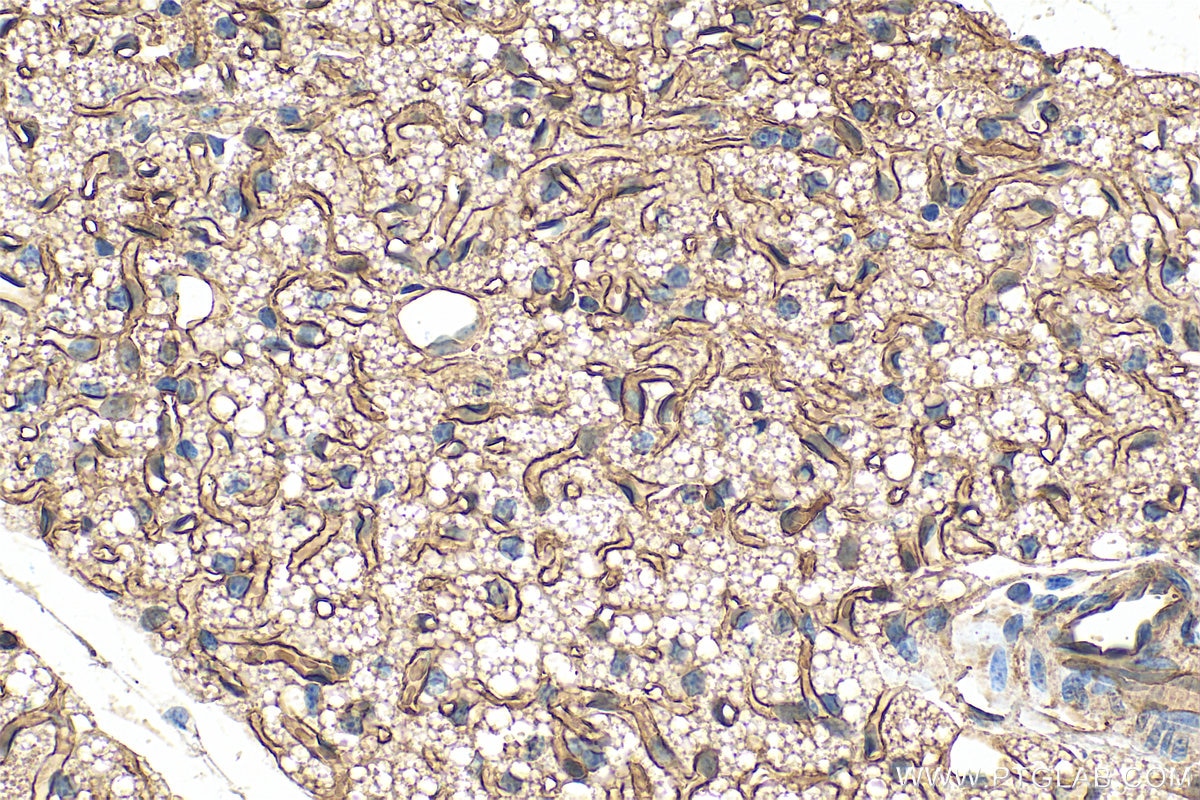
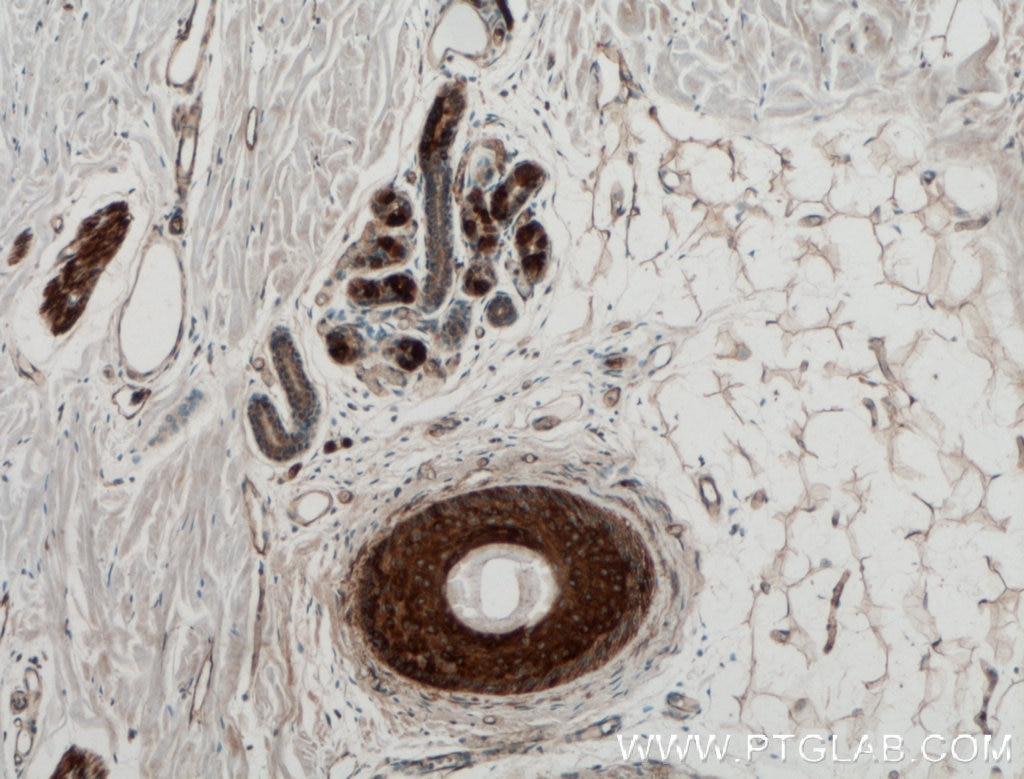
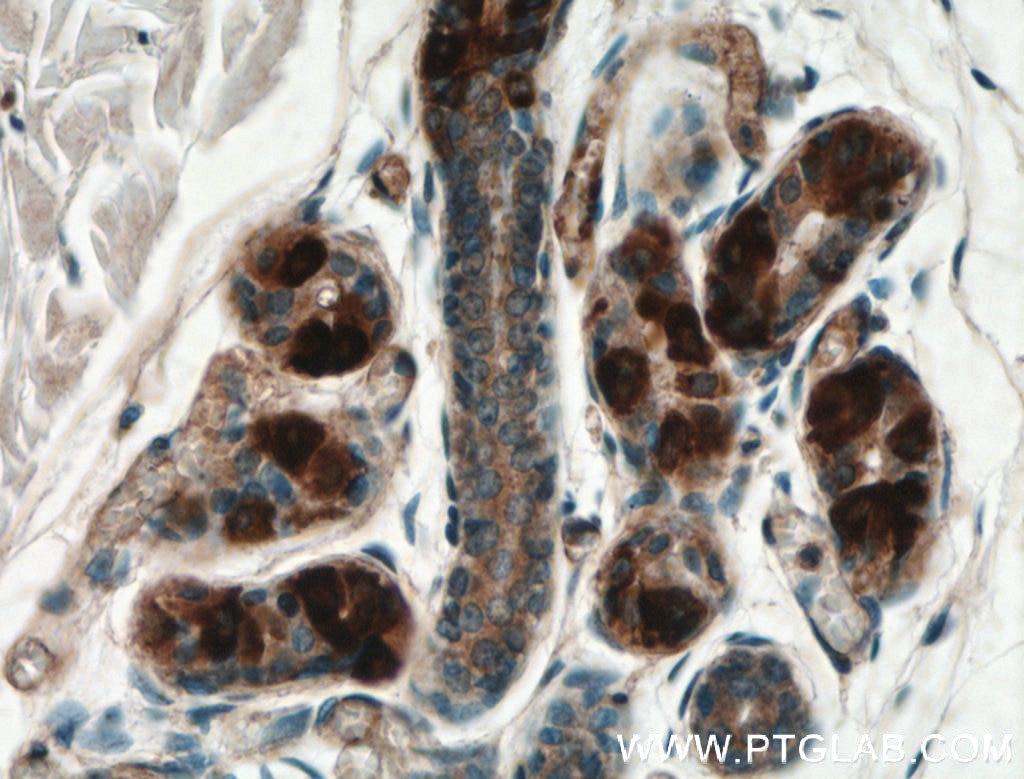
| Positive IHC detected in | rat brown adipose tissue, human placenta tissue, human prostate cancer tissue, human skin tissue, mouse brown adipose tissue, mouse skeletal muscle tissue Note: suggested antigen retrieval with TE buffer pH 9.0; (*) Alternatively, antigen retrieval may be performed with citrate buffer pH 6.0 |
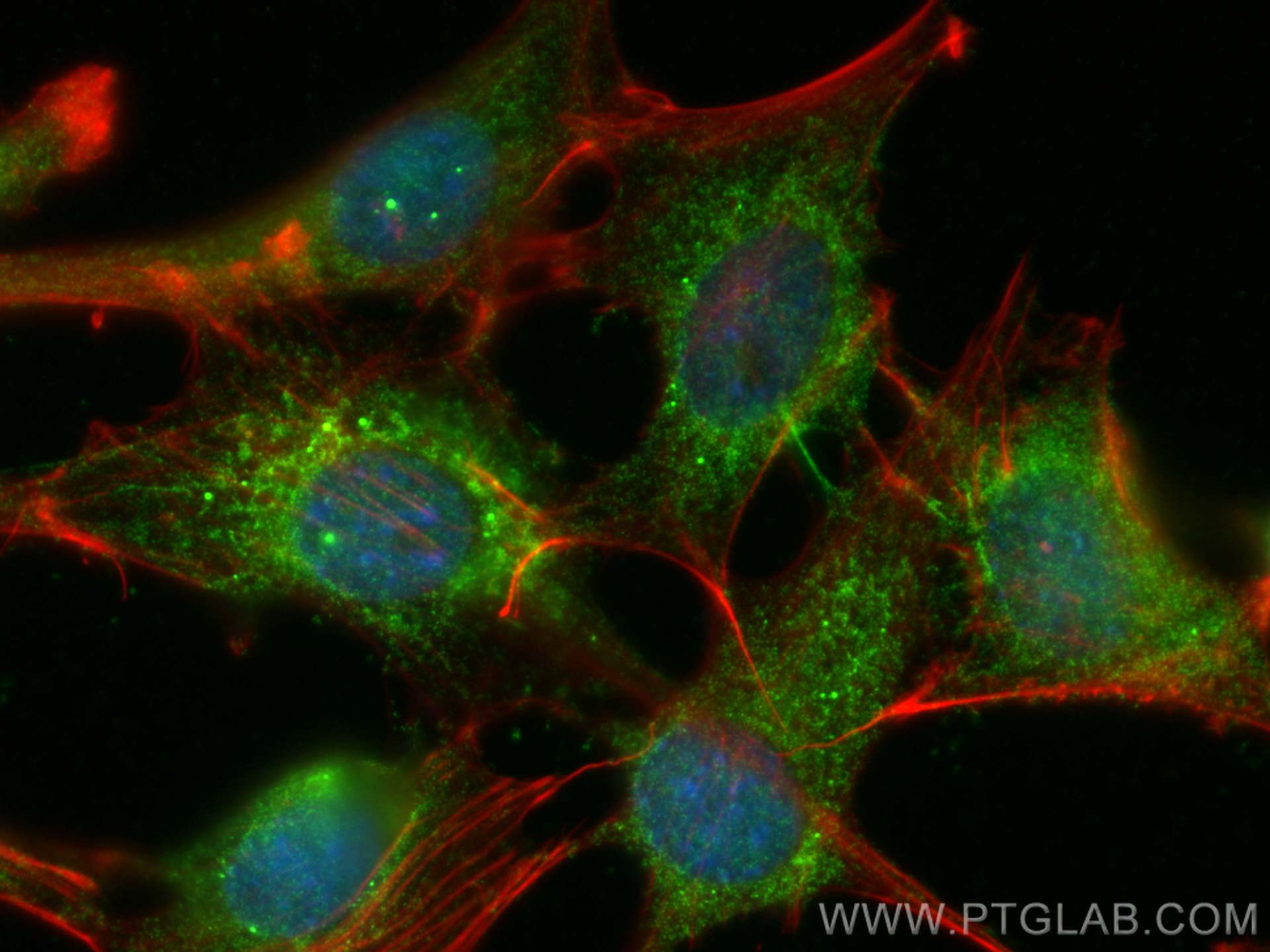
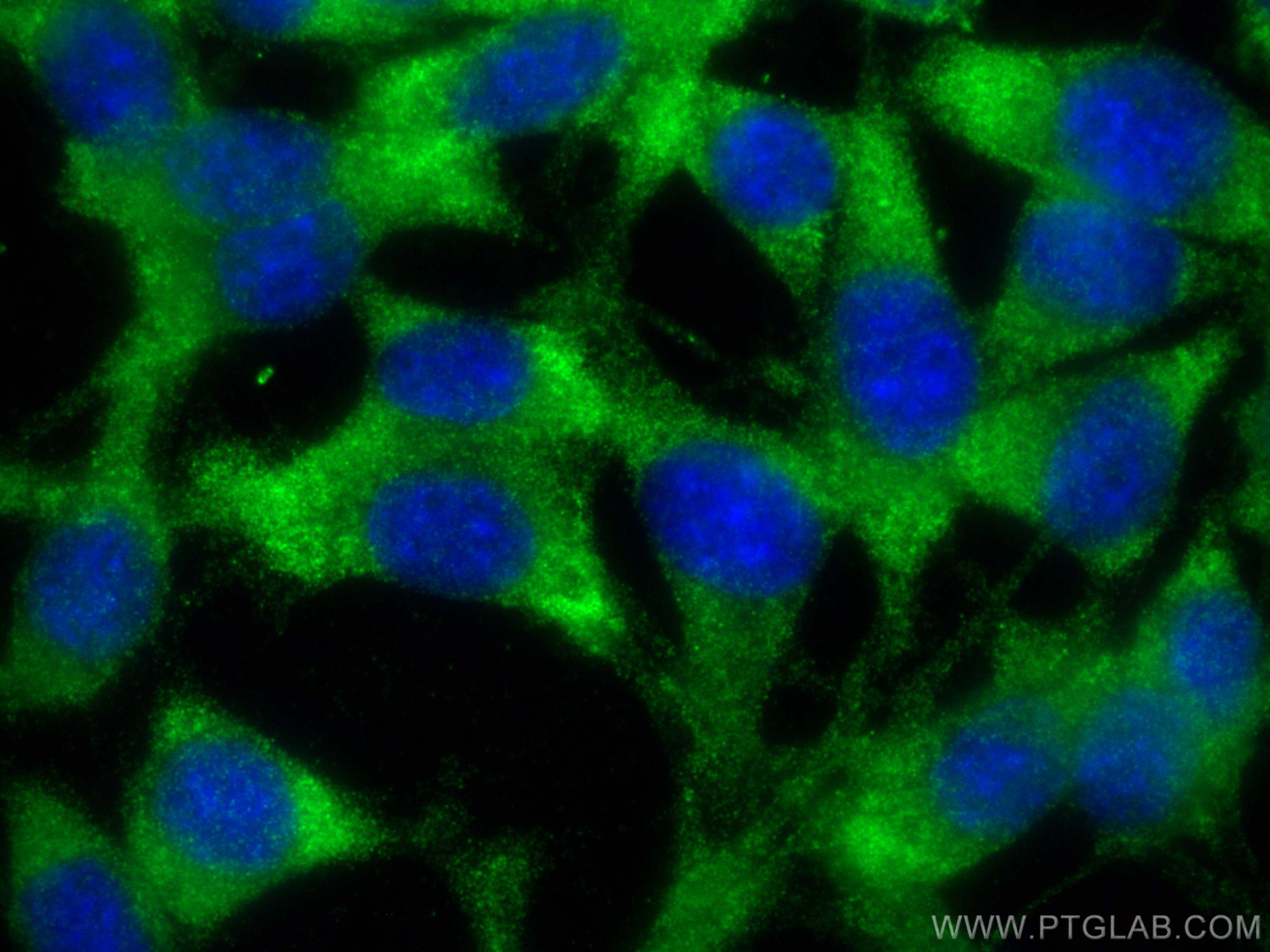
| Positive IF/ICC detected in | 3T3-L1 cells, NIH/3T3 cells |
Recommended dilution
| Application | Dilution |
|---|---|
| Western Blot (WB) | WB : 1:500-1:2000 |
| Immunohistochemistry (IHC) | IHC : 1:200-1:800 |
| Immunofluorescence (IF)/ICC | IF/ICC : 1:50-1:500 |
| It is recommended that this reagent should be titrated in each testing system to obtain optimal results. | |
| Sample-dependent, Check data in validation data gallery. | |
Product Information
21613-1-AP targets Adiponectin in WB, IHC, IF/ICC, ELISA applications and shows reactivity with human, mouse, rat samples.
| Tested Reactivity | human, mouse, rat |
| Cited Reactivity | human, mouse, rat, pig, goat, sheep, duck |
| Host / Isotype | Rabbit / IgG |
| Class | Polyclonal |
| Type | Antibody |
| Immunogen |
CatNo: Ag16304 Product name: Recombinant human ADIPOQ protein Source: e coli.-derived, PGEX-4T Tag: GST Domain: 1-244 aa of BC096308 Sequence: MLLLGAVLLLLALPGHDQETTTQGPGVLLPLPKGACTGWMAGIPGHPGHNGAPGRDGRDGTPGEKGEKGDPGLIGPKGDIGETGVPGAEGPRGFPGIQGRKGEPGEGAYVYRSAFSVGLETYVTIPNMPIRFTKIFYNQQNHYDGSTGKFHCNIPGLYYFAYHITVYMKDVKVSLFKKDKAMLFTYDQYQENNVDQASGSVLLHLEVGDQVWLQVYGEGERNGLYADNDNDSTFTGFLLYHDTN Predict reactive species |
| Full Name | adiponectin, C1Q and collagen domain containing |
| Calculated Molecular Weight | 244 aa, 26 kDa |
| Observed Molecular Weight | 29 kDa |
| GenBank Accession Number | BC096308 |
| Gene Symbol | Adiponectin |
| Gene ID (NCBI) | 9370 |
| RRID | AB_2878891 |
| Conjugate | Unconjugated |
| Form | Liquid |
| Purification Method | Antigen affinity purification |
| UNIPROT ID | Q15848 |
| Storage Buffer | PBS with 0.02% sodium azide and 50% glycerol, pH 7.3. |
| Storage Conditions | Store at -20°C. Stable for one year after shipment. Aliquoting is unnecessary for -20oC storage. 20ul sizes contain 0.1% BSA. |
Background Information
Adiponectin (AdipoQ), an adipocyte-derived hormone, is one of the most abundant adipokines in the blood circulation. Adiponectin modulates a number of metabolic processes, including improving INS sensitivity and anti-inflammatory activity. The role of AdipoQ in reproduction is not yet fully understood, but the expression of AdipoQ in reproductive tissues has been observed in various animals and humans, including chicken testis, bovine ovary, and human placenta. Adiponectin exerts its effects by activating a range of different signaling molecules via binding to two transmembrane AdipoQ receptors, AdipoR1 and AdipoR2. AdipoR1 is expressed primarily in the skeletal muscle, whereas AdipoR2 is predominantly expressed in the liver. AdipoQ May play a role in cell growth, angiogenesis and tissue remodeling by binding and sequestering various growth factors.
Protocols
| Product Specific Protocols | |
|---|---|
| IF protocol for Adiponectin antibody 21613-1-AP | Download protocol |
| IHC protocol for Adiponectin antibody 21613-1-AP | Download protocol |
| WB protocol for Adiponectin antibody 21613-1-AP | Download protocol |
| Standard Protocols | |
|---|---|
| Click here to view our Standard Protocols |
Publications
What published studies show
The anti-Adiponectin antibody (Cat# 21613-1-AP) has 43 citations spanning journals including Nature, Nature Communications, Acta Pharm Sin B, Cell Reports Medicine, International Journal of Biological Sciences, Phytomedicine, Cell Death & Discovery, Diabetes, and others. Research fields covered include adipose tissue biology, obesity, diabetes, cardiovascular disease, cancer, inflammation, bone metabolism, liver disease, aging, reproductive biology, ophthalmology, and nutrition.
| Species | Application | Title |
|---|---|---|
Nat Commun FAM3A reshapes VSMC fate specification in abdominal aortic aneurysm by regulating KLF4 ubiquitination | ||
Nat Commun Adipocyte small extracellular vesicle-derived microRNA-30a-3p exacerbates hepatic steatosis in high fat diet-fed male mice. | ||
Acta Pharm Sin B A novel NAMPT activator ameliorates obesity by repressing ACSL1-dependent lipid synthesis. | ||
Cell Rep Med Exosome-based bone-targeting drug delivery alleviates impaired osteoblastic bone formation and bone loss in inflammatory bowel diseases | ||
Cell Mol Biol Lett Single-cell RNA sequencing identifies inherent abnormalities of adipose-derived stem cells from nonlesional sites of patients with localized scleroderma |



















