

Tested Applications
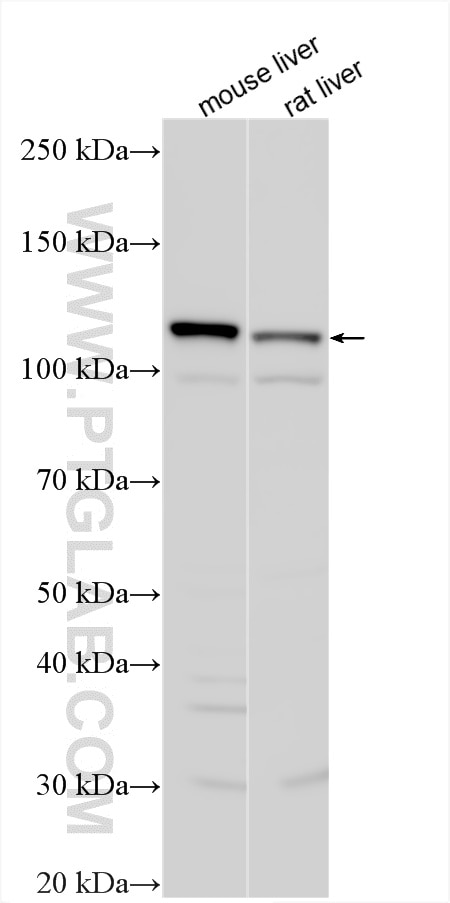
| Positive WB detected in | mouse liver tissue, rat liver tissue |
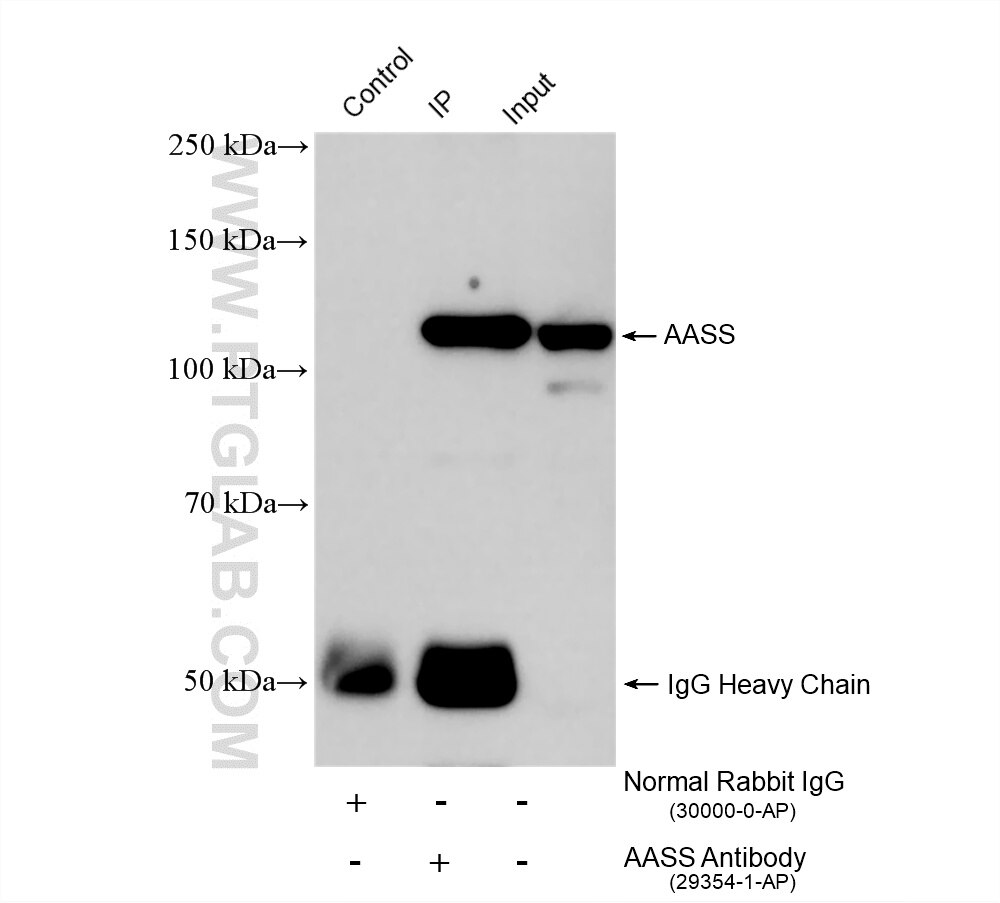
| Positive IP detected in | mouse liver tissue |
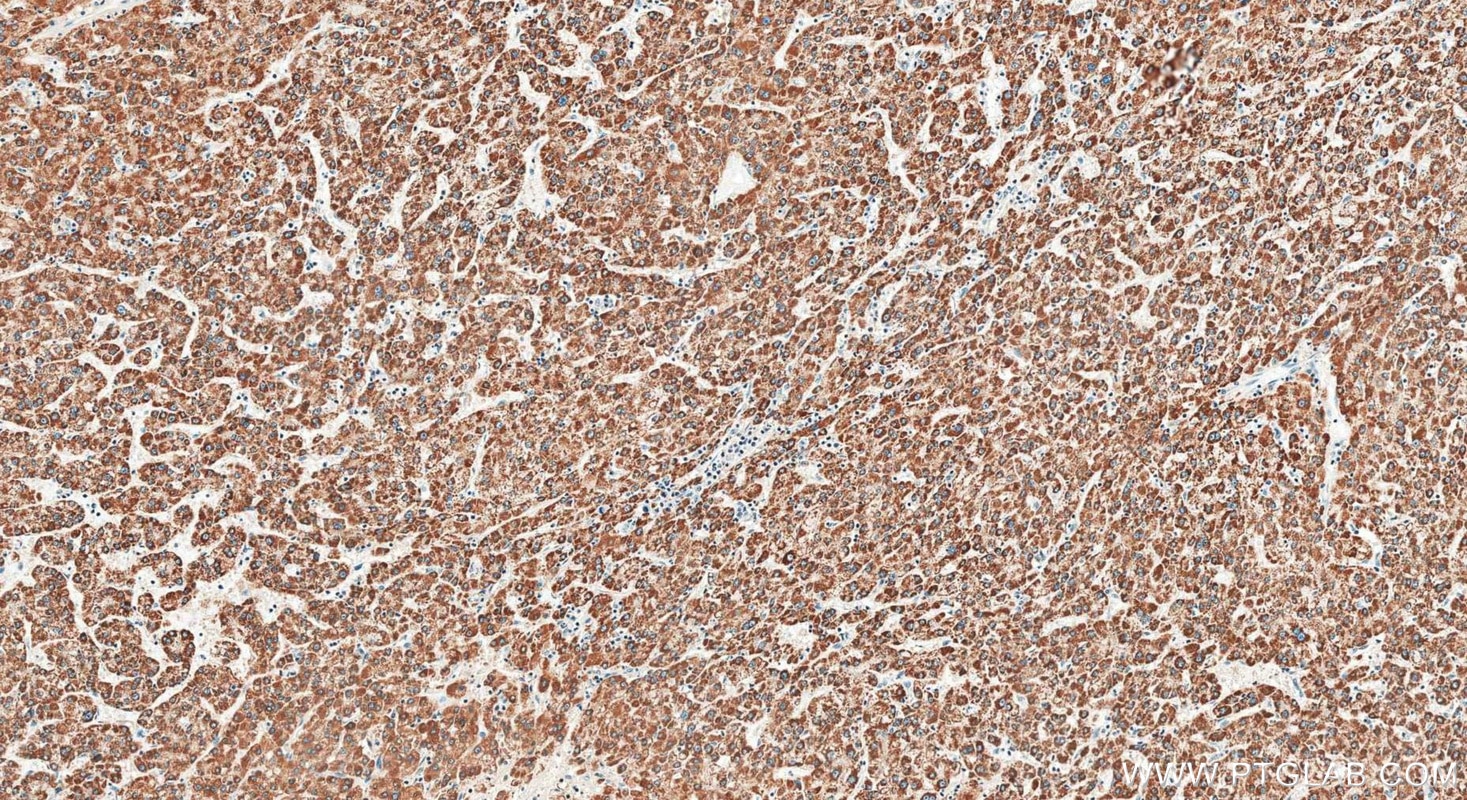
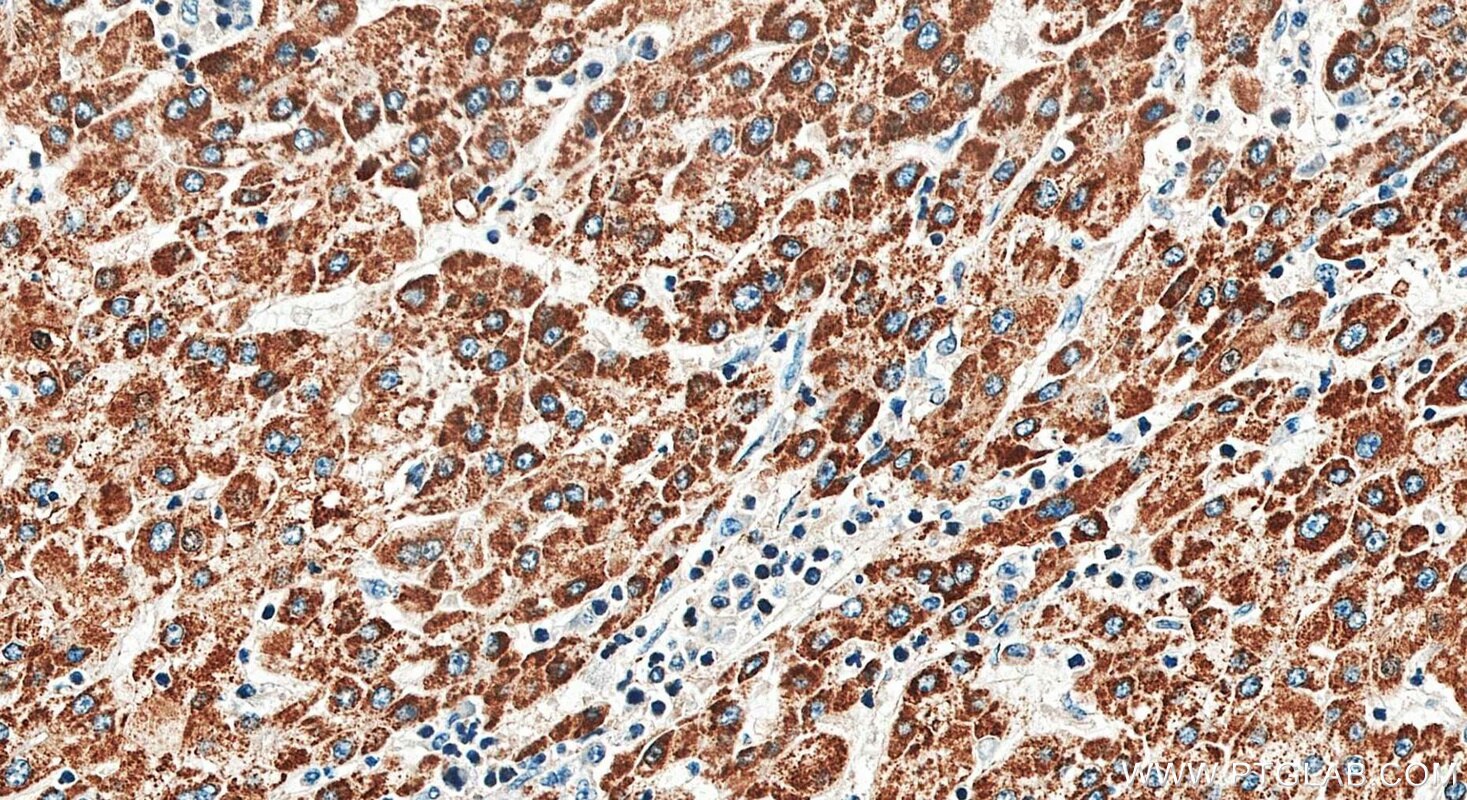
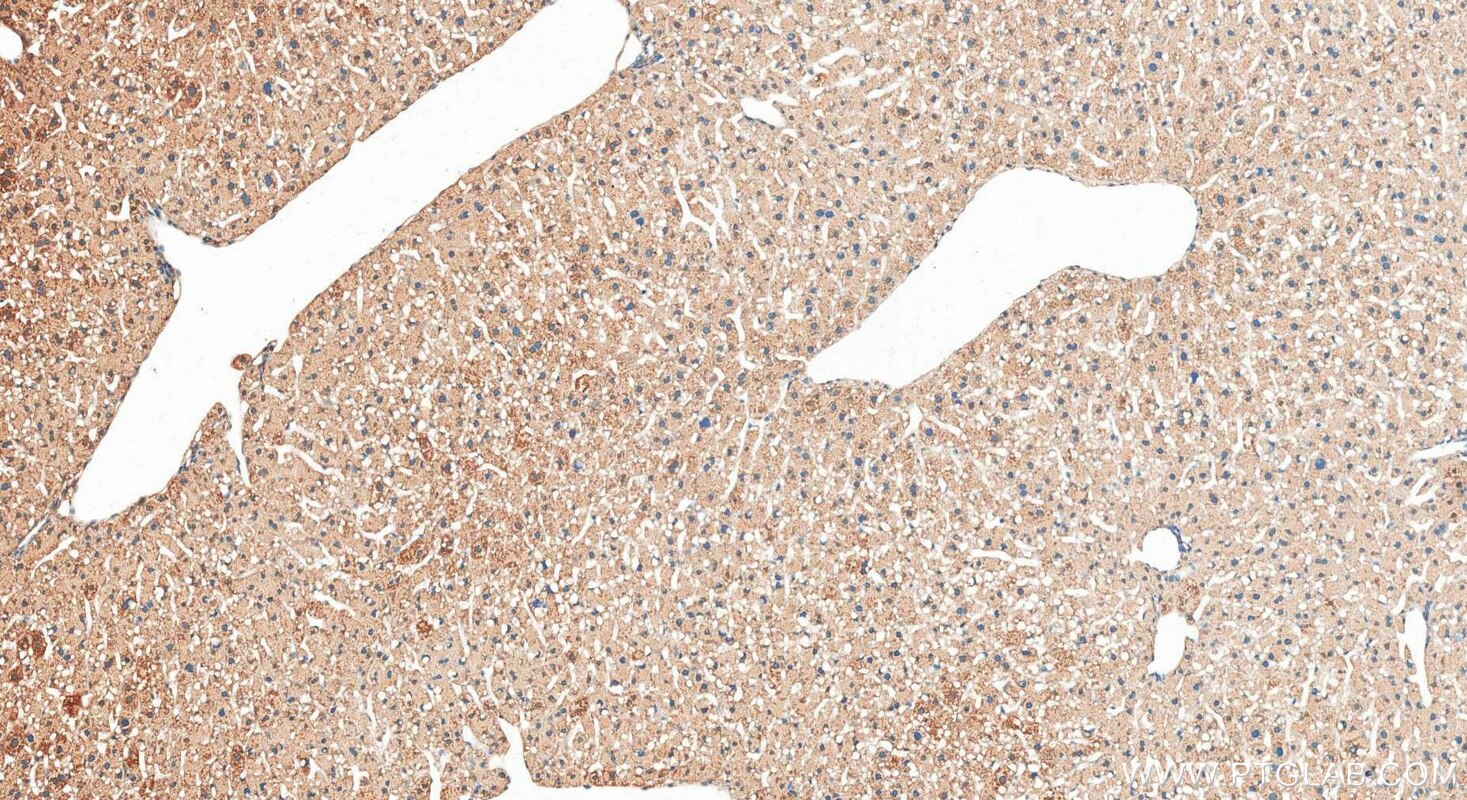
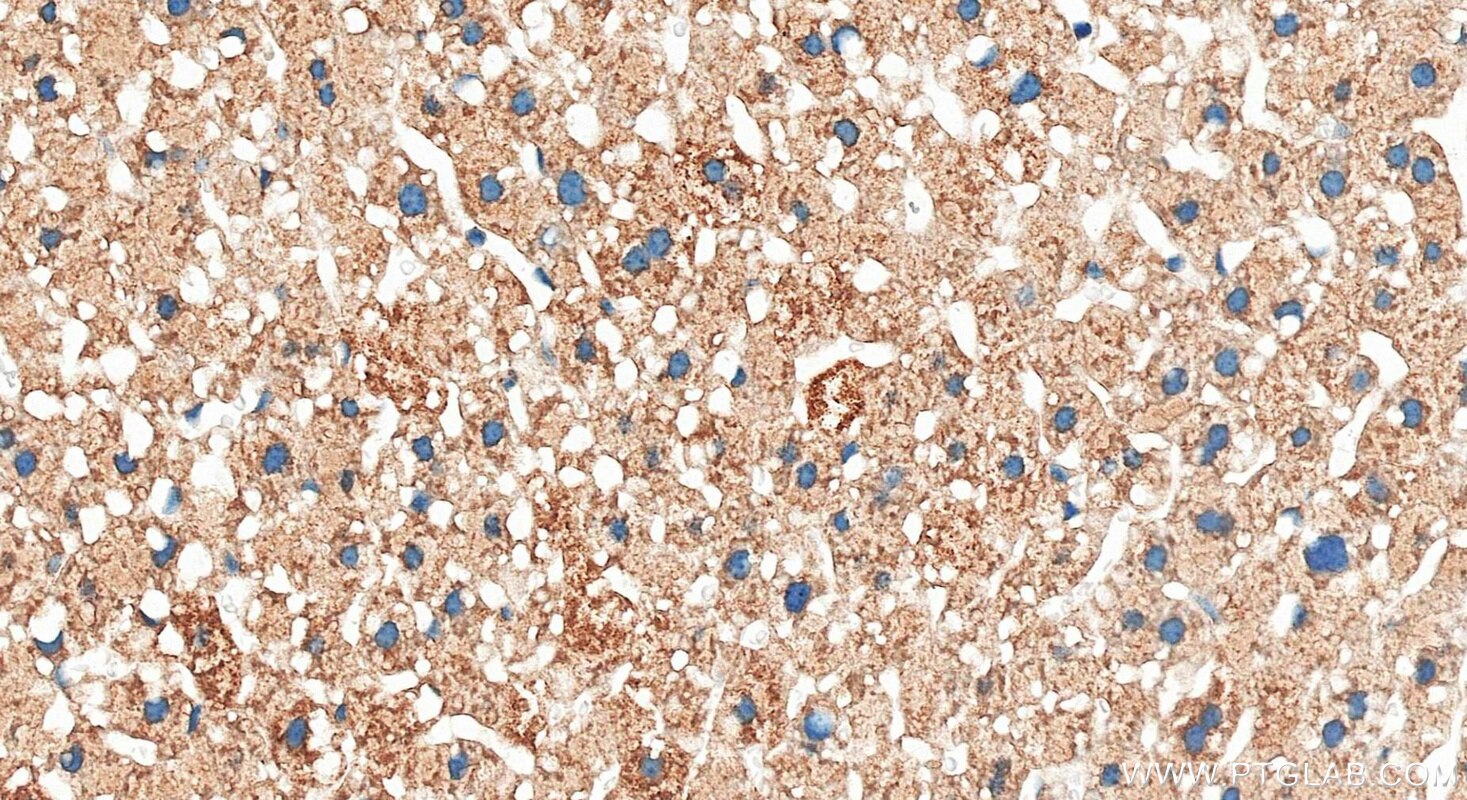
| Positive IHC detected in | human liver cancer tissue, mouse liver tissue Note: suggested antigen retrieval with TE buffer pH 9.0; (*) Alternatively, antigen retrieval may be performed with citrate buffer pH 6.0 |
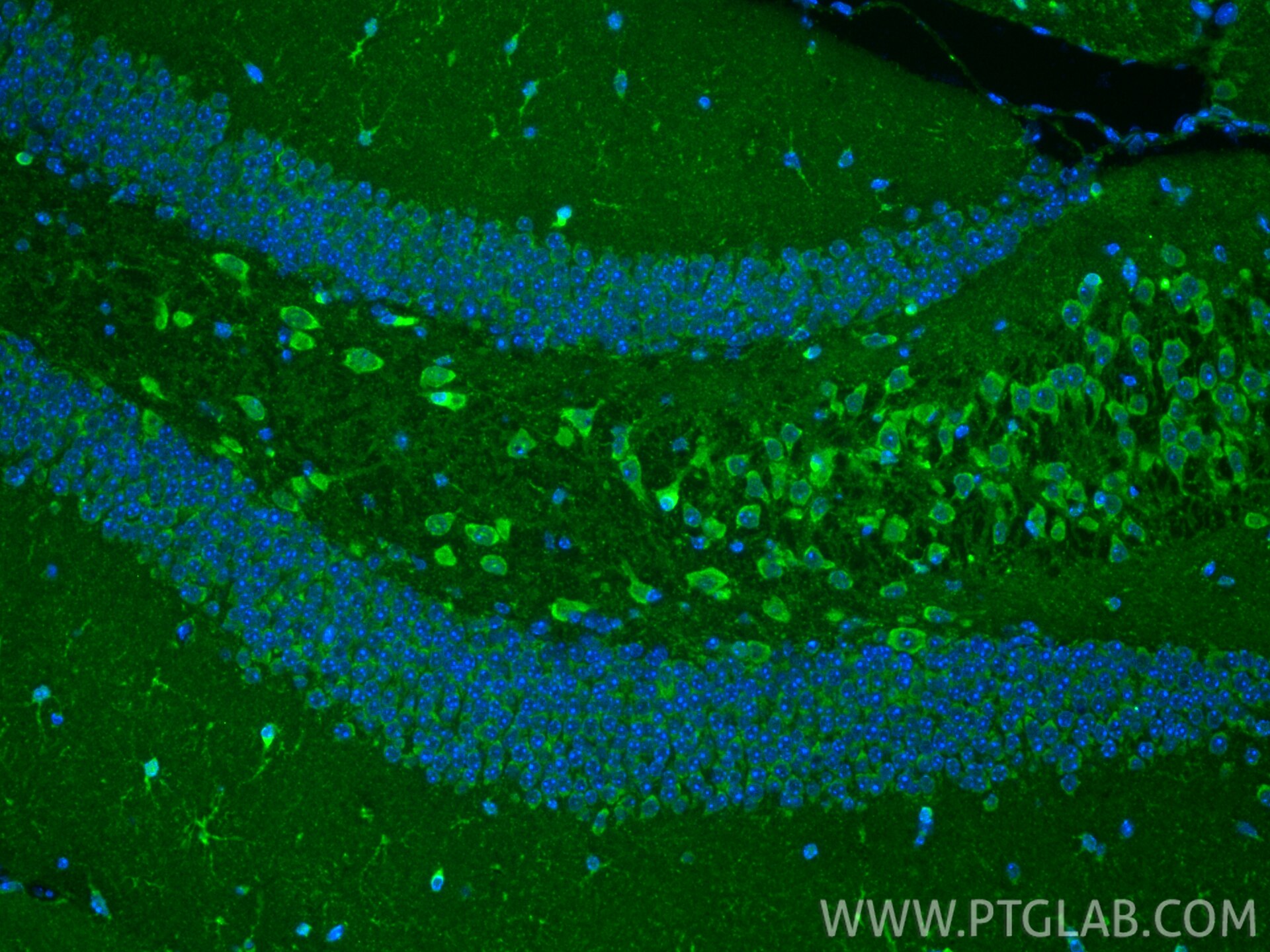
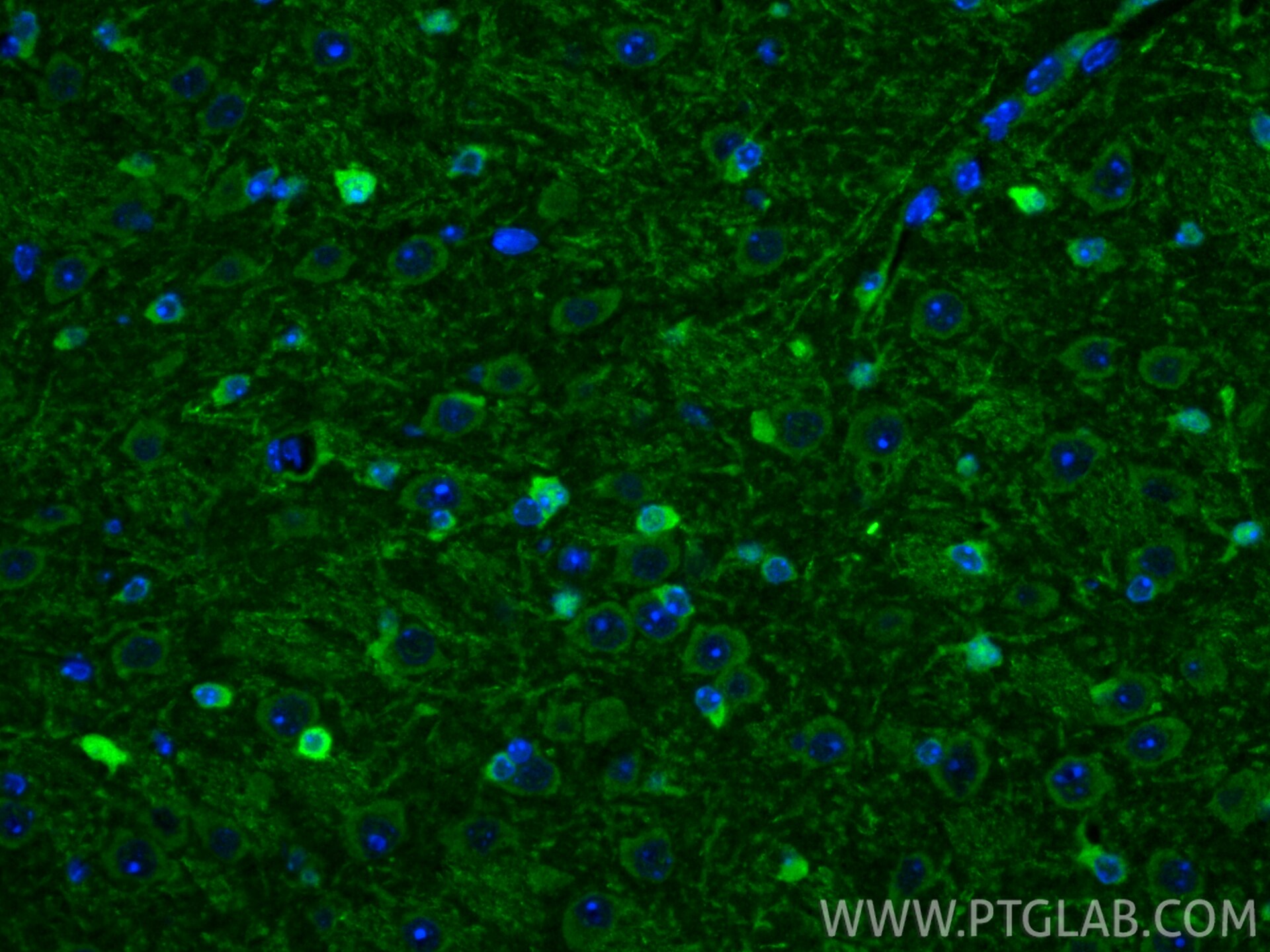
| Positive IF-P detected in | mouse brain tissue |
Recommended dilution
| Application | Dilution |
|---|---|
| Western Blot (WB) | WB : 1:1000-1:8000 |
| Immunoprecipitation (IP) | IP : 0.5-4.0 ug for 1.0-3.0 mg of total protein lysate |
| Immunohistochemistry (IHC) | IHC : 1:300-1:1200 |
| Immunofluorescence (IF)-P | IF-P : 1:200-1:800 |
| It is recommended that this reagent should be titrated in each testing system to obtain optimal results. | |
| Sample-dependent, Check data in validation data gallery. | |
Product Information
29354-1-AP targets AASS in WB, IHC, IF-P, IP, ELISA applications and shows reactivity with human, mouse, rat samples.
| Tested Reactivity | human, mouse, rat |
| Host / Isotype | Rabbit / IgG |
| Class | Polyclonal |
| Type | Antibody |
| Immunogen |
CatNo: Ag29520 Product name: Recombinant human AASS protein Source: e coli.-derived, PGEX-4T Tag: GST Domain: 33-146 aa of NM_005763 Sequence: VNAWERRAPLAPKHIKGITNLGYKVLIQPSNRRAIHDKDYVKAGGILQEDISEACLILGVKRPPEEKLMSRKTYAFFSHTIKAQEANMGLLDEILKQEIRLIDYEKMVDHRGVR Predict reactive species |
| Full Name | aminoadipate-semialdehyde synthase |
| Calculated Molecular Weight | 102 kDa |
| Observed Molecular Weight | 100-110 kDa |
| GenBank Accession Number | NM_005763 |
| Gene Symbol | AASS |
| Gene ID (NCBI) | 10157 |
| RRID | AB_3742311 |
| Conjugate | Unconjugated |
| Form | Liquid |
| Purification Method | Antigen affinity purification |
| UNIPROT ID | Q9UDR5 |
| Storage Buffer | PBS with 0.02% sodium azide and 50% glycerol, pH 7.3. |
| Storage Conditions | Store at -20°C. Stable for one year after shipment. Aliquoting is unnecessary for -20oC storage. 20ul sizes contain 0.1% BSA. |
Background Information
Aminoadipate-semialdehyde synthase (AASS) is a bifunctional enzyme catalyzing the first two steps of lysine degradation via the saccharopine pathway. It possesses both lysine-ketoglutarate reductase and saccharopine dehydrogenase activities. Mutations in the AASS gene cause familial hyperlysinemia, a rare autosomal recessive disorder characterized by elevated plasma lysine levels, though clinical manifestations are typically benign. AASS dysfunction disrupts mitochondrial energy metabolism and amino acid homeostasis. Beyond its metabolic role, emerging evidence suggests AASS may influence cellular redox status and autophagy regulation, positioning it as a potential therapeutic target for metabolic disorders and lysine-related pathologies (PMID: 41158987; 10775527).
Protocols
| Product Specific Protocols | |
|---|---|
| IF protocol for AASS antibody 29354-1-AP | Download protocol |
| IHC protocol for AASS antibody 29354-1-AP | Download protocol |
| IP protocol for AASS antibody 29354-1-AP | Download protocol |
| WB protocol for AASS antibody 29354-1-AP | Download protocol |
| Standard Protocols | |
|---|---|
| Click here to view our Standard Protocols |









