

Product Information
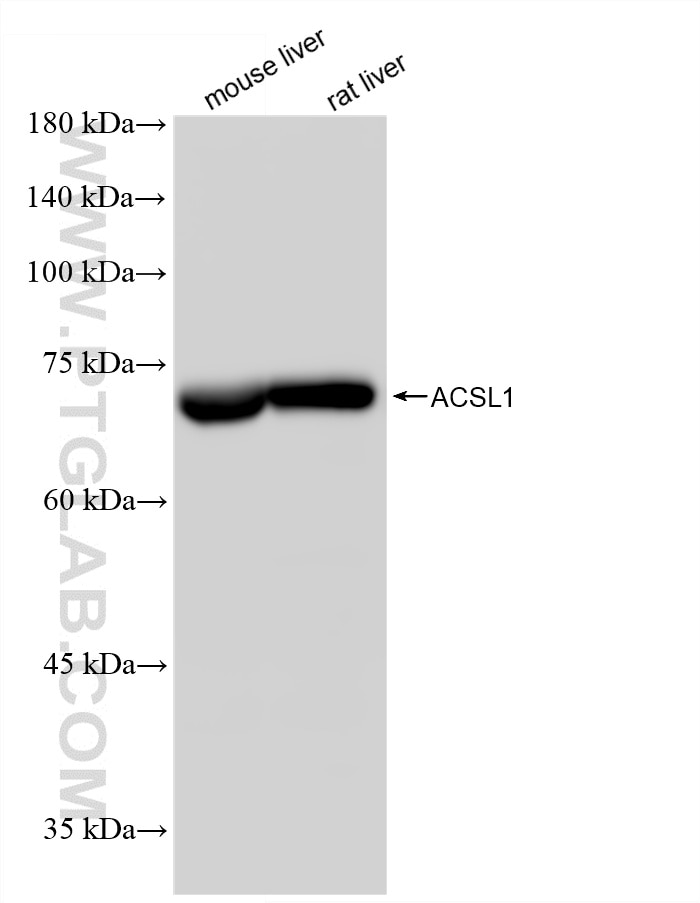
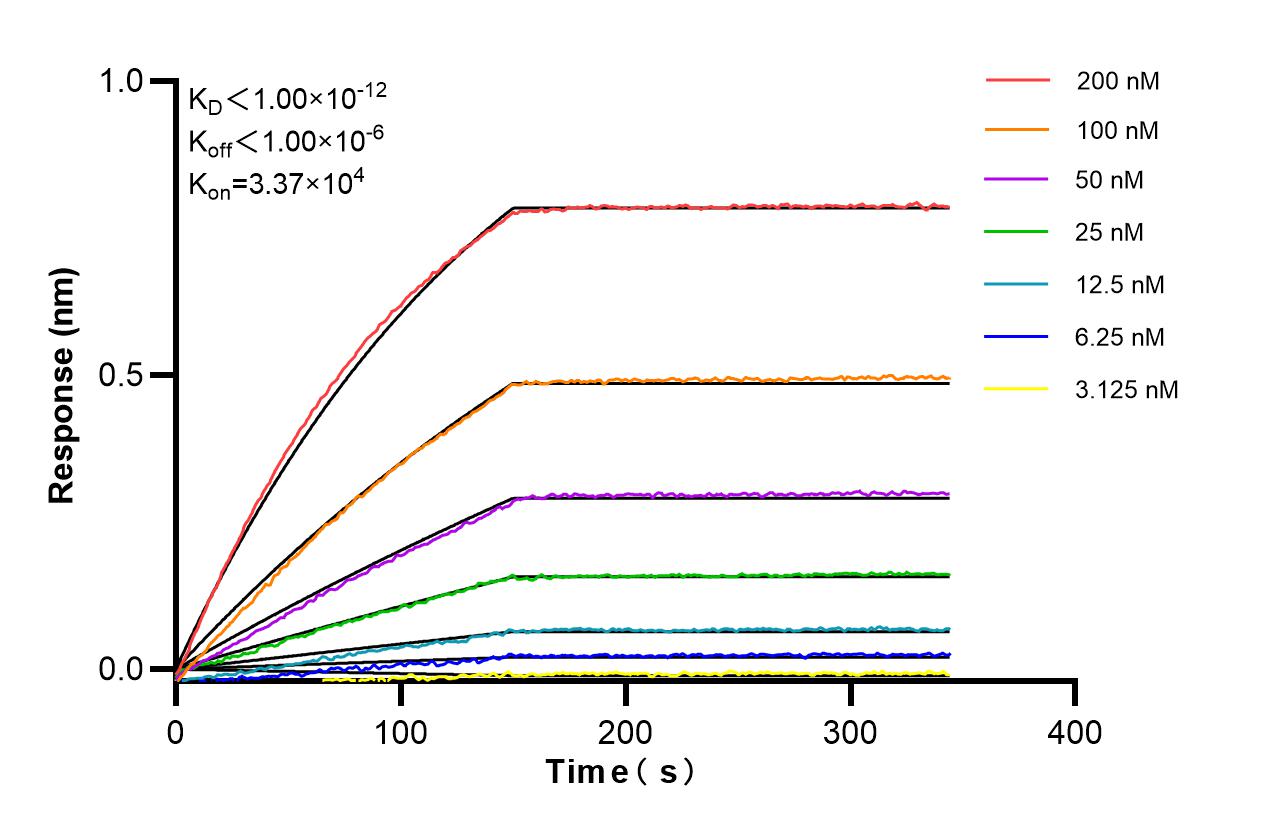
87427-1-PBS targets ACSL1 in WB, Indirect ELISA applications and shows reactivity with human, mouse, rat samples.
| Tested Reactivity | human, mouse, rat |
| Host / Isotype | Rabbit / IgG |
| Class | Recombinant |
| Type | Antibody |
| Immunogen |
CatNo: Ag5059 Product name: Recombinant human ACSL1 protein Source: e coli.-derived, PGEX-4T Tag: GST Domain: 349-698 aa of BC050073 Sequence: RLLMDDLKVLQPTVFPVVPRLLNRMFDRIFGQANTTLKRWLLDFASKRKEAELRSGIIRNNSLWDRLIFHKVQSSLGGRVRLMVTGAAPVSATVLTFLRAALGCQFYEGYGQTECTAGCCLTMPGDWTAGHVGAPMPCNLIKLVDVEEMNYMAAEGEGEVCVKGPNVFQGYLKDPAKTAEALDKDGWLHTGDIGKWLPNGTLKIIDRKKHIFKLAQGEYIAPEKIENIYMRSEPVAQVFVHGESLQAFLIAIVVPDVETLCSWAQKRGFEGSFEELCRNKDVKKAILEDMVRLGKDSGLKPFEQVKGITLHPELFSIDNGLLTPTMKAKRPELRNYFRSQIDDLYSTIKV Predict reactive species |
| Full Name | acyl-CoA synthetase long-chain family member 1 |
| Calculated Molecular Weight | 78 kDa |
| Observed Molecular Weight | 70-75 kDa |
| GenBank Accession Number | BC050073 |
| Gene Symbol | ACSL1 |
| Gene ID (NCBI) | 2180 |
| RRID | AB_3745539 |
| Conjugate | Unconjugated |
| Form | Liquid |
| Purification Method | Protein A purification |
| UNIPROT ID | P33121 |
| Storage Buffer | PBS only, pH 7.3. |
| Storage Conditions | Store at -80°C. |
Background Information
ACSL1(Long-chain-fatty-acid--CoA ligase 1) is also named as FACL1, FACL2, LACS, LACS1, LACS2 and belongs to the ATP-dependent AMP-binding enzyme family. ACSL1 is a 75 kDa protein that is associated peripherally with the plasma membrane(Brian M Wiczer, etc., 2006). ACSL1 is abundantly expressed in tissues, such as liver and brown fat, that metabolize substantial amounts of triglycerides as fuel, and as such, a deficiency in ACSL1 function could have a more profound affect in those cells, resulting in hepatosteatosis and potentially increased very low density lipoprotein production by the liver or decreased thermogenic capacity in brown adipose tissue(PMID:19429676). An anti-rat ACSL1 antibody recognized a band of the predicted 68 kDa in high-speed supernatant from rat liver and in human and murine SMCs, monocyte-derived macrophages, and murine peritoneal macrophages (PMID:17259370). It has 2 isoforms produced by alternative splicing.



