

Tested Applications
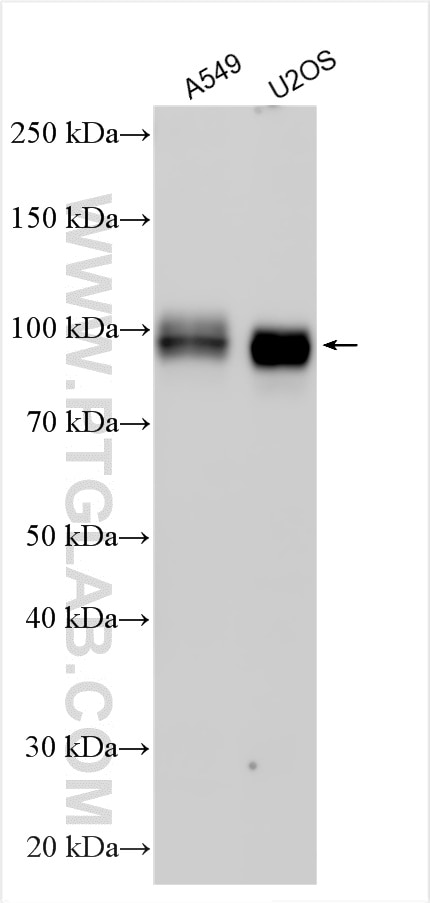
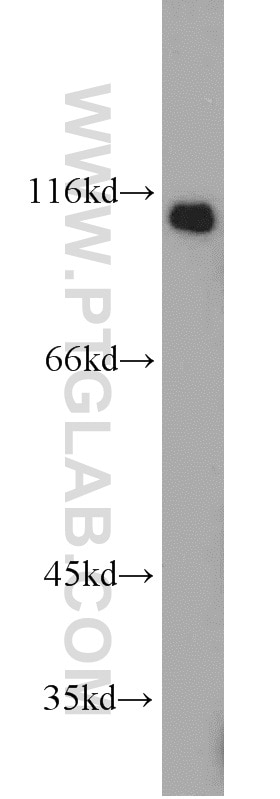
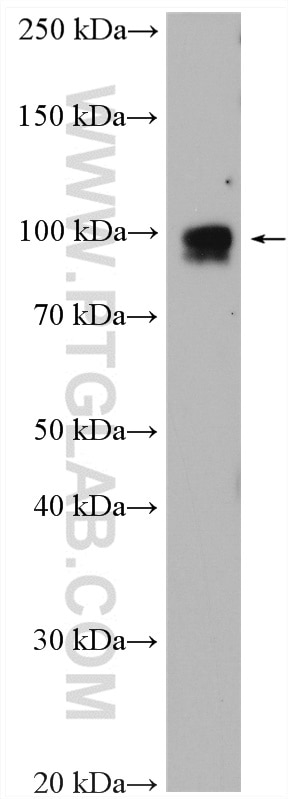
| Positive WB detected in | A549 cells, human liver tissue, mouse brain tissue, U2OS cells |
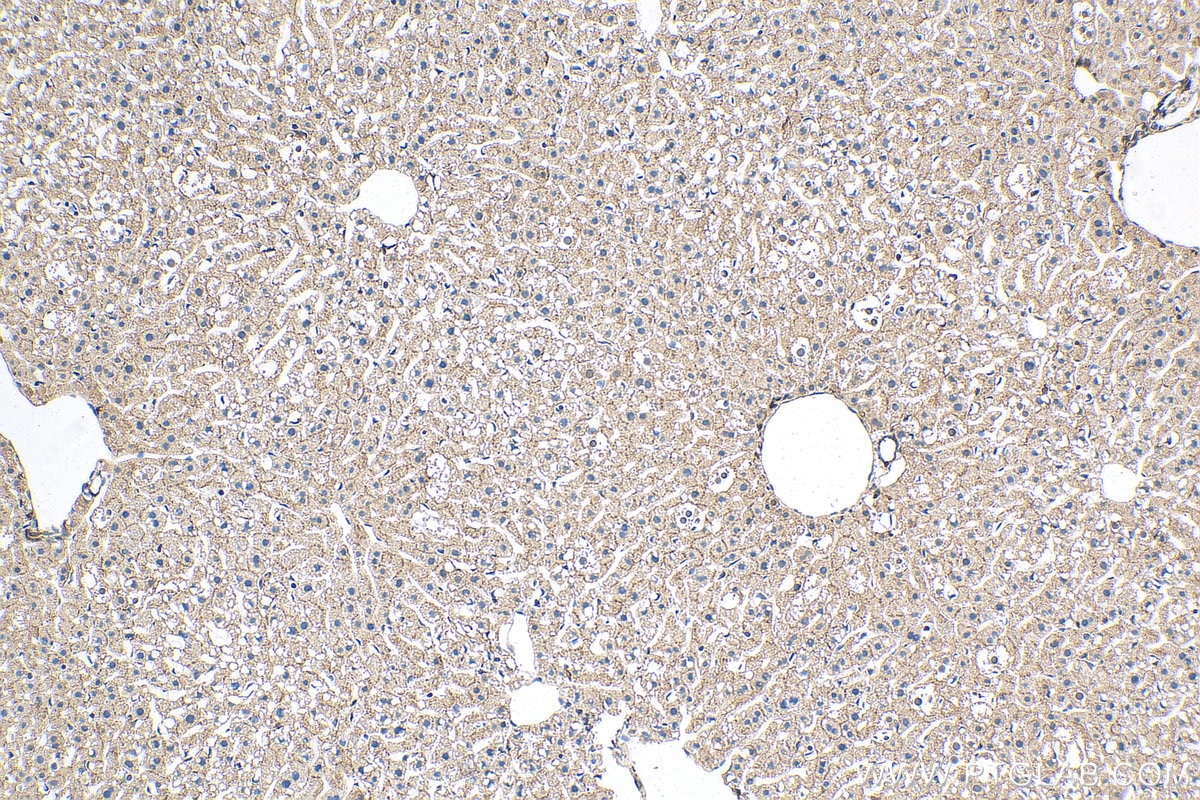
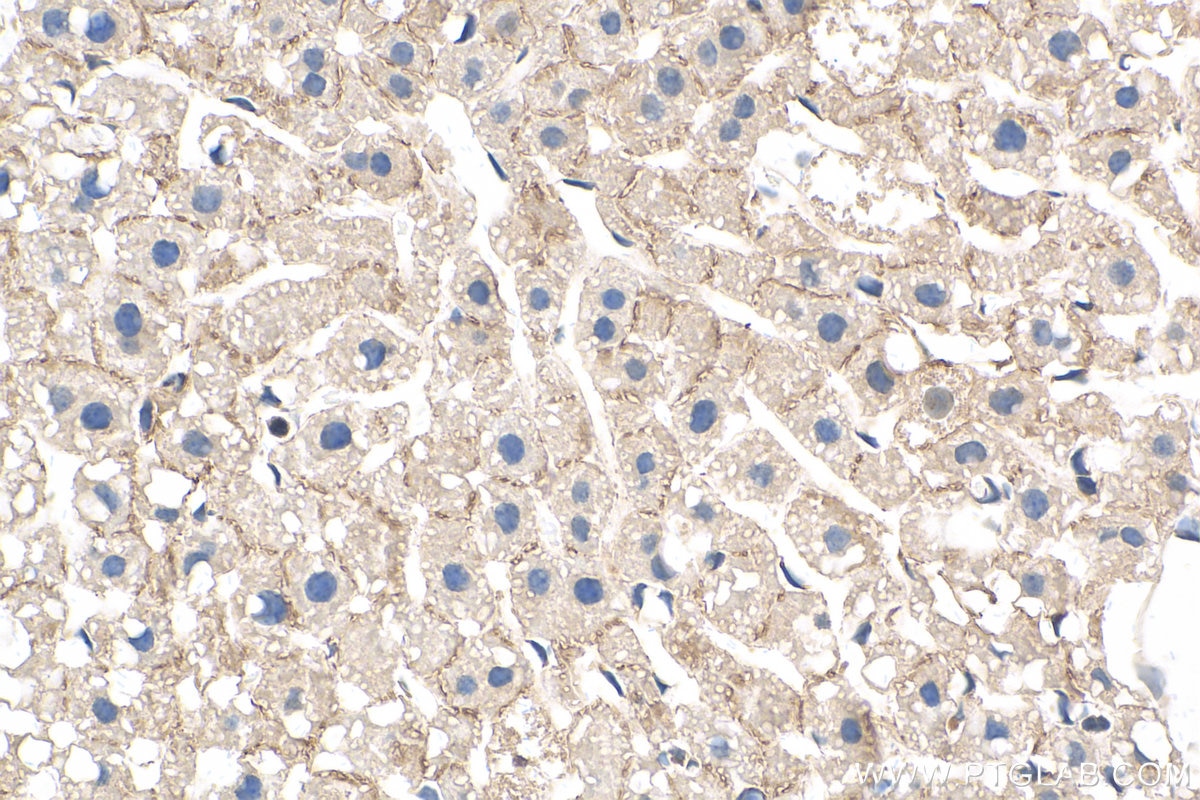
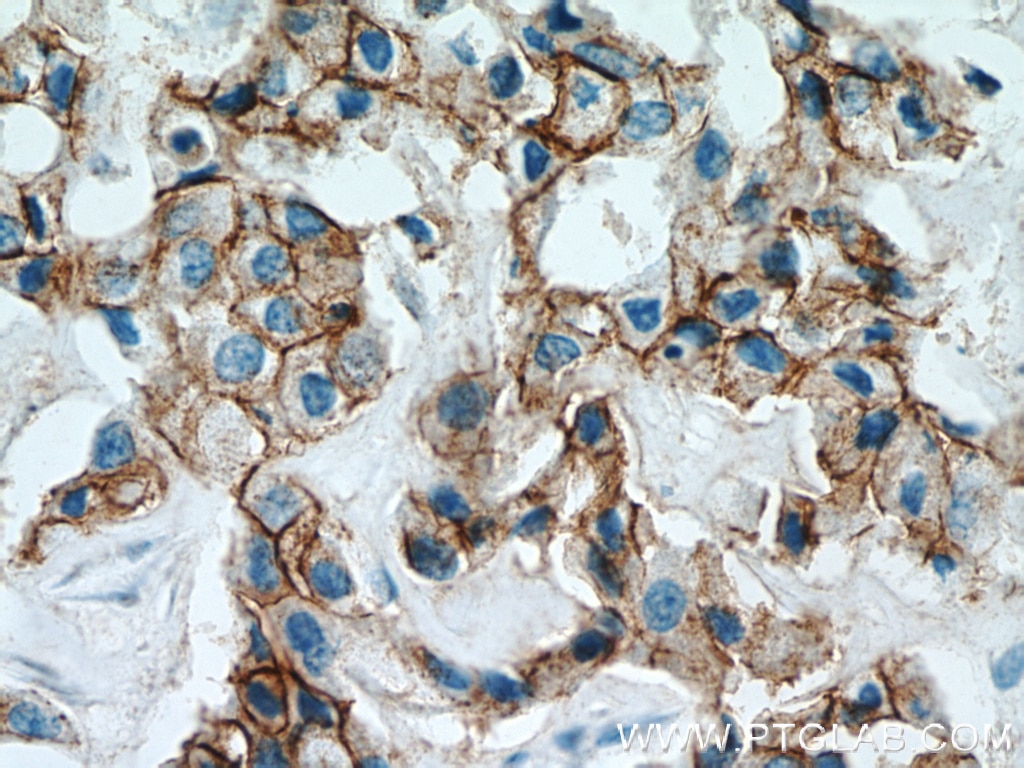
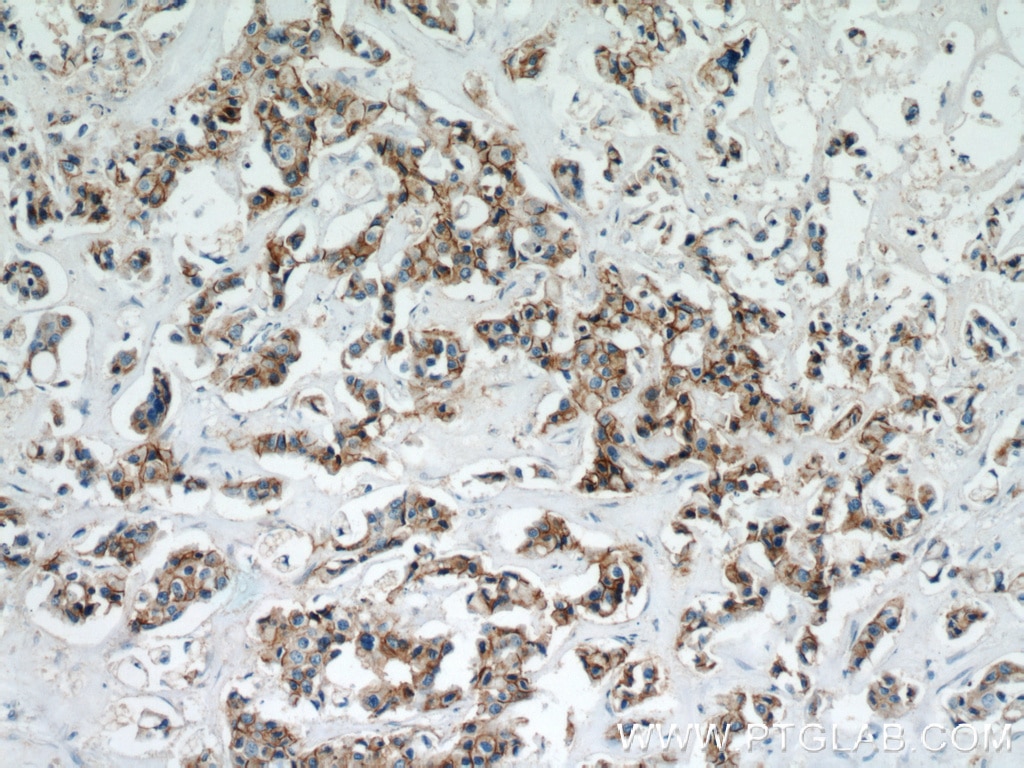
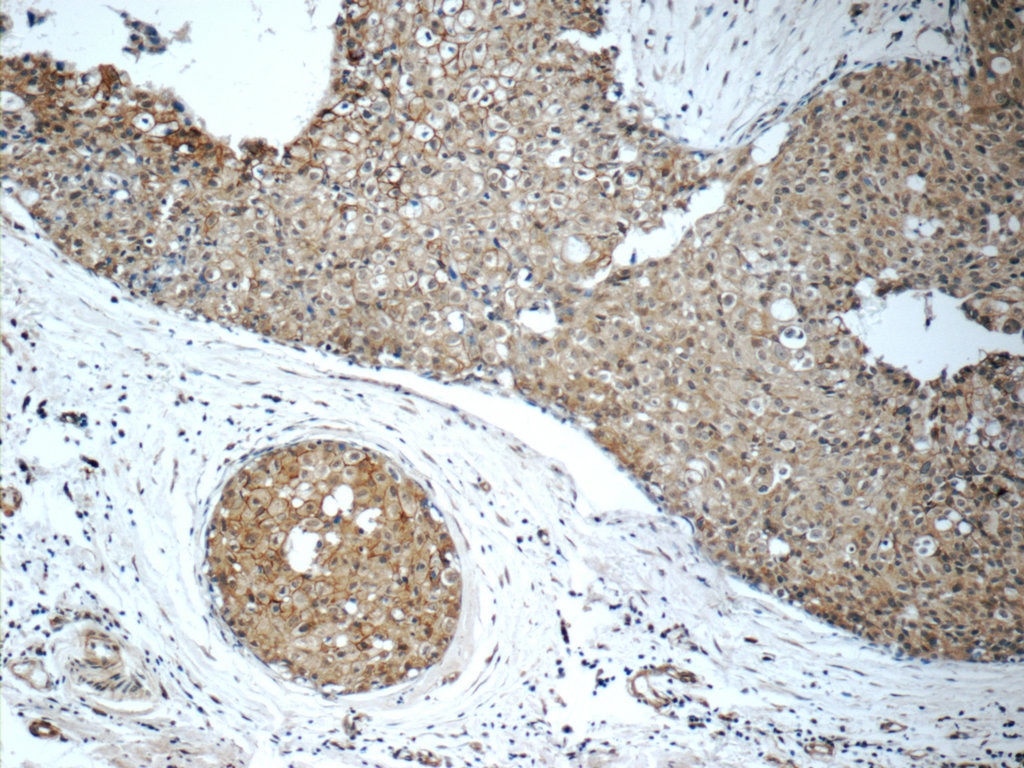
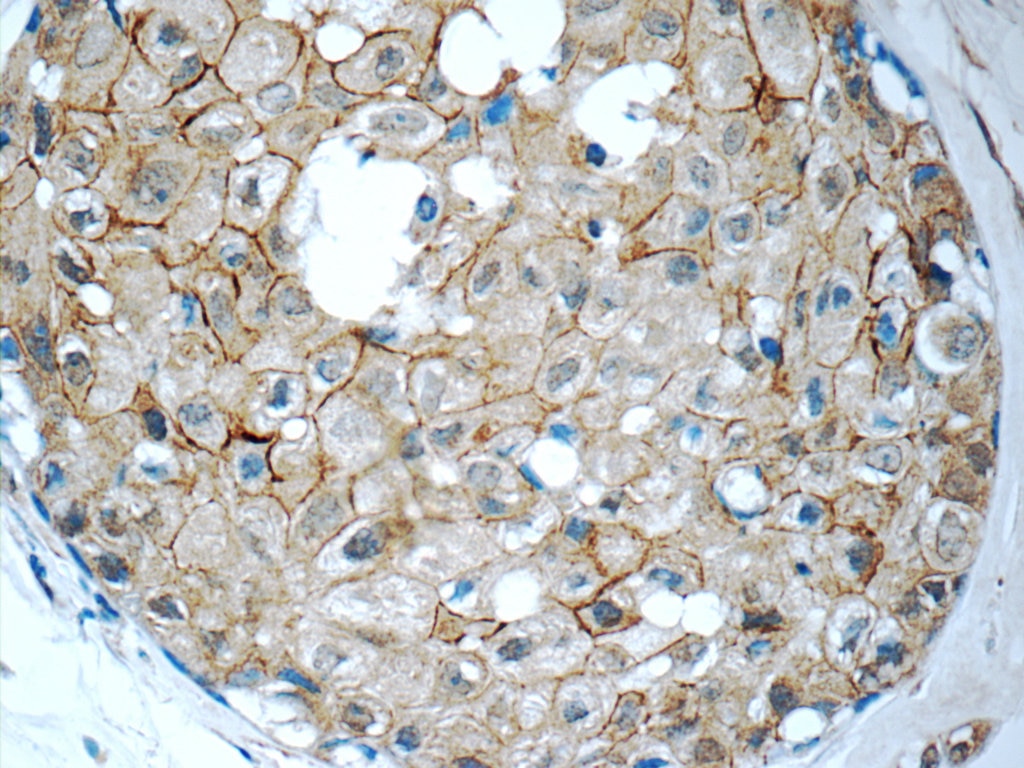
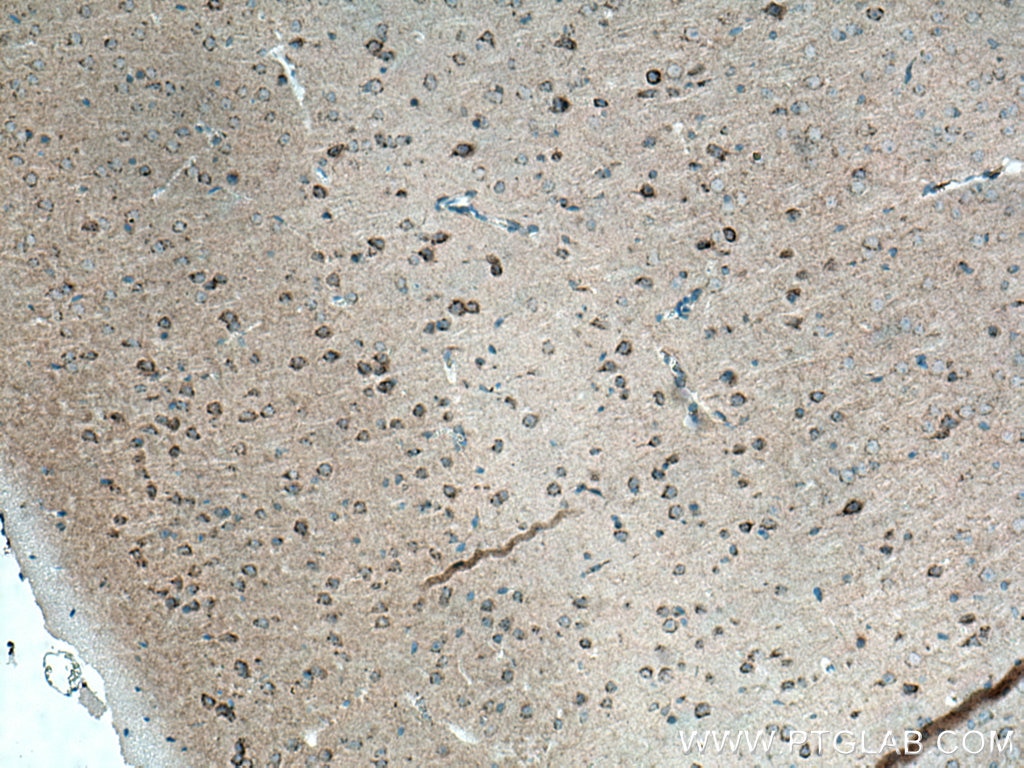
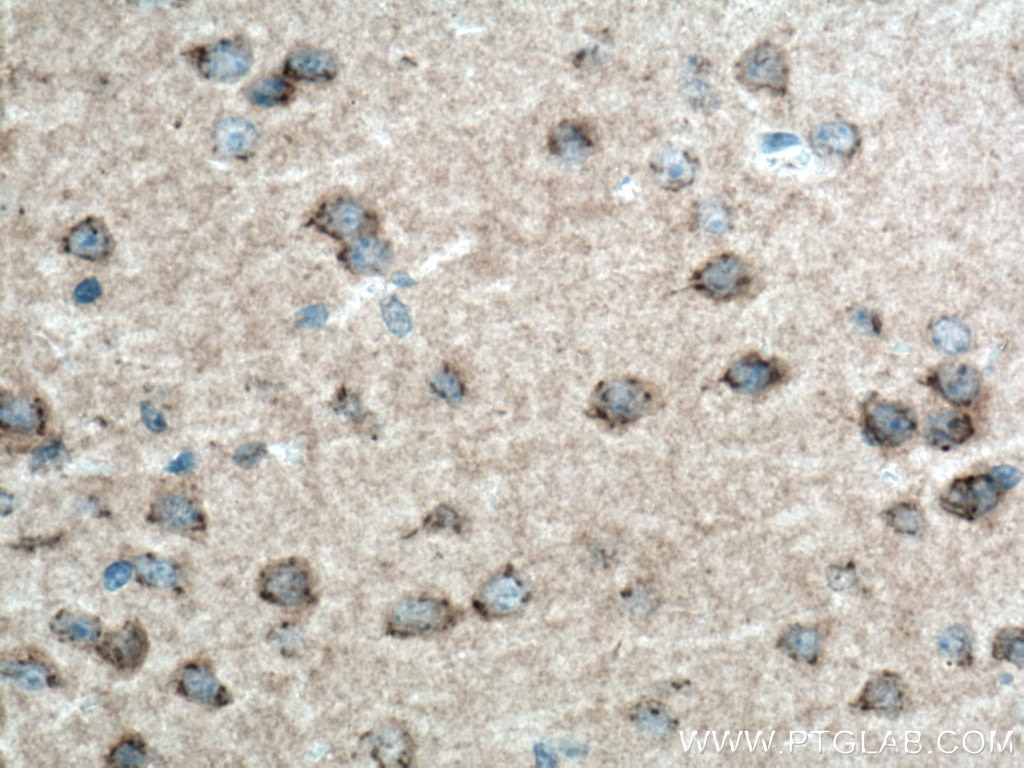
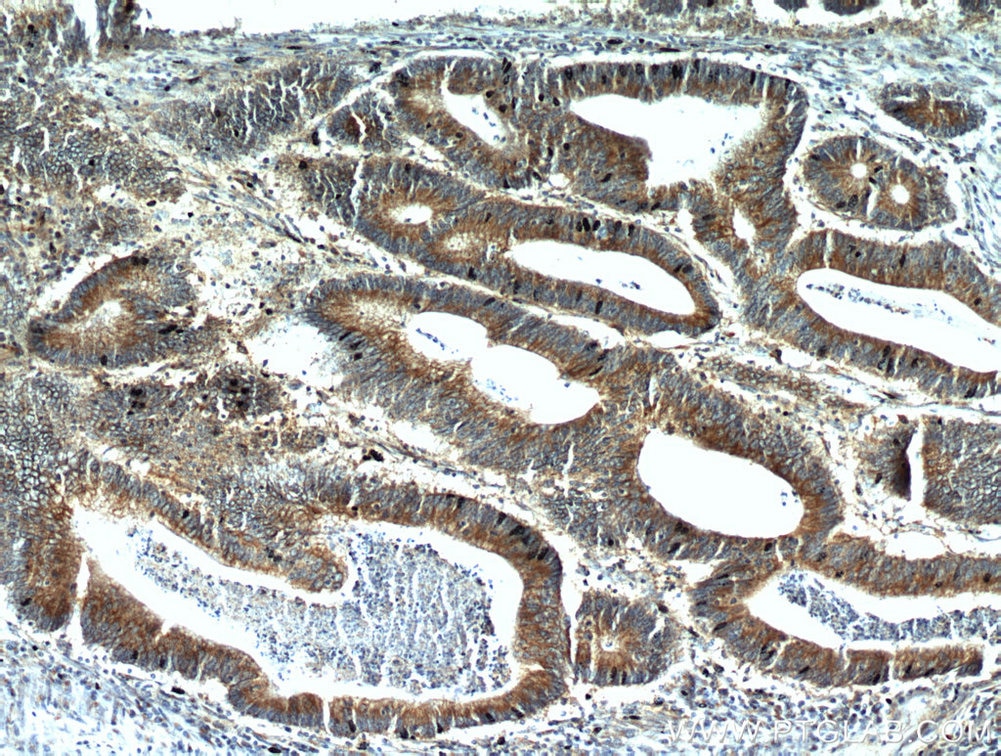
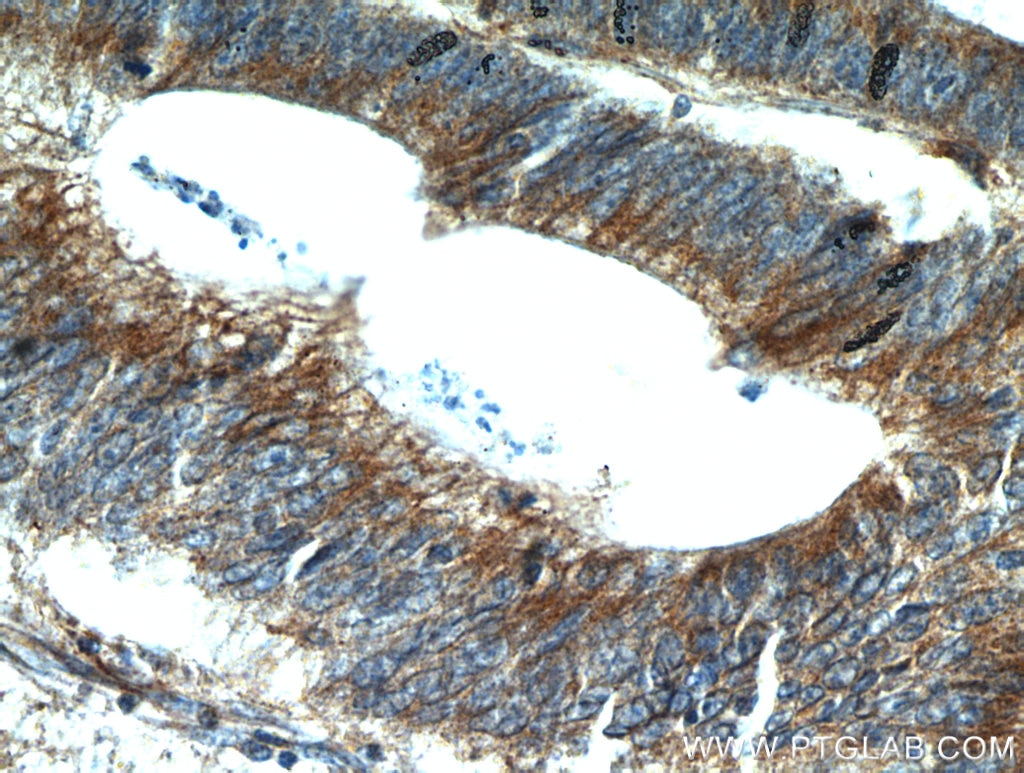
| Positive IHC detected in | mouse liver tissue, human breast cancer tissue, human colon cancer tissue, mouse brain tissue Note: suggested antigen retrieval with TE buffer pH 9.0; (*) Alternatively, antigen retrieval may be performed with citrate buffer pH 6.0 |
Recommended dilution
| Application | Dilution |
|---|---|
| Western Blot (WB) | WB : 1:2000-1:12000 |
| Immunohistochemistry (IHC) | IHC : 1:50-1:500 |
| It is recommended that this reagent should be titrated in each testing system to obtain optimal results. | |
| Sample-dependent, Check data in validation data gallery. | |
Product Information
21972-1-AP targets ALCAM in WB, IHC, IF, ELISA applications and shows reactivity with human, mouse samples.
| Tested Reactivity | human, mouse |
| Cited Reactivity | human, mouse |
| Host / Isotype | Rabbit / IgG |
| Class | Polyclonal |
| Type | Antibody |
| Immunogen |
CatNo: Ag16892 Product name: Recombinant human ALCAM protein Source: e coli.-derived, PGEX-4T Tag: GST Domain: 28-400 aa of BC137097 Sequence: WYTVNSAYGDTIIIPCRLDVPQNLMFGKWKYEKPDGSPVFIAFRSSTKKSVQYDDVPEYKDRLNLSENYTLSISNARISDEKRFVCMLVTEDNVFEAPTIVKVFKQPSKPEIVSKALFLETEQLKKLGDCISEDSYPDGNITWYRNGKVLHPLEGAVVIIFKKEMDPVTQLYTMTSTLEYKTTKADIQMPFTCSVTYYGPSGQKTIHSEQAVFDIYYPTEQVTIQVLPPKNAIKEGDNITLKCLGNGNPPPEEFLFYLPGQPEGIRSSNTYTLTDVRRNATGDYKCSLIDKKSMIASTAITVHYLDLSLNPSGEVTRQIGDALPVSCTISASRNATVVWMKDNIRLRSSPSFSSLHYQDAGNYVCETALQEVE Predict reactive species |
| Full Name | activated leukocyte cell adhesion molecule |
| Calculated Molecular Weight | 583 aa, 65 kDa |
| Observed Molecular Weight | 100-110 kDa |
| GenBank Accession Number | BC137097 |
| Gene Symbol | ALCAM |
| Gene ID (NCBI) | 214 |
| RRID | AB_2878958 |
| Conjugate | Unconjugated |
| Form | Liquid |
| Purification Method | Antigen affinity purification |
| UNIPROT ID | Q13740 |
| Storage Buffer | PBS with 0.02% sodium azide and 50% glycerol, pH 7.3. |
| Storage Conditions | Store at -20°C. Stable for one year after shipment. Aliquoting is unnecessary for -20oC storage. 20ul sizes contain 0.1% BSA. |
Background Information
Activated leukocyte cell adhesion molecule (ALCAM, also known as CD166) is a cell adhesion molecule that belongs to the immunoglobulin superfamily. It is involved in cell-cell adhesion through homophilic and heterophilic (to CD6) interactions. ALCAM is widely expressed in a variety of normal tissues. Altered ALCAM expression has been associated with the differentiation state and progression in some neoplasms including melanoma, prostate, colorectal, and breast cancers (PMID: 20461761; 18172759).
Protocols
| Product Specific Protocols | |
|---|---|
| IHC protocol for ALCAM antibody 21972-1-AP | Download protocol |
| WB protocol for ALCAM antibody 21972-1-AP | Download protocol |
| Standard Protocols | |
|---|---|
| Click here to view our Standard Protocols |
Publications
What published studies show
The ALCAM Polyclonal antibody (Cat# 21972-1-AP) has 12 citations published in journals including Cell Metabolism, Cancer Discovery, Acta Pharmaceutica Sinica B, Cell Death & Disease, Cell Communication & Signaling, eBioMedicine, Investigative Ophthalmology & Visual Science, Frontiers in Oncology, Journal of Pain Research, OncoTargets and Therapy, and eLife. Research fields span oncology (breast, lung, colorectal, renal, and cervical cancers), stem cell biology, metabolism, circadian rhythm, and ophthalmology.
| Species | Application | Title |
|---|---|---|
Cell Metab Oncogenic fatty acid oxidation senses circadian disruption in sleep-deficiency-enhanced tumorigenesis | ||
Cancer Discov Dynamic glycoprotein hyposialylation promotes chemotherapy evasion and metastatic seeding of quiescent circulating tumor cell clusters in breast cancer | ||
Acta Pharm Sin B Molecular glue triggers degradation of PHGDH by enhancing the interaction between DDB1 and PHGDH | ||
Cell Commun Signal Olanzapine suppresses mPFC activity-norepinephrine releasing to alleviate CLOCK-enhanced cancer stemness under chronic stress | ||
EBioMedicine Organoid modelling identifies that DACH1 functions as a tumour promoter in colorectal cancer by modulating BMP signalling. |














