
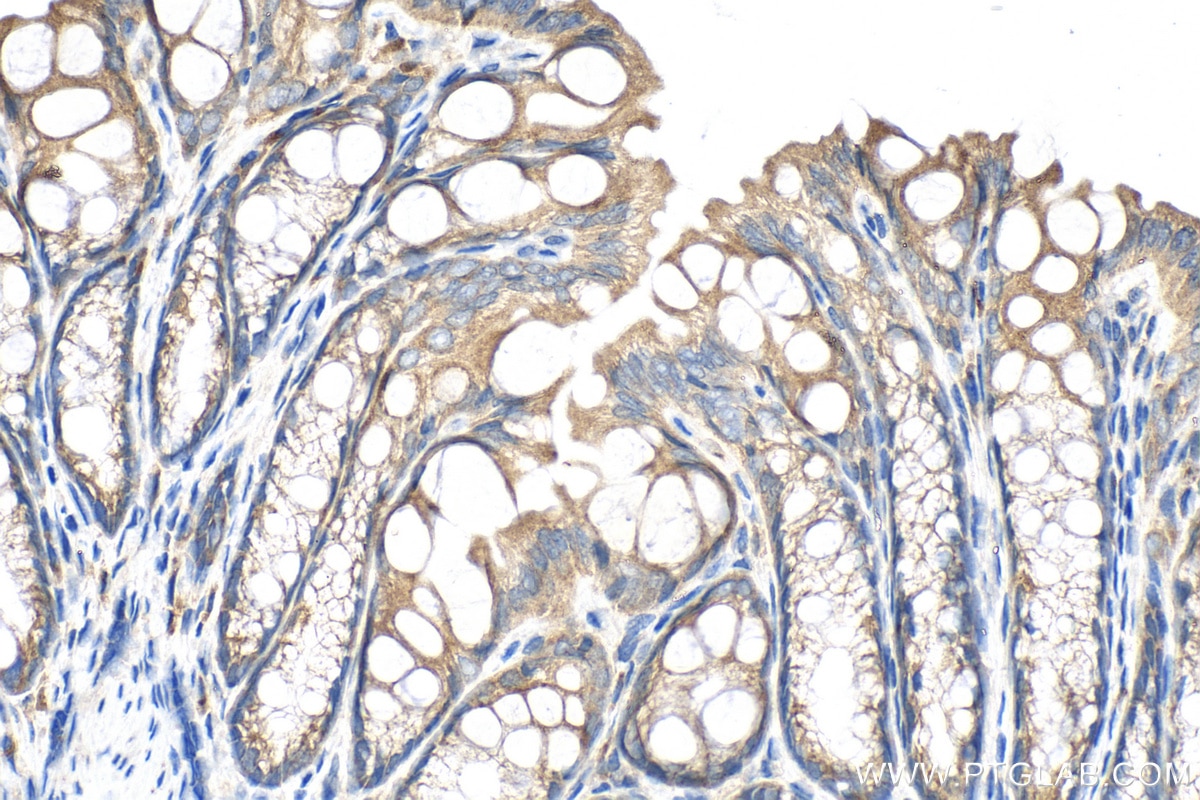
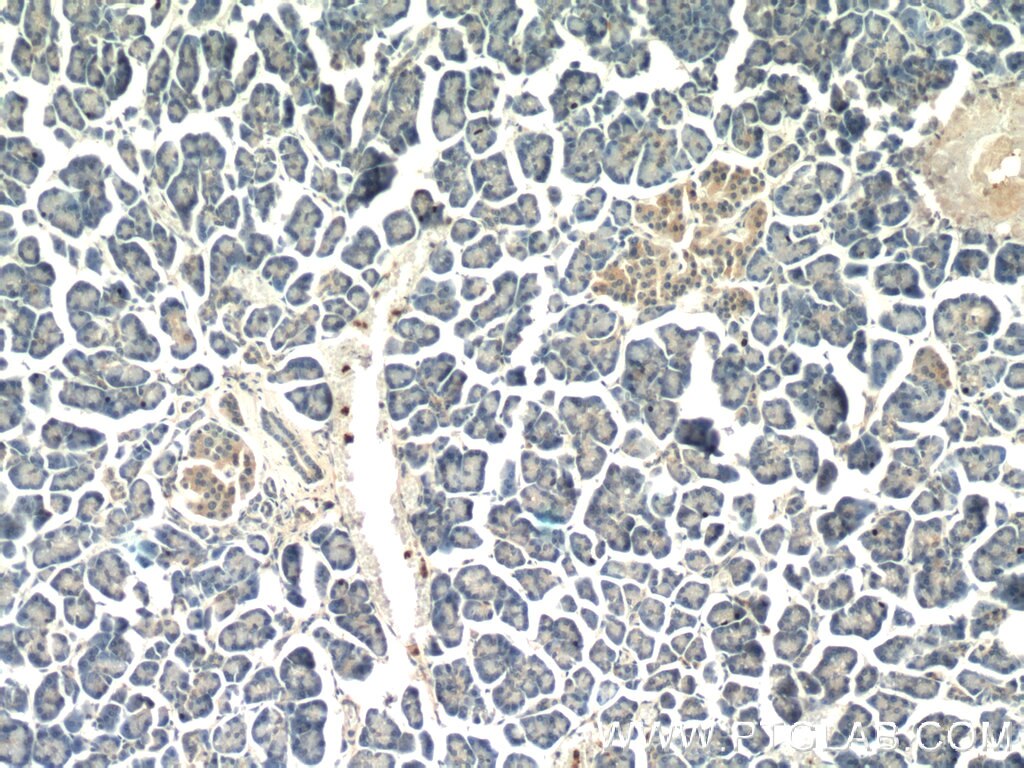
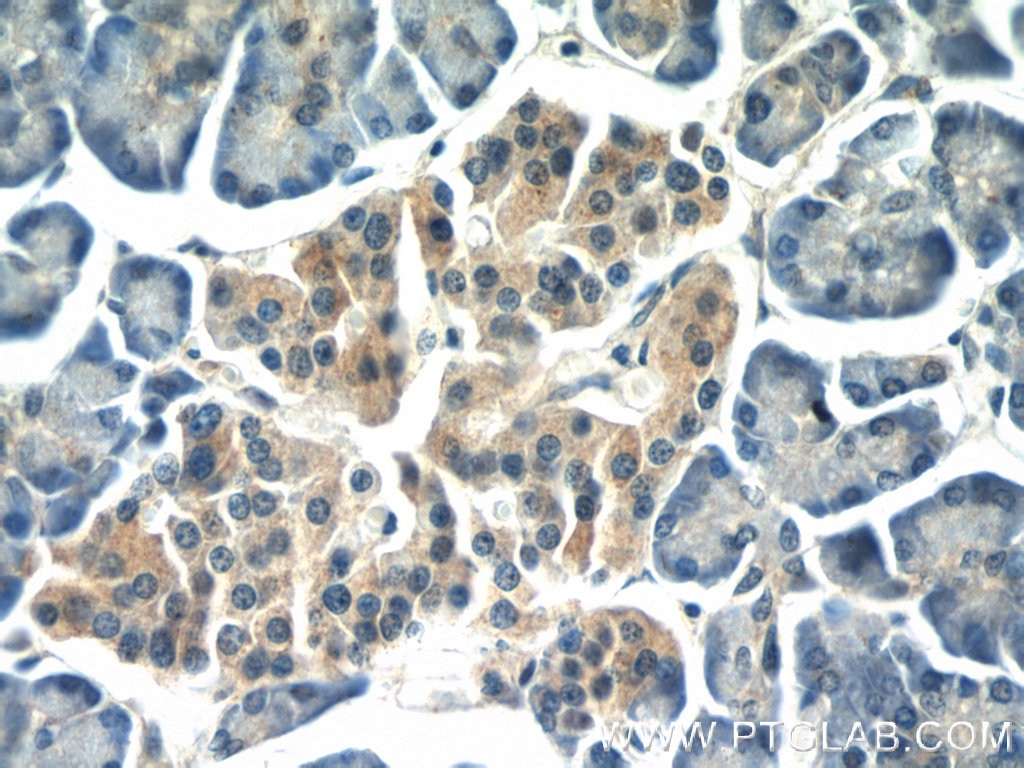

Tested Applications
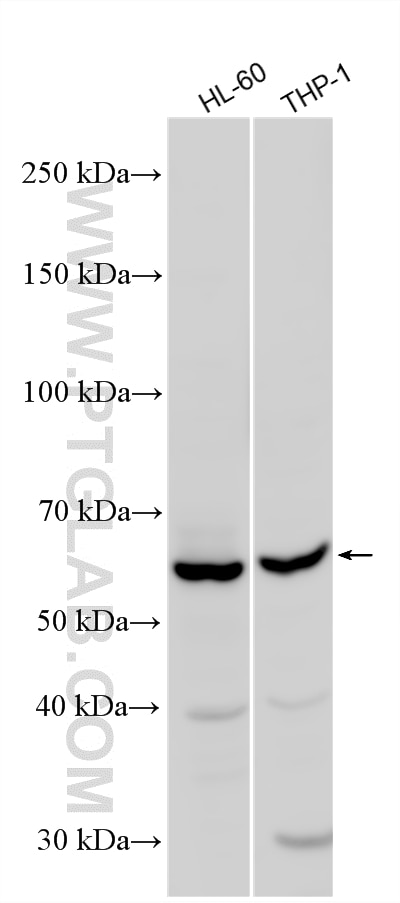
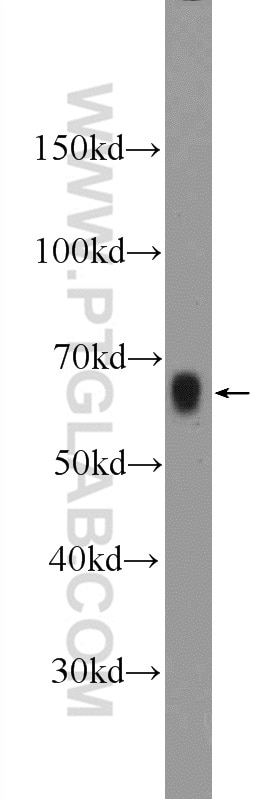
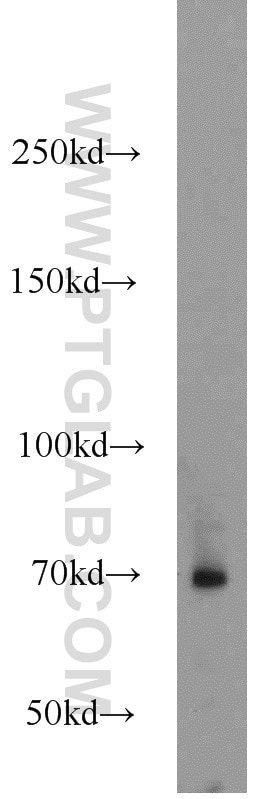
| Positive WB detected in | HL-60 cells, mouse colon tissue, mouse spleen tissue, THP-1 cells |
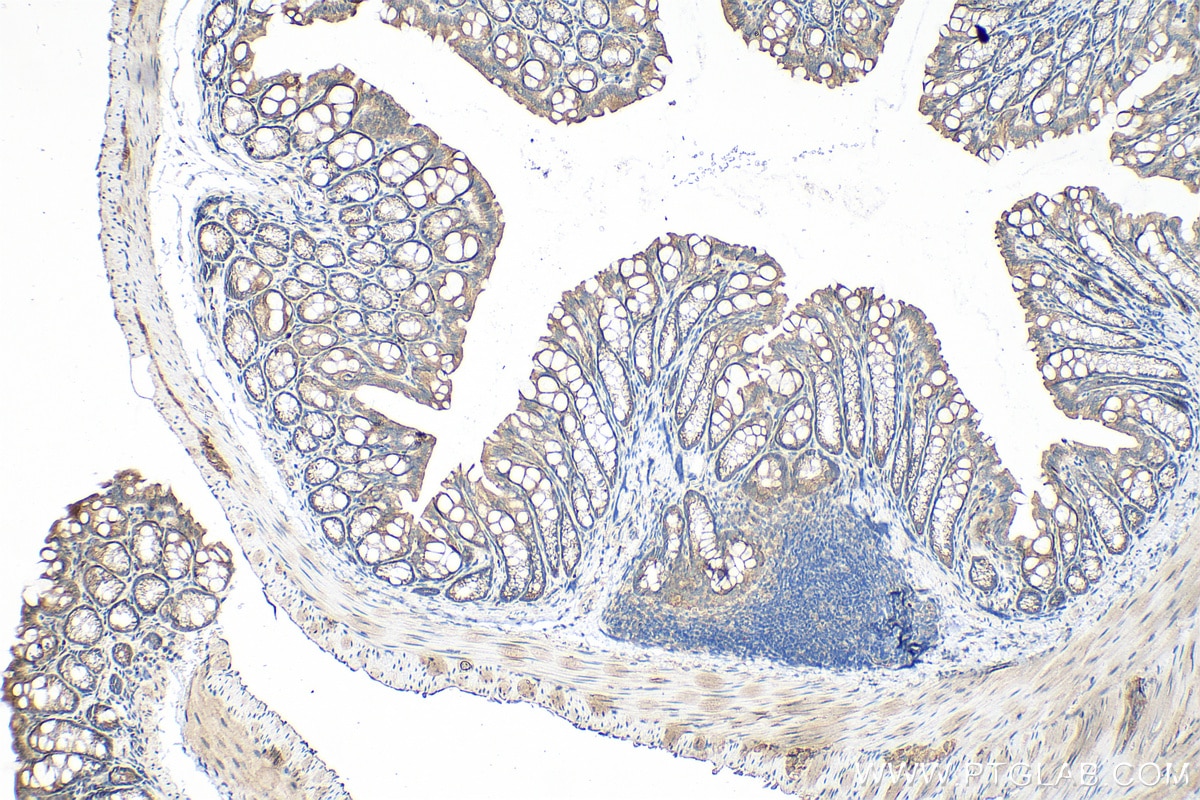
| Positive IHC detected in | mouse colon tissue, human pancreas tissue Note: suggested antigen retrieval with TE buffer pH 9.0; (*) Alternatively, antigen retrieval may be performed with citrate buffer pH 6.0 |
Recommended dilution
| Application | Dilution |
|---|---|
| Western Blot (WB) | WB : 1:500-1:1000 |
| Immunohistochemistry (IHC) | IHC : 1:50-1:500 |
| It is recommended that this reagent should be titrated in each testing system to obtain optimal results. | |
| Sample-dependent, Check data in validation data gallery. | |
Product Information
12911-1-AP targets AOAH in WB, IHC, IP, ELISA applications and shows reactivity with human, mouse, rat samples.
| Tested Reactivity | human, mouse, rat |
| Cited Reactivity | human |
| Host / Isotype | Rabbit / IgG |
| Class | Polyclonal |
| Type | Antibody |
| Immunogen |
CatNo: Ag3892 Product name: Recombinant human AOAH protein Source: e coli.-derived, PGEX-4T Tag: GST Domain: 226-575 aa of BC025698 Sequence: QDSNCNGIWGVDPKDGVPYEKKFCEGSQPRGIILLGDSAGAHFHISPEWITASQMSLNSFINLPTALTNELDWPQLSGATGFLDSTVGIKEKSIYLRLWKRNHCNHRDYQNISRNGASSRNLKKFIESLSRNKVLDYPAIVIYAMIGNDVCSGKSDPVPAMTTPEKLYSNVMQTLKHLNSHLPNGSHVILYGLPDGTFLWDNLHNRYHPLGQLNKDMTYAQLYSFLNCLQVSPCHGWMSSNKTLRTLTSERAEQLSNTLKKIAASEKFTNFNLFYMDFAFHEIIQEWQKRGGQPWQLIEPVDGFHPNEVALLLLADHFWKKVQLQWPQILGKENPFNPQIKQVFGDQGGH Predict reactive species |
| Full Name | acyloxyacyl hydrolase (neutrophil) |
| Calculated Molecular Weight | 65 kDa |
| Observed Molecular Weight | 65 kDa |
| GenBank Accession Number | BC025698 |
| Gene Symbol | AOAH |
| Gene ID (NCBI) | 313 |
| RRID | AB_2877891 |
| Conjugate | Unconjugated |
| Form | Liquid |
| Purification Method | Antigen affinity purification |
| UNIPROT ID | P28039 |
| Storage Buffer | PBS with 0.02% sodium azide and 50% glycerol, pH 7.3. |
| Storage Conditions | Store at -20°C. Stable for one year after shipment. Aliquoting is unnecessary for -20oC storage. 20ul sizes contain 0.1% BSA. |
Background Information
Acyloxyacyl hydrolase (AOAH) is a highly conserved lipase responsible for hydrolyzing the secondary fatty acyl chains of gram-negative bacterial lipopolysaccharides (LPS), resulting in LPS detoxification and attenuation of host inflammation (PMID: 1577781, PMID: 35980963). AOAH has also been shown to have PLA2 function (PMID: 1577781). AOAH was highly expressed at the protein level in lesional psoriatic skin compared to healthy controls (PMID: 34913478). AOAH has been described to be differentially proteolytically processed into both a secreted and cytosolic form in phagocytic cells (PMID: 19755182). Expression of AOAH is primarily attributed to phagocytic cells such as neutrophils, macrophages, DC, and also NK cells (PMID: 33454018).
Protocols
| Product Specific Protocols | |
|---|---|
| IHC protocol for AOAH antibody 12911-1-AP | Download protocol |
| WB protocol for AOAH antibody 12911-1-AP | Download protocol |
| Standard Protocols | |
|---|---|
| Click here to view our Standard Protocols |
Publications
What published studies show
The AOAH Polyclonal antibody (Cat# 12911-1-AP) has 2 citations. One appears in Science (2021), studying enterically derived HDL's role in restraining liver injury via the portal vein, using WB and IP. The other is in Molecules (2026), investigating how down-regulation of acyloxyacyl hydrolase in Alzheimer's disease impairs LPS detoxification and contributes to brain pro-inflammatory signaling, using WB in human samples. The associated research fields span hepatology/lipid metabolism and neurodegeneration/inflammation.
| Species | Application | Title |
|---|---|---|
Science Enterically derived high-density lipoprotein restrains liver injury through the portal vein. | ||
Molecules Down-Regulation of Acyloxyacyl Hydrolase Expression in Alzheimer's Disease Impairs LPS Detoxification and Contributes to Brain Pro-Inflammatory Signaling. |








