
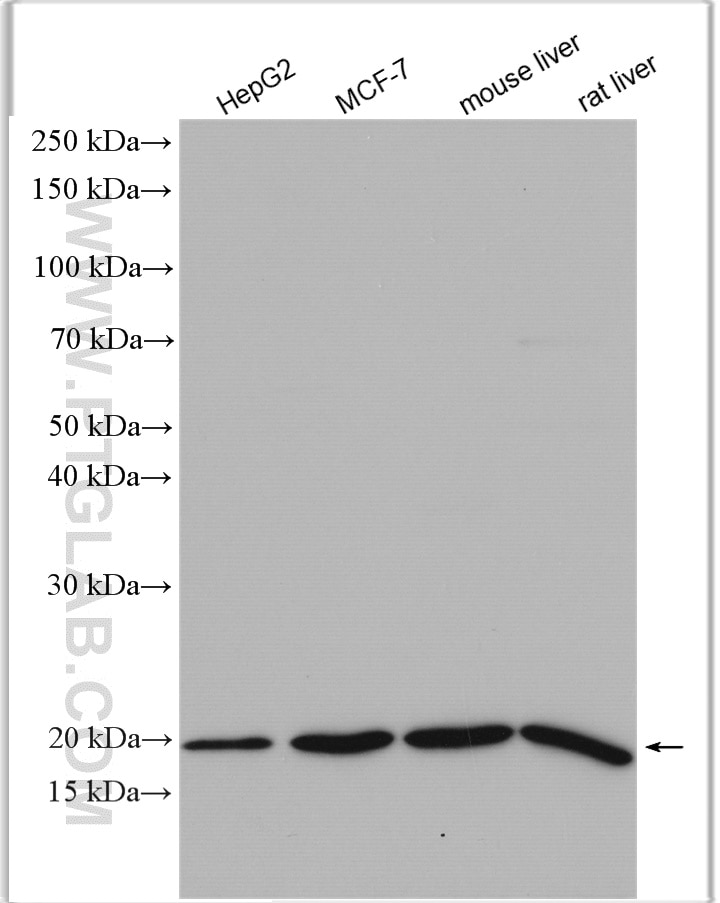
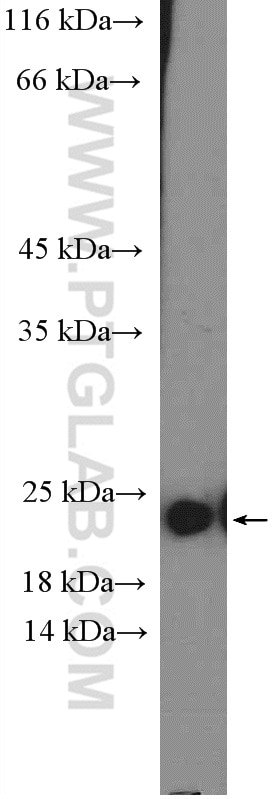
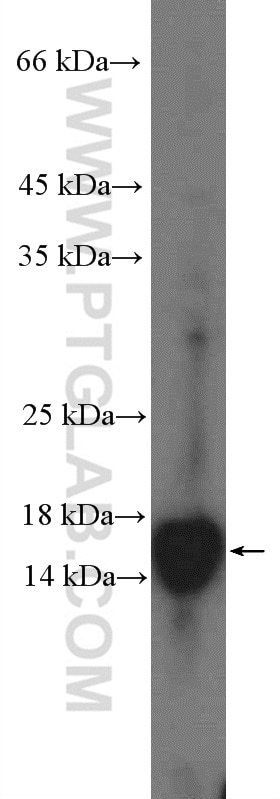
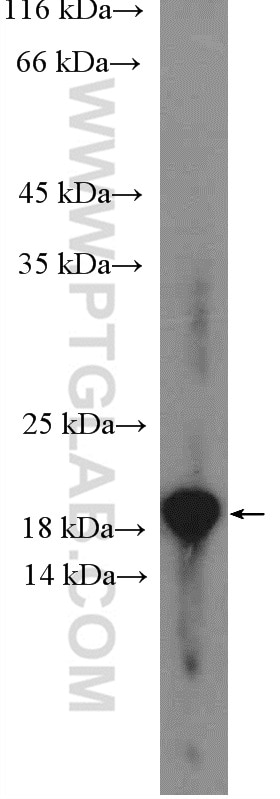


Tested Applications
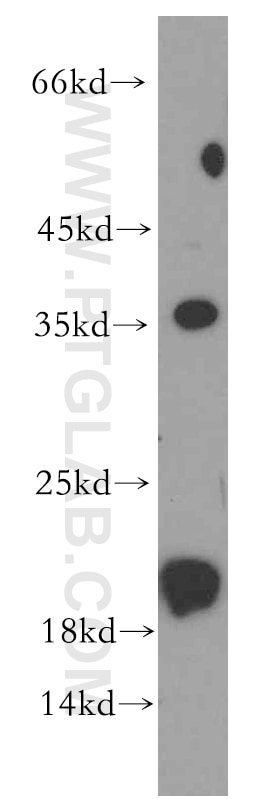
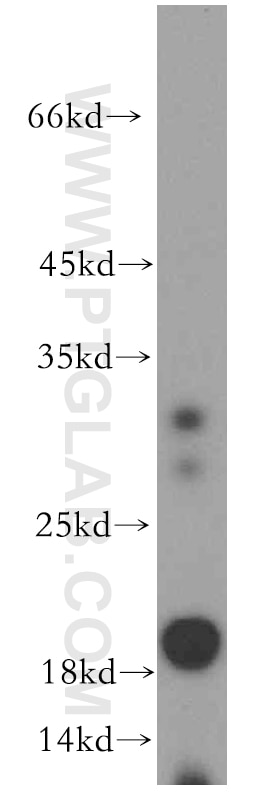
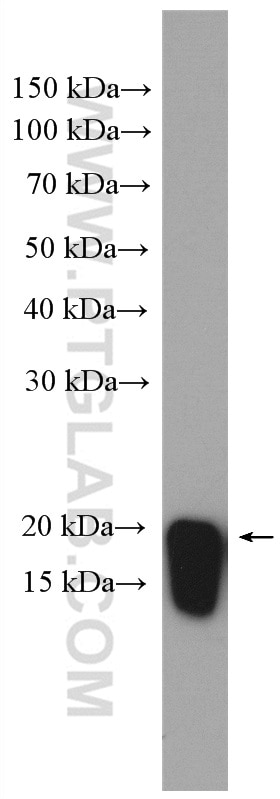
| Positive WB detected in | HepG2 cells, mouse liver tissue, A549 cells, human liver tissue, MCF-7 cells, HEK-293 cells, rat liver tissue |
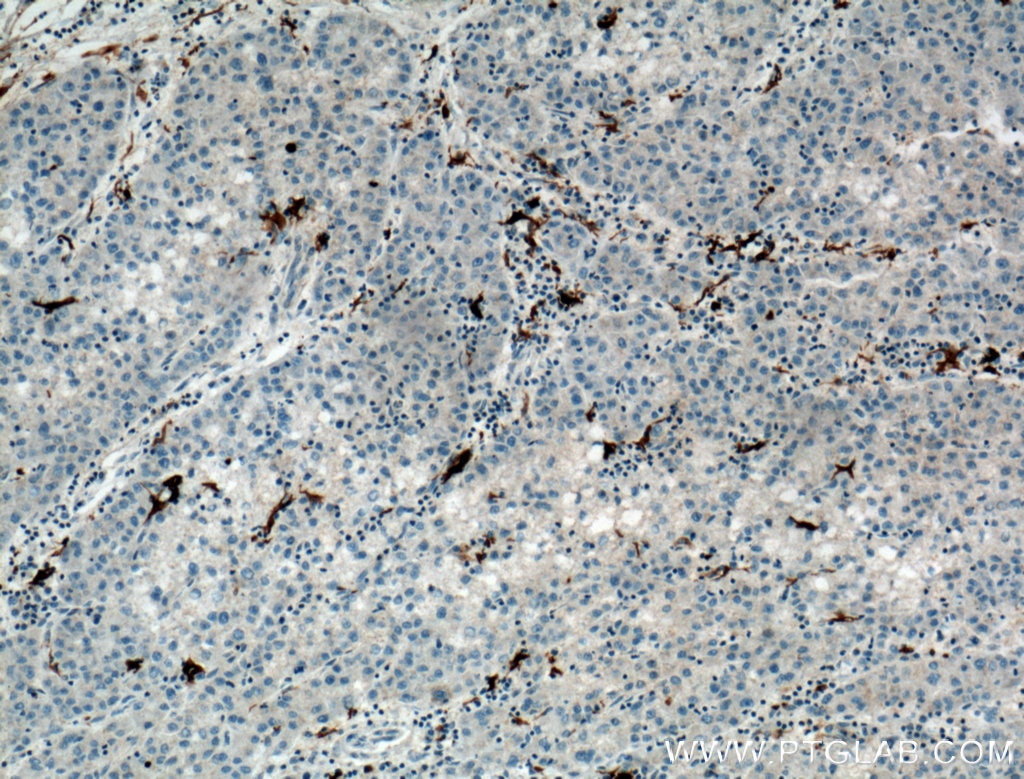
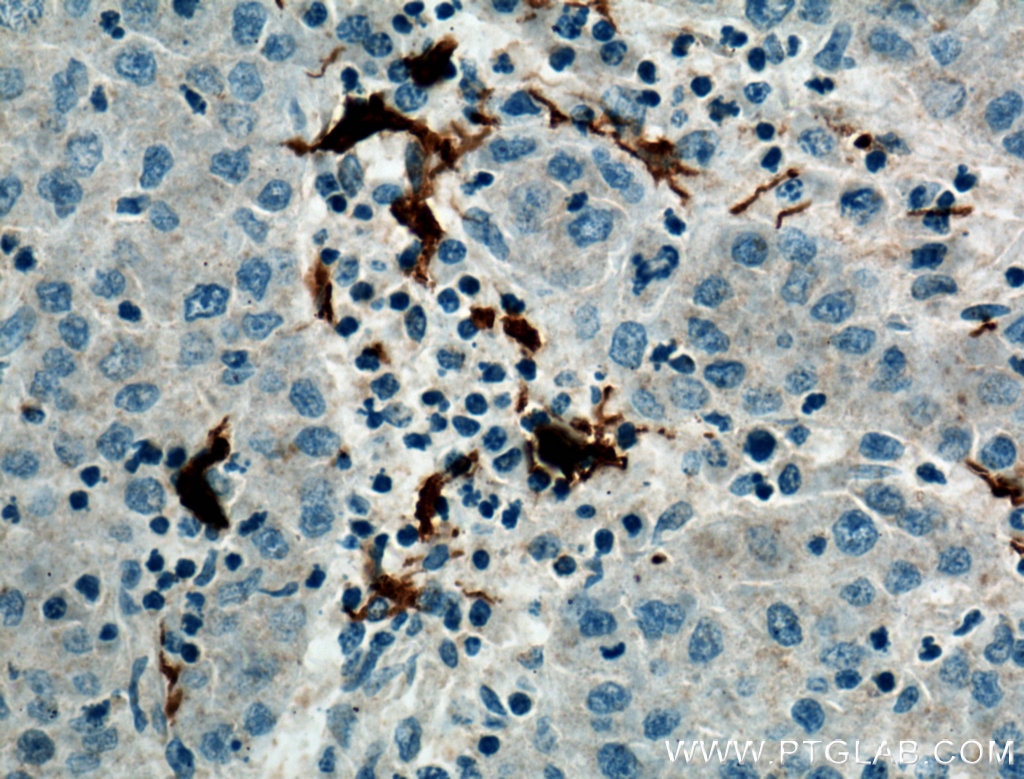
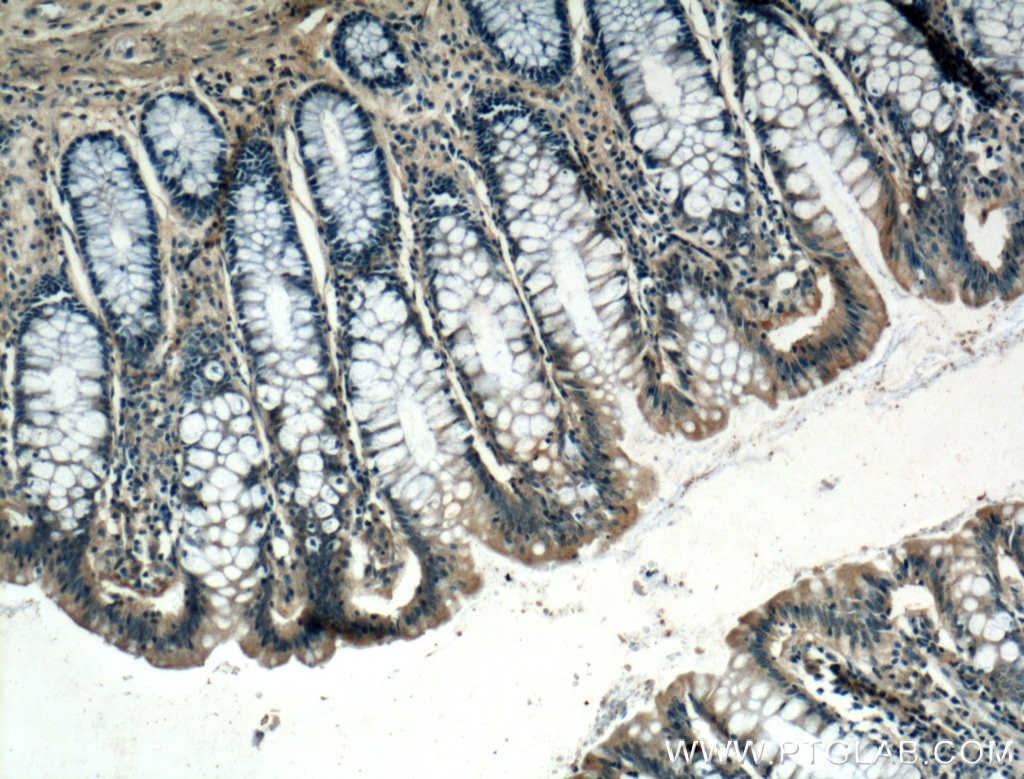
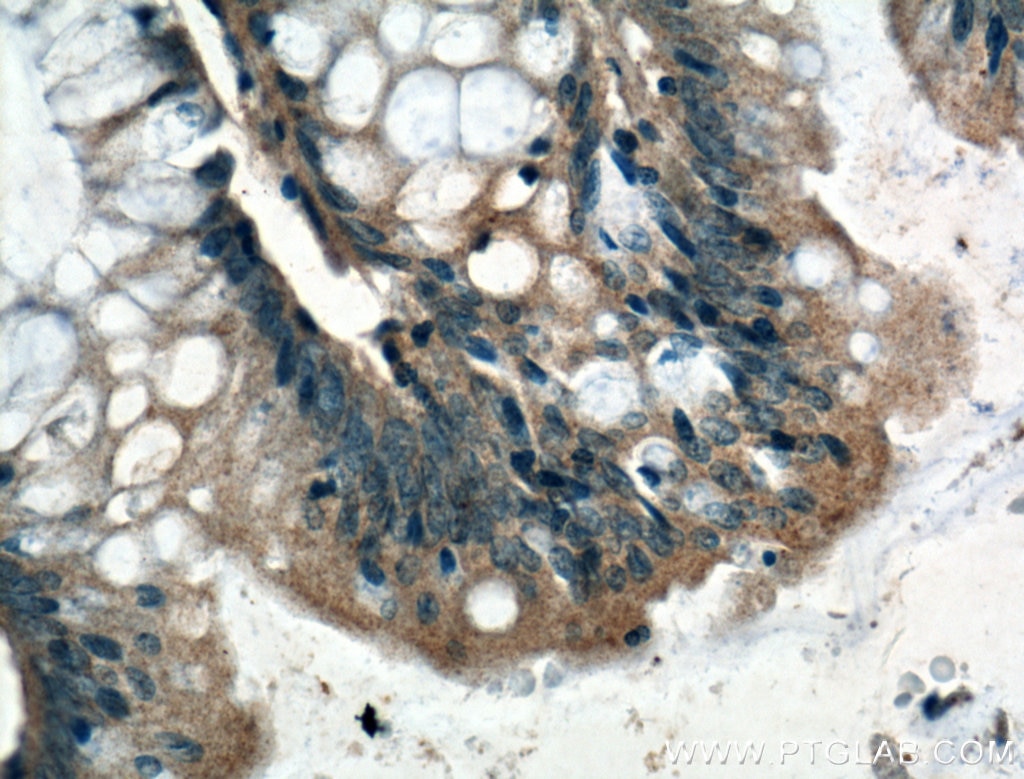
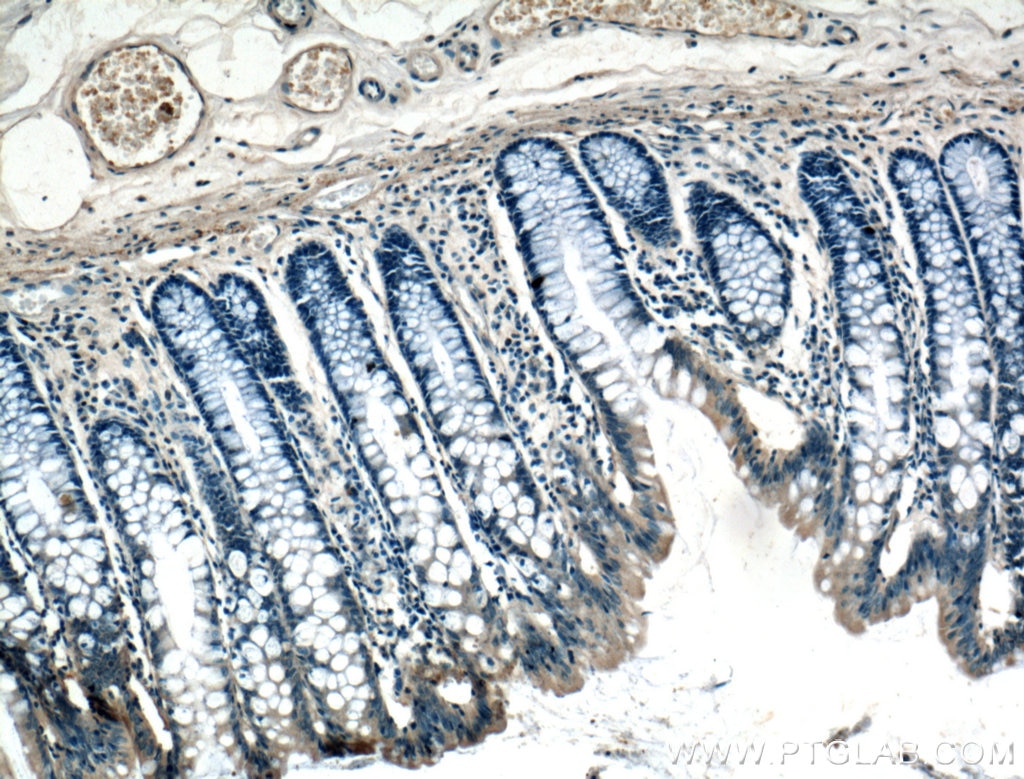
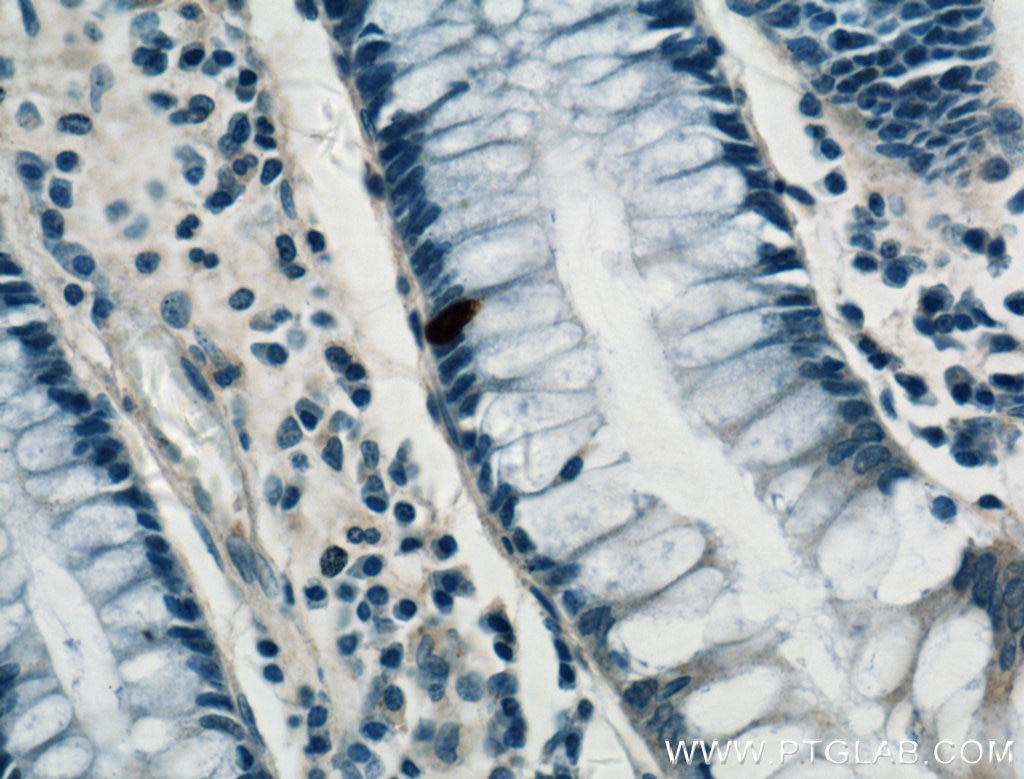
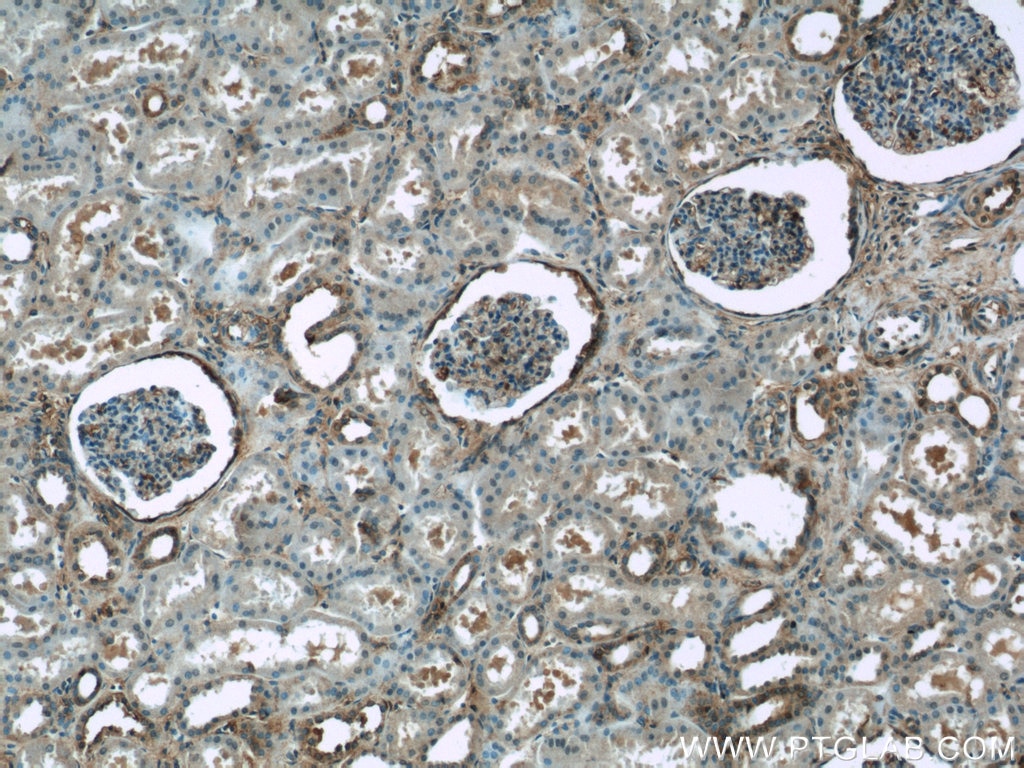
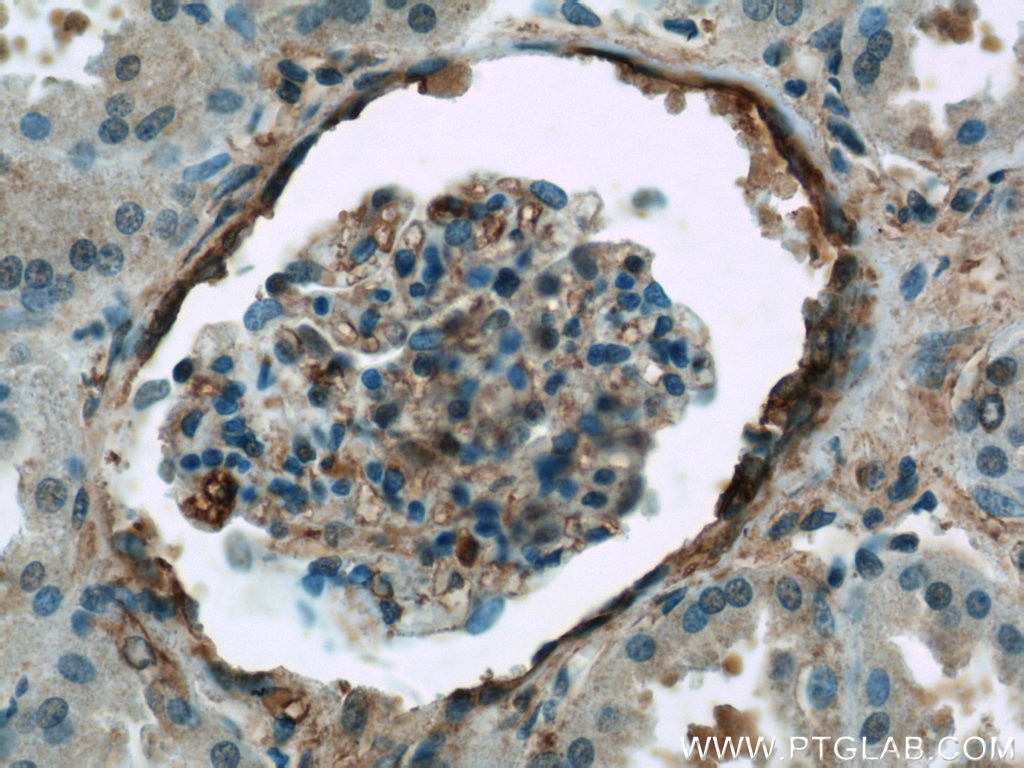
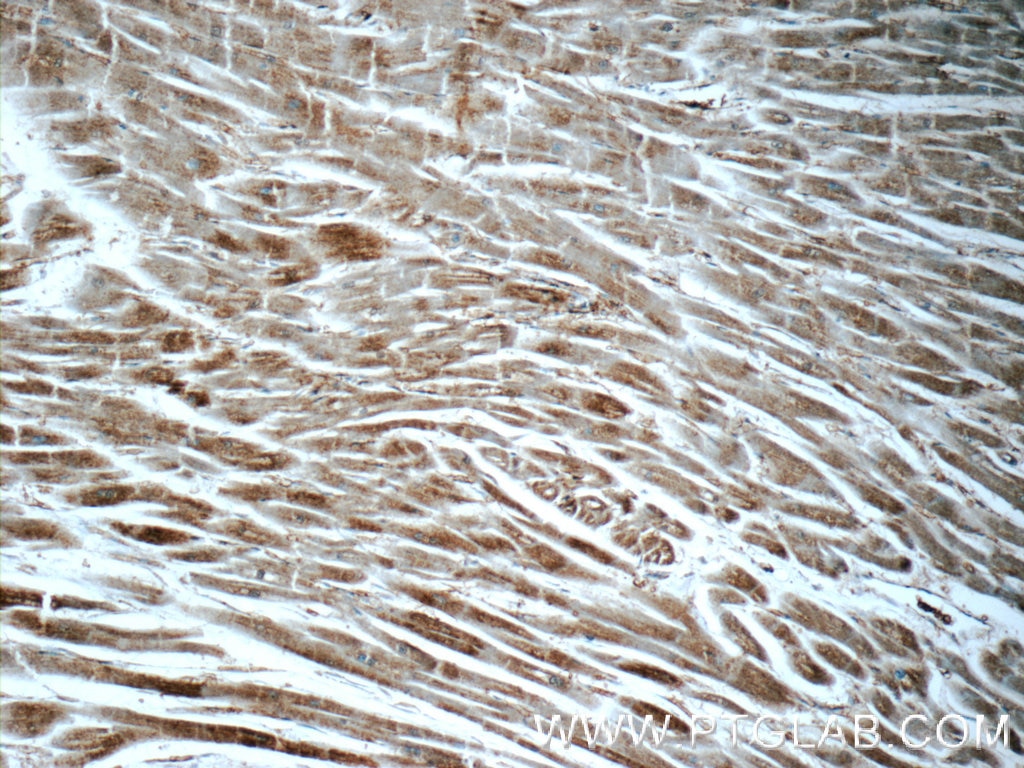
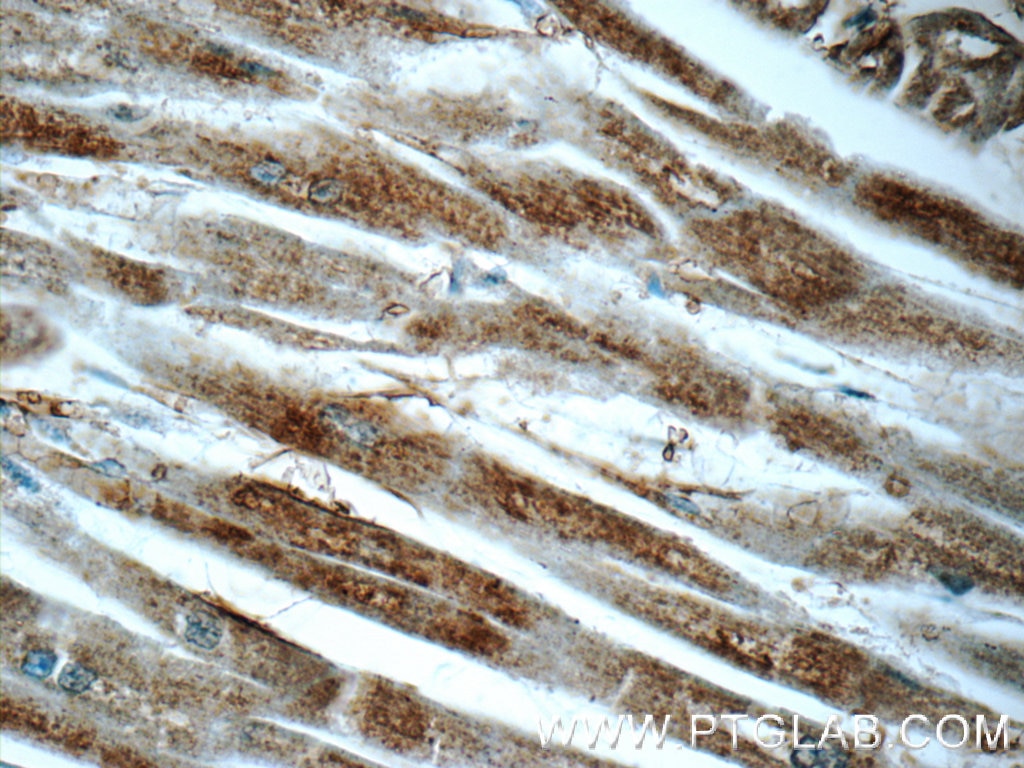
| Positive IHC detected in | human liver cancer tissue, human colon tissue, human heart tissue, human kidney tissue Note: suggested antigen retrieval with TE buffer pH 9.0; (*) Alternatively, antigen retrieval may be performed with citrate buffer pH 6.0 |
| Positive IF/ICC detected in | PC-3 cells |
Recommended dilution
| Application | Dilution |
|---|---|
| Western Blot (WB) | WB : 1:1000-1:4000 |
| Immunohistochemistry (IHC) | IHC : 1:50-1:500 |
| Immunofluorescence (IF)/ICC | IF/ICC : 1:200-1:800 |
| It is recommended that this reagent should be titrated in each testing system to obtain optimal results. | |
| Sample-dependent, Check data in validation data gallery. | |
Product Information
20225-1-AP targets ARF6-Specific in WB, IHC, IF/ICC, ELISA applications and shows reactivity with human, mouse, rat samples.
| Tested Reactivity | human, mouse, rat |
| Cited Reactivity | human, mouse |
| Host / Isotype | Rabbit / IgG |
| Class | Polyclonal |
| Type | Antibody |
| Immunogen |
Peptide Predict reactive species |
| Full Name | ADP-ribosylation factor 6 |
| Calculated Molecular Weight | 20 kDa |
| Observed Molecular Weight | 20 kDa |
| GenBank Accession Number | NM_001663 |
| Gene Symbol | ARF6 |
| Gene ID (NCBI) | 382 |
| RRID | AB_10646481 |
| Conjugate | Unconjugated |
| Form | Liquid |
| Purification Method | Antigen affinity purification |
| UNIPROT ID | P62330 |
| Storage Buffer | PBS with 0.02% sodium azide and 50% glycerol, pH 7.3. |
| Storage Conditions | Store at -20°C. Stable for one year after shipment. Aliquoting is unnecessary for -20oC storage. 20ul sizes contain 0.1% BSA. |
Background Information
ADP-ribosylation factors (ARFs) are members of the ARF family of GTP-binding proteins of the Ras superfamily, with 20 kDa protein size. ARFs bind and regulate GTP/GDP cycle by alternating between the active GTP-bound and inactive GDP-bound conformations. ARF family proteins are essential and ubiquitous in eukaryotes. Six highly conserved members of the family have been identified in mammalian cells. They function in vesicular traffic and actin remodelling and other bioprocesses in cells. The ARF6 is one of best identified ARFs It is present at the plasma membrane and to some extent on endosomal membranes where it regulates the flow of trafficking into and out of the cell and the actin cytoskeleton. The antibody is specific to ARF6.
Protocols
| Product Specific Protocols | |
|---|---|
| IF protocol for ARF6-Specific antibody 20225-1-AP | Download protocol |
| IHC protocol for ARF6-Specific antibody 20225-1-AP | Download protocol |
| WB protocol for ARF6-Specific antibody 20225-1-AP | Download protocol |
| Standard Protocols | |
|---|---|
| Click here to view our Standard Protocols |
Publications
What published studies show
The ARF6-Specific Polyclonal antibody (Cat# 20225-1-AP) has 32 citations spanning journals including Nature Cell Biology, Nature Communications, Cell Metabolism, Cell Reports, ACS Nano, Journal of Extracellular Vesicles, Cancer Letters, International Journal of Biological Sciences, Journal of Biological Chemistry, and PLoS ONE. Research fields encompass extracellular vesicle biology, cancer progression, membrane trafficking, cell signaling, lipid metabolism, neurobiology, and reproductive biology.
| Species | Application | Title |
|---|---|---|
Cell Metab Liver-breast communication of adipocyte-oriented exosomes drives primary mammary cancer progression | ||
J Extracell Vesicles RAB22A sorts epithelial growth factor receptor (EGFR) from early endosomes to recycling endosomes for microvesicles release | ||
J Extracell Vesicles Magnetic-Assisted Aptamer Selection and Isolation of Migrasomes for Application in Lung Adenocarcinoma Proteomic Analysis. | ||
Nat Commun Targeting EGFR-dependent tumors by disrupting an ARF6-mediated sorting system
| ||
Nat Commun Adipocyte small extracellular vesicle-derived microRNA-30a-3p exacerbates hepatic steatosis in high fat diet-fed male mice. |
Reviews
What customers say
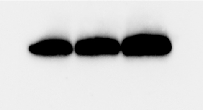
All three reviews rate the product 5 out of 5 stars, with consistent praise for its performance in Western blotting. Users report reliable results across different sample types, including human tissue, mouse liver tumors versus non-tumor controls, and melanoma cells. One reviewer also confirmed strong performance in immunofluorescence, using a 1:200 dilution for IF and 1:3000 for WB. Overall, customers describe the antibody as effective and well-suited for both WB and IF applications, with no negative feedback noted.
The reviews below have been submitted by verified Proteintech customers who received an incentive for providing their feedback.
Boyan (Verified Customer) (06-19-2026) | good for WB
|
Angélique (Verified Customer) (04-27-2026) | western-blot on mouse liver tumors compared to non-tumor tissues
 |
Grace (Verified Customer) (07-23-2025) | Works well for western blotting and immunofluorescence with tumor cells.
|



















