

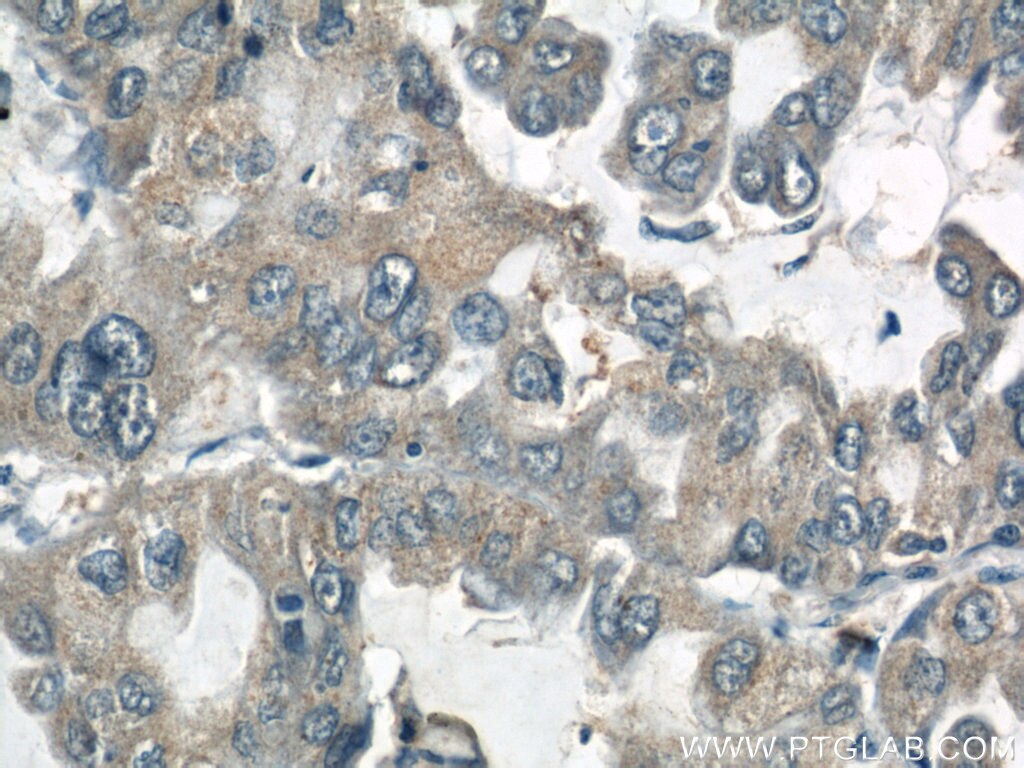
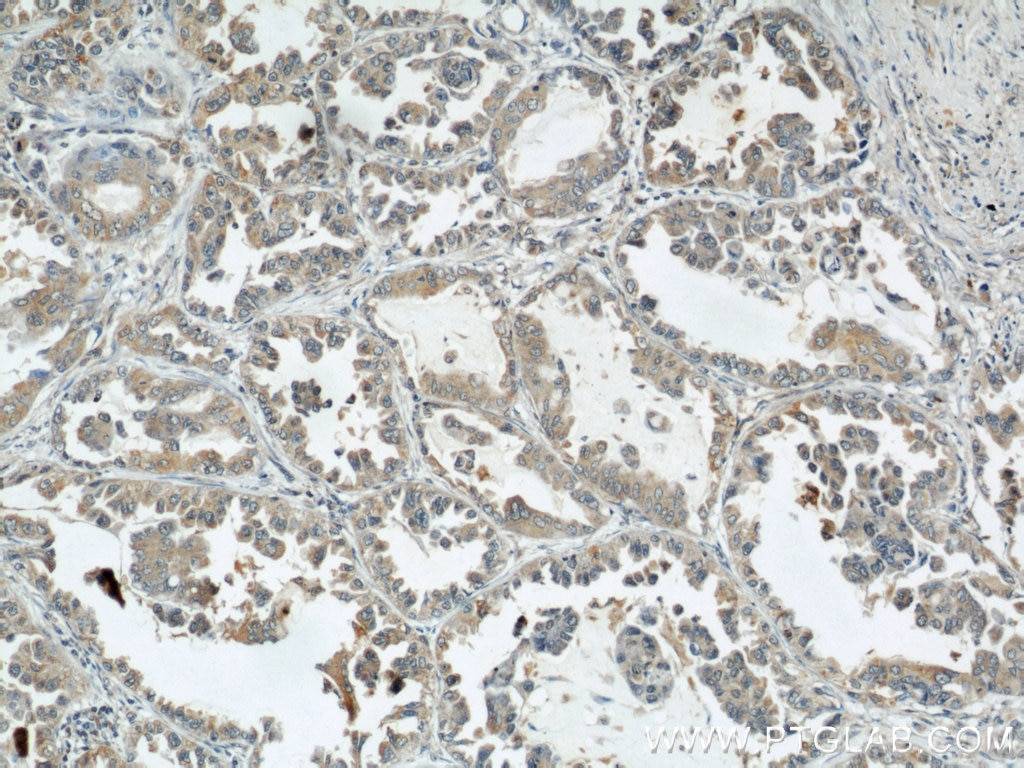
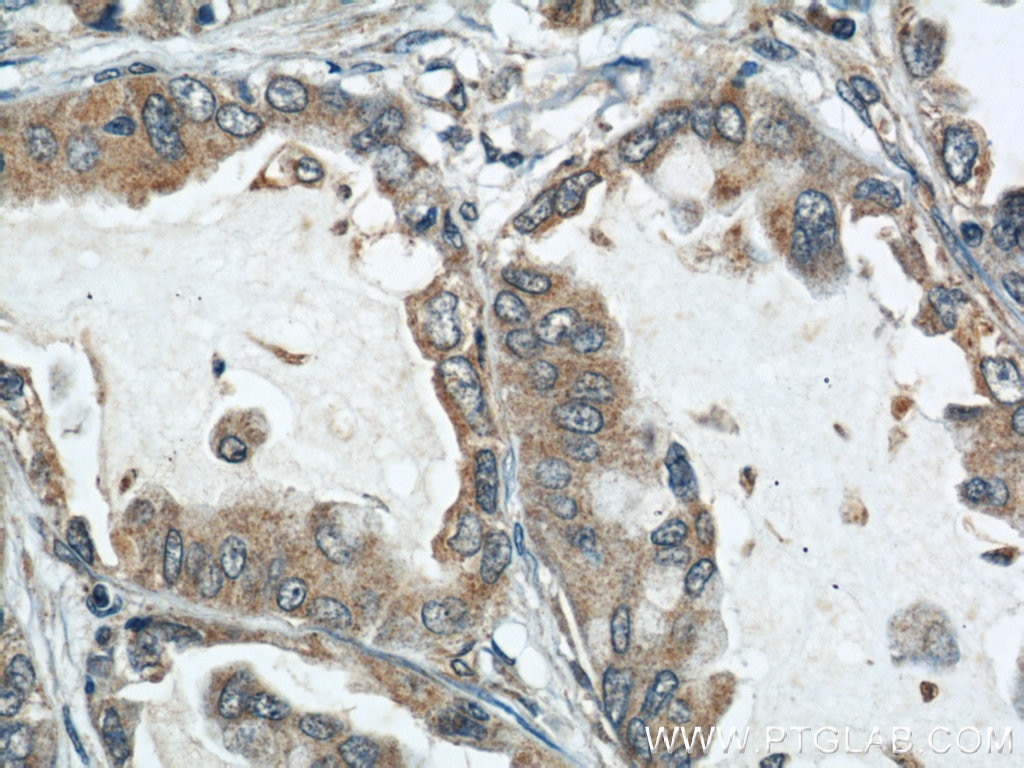

Tested Applications
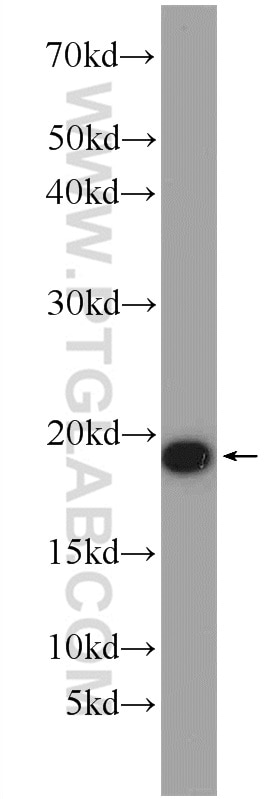
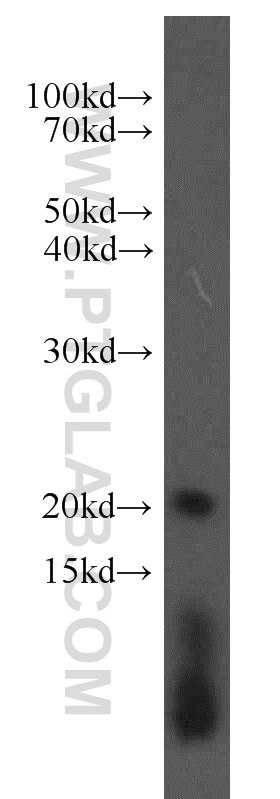
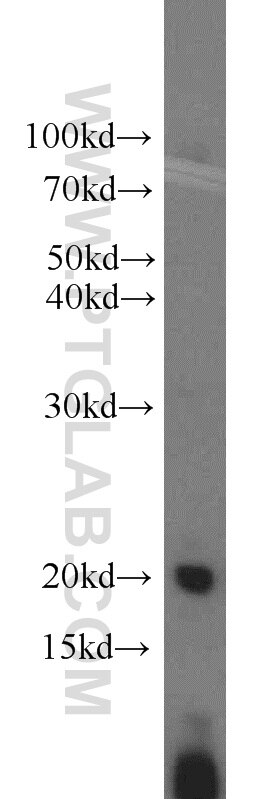
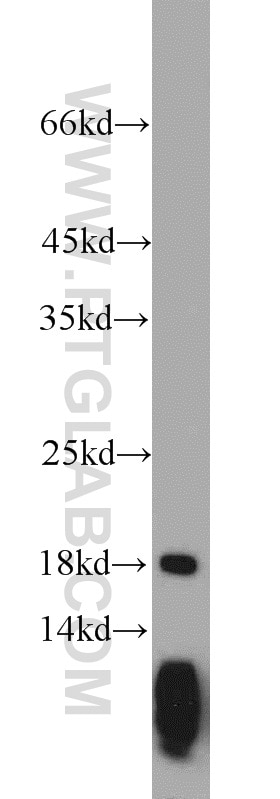
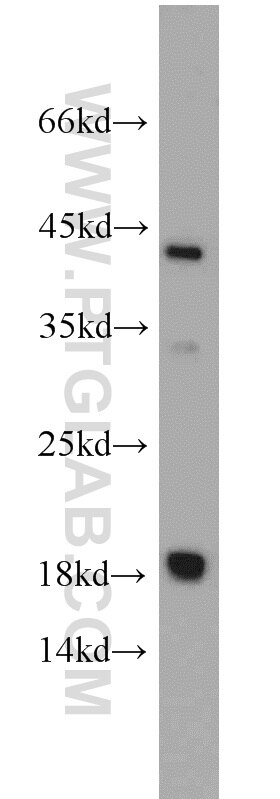
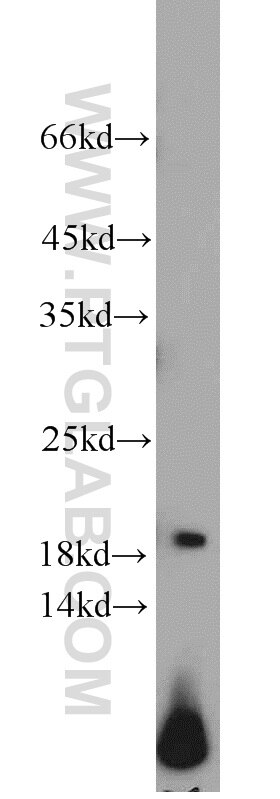
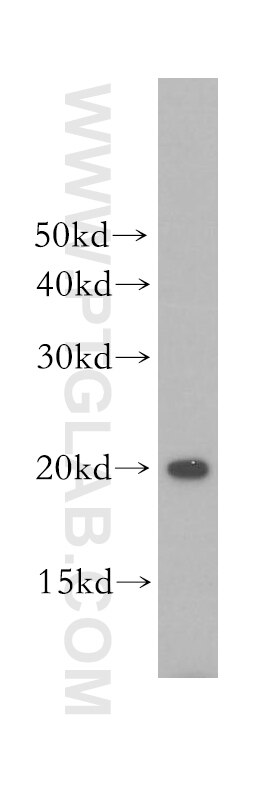
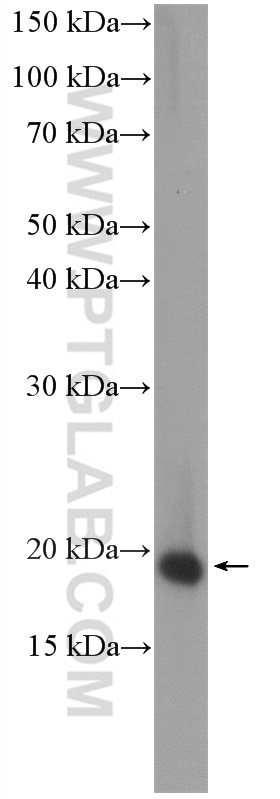
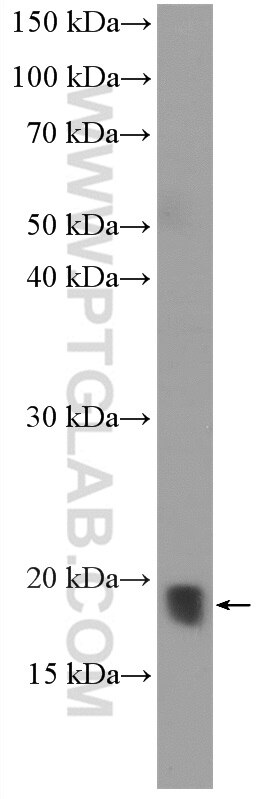
| Positive WB detected in | mouse brain tissue, mouse small intestine tissue, rat lymph tissue, 4T1 cells, human placenta tissue, human brain tissue, mouse cerebellum tissue, MCF-7 cells |
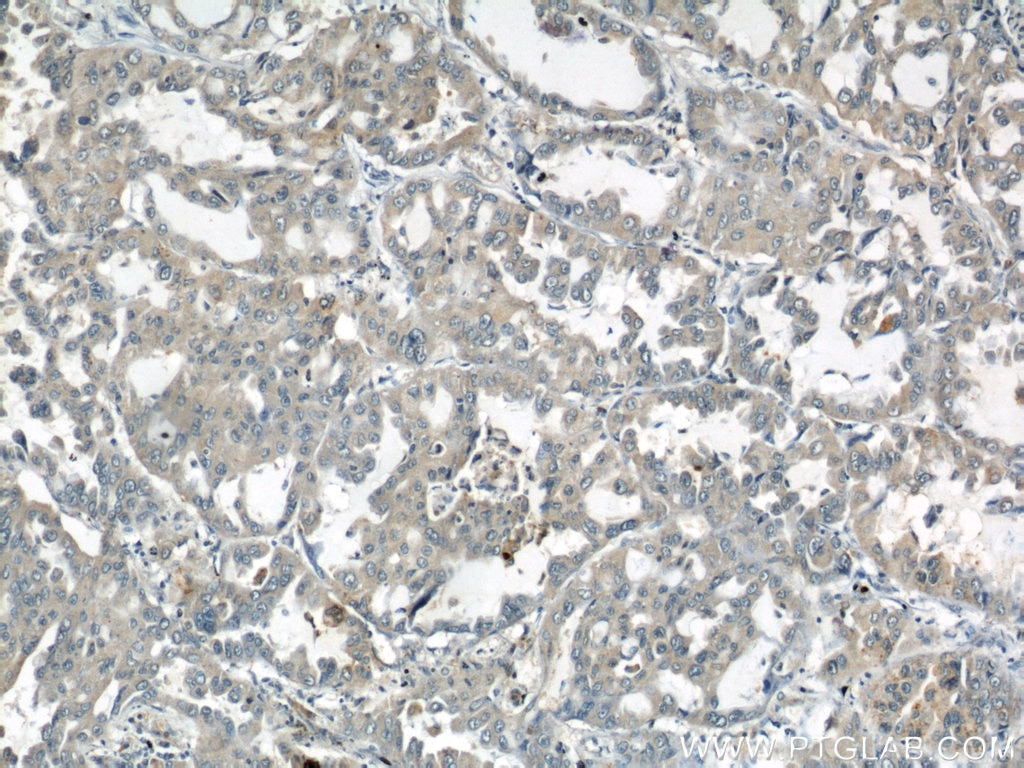
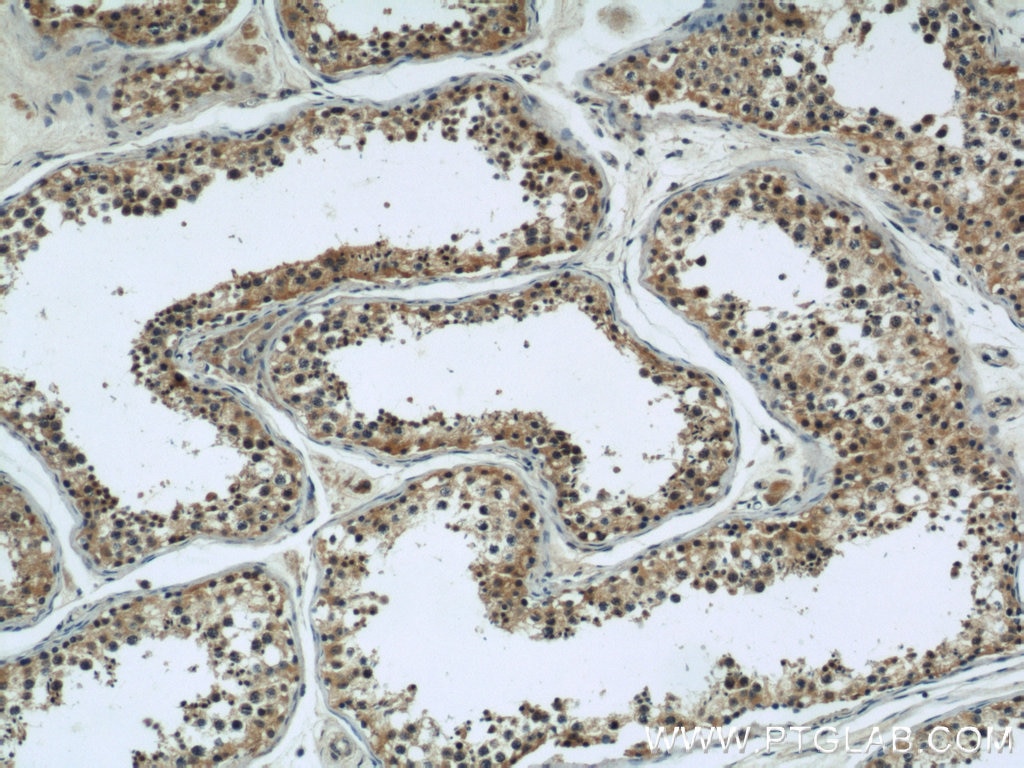
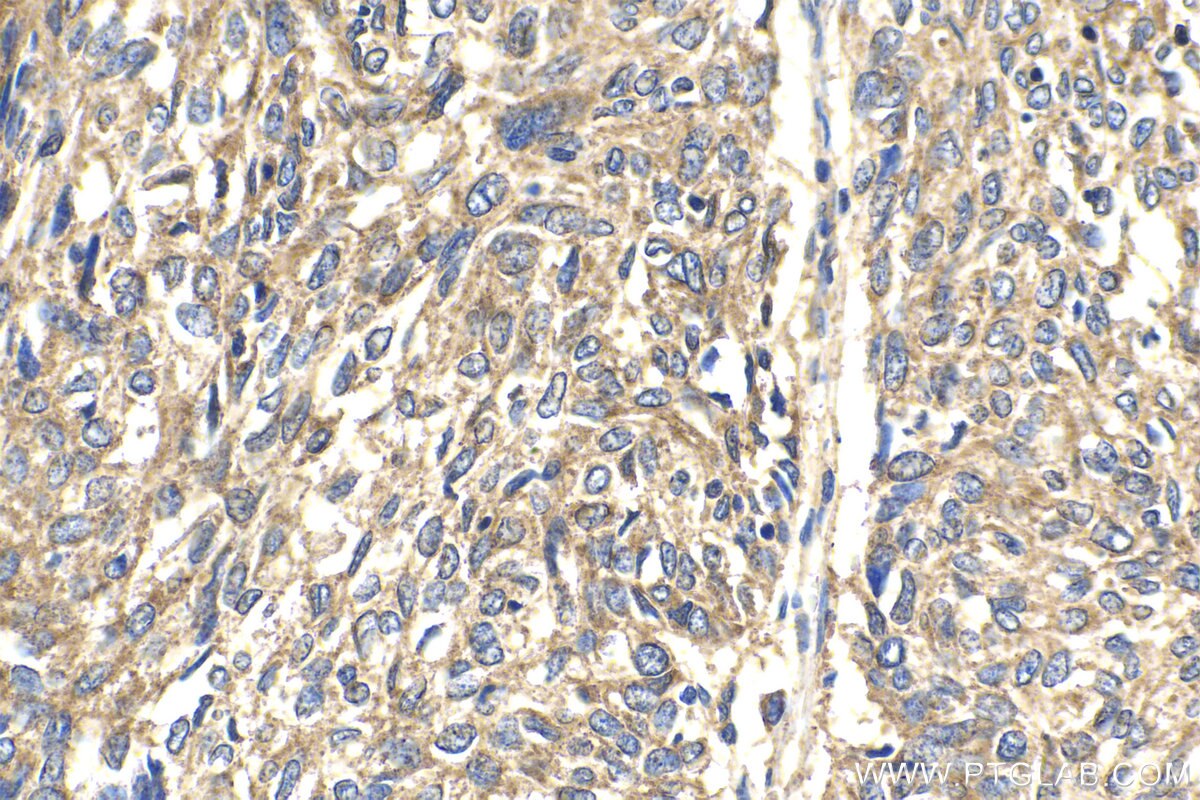
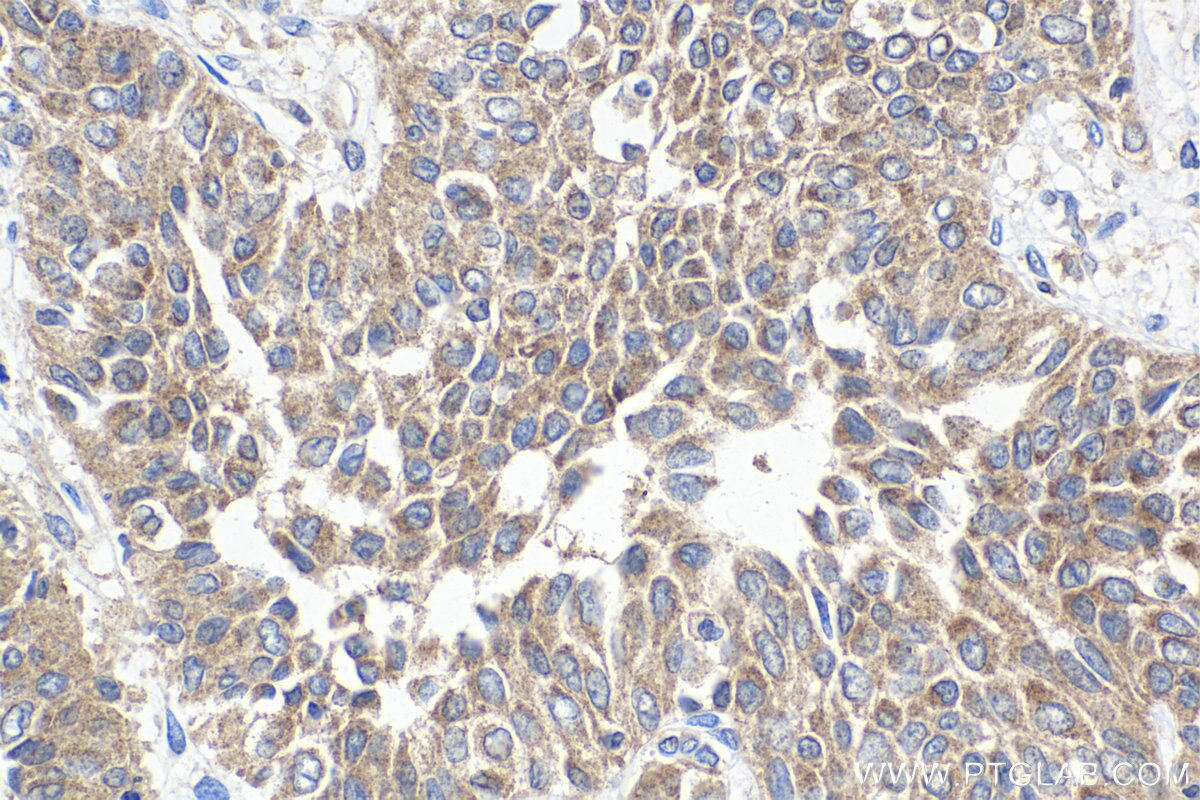
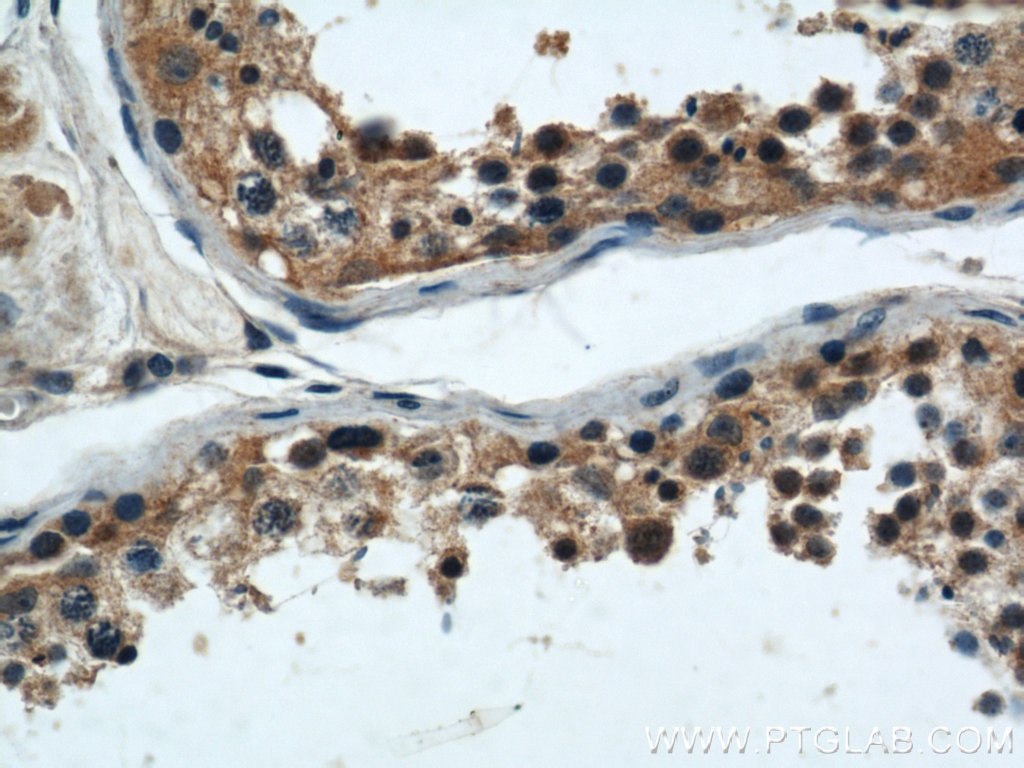
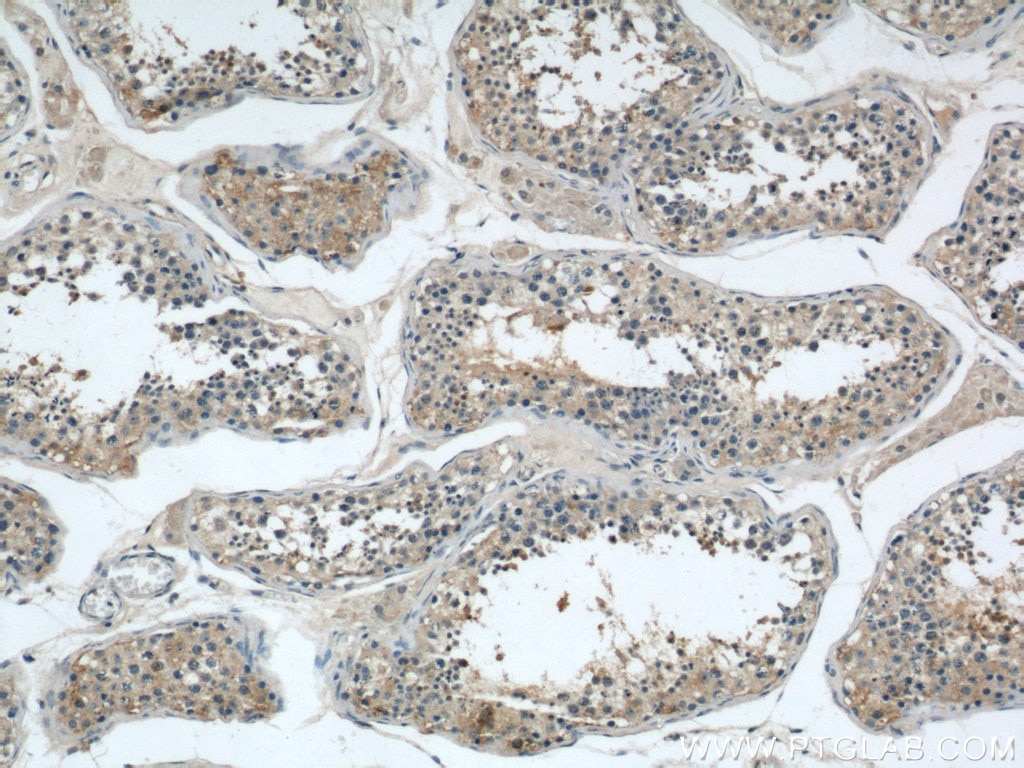
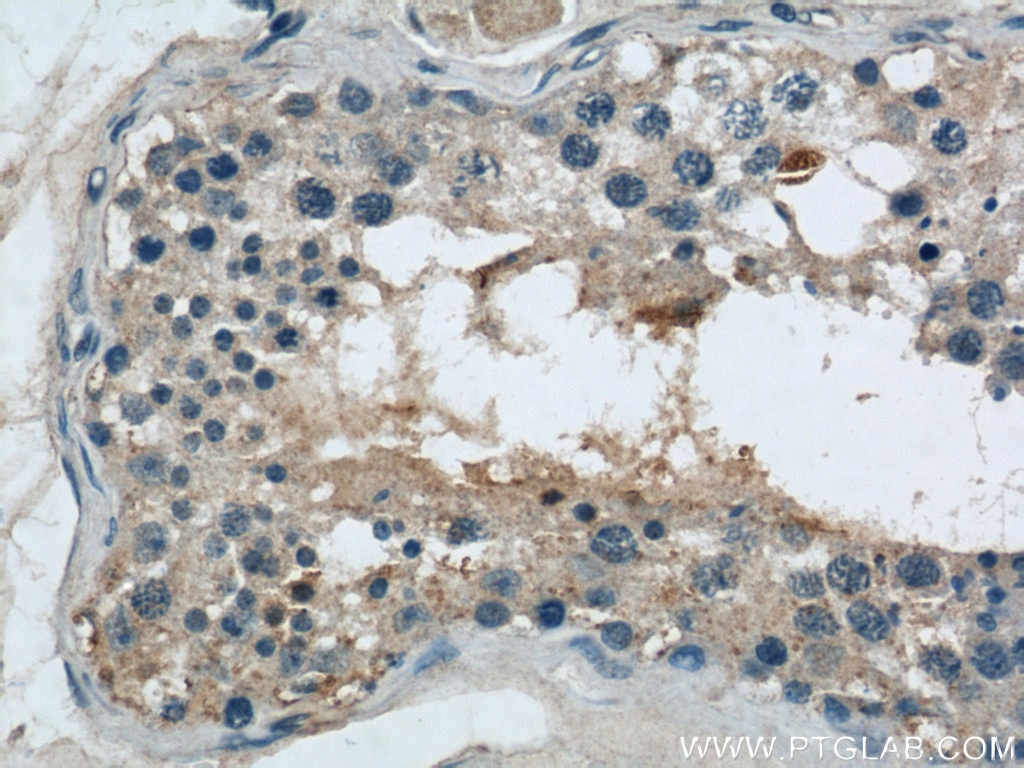
| Positive IHC detected in | human cervical cancer tissue, human testis tissue, human lung cancer tissue, human urothelial carcinoma tissue Note: suggested antigen retrieval with TE buffer pH 9.0; (*) Alternatively, antigen retrieval may be performed with citrate buffer pH 6.0 |
Recommended dilution
| Application | Dilution |
|---|---|
| Western Blot (WB) | WB : 1:500-1:2000 |
| Immunohistochemistry (IHC) | IHC : 1:50-1:500 |
| It is recommended that this reagent should be titrated in each testing system to obtain optimal results. | |
| Sample-dependent, Check data in validation data gallery. | |
Product Information
10930-1-AP targets ARPC4 in WB, IHC, IF, IP, ELISA applications and shows reactivity with human, mouse, rat samples.
| Tested Reactivity | human, mouse, rat |
| Cited Reactivity | human, mouse, bovine |
| Host / Isotype | Rabbit / IgG |
| Class | Polyclonal |
| Type | Antibody |
| Immunogen |
CatNo: Ag1366 Product name: Recombinant human ARPC4 protein Source: e coli.-derived, PGEX-4T Tag: GST Domain: 1-167 aa of BC012596 Sequence: TATLRPYLSAVRATLQAALCLENFSSQVVERHNKPEVEVRSSKELLLQPVTISRNEKEKVLIEGSINSVRVSIAVKQADEIEKILCHKFMRFTMMRAENFFILRRKPVEGYDISFLITNFHTEQMYKHKLVDFVIHFMEEIDKEISEMKLSVNARARIVAEEFLKNF Predict reactive species |
| Full Name | actin related protein 2/3 complex, subunit 4, 20kDa |
| Calculated Molecular Weight | 20 kDa |
| Observed Molecular Weight | 19-25 kDa |
| GenBank Accession Number | BC012596 |
| Gene Symbol | ARPC4 |
| Gene ID (NCBI) | 10093 |
| RRID | AB_2059951 |
| Conjugate | Unconjugated |
| Form | Liquid |
| Purification Method | Antigen affinity purification |
| UNIPROT ID | P59998 |
| Storage Buffer | PBS with 0.02% sodium azide and 50% glycerol, pH 7.3. |
| Storage Conditions | Store at -20°C. Stable for one year after shipment. Aliquoting is unnecessary for -20oC storage. 20ul sizes contain 0.1% BSA. |
Background Information
The ARP2/3 complex consists of seven subunits: two actin-related proteins (ARP2 and ARP3) and five ARP2/3 complex polypeptides (ARPC1B and ARPC2-5). ARPC4 is a core subunit of the actin-related protein (ARP2/3) complex, which catalyzes the formation of F-actin networks. ARPC4 is essential for the structural integrity of the ARP2/3 complex function. Mutations in ARPC4 cause Developmental delay, language impairment, and ocular abnormalities (DEVLO)(PMID: 35047857).
Protocols
| Product Specific Protocols | |
|---|---|
| IHC protocol for ARPC4 antibody 10930-1-AP | Download protocol |
| WB protocol for ARPC4 antibody 10930-1-AP | Download protocol |
| Standard Protocols | |
|---|---|
| Click here to view our Standard Protocols |
Publications
What published studies show
The ARPC4 polyclonal antibody (Cat# 10930-1-AP) has 9 citations across journals including Drug Resistance Updates, Advanced Science, Science Advances, Nature Structural & Molecular Biology, Biomolecules, Life Science Alliance, Biochimica et Biophysica Acta, and International Journal of Molecular Sciences. Research fields span drug resistance in gliomas, oocyte development, alternative splicing in CML, cancer metastasis, mastitis inflammation, T-cell signaling, hepatocellular carcinoma, and cytoskeletal/inflammasome regulation.
| Species | Application | Title |
|---|---|---|
Drug Resist Updat Intercellular adhesion molecule-1 suppresses TMZ chemosensitivity in acquired TMZ-resistant gliomas by increasing assembly of ABCB1 on the membrane | ||
Adv Sci (Weinh) Microfilament-Myosin II Regulates the Differentiation of Multinucleated Cysts into Oocytes and Influences Oocyte Developmental Potential in Mice. | ||
Sci Adv Transcriptional readthrough precedes alternative splicing programs triggered in CML cells by imatinib. | ||
Biomolecules Activation of ARP2/3 and HSP70 Expression by Lipoteichoic Acid: Potential Bidirectional Regulation of Apoptosis in a Mastitis Inflammation Model | ||
Biomolecules Targeted Regulation of HSP70 by the ARP2/3 Complex in Mammary Epithelial Cells and Its Impact on Host Cell Apoptosis |





















