

Product Information
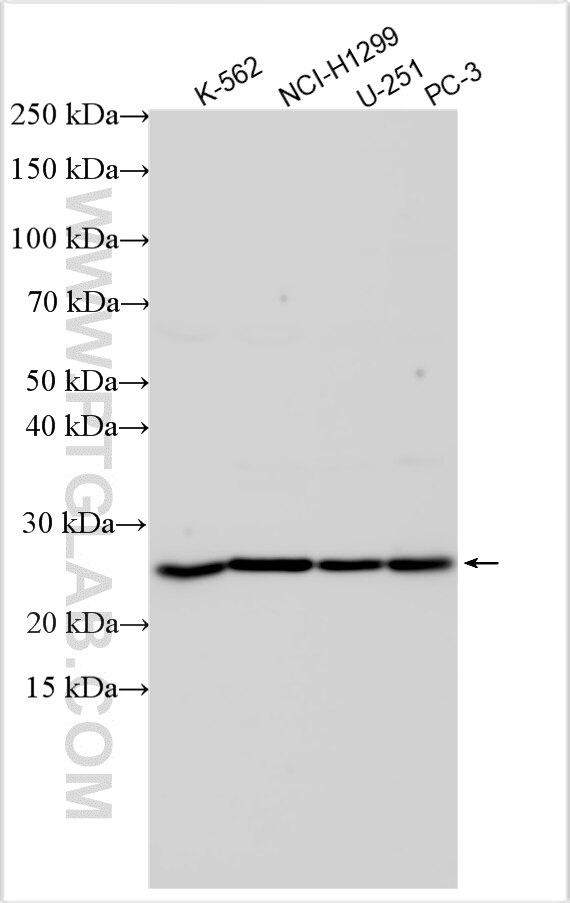
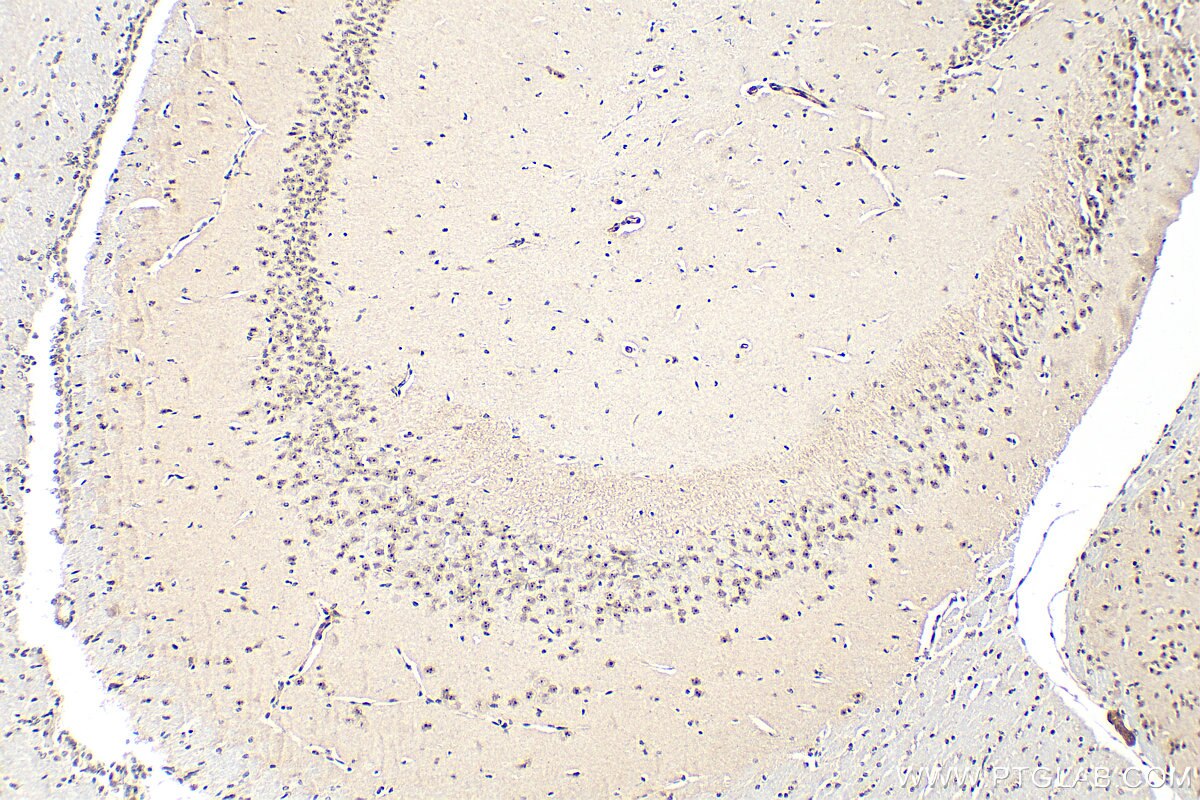
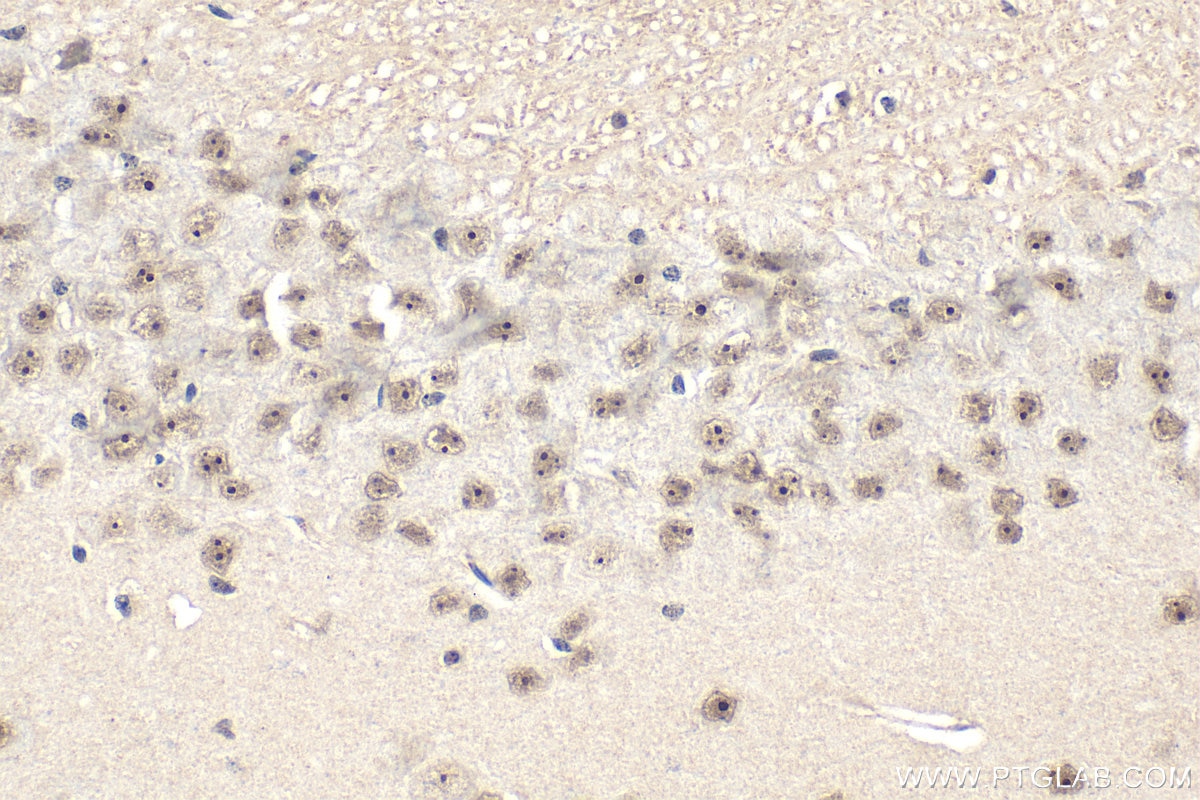
31206-1-PBS targets ASCL1 in WB, IHC, Indirect ELISA applications and shows reactivity with human, mouse samples.
| Tested Reactivity | human, mouse |
| Host / Isotype | Rabbit / IgG |
| Class | Polyclonal |
| Type | Antibody |
| Immunogen |
CatNo: Ag35185 Product name: Recombinant human ASCL1 protein Source: e coli.-derived, PGEX-4T Tag: GST Domain: 1-118 aa of BC003134 Sequence: MESSAKMESGGAGQQPQPQPQQPFLPPAACFFATAAAAAAAAAAAAAQSAQQQQQQQQQQQQAPQLRPAADGQPSGGGHKSAPKQVKRQRSSSPELMRCKRRLNFSGFGYSLPQQQPA Predict reactive species |
| Full Name | achaete-scute complex homolog 1 (Drosophila) |
| Calculated Molecular Weight | 25 kDa |
| Observed Molecular Weight | 25 kDa |
| GenBank Accession Number | BC003134 |
| Gene Symbol | ASCL1 |
| Gene ID (NCBI) | 429 |
| RRID | AB_3669901 |
| Conjugate | Unconjugated |
| Form | Liquid |
| Purification Method | Antigen affinity Purification |
| UNIPROT ID | P50553 |
| Storage Buffer | PBS only, pH 7.3. |
| Storage Conditions | Store at -80°C. |
Background Information
ASCL1 (achaete-scute family bHLH transcription factor 1), also known as ASH1. It is expected to be located in nucleus. Transcription factor that plays a key role in neuronal differentiation: acts as a pioneer transcription factor, accessing closed chromatin to allow other factors to bind and activate neural pathways. Plays a role at early stages of development of specific neural lineages in most regions of the CNS, and of several lineages in the PNS. Essential for the generation of olfactory and autonomic neurons. Acts synergistically with FOXN4 to specify the identity of V2b neurons rather than V2a from bipotential p2 progenitors during spinal cord neurogenesis, probably through DLL4-NOTCH signaling activation. Involved in the regulation of neuroendocrine cell development in the glandular stomach. The calculated molecular weight of ASCL1 is 25 kDa.




