
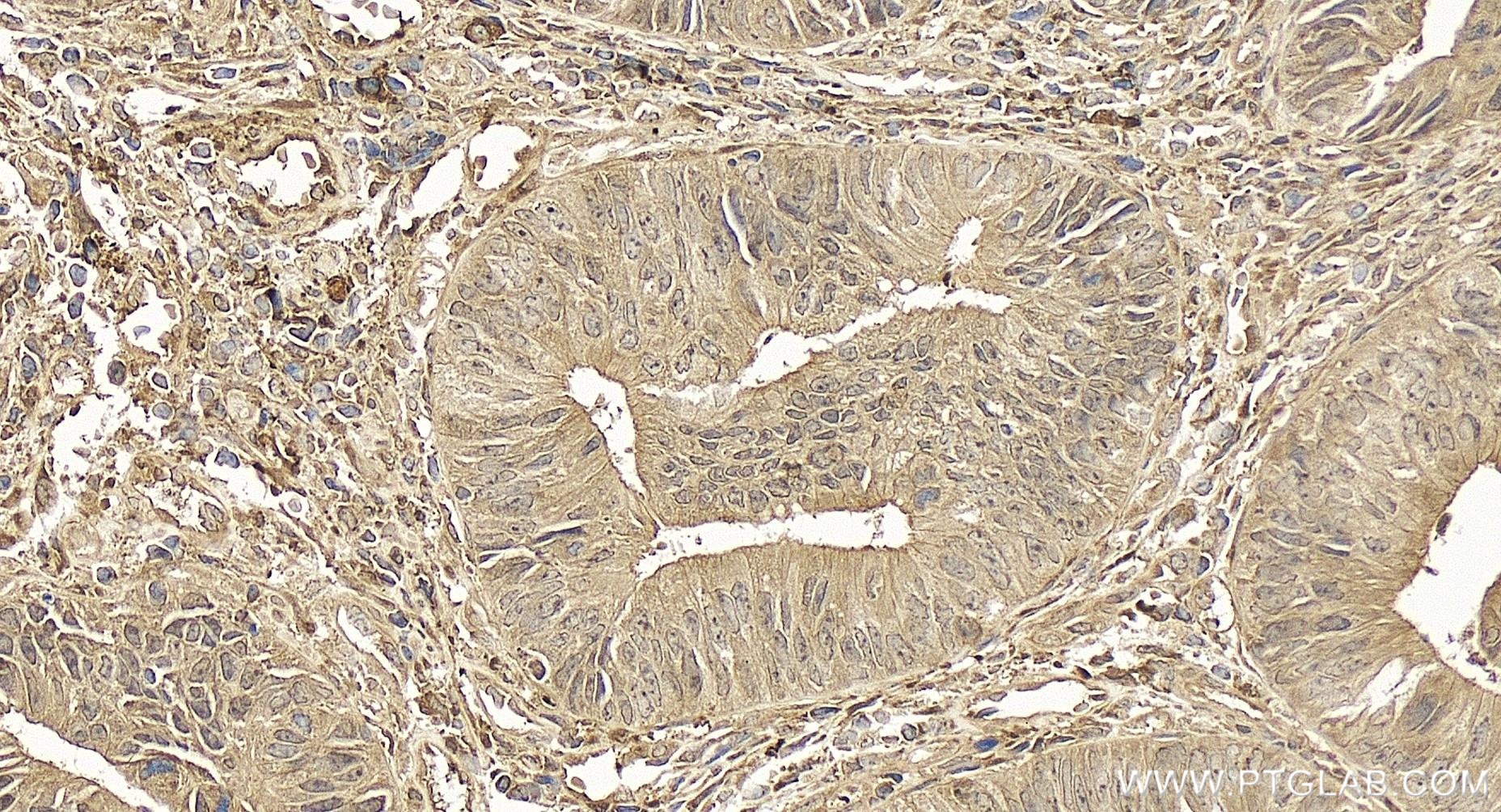
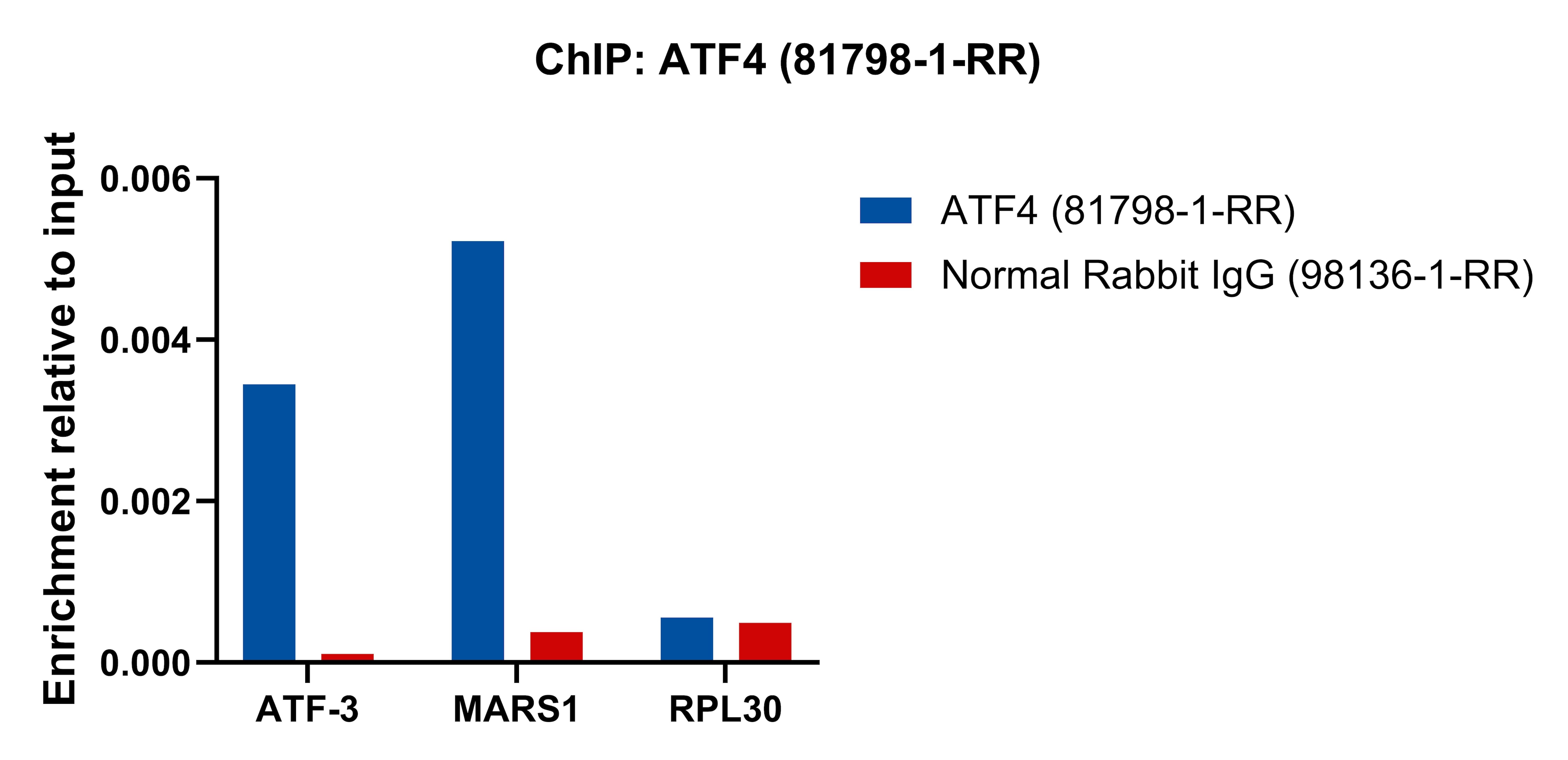
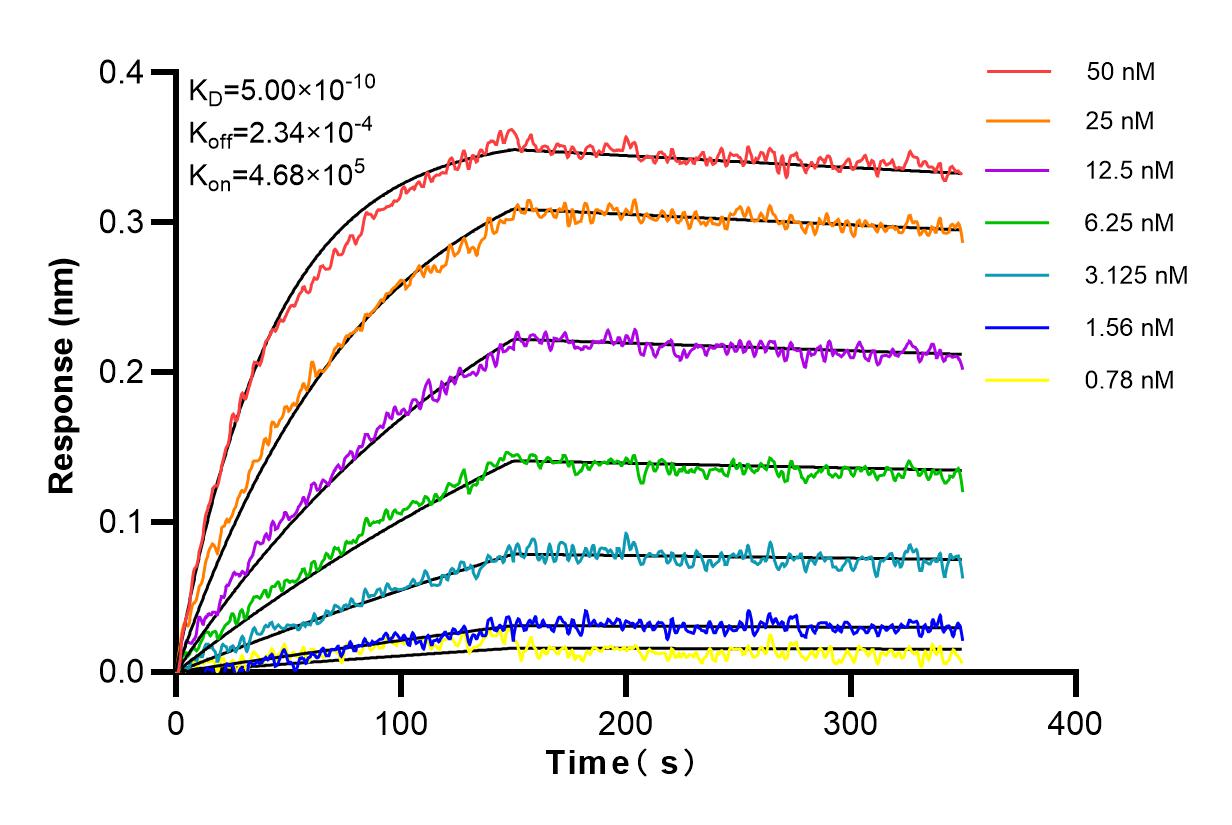

Tested Applications
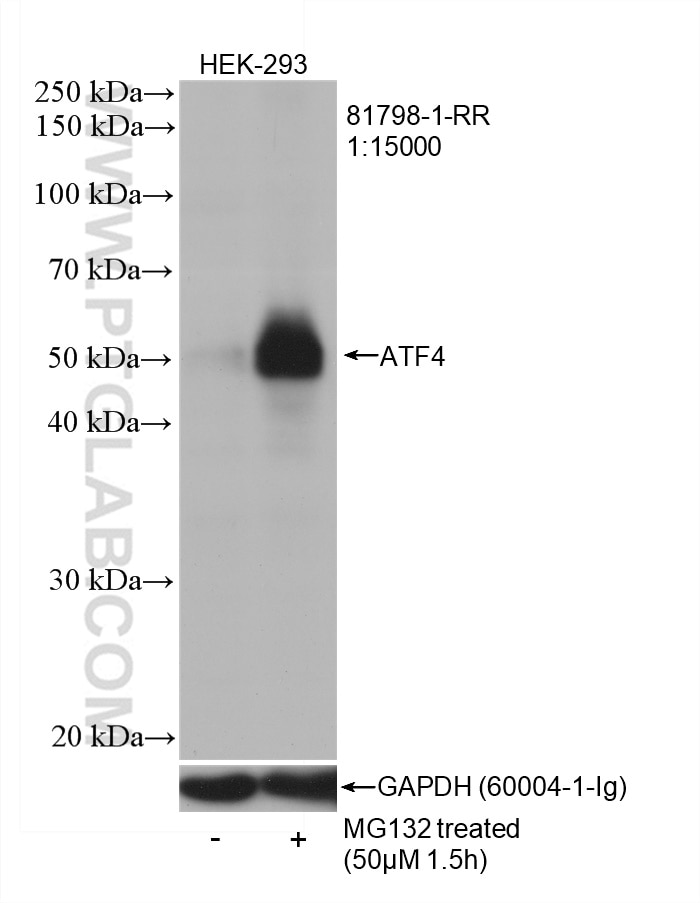
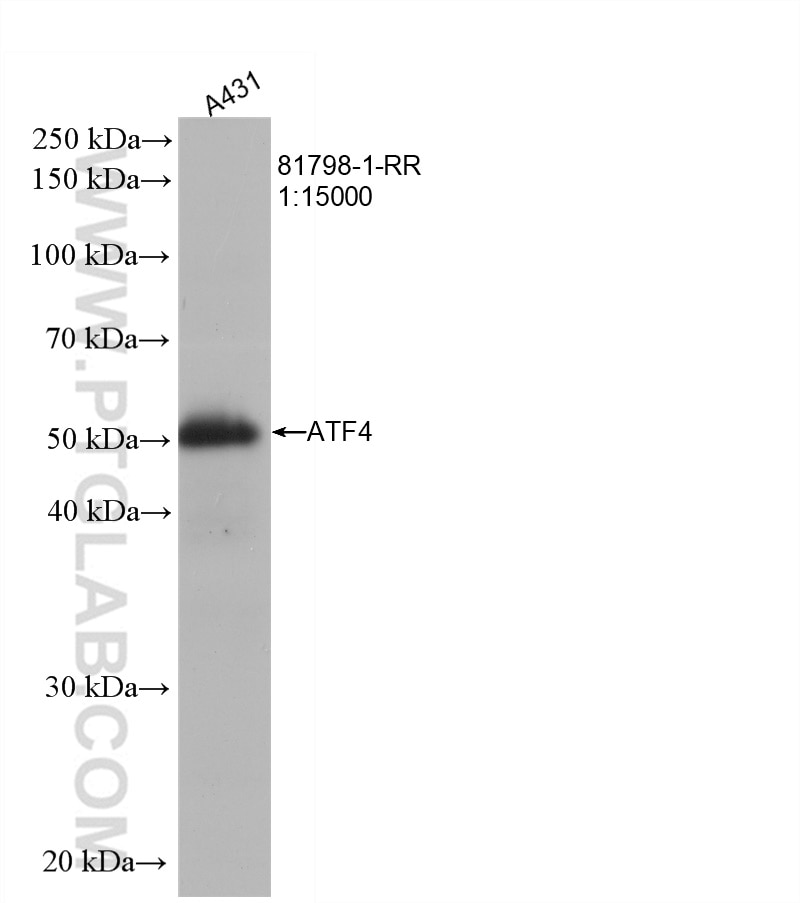
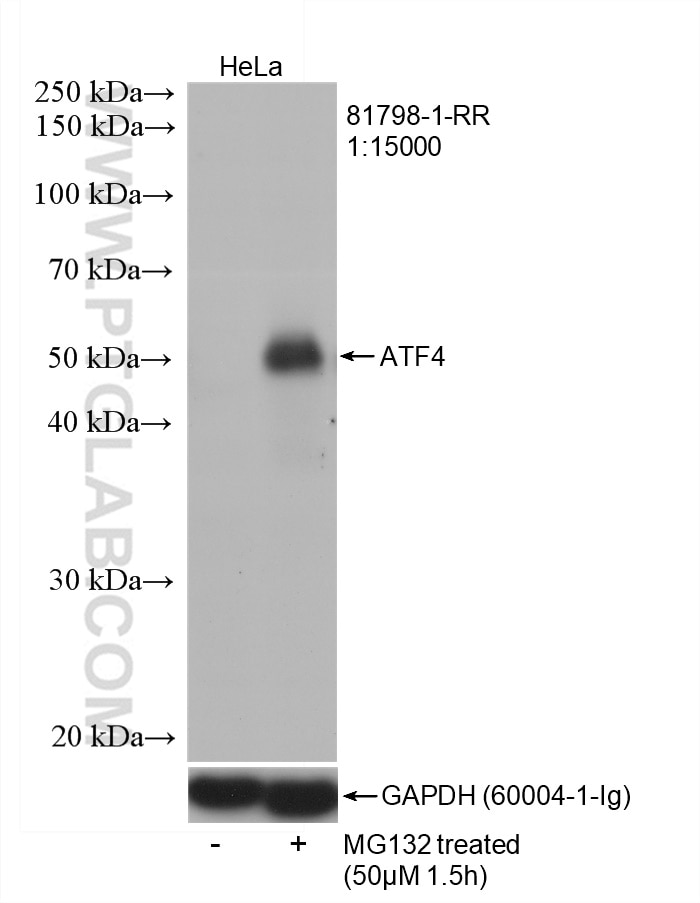
| Positive WB detected in | A431 cells, MG132 treated HEK-293 cells, MG132 treated HeLa cells |
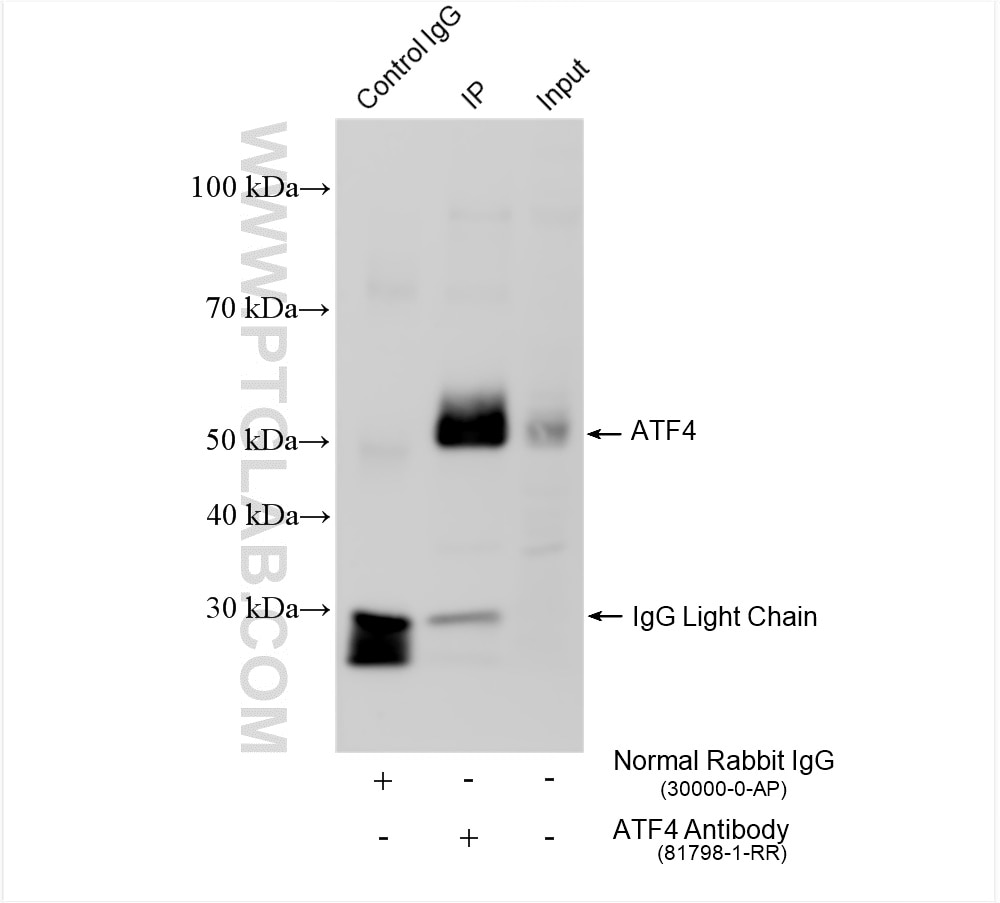
| Positive IP detected in | HEK-293 cells |
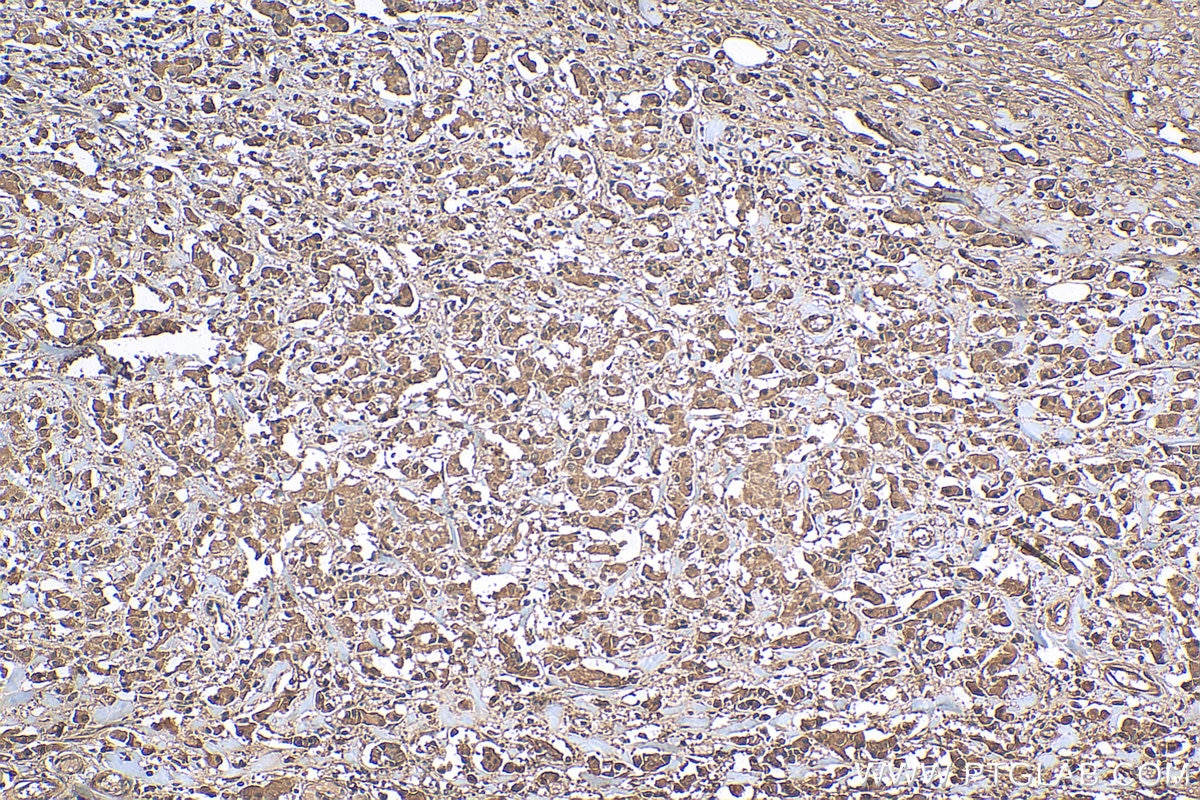
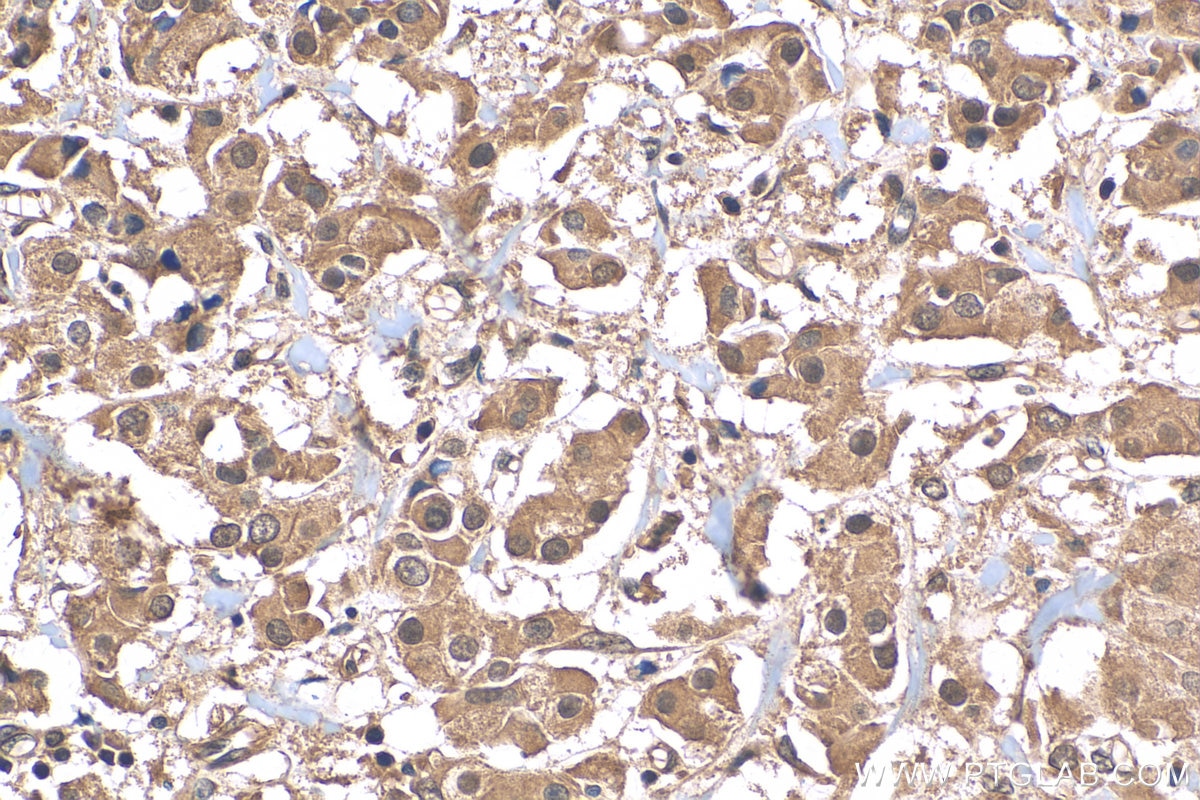
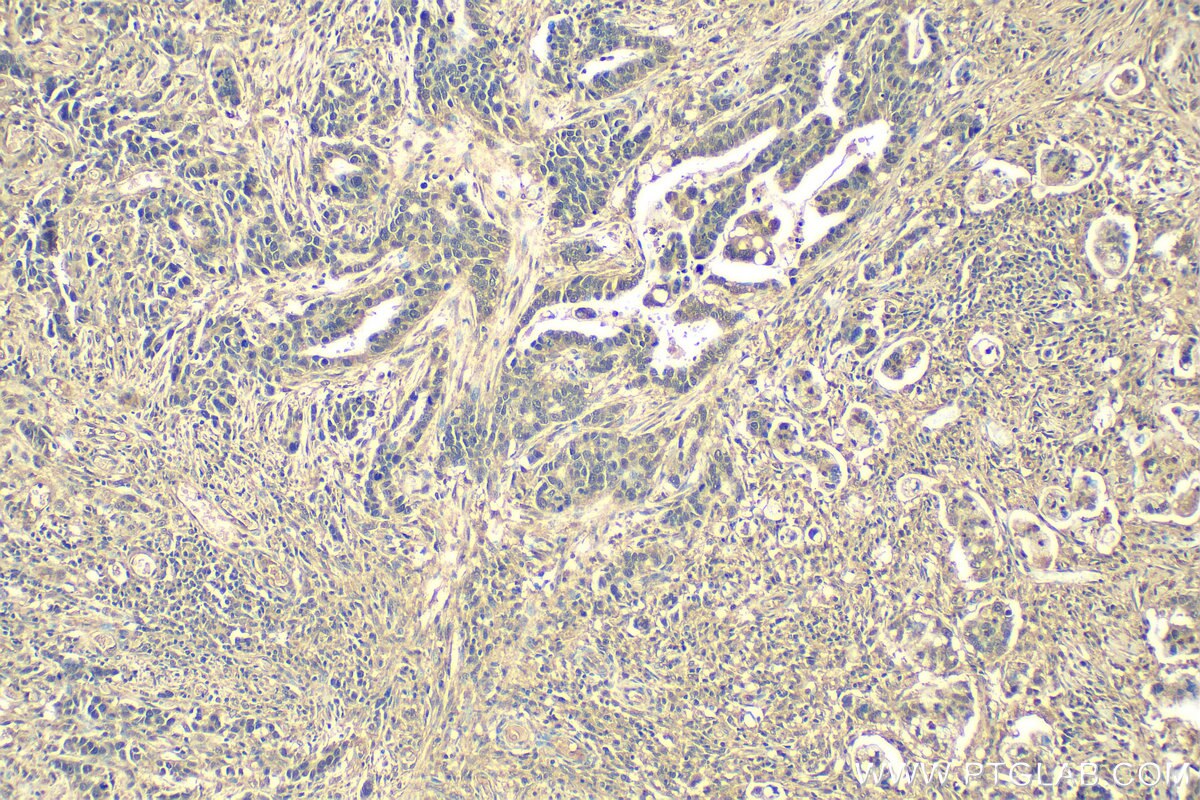
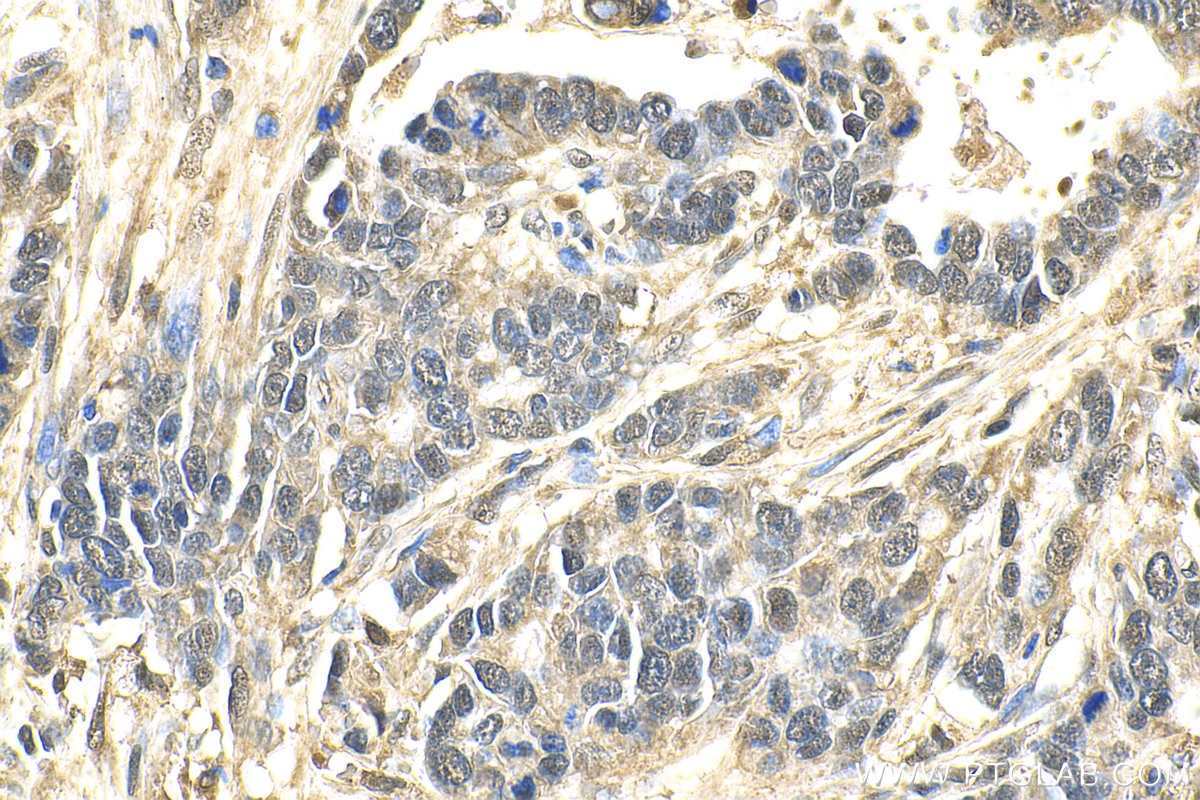
| Positive IHC detected in | human breast cancer tissue, human stomach cancer tissue, human colon cancer tissue Note: suggested antigen retrieval with TE buffer pH 9.0; (*) Alternatively, antigen retrieval may be performed with citrate buffer pH 6.0 |
| Positive ChIP-qPCR detected in | Tunicamycin (2ug/mll) overnight NIH/3T3 cells |
Recommended dilution
| Application | Dilution |
|---|---|
| Western Blot (WB) | WB : 1:5000-1:50000 |
| Immunoprecipitation (IP) | IP : 0.5-4.0 ug for 1.0-3.0 mg of total protein lysate |
| Immunohistochemistry (IHC) | IHC : 1:50-1:500 |
| CHIP-QPCR | CHIP-QPCR : 1:10-1:100 |
| It is recommended that this reagent should be titrated in each testing system to obtain optimal results. | |
| Sample-dependent, Check data in validation data gallery. | |
Product Information
81798-1-RR targets ATF4 in WB, IHC, IP, ELISA, ChIP-qPCR applications and shows reactivity with human, mouse samples.
| Tested Reactivity | human, mouse |
| Cited Reactivity | human |
| Host / Isotype | Rabbit / IgG |
| Class | Recombinant |
| Type | Antibody |
| Immunogen |
CatNo: Ag1279 Product name: Recombinant human ATF4 protein Source: e coli.-derived, PGEX-4T Tag: GST Domain: 1-351 aa of BC022088 Sequence: MTEMSFLSSEVLVGDLMSPFDQSGLGAEESLGLLDDYLEVAKHFKPHGFSSDKAKAGSSEWLAVDGLVSPSNNSKEDAFSGTDWMLEKMDLKEFDLDALLGIDDLETMPDDLLTTLDDTCDLFAPLVQETNKQPPQTVNPIGHLPESLTKPDQVAPFTFLQPLPLSPGVLSSTPDHSFSLELGSEVDITEGDRKPDYTAYVAMIPQCIKEEDTPSDNDSGICMSPESYLGSPQHSPSTRGSPNRSLPSPGVLCGSARPKPYDPPGEKMVAAKVKGEKLDKKLKKMEQNKTAATRYRQKKRAEQEALTGECKELEKKNEALKERADSLAKEIQYLKDLIEEVRKARGKKRVP Predict reactive species |
| Full Name | activating transcription factor 4 (tax-responsive enhancer element B67) |
| Calculated Molecular Weight | 39 kDa |
| Observed Molecular Weight | 50 kDa |
| GenBank Accession Number | BC022088 |
| Gene Symbol | ATF4 |
| Gene ID (NCBI) | 468 |
| RRID | AB_2935580 |
| Conjugate | Unconjugated |
| Form | Liquid |
| Purification Method | Protein A purification |
| UNIPROT ID | P18848 |
| Storage Buffer | PBS with 0.02% sodium azide and 50% glycerol, pH 7.3. |
| Storage Conditions | Store at -20°C. Stable for one year after shipment. Aliquoting is unnecessary for -20oC storage. 20ul sizes contain 0.1% BSA. |
Background Information
ATF4 is a transcription factor, that accumulates predominantly in osteoblasts, where it regulates terminal osteoblast differentiation and bone formation[PMID: 19016586]. As a basic leucine-zipper (bZip) transcription factor, ATF4 can regulate amino acid metabolism, cellular redox state, and anti-stress responses. It also regulates age-related and diet-induced obesity and glucose homeostasis in mammals, and has conserved metabolic functions in flies[PMID: 19726872]. Due to its location at chromosome 22q13, a region linked to schizophrenia, ATF4 is considered as a positional candidate gene for schizophrenia[PMID: 18163433]. Otherwise, since ATF4 is induced by tumour microenvironmental factors, and regulates processes relevant to cancer progression, it might serve as a potential therapeutic target in cancer. Endogenous ATF4 protein has a molecular mass of 50kd. [PMID: 17726049]. ATF4 can bind DNA as a homodimer and as a heterodimer. ATF4 is ubiquitinated by SCF(BTRC) in response to mTORC1 signal, followed by proteasomal degradation and leading to down-regulate expression of SIRT4, so the molecular weight of ATF4 may be 70 kDa.
Protocols
| Product Specific Protocols | |
|---|---|
| IHC protocol for ATF4 antibody 81798-1-RR | Download protocol |
| IP protocol for ATF4 antibody 81798-1-RR | Download protocol |
| WB protocol for ATF4 antibody 81798-1-RR | Download protocol |
| Standard Protocols | |
|---|---|
| Click here to view our Standard Protocols |
Publications
What published studies show
The ATF4 Recombinant monoclonal antibody (5N3), catalog number 81798-1-RR, has 5 total citations. These appear in Genes Dev, Mol Med Rep, Cancers (Basel), Oncol Rep, and Endocrine. The associated research fields include stress granule biology and mRNA localization, endoplasmic reticulum stress–induced apoptosis in pancreatic cancer, mechanical stress–mediated apoptosis in glioma, colorectal cancer cell proliferation and invasion, and thyroid cancer progression with tumor microenvironment interactions.
| Species | Application | Title |
|---|---|---|
Genes Dev Ribosome association inhibits stress-induced gene mRNA localization to stress granules | ||
Mol Med Rep Astragaloside IV promotes the apoptosis of pancreatic cancer cells by activating endoplasmic reticulum stress through the PERK/ATF4/CHOP signaling pathway. | ||
Cancers (Basel) Piezo1-ATF3-PPP1r15a Axis Transduces Mechanical Stress into Apoptosis in Glioma Under Low-Intensity Focused Ultrasound. | ||
Oncol Rep LRRC59 inhibits perk pathway‑induced apoptosis and promotes cell proliferation, migration and invasion in colorectal cancer cells. | ||
Endocrine ATF4 and FGFR4 cooperatively support thyroid cancer progression and CAF-associated tumor-promoting features. |












