
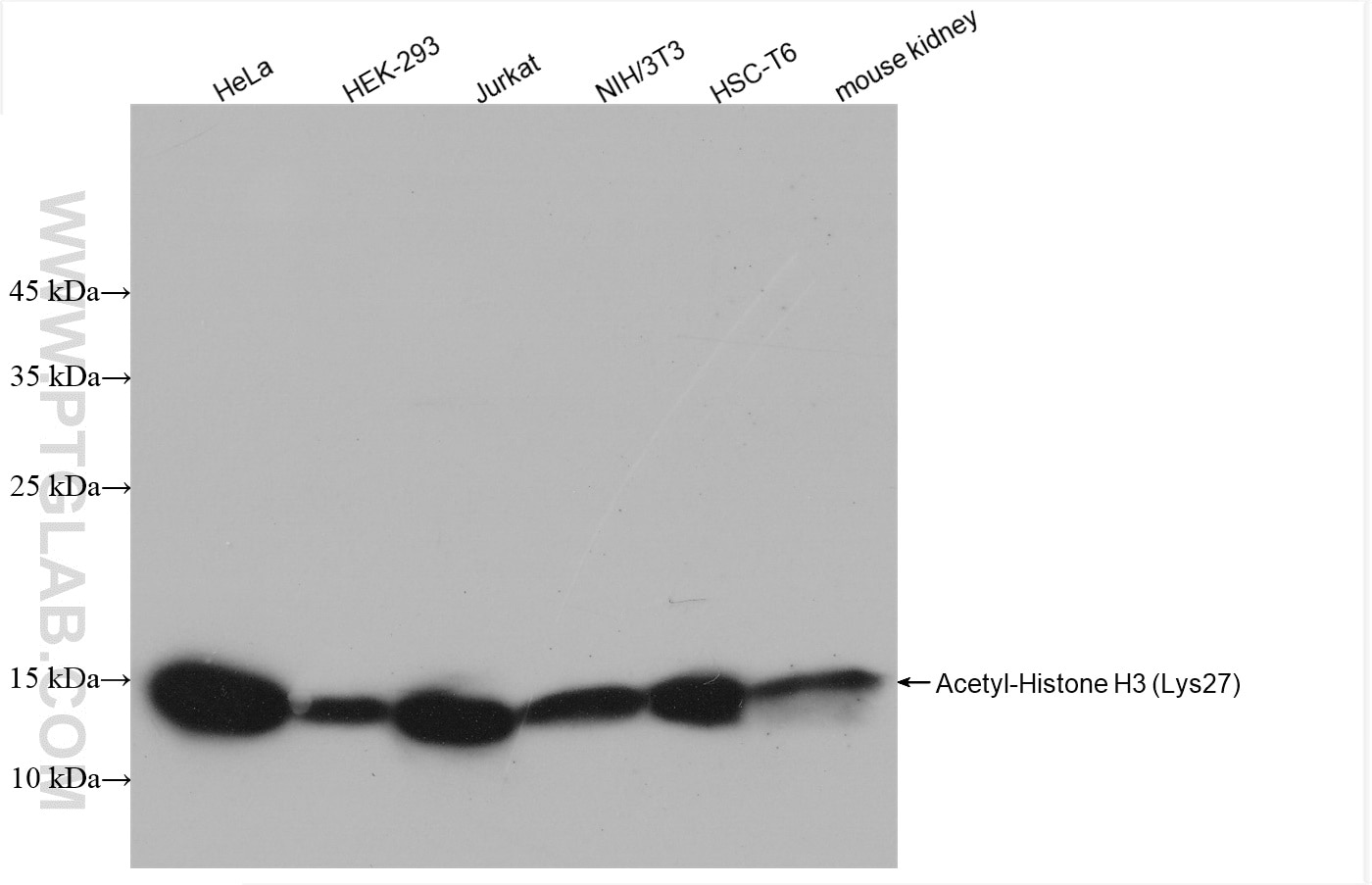
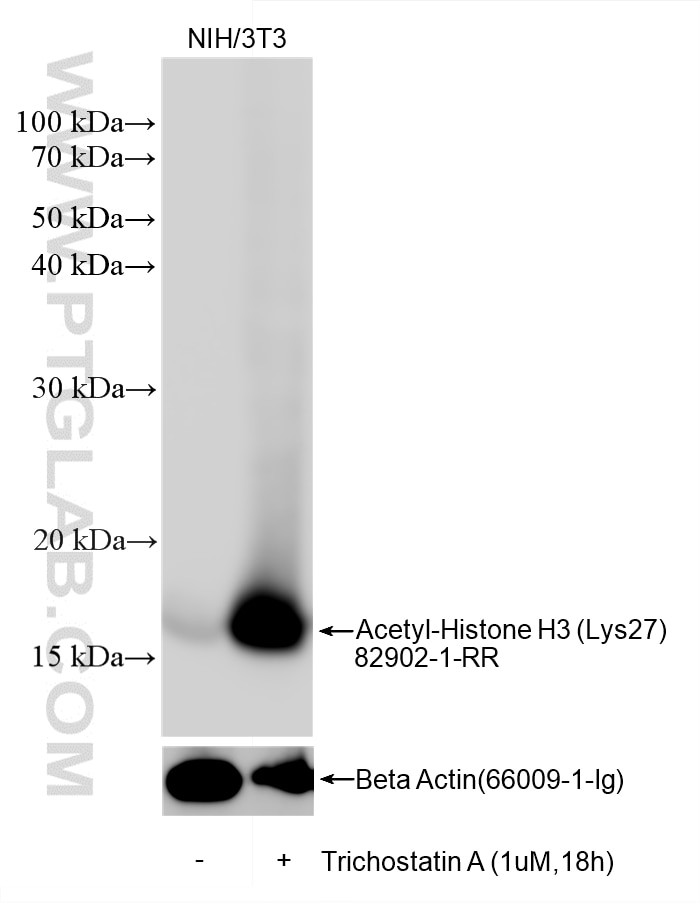
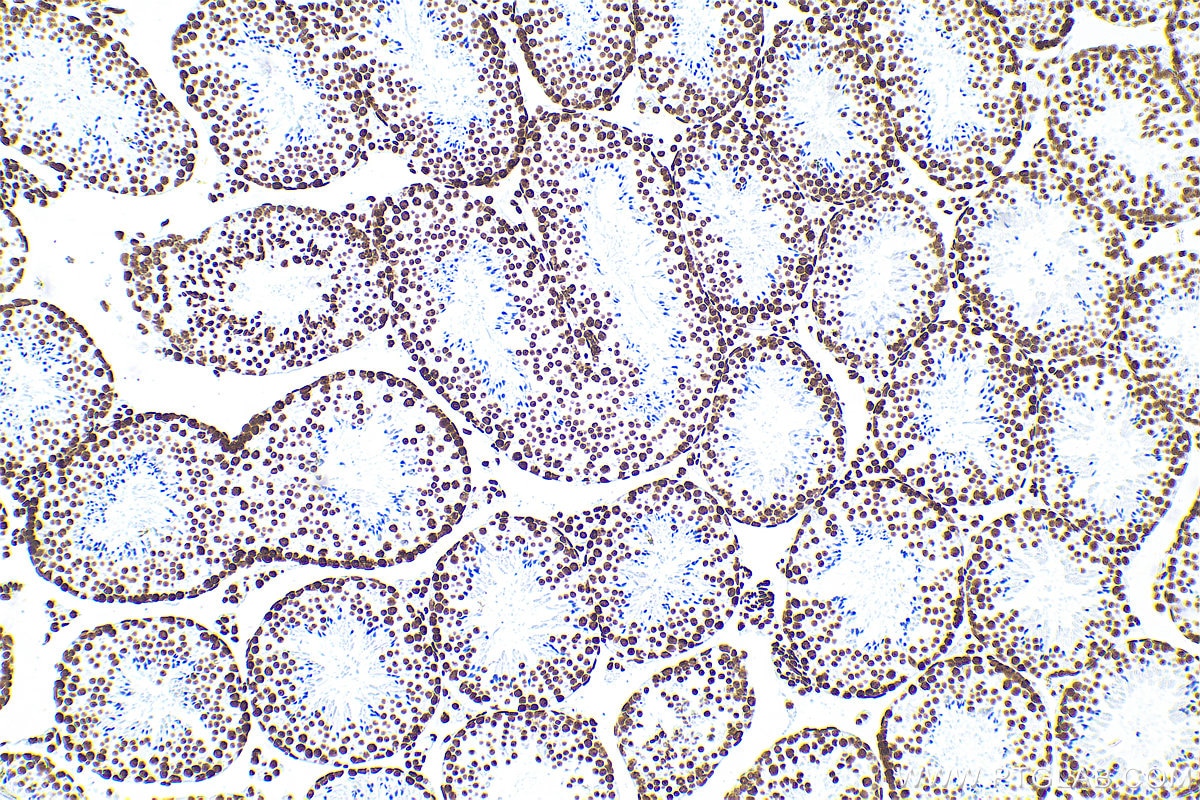
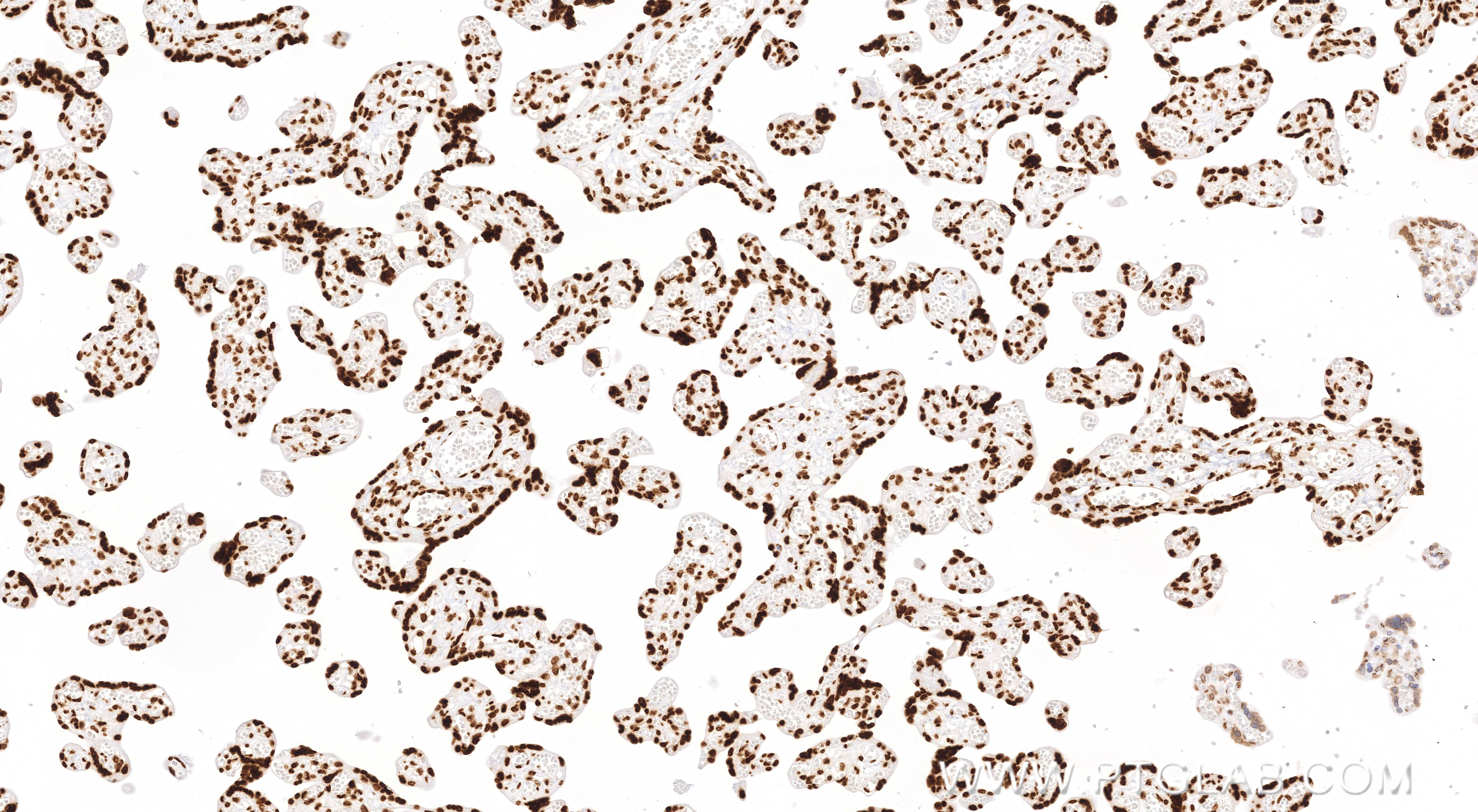

Tested Applications
| Positive WB detected in | HeLa cells, Trichostatin A treated NIH/3T3 cells, HEK-293 cells, Jurkat cells, HSC-T6 cells, mouse kidney tissue |
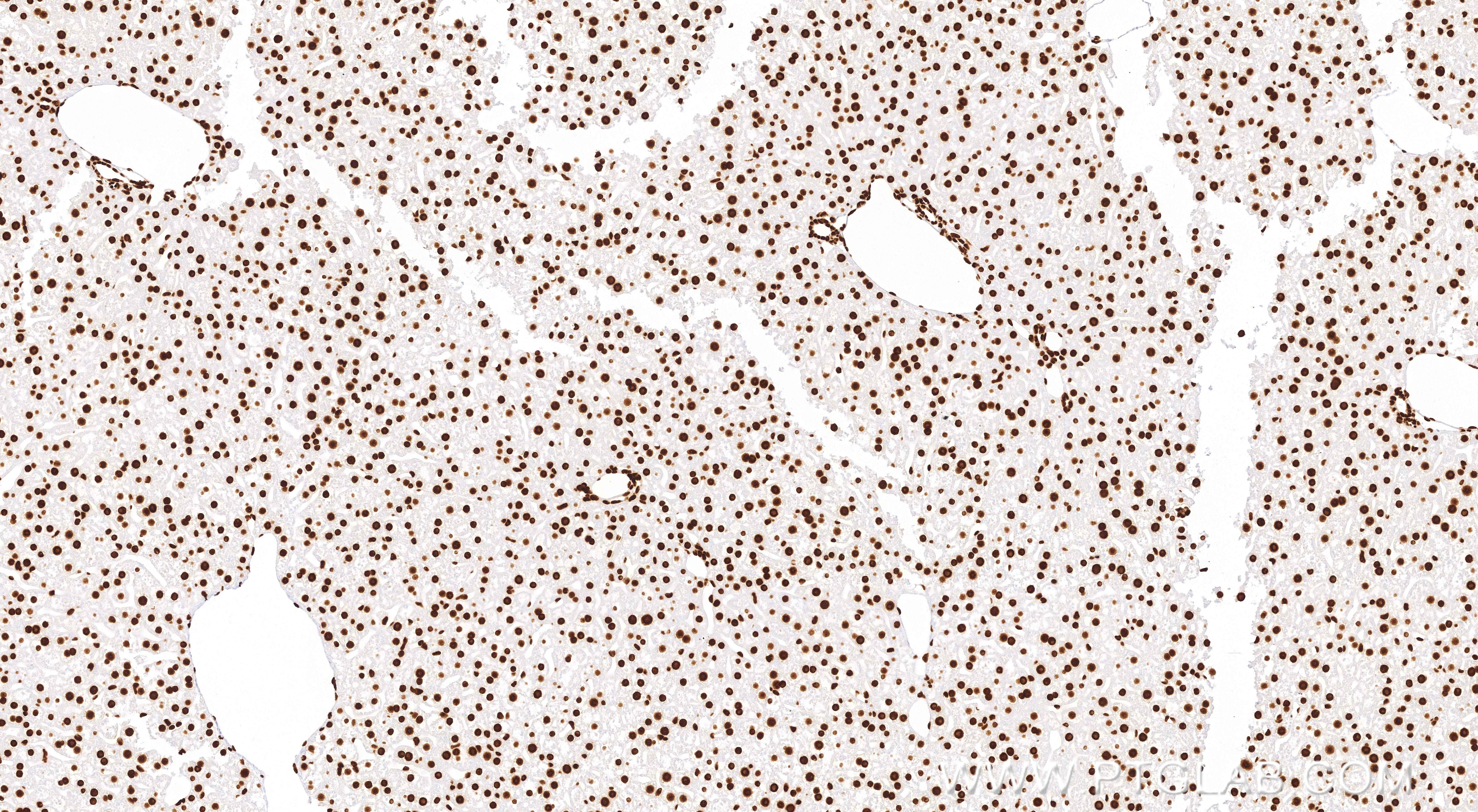
| Positive IHC detected in | mouse testis tissue, human placenta tissue, mouse liver tissue Note: suggested antigen retrieval with TE buffer pH 9.0; (*) Alternatively, antigen retrieval may be performed with citrate buffer pH 6.0 |
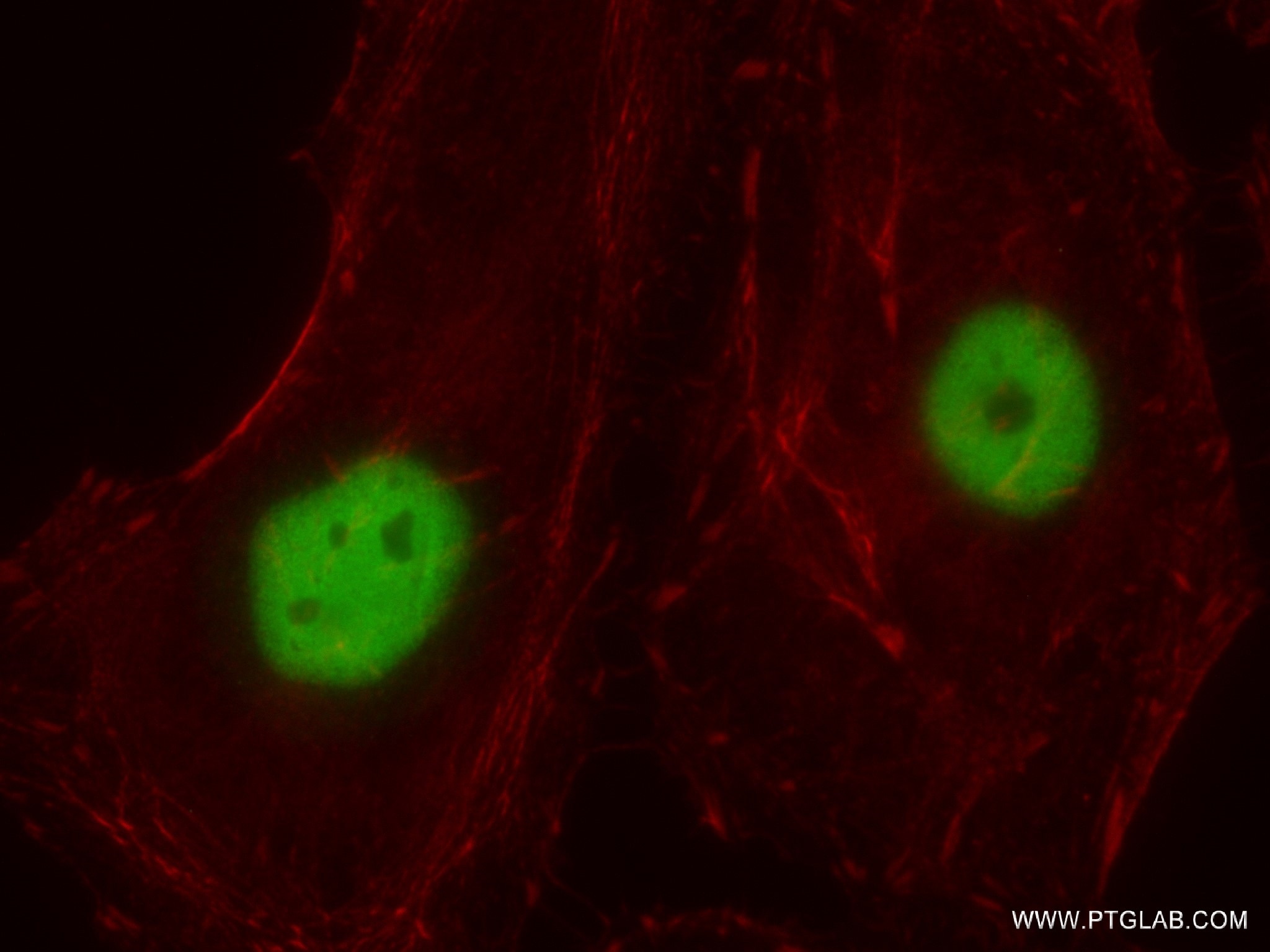
| Positive IF/ICC detected in | HeLa cells |
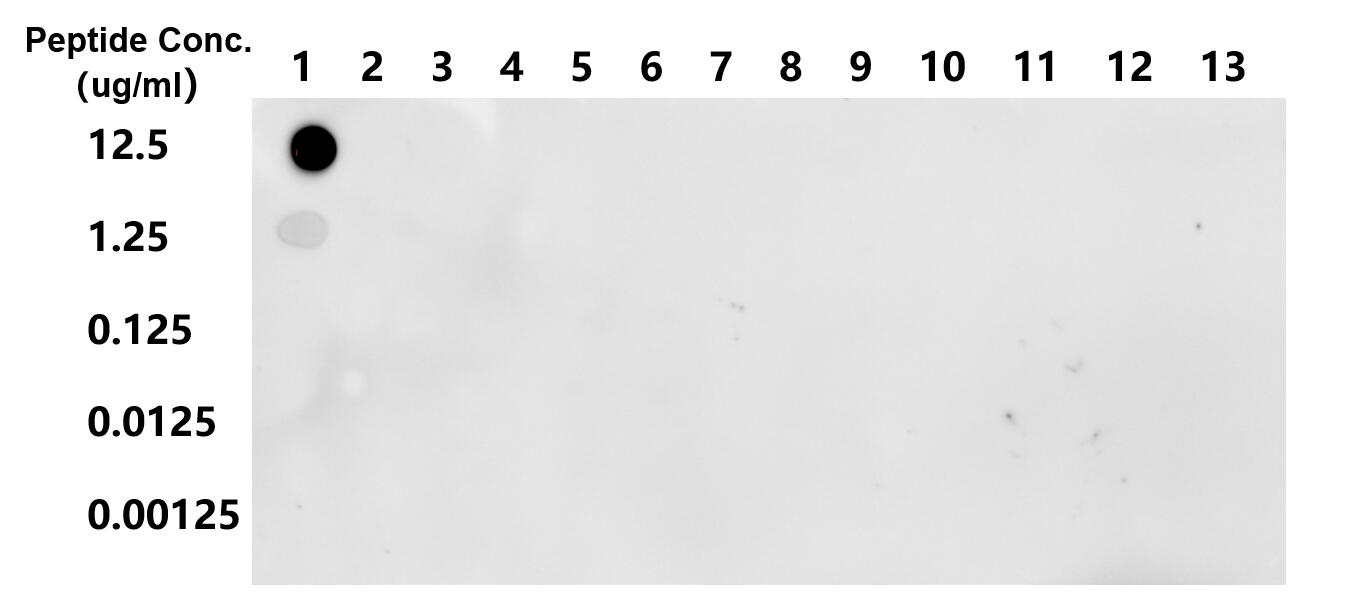
| Positive Dot Blot detected in | peptide |
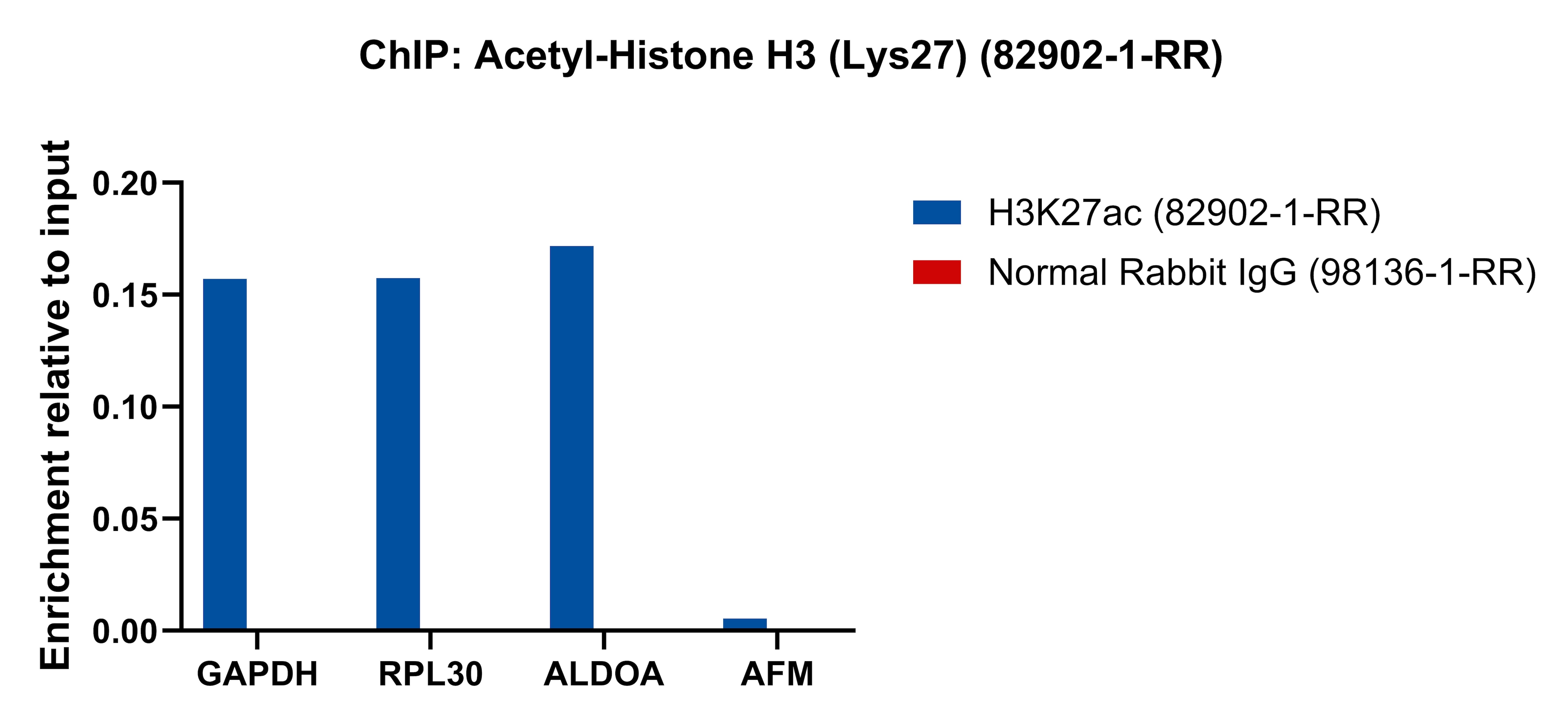
| Positive ChIP-qPCR detected in | HeLa cells |
Recommended dilution
| Application | Dilution |
|---|---|
| Western Blot (WB) | WB : 1:2000-1:19600 |
| Immunohistochemistry (IHC) | IHC : 1:1000-1:4000 |
| Immunofluorescence (IF)/ICC | IF/ICC : 1:200-1:800 |
| DOT BLOT | DOT BLOT : 1:10-1:100 |
| CHIP-QPCR | CHIP-QPCR : 1:10-1:100 |
| It is recommended that this reagent should be titrated in each testing system to obtain optimal results. | |
| Sample-dependent, Check data in validation data gallery. | |
Product Information
82902-1-RR targets Acetyl-Histone H3 (Lys27) in WB, IHC, IF/ICC, IP, Dot Blot, ELISA, ChIP-qPCR, CUT&Tag applications and shows reactivity with human, mouse, rat samples.
| Tested Reactivity | human, mouse, rat |
| Cited Reactivity | human, mouse, rat |
| Host / Isotype | Rabbit / IgG |
| Class | Recombinant |
| Type | Antibody |
| Immunogen |
Peptide Predict reactive species |
| Full Name | histone cluster 1, H3a |
| Observed Molecular Weight | 15 kDa |
| GenBank Accession Number | BC066245 |
| Gene Symbol | HIST1H3A |
| Gene ID (NCBI) | 8350 |
| RRID | AB_3670631 |
| Conjugate | Unconjugated |
| Form | Liquid |
| Purification Method | Protein A purification |
| UNIPROT ID | P68431 |
| Storage Buffer | PBS with 0.02% sodium azide and 50% glycerol, pH 7.3. |
| Storage Conditions | Store at -20°C. Stable for one year after shipment. Aliquoting is unnecessary for -20oC storage. 20ul sizes contain 0.1% BSA. |
Background Information
Histones are small, highly basic proteins that consist of a globular domain with unstructured N- and C-terminal tails protruding from the main structure. Histone H3 is one of the five main histones that are responsible for the nucleosome structure of the chromosomal fiber in eukaryotes. Two molecules of each of the four core histones (H2A, H2B, H3, and H4) form an octamer, around which approximately 146 bp of DNA is wrapped in repeating units, called nucleosomes. In addition to their role in DNA compartmentalization, histones also play crucial roles in various biologic processes, including gene expression and regulation, DNA repair, chromatin condensation, cell cycle progression, chromosome segregation, and apoptosis. The ability of histones to regulate chromatin dynamics primarily originates from various posttranslational modifications carried out by histone-modifying enzymes. Acetyl-Histone H3 (Lys27) is enhancer specific mark and plays positive role in gene expression.
Protocols
| Product Specific Protocols | |
|---|---|
| IF protocol for Acetyl-Histone H3 (Lys27) antibody 82902-1-RR | Download protocol |
| IHC protocol for Acetyl-Histone H3 (Lys27) antibody 82902-1-RR | Download protocol |
| WB protocol for Acetyl-Histone H3 (Lys27) antibody 82902-1-RR | Download protocol |
| Standard Protocols | |
|---|---|
| Click here to view our Standard Protocols |
Publications
What published studies show
82902-1-RR is a rabbit recombinant monoclonal antibody against H3K27ac, with 31 total citations. Journals include Redox Biology, Advanced Science, Journal of Advanced Research, Cell Death & Disease, Free Radical Biology and Medicine, and Journal of Medicinal Chemistry. Research fields span epigenetics, oncology (glioblastoma, colorectal, lung, breast, renal cancers), cardiovascular disease, neurology, immunology, fibrosis, and metabolic disorders including cuproptosis and ferroptosis.
| Species | Application | Title |
|---|---|---|
J Adv Res Trained immunity-primed DLL3-targeted CAR macrophages for the eradication of small cell lung cancer. | ||
Redox Biol LncRNA PVT1 promotes cuproptosis through transcriptional activation of FDX1 in colorectal cancer | ||
Genes Dis CUDC-907 inhibits glioblastoma and enhances glioblastoma sensitivity to temozolomide by inhibiting DNA damage repair. | ||
Adv Sci (Weinh) EGFR Targeted Liposomal PROTAC Assisted With Epigenetic Regulation as an Efficient Strategy for Osimertinib-Resistant Lung Cancer Therapy | ||
Pharmacol Res TEK downregulation Of LOX propeptide: A novel mechanism for endothelial cell protection following myocardial infarction. |









