

Tested Applications
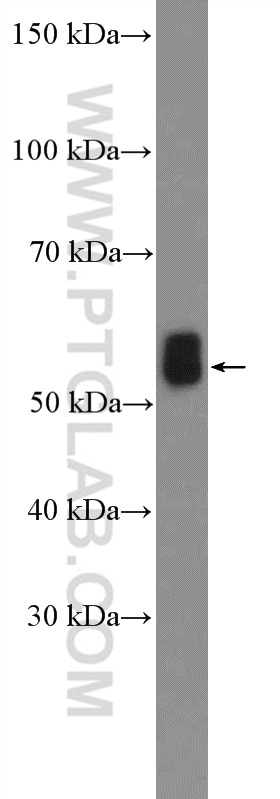
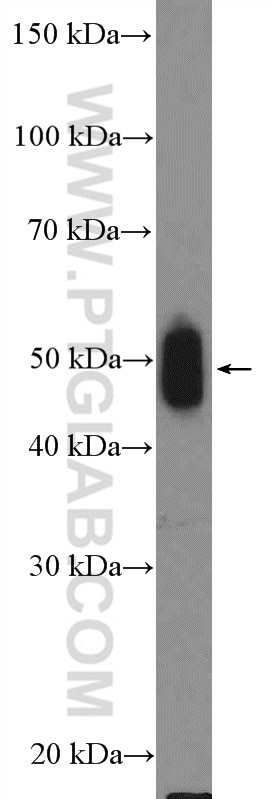
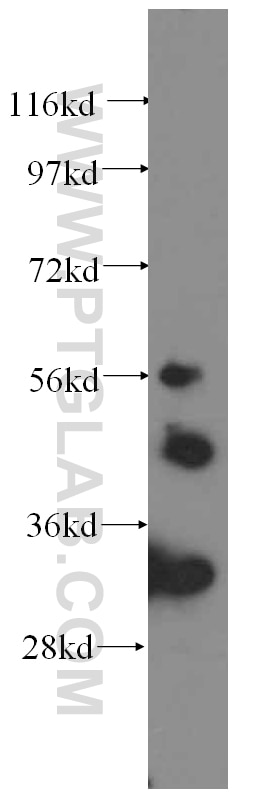
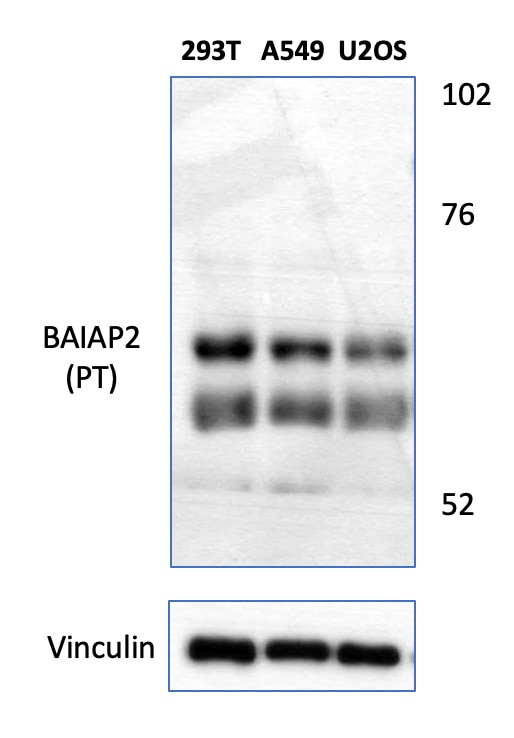
| Positive WB detected in | mouse brain tissue, human brain tissue, rat brain tissue |
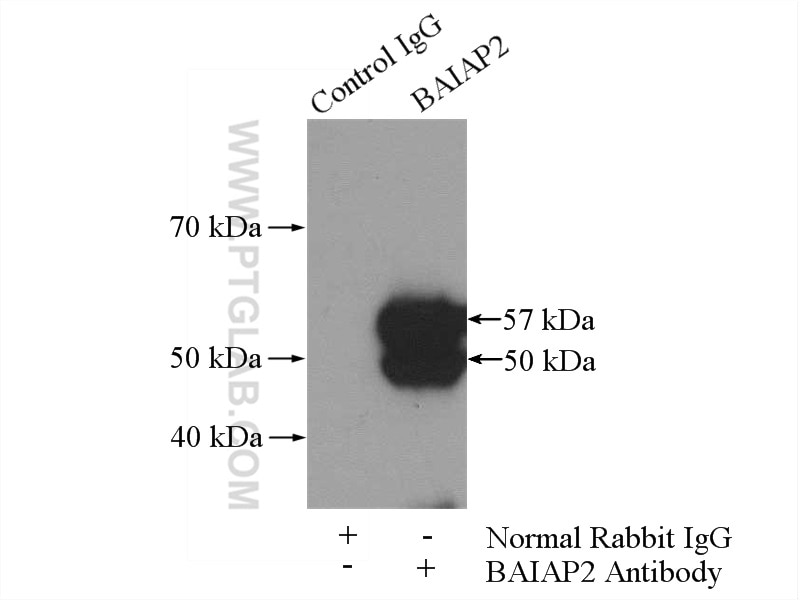
| Positive IP detected in | mouse brain tissue |
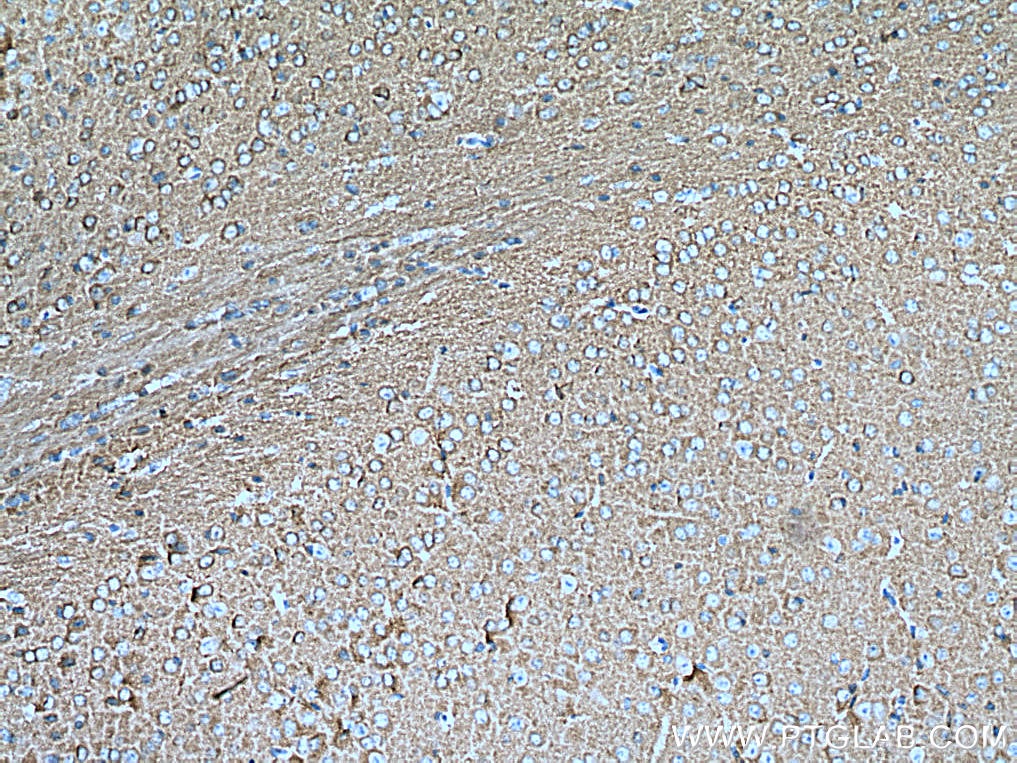
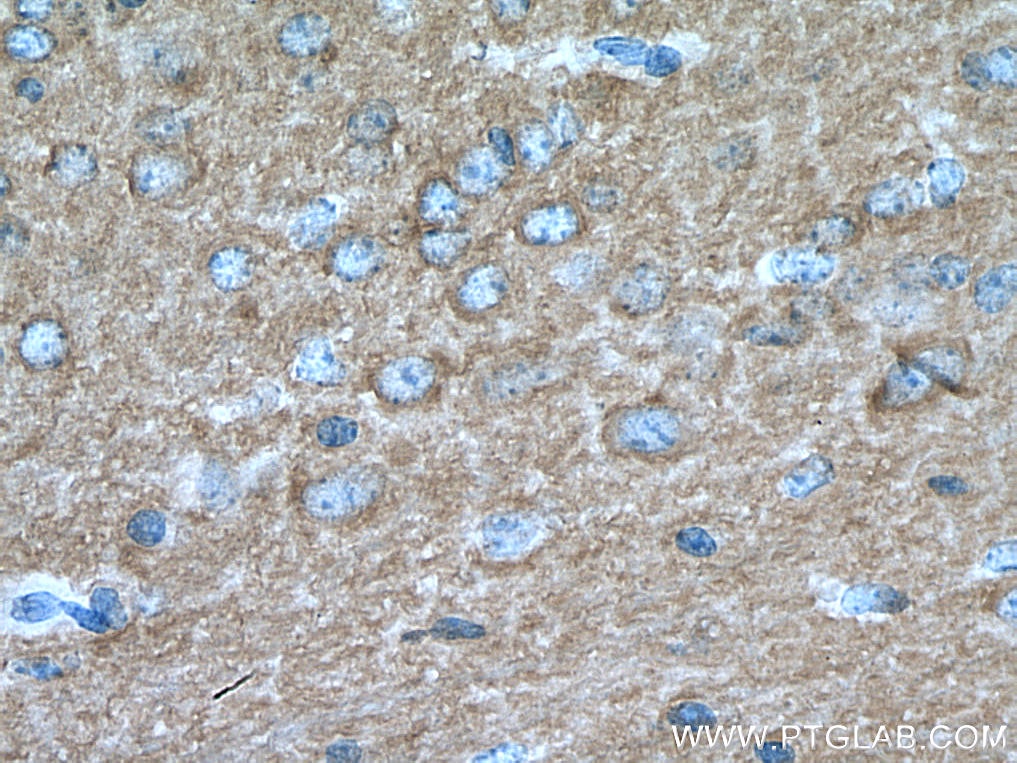
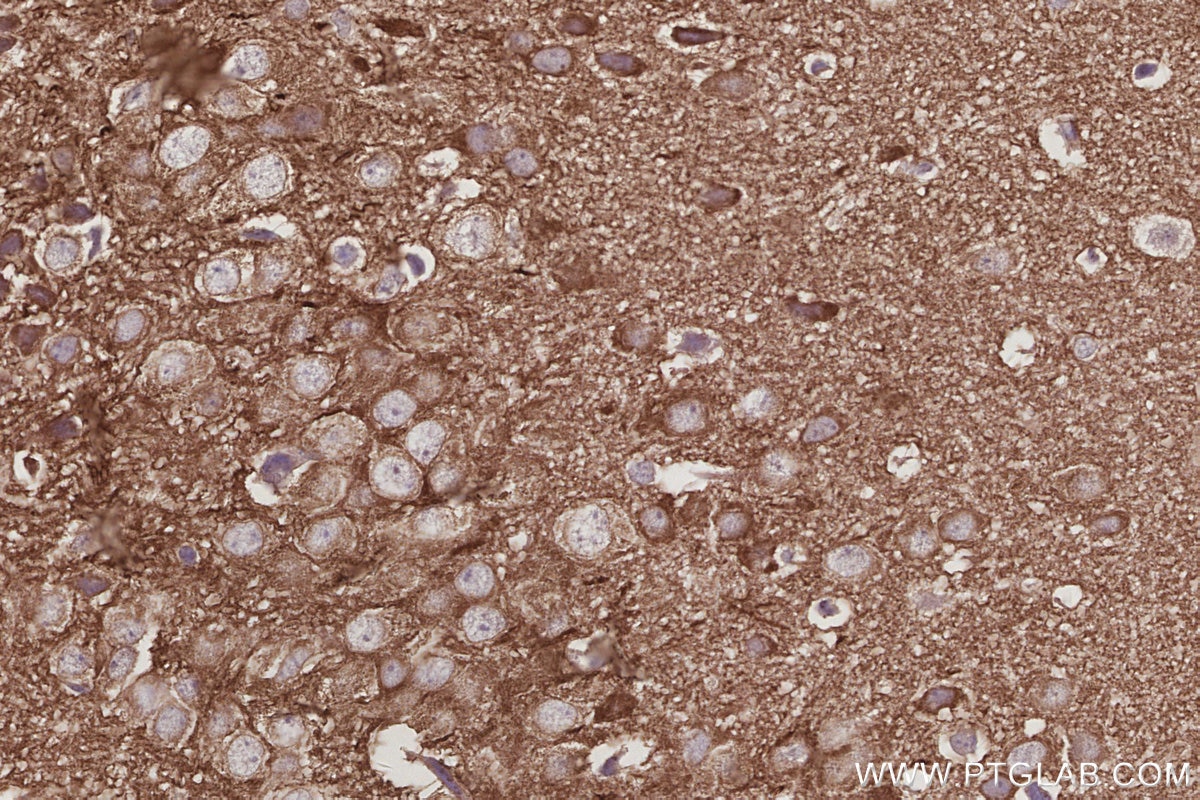
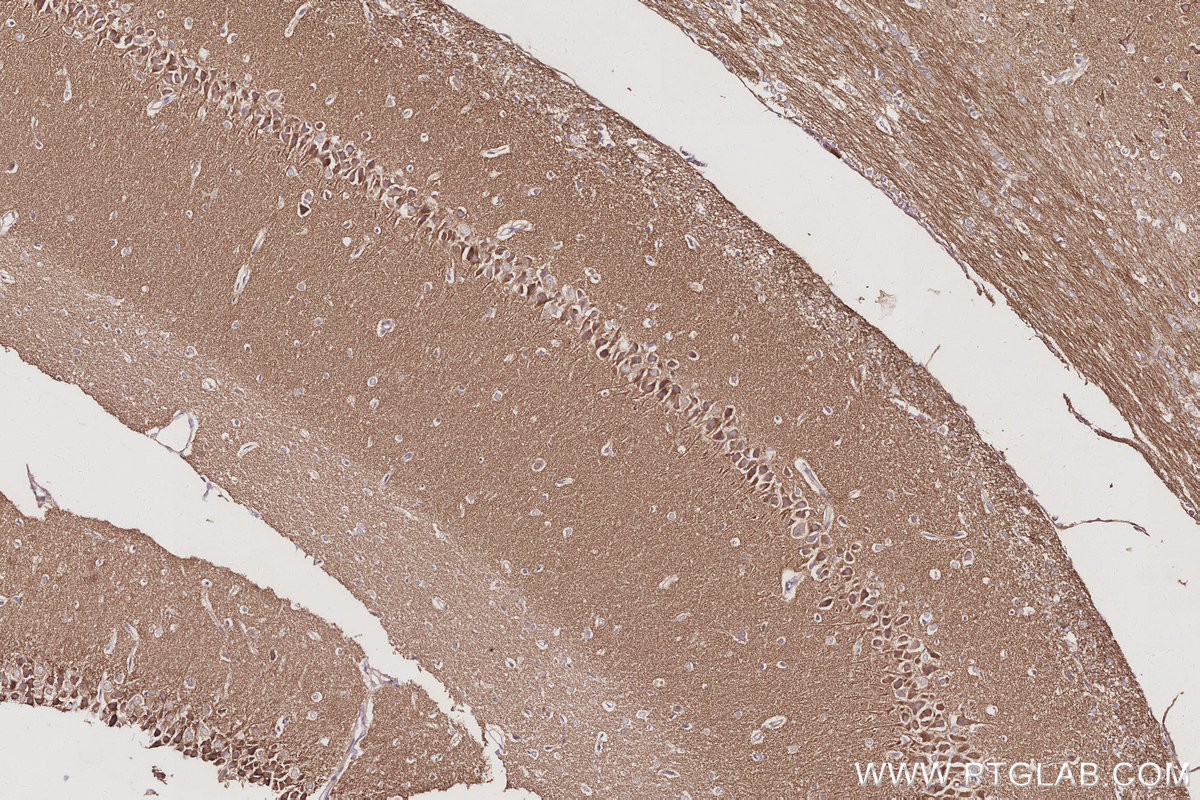
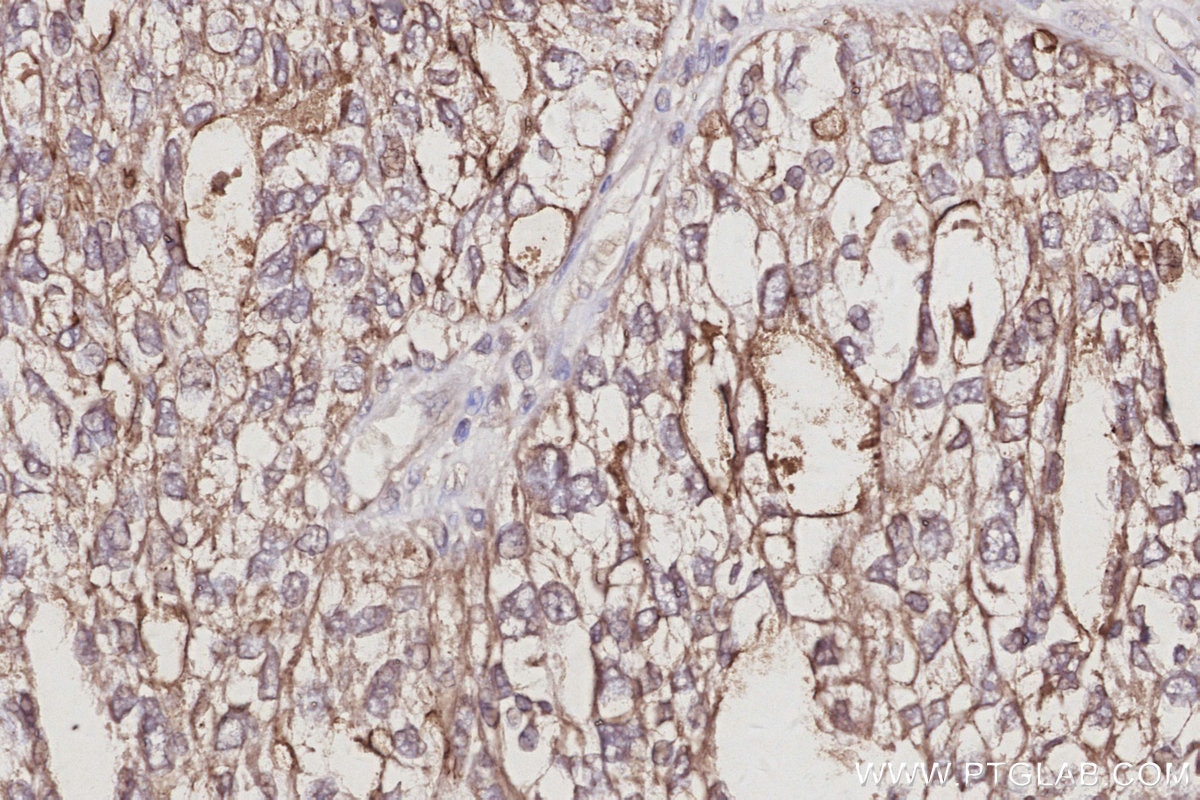
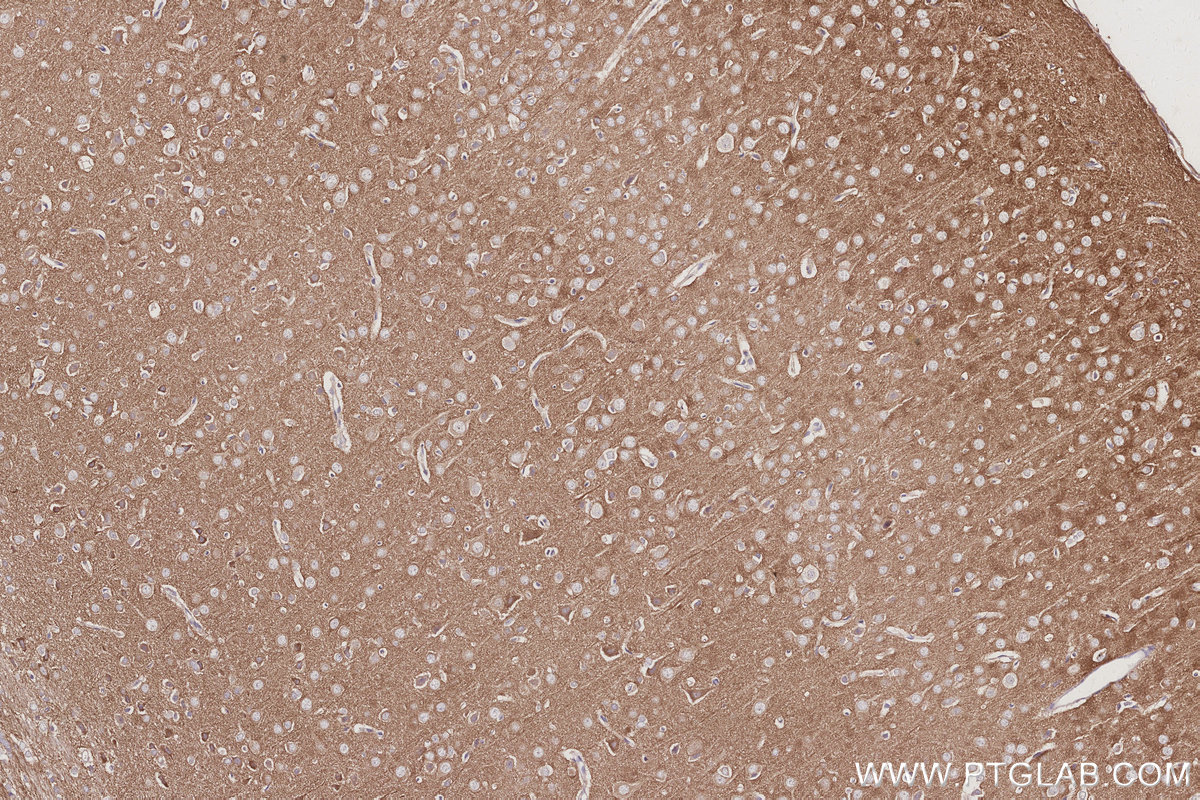
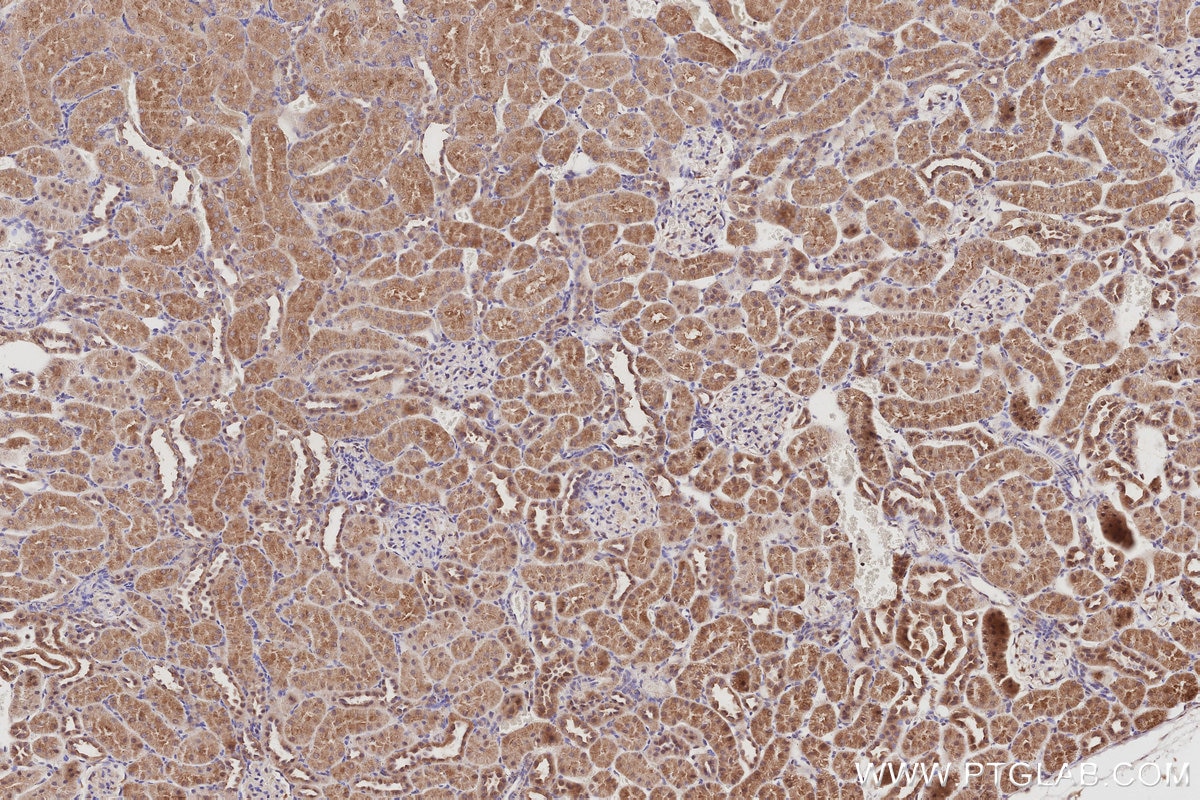
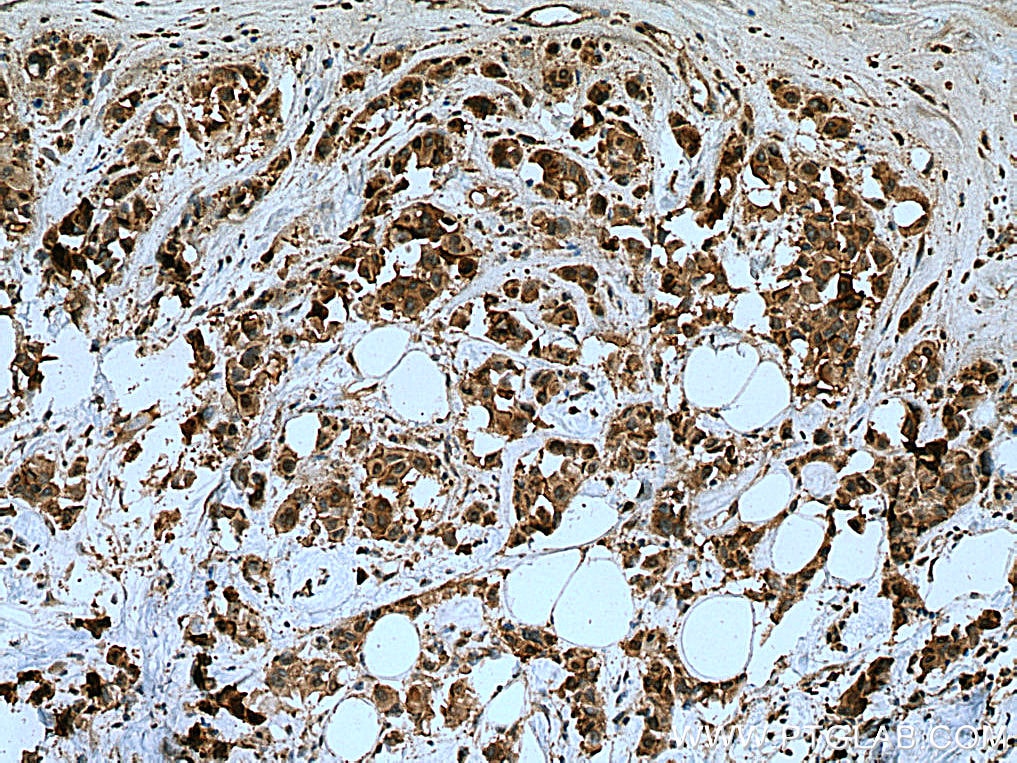
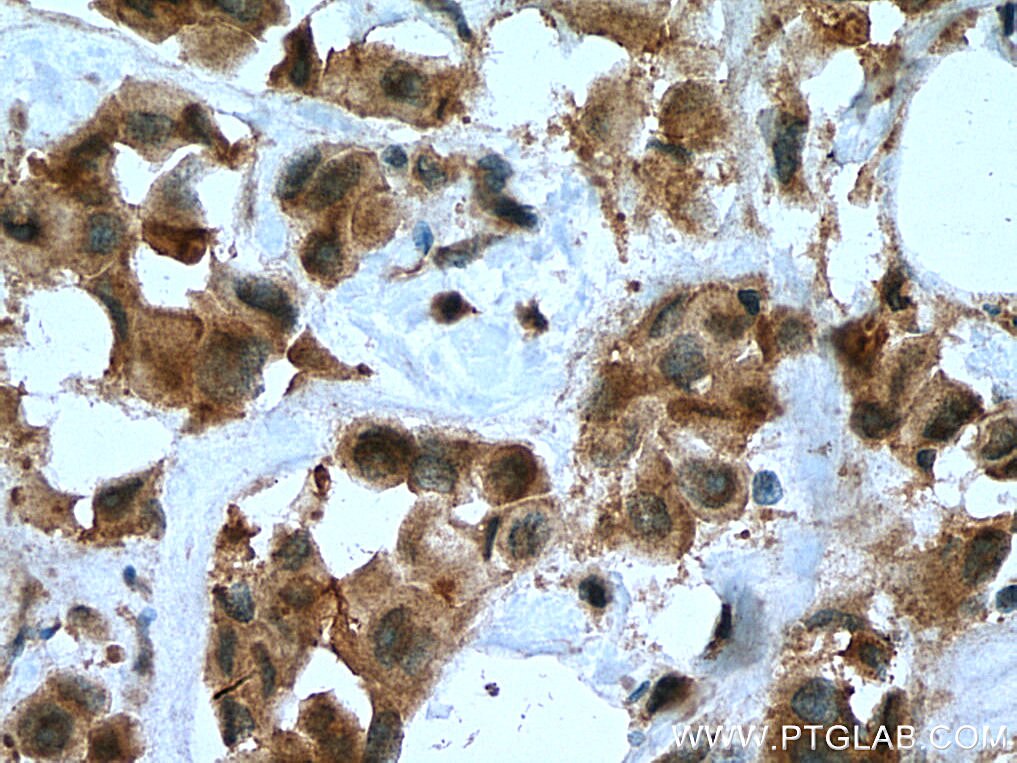
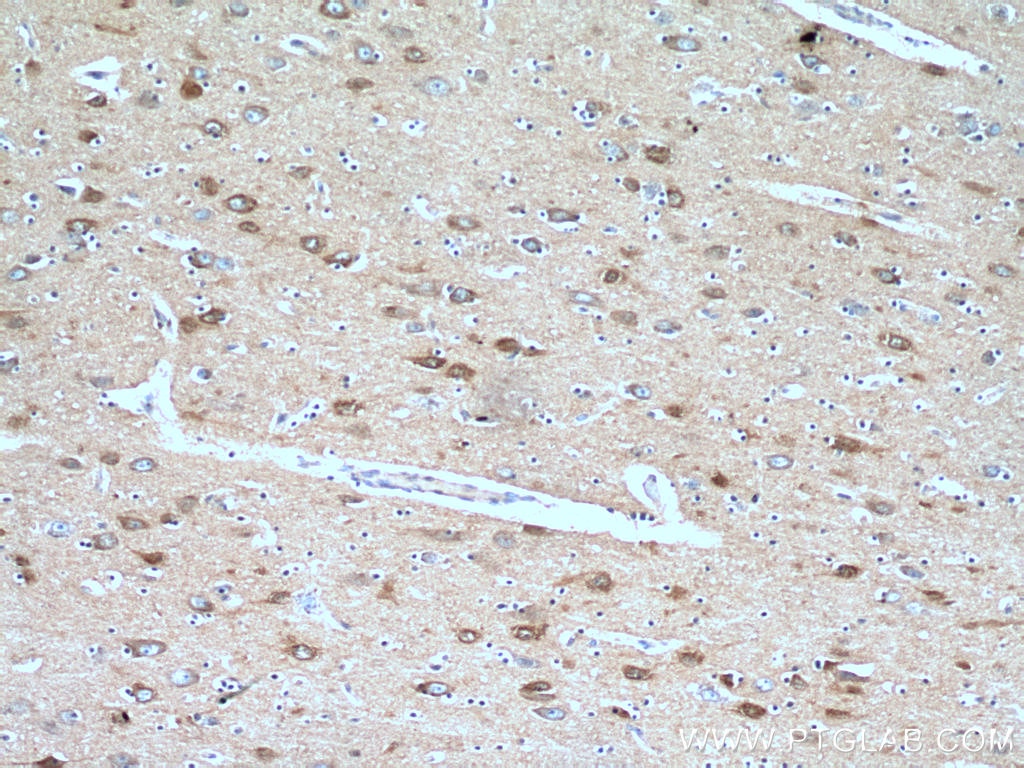
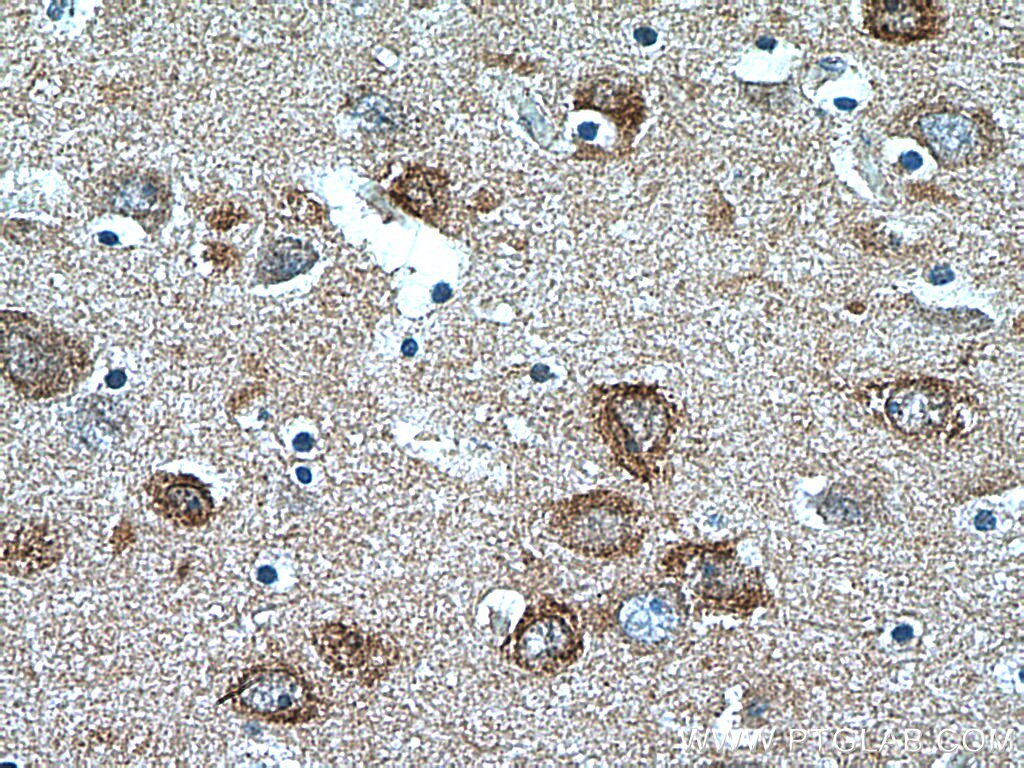
| Positive IHC detected in | mouse brain tissue, human brain tissue, rat brain tissue, human ovary cancer tissue, human breast cancer tissue, rat kidney tissue Note: suggested antigen retrieval with TE buffer pH 9.0; (*) Alternatively, antigen retrieval may be performed with citrate buffer pH 6.0 |
Recommended dilution
| Application | Dilution |
|---|---|
| Western Blot (WB) | WB : 1:500-1:1000 |
| Immunoprecipitation (IP) | IP : 0.5-4.0 ug for 1.0-3.0 mg of total protein lysate |
| Immunohistochemistry (IHC) | IHC : 1:50-1:500 |
| It is recommended that this reagent should be titrated in each testing system to obtain optimal results. | |
| Sample-dependent, Check data in validation data gallery. | |
Product Information
11087-2-AP targets IRSp53 in WB, IHC, IF, IP, ELISA applications and shows reactivity with human, mouse, rat samples.
| Tested Reactivity | human, mouse, rat |
| Cited Reactivity | human, mouse, rat, hamster |
| Host / Isotype | Rabbit / IgG |
| Class | Polyclonal |
| Type | Antibody |
| Immunogen |
CatNo: Ag1552 Product name: Recombinant human BAIAP2 protein Source: e coli.-derived, PGEX-4T Tag: GST Domain: 1-300 aa of BC014020 Sequence: MSLSRSEEMHRLTENVYKTIMEQFNPSLRNFIAMGKNYEKALAGVTYAAKGYFDALVKMGELASESQGSKELGDVLFQMAEVHRQIQNQLEEMLKSFHNELLTQLEQKVELDSRYLSAALKKYQTEQRSKGDALDKCQAELKKLRKKSQGSKNPQKYSDKELQYIDAISNKQGELENYVSDGYKTALTEERRRFCFLVEKQCAVAKNSAAYHSKGKELLAQKLPLWQQACADPSKIPERAVQLMQQVASNGATLPSALSASKSNLVISDPIPGAKPLPVPPELAPFVGRMSAQESTPIMN Predict reactive species |
| Full Name | BAI1-associated protein 2 |
| Calculated Molecular Weight | 61 kDa |
| Observed Molecular Weight | 53 kDa |
| GenBank Accession Number | BC014020 |
| Gene Symbol | IRSp53 |
| Gene ID (NCBI) | 10458 |
| RRID | AB_2063075 |
| Conjugate | Unconjugated |
| Form | Liquid |
| Purification Method | Antigen affinity purification |
| UNIPROT ID | Q9UQB8 |
| Storage Buffer | PBS with 0.02% sodium azide and 50% glycerol, pH 7.3. |
| Storage Conditions | Store at -20°C. Stable for one year after shipment. Aliquoting is unnecessary for -20oC storage. 20ul sizes contain 0.1% BSA. |
Background Information
IRSp53 (also known as BAIAP2) is a multi-domain adaptor protein that originally identified as a 58/53-kDa substrate of insulin-receptor kinase in the hamster (PMID: 10332026). As a BAI1-binding protein, IRSp53 plays an important role in linking between membrane and cytoskeleton in the process of neuronal growth (PMID: 10343108). IRSp53 is necessary for Cdc42-mediated reorganization of the actin cytoskeleton and for Rac1-mediated membrane ruffling. Alternatively spliced isoforms of IRSp53 exist. IRSp53 has been implicated in several psychiatric disorders, including autism spectrum disorders (ASDs), schizophrenia, and attention deficit/hyperactivity disorder (ADHD) (PMID: 26275848).
Protocols
| Product Specific Protocols | |
|---|---|
| IHC protocol for IRSp53 antibody 11087-2-AP | Download protocol |
| IP protocol for IRSp53 antibody 11087-2-AP | Download protocol |
| WB protocol for IRSp53 antibody 11087-2-AP | Download protocol |
| Standard Protocols | |
|---|---|
| Click here to view our Standard Protocols |
Publications
What published studies show
The IRSp53 Polyclonal antibody (11087-2-AP) has a total of 14 citations. The citations appear in journals including Nat Neurosci, Nat Commun, Mol Cell, JCI Insight, Lab Invest, J Virol, Proteomics, Hum Mol Genet, Biol Cell, Biochem Biophys Res Commun, eLife, and J Biol Chem, plus two preprints in bioRxiv. The associated research fields span neuroscience (dendritic translation, Huntington's disease, ALS/FTD), cell migration and filopodia dynamics, viral infection (CHIKV, PRV, SARS-CoV-2), cystic kidney disease, colorectal cancer metastasis, and medulloblastoma.
| Species | Application | Title |
|---|---|---|
Nat Neurosci Neuronal activity rapidly reprograms dendritic translation via eIF4G2:uORF binding | ||
Nat Commun NHSL3 controls single and collective cell migration through two distinct mechanisms | ||
Mol Cell pLxIS-containing domains are biochemically flexible regulators of interferons and metabolism
| ||
Lab Invest FAK Signaling Induces the Onset of Proteinuria via FAK Signaling in a Mouse Model of Lung Cancer | ||
J Virol The Rac1-PAK1-Arp2/3 signaling axis regulates CHIKV nsP1-induced filopodia and optimal viral genome replication |
Reviews
What customers say
Able is busy answering your previous question. Please try again later.
The reviews below have been submitted by verified Proteintech customers who received an incentive for providing their feedback.
anwesh (Verified Customer) (10-28-2019) | Bands detected at the correct molecular weight. Great antibody.
 |
















