

Tested Applications
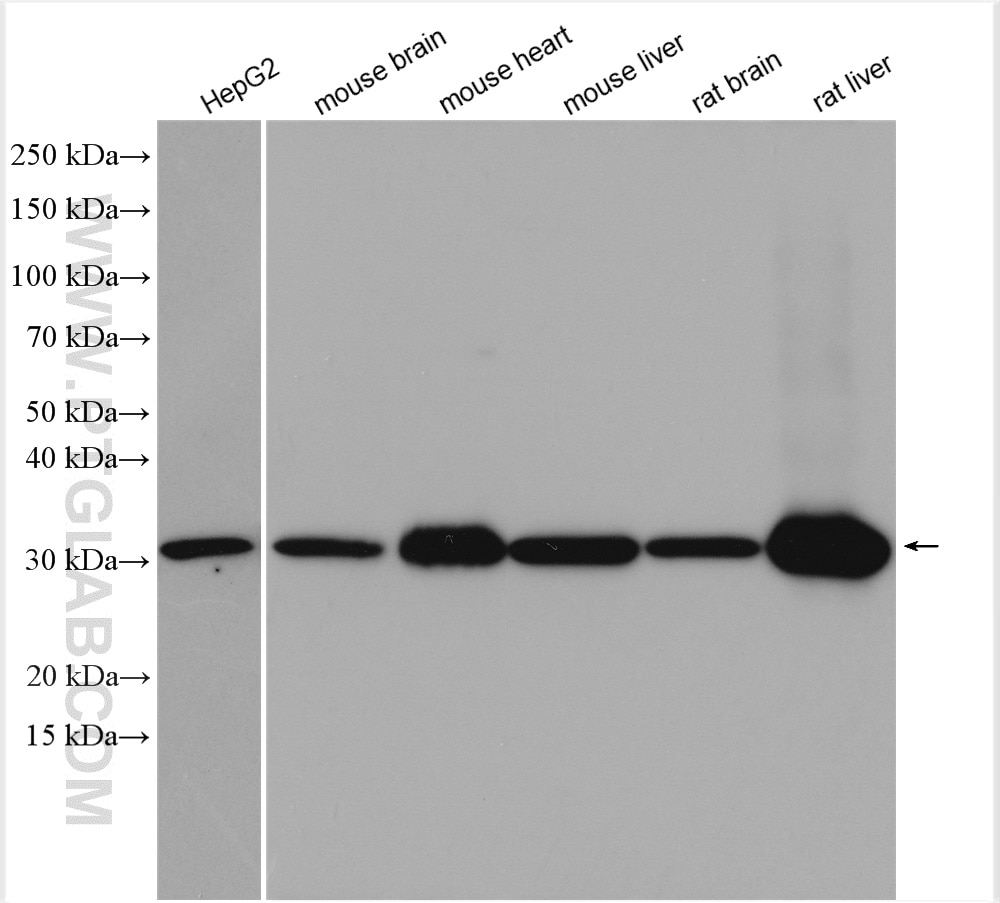
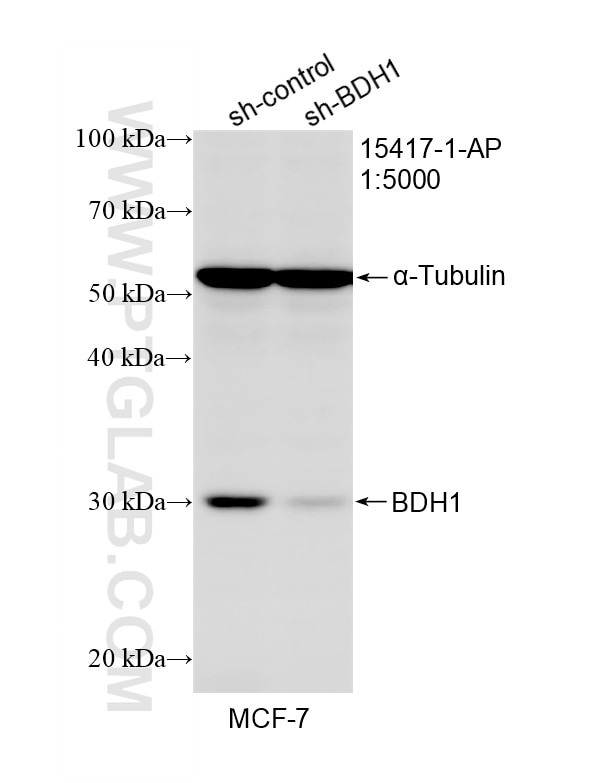
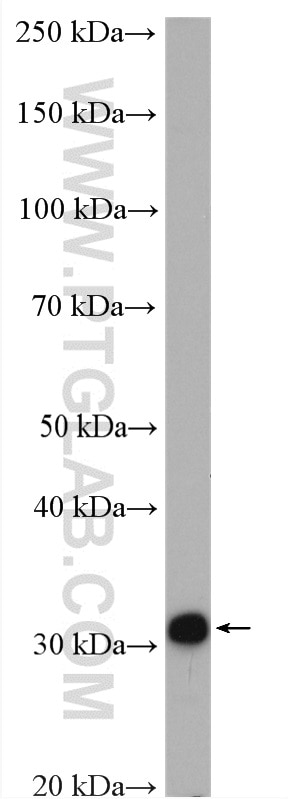
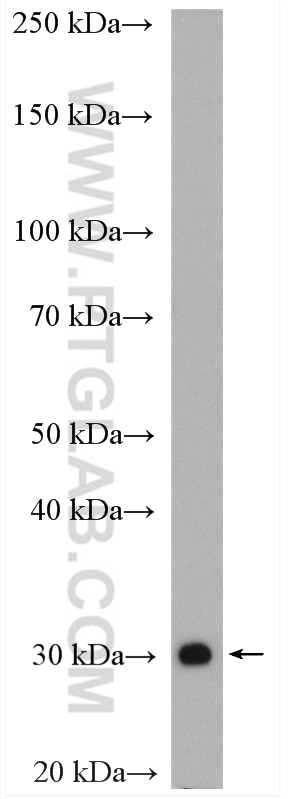
| Positive WB detected in | HepG2 cells, MCF-7 cells, mouse liver tissue, rat liver tissue, mouse brain tissue, rat brain tissue, mouse heart tissue |
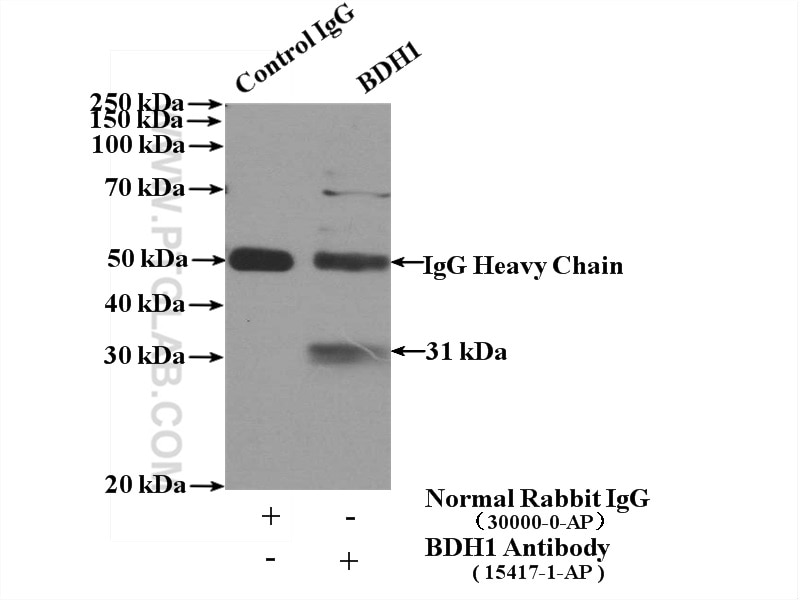
| Positive IP detected in | mouse liver tissue |
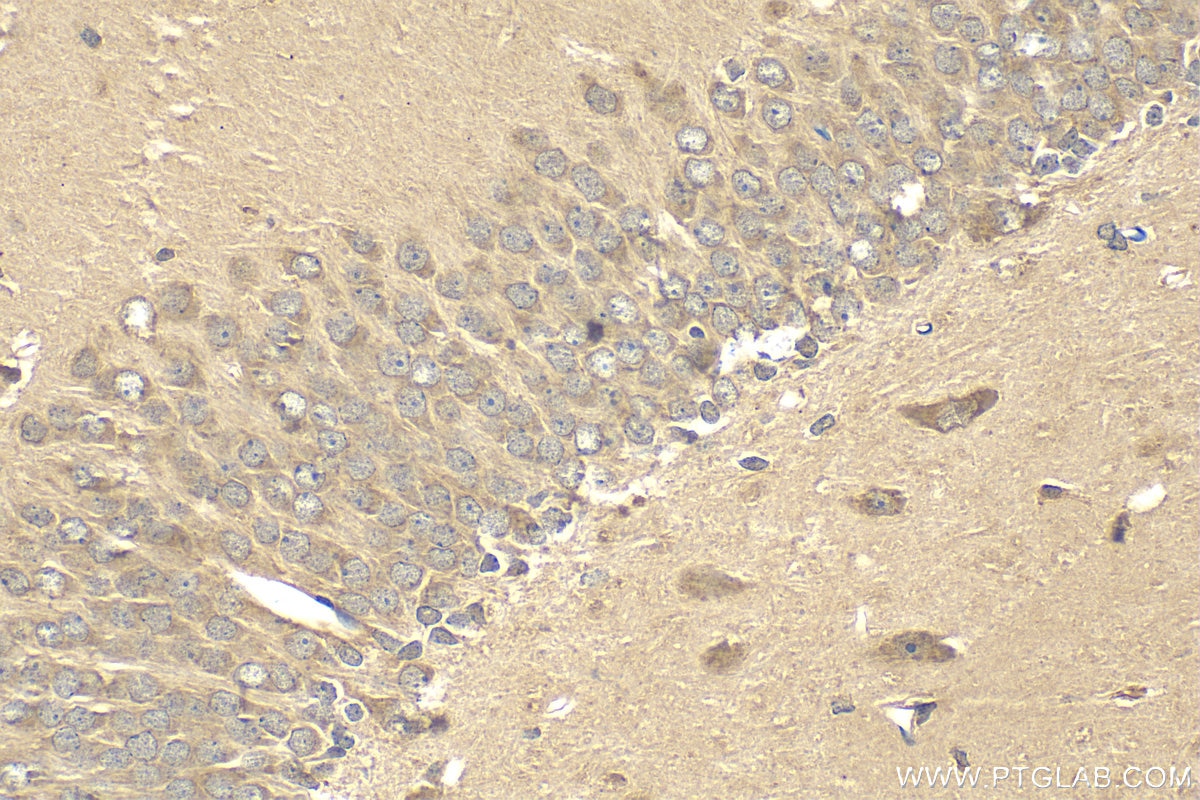
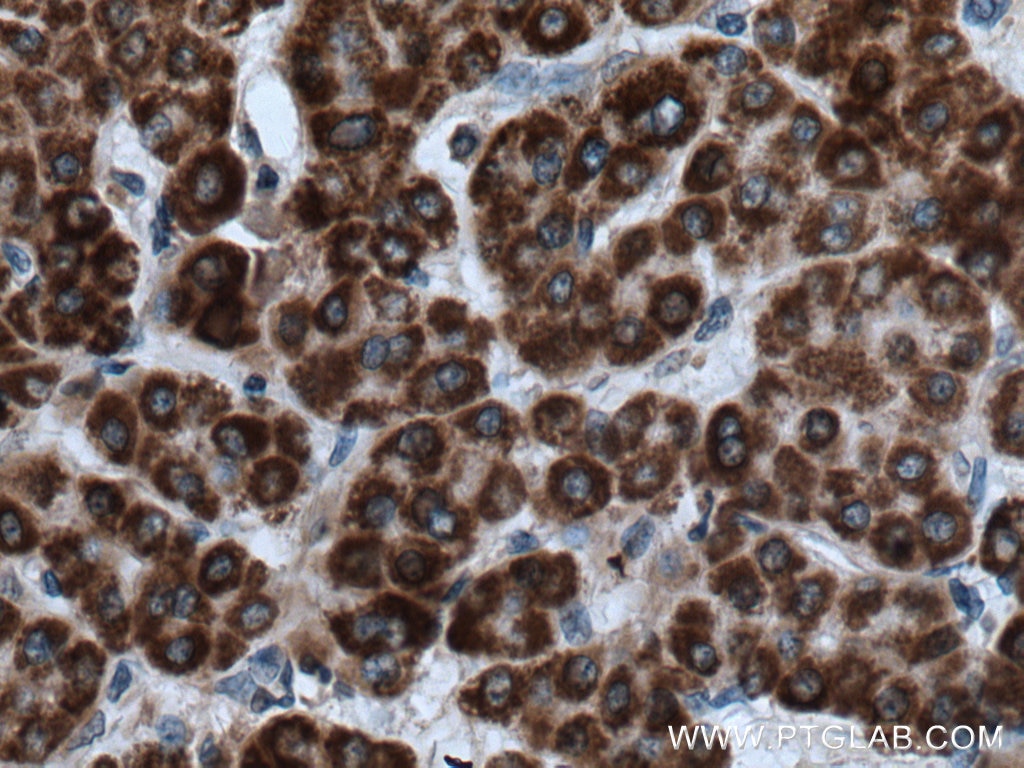
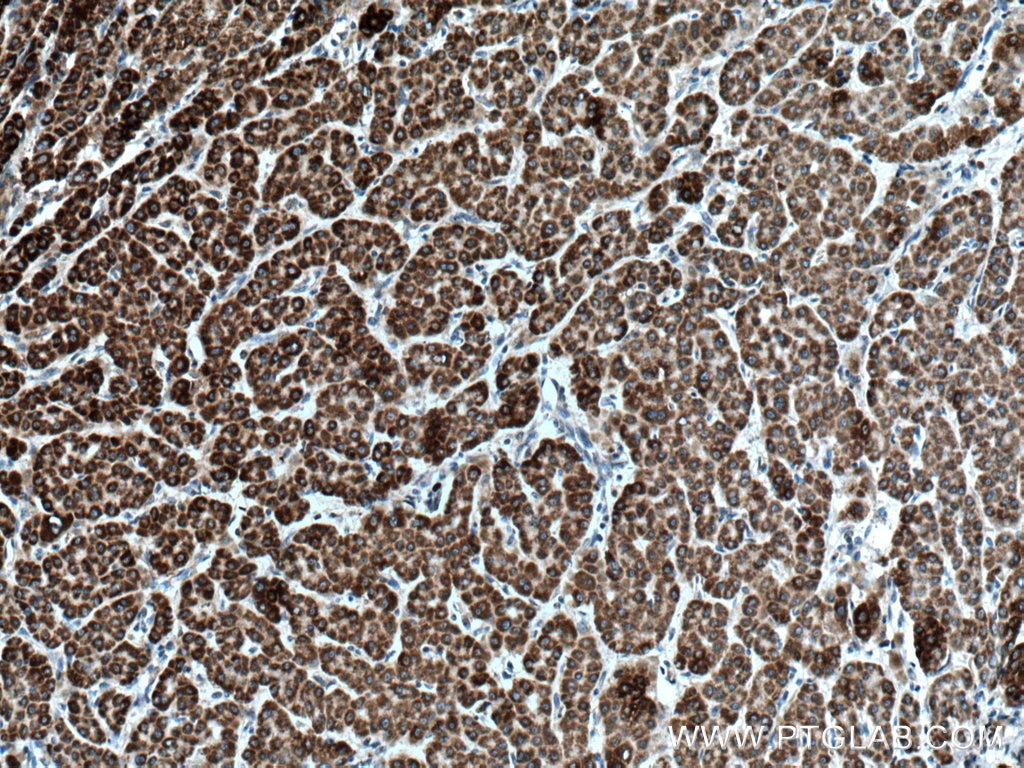
| Positive IHC detected in | rat brain tissue, human liver cancer tissue Note: suggested antigen retrieval with TE buffer pH 9.0; (*) Alternatively, antigen retrieval may be performed with citrate buffer pH 6.0 |
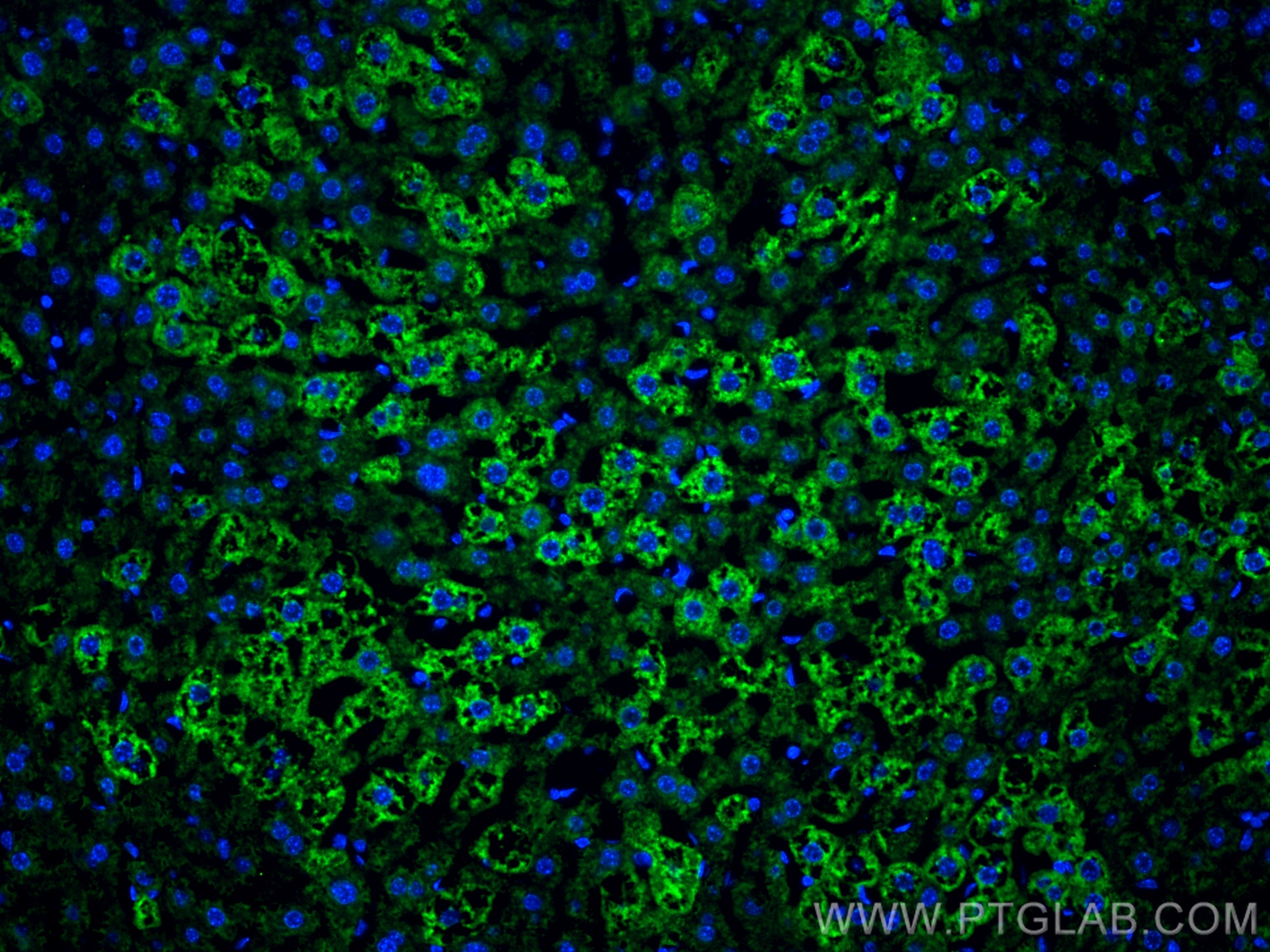
| Positive IF-P detected in | mouse liver tissue |
Recommended dilution
| Application | Dilution |
|---|---|
| Western Blot (WB) | WB : 1:2000-1:10000 |
| Immunoprecipitation (IP) | IP : 0.5-4.0 ug for 1.0-3.0 mg of total protein lysate |
| Immunohistochemistry (IHC) | IHC : 1:50-1:500 |
| Immunofluorescence (IF)-P | IF-P : 1:50-1:500 |
| It is recommended that this reagent should be titrated in each testing system to obtain optimal results. | |
| Sample-dependent, Check data in validation data gallery. | |
Product Information
15417-1-AP targets BDH1 in WB, IHC, IF-P, IP, ELISA applications and shows reactivity with human, mouse, rat samples.
| Tested Reactivity | human, mouse, rat |
| Cited Reactivity | human, mouse, rat |
| Host / Isotype | Rabbit / IgG |
| Class | Polyclonal |
| Type | Antibody |
| Immunogen |
CatNo: Ag7705 Product name: Recombinant human BDH1 protein Source: e coli.-derived, PGEX-4T Tag: GST Domain: 1-343 aa of BC005844 Sequence: MLATRLSRPLSRLPGKTLSACDRENGARRPLLLGSTSFIPIGRRTYASAAEPVGSKAVLVTGCDSGFGFSLAKHLHSKGFLVFAGCLMKDKGHDGVKELDSLNSDRLRTVQLNVCSSEEVEKVVEIVRSSLKDPEKGMWGLVNNAGISTFGEVEFTSLETYKQVAEVNLWGTVRMTKSFLPLIRRAKGRVVNISSMLGRMANPARSPYCITKFGVEAFSDCLRYEMYPLGVKVSVVEPGNFIAATSLYSPESIQAIAKKMWEELPEVVRKDYGKKYFDEKIAKMETYCSSGSTDTSPVIDAVTHALTATTPYTRYHPMDYYWWLRMQIMTHLPGAISDMIYIR Predict reactive species |
| Full Name | 3-hydroxybutyrate dehydrogenase, type 1 |
| Calculated Molecular Weight | 38 kDa |
| Observed Molecular Weight | 31 kDa |
| GenBank Accession Number | BC005844 |
| Gene Symbol | BDH1 |
| Gene ID (NCBI) | 622 |
| RRID | AB_2274683 |
| Conjugate | Unconjugated |
| Form | Liquid |
| Purification Method | Antigen affinity purification |
| UNIPROT ID | Q02338 |
| Storage Buffer | PBS with 0.02% sodium azide and 50% glycerol, pH 7.3. |
| Storage Conditions | Store at -20°C. Stable for one year after shipment. Aliquoting is unnecessary for -20oC storage. 20ul sizes contain 0.1% BSA. |
Background Information
BDH1 (3-hydroxybutyrate dehydrogenase, type 1) is a 343 amino acid protein that localizes to the mitochondrial matrix and belongs to the short-chain dehydrogenases/reductases (SDR) family. The deduced 343 amino acid protein contains a 46 residue leader peptide, which is cleaved to produce the mature form. It is a lipid-requiring mitochondrial enzyme with a specific requirement of phosphatidylcholine (PC).
Protocols
| Product Specific Protocols | |
|---|---|
| IF protocol for BDH1 antibody 15417-1-AP | Download protocol |
| IHC protocol for BDH1 antibody 15417-1-AP | Download protocol |
| IP protocol for BDH1 antibody 15417-1-AP | Download protocol |
| WB protocol for BDH1 antibody 15417-1-AP | Download protocol |
| Standard Protocols | |
|---|---|
| Click here to view our Standard Protocols |
Publications
What published studies show
The BDH1 Polyclonal antibody (Cat# 15417-1-AP) has 48 citations spanning journals including Nature, Cell Metabolism, Cell Research, Immunity, Cell Stem Cell, Cancer Research, Nature Neuroscience, Science Advances, PNAS, EMBO Molecular Medicine, Cell Reports, JBC, FASEB Journal, and others. Research fields cover ketone body metabolism, ketogenic diet effects, cancer (hepatocellular, colon, prostate, pancreatic, leukemia), cardiovascular disease, neurology, fibrosis, and immune regulation.
| Species | Application | Title |
|---|---|---|
Cell Metab Ketone flux through BDH1 supports metabolic remodeling of skeletal and cardiac muscles in response to intermittent time-restricted feeding
| ||
Cell Res Hepatocellular carcinoma redirects to ketolysis for progression under nutrition deprivation stress. | ||
Immunity Ketolysis drives CD8+ T cell effector function through effects on histone acetylation | ||
Cell Stem Cell A ketogenesis-ferroptosis axis maintains leukemic stem cell survival and leukemia progression. |
Reviews
What customers say
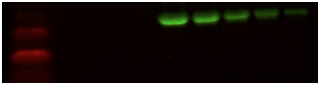
The product received a 5-star rating. The reviewer used it at a 1:5000 dilution for Western Blot on mouse liver tissue and reported that it worked well in mouse tissue. Overall, the feedback is positive, indicating reliable performance in its tested application.
The reviews below have been submitted by verified Proteintech customers who received an incentive for providing their feedback.
Jieyi (Verified Customer) (01-26-2026) | Works good in mouse tissue
 |










