

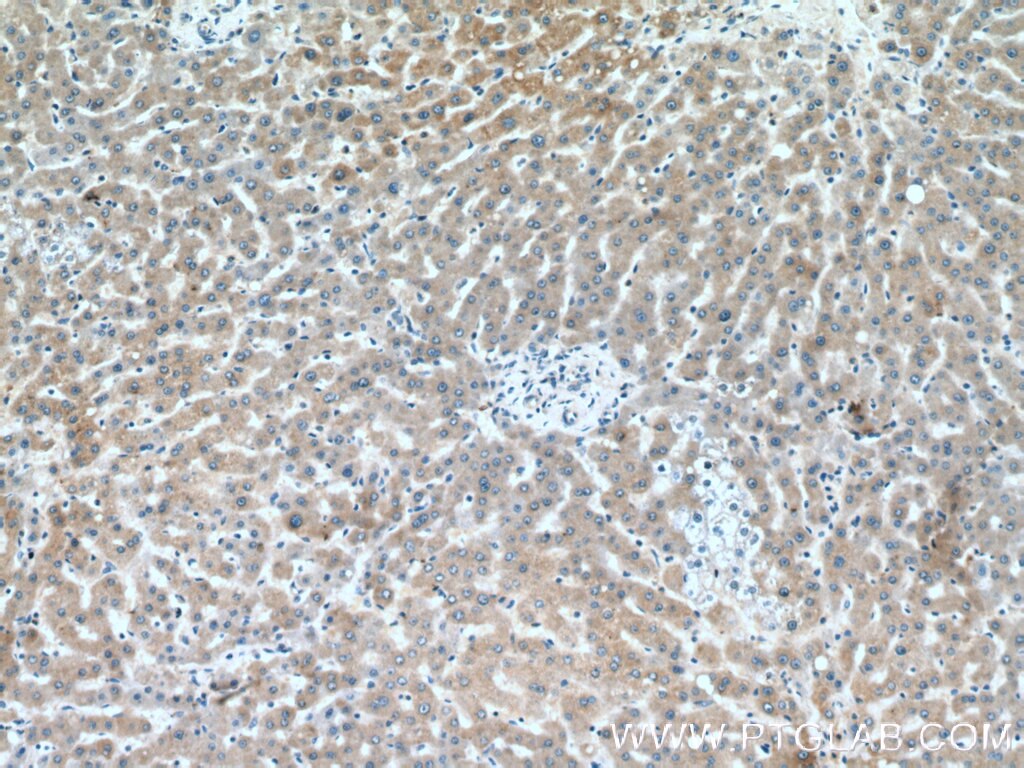
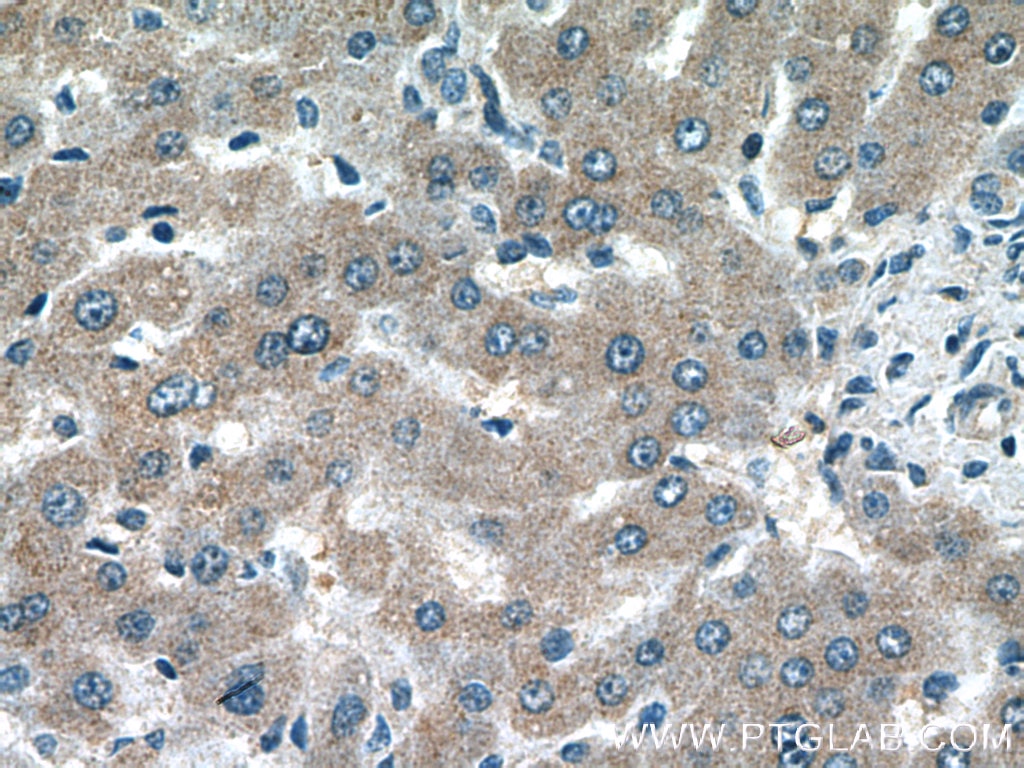
Tested Applications
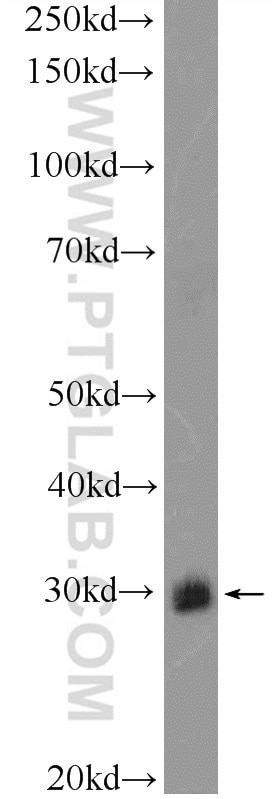
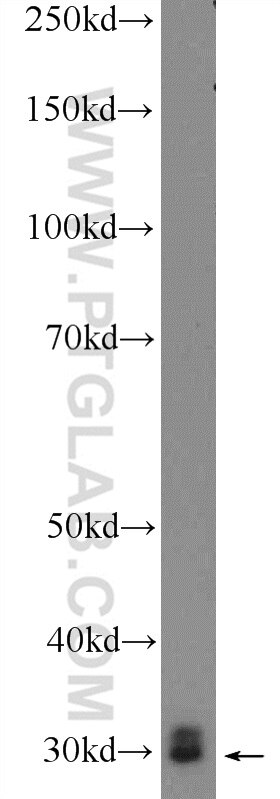
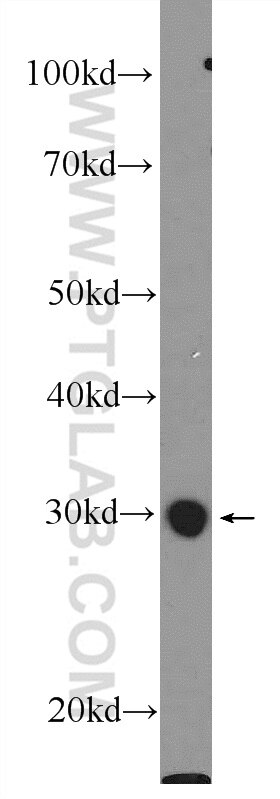
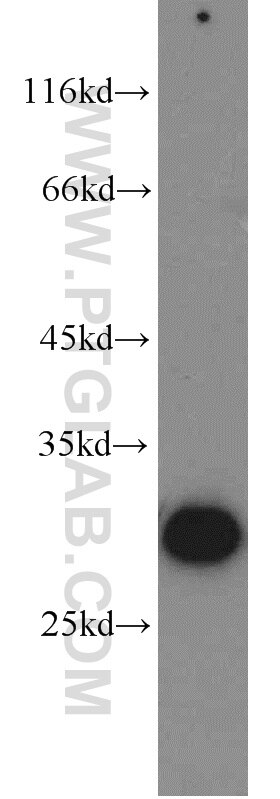
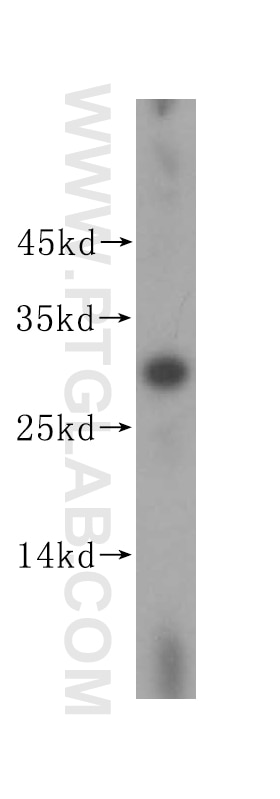
| Positive WB detected in | HEK-293T cells, human plasma, mouse liver tissue, rat liver tissue, HeLa cells, Jurkat cells, K-562 cells, LNCaP cells, U-87 MG cells, mouse heart tissue, mouse lung tissue |
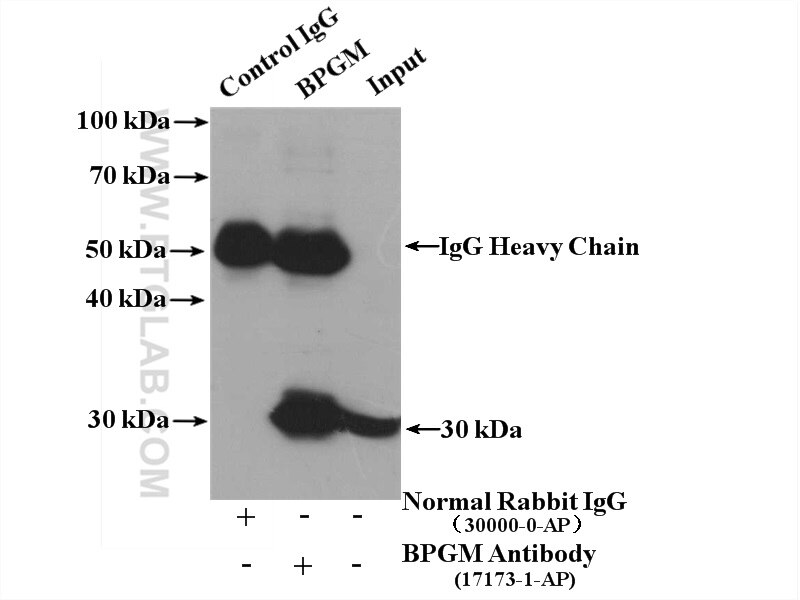
| Positive IP detected in | mouse liver tissue |
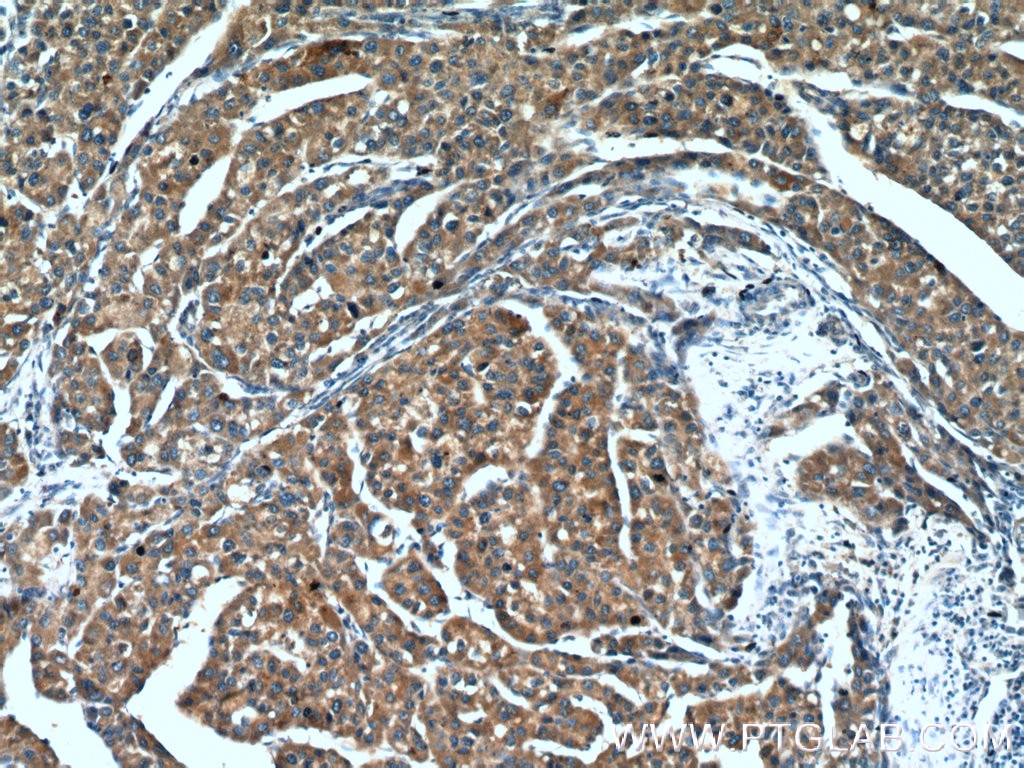
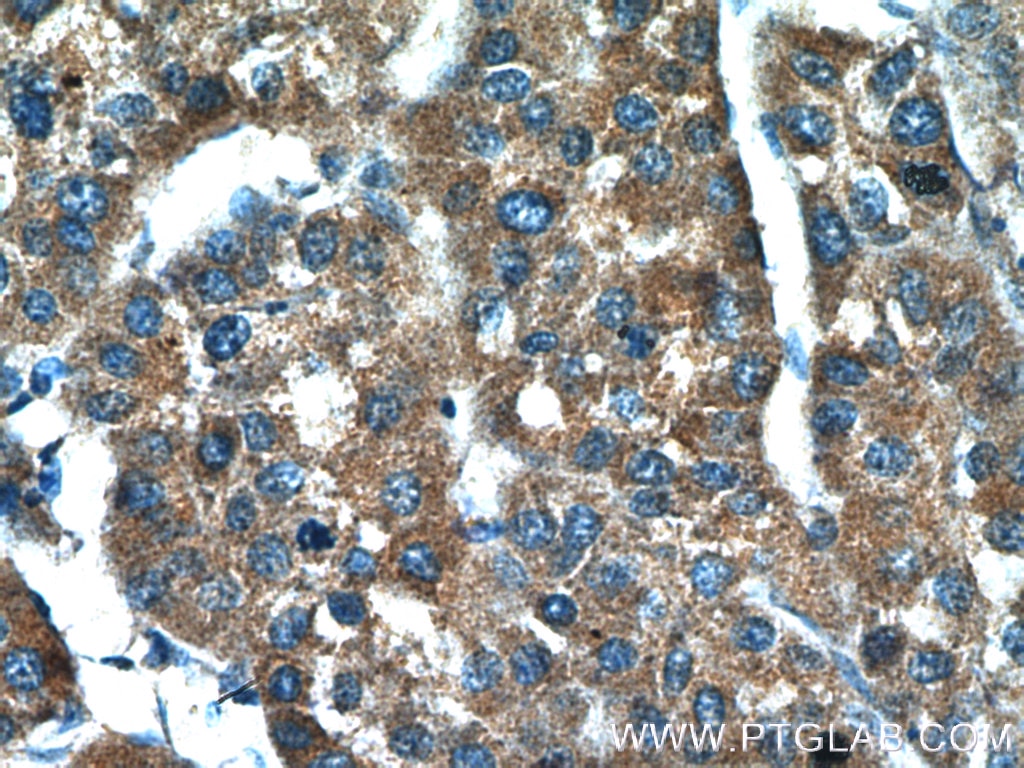
| Positive IHC detected in | human liver cancer tissue, human liver tissue Note: suggested antigen retrieval with TE buffer pH 9.0; (*) Alternatively, antigen retrieval may be performed with citrate buffer pH 6.0 |
Recommended dilution
| Application | Dilution |
|---|---|
| Western Blot (WB) | WB : 1:1000-1:8000 |
| Immunoprecipitation (IP) | IP : 0.5-4.0 ug for 1.0-3.0 mg of total protein lysate |
| Immunohistochemistry (IHC) | IHC : 1:100-1:400 |
| It is recommended that this reagent should be titrated in each testing system to obtain optimal results. | |
| Sample-dependent, Check data in validation data gallery. | |
Product Information
17173-1-AP targets BPGM in WB, IHC, IF, IP, ELISA applications and shows reactivity with human, mouse, rat samples.
| Tested Reactivity | human, mouse, rat |
| Cited Reactivity | human, mouse, rat |
| Host / Isotype | Rabbit / IgG |
| Class | Polyclonal |
| Type | Antibody |
| Immunogen |
CatNo: Ag10731 Product name: Recombinant human BPGM protein Source: e coli.-derived, PET28a Tag: 6*His Domain: 1-259 aa of BC017050 Sequence: MSKYKLIMLRHGEGAWNKENRFCSWVDQKLNSEGMEEARNCGKQLKALNFEFDLVFTSVLNRSIHTAWLILEELGQEWVPVESSWRLNERHYGALIGLNREQMALNHGEEQVRLWRRSYNVTPPPIEESHPYYQEIYNDRRYKVCDVPLDQLPRSESLKDVLERLLPYWNERIAPEVLRGKTILISAHGNSSRALLKHLEGISDEDIINITLPTGVPILLELDENLRAVGPHQFLGDQEAIQAAIKKVEDQGKVKQAKK Predict reactive species |
| Full Name | 2,3-bisphosphoglycerate mutase |
| Calculated Molecular Weight | 259 aa, 30 kDa |
| Observed Molecular Weight | 30 kDa |
| GenBank Accession Number | BC017050 |
| Gene Symbol | BPGM |
| Gene ID (NCBI) | 669 |
| RRID | AB_2274991 |
| Conjugate | Unconjugated |
| Form | Liquid |
| Purification Method | Antigen affinity purification |
| UNIPROT ID | P07738 |
| Storage Buffer | PBS with 0.02% sodium azide and 50% glycerol, pH 7.3. |
| Storage Conditions | Store at -20°C. Stable for one year after shipment. Aliquoting is unnecessary for -20oC storage. 20ul sizes contain 0.1% BSA. |
Background Information
BPGM is a cytosolic erythrocyte enzyme that controls intracellular levels of 2,3-bisphosphoglycerate, a key allosteric regulator of hemoglobin. By modulating hemoglobin oxygen affinity, BPGM ensures efficient oxygen delivery to tissues and supports physiological adaptation to hypoxia. Genetic disruption of BPGM leads to erythrocytosis and impaired oxygen release, underscoring its central role in red blood cell metabolic specialization. BPGM in HCC cells also induced both histone lactylation and M2 polarization of macrophages by lactate secretion. (PMID: 41514495)
Protocols
| Product Specific Protocols | |
|---|---|
| IHC protocol for BPGM antibody 17173-1-AP | Download protocol |
| IP protocol for BPGM antibody 17173-1-AP | Download protocol |
| WB protocol for BPGM antibody 17173-1-AP | Download protocol |
| Standard Protocols | |
|---|---|
| Click here to view our Standard Protocols |
Publications
What published studies show
| Species | Application | Title |
|---|---|---|
Cell Metab Erythrocyte transglutaminase-2 combats hypoxia and chronic kidney disease by promoting oxygen delivery and carnitine homeostasis. | ||
FASEB J Identification and Screening of Lactate-Related Genes as Molecular Markers for Early Diagnosis of Steroid-Induced Osteonecrosis of the Femoral Head. | ||
Adv Sci (Weinh) Hepatocyte BPGM Induces RET Lactylation and Macrophage Reprogramming to Promote Tumorigenesis in Hepatocellular Carcinoma | ||
Front Physiol Alteration in the number, morphology, function, and metabolism of erythrocytes in high-altitude polycythemia | ||
Brain Res Bull Enhanced BPGM/2,3-DPG pathway activity suppresses glycolysis in hypoxic astrocytes via FIH-1 and TET2 | ||
Neoplasia BPGM as an intrinsic brake to constrain metastasis through phospho-epigenetic-mediated carnitine biosynthesis suppression. |












