

Tested Applications
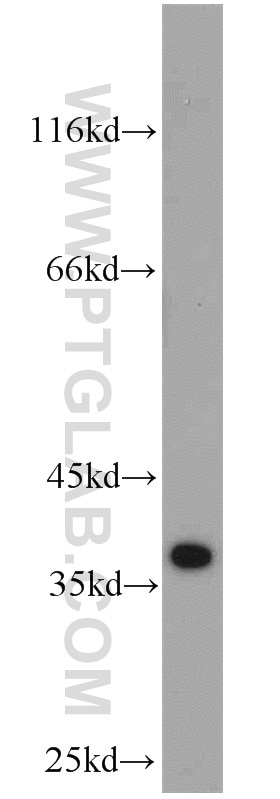
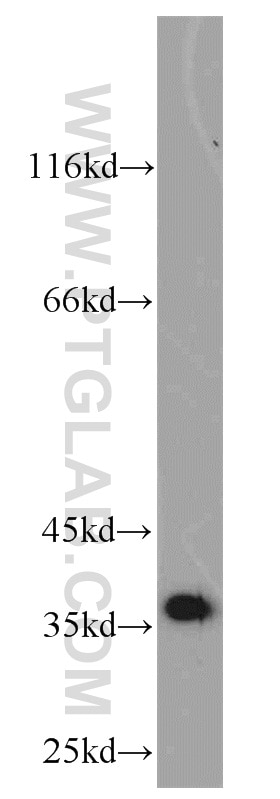
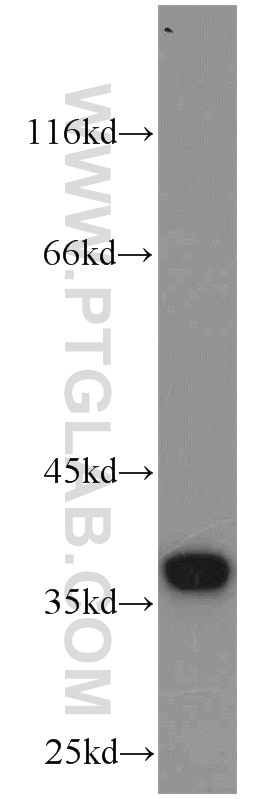
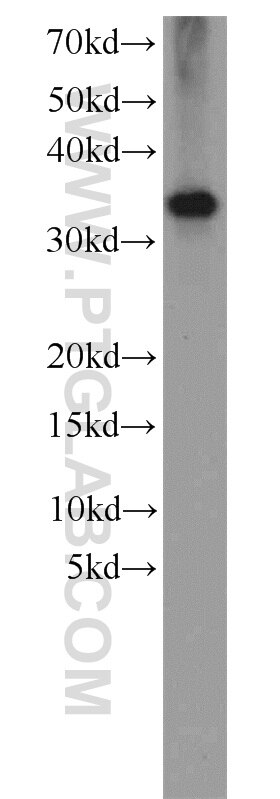
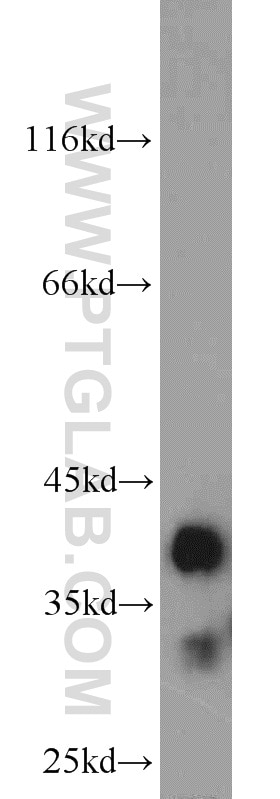
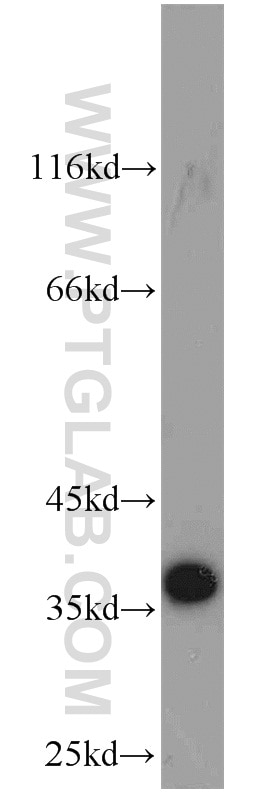
| Positive WB detected in | Jurkat cells, A549 cells, HEK-293 cells, HepG2 cells, mouse liver tissue, Y79 cells |
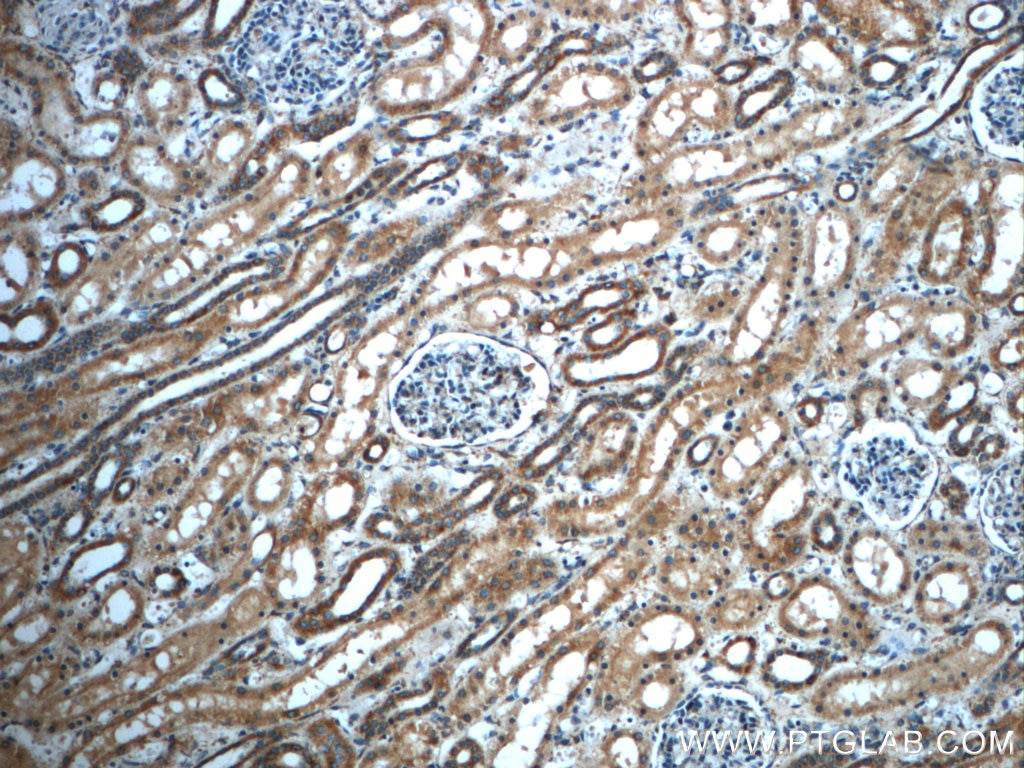
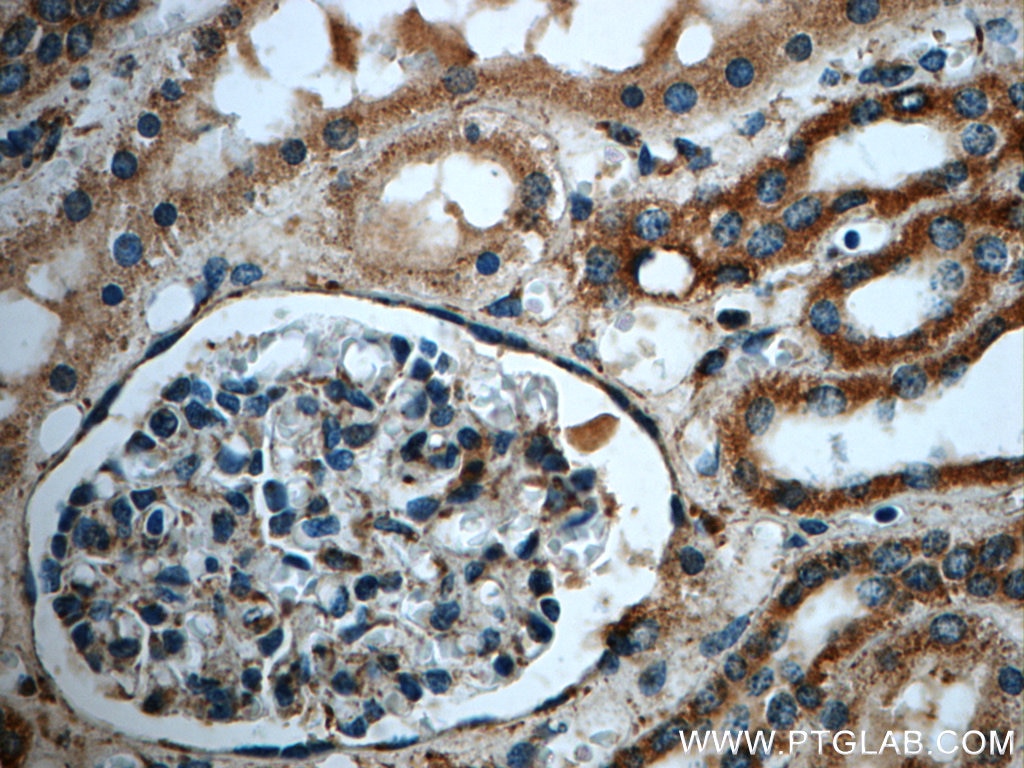
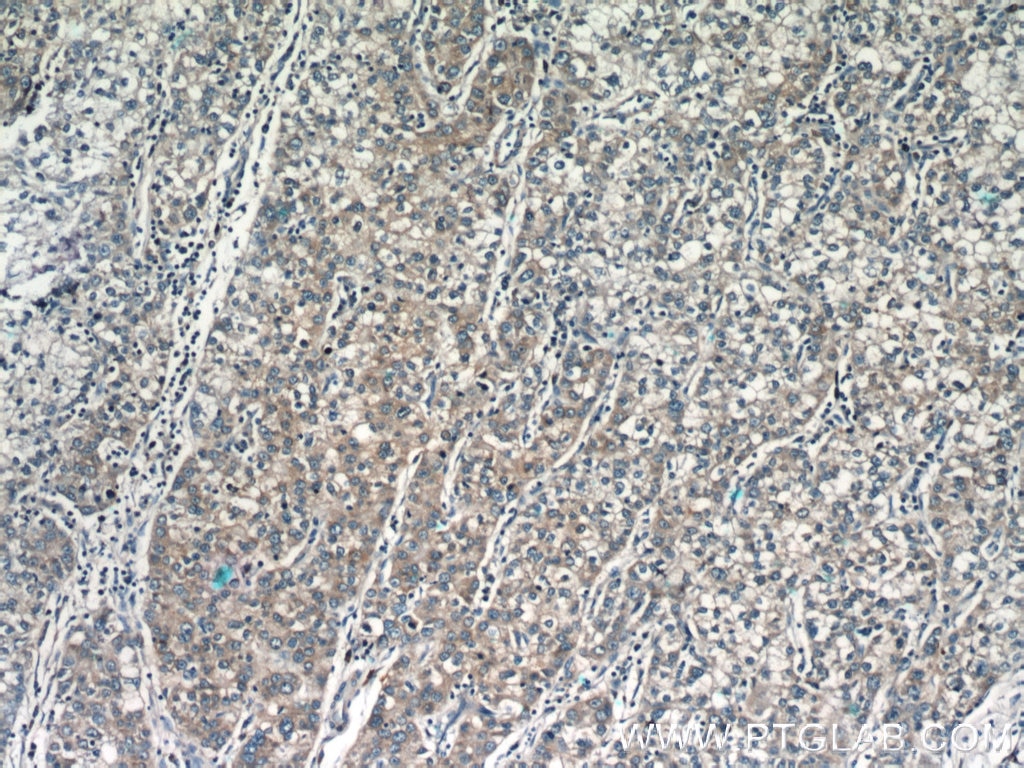
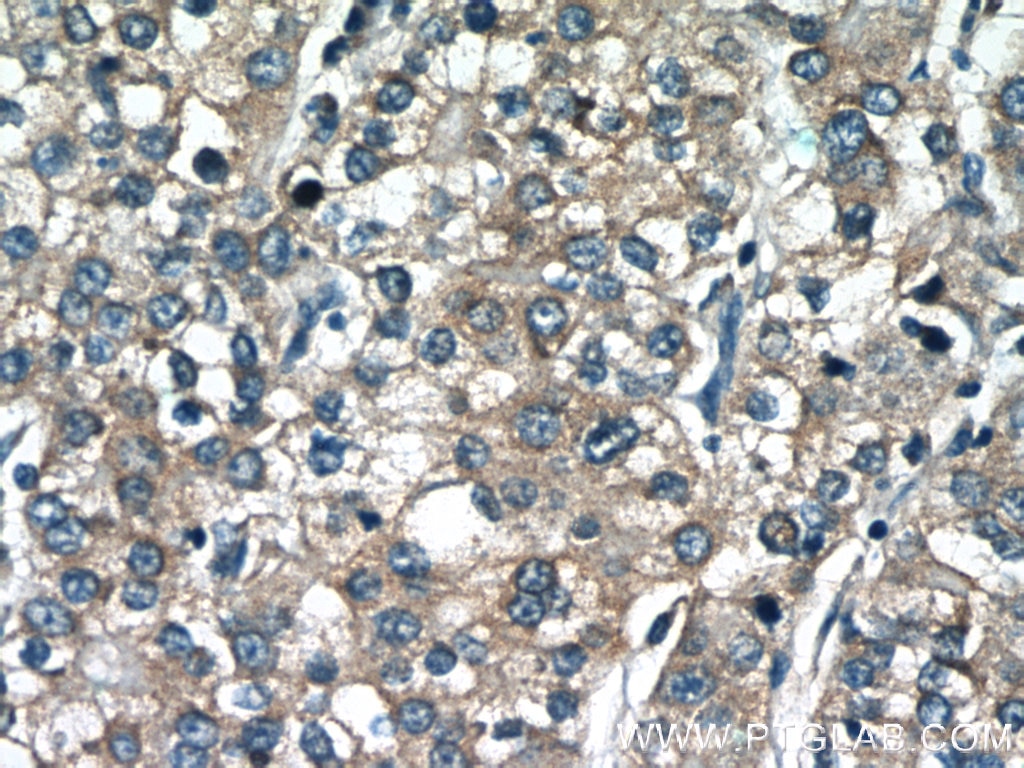
| Positive IHC detected in | human kidney tissue, human liver cancer tissue Note: suggested antigen retrieval with TE buffer pH 9.0; (*) Alternatively, antigen retrieval may be performed with citrate buffer pH 6.0 |
Recommended dilution
| Application | Dilution |
|---|---|
| Western Blot (WB) | WB : 1:500-1:2000 |
| Immunohistochemistry (IHC) | IHC : 1:20-1:200 |
| It is recommended that this reagent should be titrated in each testing system to obtain optimal results. | |
| Sample-dependent, Check data in validation data gallery. | |
Product Information
23178-1-AP targets MGME1 in WB, IHC, IF, IP, ELISA applications and shows reactivity with human, mouse samples.
| Tested Reactivity | human, mouse |
| Cited Reactivity | human, mouse |
| Host / Isotype | Rabbit / IgG |
| Class | Polyclonal |
| Type | Antibody |
| Immunogen |
CatNo: Ag19644 Product name: Recombinant human MGME1 protein Source: e coli.-derived, PGEX-4T Tag: GST Domain: 1-344 aa of BC016869 Sequence: MKMKLFQTICRQLRSSKFSVESAALVAFSTSSYSCGRKKKVNPYEEVDQEKYSNLVQSVLSSRGVAQTPGSVEEDALLCGPVSKHKLPNQGEDRRVPQNWFPIFNPERSDKPNASDPSVPLKIPLQRNVIPSVTRVLQQTMTKQQVFLLERWKQRMILELGEDGFKEYTSNVFLQGKRFHEALESILSPQETLKERDENLLKSGYIESVQHILKDVSGVRALESAVQHETLNYIGLLDCVAEYQGKLCVIDWKTSEKPKPFIQSTFDNPLQVVAYMGAMNHDTNYSFQVQCGLIVVAYKDGSPAHPHFMDAELCSQYWTKWLLRLEEYTEKKKNQNIQKPEYSE Predict reactive species |
| Full Name | chromosome 20 open reading frame 72 |
| Calculated Molecular Weight | 344 aa, 39 kDa |
| Observed Molecular Weight | 36-39 kDa |
| GenBank Accession Number | BC016869 |
| Gene Symbol | MGME1 |
| Gene ID (NCBI) | 92667 |
| RRID | AB_2879223 |
| Conjugate | Unconjugated |
| Form | Liquid |
| Purification Method | Antigen affinity purification |
| UNIPROT ID | Q9BQP7 |
| Storage Buffer | PBS with 0.02% sodium azide and 50% glycerol, pH 7.3. |
| Storage Conditions | Store at -20°C. Stable for one year after shipment. Aliquoting is unnecessary for -20oC storage. 20ul sizes contain 0.1% BSA. |
Background Information
MGME1, also named as C20orf72, is a single-stranded DNA (ssDNA) exonuclease involved in mitochondrial genome maintenance. It has preference for 5'-3' exonuclease activity. MGME1 cleaves single-stranded DNA (ssDNA) and several DNA or DNA-RNA chimeric oligonucleotides that showed free nucleic acid ends. It probably involved in mitochondrial DNA (mtDNA) repair, possibly via the processing of displaced DNA containing Okazaki fragments during RNA-primed DNA synthesis on the lagging strand or via processing of DNA flaps during long-patch base excision repair. This antibody detects the 35-40 kDa protein.
Protocols
| Product Specific Protocols | |
|---|---|
| IHC protocol for MGME1 antibody 23178-1-AP | Download protocol |
| WB protocol for MGME1 antibody 23178-1-AP | Download protocol |
| Standard Protocols | |
|---|---|
| Click here to view our Standard Protocols |
Publications
What published studies show
The MGME1 Polyclonal antibody (catalog number 23178-1-AP) has 8 total citations. These appear in journals including Cell, Immunity, Nature Communications, Molecular Cell, mBio, Biochemical & Biophysical Research Communications, and bioRxiv. The associated research fields span mitochondrial DNA maintenance and repair, the NLRP3 inflammasome and interferon signaling, stress granule phase separation, genotoxic stress and micronuclei proteomics, integrated stress responses, viral replication (foot-and-mouth virus), and metabolic reprogramming in colorectal cancer. Applications used include Western blot, immunofluorescence, and immunoprecipitation.
| Species | Application | Title |
|---|---|---|
Immunity Oxidized DNA fragments exit mitochondria via mPTP- and VDAC-dependent channels to activate NLRP3 inflammasome and interferon signaling.
| ||
Nat Commun Stress granule phase separation in stress-responsive cytosolic extract-in-oil droplets. | ||
Mol Cell Mitochondrial DNA breaks activate an integrated stress response to reestablish homeostasis
| ||
mBio Heat Shock Protein 60 Is Involved in Viral Replication Complex Formation and Facilitates Foot and Mouth Virus Replication by Stabilizing Viral Nonstructural Proteins 3A and 2C |











