

Tested Applications
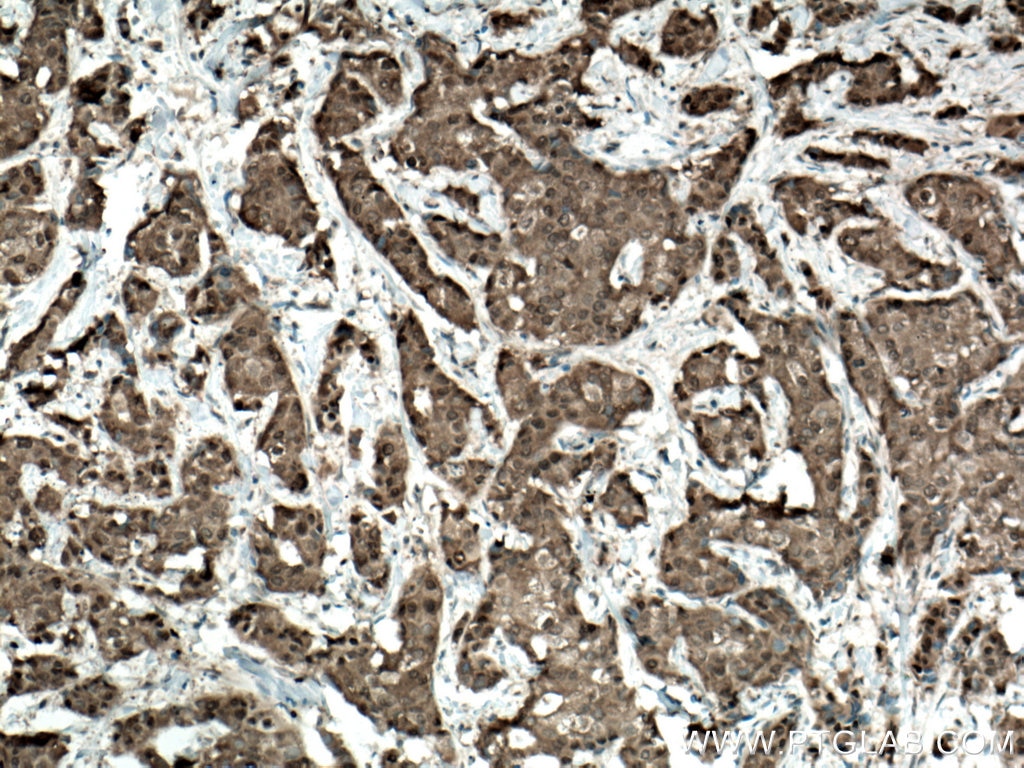
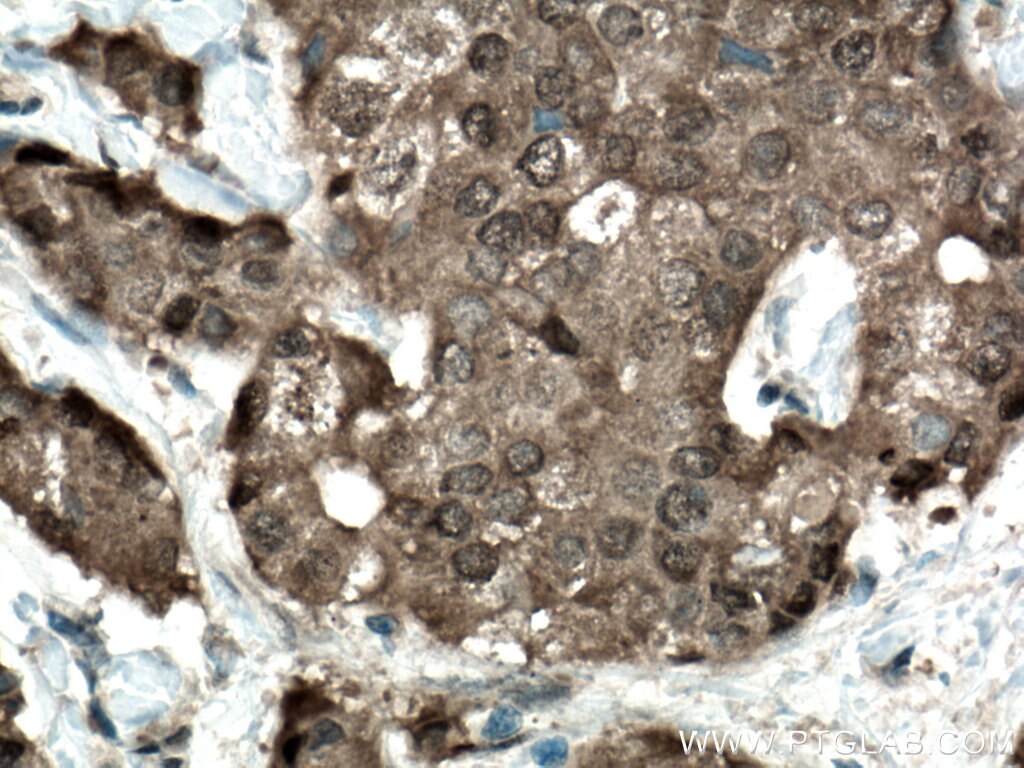
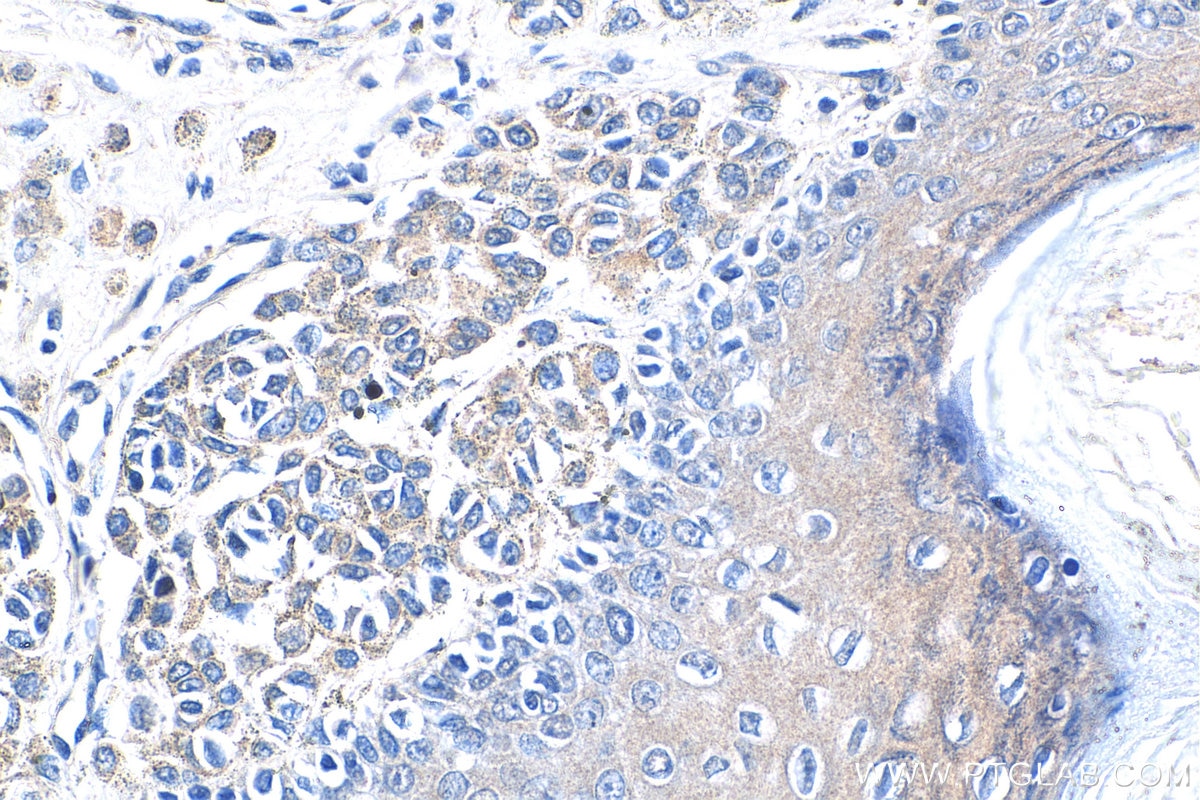
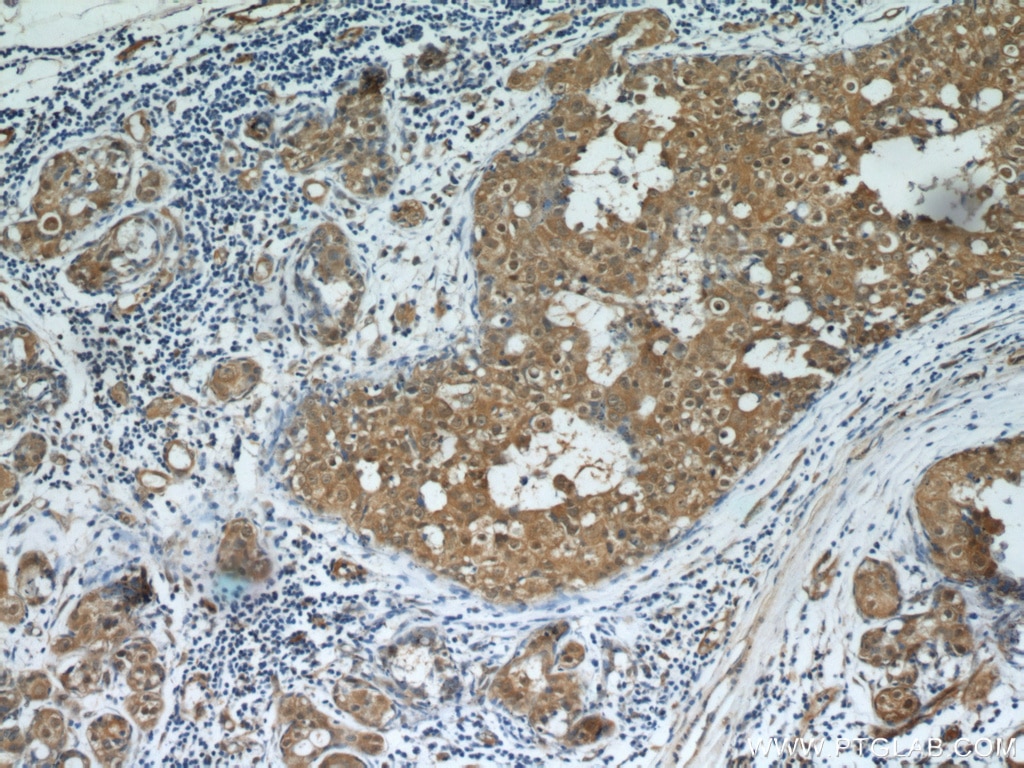
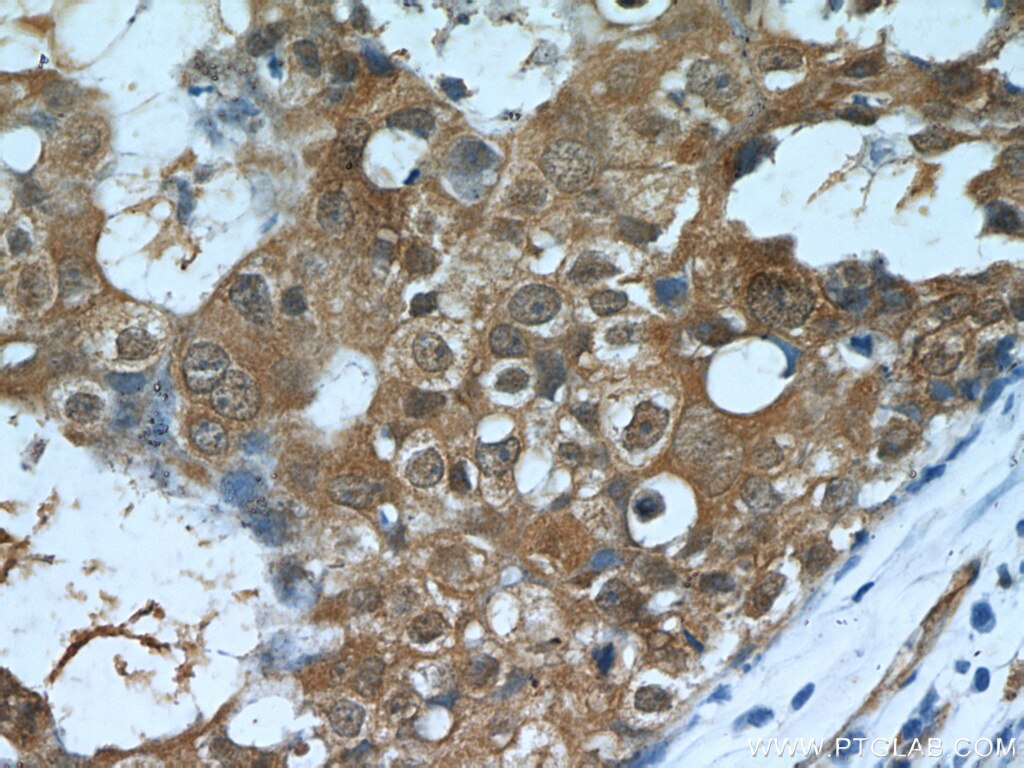
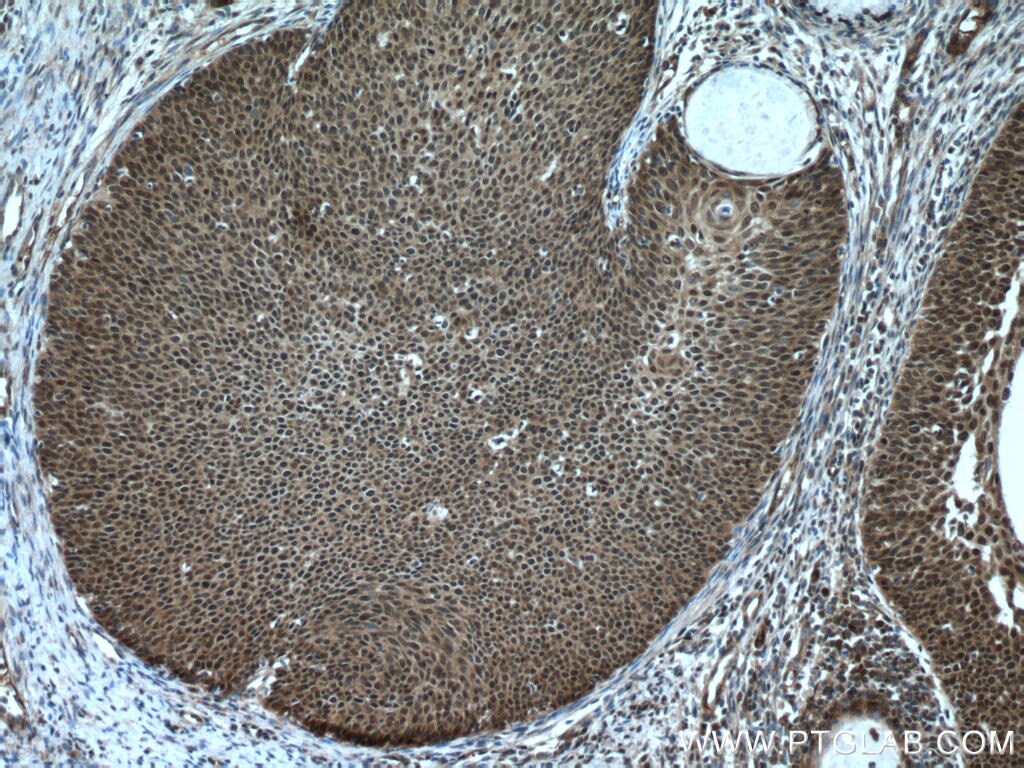
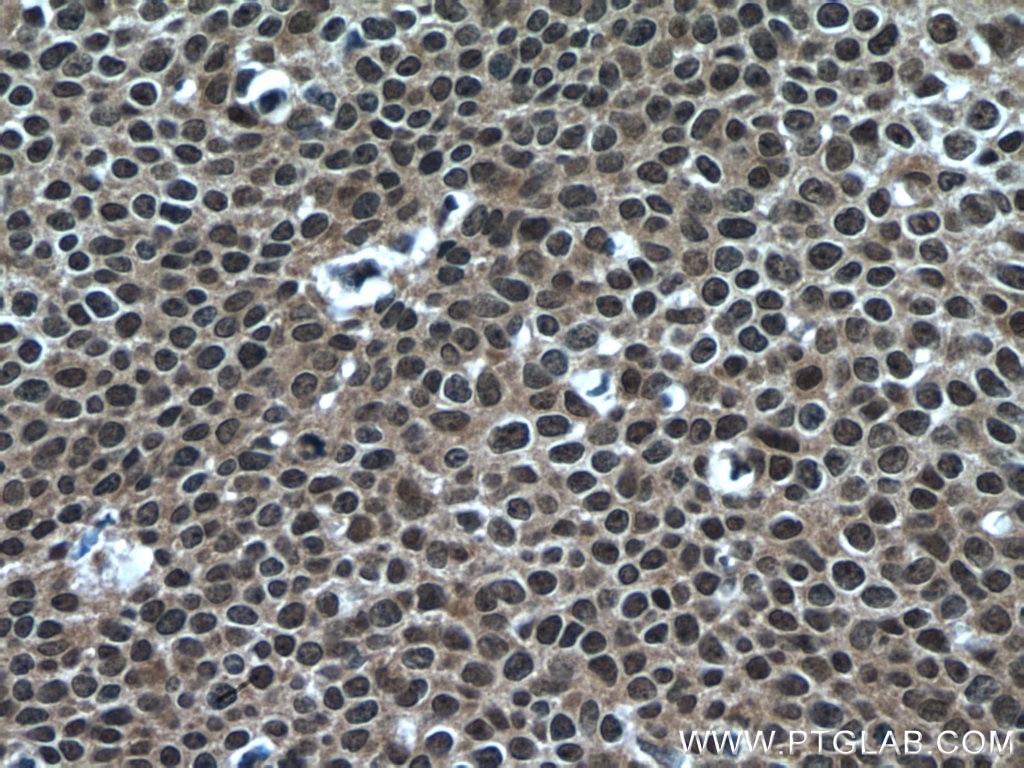
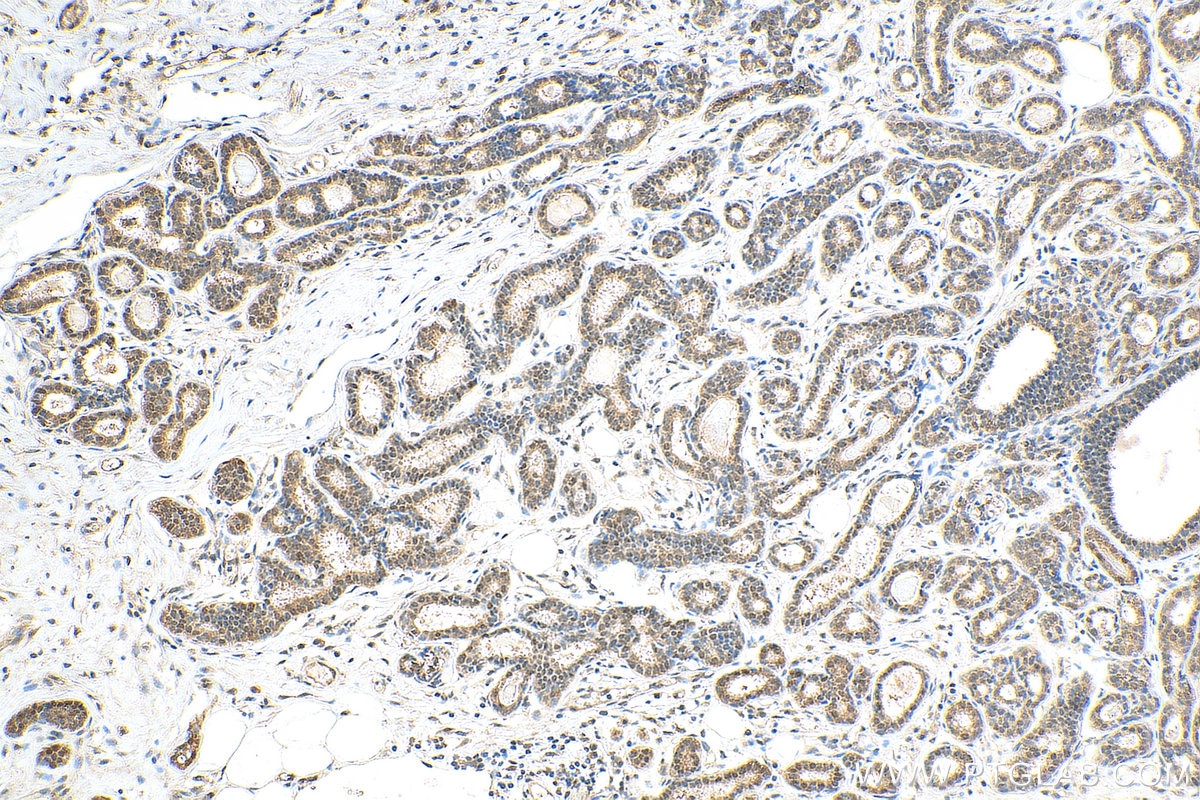
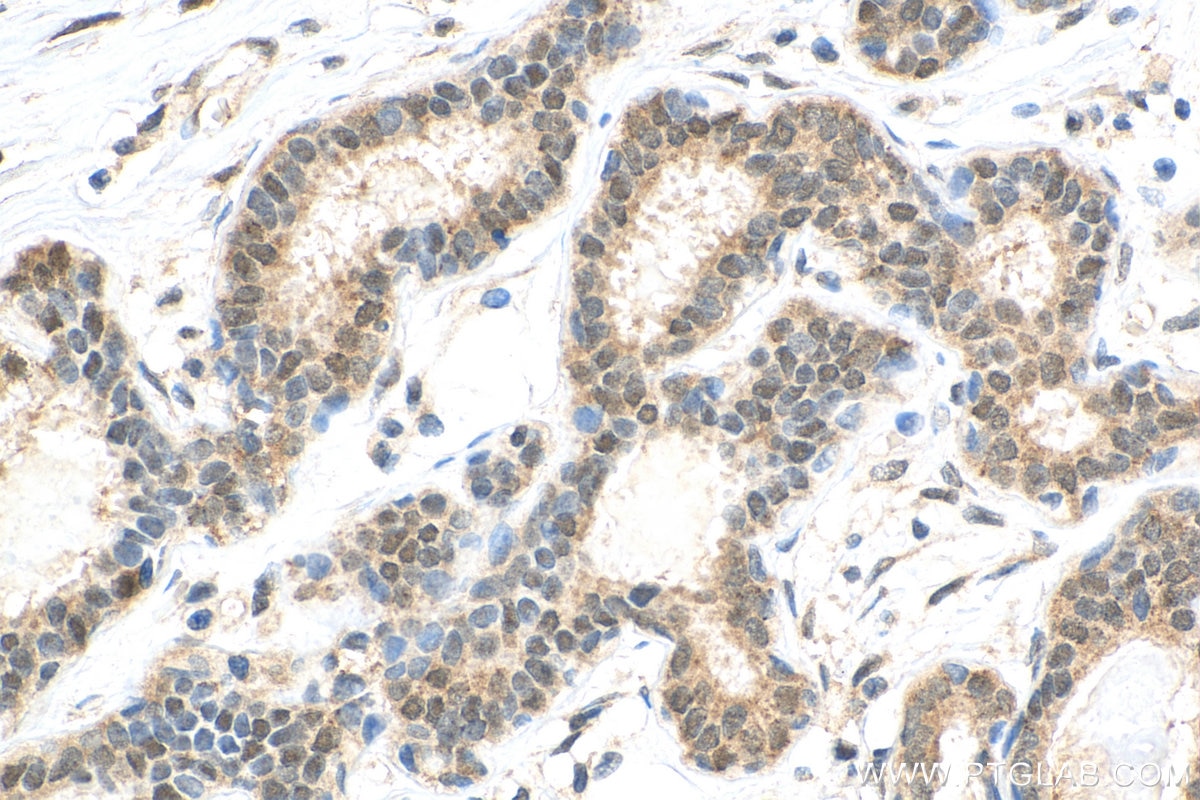
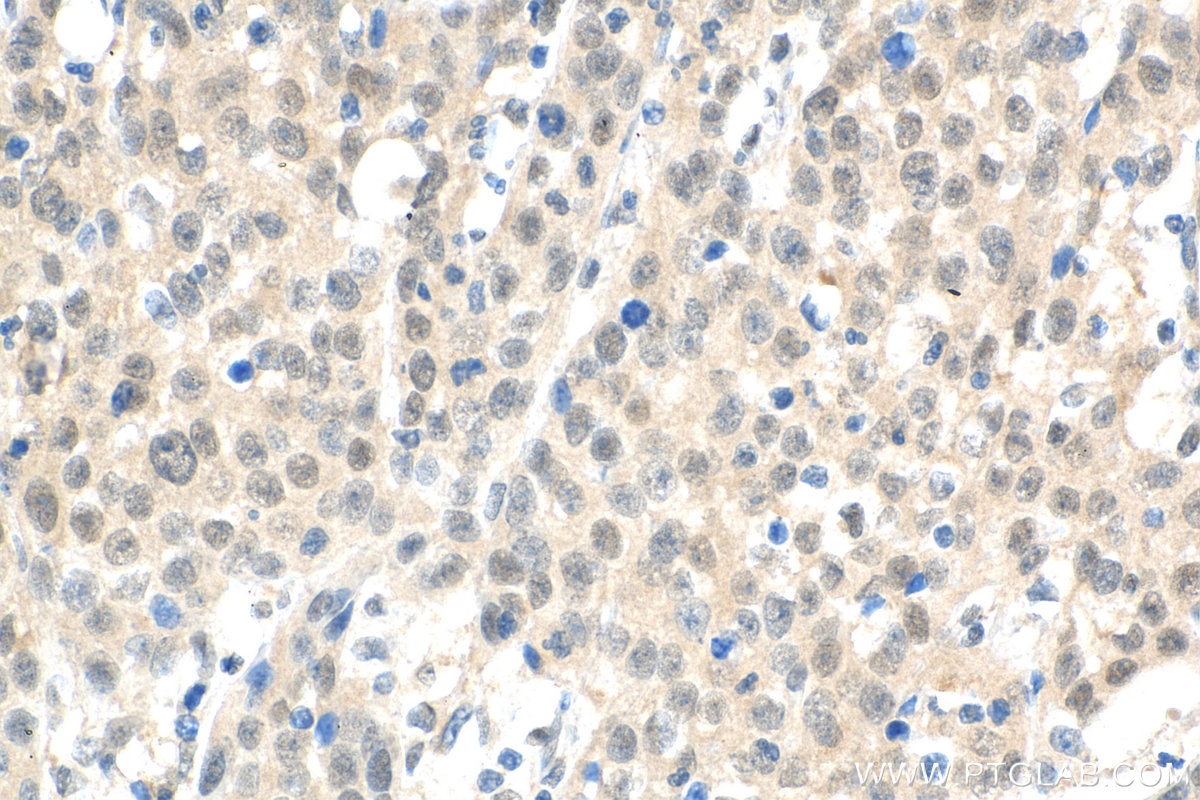
| Positive IHC detected in | human breast cancer tissue, human cervical cancer tissue, human malignant melanoma tissue Note: suggested antigen retrieval with TE buffer pH 9.0; (*) Alternatively, antigen retrieval may be performed with citrate buffer pH 6.0 |
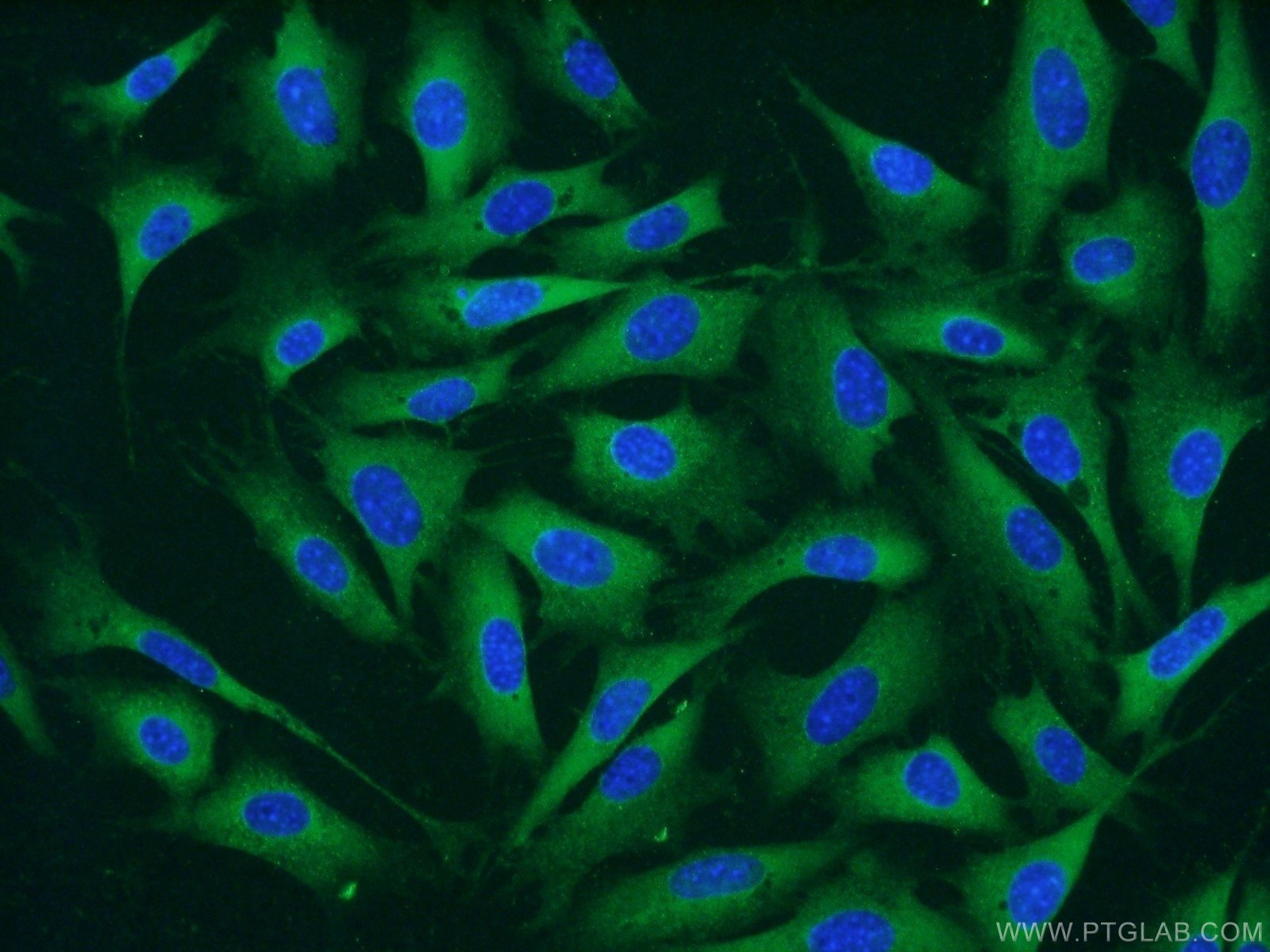
| Positive IF/ICC detected in | NIH/3T3 cells |
Recommended dilution
| Application | Dilution |
|---|---|
| Immunohistochemistry (IHC) | IHC : 1:50-1:500 |
| Immunofluorescence (IF)/ICC | IF/ICC : 1:20-1:200 |
| It is recommended that this reagent should be titrated in each testing system to obtain optimal results. | |
| Sample-dependent, Check data in validation data gallery. | |
Product Information
55246-1-AP targets CARM1 in WB, IHC, IF/ICC, IP, CoIP, ELISA applications and shows reactivity with human, mouse, rat, monkey samples.
| Tested Reactivity | human, mouse, rat, monkey |
| Cited Reactivity | human, mouse, rat |
| Host / Isotype | Rabbit / IgG |
| Class | Polyclonal |
| Type | Antibody |
| Immunogen |
Peptide Predict reactive species |
| Full Name | coactivator-associated arginine methyltransferase 1 |
| Calculated Molecular Weight | 66 kDa |
| Observed Molecular Weight | 63-66 kDa, 55 kDa |
| GenBank Accession Number | NM_199141 |
| Gene Symbol | CARM1 |
| Gene ID (NCBI) | 10498 |
| RRID | AB_10863291 |
| Conjugate | Unconjugated |
| Form | Liquid |
| Purification Method | Antigen affinity purification |
| UNIPROT ID | Q86X55 |
| Storage Buffer | PBS with 0.02% sodium azide and 50% glycerol, pH 7.3. |
| Storage Conditions | Store at -20°C. Stable for one year after shipment. Aliquoting is unnecessary for -20oC storage. 20ul sizes contain 0.1% BSA. |
Background Information
CARM1, also named as PRMT4, belongs to the protein arginine N-methyltransferase family. It is a dual functional coregulator that facilitates transcription initiation by methylation of Arg17 and Arg26 of histone H3 and also dictates the subsequent coactivator complex disassembly by methylation of the steroid receptor coactivator family coactivators and p300/cAMP-response element-binding protein. CARM1 functions as a coactivator for many nuclear receptors, such as oestrogen receptor, androgen receptor, thyroid receptor and farnesoid X-receptor. It also coactivates other transcription factors such as myocyte enhancer factor 2C (MEF2C), β-catenin, p53, nuclear factor (NF)-kB and the cAMP-responsive element-binding factor. The enzymatic activity and coactivator function of CARM1 has been found to be inactivated through phosphorylation at a conserved serine residue at mitosis stage. This antibody was generated against a synthetic peptide corresponding to a fragment of human CARM1. It is expected to specifically recognize the CRAM1. In certain type of cells, like Hela, double bands can be detected with this antibody. This may due to the additional PTM sites in cells themselves.
Protocols
| Product Specific Protocols | |
|---|---|
| IF protocol for CARM1 antibody 55246-1-AP | Download protocol |
| IHC protocol for CARM1 antibody 55246-1-AP | Download protocol |
| Standard Protocols | |
|---|---|
| Click here to view our Standard Protocols |
Publications
What published studies show
The CARM1 Polyclonal antibody (Cat# 55246-1-AP) has 20 citations spanning journals including Science Bulletin, Advanced Science, Cell Death & Disease, Cell Reports, Journal of Medicinal Chemistry, Pharmacological Research, eLife, and Cancer Cell International. Research fields covered include cancer biology (colorectal, hepatocellular, renal, breast, lung, and leukemia), epigenetic regulation and arginine methylation, lipid metabolism, osteoporosis, embryonic development, insulin resistance, and DNA damage repair.
| Species | Application | Title |
|---|---|---|
Sci Bull (Beijing) TRIM28 protects CARM1 from proteasome-mediated degradation to prevent colorectal cancer metastasis | ||
Adv Sci (Weinh) Amuc_1473 Links Gut Microbes to Skeletal Homeostasis and Counteracts Multifactorial Osteoporosis. | ||
Cell Death Dis CircIQGAP1-CARM1 axis promotes renal cell carcinoma progression through glycolytic reprogramming. | ||
Pharmacol Res Glia maturation factor-β deficiency improves insulin resistance by promoting CARM1-mediated lipid turnover | ||
Cell Death Discov Arginine methylation-dependent TRIM47 stability mediated by CARM1 promotes the metastasis of hepatocellular carcinoma | ||
Cell Rep Base-Editing-Mediated R17H Substitution in Histone H3 Reveals Methylation-Dependent Regulation of Yap Signaling and Early Mouse Embryo Development.
|
Reviews
What customers say
Both reviewers rated the product 4 out of 5 stars. One user tested it on mESCs for Western blot and immunofluorescence, reporting multiple bands between 75 and 50 kDa on WB (1:1000 dilution, overnight at 4°C) and a clear cytoplasmic signal for Carm1 in IF (1:200 dilution, 1h at RT). Another user confirmed it works well on HUVECs for Western blot at a 1:1000 dilution. Overall, the antibody performs reliably for both WB and IF applications across different cell types.
The reviews below have been submitted by verified Proteintech customers who received an incentive for providing their feedback.
fatemeh (Verified Customer) (07-25-2022) | western blot was done on 50 ug of cell lysate. Blot was transfered using wet transfer method (300 mA for 90 min). 5% milk was used as blocking reagent. antibody dilution was 1:1000 and incubation with primary antibody was overnight at 4C. Multiple band between 75 and 50 kDa were detected. for IF, PFA was used for fixing the cells and 0.5% triton was used for permeabilization. antibody was diluted 1:200 and samples were incubated with primary ab for 1h at RT. a cytoplasmic signal for Carm1 was detected.
 |
Kyosuke (Verified Customer) (06-12-2019) | It works well on HUVECs for Western blot.
|












