
Tested Applications
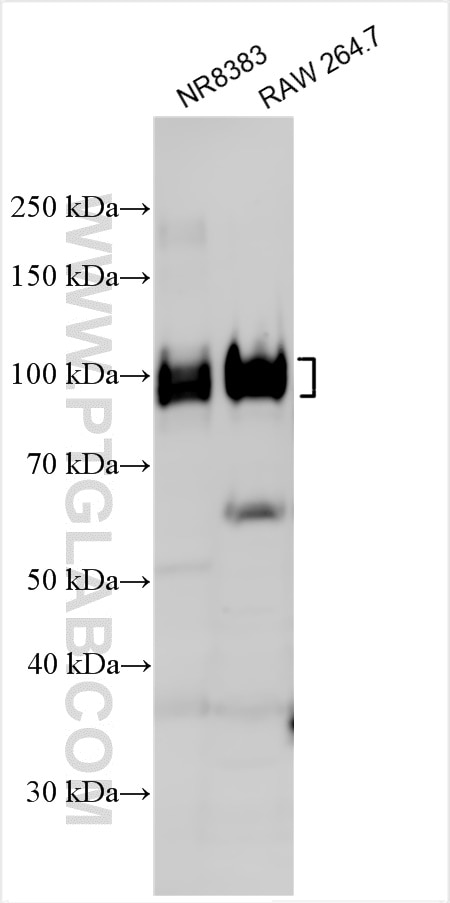
| Positive WB detected in | NR8383 cells, RAW 264.7 cells |
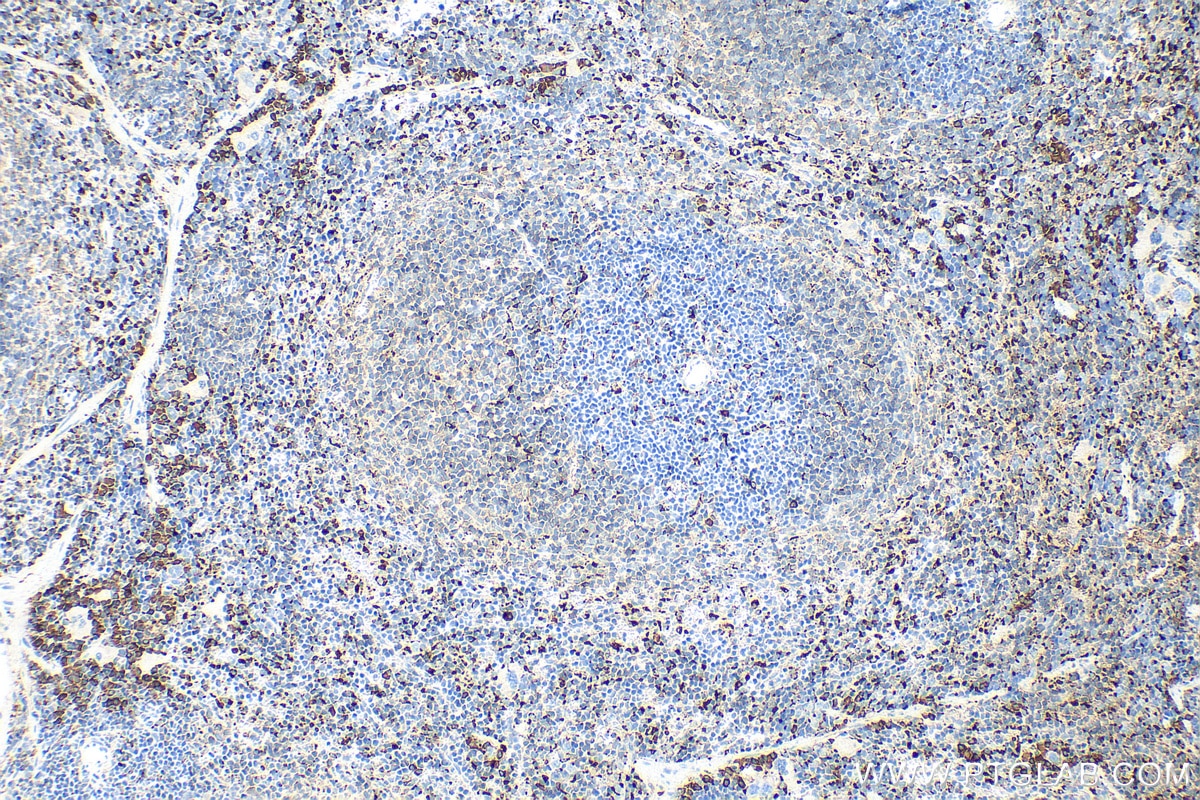
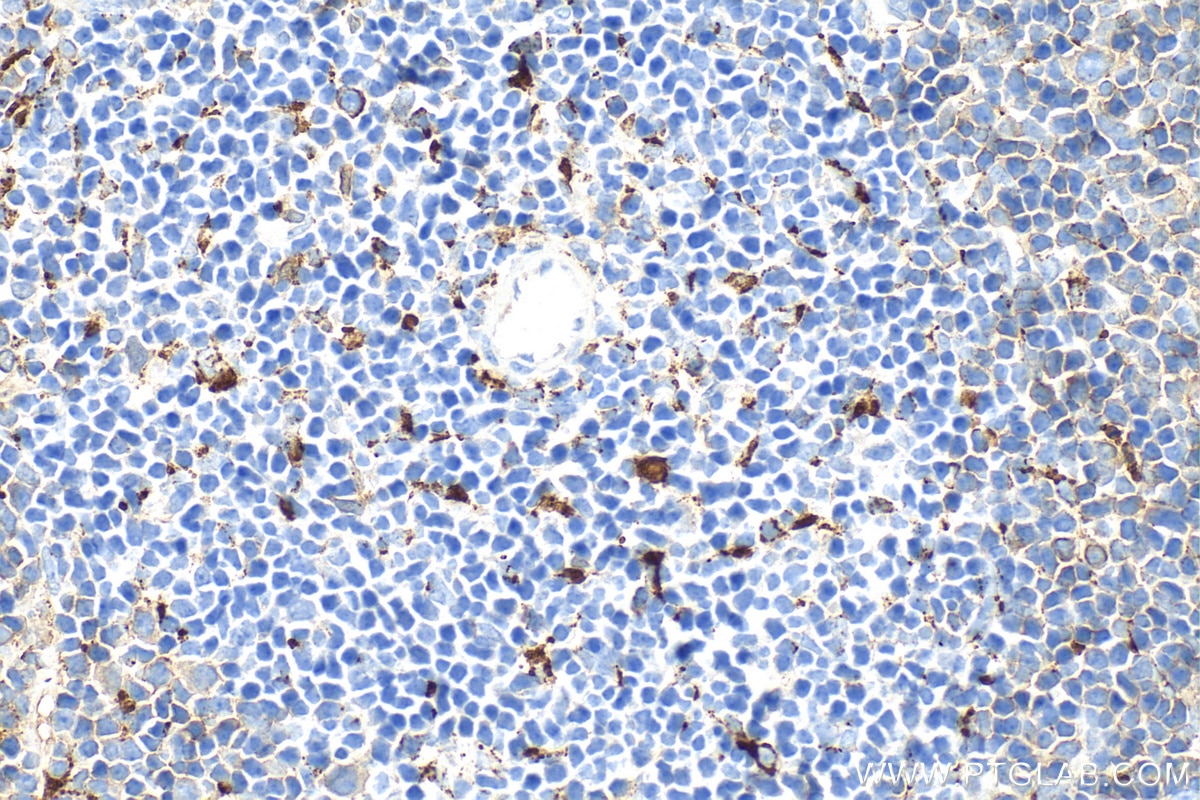
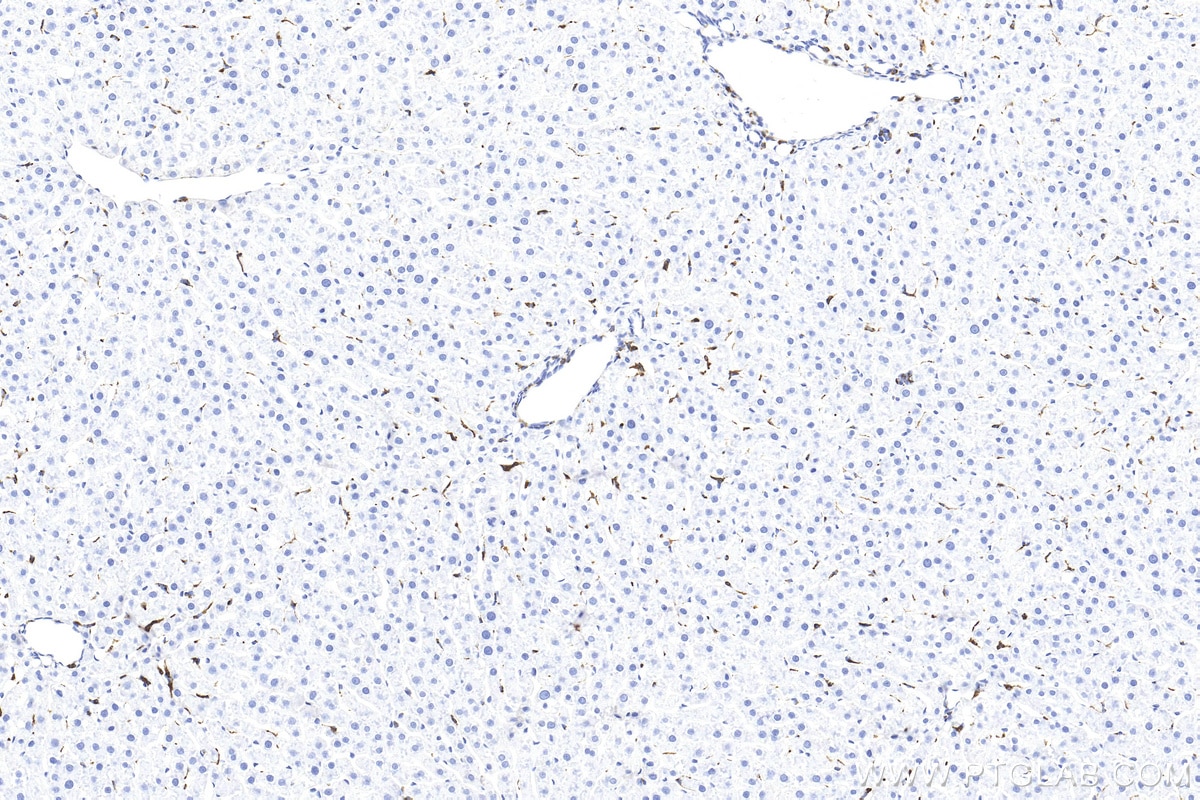
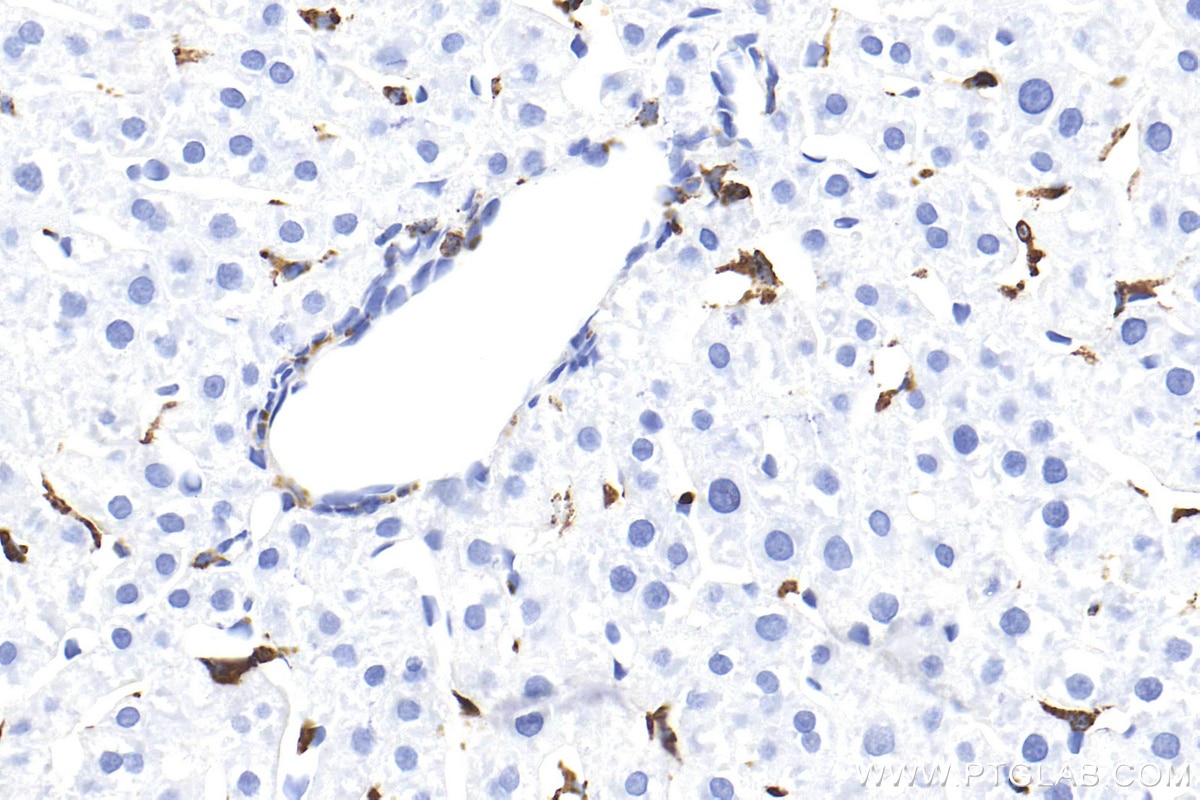
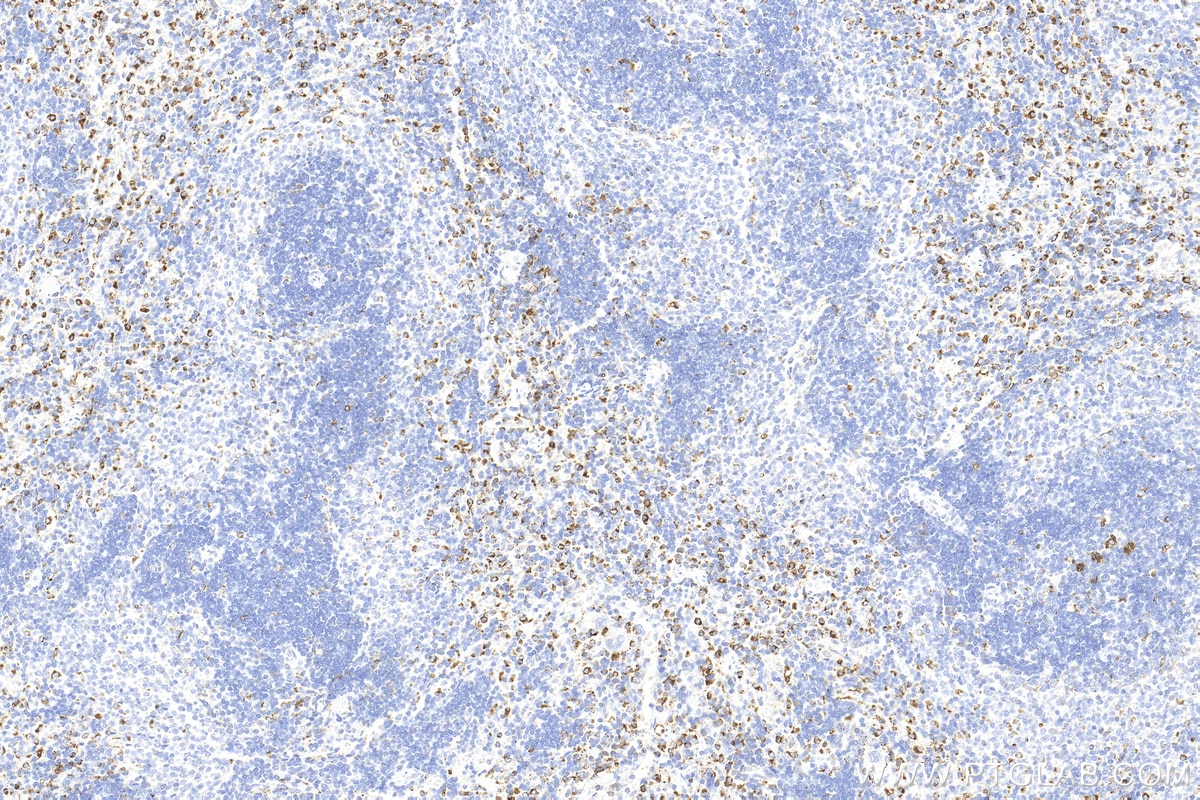
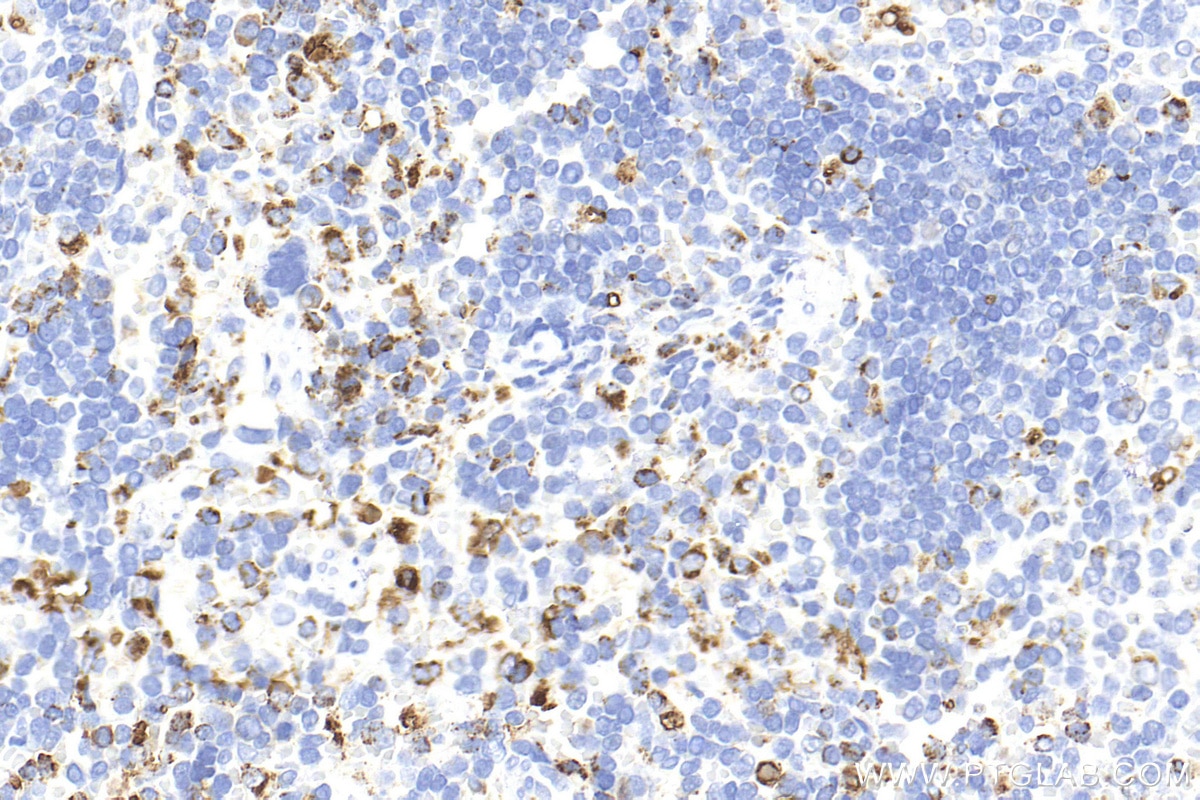
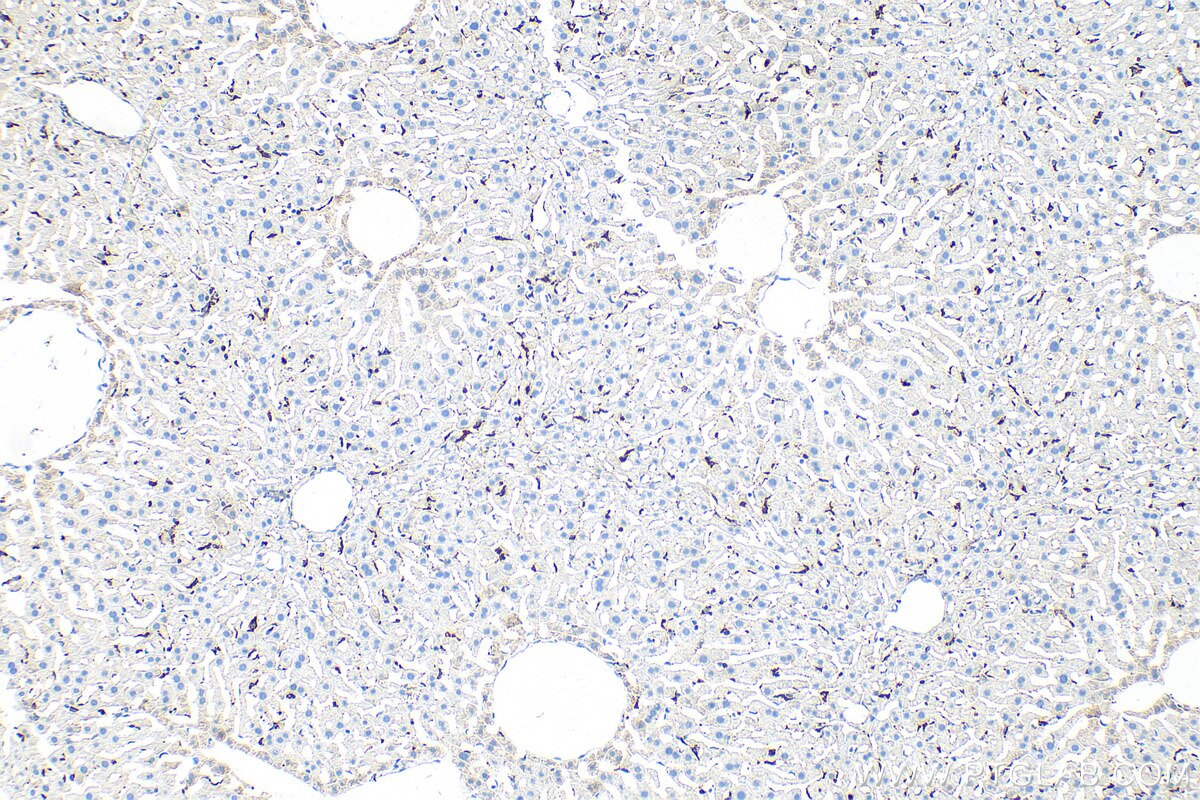
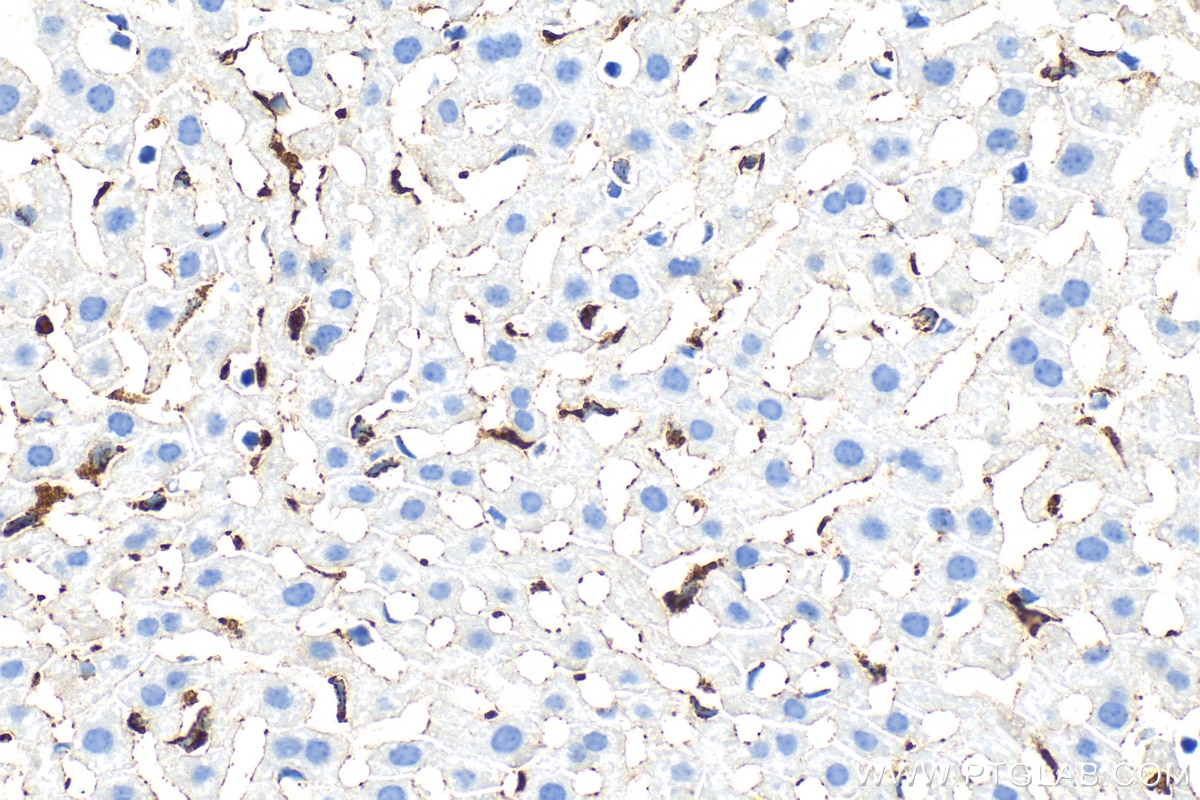
| Positive IHC detected in | mouse spleen tissue, mouse liver tissue, rat liver tissue, rat spleen tissue Note: suggested antigen retrieval with TE buffer pH 9.0; (*) Alternatively, antigen retrieval may be performed with citrate buffer pH 6.0 |
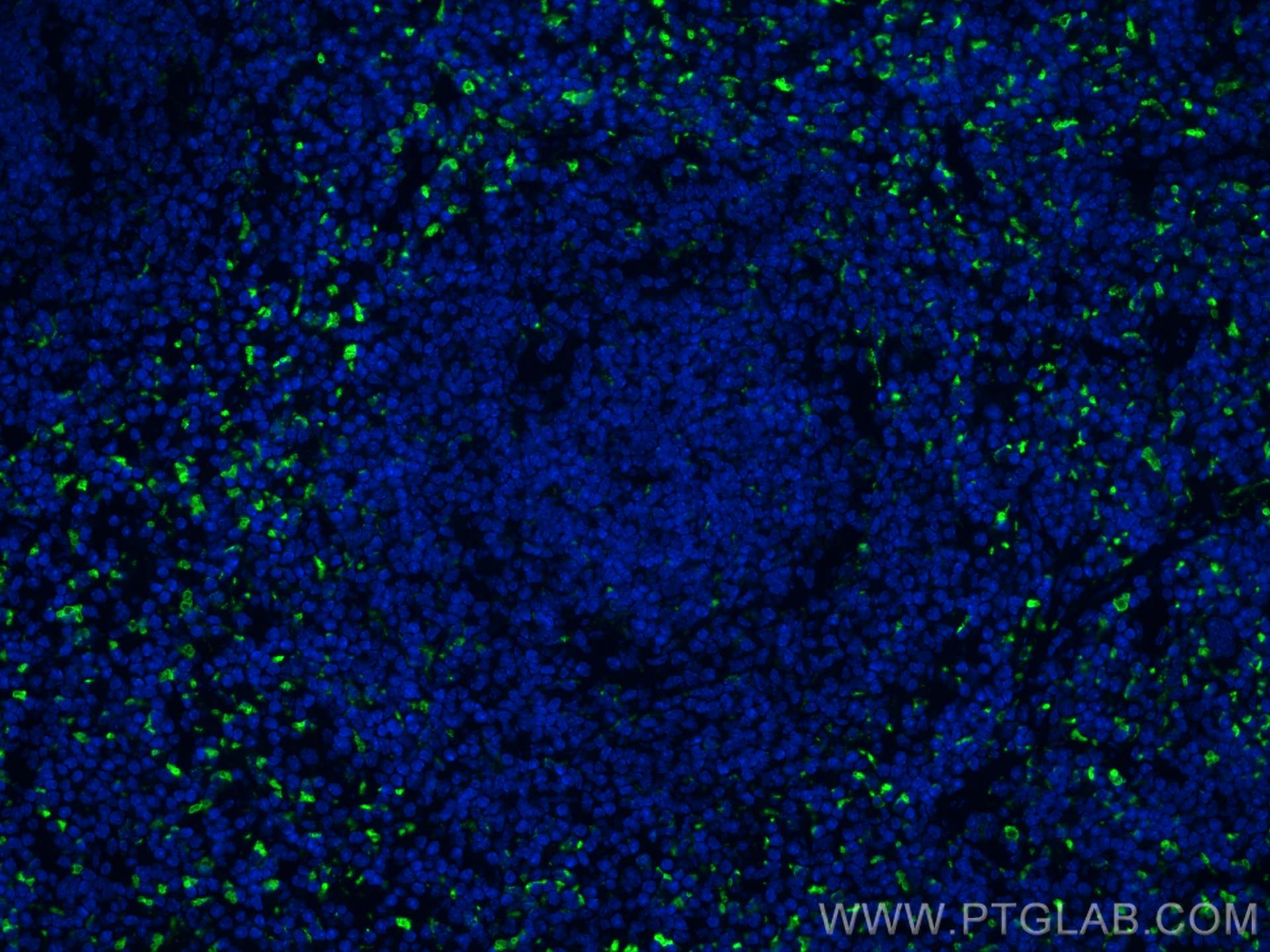
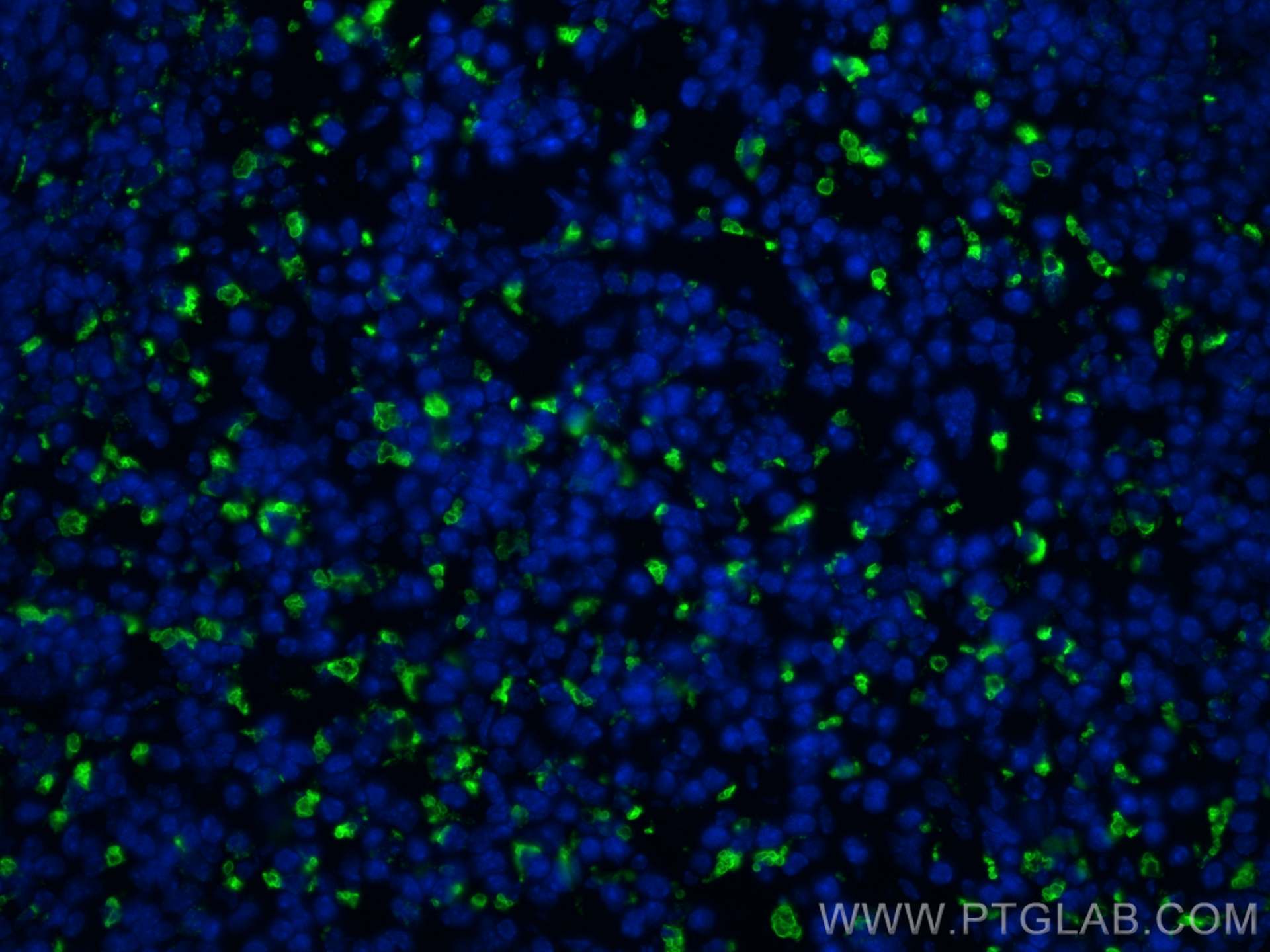
| Positive IF-P detected in | mouse spleen tissue |
Recommended dilution
| Application | Dilution |
|---|---|
| Western Blot (WB) | WB : 1:2000-1:12000 |
| Immunohistochemistry (IHC) | IHC : 1:300-1:1200 |
| Immunofluorescence (IF)-P | IF-P : 1:50-1:500 |
| It is recommended that this reagent should be titrated in each testing system to obtain optimal results. | |
| Sample-dependent, Check data in validation data gallery. | |
Published Applications
| WB | See 1 publications below |
| IHC | See 4 publications below |
Product Information
30929-1-AP targets CD68 in WB, IHC, IF-P, ELISA applications and shows reactivity with mouse, rat samples.
| Tested Reactivity | mouse, rat |
| Cited Reactivity | mouse, rat |
| Host / Isotype | Rabbit / IgG |
| Class | Polyclonal |
| Type | Antibody |
| Immunogen |
CatNo: Eg0787 Product name: Recombinant mouse CD68 protein Source: mammalian cells-derived, pHZ-KIsec-C-6*HIS Tag: C-6*HIS Domain: 21-291 aa of NM_001291058.1 Sequence: DCPHKKAVTLLPSFTMTPTATESTASPTTSHRPTTTSHGNVTVHTSSGPTTVTHNPATTTSHGNATISHATVSPTTNGTATSPRSSTVGPHPGPPPPSPSPRSKGALGNYTWANGSQPCVQLQAQIQIRILYPIQGGRKAWGISVLNPNKTKVQGGCDGTHPHLSLSFPYGQLTFGFKQDLHQSPSTVYLDYMAVEYNVSFPQAAQWTFMAQNSSLRELQAPLGQSFCCGNASIVLSPAVHLDLLSLRLQAAQLPDKGHFGPCFSCNRDQS Predict reactive species |
| Full Name | CD68 antigen |
| Calculated Molecular Weight | 35 kDa |
| Observed Molecular Weight | 90-100 kDa |
| GenBank Accession Number | NM_001291058.1 |
| Gene Symbol | Cd68 |
| Gene ID (NCBI) | 12514 |
| RRID | AB_3086426 |
| Conjugate | Unconjugated |
| Form | Liquid |
| Purification Method | Antigen affinity purification |
| UNIPROT ID | P31996-1 |
| Storage Buffer | PBS with 0.02% sodium azide and 50% glycerol, pH 7.3. |
| Storage Conditions | Store at -20°C. Stable for one year after shipment. Aliquoting is unnecessary for -20oC storage. 20ul sizes contain 0.1% BSA. |
Background Information
Mouse CD68 (also known as macrosialin) is a type I transmembrane glycoprotein that is highly and specifically expressed by mouse tissue macrophages, and to a lesser extent by dendritic cells. It belongs to the lysosomal/endosomal-associated membrane glycoprotein (LAMP) family and primarily localizes to lysosomes and endosomes with a smaller fraction circulating to the cell surface. CD68 is also a member of the scavenger receptor family. It may play a role in phagocytic activities of tissue macrophages.
Protocols
| Product Specific Protocols | |
|---|---|
| IF protocol for CD68 antibody 30929-1-AP | Download protocol |
| IHC protocol for CD68 antibody 30929-1-AP | Download protocol |
| WB protocol for CD68 antibody 30929-1-AP | Download protocol |
| Standard Protocols | |
|---|---|
| Click here to view our Standard Protocols |
Publications
| Species | Application | Title |
|---|---|---|
J Nanobiotechnology Biomimetic mesenchymal stem cell membrane-coated nanoparticle delivery of MKP5 inhibits hepatic fibrosis through the IRE/XBP1 pathway | ||
Cell Commun Signal Tumor derived exosomal ENTPD2 impair CD8+ T cell function in colon cancer through ATP-adenosine metabolism reprogramming | ||
J Orthop Res Optimal Timing for Initiating Postoperative Mobilization for Healing Enthesis in Onto-Surface Repair | ||
Front Biosci (Landmark Ed) High-Intensity Interval Training Outperforms Moderate-Intensity Exercise in Hyperlipidemic ApoE⁻/⁻ Mice: A Molecular and Histological Comparison. |












