
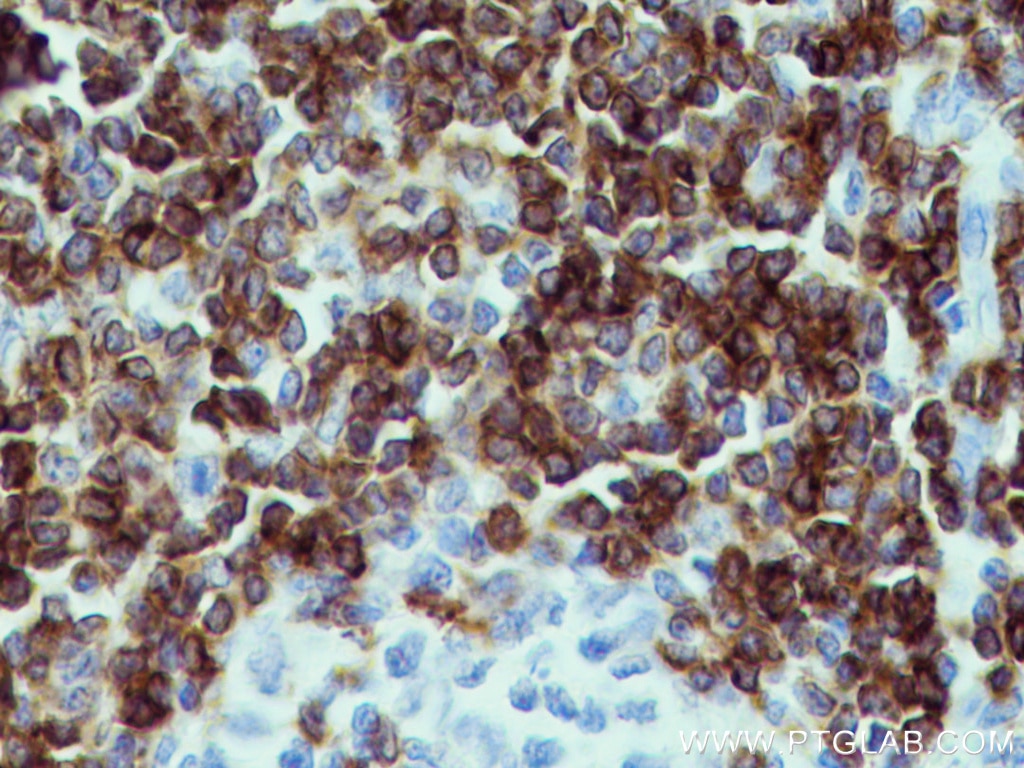
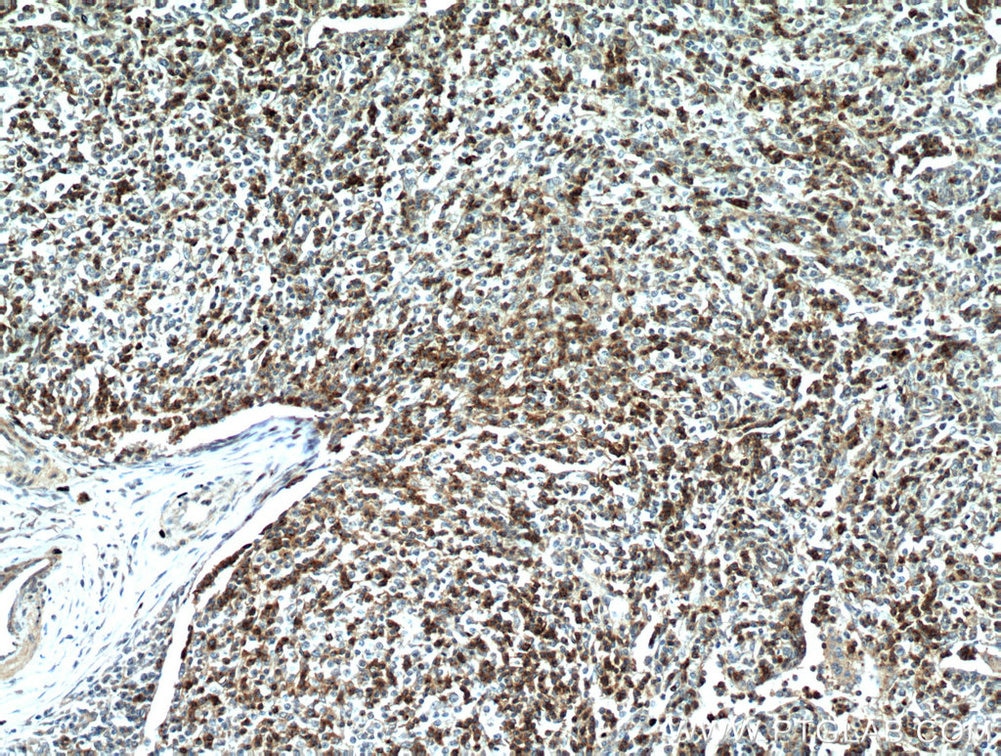
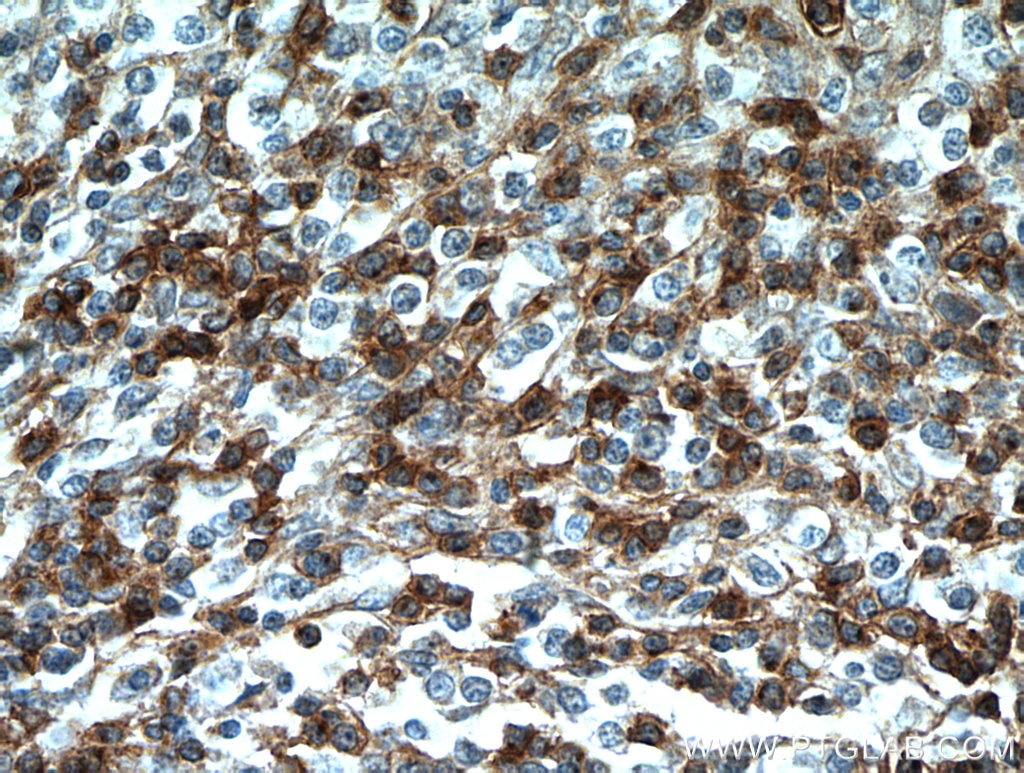
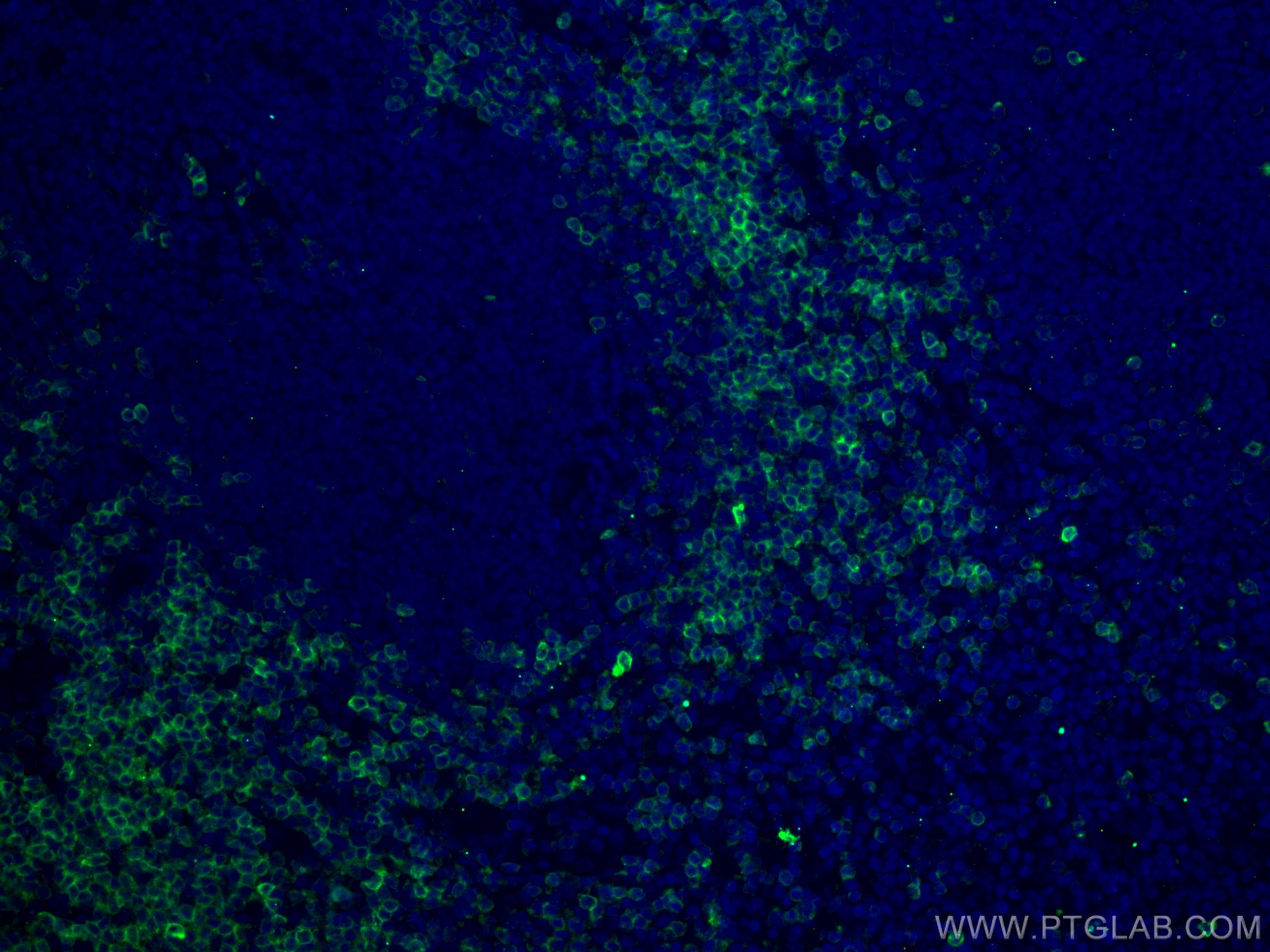
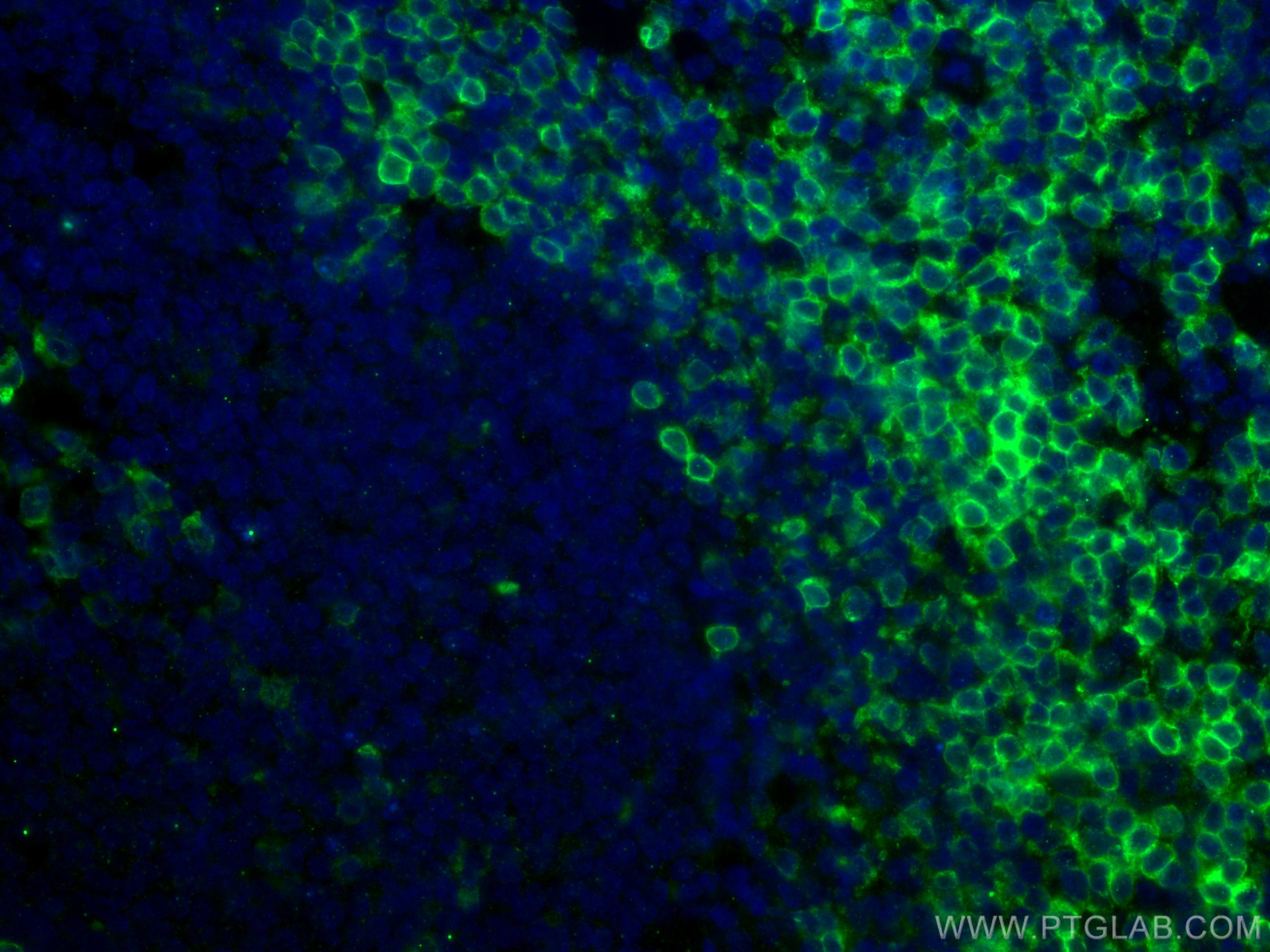

Tested Applications
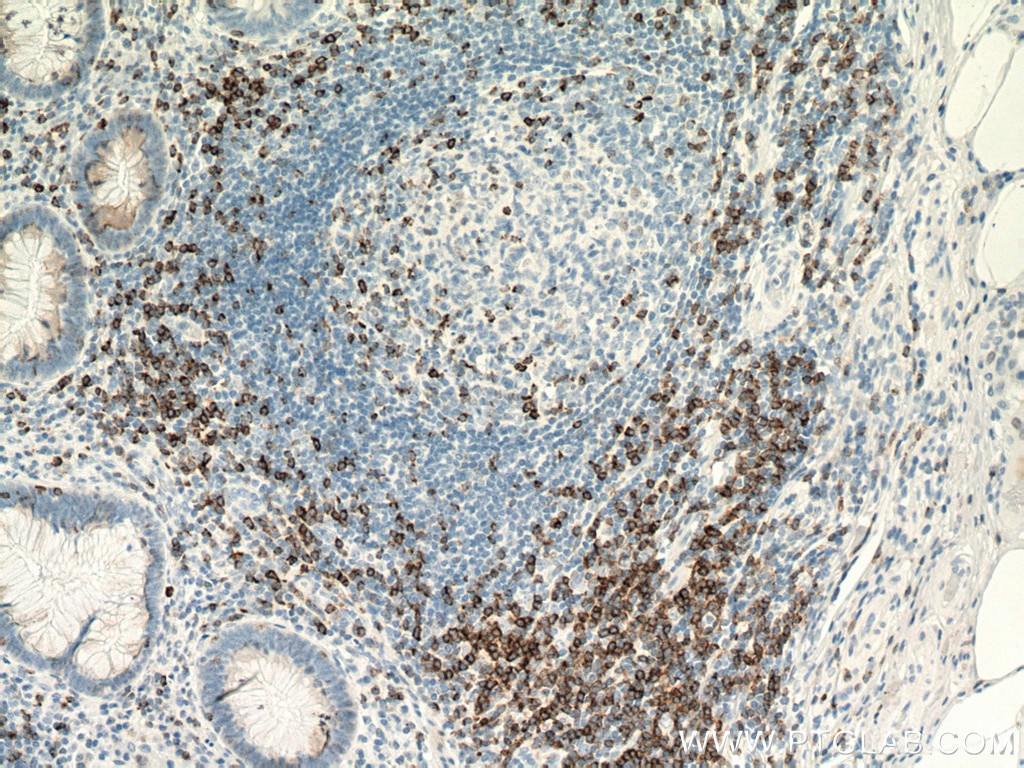
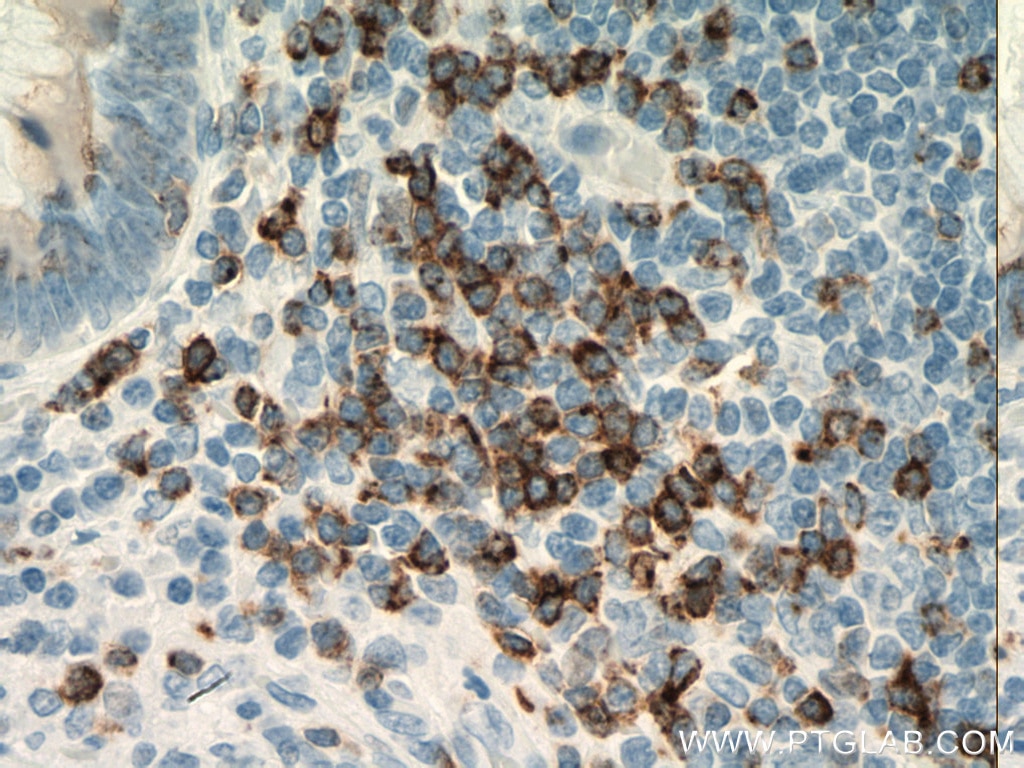
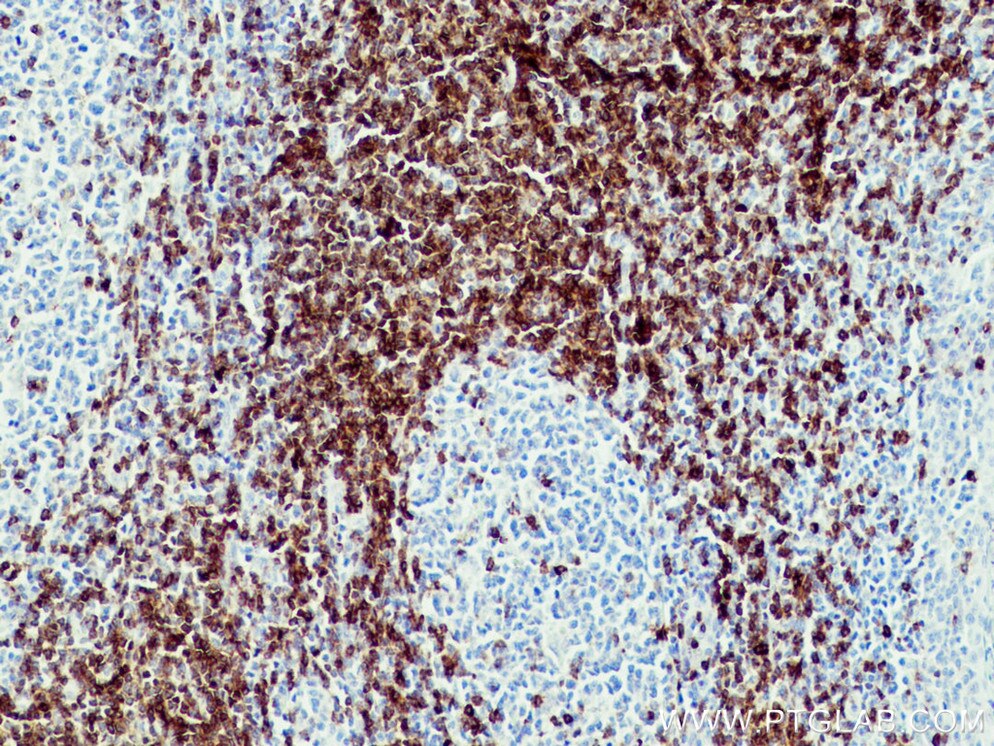
| Positive IHC detected in | human appendicitis tissue, human lymphoma tissue, human tonsillitis tissue Note: suggested antigen retrieval with TE buffer pH 9.0; (*) Alternatively, antigen retrieval may be performed with citrate buffer pH 6.0 |
| Positive IF-P detected in | human tonsillitis tissue |
Recommended dilution
| Application | Dilution |
|---|---|
| Immunohistochemistry (IHC) | IHC : 1:1600-1:6400 |
| Immunofluorescence (IF)-P | IF-P : 1:200-1:800 |
| It is recommended that this reagent should be titrated in each testing system to obtain optimal results. | |
| Sample-dependent, Check data in validation data gallery. | |
Product Information
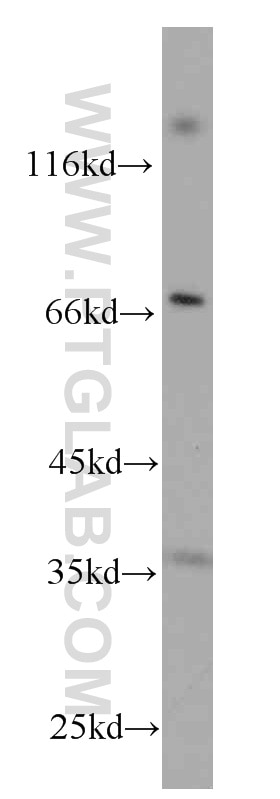
60209-1-Ig targets CD7 in IHC, IF-P, ELISA applications and shows reactivity with human samples.
| Tested Reactivity | human |
| Host / Isotype | Mouse / IgG1 |
| Class | Monoclonal |
| Type | Antibody |
| Immunogen |
CatNo: Ag1805 Product name: Recombinant human CD7 protein Source: e coli.-derived, PGEX-4T Tag: GST Domain: 1-240 aa of BC009293 Sequence: MAGPPRLLLLPLLLALARGLPGALAAQEVQQSPHCTTVPVGASVNITCSTSGGLRGIYLRQLGPQPQDIIYYEDGVVPTTDRRFRGRIDFSGSQDNLTITMHRLQLSDTGTYTCQAITEVNVYGSGTLVLVTEEQSQGWHRCSDAPPRASALPAPPTGSALPDPQTASALPDPPAASALPAALAVISFLLGLGLGVACVLARTQIKKLCSWRDKNSAACVVYEDMSHSRCNTLSSPNQYQ Predict reactive species |
| Full Name | CD7 molecule |
| Calculated Molecular Weight | 240 aa, 25 kDa |
| GenBank Accession Number | BC009293 |
| Gene Symbol | CD7 |
| Gene ID (NCBI) | 924 |
| ENSEMBL Gene ID | ENSG00000173762 |
| RRID | AB_10953398 |
| Conjugate | Unconjugated |
| Form | Liquid |
| Purification Method | Protein G purification |
| UNIPROT ID | P09564 |
| Storage Buffer | PBS with 0.02% sodium azide and 50% glycerol, pH 7.3. |
| Storage Conditions | Store at -20°C. Stable for one year after shipment. Aliquoting is unnecessary for -20oC storage. 20ul sizes contain 0.1% BSA. |
Background Information
CD7, also known as Leu-9 or GP40, is a 40-kDa single-pass type I transmembrane glycoprotein belonging to the immunoglobulin superfamily. CD7 is expressed on thymocytes, T cells, NK cells, and cells in the early stages of T, B, and myeloid cell differentiation (PMID: 10530432). It is one of the earliest antigens to appear on cells of the T-lymphocyte lineage (PMID: 3501369). CD7 plays a significant role in T-cell and T-cell/B-cell interactions during early lymphoid development. It is involved in the regulation of cell signaling and biology, including T-cell activation, proliferation, and the expression of interleukin-2 receptor alpha (IL-2Rα) (PMID: 11485208). CD7 is not only a marker for T-cells but also has functional implications in immune cell interactions and adhesion. It can provide co-stimulatory signals and is associated with CD3 and CD45, participating in T-cell activation (PMID: 7523512).
Protocols
| Product Specific Protocols | |
|---|---|
| IF protocol for CD7 antibody 60209-1-Ig | Download protocol |
| IHC protocol for CD7 antibody 60209-1-Ig | Download protocol |
| WB protocol for CD7 antibody 60209-1-Ig | Download protocol |
| Standard Protocols | |
|---|---|
| Click here to view our Standard Protocols |
Publications
What published studies show
The CD7 Monoclonal antibody (1G10D8), catalog number 60209-1-Ig, has 2 total citations. These appear in Cell Metabolism and Small. The associated research fields include bone marrow immune cell responses to nutritional stress and weight regulation, as well as in vivo mRNA CAR T cell engineering using targeted ionizable lipid nanoparticles with extrahepatic tropism.
| Species | Application | Title |
|---|---|---|
Cell Metab Bone marrow immune cells respond to fluctuating nutritional stress to constrain weight regain | ||
Small In Vivo mRNA CAR T Cell Engineering via Targeted Ionizable Lipid Nanoparticles with Extrahepatic Tropism |










