

Product Information
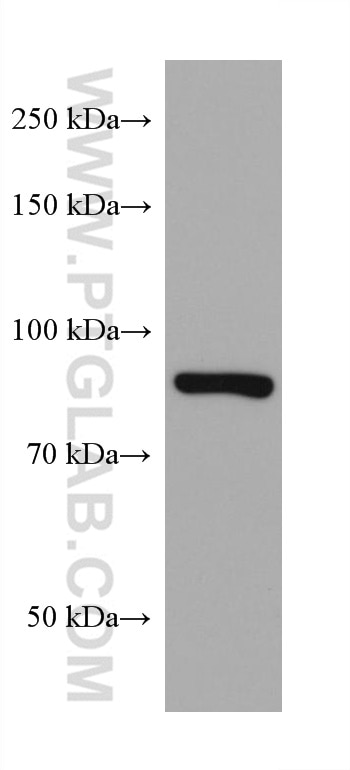
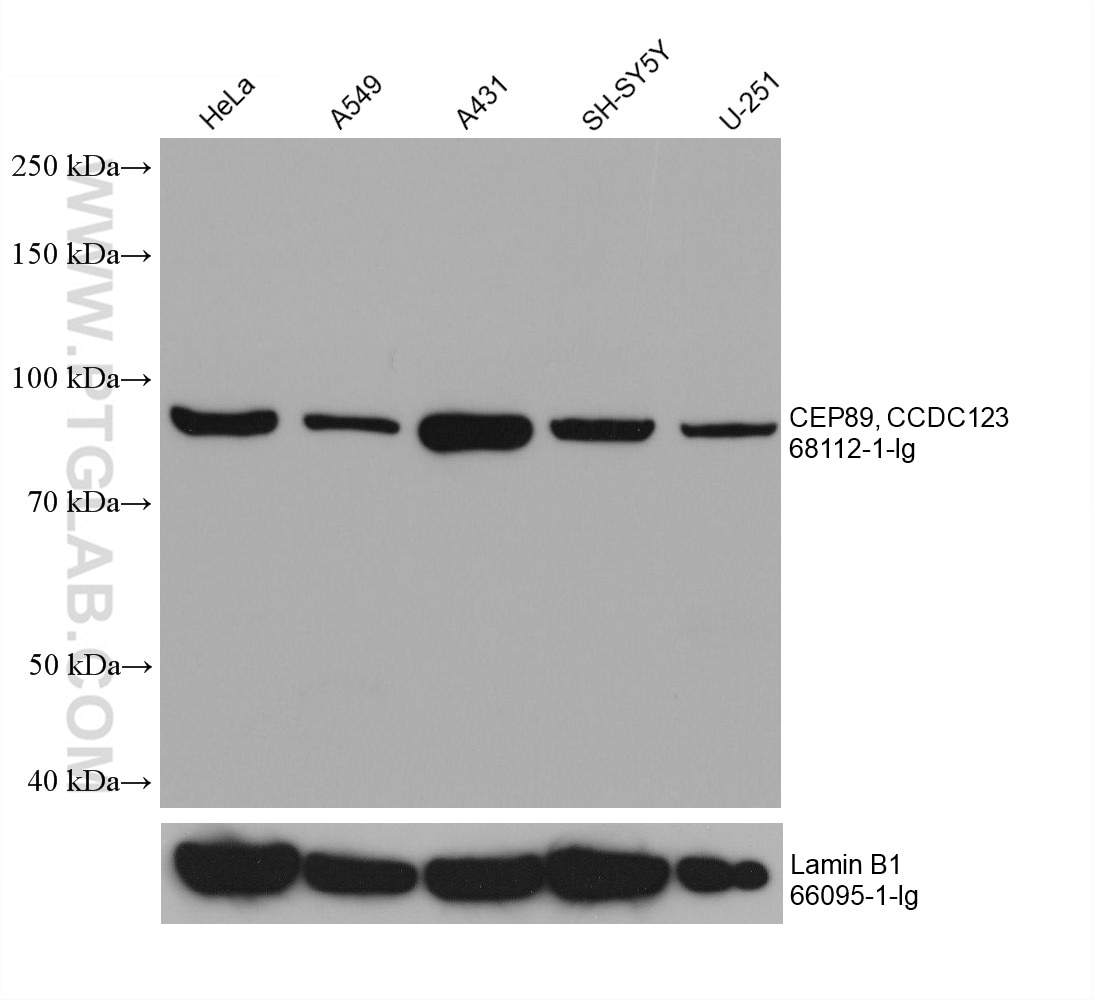
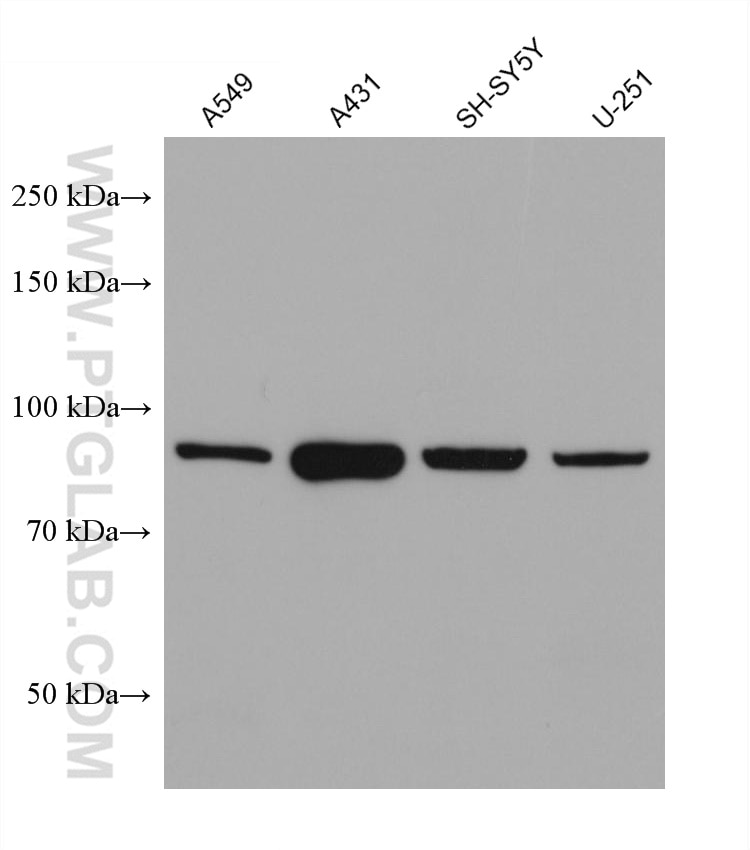
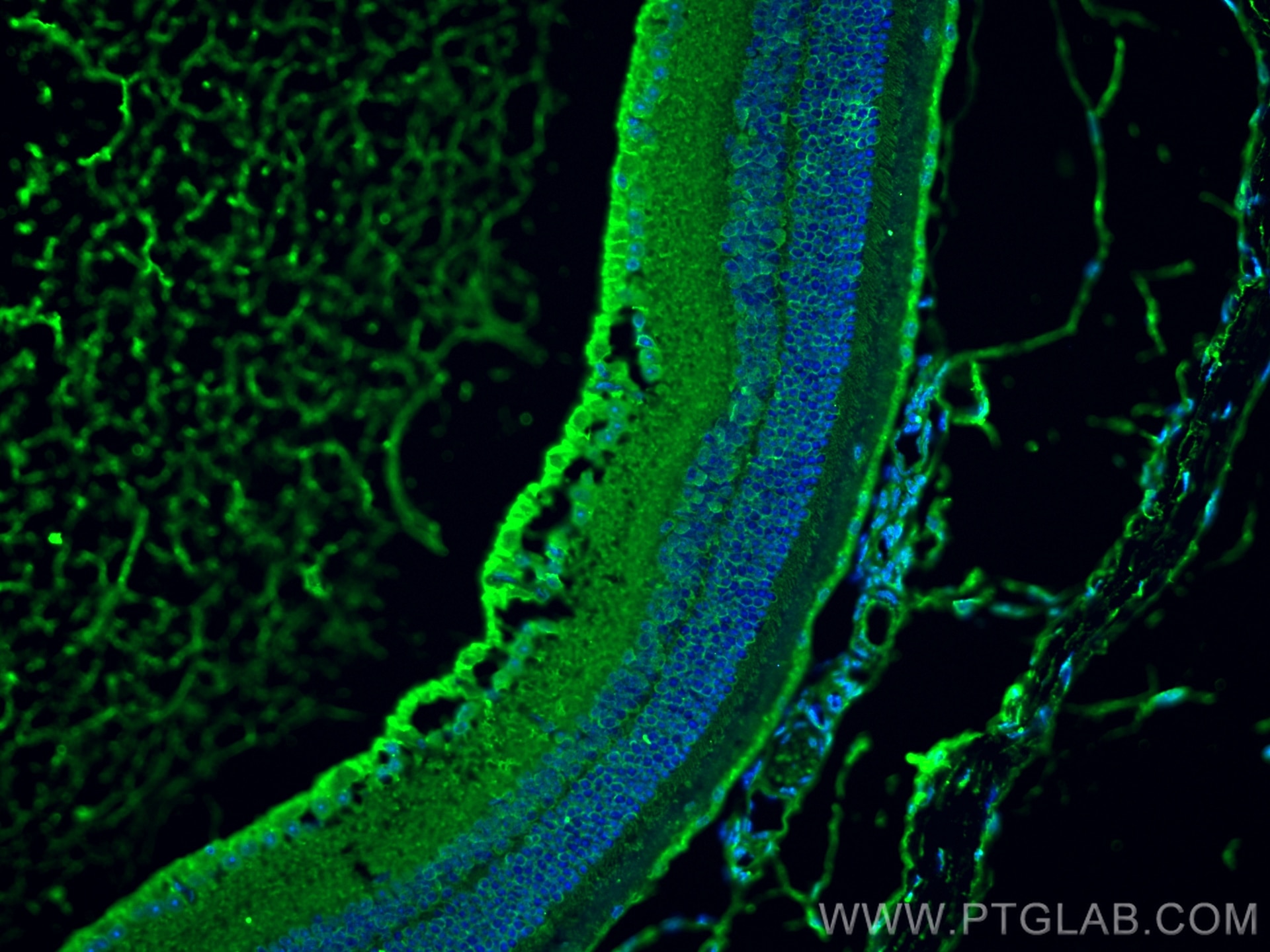
68112-1-PBS targets CEP89, CCDC123 as part of a matched antibody pair:
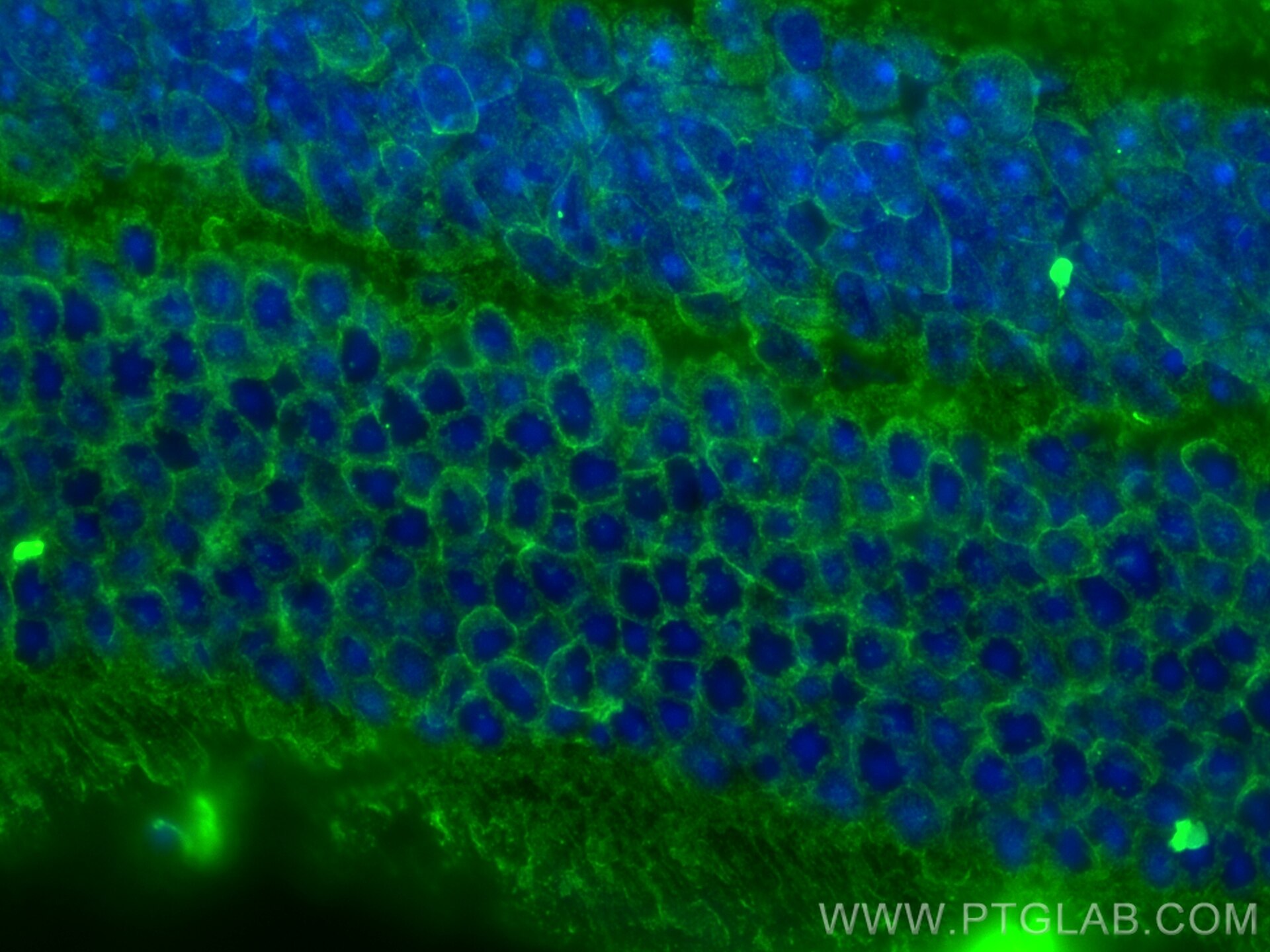
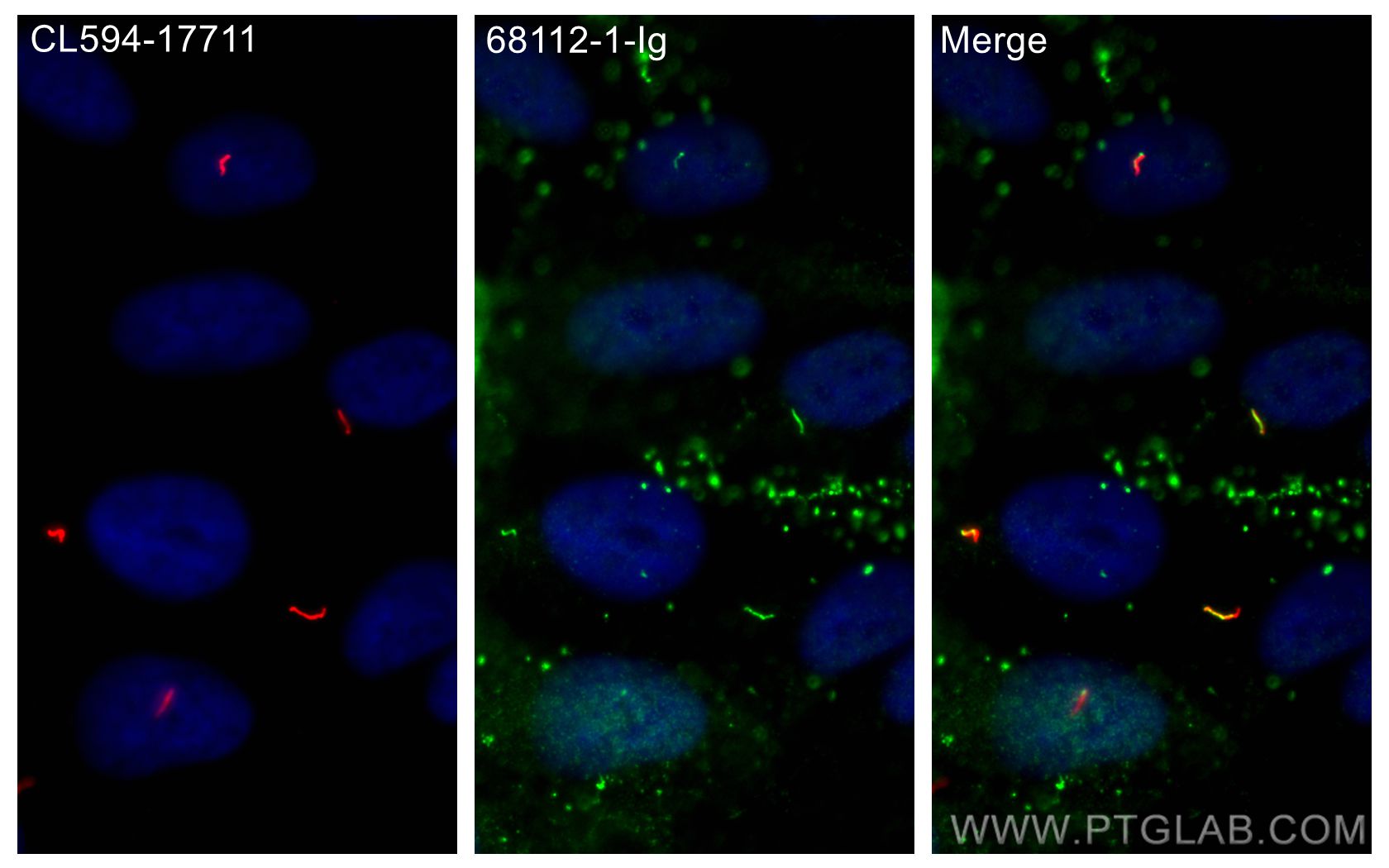
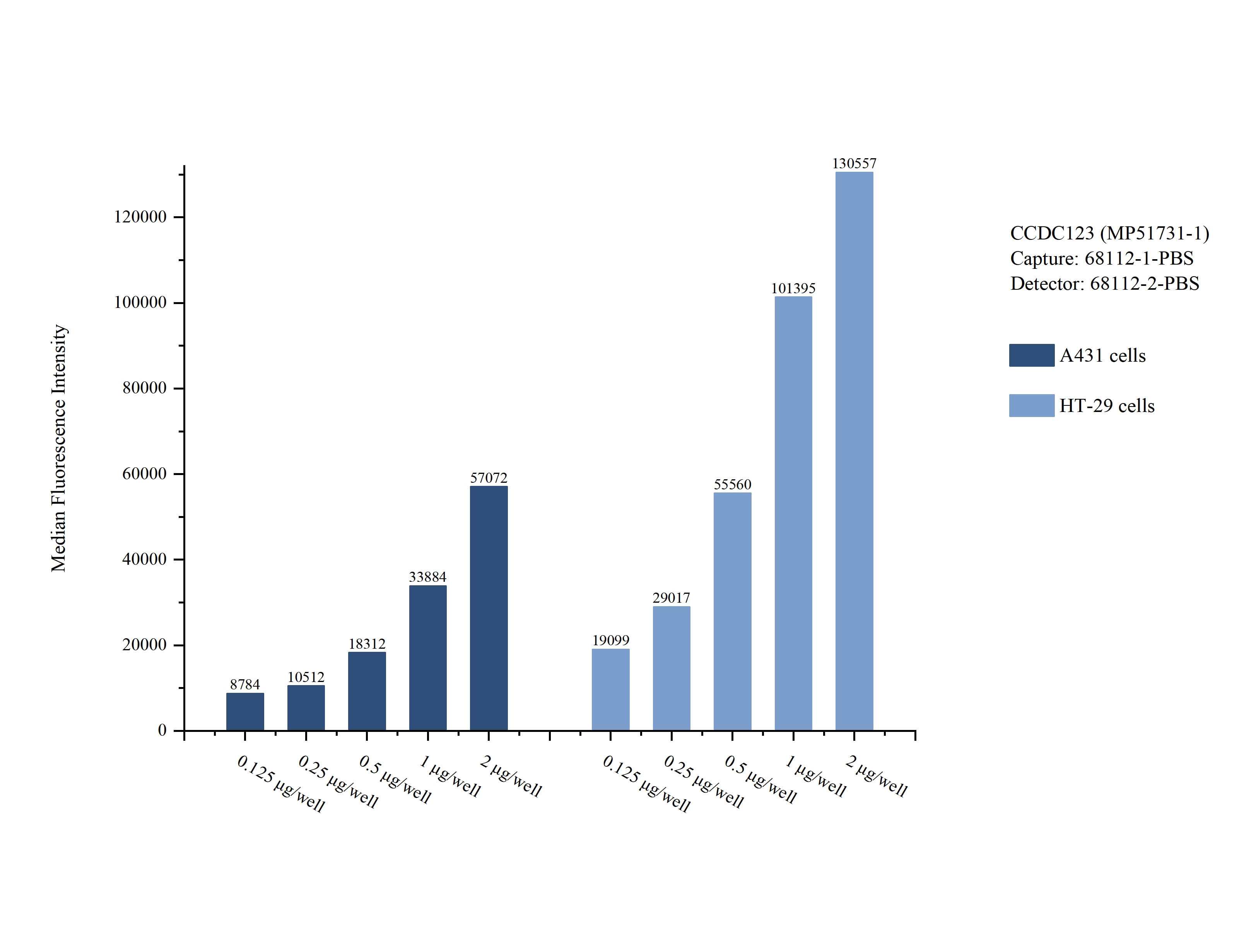
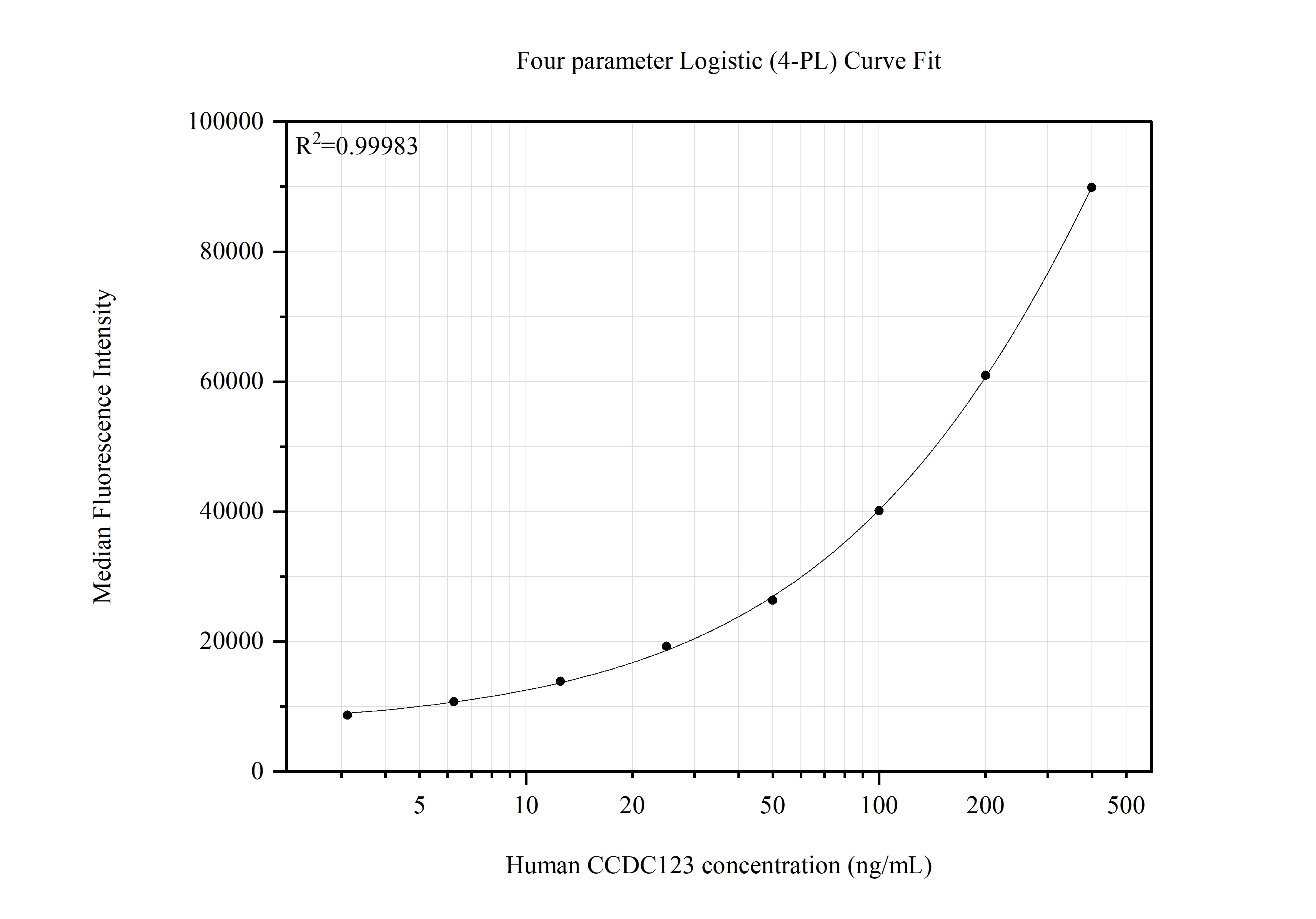
MP51731-1: 68112-1-PBS capture and 68112-2-PBS detection (validated in Cytometric bead array)
Unconjugated mouse monoclonal antibody pair in PBS only (BSA and azide free) storage buffer at a concentration of 1 mg/mL, ready for conjugation.
This conjugation ready format makes antibodies ideal for use in many applications including: ELISAs, multiplex assays requiring matched pairs, mass cytometry, and multiplex imaging applications.Antibody use should be optimized by the end user for each application and assay.
| Tested Reactivity | human, mouse |
| Host / Isotype | Mouse / IgG1 |
| Class | Monoclonal |
| Type | Antibody |
| Immunogen |
CatNo: Ag28339 Product name: Recombinant human CCDC123 protein Source: e coli.-derived, PET28a Tag: 6*His Domain: 248-343 aa of BC136328 Sequence: MDLNNMNQSLTLELNTMKQAMKELQLKLKGMEKEKRKLKEAEKASSQEVAAPELLYLRKQAQELVDENDGLKMTVHRLNVELSRYQTKFRHLSKEE Predict reactive species |
| Full Name | coiled-coil domain containing 123 |
| Calculated Molecular Weight | 783 aa, 90 kDa |
| Observed Molecular Weight | 90 kDa |
| GenBank Accession Number | BC136328 |
| Gene Symbol | CEP89 |
| Gene ID (NCBI) | 84902 |
| RRID | AB_2923641 |
| Conjugate | Unconjugated |
| Form | Liquid |
| Purification Method | Protein G purification |
| UNIPROT ID | Q96ST8 |
| Storage Buffer | PBS only, pH 7.3. |
| Storage Conditions | Store at -80°C. |
Background Information
CCDC123 (as known as CEP123), also named as CEP89, encodes for a protein required for ciliogenesis. It plays a role in mitochondrial metabolism by modulating complex IV activity. It has been shown that CEP123 is localized to the distal appendages of the mother centriolecep and the localization of CEP123 is cell cycle-dependent with its levels decreasing during mitosis. CEP123 depletion can cause defects in ciliary vesicle formationcep and prevent the formation of a ciliary vesicle at the distal end of the mother centriole. It is possible that CEP123 is involved in regulating the recruitment of membranes to the centrosome through its interaction with CEP290 (PMID:23575228, 23789104, 23348840).









