

Tested Applications
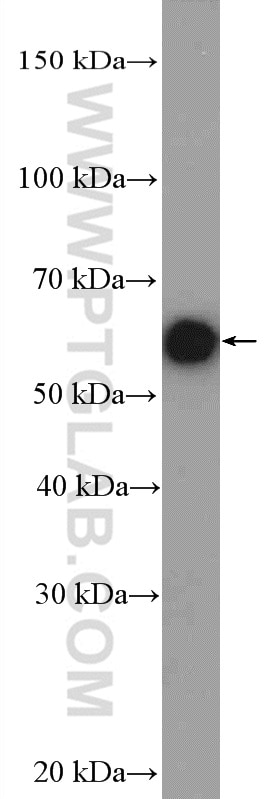
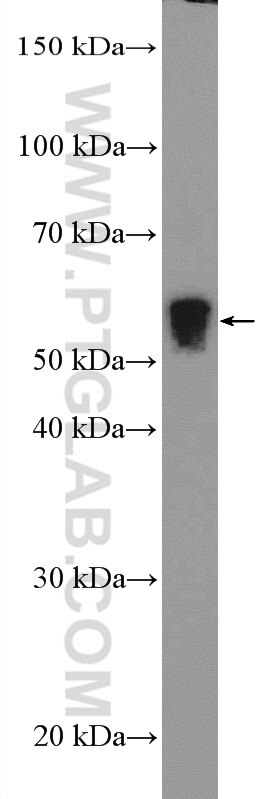
| Positive WB detected in | mouse heart tissue, rat heart tissue |
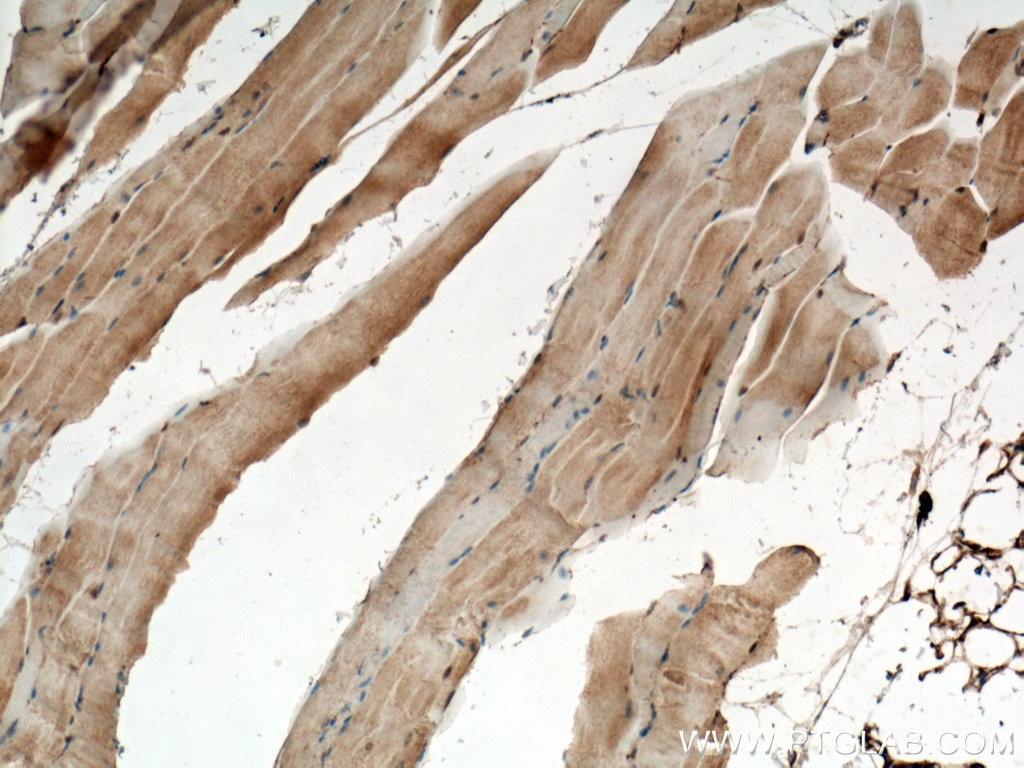
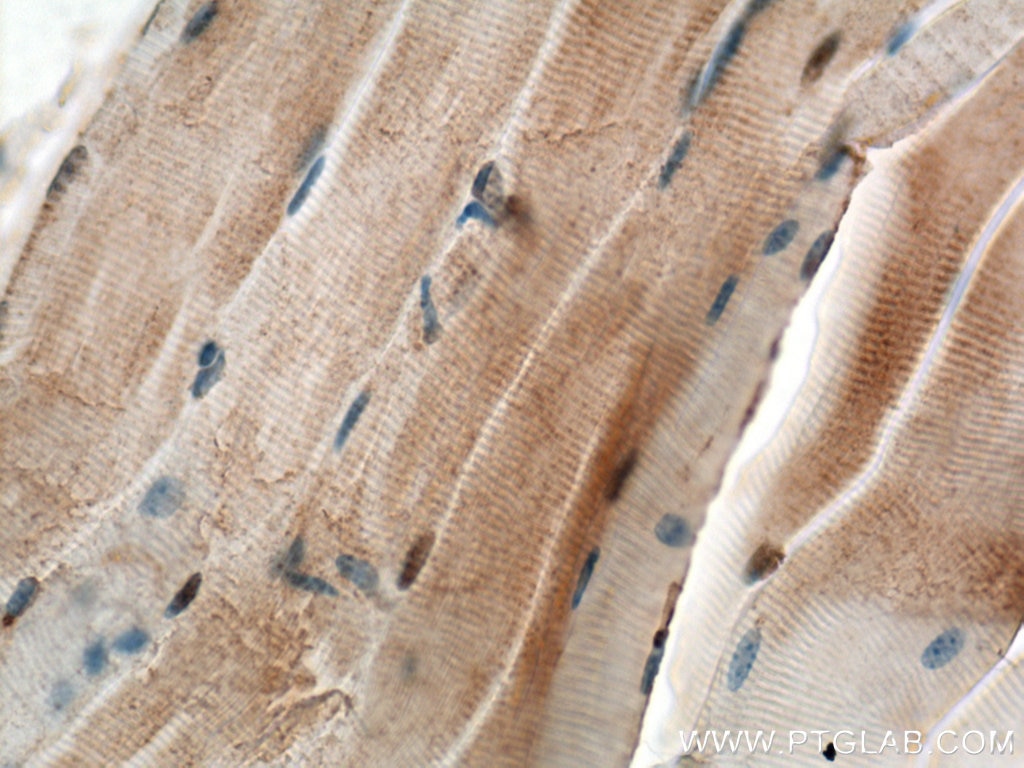
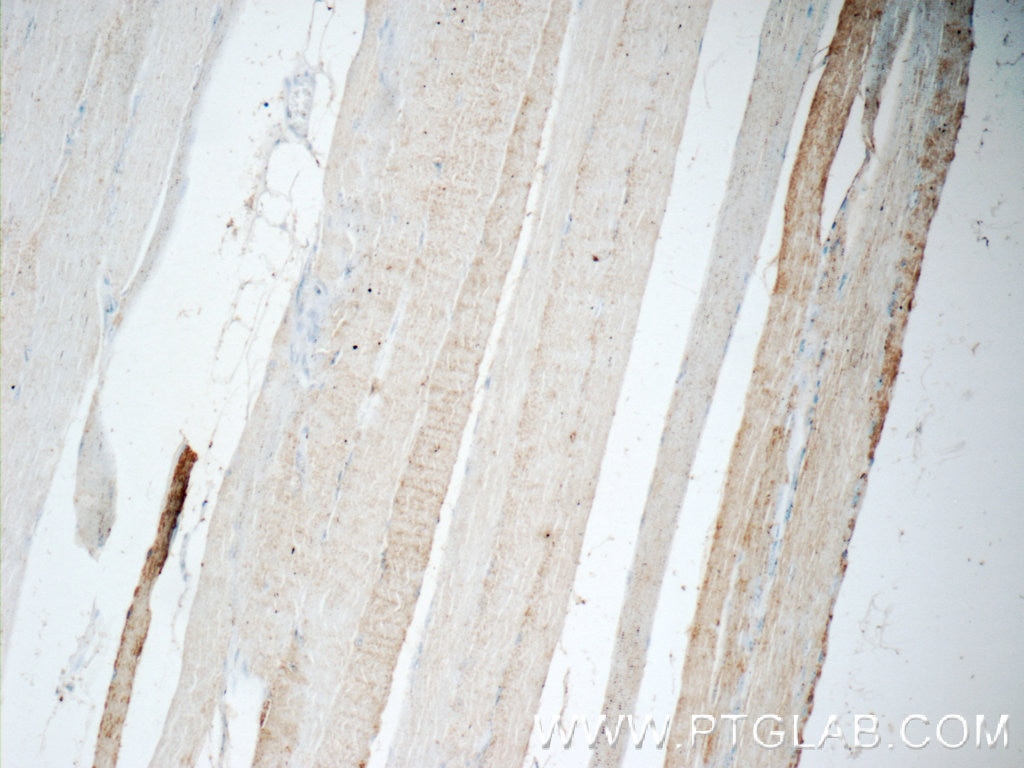
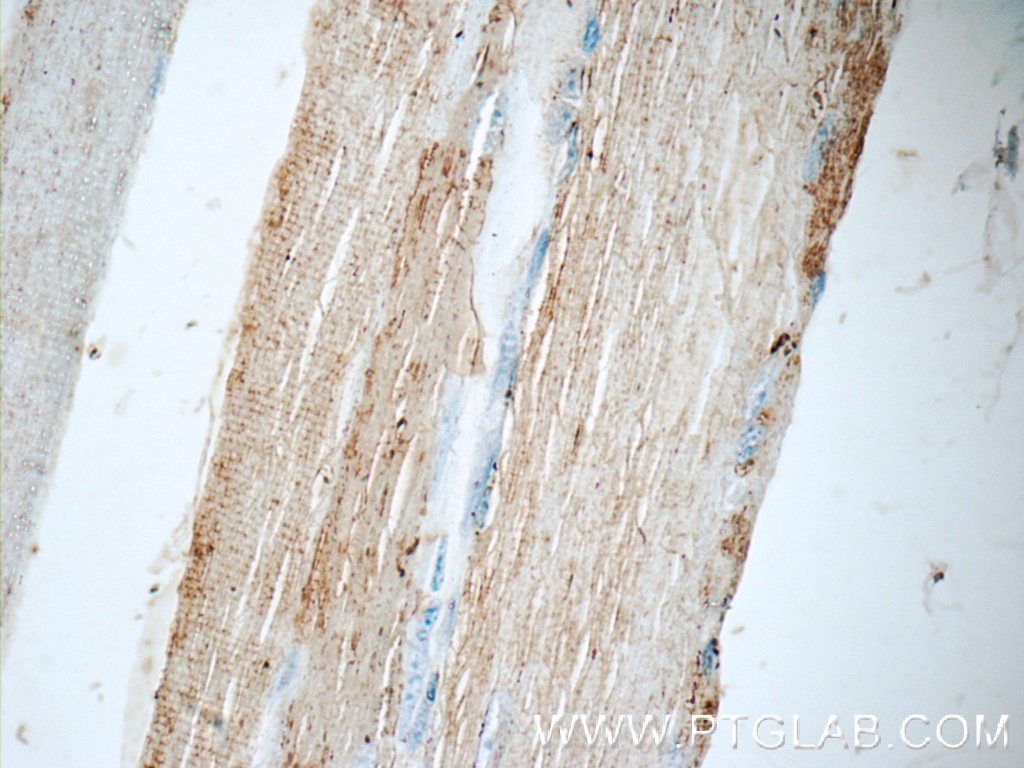
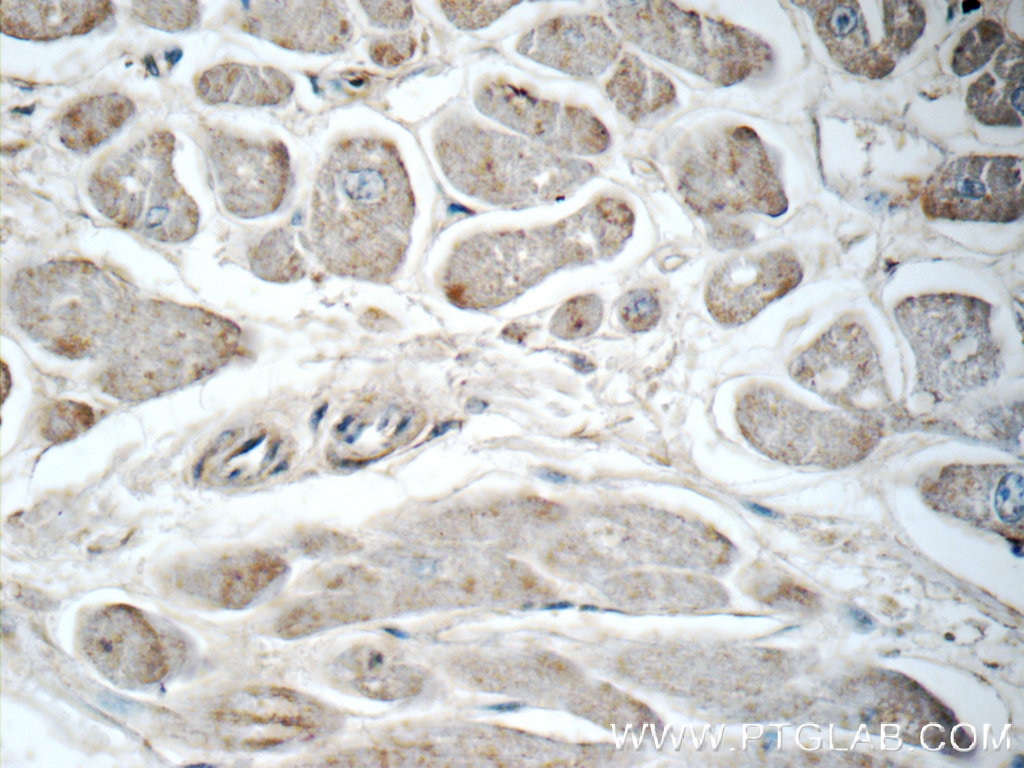
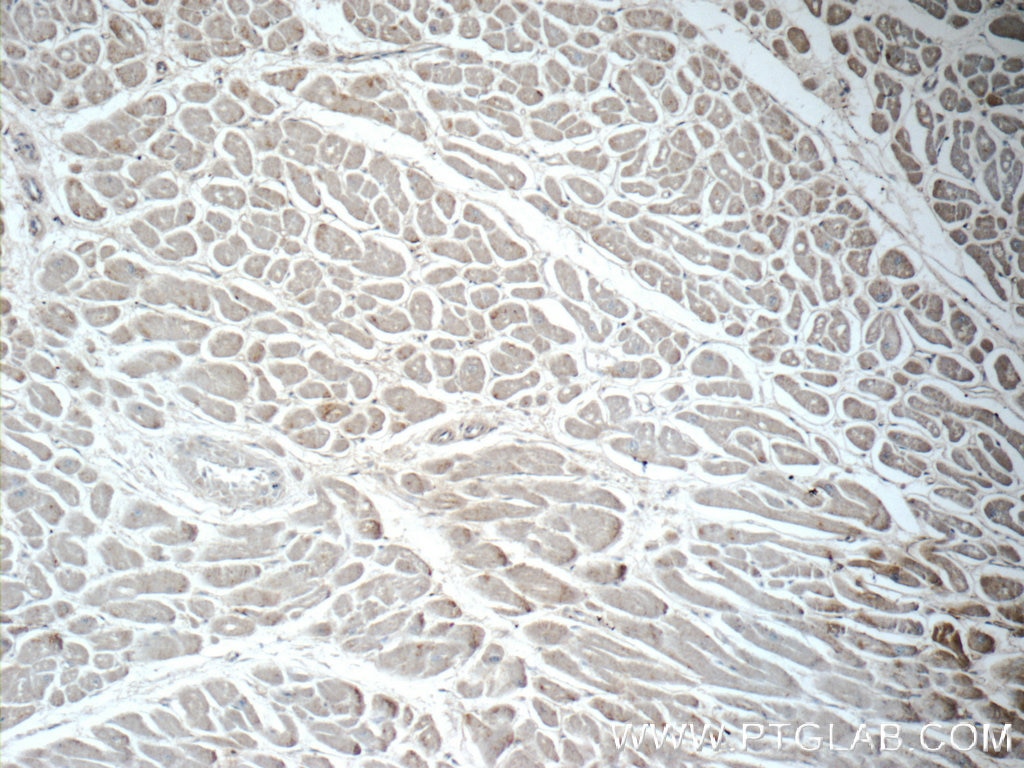
| Positive IHC detected in | mouse skeletal muscle tissue, human heart tissue, human skeletal muscle tissue Note: suggested antigen retrieval with TE buffer pH 9.0; (*) Alternatively, antigen retrieval may be performed with citrate buffer pH 6.0 |
Recommended dilution
| Application | Dilution |
|---|---|
| Western Blot (WB) | WB : 1:500-1:1000 |
| Immunohistochemistry (IHC) | IHC : 1:50-1:500 |
| It is recommended that this reagent should be titrated in each testing system to obtain optimal results. | |
| Sample-dependent, Check data in validation data gallery. | |
Product Information
10613-1-AP targets CHRNA1 in WB, IHC, ELISA applications and shows reactivity with human, mouse, rat samples.
| Tested Reactivity | human, mouse, rat |
| Cited Reactivity | human, mouse, rat |
| Host / Isotype | Rabbit / IgG |
| Class | Polyclonal |
| Type | Antibody |
| Immunogen |
CatNo: Ag0933 Product name: Recombinant human CHRNA1 protein Source: e coli.-derived, PGEX-4T Tag: GST Domain: 1-269 aa of BC006314 Sequence: MEPWPLLLLFSLCSAGLVLGSEHETRLVAKLFKDYSSVVRPVEDHRQVVEVTVGLQLIQLINVDEVNQIVTTNVRLKQQWVDYNLKWNPDDYGGVKKIHIPSEKIWRPDLVLYNNADGDFAIVKFTKVLLQYTGHITWTPPAIFKSYCEIIVTHFPFDEQNCSMKLGTWTYDGSVVAINPESDQPDLSNFMESGEWVIKESRGWKHSVTYSCCPDTPYLDITYHFVMQRLPLYFIVNVIIPCLLFSFLTGLVFYLPTDSGGCGCHDCCC Predict reactive species |
| Full Name | cholinergic receptor, nicotinic, alpha 1 (muscle) |
| Calculated Molecular Weight | 54.5 kDa |
| Observed Molecular Weight | 54 kDa |
| GenBank Accession Number | BC006314 |
| Gene Symbol | CHRNA1 |
| Gene ID (NCBI) | 1134 |
| RRID | AB_2877737 |
| Conjugate | Unconjugated |
| Form | Liquid |
| Purification Method | Antigen affinity purification |
| UNIPROT ID | P02708 |
| Storage Buffer | PBS with 0.02% sodium azide and 50% glycerol, pH 7.3. |
| Storage Conditions | Store at -20°C. Stable for one year after shipment. Aliquoting is unnecessary for -20oC storage. 20ul sizes contain 0.1% BSA. |
Protocols
| Product Specific Protocols | |
|---|---|
| IHC protocol for CHRNA1 antibody 10613-1-AP | Download protocol |
| WB protocol for CHRNA1 antibody 10613-1-AP | Download protocol |
| Standard Protocols | |
|---|---|
| Click here to view our Standard Protocols |
Publications
What published studies show
The CHRNA1 Polyclonal antibody (Cat# 10613-1-AP) has 16 citations published in journals including Autophagy, Biomaterials Research, Translational Psychiatry, Cell & Molecular Life Sciences, Molecular Therapy Nucleic Acids, Aging, Biomolecules, Frontiers in Pharmacology, Scientific Reports, Clinical & Experimental Immunology, Journal of Neuropathology & Experimental Neurology, BMC Musculoskeletal Disorders, Gene, and Biochemical & Biophysical Research Communications. Research fields span neuromuscular junction biology, skeletal muscle regeneration, acetylcholine receptor signaling, gut-brain axis, osteoarthritis, ALS, myasthenia gravis, and lung adenocarcinoma.
| Species | Application | Title |
|---|---|---|
Autophagy E-cigarette aerosols induce the hydrolysis of lysosomal glycerophospholipids through PLA2G4A activation initiated by nicotine binding to CHRNA3/α3 nAchr in airway epithelial cells. | ||
Biomater Res Self-curling 3D oriented scaffolds from fish scales for skeletal muscle regeneration | ||
Transl Psychiatry A diet high in sugar and fat influences neurotransmitter metabolism and then affects brain function by altering the gut microbiota. | ||
Cell Mol Life Sci The miR-206-3p/Cpeb1 axis delays acetylcholine receptor degradation and preserves neuromuscular junction stability in denervation-induced muscle atrophy. | ||
Mol Ther Nucleic Acids MiR-142a-3p: A novel ACh receptor transcriptional regulator in association with peripheral nerve injury | ||
Aging (Albany NY) A five-m6A regulatory gene signature is a prognostic biomarker in lung adenocarcinoma patients. |









