
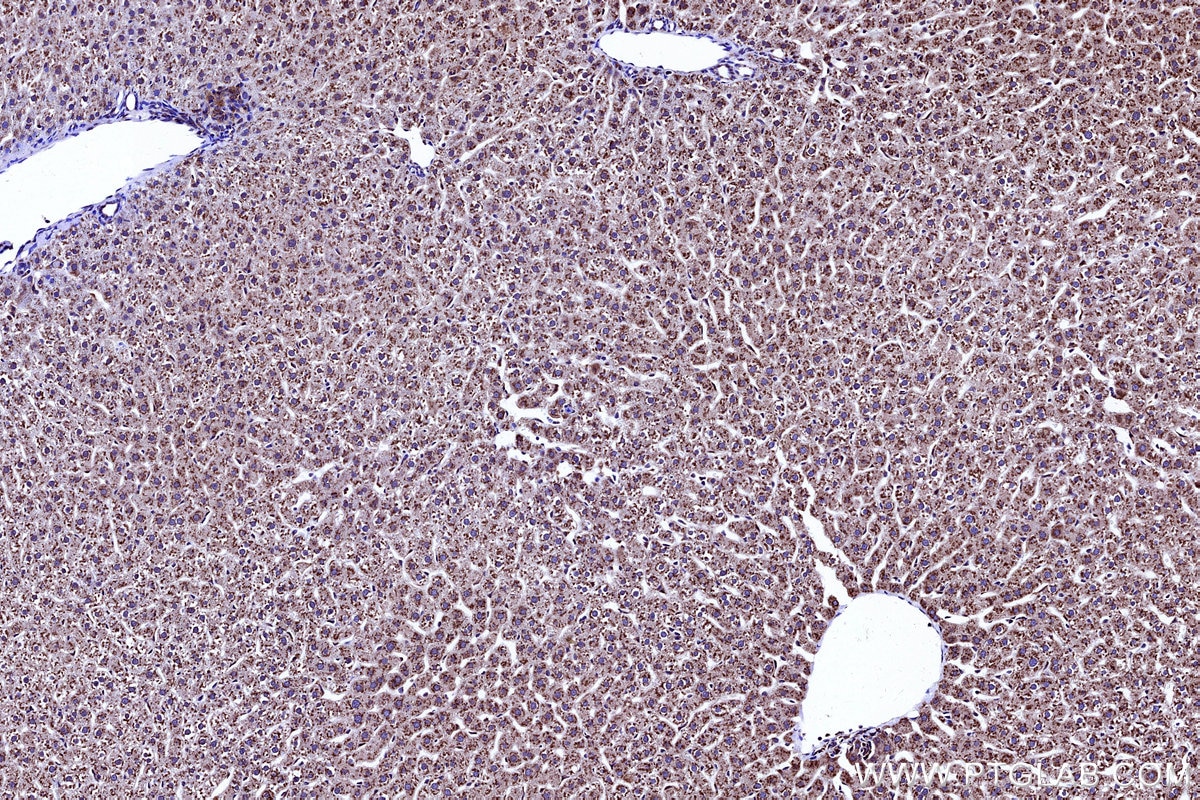

Tested Applications
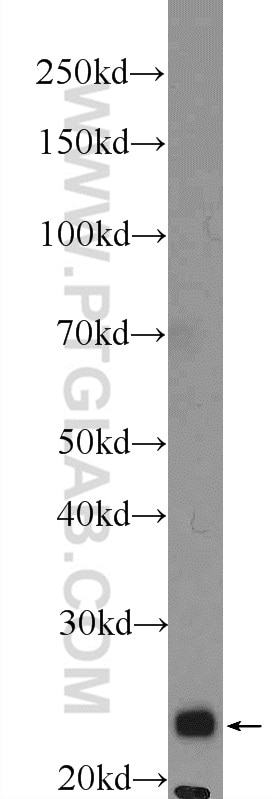
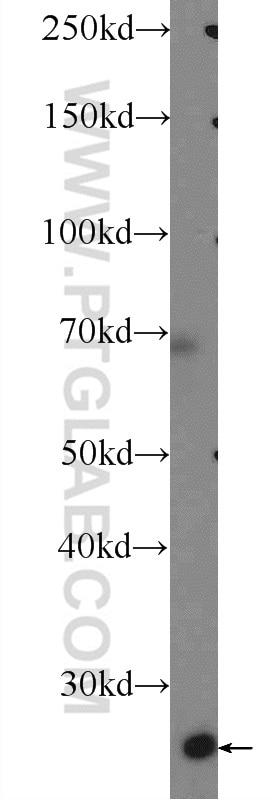
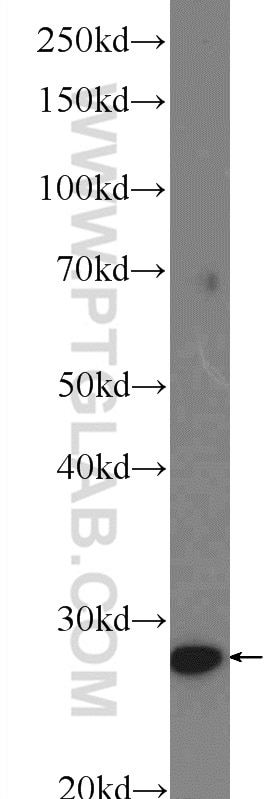
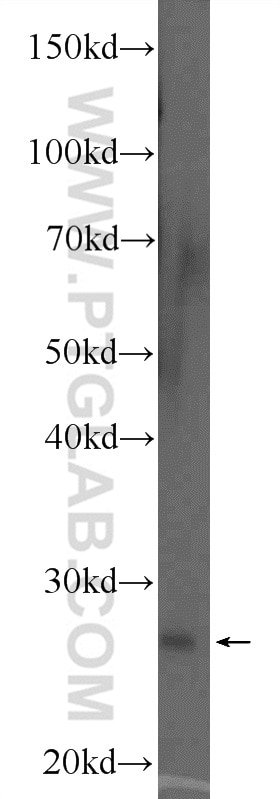
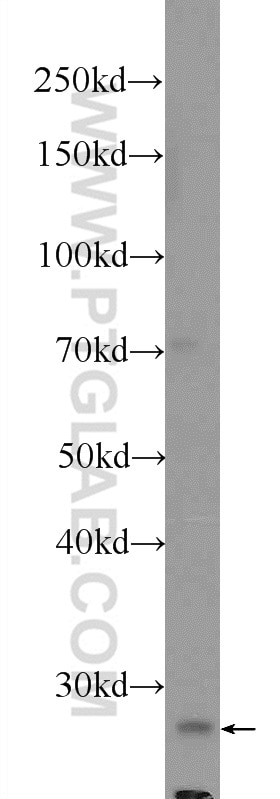
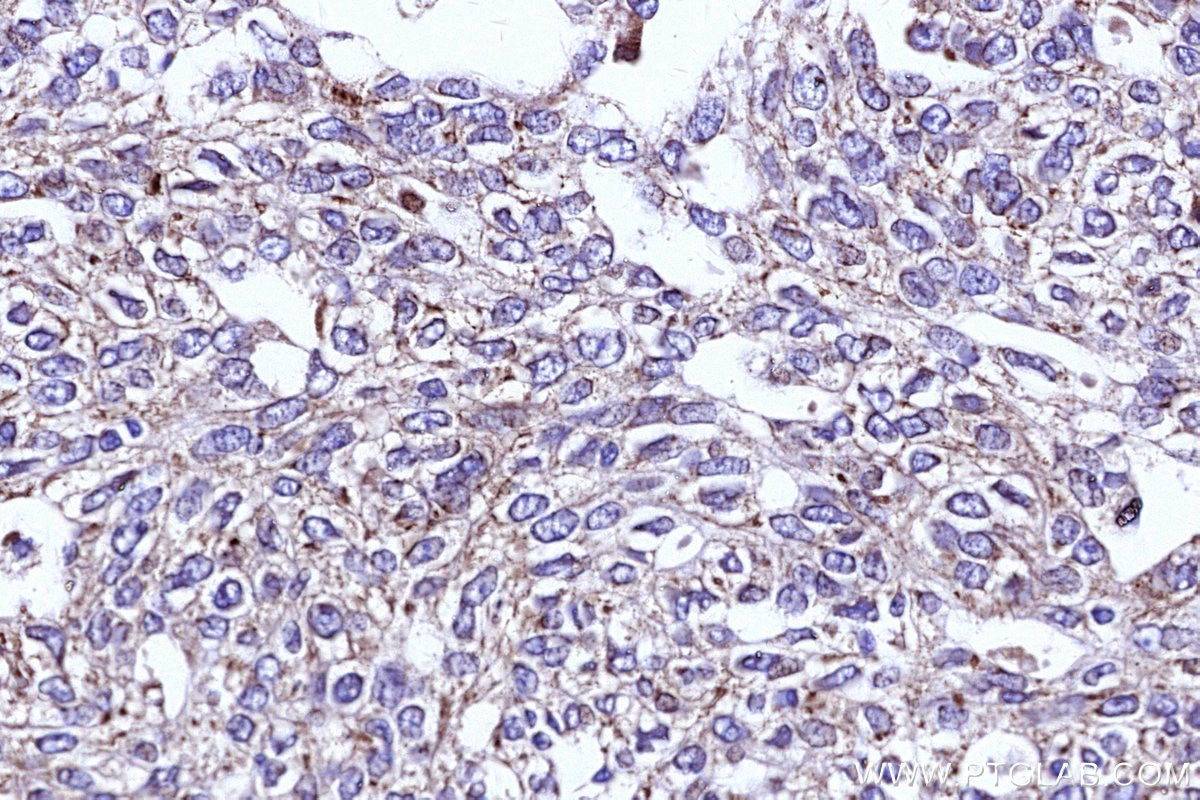
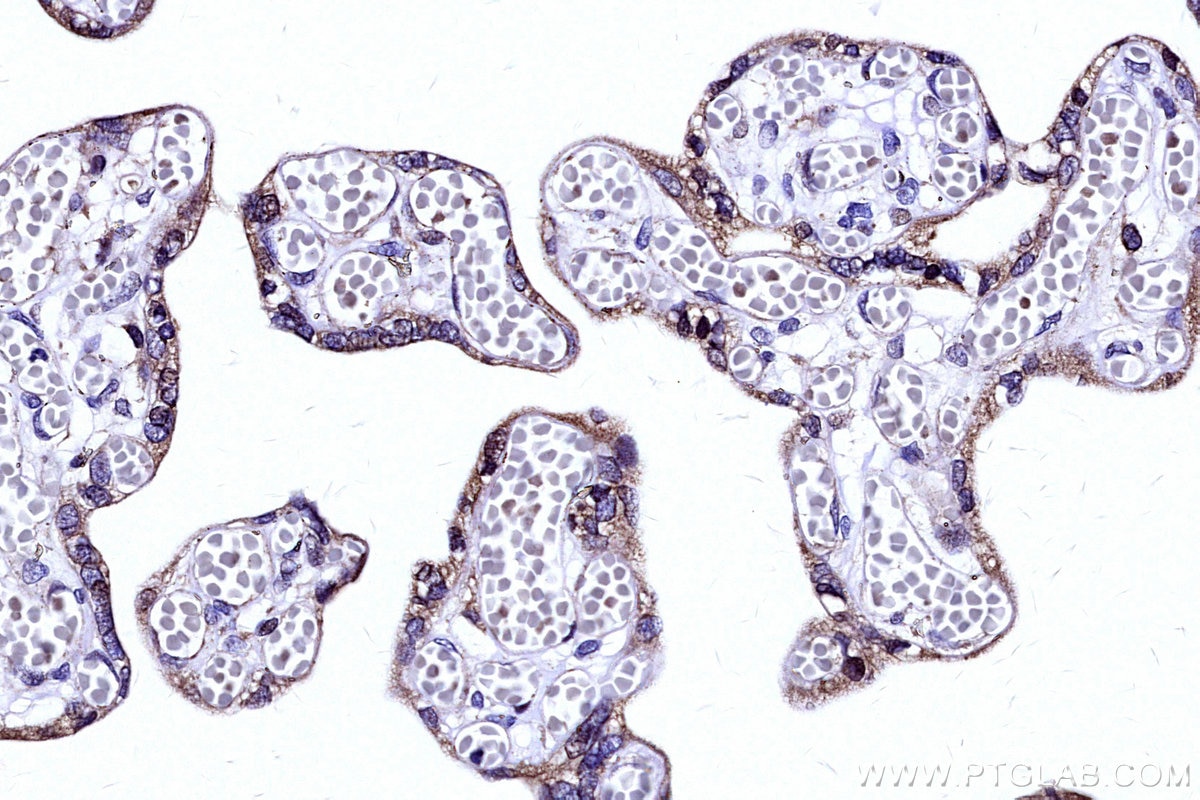
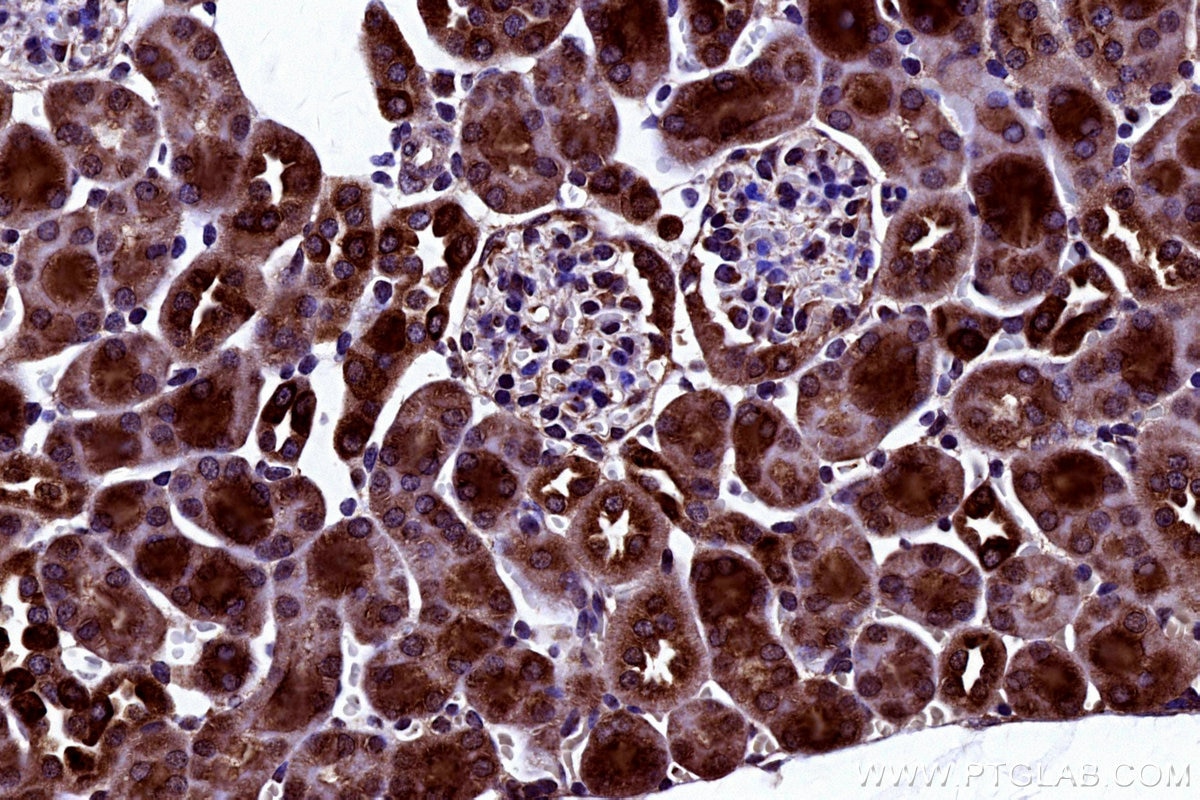
| Positive WB detected in | mouse pancreas tissue, COLO 320 cells, human placenta tissue, mouse liver tissue |
Recommended dilution
| Application | Dilution |
|---|---|
| Western Blot (WB) | WB : 1:200-1:1000 |
| It is recommended that this reagent should be titrated in each testing system to obtain optimal results. | |
| Sample-dependent, Check data in validation data gallery. | |
Product Information
19889-1-AP targets COX4NB in WB, IP, ELISA applications and shows reactivity with human, mouse, rat samples.
| Tested Reactivity | human, mouse, rat |
| Cited Reactivity | human, mouse |
| Host / Isotype | Rabbit / IgG |
| Class | Polyclonal |
| Type | Antibody |
| Immunogen |
CatNo: Ag13720 Product name: Recombinant human COX4NB protein Source: e coli.-derived, PGEX-4T Tag: GST Domain: 1-210 aa of BC001472 Sequence: MPGVKLTTQAYCKMVLHGAKYPHCAVNGLLVAEKQKPRKEHLPLGGPGAHHTLFVDCIPLFHGTLALAPMLEVALTLIDSWCKDHSYVIAGYYQANERVKDASPNQVAEKVASRIAEGFSDTALIMVDNTKFTMDCVAPTIHVYEHHENRWRCRDPHHDYCEDWPEAQRISASLLDSRSYETLVDFDNHLDDIRNDWTNPEINKAVLHLC Predict reactive species |
| Full Name | COX4 neighbor |
| Calculated Molecular Weight | 210 aa, 24 kDa |
| Observed Molecular Weight | 24 kDa |
| GenBank Accession Number | BC001472 |
| Gene Symbol | COX4NB |
| Gene ID (NCBI) | 10328 |
| RRID | AB_2878618 |
| Conjugate | Unconjugated |
| Form | Liquid |
| Purification Method | Antigen affinity purification |
| UNIPROT ID | O43402 |
| Storage Buffer | PBS with 0.02% sodium azide and 50% glycerol, pH 7.3. |
| Storage Conditions | Store at -20°C. Stable for one year after shipment. Aliquoting is unnecessary for -20oC storage. 20ul sizes contain 0.1% BSA. |
Protocols
| Product Specific Protocols | |
|---|---|
| WB protocol for COX4NB antibody 19889-1-AP | Download protocol |
| Standard Protocols | |
|---|---|
| Click here to view our Standard Protocols |
Publications
What published studies show
The COX4NB Polyclonal antibody (Cat# 19889-1-AP) has a total of 4 citations. These appear in Nature Methods, Molecular Cell, PLoS Pathogens, and bioRxiv. The associated research fields include endogenous protein disorder analysis, ER membrane protein complex (EMC) assembly, Dengue virus membrane fusion, and multi-bundle membrane protein biogenesis. Applications cited are Western blot and immunoprecipitation.
| Species | Application | Title |
|---|---|---|
PLoS Pathog A specific EMC subunit supports Dengue virus infection by promoting virus membrane fusion essential for cytosolic genome delivery. | ||
bioRxiv The ER membrane protein complex acts as a chaperone to promote the biogenesis of multi-bundle membrane proteins. |










